

The intimate apparel industry has witnessed a remarkable shift toward natural, breathable materials in recent years, with cloth panties emerging as a preferred choice for women prioritizing comfort, health, and sustainability. Unlike synthetic alternatives that can trap moisture and irritate sensitive skin, quality cloth underwear offers superior breathability and moisture management. As consumers become more educated about the fabrics touching their skin daily, the demand for well-constructed cloth panties has grown significantly, driving innovation in design and manufacturing techniques that combine traditional materials with modern performance features.
Understanding Fabric Choices in Cloth Panties
When selecting cloth panties, the fabric composition plays a crucial role in determining comfort, durability, and health outcomes. Natural fibers such as cotton, bamboo, and modal dominate the market, each offering distinct advantages.
Cotton remains the gold standard for everyday underwear due to its exceptional breathability and hypoallergenic properties. According to research on feminine intimate hygiene habits, the choice of underwear fabric significantly impacts vaginal health, with natural fibers showing lower association with irritation and infection risks.
Natural Fiber Benefits
The primary advantages of cloth panties made from natural fibers include:
- Superior moisture wicking that keeps skin dry throughout the day
- Enhanced breathability reducing the risk of bacterial overgrowth
- Lower chemical exposure compared to synthetic fabrics with antimicrobial treatments
- Better temperature regulation for all-season comfort
- Reduced environmental impact through biodegradable materials
Different natural fibers serve different purposes. Organic cotton provides reliable everyday comfort, while bamboo-derived fabrics offer silky softness with natural antimicrobial properties. Modal and Tencel bring luxurious drape and exceptional moisture management to premium cloth panties.
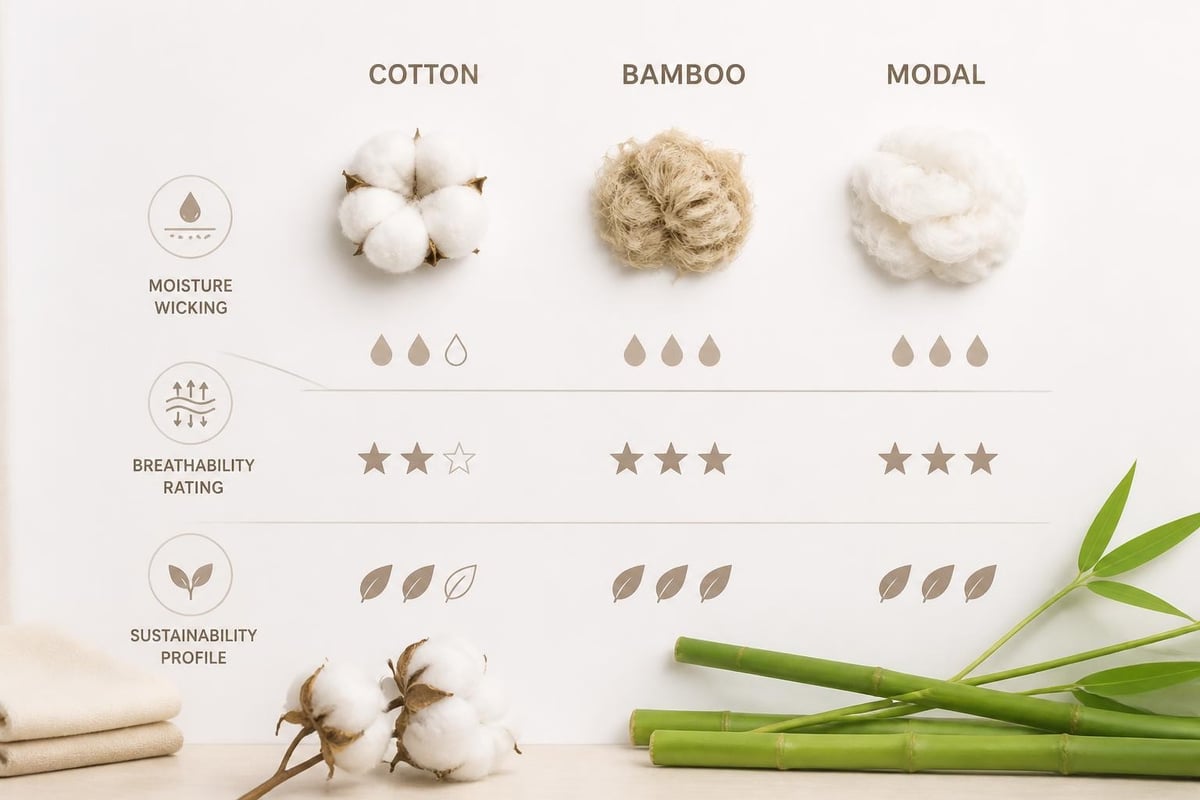
| Fabric Type | Breathability | Moisture Control | Durability | Sustainability |
|---|---|---|---|---|
| Organic Cotton | Excellent | Very Good | Excellent | Very Good |
| Bamboo | Excellent | Excellent | Good | Good |
| Modal/Tencel | Very Good | Excellent | Very Good | Excellent |
| Cotton Blend | Good | Good | Very Good | Good |
Health Considerations for Cloth Underwear
The relationship between underwear fabric and intimate health has gained considerable scientific attention. Studies examining menstrual products and reproductive health have expanded to include regular underwear choices, revealing important connections between fabric selection and urogenital wellness.
Preventing Common Issues
Properly designed cloth panties help prevent several common concerns that affect women's daily comfort. The breathability of natural fibers reduces moisture accumulation, which directly impacts bacterial balance. Seamless construction eliminates friction points that can cause irritation, while appropriate coverage ensures adequate ventilation.
For women seeking underwear that prevents camel toe, the fabric's weight, stretch, and recovery properties matter significantly. High-quality cloth panties incorporate strategic paneling and moderate compression without sacrificing breathability.
Key health-protective features include:
- Gusset construction using 100% cotton for direct contact with sensitive areas
- Flat seams that eliminate chafing during movement
- Appropriate elasticity that holds shape without excessive compression
- Chemical-free dyes especially for light-colored cloth panties
- Antimicrobial properties from natural fibers rather than chemical treatments
The fit of cloth panties directly impacts their health benefits. Understanding proper underwear sizing ensures adequate coverage without binding, promoting healthy circulation and reducing irritation risk.
Care and Maintenance for Longevity
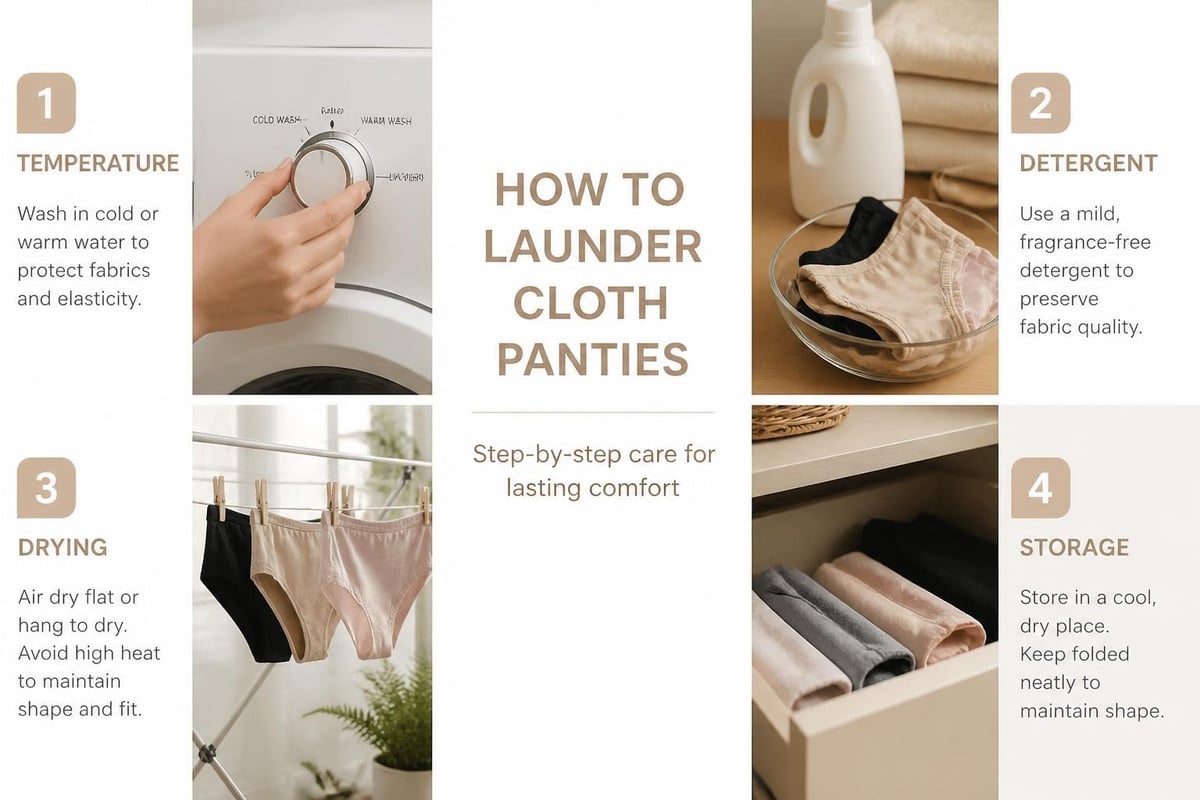
Proper laundering extends the lifespan of cloth panties while maintaining their hygiene and comfort properties. NHS guidance on laundering intimate garments emphasizes temperature, detergent selection, and drying methods that preserve fabric integrity while ensuring thorough sanitization.
Washing Best Practices
Temperature matters significantly when laundering cloth panties. While hot water provides superior sanitization, it can degrade elastic fibers and cause shrinkage. A balanced approach uses warm water (40-60°C) with quality detergent for regular washing, reserving hot washes for periodic deep cleaning.
Pre-treating stains immediately prevents permanent discoloration. Cold water rinses work best for fresh stains, while enzyme-based detergents effectively break down protein-based marks without harsh bleaching agents that weaken natural fibers.
- Use mild, fragrance-free detergents to avoid irritation
- Avoid fabric softeners that coat fibers and reduce breathability
- Separate light and dark colors to prevent dye transfer
- Turn cloth panties inside out to protect exterior finish
- Use mesh laundry bags to prevent tangling and stretching
Drying and Storage
Air drying preserves elasticity better than machine drying, though modern dryers on low-heat settings work adequately for sturdy cotton cloth panties. Hanging underwear in well-ventilated areas away from direct sunlight prevents color fading while allowing thorough drying that discourages mildew.
Storage organization protects your investment in quality cloth panties. Folding rather than rolling prevents elastic stress, while dedicated drawer organizers maintain shape between wears. Rotating your collection ensures even wear distribution, extending the functional life of each pair.
Environmental Impact and Sustainability
The environmental footprint of intimate apparel has become a significant consideration for conscious consumers. Cloth panties made from sustainable materials offer clear advantages over disposable alternatives and synthetic fast-fashion options.
Lifecycle Assessment
Comprehensive sustainability guides for cotton products reveal that organic cotton cloth panties, despite requiring water-intensive cultivation, offer superior lifecycle benefits when used for their full lifespan. The key differentiator lies in longevity and biodegradability.
Sustainable cloth panties prioritize:
- Organic certification ensuring pesticide-free cultivation
- Fair trade labor practices throughout supply chains
- Minimal packaging using recycled or biodegradable materials
- Local manufacturing reducing transportation emissions
- Durable construction supporting multi-year use
Compared to synthetic underwear that sheds microplastics during every wash cycle, natural fiber cloth panties break down harmlessly at end-of-life. Even bamboo-based fabrics, while requiring chemical processing for fiber extraction, result in biodegradable garments with lower cumulative environmental impact than petroleum-based alternatives.
Ethical Production Considerations
Beyond material selection, ethical production practices distinguish truly sustainable cloth panties. Transparency in manufacturing, fair wages for garment workers, and responsible waste management contribute to the overall sustainability profile.
Women seeking seamless undergarments can find options that combine advanced manufacturing techniques with sustainable materials, proving that performance and environmental responsibility need not conflict.
Performance Features in Modern Cloth Panties
Contemporary cloth panties incorporate sophisticated design elements that enhance their traditional advantages. Engineering advances allow natural fibers to compete with synthetic performance wear across multiple dimensions.
Moisture Management Technology
Modern weaving techniques create fabric structures that actively channel moisture away from skin. Engineered cotton blends combine long-staple cotton fibers with small percentages of performance synthetics, achieving moisture-wicking capabilities while maintaining breathability and comfort.
| Performance Feature | Traditional Cotton | Engineered Cotton Blend | Bamboo Fabric |
|---|---|---|---|
| Moisture Wicking Speed | Moderate | Fast | Very Fast |
| Dry Feel | Good | Excellent | Excellent |
| Odor Resistance | Good | Very Good | Excellent |
| Shape Retention | Good | Excellent | Good |
Seamless Construction Benefits
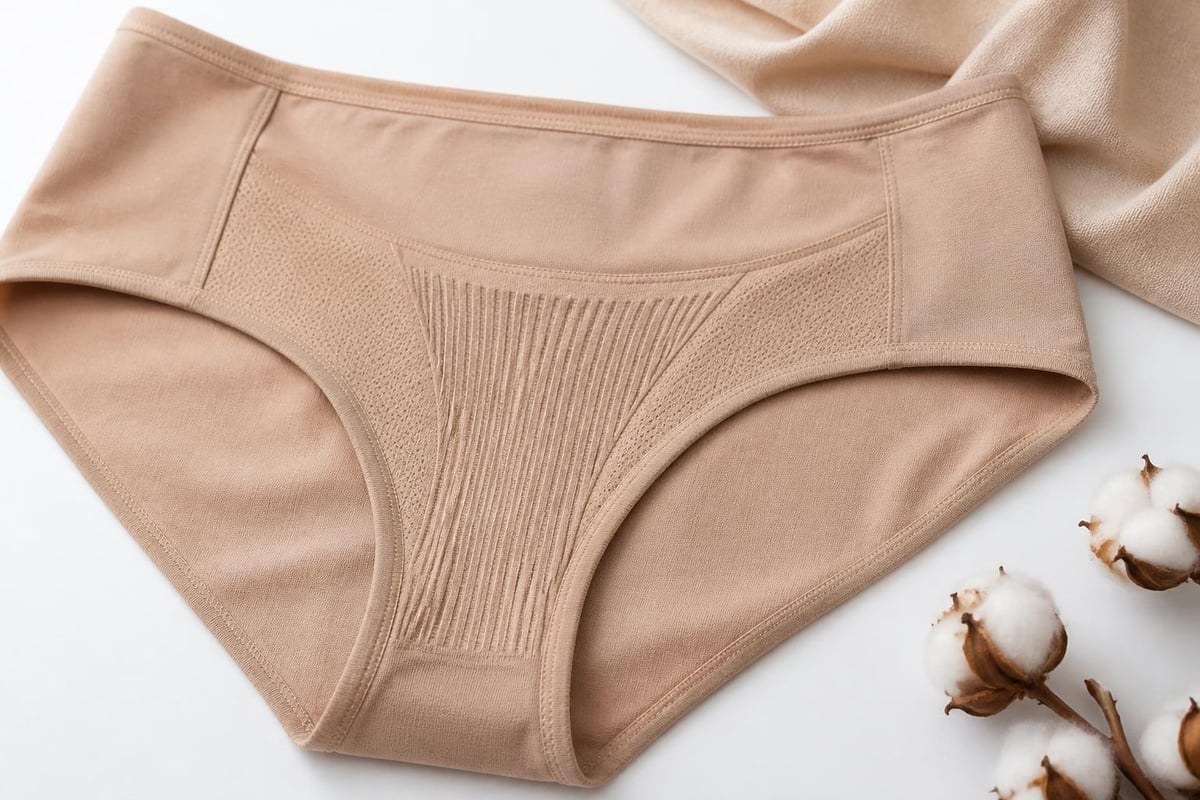
Seamless manufacturing techniques eliminate traditional side seams and reduce visible panty lines without compromising the benefits of cloth construction. These advanced cloth panties use circular knitting technology that creates continuous fabric tubes, shaped through controlled tension rather than sewn seams.
For active lifestyles, underwear designed to wear with leggings requires both invisibility and performance. Cloth panties using seamless construction with strategic fabric weight distribution achieve this balance, providing coverage without bulk.
Seamless cloth panties offer:
- Zero chafing even during extended wear or exercise
- Invisible appearance under fitted clothing
- Reduced fabric waste during manufacturing
- Enhanced comfort through continuous fabric structure
- Better shape retention without seam stress points
Specialized Cloth Panty Applications
Different lifestyles and needs call for specialized cloth panty designs that go beyond basic everyday underwear. Innovation in this category addresses specific functional requirements while maintaining the core benefits of natural fiber construction.
Athletic and Active Wear
Active women require cloth panties that manage perspiration effectively while providing secure coverage during movement. Performance cotton blends engineered for athletic use incorporate longer fibers and tighter weaves that resist pilling and maintain shape through repeated washing.
The rise of athleisure has driven demand for thong underwear in cloth construction, combining minimal coverage with natural fiber benefits. Modern athletic cloth panties often feature reinforced gussets with multiple layers for enhanced absorbency and quick-drying properties.
Period and Absorbent Options
Reusable cloth underwear designed for menstruation represents a growing category that combines traditional cloth panty comfort with modern absorbent technology. Patient guidance from NHS on washable absorbent underwear provides evidence-based recommendations for selecting and maintaining these specialized garments.
Multi-layer gusset construction in period cloth panties typically includes a moisture-wicking top layer, absorbent middle layers, and a leak-resistant barrier, all while maintaining breathability. This technology extends to light incontinence options, offering dignity and comfort through washable, reusable designs.
Addressing Common Fit Challenges
Proper fit distinguishes comfortable cloth panties from those that cause frustration. Understanding body diversity and how different cuts accommodate various shapes ensures satisfaction with your intimate apparel choices.
Preventing Camel Toe
One of the most common concerns with fitted underwear involves unwanted visible definition through outer clothing. Anti-camel toe underwear addresses this through strategic design elements including reinforced center gussets, wider fabric panels, and moderate compression that smooths without binding.
Design solutions include:
- Strategic seam placement that redirects fabric tension
- Thicker gusset construction providing additional coverage
- Laser-cut edges that eliminate bulk at leg openings
- Moderate stretch fabrics that conform without clinging
- Anatomical paneling that accommodates natural body contours
Quality cloth panties prioritize comfort alongside discretion, using natural fiber blends that drape smoothly while maintaining opacity under form-fitting clothing.
Size Selection and Fit
Selecting the right size in cloth panties requires understanding that natural fibers behave differently than synthetics. Cotton and bamboo fabrics typically offer less stretch than spandex blends, making accurate sizing more critical. Most cloth panties fit true to size but may feel snugger initially, softening with wear and washing.
Women transitioning from synthetic to cloth panties often need to reassess their size, as natural fibers conform to the body differently. Checking manufacturer size charts that reference hip and waist measurements ensures better initial fit than relying solely on labeled sizes.
Quality Indicators and Selection Criteria
Investing in high-quality cloth panties pays dividends in comfort, longevity, and value. Recognizing construction quality helps consumers make informed purchases that serve them well over time.
Construction Details
Examine the gusset closely as this critical area indicates overall garment quality. Premium cloth panties feature double-layer cotton gussets with clean finished edges, often in contrasting white cotton regardless of exterior color. This construction prioritizes health over aesthetics.
Elastic quality directly impacts wearability and lifespan. High-quality cloth panties use covered elastic that won't directly contact skin, preventing irritation and maintaining appearance through numerous wash cycles. Waistbands should lie flat without rolling or twisting.
Seam quality reveals manufacturing standards. Flatlock seams or rolled edges indicate attention to comfort, while unfinished or bulky seams suggest lower quality construction. Even inexpensive cloth panties should feature secure, even stitching throughout.
Testing and Standards
ASTM textile standards provide manufacturers with testing protocols for fabric performance, colorfastness, and durability. While individual consumers cannot access laboratory testing, understanding that quality manufacturers follow these standards helps inform purchasing decisions.
Consumer testing considerations:
- Check fabric recovery by stretching and releasing the material
- Examine colorfastness by dampening and pressing against white fabric
- Assess opacity by holding the garment against light
- Feel for consistent fabric weight without thin spots
- Verify label information matches actual fiber content
Cost Considerations and Value Assessment
Cloth panties span a wide price range, from economy multipacks to premium designer options. Understanding value requires looking beyond initial cost to factors including durability, comfort, and cost-per-wear over the garment's lifespan.
Investment vs. Budget Options
Premium cloth panties typically cost $15-30 per pair but offer superior fabrics, construction, and fit. These garments often last 2-3 years with proper care, resulting in favorable cost-per-wear compared to budget alternatives that may need replacement within months.
Budget cloth panties at $3-8 per pair serve specific purposes including travel, temporary size transitions, or situations where underwear may be discarded. Understanding when economy options suffice versus when quality matters prevents both overspending and false economy.
| Price Category | Typical Features | Expected Lifespan | Best Use Case |
|---|---|---|---|
| Economy ($3-8) | Basic cotton, simple construction | 6-12 months | Everyday rotation, travel |
| Mid-range ($10-18) | Quality fabrics, good construction | 18-24 months | Daily wear, varied activities |
| Premium ($20-35) | Premium materials, advanced design | 24-36 months | Special occasions, performance needs |
Shopping underwear sales strategically allows building a quality collection without excessive spending. Purchasing premium cloth panties during promotional periods provides access to superior products at moderate prices.
Building a Practical Collection
A functional cloth panty wardrobe includes variety for different activities and outfit requirements. Financial planning for intimate apparel should account for replacement cycles, allocating budget for periodic refresh of well-worn items.
Most women find that 12-15 pairs of quality cloth panties support comfortable rotation with weekly laundering. This quantity allows several days between wears for any individual pair, reducing stress on elastic and fabrics while maintaining hygiene through proper drying time.
Style Variations and Aesthetic Choices
Cloth panties encompass diverse styles from full coverage to minimal designs, each serving different aesthetic and functional purposes. Understanding cut variations helps match underwear to specific outfits and occasions.
Coverage Options
Full coverage cloth panties provide maximum comfort and modesty, with waistbands at or near the natural waist and leg openings that cover the entire buttock. These styles work excellently for everyday wear, sleep, and situations requiring secure coverage.
Bikini and hipster cuts offer moderate coverage with waistbands sitting at or slightly below the hip bone. These versatile styles suit most outfits while providing adequate coverage for comfort. The cloth construction ensures breathability despite reduced coverage compared to full styles.
Brief styles in cloth construction combine traditional coverage with modern fits, often featuring higher leg openings that elongate the appearance while maintaining front and back coverage. These classics work well for women who prioritize function over fashion trends.
Minimalist Designs
Thong and tanga styles maximize clothing compatibility by eliminating back coverage that might create visible panty lines. Quality thong panties for women in cloth construction maintain the health benefits of natural fibers while providing the discretion these minimal styles offer.
G-string variations represent the most minimal coverage, suitable for specific outfit requirements. Even in these extremely minimal styles, cloth construction using quality cotton or modal for the gusset area ensures intimate health protection.
Choosing cloth panties represents a commitment to personal comfort, intimate health, and environmental responsibility. The natural breathability, reduced chemical exposure, and superior moisture management of quality cloth underwear deliver measurable benefits for daily wear. Ambar Wear specializes in seamless, comfortable designs that combine the best properties of cloth construction with innovative engineering to prevent common issues like camel toe and visible panty lines. Explore their collection to discover how premium cloth undergarments can enhance your confidence and comfort every day.