

Ever bought underwear in your usual size, only to find it pinches, rides up, or leaves lines under your clothes? You’re not alone. Navigating underwear sizes can be confusing, frustrating, and often uncomfortable.
The right underwear sizes are essential for all-day comfort, better health, and increased confidence. This guide will help you finally decode underwear sizes in 2025. Expect practical steps, easy-to-read charts, and expert shopping tips.
Ready to say goodbye to sizing struggles? Follow this guide to discover why sizing matters, how to measure, understand style and fabric impact, avoid common mistakes, and achieve the flawless fit you deserve.
Why Underwear Sizing Matters in 2025
Ever wondered why underwear that looks perfect on the hanger can feel so wrong by midday? The truth is, getting your underwear sizes right is more important than ever for daily comfort and well-being. Recent research shows that over half of adults report discomfort or irritation from ill-fitting underwear, making this small detail a big deal.
Comfort and Health: The Hidden Impact
Proper underwear sizes are essential for more than just aesthetics. Ill-fitting underwear can cause chafing, skin irritation, and even contribute to hygiene issues if it’s too tight or too loose. Posture can be affected too, as waistbands that dig in or roll may cause you to sit or stand awkwardly, leading to aches over time.
Here’s a quick list of common health problems linked to poor underwear fit:
- Chafing and redness
- Fungal or bacterial irritation
- Poor posture and back discomfort
- Increased sweating or restricted airflow
Confidence, Appearance, and Self-Esteem
When your underwear sizes are correct, your clothes fit better, lines disappear, and you move with more confidence. In fact, 70% of consumers report improved comfort and self-assurance after switching to properly sized underwear. The right fit means fewer wardrobe malfunctions and a boost in self-esteem with every outfit.
Let’s look at the numbers:
| Benefit | Percentage of Users Reporting Improvement |
|---|---|
| Comfort | 70% |
| Clothing Appearance | 62% |
| Self-Confidence | 55% |
The Real Cost of Getting It Wrong
Choosing the wrong underwear sizes doesn’t just affect your mood. It can lead to wasted money on returns, unwearable items in your drawer, and extra environmental waste from shipping and discarding products. Each year, thousands of returns are made because the fit wasn’t right, costing both you and the planet.
- Wasted purchases pile up quickly.
- Returns mean more packaging and shipping.
- Unworn underwear often ends up in landfills.
Inclusive Sizing: Every Body Deserves Comfort
In 2025, brands are finally recognizing that underwear sizes aren’t one-size-fits-all. Inclusive sizing supports every gender, shape, and size. For curvier bodies, finding the right fit can be especially challenging, but resources like underwear for curvy women sizing offer tips and solutions that make a real difference.
True Stories: The Power of the Perfect Fit
Consider Maya, who struggled for years with underwear sizes that left marks and never stayed in place. After finally measuring herself and using the right size chart, she found underwear that didn’t pinch or roll, transforming her daily routine and confidence.
The Takeaway
Paying attention to underwear sizes isn’t just about comfort—it’s about health, confidence, and making smart, sustainable choices. By prioritizing the right fit, you set yourself up for better days, fewer returns, and a wardrobe that really works for you.
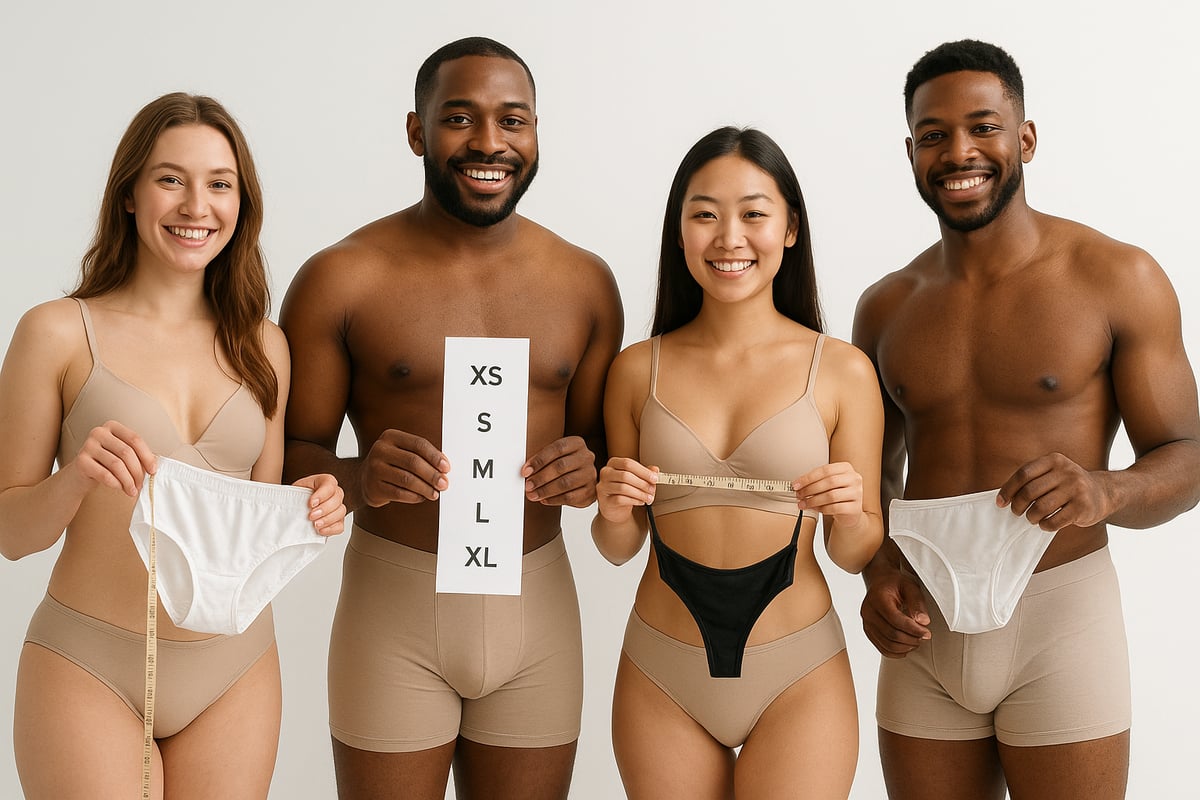
Understanding Underwear Sizing Systems
Ever wondered why underwear sizes feel so inconsistent from one brand or country to another? The answer lies in the variety of sizing systems and how brands interpret them. Let’s explore how to decode underwear sizes, so you always get the comfort, fit, and confidence you deserve.
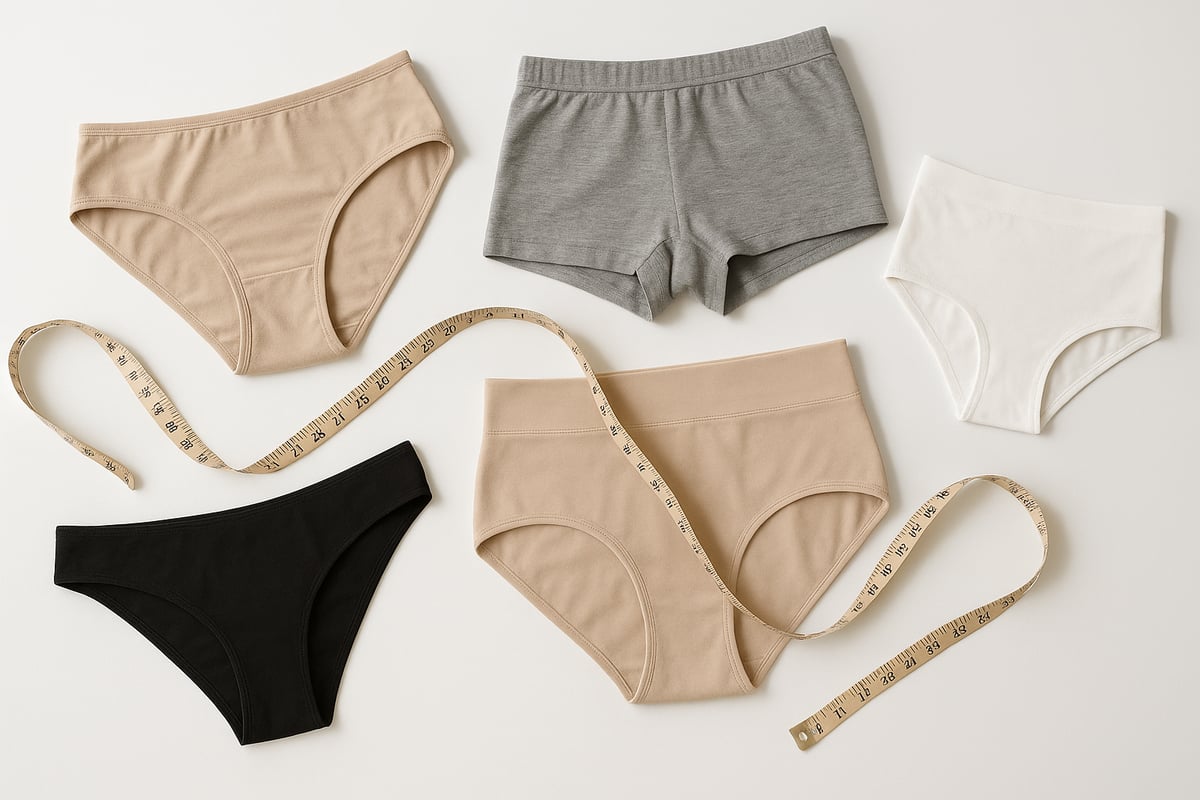
Sizing Labels Explained: S/M/L, Numeric, and International
Underwear sizes are not one-size-fits-all. Most brands use either alpha sizes (like S, M, L, XL) or numeric sizes (such as 32, 34, 36). However, what’s considered a “Medium” in one brand could be a “Large” elsewhere. This variation is even more pronounced when comparing different regions.
For instance, US, UK, and EU sizing charts often use different numbers for the same body measurements. Asian brands may run smaller, so a US Medium might equal a Large or even Extra Large in some Asian labels. Here’s a quick table to illustrate how size labels can compare to waist and hip measurements:
| Size Label | Waist (in) | Hips (in) | EU Size | UK Size | US Size |
|---|---|---|---|---|---|
| S | 26-28 | 34-36 | 36-38 | 8-10 | 4-6 |
| M | 29-31 | 37-39 | 40-42 | 12-14 | 8-10 |
| L | 32-34 | 40-42 | 44-46 | 16-18 | 12-14 |
When shopping internationally, it’s important to check conversion charts or look for references to standards like the Joint European standard for size labelling of clothes. This can help you avoid the frustration of ordering underwear sizes that don’t match your expectations.
Remember, every brand may have its unique take on these systems, so always double-check before you buy. Understanding these differences is the first step toward finding the right underwear sizes for your body.
Decoding Size Charts: What Measurements Matter
To get underwear sizes right, you need to focus on three main measurements: waist, hip, and rise. The waist is measured at the narrowest part of your torso, while the hips are measured at the widest point. “Rise” refers to the distance from the crotch seam up to the top of the waistband, which affects coverage and comfort.
It’s crucial to note that waistband size is not always the same as underwear size. The material, stretch, and cut all play a role in how the underwear fits your body. Many brands provide detailed charts, breaking down which measurements match which sizes, so take your time to read them carefully.
Here’s a sample breakdown of what you might find:
- Waist: 28-30 inches = Medium
- Hips: 38-40 inches = Medium
- Rise: 9-10 inches = Mid-rise fit
Using online sizing tools can make this process easier. Look for brands that offer virtual fitting rooms, interactive charts, or even customer reviews that mention fit and comfort. When you pay attention to these details, you’ll drastically increase your chances of getting the right underwear sizes on the first try.
The Rise Factor: Low, Mid, and High
The “rise” of underwear refers to how high the waistband sits on your body. Low-rise underwear sits below the hips, mid-rise sits at the natural waist, and high-rise sits above the belly button. This factor directly affects both comfort and how your underwear sizes feel.
Your preferred rise may depend on your body shape, clothing style, or desired level of coverage. For example, high-rise briefs offer more support for the stomach, while low-rise thongs are often chosen for minimal lines under clothes. Understanding the rise ensures that your underwear sizes not only fit but also suit your lifestyle and preferences.
Step-by-Step: How to Find Your Perfect Underwear Size
Finding the right underwear sizes in 2025 is simpler when you break it down into clear steps. With so many brands, fabrics, and fits out there, a methodical approach makes all the difference. Let’s walk through each stage, so you can shop with confidence and finally experience true comfort.
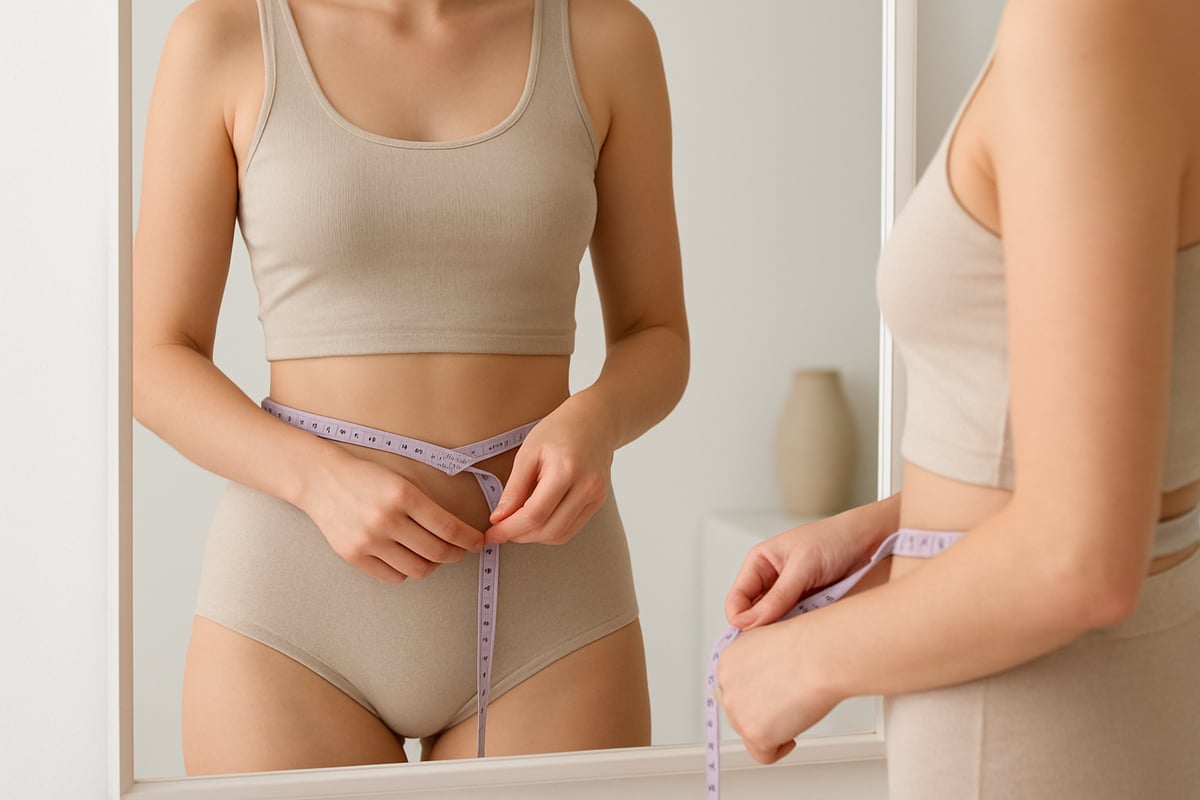
Step 1: Take Accurate Measurements
Before you start shopping for underwear sizes, grab a soft tape measure, a full-length mirror, and a notepad. Stand straight but relaxed, ensuring your body is in its natural posture.
To measure your waist, wrap the tape around the narrowest part, usually just above your belly button. For your hips, measure around the widest part, typically across the fullest area of your buttocks. Write each number down.
Avoid common mistakes like measuring over bulky clothes or slouching, as this leads to errors in finding correct underwear sizes. Double-check your numbers for accuracy. Good measurements are the backbone of a great fit.
Step 2: Compare with Brand Size Charts
Once you have your numbers, compare them to each brand’s specific size chart. Remember, underwear sizes are not universal. A medium from one company could fit very differently from a medium elsewhere.
Check each chart carefully, matching your waist and hip measurements to their guidelines. If you are shopping internationally, use conversion tools to make sure you are looking at the right size. For a comprehensive approach to comparing and converting panties sizes, the Ideal Panties Fit Guide – LITE Underwear offers detailed charts and tips.
If you fall between sizes, consider your personal comfort and the stretch of the fabric. Sometimes, it is better to size up for a relaxed fit or down for extra support. The goal is to match your measurements to the most accurate underwear sizes every time.
Step 3: Consider Fabric and Stretch
Not all underwear fabrics behave the same. Cotton offers breathability but minimal stretch, while modal and bamboo are softer and more flexible. Spandex blends can stretch up to an inch, which means the underwear sizes may feel different even if the label is the same.
For seamless or performance underwear, you might need to adjust your size to avoid pinching or rolling. Shapewear often fits snugly, so check brand notes about whether to size up for comfort.
If you are between underwear sizes, let the fabric guide your choice. Stretchier materials are more forgiving, while rigid fabrics require more precision.
Common fabric types:
- Cotton: less stretch, classic fit
- Modal/bamboo: soft, moderate stretch
- Spandex blends: maximum stretch, hugs the body
Always read product descriptions for fabric details, as this can make or break your experience with underwear sizes.
Step 4: Choose the Right Style for Your Body and Needs
Style impacts how underwear sizes fit your body. Briefs offer full coverage and support. Boxers and trunks are looser and sit lower on the hips. Thongs and boyshorts each have unique fits and may require adjusting your usual size.
Think about your daily activities and preferences. If you want invisible lines under clothing, seamless or thong styles might be best. For more coverage, high-rise or boyshorts work well.
Real-life example: Many people find that switching from briefs to trunks solves issues like rolling waistbands or riding up. The key is matching underwear sizes to both your style and comfort needs.
Consider:
- Briefs: classic, supportive
- Boxers/trunks: looser, cooler
- Thongs: minimal coverage, may fit tighter
- Boyshorts: extra coverage for thighs
Experiment with different styles to discover which underwear sizes and shapes feel best on your body.
Step 5: Try On and Evaluate Fit
After choosing your underwear sizes and styles, try them on at home. Look for these signs of a good fit: the waistband stays in place, there is no digging into your skin, and the fabric lies smoothly without bunching.
If something feels off, do not hesitate to use the brand’s exchange policy. Sometimes, it takes a few tries to find the perfect fit. Check your reflection for visible lines or bulges, and move around to test comfort.
Use this simple fit checklist:
- Waistband sits flat, no rolling
- Fabric covers without squeezing
- No sagging or riding up
- Feels comfortable during movement
Remember, the goal is to feel confident and at ease in your chosen underwear sizes.
Step 6: Adjust for Lifestyle and Special Needs
Your daily routine and personal needs might affect the underwear sizes that suit you. For activewear, look for moisture-wicking, stretchy fabrics that move with your body. Sensitive skin may require hypoallergenic materials like bamboo or seamless options.
If you are pregnant, post-surgery, or have unique fit needs, seek out brands with maternity or adaptive underwear sizes. High-rise designs can offer extra support, while seamless or anti-chafing styles are perfect for workouts.
Example: Runners often switch to seamless underwear to avoid chafing, while new moms appreciate high-rise briefs for gentle support. Always account for lifestyle and health when picking underwear sizes.
How Underwear Style and Fabric Affect Sizing
Choosing the right underwear sizes is about more than just numbers on a tag. The cut, style, and fabric of your underwear all play a huge role in how well it fits your body. Let’s break down these factors so you can confidently select the perfect underwear sizes for your needs.
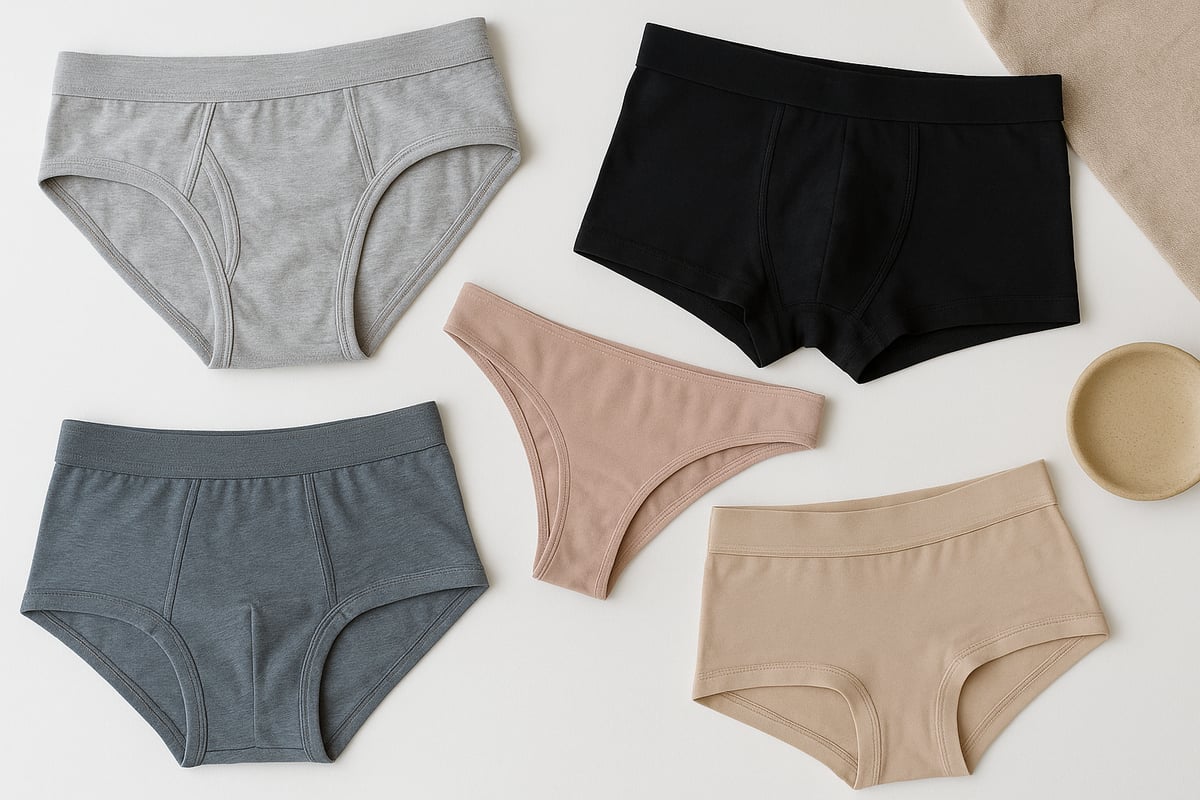
Style Differences: Briefs, Boxers, Trunks, Thongs, Boyshorts
Underwear sizes can feel confusing because each style fits differently. Briefs usually offer snug support and full coverage, making them ideal for all-day comfort. Boxers, on the other hand, provide a looser fit and more airflow, which some people prefer for lounging or sleep.
Trunks are a hybrid, sitting lower on the waist and offering a close fit through the hip and thigh. Thongs eliminate visible lines but often fit tighter around the hips. Boyshorts give more coverage on the thigh and are great for those wanting a seamless look under skirts or dresses.
Here’s how the main styles compare for underwear sizes:
| Style | Coverage | Typical Fit | Sizing Tip |
|---|---|---|---|
| Briefs | Full | Snug, supportive | True to size |
| Boxers | Full, loose | Relaxed | May run larger |
| Trunks | Mid | Close, low rise | Check hip measurement |
| Thongs | Minimal | Tight fit | Consider sizing up |
| Boyshorts | Full, thigh | Smooth, stretchy | Choose based on hip size |
Choosing the right underwear sizes for your favorite style is key to avoiding pinching, riding up, or bunching.
Fabric and Stretch: Getting the Best Fit
Fabric composition is just as important as style when it comes to underwear sizes. Cotton is classic and breathable but offers less stretch, so it’s best for those who want a stable, true-to-size fit. Modal and bamboo fabrics are silky, lightweight, and naturally flexible, adapting well to different body shapes.
Spandex blends add significant stretch, accommodating up to a one-inch size variation. This means you might size down for a snugger fit or up for extra comfort, depending on the fabric’s give.
Here’s a quick comparison:
| Fabric | Stretch Level | Fit Impact |
|---|---|---|
| Cotton | Low | Holds shape, less forgiving |
| Modal/Bamboo | Medium | Flexible, smooth silhouette |
| Spandex Blend | High | Adapts to movement |
When shopping for underwear sizes, always check the fabric blend and consider how much stretch you want. If you’re between sizes, a stretchy material is often more forgiving.
Seamless and Invisible Underwear: Modern Trends
Seamless and invisible underwear are trending in 2025 for their barely-there feel and smooth look under clothes. These pieces are usually made with high-tech fabrics that hug the body and eliminate visible lines.
Seamless styles may fit a bit snugger because they rely on elasticity rather than seams for structure. When choosing underwear sizes in this category, consider reading Seamless underwear sizing tips for expert advice on getting the right fit.
Try seamless thongs or panties for a no-show effect, but be prepared that you might need to size up for total comfort.
Addressing Common Fit Problems
Even with the right underwear sizes, fit issues can pop up. Common problems include riding up, rolling waistbands, visible lines, or uncomfortable bunching. Often, these are solved by switching styles or opting for a different fabric blend.
If your waistband digs in, try a higher rise or a stretchier material. For visible lines, seamless or boyshort styles can help. If you experience chafing, look for moisture-wicking fabrics and flat seams.
Remember, experimenting with different underwear sizes and styles is the best way to solve persistent fit problems and achieve daily comfort.
Common Underwear Sizing Mistakes and How to Avoid Them
Buying underwear might seem simple, but it often leads to frustrating mistakes. The confusion around underwear sizes causes countless people to waste money, feel uncomfortable, or end up with a drawer full of unworn pairs.
Mistake 1: Relying on Old Measurements or Guessing Size
One of the most common errors is assuming your old underwear sizes still fit. Our bodies change over time, whether from weight fluctuations, muscle gain, or life events like pregnancy. Guessing your size or sticking with what you wore years ago leads to discomfort and poor fit.
Always take fresh measurements of your waist and hips before buying new underwear. Even small changes can affect how underwear feels and fits, so make measuring a habit, especially after big life changes.
Mistake 2: Ignoring Brand Charts and Assuming All Mediums Are the Same
Not all Mediums are created equal. Each brand interprets underwear sizes differently. A Medium in one label could be a Large in another, especially across international brands. This is why reading and comparing specific brand charts is essential.
According to the Guide to Understanding Underwear Sizing – UNB Store, regional differences and unique sizing systems can make shopping even trickier. Always check the brand’s chart and, when shopping international brands, use conversion guides to avoid surprises.
Mistake 3: Overlooking Fabric Stretch and Rise
Fabric and rise play a major role in how underwear sizes fit. Cotton tends to have less give, while modal and spandex blends offer more stretch. If you ignore fabric composition, you might end up with underwear that’s too tight or too loose.
Similarly, rise (low, mid, or high) changes how underwear sits on your body. A high-rise brief in your usual size may feel comfier, while a low-rise thong could dig in if you don’t account for style differences. Always consider both fabric and cut when choosing your size.
Mistake 4: Sticking to One Size or Style for Every Underwear Type
It’s tempting to buy all your underwear in the same size and style, but this rarely works. Different cuts—like boxers, briefs, or thongs—fit uniquely. What works for a pair of briefs might not feel right with a thong or shapewear.
If you’ve experienced discomfort, try experimenting with styles and sizes. For instance, switching from a low-rise thong to a high-rise brief in a different fabric can completely change your comfort level.
Mistake 5: Not Updating for Weight, Shape, or Lifestyle Changes
Our bodies and routines change over time, and so should our underwear sizes. Ignoring these shifts leads to fit problems and wasted purchases. Whether you’ve started a new workout routine, are pregnant, or have noticed changes in your shape, reassess your measurements and preferences.
Real-Life Example: Learning from Sizing Errors
Consider Jane, who always bought Medium cotton briefs. After switching jobs and becoming more active, she noticed discomfort and skin irritation. Once she measured herself and checked the brand chart, she realized she needed a Large in a stretchier fabric. The difference in comfort was immediate, and she avoided further returns.
Checklist: Avoiding Underwear Sizing Mistakes
| Top 5 Tips Before Buying |
|---|
| Take new measurements |
| Check brand size charts |
| Consider fabric and stretch |
| Match style to your needs |
| Re-measure after body changes |
Remember, 60% of underwear returns are due to sizing errors. Taking the time to double-check these factors will save you money, reduce returns, and help you find the perfect fit.
Pro Tips for Shopping Underwear Online in 2025
Shopping for underwear sizes online in 2025 can feel like navigating a maze, but with the right tools and mindset, you can make it a breeze. Start by taking advantage of virtual fit tools and online size calculators. Many retailers now offer these features, allowing you to input your measurements and receive personalized recommendations for underwear sizes. This technology helps eliminate guesswork, especially when different brands have unique charts. For extra confidence, reference a comprehensive Lingerie Size Charts | Fit guide & Sister Sizes | Berlei resource to compare sizing systems and ensure an accurate fit.
When choosing underwear sizes, customer reviews are your secret weapon. Look for feedback from shoppers with similar body types or preferences. Honest reviews often reveal if items run small, large, or true to size. Pay attention to comments about fabric stretch and rise, as these details impact comfort. Before clicking "buy," always check the return and exchange policies. Some stores allow returns on unopened packs, while others may offer free exchanges if your chosen underwear sizes miss the mark.
Experimenting is key to finding your perfect underwear sizes. Consider purchasing multi-packs with a variety of styles or sizes, especially if you are trying a new brand. Many online retailers offer inclusive and extended sizing, so everyone can find their match. If you are shopping internationally, be mindful of conversion charts. Size labels can differ across regions, so compare your measurements to the brand's chart or use a trusted guide to translate your underwear sizes accurately.
Keep a fit journal to track which brands, styles, and underwear sizes work best for you. Note details like comfort, fit changes after washing, and any sizing surprises. Remember, online shoppers are twice as likely to become repeat buyers when they achieve a great fit. Take your time, use available tools, and do not be afraid to return or exchange until you discover your ideal underwear sizes. Your comfort and confidence are worth the effort.