

The thong garment has evolved from a controversial undergarment to a wardrobe staple for millions of women worldwide. What began as a minimalist solution to visible panty lines has transformed into a sophisticated category of intimate apparel featuring advanced fabrics, ergonomic designs, and innovative construction techniques. In 2026, the thong garment represents more than just a style choice-it reflects decades of design refinement focused on combining invisibility under clothing with all-day comfort and body confidence.
The Historical Journey of the Thong Garment
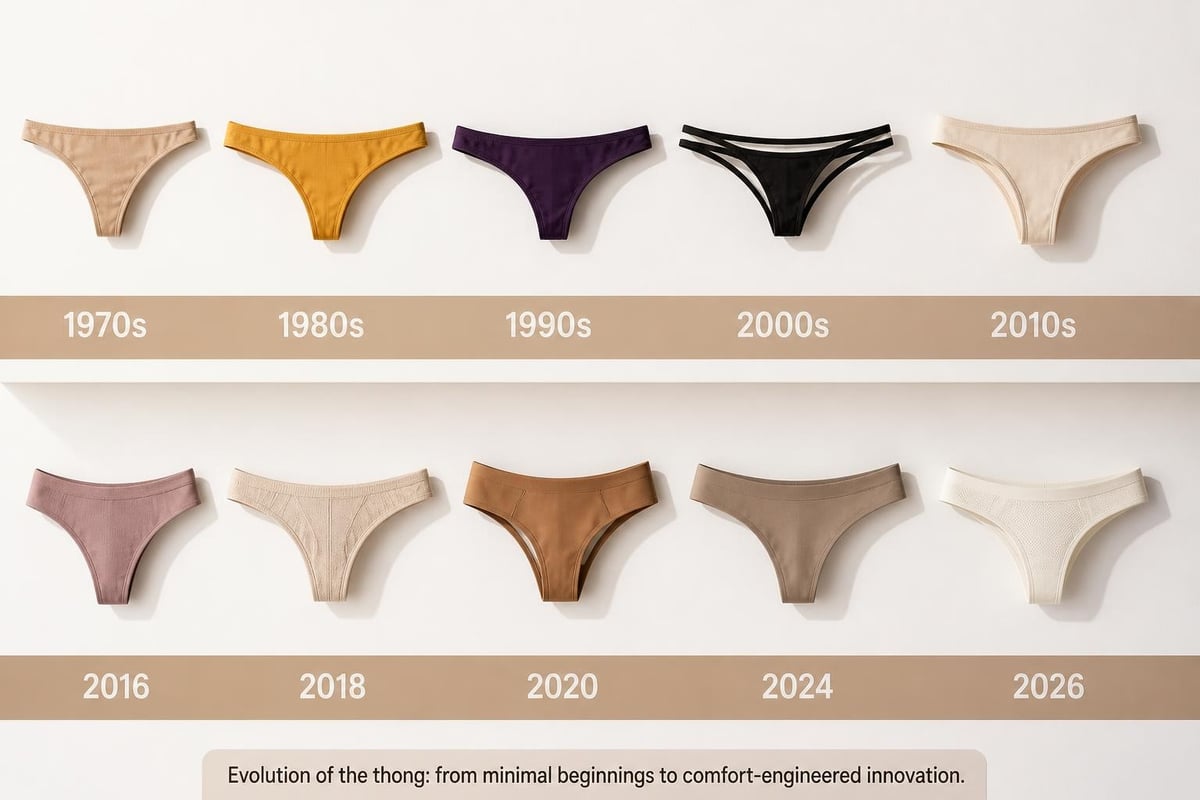
The modern thong garment traces its roots back centuries, though its mainstream acceptance is relatively recent. Historical underwear collections reveal that minimal-coverage undergarments have existed in various forms across different cultures, but the contemporary thong design emerged in the 1970s and gained significant traction during the 1980s and 1990s.
Cultural Acceptance and Fashion Evolution
Early adoption of the thong garment faced considerable resistance. Many women found traditional designs uncomfortable, with thin back straps that caused irritation and front panels that shifted during movement. The garment's association with exotic dancewear and intimate occasions initially limited its everyday appeal.
However, fashion trends of the late 1990s and early 2000s changed everything:
- Low-rise jeans and pants made traditional underwear visible and unflattering
- Form-fitting activewear required seamless solutions to eliminate lines
- Body-conscious fashion demanded undergarments that disappeared under clothing
- Celebrity endorsements normalized the thong garment in mainstream culture
By the mid-2000s, the thong garment had become the fastest-growing category in women's intimate apparel. Recent fashion coverage shows this trend continues to expand, with thong-style designs now dominating swimwear and activewear markets alongside traditional underwear applications.
Design Classifications and Patent Innovations
The technical definition of a thong garment involves specific construction elements that distinguish it from other underwear styles. Patent classification systems categorize thongs under precise specifications related to coverage area, strap width, and attachment points.
Key Design Elements
Modern thong garments feature several essential components:
| Component | Traditional Design | Modern Innovation |
|---|---|---|
| Waistband | Elastic band (often restrictive) | Bonded, seamless edge construction |
| Back strap | Narrow cord or fabric strip | Engineered width for comfort distribution |
| Front panel | Basic cotton or synthetic fabric | Moisture-wicking, anatomically shaped |
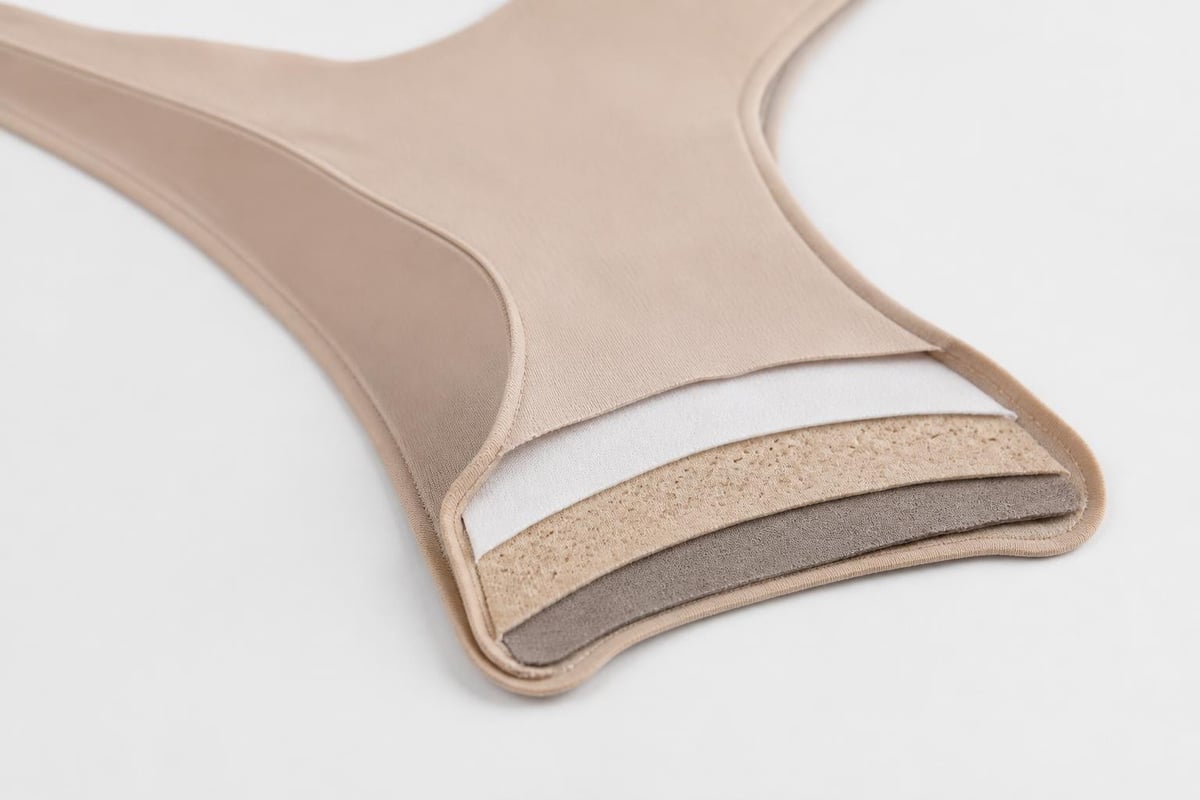
| Gusset | Single-layer cotton liner | Multi-layer antimicrobial construction |
| Seams | Visible stitching throughout | Laser-cut, ultrasonic bonding |
The engineering behind contemporary thong underwear has advanced considerably since early designs. Manufacturers now use computer-aided design to create patterns that conform to body contours while minimizing pressure points.
Health Considerations and Fabric Technology
One of the most persistent concerns about the thong garment relates to hygiene and vulvar health. Clinical research on vulvar microenvironment has examined how different underwear styles affect skin health, moisture levels, and bacterial populations in intimate areas.
Understanding the Health Research
The study findings reveal important insights:
- String-style underwear creates different microclimate conditions than full-coverage designs
- Fabric choice matters more than style in many health outcomes
- Proper fit prevents friction and irritation regardless of coverage area
- Regular changing and washing practices influence health more than garment type
Modern thong garment manufacturers address these concerns through material selection. Premium options now feature:
- Moisture-wicking fabrics that draw perspiration away from skin
- Antimicrobial treatments that reduce bacterial growth
- Breathable mesh panels strategically placed for ventilation
- Tagless construction eliminating irritation sources
- Hypoallergenic materials suitable for sensitive skin
The connection between fabric technology and comfort has transformed the thong garment from a style-only choice to a legitimate comfort option for many women. Brands focusing on seamless underwear construction have particularly succeeded in addressing historical pain points.
Addressing Common Fit Challenges
The thong garment presents unique fitting challenges that traditional underwear does not. Two primary issues have historically plagued wearers: riding up and front panel displacement that creates visible lines or bunching.
The Camel Toe Problem
Among fit issues, camel toe remains the most discussed concern with form-fitting undergarments including thongs. This occurs when the front panel of the thong garment lacks sufficient structure or includes center seams that create division rather than smooth coverage.
Solutions developed in recent years include:
- Seamless front panels that eliminate center seams entirely
- Molded construction creating a smooth, contoured surface
- Strategic padding placement that prevents fabric from settling into natural body contours
- Wider coverage areas in critical zones while maintaining minimal design elsewhere
Companies specializing in anti-camel toe underwear have pioneered these innovations, recognizing that the thong garment can offer superior protection against visible lines when properly engineered. The key lies in balancing minimal coverage with strategic structure.
Size and Proportion Engineering
| Body Type | Critical Measurement | Thong Garment Consideration |
|---|---|---|
| Petite | Hip-to-waist ratio | Proportionally scaled waistband prevents gapping |
| Curvy | Hip width and depth | Wider straps distribute pressure comfortably |
| Athletic | Lower torso length | Extended front panel prevents riding up |
| Plus-size | Underbust to hip measurement | Adequate coverage without compromising style |
The best underwear for curvy women recognizes that one-size-fits-all approaches fail with thong garments. Proper sizing requires multiple measurements rather than relying solely on traditional small/medium/large categories.
Material Science and Comfort Innovation
The fabric revolution in intimate apparel has particularly benefited the thong garment category. Materials available in 2026 would have been unimaginable when thongs first entered mainstream markets.
Advanced Fabric Technologies
Contemporary thong garments utilize sophisticated materials:
Microfiber blends combine nylon and spandex in precise ratios to achieve four-way stretch while maintaining shape recovery. These fabrics feel virtually weightless against skin while providing adequate support.
Modal and bamboo derivatives offer natural softness with environmental benefits. These plant-based fibers regulate temperature effectively and resist odor development better than traditional cotton.
Performance synthetics originally developed for athletic wear now appear in everyday thong garments. These moisture-management fabrics keep skin dry during high-activity periods while remaining breathable during rest.
The integration of these materials addresses previous complaints about the thong garment being uncomfortable for extended wear. Modern versions can be worn throughout 12-16 hour days without the discomfort associated with earlier designs.
Style Variations and Fashion Applications
The thong garment category has expanded beyond basic nude and black options. Today's market offers extensive variety in cut, coverage, and decorative elements.
Contemporary Style Categories
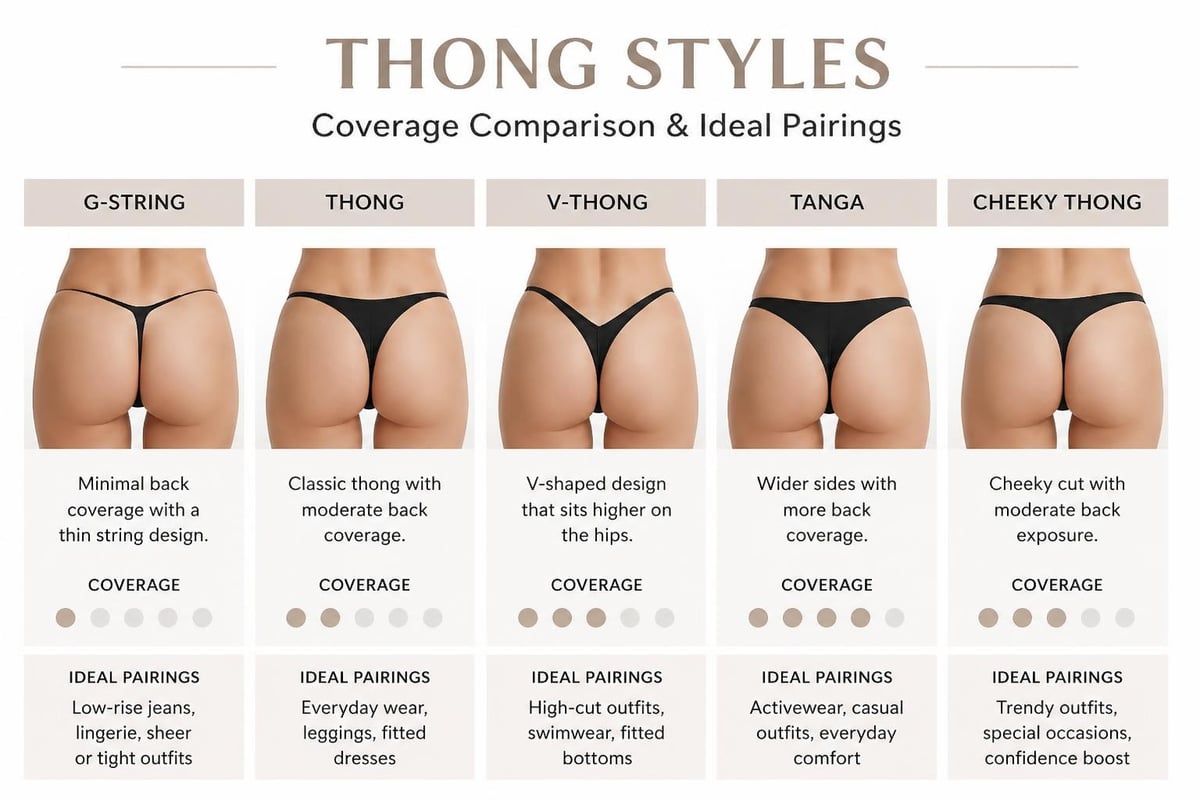
- Classic thong - Traditional T-back with minimal coverage
- G-string - Even more minimal with string-like construction
- Tanga - Slightly more coverage on sides and back
- V-string - V-shaped back for specific aesthetic under clothing
- Brazilian - Moderate back coverage with thong-like front
Each variation serves different wardrobe needs. The classic thong garment works universally under most clothing, while specialized cuts complement specific outfit types. Thong panties for women now include options optimized for everything from business attire to athletic pursuits.
Decorative Elements and Special Features
Modern thong garments incorporate design elements beyond basic function:
- Lace trim and overlays add visual interest while maintaining smoothness under clothes
- Pearl embellishments create luxurious details, as seen in thong underwear with pearls
- Cutout patterns provide ventilation and aesthetic appeal
- Color blocking uses contrasting fabrics for style without bulk
- Reversible designs offer two looks in one garment
These features transform the basic thong garment into fashion statements that boost confidence even when not visible to others.
Integration with Activewear and Performance Clothing
The rise of athleisure has positioned the thong garment as an essential component of active wardrobes. Form-fitting leggings and fitted athletic wear require underwear that provides coverage without creating visible lines or bunching during movement.
Performance Requirements
Athletic thong garments must meet demanding criteria:
- Staying in place during high-impact activities like running or dance
- Wicking moisture away during intense workouts
- Resisting odor development through multiple wear cycles
- Maintaining elasticity after repeated washing
- Providing adequate coverage during bending and stretching
The best performance thong garments use flatlock seaming that remains comfortable against skin during repetitive motion. Strategic panel placement prevents shifting without restrictive waistbands that dig into skin during core exercises.
Women seeking camel toe proof underwear for athletic purposes particularly benefit from thong designs that eliminate center seams and use molded front construction. This prevents the fabric bunching that occurs with traditional panty styles during squats, lunges, and cycling.
Care and Longevity Best Practices
Proper maintenance extends the life of thong garments while preserving their comfort and appearance. The delicate construction and specialized fabrics require more attention than basic cotton underwear.
Washing and Storage Guidelines
Hand washing remains ideal for premium thong garments with delicate lace or embellishments. Use cool water and mild detergent, gently pressing rather than wringing to remove excess water.
Machine washing works for basic styles when using these precautions:
- Place in mesh lingerie bags to prevent tangling
- Use cold water on delicate cycle
- Choose gentle, fragrance-free detergent
- Avoid fabric softeners that coat moisture-wicking fibers
- Skip the dryer-air dry flat or hanging
Storage methods prevent damage:
- Fold rather than stuffing into drawers
- Separate delicate styles from everyday basics
- Avoid overcrowding that stretches waistbands
- Keep away from rough fabrics that might snag lace
Following these practices keeps thong garments comfortable and functional for 6-12 months of regular wear, depending on rotation frequency and activity level.
Choosing the Right Thong Garment for Your Needs
Selection criteria extend beyond aesthetics when finding the optimal thong garment for daily wear. Consider these factors when evaluating options:
Fabric Content
Cotton blends (70-95% cotton with spandex) suit those prioritizing natural fibers. These breathe well but may show lines under very thin fabrics.
Microfiber synthetics (nylon/spandex blends) disappear under clothing completely. They manage moisture effectively but some find them less breathable than cotton.
Modal and bamboo options balance natural fiber benefits with smoothness. These materials soften further with washing but may have shorter lifespan than synthetics.
Construction Quality
Examine these details:
| Quality Indicator | Premium Feature | Budget Alternative |
|---|---|---|
| Gusset | Double-layer, antimicrobial cotton | Single-layer synthetic |
| Edges | Laser-cut or bonded | Traditional elastic band |
| Seams | Flatlock or ultrasonic | Regular stitching |
| Waistband | Plush-backed, wide elastic | Thin, basic elastic |
The thong garment you choose should reflect your primary use case. Daily office wear demands different features than workout sessions or special occasions.
Color Selection and Wardrobe Planning
Strategic color choices maximize the versatility of your thong garment collection. While personal preference matters, practical considerations optimize your investment.
Essential Color Palette
Start with these foundational shades:
- Nude matching your skin tone - Invisible under light-colored clothing
- Black - Universal option for dark bottoms and formal wear
- White - Essential for white pants, skirts, and summer wear
- Gray - Versatile neutral that doesn't show under many fabrics
Once basics are covered, add fashion colors that coordinate with your wardrobe. The right thong garment shade prevents the distraction of visible underwear while maintaining comfort.
Sizing Accuracy and Fit Testing
The thong garment fit differs significantly from traditional underwear sizing. Many women find their thong size varies from their regular panty size due to the different distribution of fabric and support.
Measurement-Based Selection
Take these measurements for accurate sizing:
- Natural waist (narrowest point above belly button)
- Low hip (widest point around hips and bottom)
- Rise (from front waist over crotch to back waist)
Compare these to manufacturer size charts rather than assuming your usual size. The thong garment should feel secure without digging in at any point.
Fit Indicators
A properly fitted thong garment exhibits these characteristics:
- Waistband sits flat against skin without rolling or gapping
- Back strap rests comfortably without riding up or causing wedgie sensation
- Front panel covers adequately without excess fabric bunching
- No visible lines under fitted clothing
- Freedom of movement without constant adjustment
If experiencing discomfort, try adjusting size before concluding the thong garment style doesn't work for your body. Most fit issues stem from incorrect sizing rather than fundamental incompatibility with the design.
Emerging Trends in Thong Garment Design
The intimate apparel industry continues innovating within the thong garment category. Current developments point toward exciting future possibilities.
Sustainable Production Methods
Eco-conscious consumers drive demand for thong garments made from:
- Recycled fishing nets and plastic bottles transformed into performance fabrics
- Organic cotton grown without pesticides or harmful chemicals
- Plant-based dyes replacing synthetic colorants
- Zero-waste cutting patterns that minimize fabric scraps
These environmental considerations don't compromise the comfort or invisibility that make the thong garment appealing.
Smart Fabric Integration
Emerging technologies bring new functionality:
- Temperature-regulating fibers that cool or warm based on body needs
- Odor-neutralizing treatments that go beyond basic antimicrobial properties
- UV-protective fabrics for outdoor activities and swimwear applications
- Compression zones that provide subtle shaping without restrictive shapewear
The thong garment of 2026 offers capabilities far beyond simple coverage, addressing multiple concerns simultaneously through advanced materials science.
Psychological Confidence and Body Positivity
Beyond practical benefits, the right thong garment contributes to psychological well-being. Knowing your underwear provides smooth, invisible coverage reduces self-consciousness throughout the day.
Confidence Through Fit
Women report increased confidence when wearing lingerie products that address their specific concerns. The thong garment eliminates worry about visible panty lines during presentations, important meetings, or social events.
This confidence extends to intimate moments as well. Feeling attractive and comfortable in your undergarments affects self-perception and relationship dynamics positively.
Body Acceptance
The modern thong garment market embraces diversity in body shapes and sizes. Options designed specifically for different proportions help women feel included rather than forced into ill-fitting styles designed for a narrow body ideal.
Products addressing specific needs like camel toe prevention demonstrate that manufacturers recognize real concerns and engineer solutions rather than expecting women to simply accept discomfort.
Understanding the evolution, engineering, and options within the thong garment category empowers women to make informed choices that enhance both comfort and confidence. The right underwear foundation makes everything worn over it look and feel better. Ambar Wear specializes in solving the exact challenges discussed throughout this guide-seamless construction eliminates visible lines, thoughtful design prevents camel toe concerns, and careful material selection ensures all-day comfort. Discover how engineered intimate apparel transforms your daily wardrobe experience with pieces designed for real bodies and real life.