

The modern lingerie product has evolved far beyond basic undergarments. Today's intimate apparel combines advanced textile engineering, body-positive design philosophy, and sustainable manufacturing practices to deliver comfort and confidence for women of all body types. As we navigate 2026, the lingerie industry faces growing consumer expectations around fit precision, chemical safety, and ethical production, pushing brands to innovate across every aspect of product development and supply chain management.
Understanding Modern Lingerie Product Development
The foundation of any quality lingerie product starts with understanding the specific problems women face daily. Common issues like visible panty lines, uncomfortable seams, inadequate support, and fabric bunching have driven significant innovation in recent years. Manufacturers now employ sophisticated anatomical mapping to create pieces that move with the body rather than against it.
Seamless construction represents one of the most important advances in lingerie product design. This technique eliminates traditional sewn seams in favor of bonded or knitted construction, reducing friction points and creating invisibility under clothing. The technology behind seamless garments requires specialized circular knitting machines that can produce entire pieces without side seams, resulting in a second-skin feel that traditional cut-and-sew methods cannot achieve.
The Science Behind Camel Toe Prevention
One persistent challenge in intimate apparel is the camel toe phenomenon. This occurs when fabric compresses and separates along the vulva area, creating an unwanted visible outline. Anti-camel toe underwear incorporates several engineering solutions to address this issue:
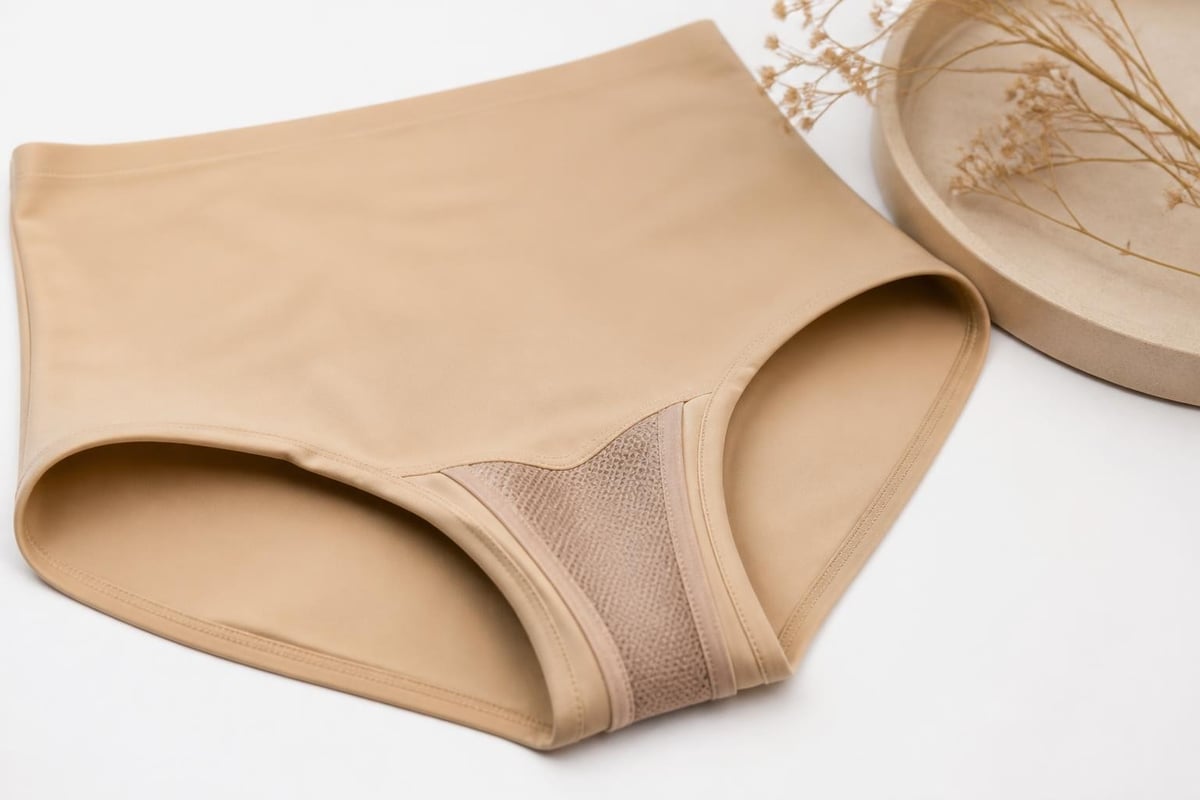
- Anatomically shaped gusset panels that provide adequate coverage without excess fabric
- Strategic fabric thickness in critical zones to prevent compression
- Dual-layer construction that adds structure while maintaining breathability
- Laser-cut edges that eliminate bulk from traditional hemming
The gusset design in a premium lingerie product requires careful consideration of fabric weight, stretch recovery, and panel width. Too little fabric creates the problem, while too much creates bunching and discomfort. Leading brands now use 3D body scanning data from diverse body types to optimize these measurements.
Material Innovation and Chemical Safety
The fabrics used in intimate apparel directly contact sensitive skin for extended periods, making material selection critical. Modern lingerie products increasingly utilize performance textiles that balance comfort, durability, and safety.
Sustainable and Safe Textile Choices
Microfiber blends dominate the contemporary lingerie market, offering softness and moisture-wicking properties. These materials typically combine nylon or polyester with elastane for stretch. However, the chemical safety of textiles has become a major concern, particularly regarding PFAS (per- and polyfluoroalkyl substances) used in some moisture-management treatments.
Responsible manufacturers now prioritize REACH compliance, the European Union's regulation on chemical substances in products. The EURATEX REACH4Textiles initiative provides guidance for textile manufacturers to ensure their lingerie product formulations meet strict safety standards, protecting both consumers and the environment.
| Fabric Type | Benefits | Considerations |
|---|---|---|
| Microfiber nylon | Smooth, moisture-wicking, durable | Requires careful chemical screening |
| Modal/Tencel | Sustainable, breathable, soft | Less elastic recovery than synthetics |
| Ice silk | Cooling sensation, lightweight | May require special care instructions |
| Cotton blends | Natural, hypoallergenic | Can lose shape without elastane |
OEKO-TEX certification provides independent verification that a lingerie product is free from harmful substances. This testing covers finished garments, ensuring that even processing chemicals like dyes and finishes meet strict human-ecological requirements.
Fit Technology and Body Diversity
Creating a lingerie product that flatters all body types requires more than offering multiple sizes. It demands understanding how different body shapes distribute weight, how skin elasticity varies, and how movement patterns affect garment performance throughout the day.
Inclusive Sizing Strategies
The traditional S-M-L sizing system fails to accommodate the natural diversity of women's bodies. Progressive brands now implement:
- Extended size ranges with numerical gradations
- Multi-dimensional sizing accounting for both band and cup variations in bras
- Rise options (low, mid, high) in bottoms to accommodate different torso lengths
- Specialized cuts for athletic, curvy, and petite body types
Underwear designed specifically for curvy women requires different proportions in the gusset width, rise measurement, and leg opening circumference compared to standard patterns. These adjustments prevent rolling, digging, and the constant need for readjustment that signals poor fit.
The innovative use of patents in bra construction demonstrates the technical complexity involved in creating supportive undergarments without traditional underwires. Modern alternatives include molded cups, internal slings, and strategically placed power mesh panels that distribute weight more comfortably.
Manufacturing Ethics and Transparency
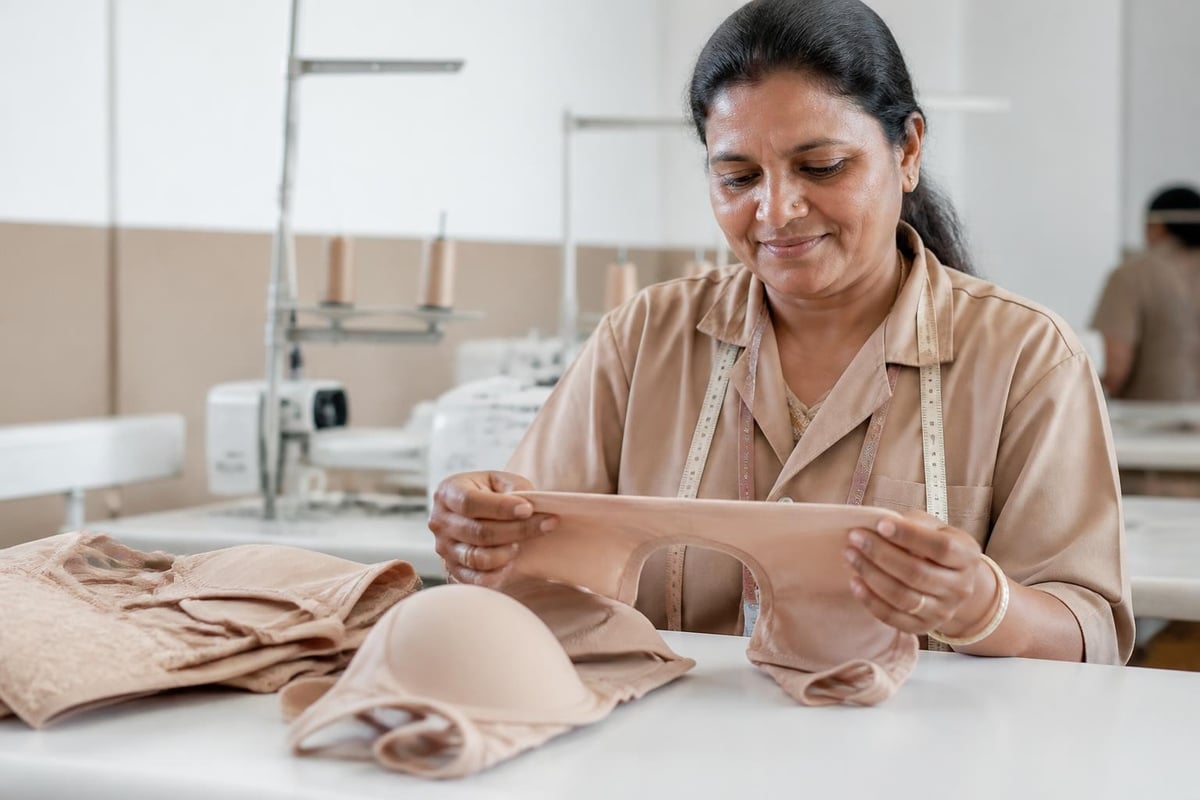
Behind every lingerie product lies a complex supply chain involving fiber production, fabric knitting, cutting, sewing, finishing, and distribution. The intimate apparel industry has faced scrutiny over working conditions in manufacturing facilities, pushing brands toward greater accountability.
Building Responsible Supply Chains
The Better Work program provides comprehensive frameworks for improving working conditions in garment manufacturing. Their 2024 annual report highlights significant progress in the lingerie and intimate apparel sector, with increased adoption of:
- Regular third-party audits of production facilities
- Living wage commitments for garment workers
- Health and safety protocols specific to intimate apparel production
- Traceability systems that map every step from raw material to finished lingerie product
Consumers in 2026 increasingly demand this transparency. Brands that openly share their manufacturing partnerships and audit results build trust and loyalty. This shift has encouraged even smaller lingerie companies to vet their suppliers carefully and establish long-term relationships that prioritize worker welfare alongside product quality.
Design Features That Solve Real Problems
A successful lingerie product addresses specific pain points rather than simply following fashion trends. The most impactful innovations focus on everyday wearability and function.
Eliminating Visible Lines and Marks
Seamless edges created through laser cutting or ultrasonic bonding eliminate the ridge that traditional elastic creates under fitted clothing. This technology is essential for invisible camel toe thongs and other styles designed to disappear under leggings, yoga pants, and bodycon dresses.
Sweat management has emerged as another critical design consideration. Strategic mesh panels, moisture-wicking treatments, and breathable gusset fabrics help manage perspiration without sacrificing the sleek aesthetic customers expect. Two-piece activewear sets often integrate these features throughout, creating cohesive ensembles that perform during workouts yet look polished enough for everyday wear.
Support Without Compromise
Modern seamless push-up bras demonstrate how support and comfort need not be mutually exclusive. Innovations include:
- Graduated padding that enhances shape without adding excessive bulk
- Wide underband construction that distributes weight across a larger surface area
- Adjustable multi-position straps for personalized fit
- Bonded wings that lie flat against the ribcage
The integration of performance features into aesthetically pleasing designs represents the sweet spot in lingerie product development. Women no longer need to choose between garments that look beautiful and those that function flawlessly.
Care and Longevity Considerations
Even the highest-quality lingerie product requires proper care to maintain its performance characteristics and appearance over time. The delicate fabrics and specialized construction techniques used in modern intimate apparel demand specific handling.
Extending Garment Lifespan
Following professional lingerie care guidelines significantly extends the usable life of intimate apparel. Key practices include:
Hand washing or using mesh bags: Machine agitation can damage elastic fibers and delicate trims. When machine washing is necessary, always use a lingerie bag and select gentle cycles.
Air drying: Heat from dryers degrades elastane and can warp molded cups or padding. Laying flat or hanging to dry preserves shape and elasticity.
Rotation: Wearing the same lingerie product daily prevents the elastic from recovering between uses. A rotation of at least three to five pieces allows fibers to return to their original shape.
Proper storage: Folding bras in half damages the cup structure. Store them with cups nested or lying flat to maintain their molded shape.
The longevity of a lingerie product also depends on the quality of materials and construction. Seamless camel toe thongs made from durable microfiber blends with reinforced gussets typically outlast cheaper alternatives by months or even years, making them more economical despite higher initial costs.

Personalization and Shopping Experience
The way consumers discover and purchase lingerie products has transformed dramatically. Online shopping now dominates intimate apparel sales, requiring brands to bridge the fitting gap through innovative tools and policies.
Digital Fitting Solutions
Size recommendation quizzes gather measurements and preferences to suggest appropriate sizes, reducing return rates. Interactive fit finders ask about current fit issues, body type, and coverage preferences to guide shoppers toward styles that will work for their unique needs.
Detailed size charts that include measurement instructions help customers take accurate body measurements at home. The most effective charts provide multiple reference points rather than relying solely on numerical dress sizes, which vary wildly between brands.
Customer reviews and photos provide real-world validation of how a lingerie product fits different body types. Encouraging customers to share their experiences creates a valuable resource for prospective buyers navigating size and style decisions.
Return and Exchange Policies
Given the personal nature and hygiene considerations of intimate apparel, thoughtful refund policies balance customer satisfaction with practical limitations. Many brands now offer:
- Extended return windows for unopened items
- Size exchange programs that cover shipping both ways
- Virtual fitting consultations to reduce ordering mistakes
- Multi-pack options that allow trying several sizes with simplified returns
For those concerned with self-care and wellness alongside fashion, exploring complementary products like botanical scents from HAUS OF SMELL or spa-quality treatments from Green Spa can enhance the overall experience of investing in quality lingerie and personal care.
Specialty Products for Specific Needs
Not every lingerie product serves the same purpose. Specialized designs address particular situations, activities, or preferences that standard undergarments don't accommodate well.
Performance and Period Protection
Menstrual underwear represents a significant category innovation in the lingerie space. Modern period panties incorporate multi-layer gussets with moisture-wicking top layers, absorbent middle sections, and leak-proof barriers, all while maintaining a sleek external appearance that doesn't create visible bulk.
Athletic lingerie prioritizes compression, sweat management, and freedom of movement. High-rise seamless lifting leggings integrate compression zones that support muscles during exercise while the seamless construction prevents chafing during repetitive movements like running or cycling.
Aesthetic Variations
Beyond function, lingerie products serve aesthetic and emotional purposes. Thong underwear with pearl details demonstrates how decorative elements can elevate intimate apparel into statement pieces that boost confidence, even when hidden under clothing.
The psychological impact of quality lingerie should not be underestimated. Wearing a well-fitting, beautiful lingerie product changes posture, affects confidence, and influences how women carry themselves throughout the day.
Multi-Pack Value and Wardrobe Building
Building a comprehensive lingerie wardrobe requires thoughtful curation rather than random accumulation. Strategic purchases ensure appropriate options for various outfits, activities, and occasions.
Essential Lingerie Wardrobe Components
A functional intimate apparel collection should include:
| Category | Quantity | Purpose |
|---|---|---|
| Everyday thongs | 5-7 pieces | Daily rotation under fitted clothing |
| Full-coverage briefs | 3-5 pieces | Comfort days and looser clothing |
| Sports bras | 3-4 pieces | Exercise and active days |
| T-shirt bras | 2-3 pieces | Smooth look under knits and tees |
| Specialty pieces | 2-3 pieces | Special occasions or specific outfits |
Multi-pack offerings provide economic advantages for building these core collections. Purchasing seamless thong packs or ice silk multi-packs reduces per-piece cost while ensuring color and size consistency across a wardrobe.
Quality Indicators When Evaluating Lingerie
Not all lingerie products deliver equal value. Discerning shoppers can identify quality through specific indicators that signal superior construction and materials.
Construction Details to Examine
Seam finishing: Even in seamless construction, internal seams should be flat, smooth, and properly aligned. Puckering, skipped stitches, or raw edges indicate poor manufacturing quality.
Elastic quality: Stretch the waistband or leg openings. Quality elastic returns immediately to its original shape without visible distortion. Cheap elastic appears thin, feels scratchy, and loses recovery quickly.
Fabric hand: Premium microfibers feel soft and cool against skin, with a subtle matte finish. Lower-quality synthetics often have a shiny appearance and rougher texture.
Gusset integration: The gusset should be seamlessly integrated or cleanly finished with no exposed raw edges that could cause irritation.
Color consistency: Dye lots should be uniform across all pieces in a set, with no streaking, fading, or uneven saturation.
The complete product collection from a quality-focused brand demonstrates these details consistently across all styles and price points.
Emerging Trends Shaping the Future
As we progress through 2026, several trends are reshaping lingerie product development and consumer expectations. These movements reflect broader cultural shifts around body image, sustainability, and personal values.
Sustainability and Circularity
The linear "take-make-dispose" model is giving way to circular economy approaches in intimate apparel. Forward-thinking brands now:
- Design lingerie products for disassembly and material recovery
- Offer take-back programs for worn-out garments
- Use recycled fibers and low-impact dyes
- Minimize packaging waste through reusable or compostable materials
Chemical safety regulations continue tightening, with particular focus on eliminating PFAS and other persistent pollutants from textile production. This regulatory pressure drives innovation toward safer alternatives that maintain performance characteristics.
Technology Integration
Smart textiles remain largely experimental in lingerie, but moisture-sensing fabrics and temperature-regulating materials are becoming mainstream. These innovations create lingerie products that actively respond to body changes throughout the day.
3D knitting technology enables creating entire garments without waste, producing pieces that fit three-dimensional body contours more accurately than traditional flat-pattern construction. This technology is particularly promising for creating truly customized lingerie products tailored to individual body scans.
Selecting the right lingerie product requires balancing comfort, function, aesthetics, and values around sustainability and manufacturing ethics. The advances in seamless construction, chemical-safe materials, and inclusive sizing have transformed intimate apparel from a basic necessity into a category of performance wear that truly enhances daily life. Whether you're seeking camel toe proof underwear, supportive activewear, or versatile everyday pieces, Ambar Wear offers thoughtfully engineered solutions designed to eliminate common fit issues while flattering every body type. Explore the collection to discover how modern lingerie technology can bring invisible comfort and genuine confidence to your wardrobe.