
Control panties have transformed from basic shapewear into sophisticated undergarments that blend comfort, functionality, and style. These innovative pieces address multiple concerns that modern women face, from creating smooth lines under clothing to providing gentle support throughout the day. As fabric technology advances and body positivity movements reshape the lingerie industry, control panties now offer solutions that enhance natural curves rather than compress them uncomfortably. Understanding how these garments work and which styles suit different needs can revolutionize your wardrobe and boost your confidence in any outfit.
Understanding Control Panties Technology
The engineering behind modern control panties goes far beyond simple compression. Today's designs incorporate targeted shaping zones that work with your body's natural contours rather than against them. Strategic panel placement provides support where you need it most while allowing freedom of movement in other areas.
Fabric Innovation and Compression Levels
Control panties utilize advanced materials that balance several critical properties simultaneously. The fabric must provide adequate compression while remaining breathable enough for all-day wear. Most high-quality options feature multi-layer construction with moisture-wicking inner layers and smoothing outer layers.
Key fabric technologies include:
- Microfiber blends that create ultra-smooth surfaces under clothing
- Four-way stretch materials allowing natural movement without rolling or bunching
- Moisture management systems keeping skin dry during active days
- Seamless knitting techniques eliminating visible panty lines
The compression level varies significantly across different control panty styles. Light compression offers gentle smoothing suitable for everyday wear, while firm control provides maximum shaping for special occasions. Medium compression strikes a balance that most women find comfortable for extended periods.
| Compression Level | Support Type | Best For | Wear Duration |
|---|---|---|---|
| Light | Gentle smoothing | Daily wear, active days | 8-12 hours |
| Medium | Balanced shaping | Work, social events | 6-10 hours |
| Firm | Maximum control | Special occasions | 4-6 hours |
Construction Features That Matter
The construction details determine whether control panties deliver on their promises or create new problems. Waistband design significantly impacts comfort and effectiveness. Wide, bonded waistbands distribute pressure evenly and prevent rolling, while traditional elastic bands often dig into skin and create bulges.
Gusset construction deserves special attention. The best control panties feature cotton-lined gussets that maintain breathability in sensitive areas. This design element becomes particularly important during extended wear periods. Similarly, leg openings with silicone grips stay in place without creating unwanted lines or discomfort.
Health Considerations and Medical Perspectives
While control panties primarily serve aesthetic purposes, understanding their physiological effects ensures you wear them safely and effectively. Research into compression garments provides valuable insights into appropriate usage patterns and potential benefits.
Studies examining compression garments during pregnancy and postpartum reveal that light compression can offer therapeutic benefits when worn appropriately. The key lies in choosing compression levels that support without restricting circulation or breathing. Medical professionals generally recommend avoiding overly tight garments that create excessive pressure on the abdomen or pelvic region.
Circulation and Breathing
Proper blood flow remains essential for overall health. Control panties should never compress so tightly that they impede circulation to your legs or pelvic area. Signs of excessive compression include tingling, numbness, or visible indentations that persist after removing the garment.
Warning signs to watch for:
- Difficulty taking deep breaths
- Digestive discomfort or bloating
- Persistent red marks lasting over 30 minutes
- Swelling in legs or feet
Respiratory function can also be affected by high-waisted control panties that extend above the natural waistline. If you find yourself breathing shallowly or experiencing shortness of breath, the compression level is too high for comfortable wear.
Postpartum and Recovery Support
Many women turn to control panties during postpartum recovery. Clinical practices for abdominal support garments emphasize individualized recommendations based on specific conditions and recovery progress. Control panties can provide gentle support during this transition period, helping women feel more confident as their bodies change.
The psychological benefits of wearing supportive undergarments during recovery shouldn't be underestimated. Feeling put-together and comfortable in your clothing contributes to overall well-being during challenging adjustment periods.
Choosing the Right Style for Your Needs
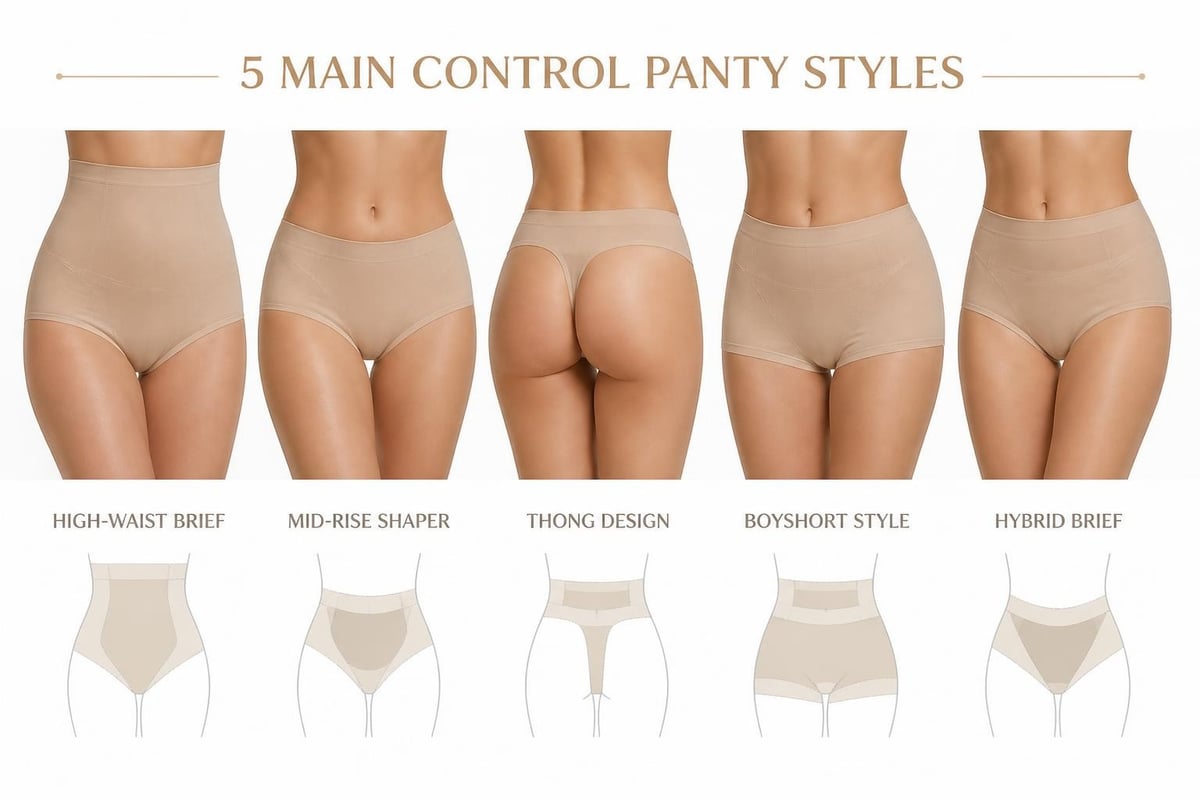
Control panties come in numerous styles, each offering distinct advantages for different body types, outfits, and occasions. Understanding these variations helps you build a versatile collection that addresses various wardrobe needs.
High-Waist versus Mid-Rise Options
High-waist control panties extend well above the natural waistline, often reaching the lower ribcage. This design provides maximum abdominal coverage and can smooth the entire torso area. They work exceptionally well under high-waisted pants, pencil skirts, and bodycon dresses. For women seeking athletic panties that transition from workouts to daily activities, high-waist options offer versatile support.
Mid-rise styles sit at or just below the natural waist. These provide targeted shaping around the lower abdomen and hip area without the full coverage of high-waist versions. Mid-rise control panties suit low-rise jeans, casual wear, and situations where you want subtle smoothing rather than comprehensive shaping.
Brief, Thong, and Boyshort Designs
Control briefs offer maximum coverage and support, making them ideal for dresses, skirts, and fitted pants. The full coverage design ensures no unwanted lines or gaps, though they may create visible panty lines under very thin fabrics.
For those seeking solutions for form-fitting activewear, invisible underwear for leggings addresses the challenge of maintaining smooth lines during workouts and athleisure wear. Control thongs eliminate panty lines entirely while still providing targeted shaping in the abdominal and hip regions.
Boyshort control panties combine moderate coverage with a sporty aesthetic. They prevent thigh chafing while smoothing the hip and buttock area. This style works particularly well for women who find traditional briefs too full and thongs uncomfortable.
| Style | Coverage | Best Outfits | Line Visibility |
|---|---|---|---|
| High-Waist Brief | Maximum | Dresses, high-waisted pants | Minimal under thick fabrics |
| Mid-Rise Brief | Full seat and hips | Everyday wear, jeans | Moderate |
| Control Thong | Minimal | Leggings, tight dresses | None |
| Boyshort | Hip and upper thigh | Shorts, athletic wear | Low to moderate |
Sizing and Fit Fundamentals
Proper sizing makes the difference between control panties that enhance your silhouette and ones that create new problems. Many women mistakenly size down, believing tighter equals better shaping. This approach typically backfires, creating bulges, discomfort, and visible lines.
Measuring Correctly
Accurate measurements guide you toward the right size in any brand. You'll need three key measurements: natural waist, lower waist (where you want the panties to sit), and hips at the fullest point.
Measurement steps:
- Use a flexible measuring tape without stretching or compressing
- Measure your natural waist at the narrowest point above your navel
- Measure your lower waist approximately two inches below your navel
- Measure your hips at the fullest part of your buttocks
- Record all measurements and compare against the brand's size chart
Different brands use varying size standards, so always consult the specific size chart rather than assuming your usual size will fit. When measurements fall between sizes, consider the compression level you want. For lighter control, size up. For firmer shaping, your smaller size may work better.
Signs of Incorrect Fit
Even with careful measuring, you might occasionally encounter fit issues. Control panties that are too small create multiple problems that defeat their purpose. Excessive rolling at the waistband indicates the garment is working too hard to stay in place. Bulges above or below the panty edges, often called "muffin top," suggest you need a larger size or different style.
Conversely, control panties that are too large won't provide adequate shaping. They may slide down during wear, bunch uncomfortably, or fail to smooth the intended areas. The fabric should lay flat against your skin with even tension throughout.
Care and Maintenance for Longevity
Quality control panties represent an investment in your wardrobe confidence. Proper care extends their lifespan while maintaining their shaping properties and fabric integrity.
Washing Best Practices
The compression fibers in control panties require gentle treatment to maintain their effectiveness. Hand washing in cool water with mild detergent provides the best results, though many modern designs tolerate machine washing on delicate cycles.
Always use a mesh lingerie bag when machine washing to prevent snagging and stretching. Avoid fabric softeners, which coat fibers and reduce their compression capabilities. Similarly, bleach damages elastic fibers and can discolor fabrics.
Washing guidelines:
- Wash after every 2-3 wears for optimal hygiene
- Use cool or lukewarm water only
- Choose pH-neutral detergents designed for delicates
- Never wring or twist to remove excess water
- Air dry flat or hanging to preserve shape
Storage and Rotation
Storing control panties properly between wears helps them maintain their shape. Fold them gently rather than rolling or cramming them into tight spaces. High-quality pieces benefit from having their own drawer section where they won't be crushed by heavier items.
Rotating between multiple pairs prevents excessive wear on any single garment. Most women find that owning 5-7 pairs allows adequate rotation for weekly laundry schedules. This rotation strategy applies whether you're building a collection of underwear in the USA or exploring international brands.
Styling Control Panties for Different Occasions
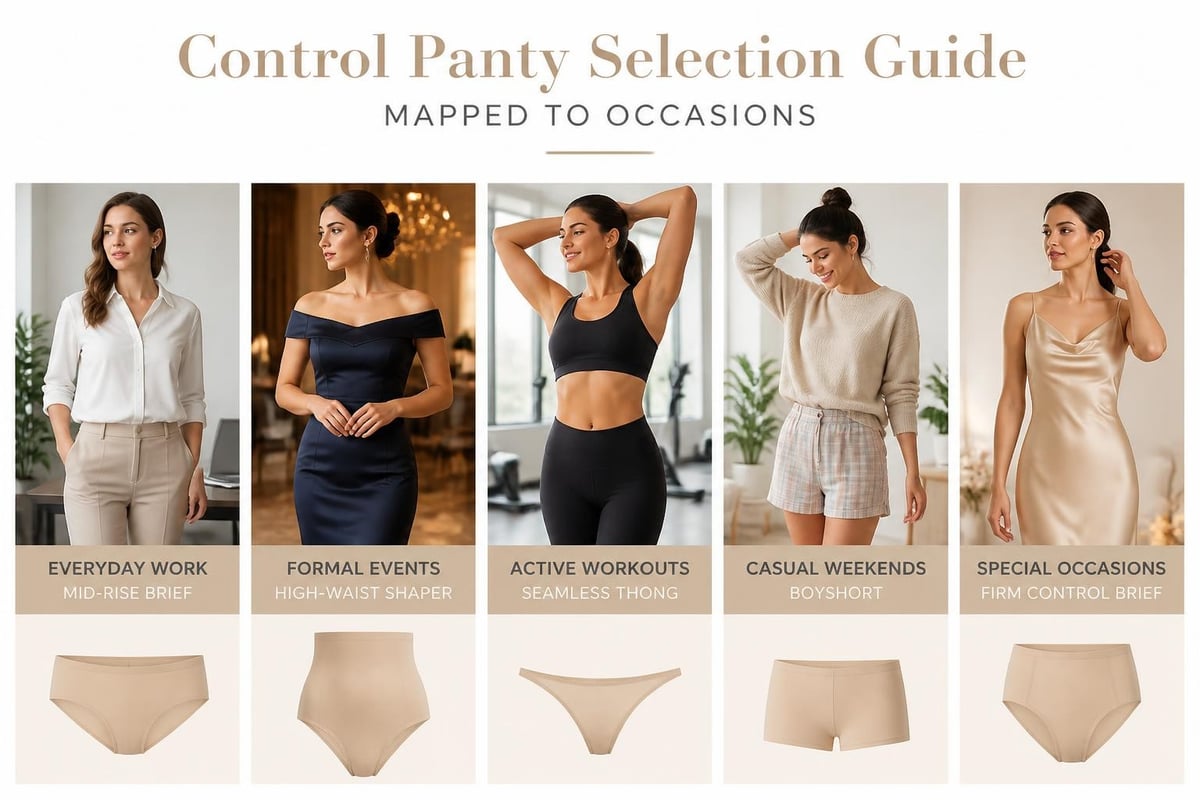
Control panties adapt to various situations, from everyday errands to formal events. Matching the right style to your outfit and activities maximizes both comfort and effectiveness.
Professional and Business Settings
The workplace demands polished appearance combined with all-day comfort. Mid-rise to high-waist control briefs work excellently under business casual attire and suits. Choose nude or black options that won't show through lighter-colored pants or skirts.
For long workdays involving sitting, standing, and movement, select medium compression levels. Firm control may feel restrictive during extended wear and could impact your focus and productivity. The goal is feeling confident and comfortable, not constrained.
Active and Athleisure Wear
Athletic activities require control panties that move with you while managing moisture. Look for styles specifically designed for active wear, featuring enhanced breathability and four-way stretch. These typically incorporate moisture-wicking technology that keeps you dry during workouts.
Control thongs excel under yoga pants and leggings, providing smoothing without visible lines. Some women prefer boyshort styles for high-impact activities, as they prevent thigh chafing while offering light compression and support.
Evening and Special Events
Special occasions often call for firm control under form-fitting dresses or gowns. High-waist control panties that extend from under the bust to upper thigh provide comprehensive smoothing for dramatic outfits. Since you'll likely wear these for shorter periods, firmer compression levels become more tolerable.
Consider the specific garment you're wearing underneath when selecting control panties. Backless dresses require low-back designs, while side-slit gowns need seamless construction that won't peek through openings. Testing your combination before the event prevents last-minute wardrobe emergencies.
Common Challenges and Solutions
Even with careful selection, you may encounter occasional issues with control panties. Understanding common problems and their solutions helps you adjust your approach for better results.
Rolling Waistband Issues
Waistband rolling frustrates many women and typically stems from one of several causes. The most common culprit is incorrect sizing, particularly choosing control panties that are too small. The fabric struggles to stay in place, rolling down to find a stable position.
Body shape also influences rolling tendency. Women with shorter torsos often experience more rolling with high-waist styles, as there's less distance between the natural waist and bust line. Switching to mid-rise options or styles with reinforced waistbands often solves this problem.
Solutions for rolling waistbands:
- Size up if current panties feel tight around the waist
- Choose styles with wider, bonded waistbands
- Try mid-rise instead of high-waist designs
- Apply body adhesive along the waistband interior
- Ensure waistband sits at the narrowest part of your waist
Managing Discomfort During Extended Wear
Discomfort during long wear periods signals that something needs adjustment. Start by evaluating your compression level. If you regularly experience discomfort after a few hours, switch to lighter compression for daily wear and reserve firmer options for shorter occasions.
Temperature regulation also affects comfort. Control panties trap heat, particularly in warm weather or during physical activity. Selecting styles with mesh panels or moisture-wicking fabrics helps your skin breathe while maintaining shaping properties.
Building Your Control Panty Wardrobe
Creating a versatile collection ensures you have appropriate options for any situation. Rather than purchasing many similar pieces, invest in variety that addresses different needs and outfits.
Essential Starter Collection
Begin with three fundamental styles: a nude mid-rise brief for everyday wear, a black high-waist option for fitted outfits, and a seamless thong for leggings and thin fabrics. This basic trio covers most common wardrobe situations while you determine which styles work best for your body and preferences.
As you identify your favorites, expand your collection with additional colors and compression levels. Most women find that 5-7 pairs provide adequate rotation for regular laundry schedules without excessive investment. Consider exploring Ambar Wear for seamless options designed to address multiple concerns simultaneously.
Seasonal Considerations
Your control panty needs may shift with seasons and activities. Summer months often call for lighter compression and maximum breathability, while winter allows for firmer shaping under heavier clothing. Building both warm-weather and cold-weather options ensures comfort year-round.
Travel also influences your collection needs. Pack versatile pieces that work with multiple outfits, reducing luggage bulk while maintaining your confidence in various situations. Neutral colors offer maximum outfit compatibility in minimal space.
Control panties have evolved into sophisticated undergarments that combine shaping, comfort, and versatility for modern women's diverse needs. By understanding fabric technology, proper sizing, and styling strategies, you can select pieces that enhance your confidence without sacrificing comfort throughout your day. Ambar Wear specializes in seamless, comfortable solutions that address common concerns like camel toes and panty lines while providing the smooth silhouette you desire. Explore their collection to discover how thoughtfully designed undergarments can transform your everyday confidence and wardrobe versatility.