

The underwear industry in the United States has undergone remarkable transformation over the past century, evolving from basic functional garments to sophisticated pieces that combine comfort, technology, and style. Today's American underwear market reflects changing consumer priorities, with women demanding more from their intimate apparel than ever before. The focus has shifted dramatically toward solving real-world problems like comfort during extended wear, eliminating visible lines under clothing, and providing moisture-wicking properties for active lifestyles. Understanding the landscape of underwear USA helps consumers make informed decisions about the products they choose to wear daily.
The American Underwear Market Landscape
The United States represents one of the world's largest and most dynamic markets for intimate apparel. According to industry analysis, the women's lingerie and underwear sector is experiencing steady growth through 2033, driven by several key factors. Rising consumer demand for premium fabrics, sustainable production methods, and innovative design solutions continues to reshape the industry.
Key market drivers include:
- Increased focus on comfort and functionality over purely aesthetic considerations
- Growing awareness of body positivity and inclusive sizing
- E-commerce expansion making specialty products more accessible
- Advanced fabric technology enabling better moisture management
- Consumer willingness to invest in quality intimate apparel
The manufacturing sector supporting underwear USA has also evolved significantly. The U.S. Census Bureau tracks detailed information about domestic production, revealing how American manufacturers continue to innovate despite global competition.
Manufacturing and Innovation Centers
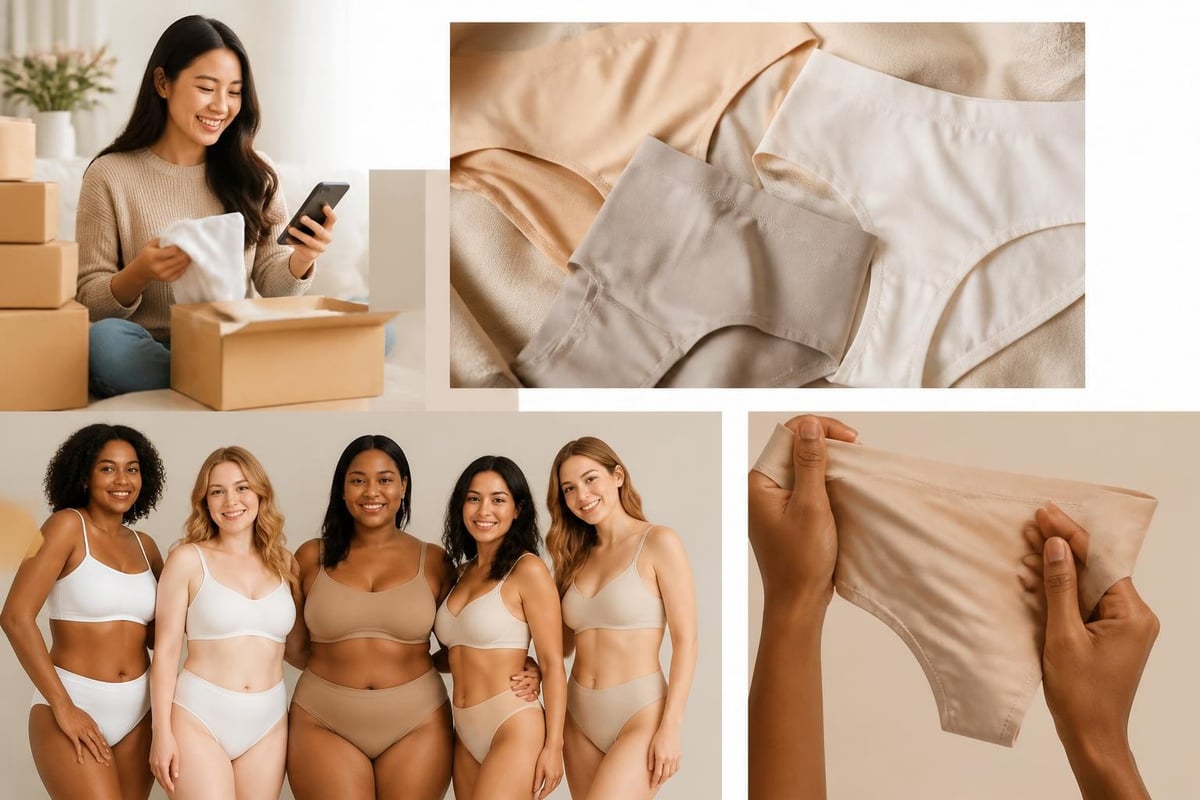
American underwear production concentrates in specific regions with established textile expertise. These manufacturing hubs combine traditional craftsmanship with cutting-edge technology to produce garments that meet modern consumer expectations. Domestic production allows for greater quality control, faster turnaround times for new designs, and the ability to respond quickly to emerging trends.
Innovation centers across the country focus on developing proprietary fabrics and construction techniques. Seamless knitting technology, for instance, has revolutionized how undergarments fit and feel against the skin. By eliminating side seams and creating one-piece constructions, manufacturers can produce pieces that virtually disappear under clothing while providing superior comfort.
Historical Evolution of American Undergarments
The history of underwear reveals fascinating insights into how societal changes influenced intimate apparel design. Ancient civilizations wore rudimentary loincloths, but the concept of underwear as we know it today emerged much later. In America, the evolution accelerated dramatically during the 20th century as new materials became available and women's roles in society expanded.
The 1920s brought significant changes as women entered the workforce in greater numbers, demanding more practical undergarments. By the 1950s, synthetic fabrics like nylon revolutionized the industry, offering unprecedented comfort and durability. The sexual revolution of the 1960s and 1970s further transformed underwear from purely functional items to expressions of personal style and confidence.
Modern Era Transformations
Today's underwear USA market reflects decades of refinement and innovation. Women no longer accept trade-offs between comfort and appearance, driving manufacturers to develop solutions that deliver both. The rise of activewear culture has particularly influenced design priorities, with many consumers seeking undergarments that perform during workouts while remaining invisible under fitted athletic clothing.
Timeline of key innovations:
- 1990s: Introduction of moisture-wicking microfiber fabrics
- 2000s: Development of seamless construction techniques
- 2010s: Rise of body-positive sizing and inclusive marketing
- 2020s: Integration of advanced performance technologies in everyday wear
Modern brands recognize that women lead multifaceted lives requiring versatile undergarments. The same piece might need to perform during a morning workout, remain comfortable during a full workday, and look elegant for an evening event. This demand for versatility has pushed innovation in fabric blending, construction methods, and design philosophy.
Common Problems Women Face with Traditional Underwear
Despite advances in underwear USA manufacturing, many women still struggle with persistent issues related to their intimate apparel. Understanding these challenges helps explain why innovative solutions have gained such strong market traction in recent years.
| Problem | Traditional Solutions | Modern Innovations |
|---|---|---|
| Camel toe visibility | Wearing loose clothing | Specialized gusset designs with strategic paneling |
| Visible panty lines | Thicker outer garments | Seamless construction and laser-cut edges |
| Sweat patches | Frequent changes | Moisture-wicking technical fabrics |
| Rolling waistbands | Constant adjustment | Stay-put silicone grips and anatomical design |
| Uncomfortable seams | Accepting discomfort | Bonded seams and seamless technology |
The camel toe issue represents one of the most common yet rarely discussed concerns among women. This visible outline occurs when fabric bunches or pulls in the crotch area, creating an unflattering and often embarrassing appearance under fitted clothing like leggings, yoga pants, or pencil skirts. Traditional underwear designs often exacerbate this problem through poorly positioned seams or inadequate gusset construction.
The Technology Behind Solutions
Addressing these widespread problems requires sophisticated engineering and material science. Seamless camel toe-proof designs utilize several technical approaches simultaneously. Strategic paneling distributes fabric tension more evenly, while specially designed gussets provide adequate coverage without creating bulk. The fabric composition itself matters tremendously, with blends that offer four-way stretch preventing the bunching that causes visibility issues.
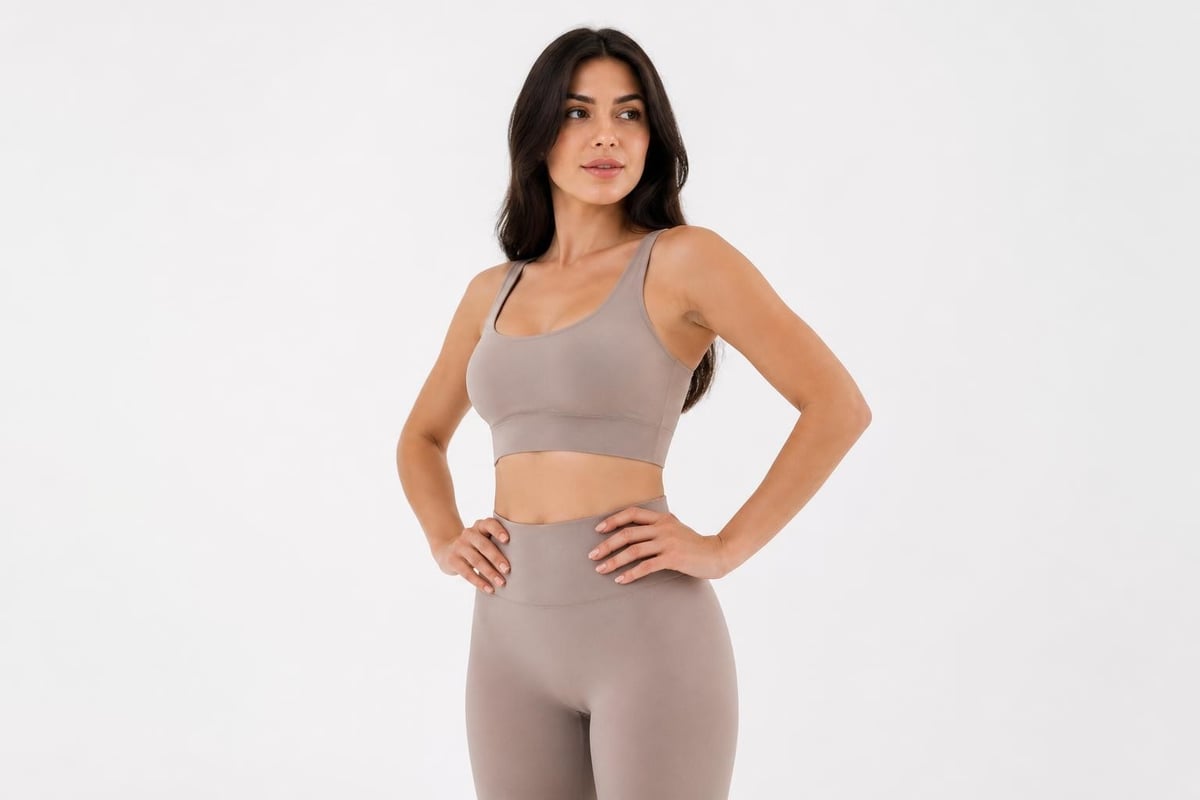
Moisture management represents another critical concern, particularly for active women. Traditional cotton underwear absorbs perspiration but holds it against the skin, creating discomfort and potential hygiene issues. Modern technical fabrics wick moisture away from the body and allow rapid evaporation, keeping wearers dry and comfortable throughout the day.
The Rise of Performance Underwear
The athletic revolution has fundamentally changed expectations for everyday undergarments. Women who wear high-performance leggings during workouts increasingly demand the same level of engineering from their underwear. This shift has blurred the line between activewear and everyday intimate apparel, creating a new category of performance-oriented undergarments suitable for all-day wear.
Performance features consumers prioritize:
- Moisture-wicking capabilities to manage perspiration
- Four-way stretch for unrestricted movement
- Antibacterial properties to maintain freshness
- Quick-drying materials for convenience
- Seamless construction to prevent chafing
The concept of performance underwear extends beyond athletic contexts. Women working long hours in professional settings, traveling frequently, or managing busy family schedules all benefit from undergarments that maintain comfort and appearance throughout extended wear periods. The best performance pieces transition seamlessly from gym to office to social settings without requiring changes.
Fabric Innovation Driving Change
Material science breakthroughs have enabled the performance underwear revolution. Modern technical fabrics combine multiple fiber types to achieve specific performance characteristics. A single garment might incorporate nylon for durability, spandex for stretch, and specialized polyester fibers for moisture management. Some manufacturers add silver ions or other antimicrobial treatments to prevent odor-causing bacteria growth.
Seamless knitting technology represents perhaps the most significant manufacturing advancement. This process creates entire garments on specialized circular knitting machines without side seams. The resulting pieces conform to body contours naturally, eliminating pressure points and visible lines. Invisible thong designs exemplify how this technology solves multiple problems simultaneously through a single construction approach.
Sustainability and Ethical Production in Underwear USA
American consumers increasingly consider environmental and ethical factors when purchasing intimate apparel. The sustainability movement has reached the underwear USA market, with both established brands and innovative startups adopting more responsible practices. This shift reflects broader consumer values prioritizing transparency, environmental stewardship, and fair labor practices.
Manufacturing on-demand represents one approach to reducing waste in the apparel industry. Rather than producing large inventory quantities that may eventually be discarded, some companies create garments only after customers place orders. This model minimizes overproduction while allowing for greater customization. The approach requires sophisticated supply chain management but delivers environmental benefits through reduced waste.
Packaging innovations also contribute to sustainability efforts. Traditional plastic polybags contribute significantly to waste, particularly in the apparel sector. Forward-thinking companies now use 100% recyclable packaging materials, reducing their environmental footprint while meeting consumer expectations for responsible business practices. Some brands, like PSF Collective, have demonstrated how commitment to sustainability can extend across entire product lines, from manufacturing processes to packaging choices.
Material Sourcing and Production Ethics
The origin and processing of fabrics used in underwear USA production matter increasingly to informed consumers. Organic cotton, while representing a small percentage of total cotton production, offers environmental advantages through reduced pesticide use and water consumption. Recycled synthetic fibers transform post-consumer plastic waste into usable textile materials, creating a circular economy model.
Fair labor practices throughout the supply chain have also gained prominence. Consumers want assurance that garments are produced under safe working conditions with fair compensation. Brands that maintain transparent supply chains and undergo third-party certification demonstrate commitment to ethical production standards.
Body Positivity and Inclusive Design
The body positivity movement has profoundly influenced underwear USA design philosophy and marketing approaches. Traditional industry practices often excluded women who didn't conform to narrow size ranges or body types. Modern brands recognize that women of all shapes, sizes, and proportions deserve access to comfortable, attractive undergarments that make them feel confident.
Inclusive sizing extends beyond simply offering more size options. It requires rethinking pattern grading to ensure garments fit properly across the entire size range. A design that works perfectly in size small may create fit issues in larger sizes if not properly engineered. Leading brands invest in extensive fit testing across diverse body types to ensure their products deliver promised benefits for all customers.
Elements of truly inclusive design:
- Extended size ranges covering petite through plus sizes
- Multiple rise options (low, mid, high) to accommodate different torso lengths
- Consideration of various body shapes and proportions
- Testing on diverse body types during development
- Marketing imagery featuring women of different sizes, ages, and backgrounds
The psychological benefits of well-fitting underwear extend beyond physical comfort. When women feel confident in their foundation garments, that confidence radiates through their entire presentation. Two-piece activewear sets designed with body-positive principles allow wearers to move confidently through their day without constant adjustments or concerns about appearance.
E-Commerce Revolution and Direct-to-Consumer Models
The shift toward online shopping has transformed how American women discover and purchase underwear. Traditional retail models required customers to shop in physical stores, often with limited selection and inconsistent sizing across brands. E-commerce has democratized access to specialty products, allowing innovative brands to reach customers nationwide without extensive retail footprints.
Direct-to-consumer (DTC) models eliminate intermediary markups, allowing brands to offer premium quality at more accessible price points. By controlling the entire customer experience from manufacturing through delivery, DTC companies can maintain higher quality standards and respond more quickly to customer feedback. This model has proven particularly effective for solving specific problems like camel toe prevention, where education about the solution matters as much as the product itself.
The Shopping Experience Evolution
Online underwear shopping initially faced skepticism due to fit concerns. However, improved size guidance, detailed product descriptions, and generous return policies have overcome most hesitation. Many brands now offer virtual sizing tools that use customer measurements to recommend appropriate sizes. Some provide comprehensive size charts that account for variations in body proportions beyond simple waist measurements.
Customer reviews and user-generated content provide social proof that builds confidence in online purchases. Seeing real women share their experiences with specific products helps prospective customers make informed decisions. This feedback loop also provides valuable product development insights, allowing brands to refine designs based on actual usage patterns and preferences.
Future Trends Shaping Underwear USA
The American underwear market continues evolving rapidly, with several emerging trends poised to reshape the industry over the coming years. Smart fabric technology promises garments that actively respond to body temperature, adjusting breathability and insulation as needed. While still in early development stages, such innovations could revolutionize comfort for women experiencing hormonal changes or living in variable climates.
Customization and personalization represent another frontier. As manufacturing technology advances, the cost of producing custom-fitted garments continues declining. Future consumers may routinely order underwear tailored to their exact measurements and preferences rather than selecting from standard size options. This approach would virtually eliminate fit issues while reducing returns and exchanges.
| Emerging Trend | Current State | Potential Impact |
|---|---|---|
| Smart fabrics | Early development | Temperature regulation and health monitoring |
| Custom fitting | Limited availability | Perfect fit for all body types |
| Sustainable materials | Growing adoption | Reduced environmental footprint |
| Rental/subscription models | Niche market | Improved accessibility and reduced waste |
| Advanced antimicrobial treatments | Established technology | Extended wear between washing |
Subscription models offer another interesting development, particularly for essential items like underwear that require regular replacement. Rather than shopping periodically for new pieces, subscribers receive fresh garments at predetermined intervals. This approach ensures women always have quality undergarments in rotation while potentially reducing overall cost through subscription discounts.
Technology Integration
Beyond fabric innovations, technology integration may extend to the shopping experience itself. Virtual try-on capabilities using augmented reality could help customers visualize how garments will look and fit before purchasing. AI-powered recommendation engines might analyze customer preferences, body measurements, and lifestyle factors to suggest optimal products from extensive catalogs.
The women's underwear industry continues adapting to changing consumer expectations and technological capabilities. Brands that successfully anticipate and respond to emerging trends while maintaining focus on fundamental comfort and quality will thrive in this competitive marketplace.
Specialized Solutions for Specific Needs
As the underwear USA market matures, increasingly specialized products address niche requirements. Menstrual underwear with integrated absorbent layers provides an eco-friendly alternative to disposable products. Period-proof designs combine leak protection with comfort and style, eliminating the bulk and discomfort of traditional period underwear.
Specialized category examples:
- Postpartum underwear designed for healing and comfort after childbirth
- Nursing-friendly bras with easy access for breastfeeding
- Compression garments for medical recovery or athletic performance
- Temperature-regulating options for menopausal women
- Travel-specific pieces optimized for extended wear
Sports-specific underwear addresses unique requirements of different activities. High-impact sports like running demand maximum support and moisture management. Yoga and Pilates require flexibility and seamless construction to prevent visible lines during inverted poses. Swimming demands chlorine-resistant fabrics and quick-drying properties.
Matching Underwear to Lifestyle
Modern women's varied lifestyles require diverse underwear solutions. A professional working primarily from home has different needs than someone commuting daily to an office. Athletes training for competitions require performance capabilities unnecessary for casual exercisers. Understanding these distinctions helps consumers build appropriate underwear wardrobes rather than seeking one-size-fits-all solutions.
Seamless push-up bras exemplify specialized design meeting specific aesthetic and functional goals. These pieces provide shaping and lift while maintaining the comfort and invisibility of seamless construction. Such targeted solutions allow women to choose the right tool for each situation, maximizing both comfort and confidence.
The American underwear industry has evolved dramatically to meet the complex needs of modern women, combining advanced materials, thoughtful engineering, and inclusive design principles. As consumer expectations continue rising, brands that prioritize solving real problems through innovation and quality will define the future of underwear USA. Whether you're seeking solutions for camel toe prevention, all-day comfort, or performance during active pursuits, Ambar Wear offers carefully engineered undergarments designed to eliminate common frustrations while delivering the confidence that comes from truly well-fitting intimate apparel.