

Every woman has experienced that uncomfortable moment when tight-fitting clothes reveal more than intended. Whether you're wearing yoga pants, leggings, or fitted jeans, the risk of visible front-panel bunching can affect your confidence throughout the day. In 2026, innovative underwear designs have evolved to address this common concern through engineering, fabric technology, and body-conscious construction. Understanding how camel toe proof panties work and what features truly make a difference can transform your daily comfort and help you feel confident in any outfit.
Understanding the Science Behind Front-Panel Visibility
The issue of fabric bunching in the front panel isn't simply about underwear being too tight. Research on garment fit has revealed that the problem stems from how fabric interacts with body contours during movement. According to a study published in Fashion and Textiles, body shapes change significantly between standing and seated positions, and traditional underwear patterns don't account for these postural variations.
When you sit, walk, or bend, your body's geometry shifts. Underwear that fits smoothly while standing may bunch or pull when you move. This creates tension points where fabric gathers, particularly in areas where seams converge or where elastic meets fabric.
The Role of Gusset Design
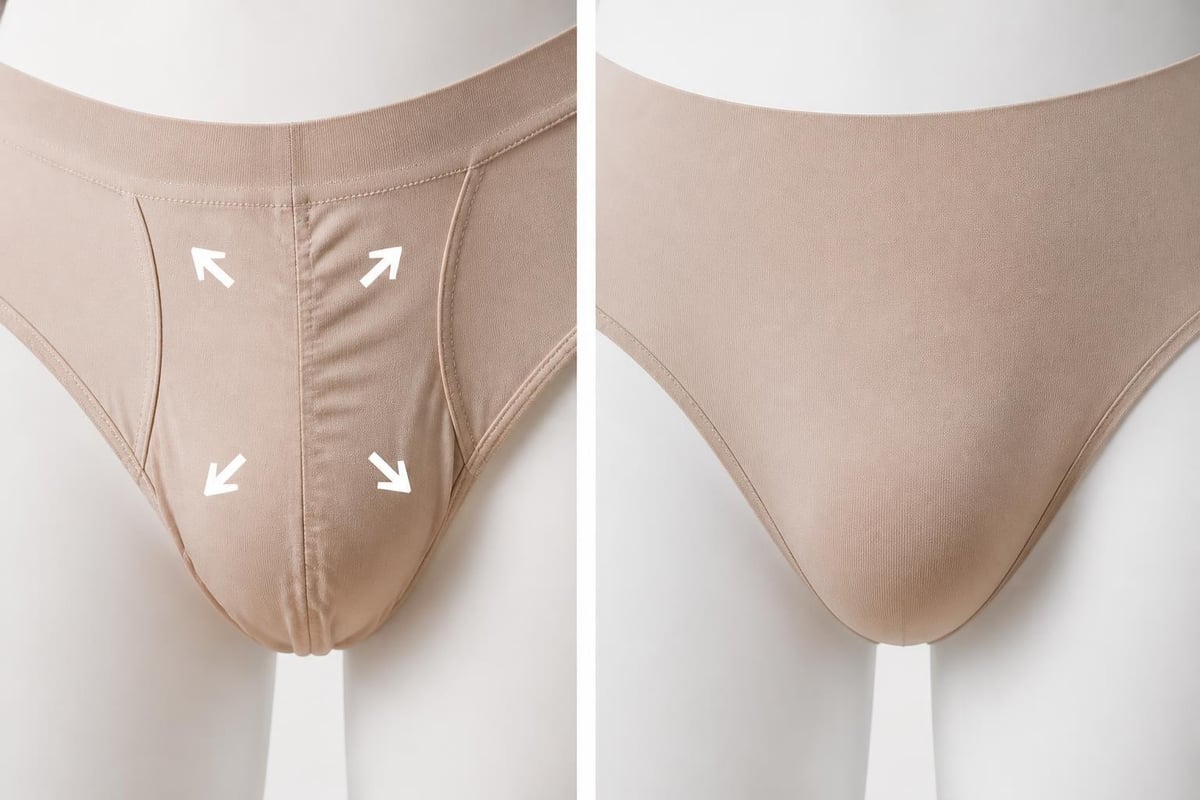
The gusset-the diamond-shaped panel in the crotch area-plays a crucial role in preventing visible lines. Traditional gussets use multiple seams that create natural gathering points. Modern camel toe proof panties employ seamless gussets with strategically placed reinforcement that distributes tension evenly across the front panel.
Key gusset features include:
- Single-piece construction that eliminates center seams
- Graduated thickness that transitions smoothly to surrounding fabric
- Anatomical shaping based on 3D body-scan data
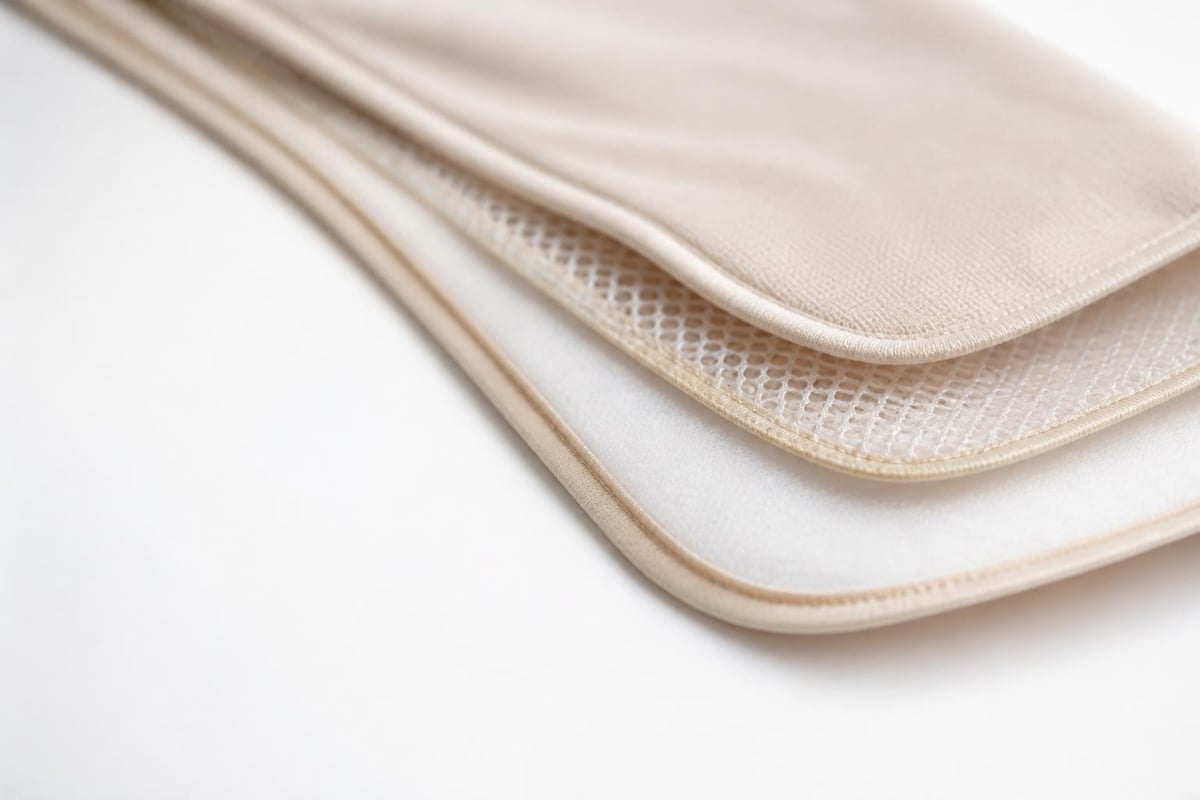
- Moisture-wicking layers that maintain fabric structure when wet
Fabric Technology That Makes the Difference
Not all fabrics perform equally when it comes to preventing front-panel bunching. The materials used in camel toe proof panties must balance several competing demands: they need to be smooth enough to glide over skin, structured enough to maintain their shape, and breathable enough to prevent moisture buildup.
Material Composition and Performance
Modern performance fabrics combine multiple fiber types to achieve optimal results. Ice silk blends, for example, offer the smoothness of traditional silk with the durability and shape retention of synthetic fibers. These advanced materials resist the creasing and bunching that causes visible lines.
| Fabric Type | Smoothness | Shape Retention | Breathability | Durability |
|---|---|---|---|---|
| Cotton blend | Moderate | Low | High | Moderate |
| Microfiber | High | Moderate | Moderate | High |
| Ice silk | Very High | High | High | High |
| Nylon-spandex | High | Very High | Moderate | Very High |
The health implications of fabric choice extend beyond comfort. Fabrics that trap moisture can contribute to bacterial growth, while overly tight synthetic materials may cause chafing. The ideal fabric wicks moisture away from skin while maintaining a smooth exterior surface that won't bunch under clothing.
Design Features That Prevent Bunching
Beyond fabric selection, specific design elements separate effective camel toe proof panties from standard underwear. These features work together as a system, each addressing a different aspect of the bunching problem.
Essential design elements:
- Laser-cut edges that eliminate thick seams along leg openings
- Bonded construction instead of traditional stitching in critical areas
- Strategic compression zones that gently smooth without restricting movement
- Low-profile waistbands that don't create pressure points
The Seamless Revolution
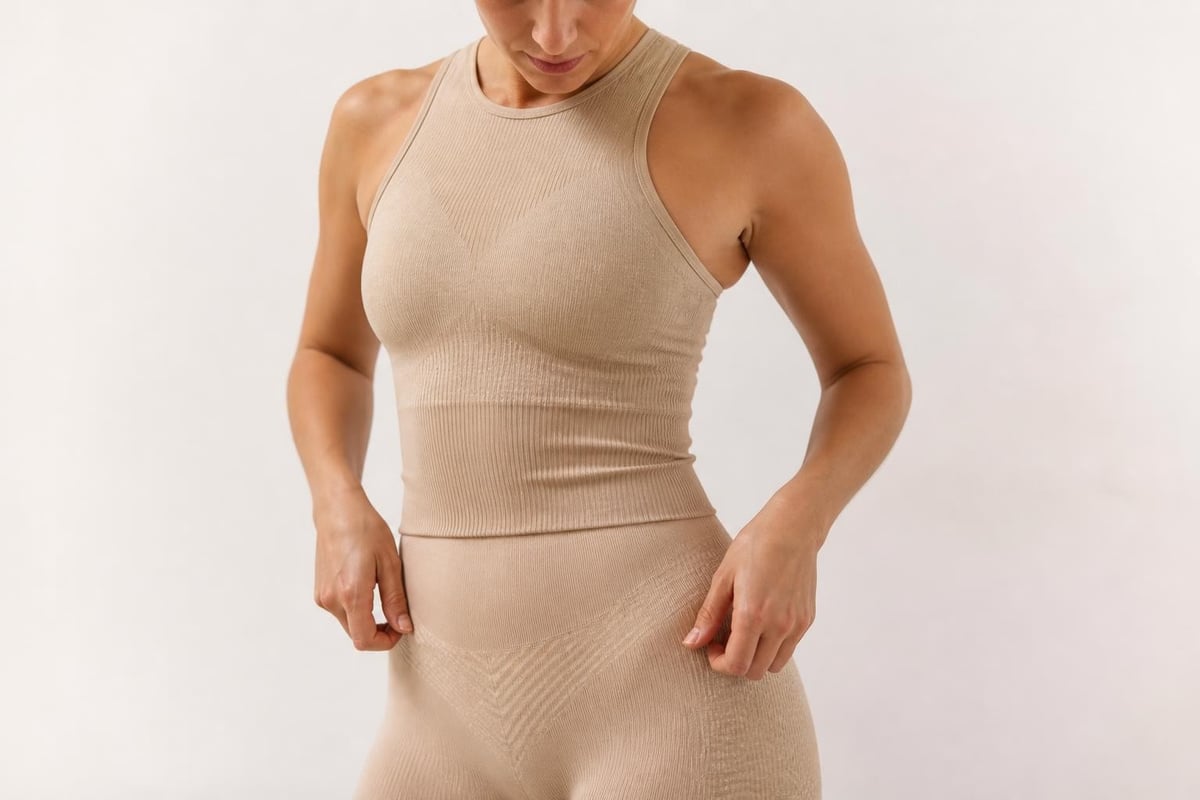
Seamless construction has revolutionized intimate apparel by eliminating the ridges and lines that traditionally telegraphed through outer clothing. But true seamless design goes beyond simply removing visible stitching. It requires specialized knitting machines that can create garments in a single piece, with integrated shaping and varying compression zones.
The tummy control camel toe proof thong exemplifies this approach, combining front-panel smoothing with gentle abdominal compression. The single-piece construction eliminates seams entirely in the front, while strategic reinforcement in the gusset prevents fabric from shifting during movement.
Choosing the Right Style for Your Body and Wardrobe
Different activities and outfit choices require different underwear solutions. What works perfectly under yoga pants may not be ideal for formal trousers or summer dresses. Understanding how to match your underwear to your outfit prevents both visible lines and uncomfortable bunching.
Thongs Versus Full-Coverage Options
Thongs eliminate back coverage entirely, which solves the visible panty line problem on one end but concentrates all fabric in the front panel. This makes gusset design even more critical. The seamless camel toe thong addresses this challenge through a wider, flatter gusset that distributes pressure across a larger surface area.
Full-coverage styles, meanwhile, can actually reduce front-panel tension by distributing elastic pressure more evenly around your hips and waist. Mid-rise and high-rise options provide different solutions depending on your body shape and where your pants naturally sit.
Style selection guide:
- Low-rise thongs: Best for low-cut jeans and pants, requires minimal front coverage
- Mid-rise options: Versatile choice for most everyday outfits and body types
- High-rise designs: Ideal for high-waisted pants, leggings, and providing tummy control
- Boyshort cuts: Maximum coverage and smoothing for fitted dresses and skirts
The Impact of Fit and Sizing
Even the best-designed camel toe proof panties won't perform properly if they're the wrong size. Sizing errors account for many comfort and visibility issues, yet many women wear underwear that's either too small or too large for their current body shape. Our guide to how to measure underwear size walks through each step in more detail.
How to Measure for Proper Fit
Research on apparel fit evaluation has shown that traditional sizing charts don't account for individual body variations. Modern fit technology uses 3D scanning and virtual modeling to create more accurate size recommendations, but at home, you can achieve good results with careful measurement.
Measure your hips at the widest point, typically 7-9 inches below your natural waist. Use a flexible tape measure and keep it parallel to the floor. For thongs and low-rise styles, also measure where your pants naturally sit, as this determines how the elastic will interact with your body.
| Size | Hip Measurement | Low-Rise Position | Best For |
|---|---|---|---|
| XS | 32-34 inches | 32-33 inches | Petite frames, minimal curves |
| S | 34-36 inches | 33-35 inches | Average builds, moderate curves |
| M | 36-38 inches | 35-37 inches | Medium builds, standard proportions |
| L | 38-41 inches | 37-40 inches | Curvier builds, fuller hips |
| XL | 41-44 inches | 40-43 inches | Plus sizes, extended proportions |
When trying on new underwear, move through your typical daily activities. Sit down, stand up, bend forward, and walk around. The fabric should stay smooth and comfortable through all these movements without riding up, digging in, or creating visible lines.
Activity-Specific Considerations
The demands you place on underwear vary dramatically depending on what you're doing. Workout gear requires different features than office attire, and special occasions may call for specific solutions.
Athletic and Active Wear
Exercise creates unique challenges for underwear. You're moving more, sweating more, and often wearing form-fitting athletic wear that reveals every line and wrinkle. Camel toe proof panties designed for athletic use incorporate additional moisture-wicking capabilities and extra compression to maintain smooth lines during dynamic movement.
The high-rise seamless lifting leggings demonstrate how integrated design can solve multiple problems simultaneously. By engineering the leggings and underwear as a coordinated system, you eliminate the friction between separate garments that can cause bunching.
Athletic underwear must provide:
- Superior moisture management to prevent fabric from becoming heavy and shapeless
- Four-way stretch that moves with your body during exercise
- Anti-microbial properties to prevent odor during extended wear
- Flat-lock or bonded seams that won't chafe during repetitive motion
Professional and Formal Settings
Office environments and formal occasions require confidence that your outfit looks polished from every angle. The fitted trousers and dresses common in professional wardrobes show every imperfection in your undergarments.
For these situations, prioritize underwear with the smoothest possible exterior surface. Even small seams or textured fabric can become visible under certain lighting conditions or when you move. Vogue's guide to the best everyday underwear emphasizes that invisible underwear has become increasingly important as workplace fashion has evolved toward more fitted silhouettes.
Health and Hygiene Factors
Preventing visible lines shouldn't come at the expense of your health. The features that make camel toe proof panties effective must work in harmony with your body's natural functions and needs.
Balancing Smoothness with Breathability
Tight-fitting underwear can create problems if it doesn't allow adequate air circulation. Research on tight underwear indicates that excessive compression and non-breathable fabrics increase the risk of yeast infections and urinary tract infections by creating warm, moist environments.
Modern camel toe proof panties solve this challenge through strategic fabric selection and panel construction. The gusset area typically uses cotton or cotton-blend materials that absorb moisture and allow airflow, while the outer panels employ smoother synthetic fabrics that create invisible lines under clothing.
Some women consider going commando as an alternative, but this approach has its own drawbacks, including increased chafing from direct contact with outer garments and reduced moisture management during physical activity.
Caring for Your Investment
Quality camel toe proof panties represent an investment in your daily comfort and confidence. Proper care extends their lifespan and maintains their performance characteristics.
Washing best practices:
- Hand wash in cool water with gentle detergent whenever possible
- If machine washing, use a lingerie bag and delicate cycle
- Avoid fabric softeners, which can break down elastic fibers
- Air dry rather than using a dryer's heat
- Replace underwear every 6-12 months as elastic naturally degrades
The specialized fabrics and construction methods used in high-performance underwear require more attention than basic cotton briefs. Harsh detergents can damage moisture-wicking coatings, while high heat destroys the elastic fibers that provide compression and shape retention.
Color and Pattern Selection
While design and fit receive most attention, color and pattern choices affect both the functionality and versatility of your underwear wardrobe. Understanding which colors work under different outfits prevents visible lines from showing through.
The Nude Underwear Principle
Contrary to popular belief, white underwear isn't invisible under white clothing. The shade that disappears under light-colored outfits matches your skin tone, not the color of your clothes. Building a collection that includes several nude shades matching different areas of your skin provides maximum versatility.
Essential color collection:
- Nude matching your skin tone for light-colored and white outfits
- Black for dark clothing and formal wear
- Mid-tone neutrals (tan, beige, gray) for everyday versatility
- Darker colors for menstrual protection and peace of mind
Patterns and textures visible on the underwear's surface will telegraph through thin or fitted clothing. Save decorative styles for occasions when you're wearing thicker fabrics or looser fits. For daily wear under form-fitting clothes, smooth, solid-colored options provide the most reliable invisibility.
Building a Complete Underwear Wardrobe
Rather than relying on a single style, successful underwear wardrobes include multiple options tailored to different needs. This approach ensures you always have the right solution for any outfit or activity.
A functional rotation includes options like the invisible camel toe thong for fitted pants and dresses, plus mid-rise or high-rise alternatives for different waistline heights. Some women also appreciate having menstrual panties that combine period protection with the same smooth-front technology.
| Wardrobe Component | Quantity Needed | Primary Use | Replacement Frequency |
|---|---|---|---|
| Daily thongs | 7-10 pairs | Everyday fitted clothing | Every 6-8 months |
| Mid-rise briefs | 5-7 pairs | Casual wear, moderate coverage | Every 8-12 months |
| High-rise control | 3-5 pairs | Formal wear, special occasions | Every 12 months |
| Athletic styles | 5-7 pairs | Exercise, active days | Every 6 months |
| Period protection | 3-5 pairs | Menstrual cycle coverage | Every 12 months |
Coordinating with Activewear Systems
The most effective approach to eliminating visible lines involves thinking about your entire outfit as a coordinated system rather than separate pieces. This is particularly important for athletic and leisure wear, where you might spend hours in the same outfit.
Two-piece sets that coordinate sports bras with leggings or shorts create a complete solution. When designers engineer these pieces together, they can ensure that compression zones, seam placement, and fabric panels work in harmony rather than creating conflict points where bunching occurs.
The same principle applies to everyday wear. Understanding how your underwear interacts with your most commonly worn pants, skirts, and dresses helps you make better choices about which styles to prioritize in your wardrobe.
Testing and Quality Evaluation
Not all products marketed as camel toe proof panties deliver on their promises. Understanding how to evaluate quality helps you identify truly effective options and avoid wasting money on subpar alternatives.
Consumer Reports' approach to testing period underwear provides a useful framework: combine lab testing of fabric properties with real-world wear testing across different body types and activities. The same methodology applies to evaluating any performance underwear.
Quality indicators to check:
- Consistent fabric thickness without thin spots or irregular areas
- Smooth, flat seams (or seamless construction) throughout
- Elastic that provides gentle compression without digging into skin
- Gusset that lies flat and doesn't twist or curl
- Fabric that returns to its original shape after stretching
Try new styles during low-stakes situations first. Wear them around the house for a few hours, then during errands, before trusting them for important occasions. This graduated testing reveals how they perform through different activities and wear durations.
The Evolution of Underwear Technology in 2026
Recent years have brought significant advances in intimate apparel design. Manufacturers now use 3D body scanning, virtual fit modeling, and advanced fabric engineering to create underwear that performs better than ever before.
These innovations mean that camel toe proof panties available today offer solutions that simply weren't possible even five years ago. Seamless knitting technology has advanced to allow more complex compression zones and shaping panels. New fabric blends provide better moisture management while maintaining the smooth surfaces that prevent visible lines.
The integration of sustainable manufacturing practices has also improved quality. Brands focused on reducing waste often implement more rigorous quality control, since defective products contribute to environmental impact. This attention to detail benefits consumers through more consistent sizing and better construction.
The right underwear foundation transforms your relationship with your wardrobe. When you trust that your undergarments will remain smooth and invisible throughout the day, you can focus on your activities rather than constantly adjusting your clothes or worrying about unwanted visibility. By understanding the engineering, fabrics, and design features that make camel toe proof panties effective, you can build a collection that serves your specific needs across all activities and outfit choices. Ambar Wear specializes in seamless, body-conscious designs that eliminate front-panel bunching, visible lines, and the daily discomfort that undermines confidence-helping you feel elegant and secure in everything you wear.