

To get a fit camel toe fix that works, combine three things: leggings in the right size and an opaque, structured fabric, plus underwear with a seam-free front panel that holds its shape against the body. Camel toe is a fit and construction problem, not a body flaw, and it can be corrected by changing what you wear and how you test it.
This guide explains what causes the visible outline at the front of leggings and yoga pants, how to choose clothing and underwear that prevent it, and how to check the result before you leave the house.
What Causes Camel Toe in Leggings and Fitted Clothes?
Camel toe appears when fabric is pulled tightly against the body at the front seam and presses into the natural contours of the pubic area. Several factors combine to produce it, and usually more than one is at work.
- Size and tension. Leggings that are too small stretch the fabric thin and pull the crotch seam upward. Hey Honey notes that undersized leggings can overstretch the fabric and make it see-through, so sizing affects both opacity and shape.
- Thin or clingy fabric. Lightweight knits mold to whatever sits beneath them, so a fabric with little body shows every contour.
- Seam placement. A center seam that runs directly through the front pulls inward under tension. Mid Yoga points out that seam and panel placement affect how fabric stretches across the seat and crotch.
- Underwear style. Thin, stretchy underwear with a seam or elastic along the front adds no structure, so the outline carries straight through.
- Movement. Squats, lunges and cycling change the angle of the fabric, and a legging that looks smooth when you stand can shift when you move.
Anatomy plays a part too. The goal is not to change your body but to choose garments that create a smooth surface over it.
How Do You Choose a Fit Camel Toe Solution That Works?
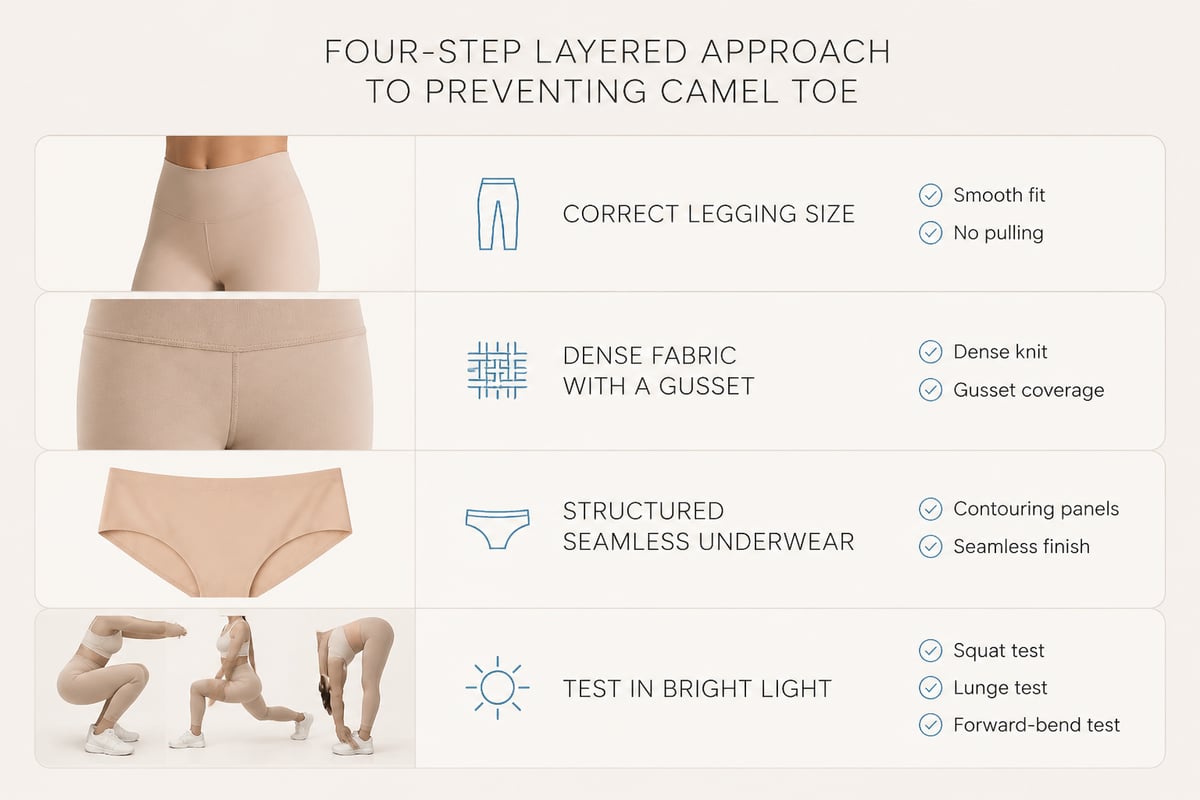
The most dependable approach is to address the problem in layers: start with the legging itself, then add the right underwear, then confirm the result with a movement check. Working in this order avoids spending money on underwear to fix a problem the legging is causing.
Start with the right size
Sizing is the first variable to correct. If you are between sizes, the larger size usually relieves tension at the seam, which reduces both the outline and the see-through effect. Leggings should feel snug and supportive without a visible pulling line running from the crotch toward the hip.
Look at fabric weight and construction
A single fabric name tells you little. According to Mid Yoga, opacity depends on the combination of fabric, color, fit and construction, so a label alone cannot confirm that a garment stays opaque when stretched. Look instead for a dense hand-feel, a fabric that recovers quickly when stretched, and a thicker panel through the front.
Check for a gusset
A gusset is a small diamond or triangle of fabric sewn into the crotch. Mid Yoga explains that a gusset can spread tension at the crotch, which helps the front lie flatter than a design with several seams meeting at one point.
Consider darker colors and prints
Dark solids and busy prints are more forgiving than light neutrals. If you love light-colored leggings, the underwear underneath carries more of the work, which is covered below.
Why Underwear Matters as Much as the Legging
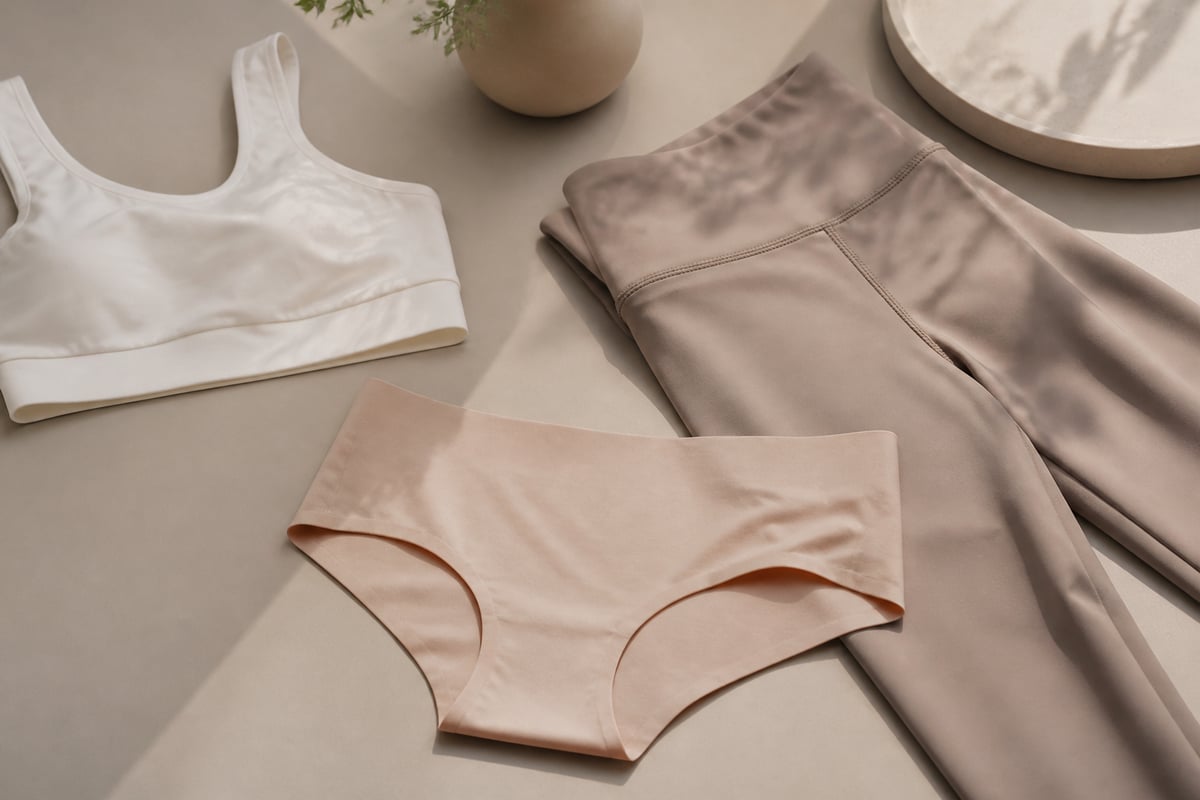
Underwear is the layer that sits closest to the body, so it controls the shape the legging has to cover. A ridge, seam or elastic edge becomes the outline you see on the outside.
Ohsure makes a useful distinction here: a visible underwear ridge is not the same as fabric transparency. Opaque fabric can still show a raised edge because it changes the garment's surface shape. In other words, a perfectly opaque legging can still reveal a line if the underwear beneath it has a raised seam or leg band.
What to look for in underwear designed to prevent camel toe:
- A structured front panel that holds its shape against the body rather than collapsing into the contour.
- Seamless, bonded or laser-cut edges so no elastic or stitched border presses a line into the legging.
- Moisture-wicking, breathable fabric that stays comfortable through a workout.
- A stretch that moves with you so the panel does not shift or bunch during squats and lunges.
- A cut that suits your rise. Thong, brief and mid-rise cuts each sit differently under leggings, so match the cut to the waistband of your pants.
Ambar Wear designs undergarments around exactly these points. Its pieces use seamless construction with a structured front panel intended to stop camel toe, and they are described as invisible under any legging, including light colors. The fabric is breathable and moisture-wicking, and the 4-way stretch is built to stay in place through squats, lunges and yoga.
For a comfortable everyday option, the Invisible Camel Toe Panties - Mid Rise pair a mid-rise fit with cameltoe-blocking technology and invisible edges.
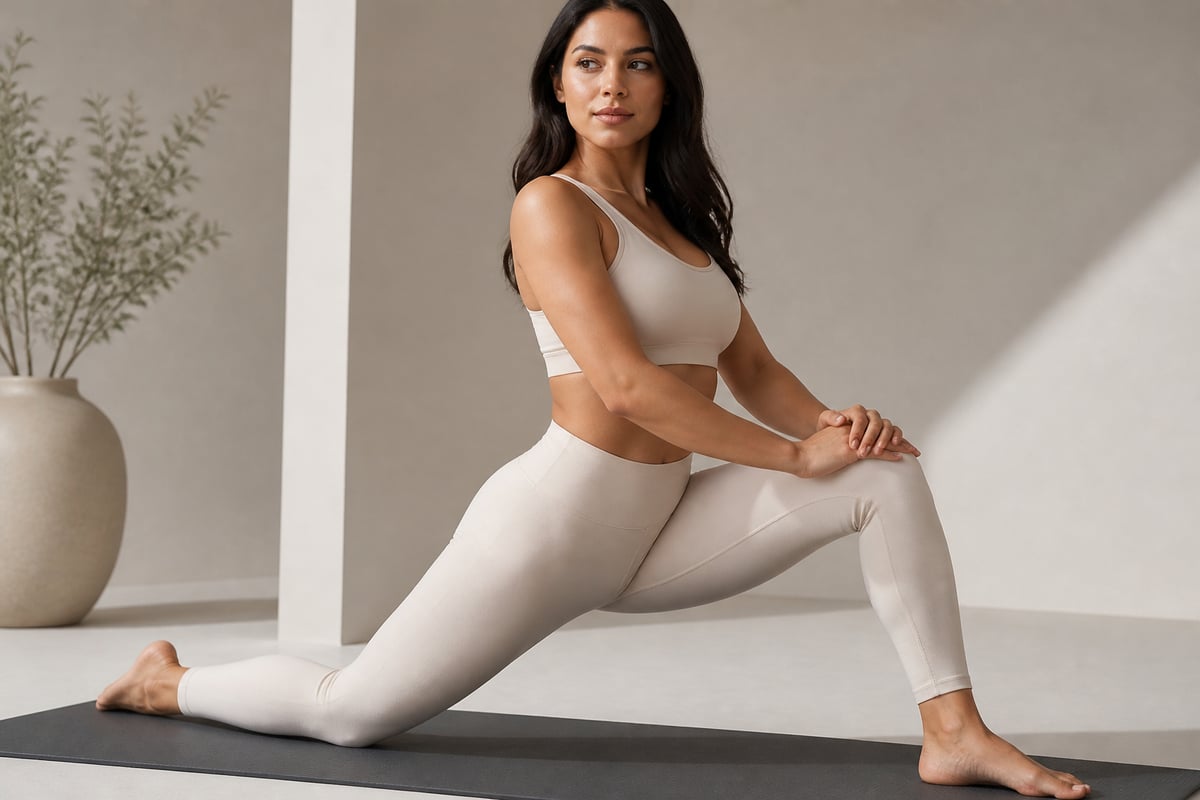
If you prefer a thong, Ambar Wear also offers the invisible camel toe thong and a high-rise version for higher-waisted bottoms. You can browse the full camel toe collection to compare cuts.
How to Test Your Fit Before You Leave the House
A short movement check reveals more than standing still in front of a mirror. The method below draws on guidance from several fit-testing resources and takes about two minutes.
The movement check
- Use bright light. MIVA Clothing recommends wearing the leggings and moving through a deep squat, lunge and forward bend in bright light, checking whether the fabric stays opaque and lies smoothly without pulling or bunching.
- Check the seat and thighs. Hey Honey advises inspecting the seat and the back of the thighs, where fabric is under tension, and notes that a forward bend can reveal opacity problems too.
- Stretch the fabric over your hand. Hold it against a light source and look for visible skin or color showing through, a method also described by Hey Honey.
- Look at the front seam at rest and in motion. Notice whether the fabric draws inward along the center line when you squat.
Test the finished garment
Ohsure cautions that opacity checks should use the finished garment and account for its color, size, fit, lighting, movement and care condition. A result in one setup does not automatically apply to others, so retest when you change leggings, sizes or lighting. Washed leggings can also behave differently from brand-new ones.
Which Underwear and Legging Combinations Work Best?
The right pairing depends on the color and cut of your bottoms. The table below summarizes practical combinations for common situations.
| Situation | Legging choice | Underwear choice |
|---|---|---|
| Light-colored leggings | Dense, opaque fabric with a gusset | Seamless, structured front panel in a skin-matching tone |
| Low-rise yoga pants | Wider waistband, flatter seams | Low-rise or thong cut that stays below the waistband |
| High-waisted fitted pants | Compression-weight knit | Mid-rise or high-rise cut with anti-roll waistband |
| Squats, cycling, lunges | Four-way stretch, flatlock seams | Stay-put stretch with no raised edges |
| Everyday wear under jeans | Medium-weight denim with stretch | Seamless thong or brief with bonded edges |
A skin-matching tone helps with light and sheer fabrics, since contrasting colors can show through even when the shape is smooth. Ambar Wear's no camel toe underwear guide covers additional pairing ideas if you want more detail on cuts and colors. For a full walkthrough of sizing, fabric and front panel choices, see our fit thong guide: find your perfect seamless fit.
Common Mistakes That Make Camel Toe Worse
Small habits often undo an otherwise good setup. Watch for these:
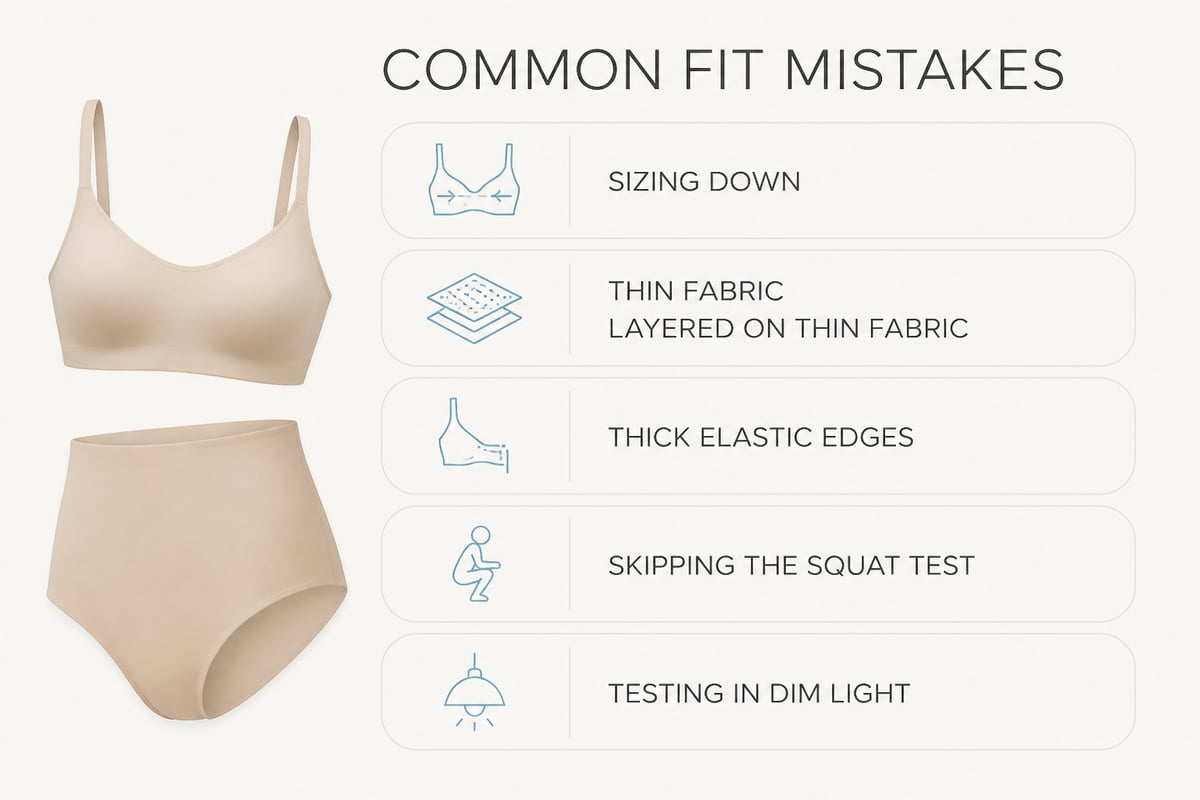
- Choosing a size down for a "tighter" look. Extra tension thins the fabric and pulls the seam inward.
- Wearing thin cotton underwear under thin leggings. Two soft layers give nothing to hold the surface smooth.
- Ignoring leg bands and waistbands. A thick elastic edge leaves a ridge that reads as a line.
- Skipping the movement check. A fit that looks right standing can fail in a squat.
- Wearing the same underwear for every outfit. Cut, rise and color should change with the pants.
- Using one test as final. Lighting and fabric condition change results, so check again when something changes.
What Should You Expect From Camel Toe-Proof Underwear?
Realistic expectations help you judge whether a piece is working. Good camel toe-proof underwear should feel secure without digging, stay put through movement, and leave no visible line under your leggings. It should also be breathable, since a design that traps heat is uncomfortable through a long day.
Ambar Wear reports over 1,000 customer reviews rated 4.6 out of 5, and 1,349 Trustpilot reviews also rated 4.6 out of 5. The brand backs its pieces with a 30-day guarantee: if you do not feel the difference on your first wear, you are refunded. For current sizing, pricing and policy details, check Ambar Wear's product pages or contact page rather than relying on assumptions.
If you are shopping for periods, check the product pages for absorbency and coverage details before buying.
Useful Resources Beyond Your Wardrobe
A few related sites cover topics that come up when you are planning a new wardrobe, a project or a busy schedule. For a polished look at a milestone event, One Big Happy Photo offers custom newborn photography. If you are a student balancing a fitness routine with coursework, Essay Service HK offers academic support services. And for automotive upkeep, DetailDawg supplies professional car-detailing products.
FAQ
What causes a camel toe?
A camel toe forms when tight, thin or poorly constructed fabric presses into the natural contours at the front of the body. Undersized leggings, center seams without a gusset and underwear without front structure are the most common triggers. Anatomy varies from person to person, so the fix lies in garment choice rather than in the body.
How can you avoid camel toe in pants?
Choose the right size, pick a dense fabric with a gusset, and wear seamless underwear with a structured front panel. Then check the fit with a squat, lunge and forward bend in bright light. Darker colors and prints are also more forgiving than light neutrals. For a full guide to wearing leggings and fitted clothes over the panties without visible lines, see our article on wearing them right.
Does fabric choice matter for preventing camel toe?
Yes, though no single fabric name guarantees results. Opacity and shape depend on the fabric, color, fit and construction working together, so test the finished garment rather than relying on the label. A denser knit with a gusset and flat seams generally lies smoother than a thin, clingy one.
Before your next outfit, run the squat, lunge and forward-bend check in bright light so you know exactly where your current setup falls short. If the front line still shows, the underwear is usually the easiest piece to change, and the Invisible Camel Toe Panties - Mid Rise are a comfortable place to start. Ambar Wear designs seamless thongs, leggings, bras and sets that aim for a smooth line under fitted clothes, and you can Shop Now at Ambar Wear to find the cut that suits your wardrobe.