

Ever feel frustrated trying to find panties that actually fit and stay comfortable all day? You are definitely not alone. For many women, sorting through confusing sizing charts and guessing at the right fit can be a real challenge.
This guide makes womens panties sizes easy to understand for 2025. You will learn how sizing works, how to measure yourself, and how to avoid common mistakes. We will cover international size conversions, fit tips, and solutions to typical underwear issues.
Get ready to feel comfortable and confident. Let’s break down everything you need to know, step by step.
Understanding Panties Sizing in 2025
Navigating womens panties sizes in 2025 requires more than just grabbing a familiar label. The landscape has shifted, with brands and consumers seeking a better fit for every body. From new sizing systems to inclusive ranges, this section will help you get up to speed.
How Panties Sizing Has Evolved
Womens panties sizes have changed dramatically over the years. In the past, most brands relied on vague S, M, L options that left many women struggling to find a good fit. The year 2025 marks a turning point, thanks to a growing demand for body diversity and inclusivity in sizing.
Brands are now moving toward numeric or hybrid sizing, which allows for a more precise fit. Instead of just three or four options, you’ll find detailed size charts that include plus, petite, and tall versions. For example, major labels recently expanded to offer extended sizes, making it easier for everyone to find something comfortable.
A 2023 survey found that 68% of women had trouble with traditional sizing, fueling these changes. Womens panties sizes are now designed to fit real bodies, not just generic models. This evolution means more people can shop with confidence and comfort.
Key Factors That Impact Panties Fit
Getting the right fit for womens panties sizes depends on several important factors:
- Waist measurement: Wrap the tape around your natural waistline, usually just above your belly button.
- Hip measurement: Measure around the widest part of your hips.
- Rise: The distance from your waist to your crotch determines if you need high-rise, mid-rise, or low-rise panties.
- Fabric and cut: Stretchy materials and seamless designs often fit a wider range of shapes.
- Body shape: Pear, apple, and hourglass figures may all prefer different cuts.
For example, high-rise panties can feel comfortable on longer torsos, while low-rise options suit petite frames. Seamless and stretch fabrics are popular because they adapt easily to your body. Understanding these factors helps you choose womens panties sizes that actually work for your shape.
Common Sizing Systems and Their Differences
Womens panties sizes aren’t universal. Different regions and brands use their own systems, which can create confusion. Here’s a quick comparison:
| System | Example Size | Corresponding Size |
|---|---|---|
| US | Medium | 8 |
| UK | 12 | Medium |
| EU | 40 | Medium |
| Asia | L | Medium (runs small) |
Some brands use numbers (like 4, 6, 8), while others stick with S, M, L, or even hybrid charts. Vanity sizing means a US Medium may not match a UK Medium. Always check the brand’s specific chart to avoid surprises. For more detailed guidance on these systems, you can check this helpful Panties Sizing Guide.
The Importance of Material and Construction
Material plays a big role in how womens panties sizes fit and feel. Cotton is breathable and great for everyday wear. Microfiber offers a smooth, barely-there feel, while lace adds a touch of style. Seamless panties are ideal for activewear and tight outfits because they disappear under clothing.
Moisture-wicking fabrics keep you cool and dry, which is especially important for workouts or hot climates. In fact, 42% of women say they prefer seamless panties for their invisible look. Choosing the right construction ensures that your panties are both comfortable and practical for your lifestyle.
The Role of Body Positivity and Inclusivity
The rise of body positivity has transformed womens panties sizes. Brands now embrace all shapes and sizes, not just the standard range. Marketing campaigns feature real women, and size charts reflect this diversity.
For example, leading underwear brands have launched inclusive campaigns and expanded their sizing to welcome more customers. As a result, customer satisfaction has increased by 25%. When you see yourself represented in ads and charts, it’s easier to feel confident and find the right fit.
Understanding these shifts means you can shop for womens panties sizes with more knowledge and self-assurance. Inclusivity is not just a trend, but a new standard for comfort and confidence.
Step-by-Step: How to Measure Yourself for Panties
Finding the right fit can feel overwhelming, but measuring yourself is the best way to unlock confidence and comfort. Accurate measurements are the foundation for understanding womens panties sizes and making smart choices when shopping for underwear.
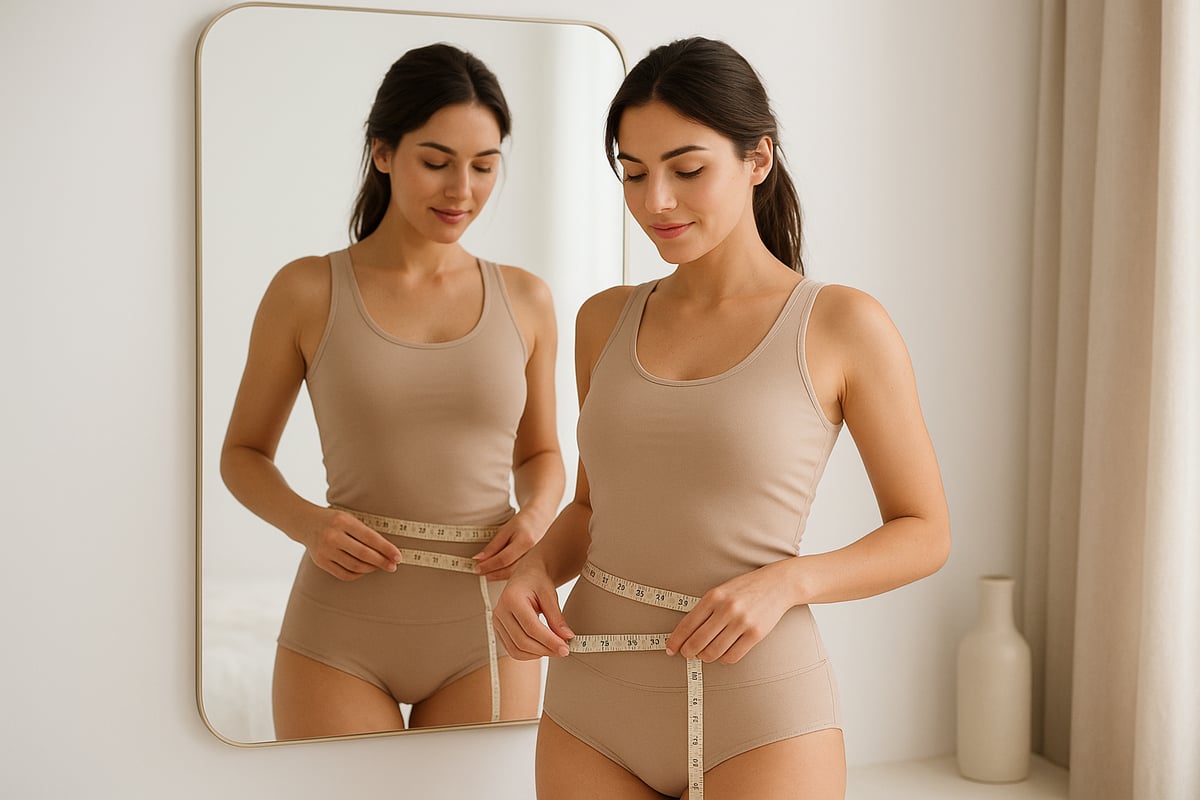
Step 1: Gathering the Right Tools
Before diving into womens panties sizes, start by collecting the essentials for accurate self-measurement. You will need a flexible measuring tape, a full-length mirror, and lightweight, snug-fitting clothing. A cloth tape is best because it wraps easily around your curves.
- Flexible measuring tape
- Large mirror
- Pen and paper for notes
- Fitted clothing (avoid bulky fabrics)
Make sure the tape is not twisted and sits flat against your skin. Taking your time with this step sets you up for the most accurate results.
Step 2: Measuring Your Waist
To get the right womens panties sizes, locate your natural waistline. This is usually the narrowest part of your torso, just above the belly button. Stand straight, relax your stomach, and wrap the tape measure around your waist, keeping it level and snug, but not tight.
Many women mistakenly measure too high or too low, which can skew the results. Check in the mirror to ensure the tape is parallel to the floor. Jot down the number, as this will be key when checking size charts.
Step 3: Measuring Your Hips
Hips are a vital measurement for womens panties sizes. Find the fullest part of your hips and buttocks, usually about 7 to 9 inches below your waistline. Stand with your feet together for the most accurate reading.
Hold the measuring tape level around this widest area. Double-check in the mirror that the tape is straight and not digging in. Often, your hip measurement will determine your best panty size more than your waist.
Step 4: Considering Rise and Torso Length
Rise is another important factor in womens panties sizes. The rise is the distance from your waistline down to your crotch. This measurement helps you choose between high-rise, mid-rise, or low-rise panties for the best fit.
To measure rise, start at your natural waist and run the tape down to the crotch seam. If you are tall or petite, this step is especially helpful for avoiding fit issues like rolling or bunching.
Step 5: Recording and Interpreting Your Measurements
Now that you have your numbers, write them down clearly. Use these to compare with brand-specific size charts for womens panties sizes. Every brand has slight differences, so always refer to the chart before buying.
For extra guidance, check out the Women's Clothing and Underwear Size Charts for detailed measurement instructions and conversion tables. If you fall between sizes, consider your fabric preference—stretchy materials may allow for a snugger fit.
Step 6: Trying On and Assessing Fit
After matching your measurements to the right womens panties sizes, try on a few pairs. Look for signs of a good fit: no digging, rolling, or sagging. Move, sit, and walk to test for comfort.
If you notice discomfort or need constant adjustments, the size might not be perfect yet. Remember, 67 percent of returns are due to improper fit assessment, so trust your comfort and the data.
Decoding Panties Size Charts and International Conversions
Finding your perfect fit starts with understanding womens panties sizes across different brands and countries. Size charts can look intimidating, but with a bit of guidance, you’ll be able to interpret them like a pro and avoid common pitfalls.
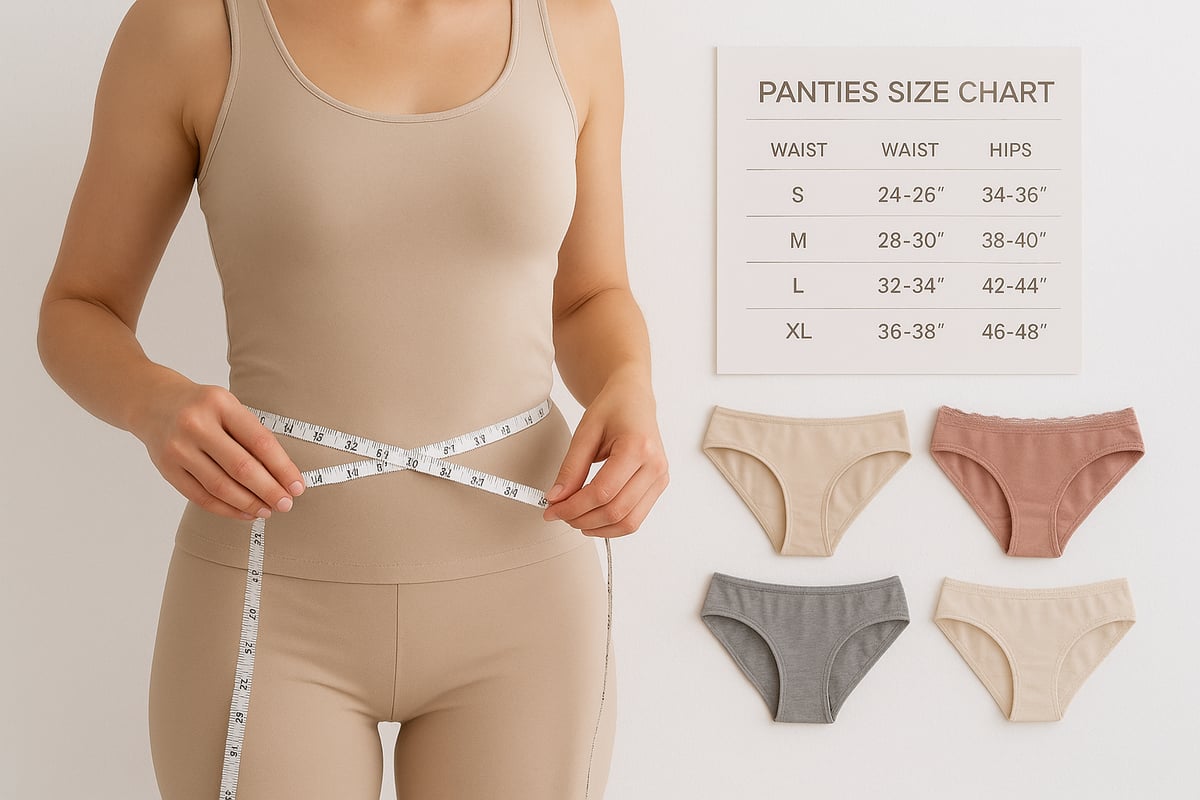
Reading and Comparing Size Charts
Most brands provide detailed size charts for womens panties sizes, usually broken down by waist and hip measurements. These charts often include numeric sizes, alpha sizes (like S, M, L), and corresponding measurements in inches or centimeters.
To make sense of these, start by finding your waist and hip measurements. Then, look for columns that match your numbers. Some charts also include model stats, which can help you visualize fit on different body shapes.
- Always check if the chart is for body measurements or garment dimensions.
- Pay attention to fit notes, such as "runs small" or "stretchy fabric."
- Compare your numbers to multiple brands if you shop around.
Understanding size chart layouts helps you confidently pick the best womens panties sizes for your body.
Navigating US, UK, EU, and Asian Sizes
Womens panties sizes can vary widely around the world. US, UK, EU, and Asian sizing systems each use different numbers or letters, which can be confusing when shopping internationally.
Here’s a quick comparison table:
| US Size | UK Size | EU Size | Asian Size |
|---|---|---|---|
| 4 | 8 | 36 | M |
| 6 | 10 | 38 | L |
| 8 | 12 | 40 | XL |
Remember, Asian sizes often run smaller than US or European equivalents. For more in depth information, you can check the Joint European standard for size labelling of clothes.
Double check conversion charts whenever you shop for womens panties sizes from different regions.
Dealing with Vanity Sizing and Brand Variations
Vanity sizing means a Medium in one brand might be a Small or even a Large in another. This is a common challenge with womens panties sizes, as each label may adjust their sizing based on their own customer base.
- Always consult the brand’s specific size chart, not just the generic label.
- Read customer reviews for insights about fit and whether items run large or small.
- If possible, try on multiple sizes or order two to compare at home.
Knowing that womens panties sizes are not universal can save you the frustration of returns and exchanges.
Online Shopping Tips for Accurate Sizing
Shopping online for womens panties sizes requires a little extra detective work. Start by reading detailed product descriptions and checking the size chart for every item.
- Look for brands that offer virtual fitting tools or quizzes.
- Read reviews, focusing on feedback about fit and stretch.
- Choose retailers with easy return or exchange policies.
Some brands provide fit guarantee programs, making it easier to find your ideal womens panties sizes without risk.
When to Size Up or Down
Choosing the right womens panties sizes sometimes comes down to fabric and fit preference. Stretchy materials like microfiber or modal can accommodate more body shapes, while rigid fabrics may require a more precise match.
Consider sizing up for period panties, shapewear, or if you prefer a more relaxed fit. On the other hand, if you want a snug, supportive feel, stick to your measured size.
Trust your comfort above all. The right womens panties sizes will feel secure but never restrictive, letting you move with confidence all day.
Choosing the Right Panty Style for Your Body and Needs
Finding the perfect pair of panties goes beyond just picking a cute style. The right choice should complement your body, suit your wardrobe, and feel comfortable all day. With so many options available, understanding how womens panties sizes relate to different styles and needs can make shopping much easier.
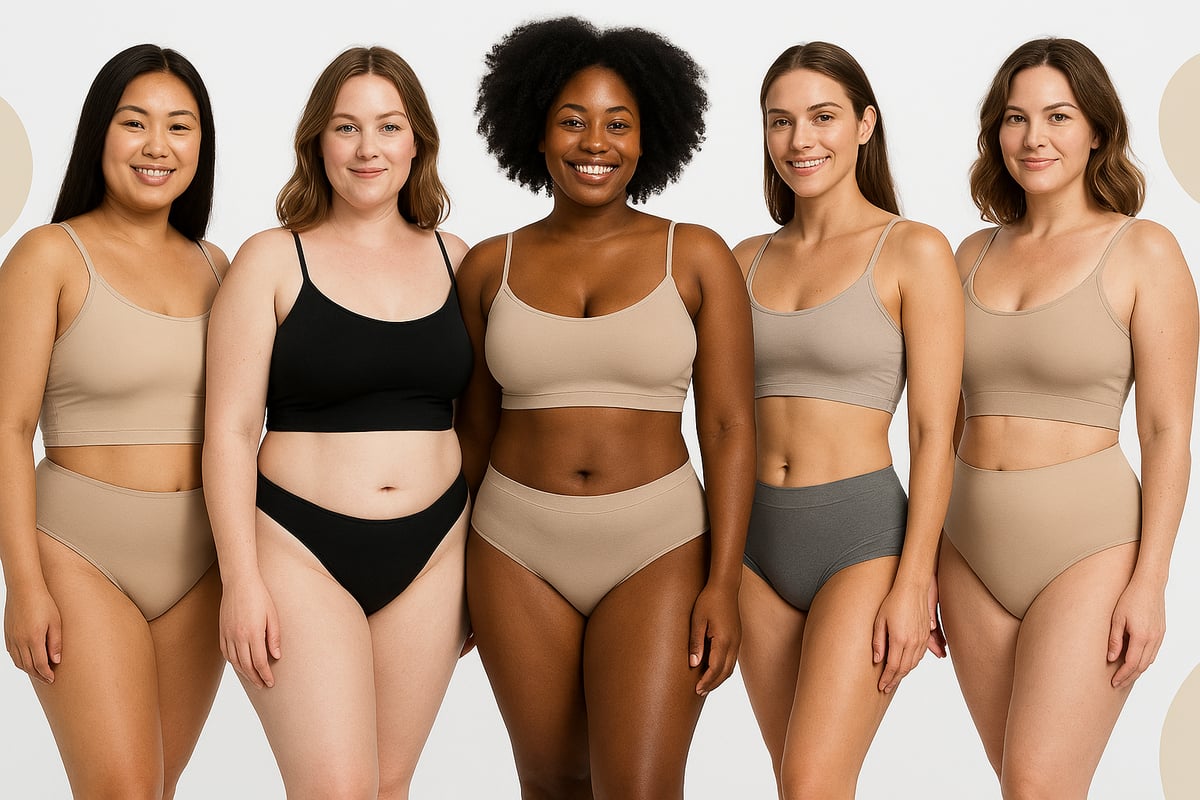
Overview of Popular Panty Styles
There are more options than ever when it comes to panty styles. Each one fits differently and serves a unique purpose. Briefs offer full coverage and classic comfort. Bikinis sit lower on the hips and provide moderate coverage. Thongs are perfect for avoiding panty lines, while boyshorts offer a sporty, full-coverage look.
Hipsters combine low-rise comfort with more coverage than a bikini. High-waist panties provide tummy support and a vintage-inspired silhouette. Seamless panties are ideal for tight outfits, as they disappear under clothing. When choosing from these options, always consider how womens panties sizes impact the fit and feel.
Style Recommendations by Body Shape
Matching panty style to your body shape can boost both comfort and confidence. For pear shapes, high-cut briefs or hipsters balance out proportions. Apple shapes often find high-waist panties supportive around the midsection. Hourglass figures look great in bikinis or cheeky cuts that highlight curves. Athletic builds may prefer boyshorts for a bit of extra coverage and a comfortable fit.
Here’s a quick reference table:
| Body Shape | Recommended Styles |
|---|---|
| Pear | High-cut, Hipster |
| Apple | High-waist, Brief |
| Hourglass | Bikini, Cheeky |
| Athletic | Boyshort, Hipster |
No matter your shape, knowing your correct womens panties sizes ensures a flattering and comfortable result.
Fabric and Construction Choices for Comfort
The fabric you choose plays a big role in comfort. Cotton is breathable and gentle, making it a top pick for everyday wear. Microfiber feels ultra-smooth and is great for a barely-there sensation. Lace adds a stylish touch, while seamless construction keeps everything invisible under leggings or dresses.
If you have sensitive skin or are active, opt for moisture-wicking fabrics. Seamless panties are also perfect for those who want to avoid any irritation or visible lines. Always check how certain materials interact with your chosen womens panties sizes, as some fabrics may fit tighter than others.
Special Considerations: Activity, Outfits, and Occasions
Your lifestyle and wardrobe choices should influence your panty selection. For workouts or busy days, moisture-wicking and seamless panties keep you cool and comfortable. Under formalwear, invisible or no-show styles prevent visible lines. During your period, absorbent or high-waist panties provide extra security.
For special events, tummy control panties can help smooth your silhouette. Adapting your womens panties sizes for different occasions—like sizing up for period panties—can also enhance comfort and confidence.
Addressing Common Panty Problems
Panty lines, camel toe, rolling waistbands, and bunching are common frustrations. Seamless panties are the go-to solution for visible lines. Anti-camel toe designs and proper sizing help prevent discomfort. If you struggle with these issues, consult a Panty Fit & Style Guide: Bikini, Thong, Brief & More to explore fit tips and style solutions.
Remember, the right womens panties sizes make a huge difference in how your underwear feels and looks. If you are between sizes, consider stretch fabrics or adjustable designs for the best fit.
Troubleshooting and Solving Common Panties Sizing Issues
Finding the right fit in womens panties sizes can feel like solving a puzzle. Even after careful measuring, many women experience discomfort or recurring fit problems. Let’s break down the most common issues and how to address them, so you can enjoy everyday confidence.
Signs You’re Wearing the Wrong Size
Not sure if your womens panties sizes are right? Look for these telltale signs:
- Red marks around the waist or thighs after wearing
- Waistband rolling down or digging in
- Fabric sagging or bunching in the back or front
- Needing to adjust your panties often
- Wedgies or discomfort when moving
These issues suggest your womens panties sizes may need an adjustment. If you notice several of these signs, it’s time to revisit your measurements and try a new size or style.
Solutions for Between-Sizes and Fluctuating Bodies
Bodies change, and sometimes you fall between standard womens panties sizes. Flexible solutions include:
- Opt for panties made from stretch fabrics for a forgiving fit
- Choose styles with adjustable waistbands or multi-size ranges
- Look for brands that offer period or maternity panties for fluctuating bodies
If you are in between sizes, try both to see which feels better. Remember, comfort is the most important factor in womens panties sizes.
Dealing with Panty Lines, Camel Toe, and Chafing
Panty lines, camel toe, and chafing are common frustrations with womens panties sizes, especially under tight clothing. Here’s how to minimize them:
- Select seamless panties for a smooth appearance
- Try anti-camel toe designs or styles with extra lining
- Choose moisture-wicking, soft fabrics to prevent chafing
For more detailed advice, check out these No Panty Lines Solutions to help you feel confident in any outfit. The right fit and fabric can make all the difference in your daily comfort.
Tips for Plus, Petite, and Tall Sizing
Finding inclusive womens panties sizes can be challenging if you have a plus, petite, or tall frame. Consider these tips:
- Seek brands specializing in extended or custom sizing
- Look for petite lines with shorter rise and narrower hips
- Choose plus-size panties with supportive waistbands and flexible leg openings
If you’re curvy, you’ll love the expert tips in this post about Underwear for Curvy Women, which covers sizing and style choices for all body types.
When to Replace Your Panties
Even the best-fitting womens panties sizes need replacing over time. Watch for:
- Stretched-out elastic or sagging fabric
- Thinning, holes, or visible wear
- Persistent discomfort or loss of shape
Experts recommend replacing your panties every 6 to 12 months, depending on wear and wash frequency. Fresh, well-fitting panties are crucial for hygiene and comfort.
FAQs About Panties Sizing
Still have questions about womens panties sizes? Here are quick answers to the most common concerns:
What if I’m between sizes? Try both sizes, and choose the one that’s snug but not restrictive.
How do I measure rise? Measure from your waist to the crotch seam for accurate rise selection.
Best style for no panty lines? Seamless panties or thongs work best for invisibility.
How tight should panties feel? They should hug your body without digging in or causing discomfort.
If you’re unsure about your fit, review your measurements and consult the brand’s chart. The right womens panties sizes should make you feel comfortable and supported all day.
The Future of Panties Sizing: Trends and Innovations for 2025
Finding the perfect fit is about to get even easier. As 2025 approaches, the world of womens panties sizes is evolving rapidly, thanks to technology, sustainability, and growing inclusivity. Let’s explore the key trends that will shape your underwear shopping experience in the coming year.
Tech-Driven Sizing Solutions
Technology is transforming how we find our best fit. Virtual fitting rooms, 3D body scans, and AI-powered size recommendations are quickly becoming industry standards. In 2024, there was a 35% increase in the use of virtual fitting tools, making it easier for women to accurately determine their womens panties sizes from home.
Brands now use apps that let you scan your body and get personalized size suggestions. These advancements reduce guesswork and returns, making shopping for panties more enjoyable and reliable. Expect even more brands to adopt these solutions in 2025.
Sustainability and Size Inclusivity
Sustainability and inclusivity are going hand in hand. More brands are offering womens panties sizes that cater to every body, while also focusing on eco-friendly materials and ethical production. Instead of just adding a few extra sizes, companies are redesigning entire collections to be truly inclusive.
Recycled fabrics, organic cotton, and biodegradable packaging are becoming the norm. These changes not only benefit the planet but also ensure that everyone can find comfortable, well-fitting panties no matter their size or shape.
Customization and Made-to-Order Underwear
Customization is revolutionizing the world of womens panties sizes. Tailored panties, made to your exact measurements, are now available thanks to on-demand production and advanced design software. This personalized approach reduces waste and ensures a flawless fit.
The custom-fit underwear market is expected to grow by 20% by 2025. For more insights on styles, sizing, and how customization can help you find the perfect fit, check out Women's Underwear: Styles, Sizing & Finding the Perfect Fit.
Smart Fabrics and Functional Design
Smart fabrics are changing what panties can do. New materials offer moisture-wicking, odor resistance, and temperature regulation, making them ideal for all-day wear. Some brands even integrate health-monitoring sensors, like pH or period trackers, into their designs.
These innovations are particularly beneficial for womens panties sizes, as they allow for more flexible, adaptive fits. Whether you need absorbency, breathability, or high-tech features, there’s a smart panty option for every lifestyle.
Changing Beauty Standards and Marketing
The future of womens panties sizes is about more than just measurements—it’s about embracing diversity. Brands are celebrating all body types in their marketing, using real models and realistic sizing. This shift reflects changing beauty standards and the demand for authenticity.
A recent survey found 72% of Gen Z shoppers prefer brands with inclusive marketing. This push for representation is driving product development and making it easier for everyone to feel confident in their own skin.
Shopping Experience Innovations
Shopping for womens panties sizes is becoming more convenient and personalized. Subscription services deliver essentials to your door, while try-before-you-buy programs and flexible return policies reduce risk. Some brands even offer home try-on kits so you can test multiple sizes and styles before committing.
These innovations mean less stress and more satisfaction when searching for the perfect pair. As technology and customer-focused services advance, finding your ideal fit will be simpler than ever.