

Every woman who wears thongs regularly faces the same question: how long is too long? A worn thong doesn't just mean reduced comfort or compromised appearance. It can impact skin health, hygiene, and the confidence that comes from knowing your undergarments are performing as they should. Understanding the lifecycle of your intimate apparel, recognizing wear indicators, and implementing proper care routines will help you maximize both comfort and value while maintaining the standards your body deserves.
Understanding What Makes a Thong "Worn"
The definition of a worn thong extends beyond simple age. Multiple factors contribute to deterioration, each affecting performance differently.
Physical wear indicators include stretched elastic bands, thinning fabric, visible pilling, and loss of shape. When the gusset fabric becomes sheer or develops holes, the garment has reached the end of its functional life. Color fading, while cosmetic, often signals fiber breakdown that compromises structural integrity.
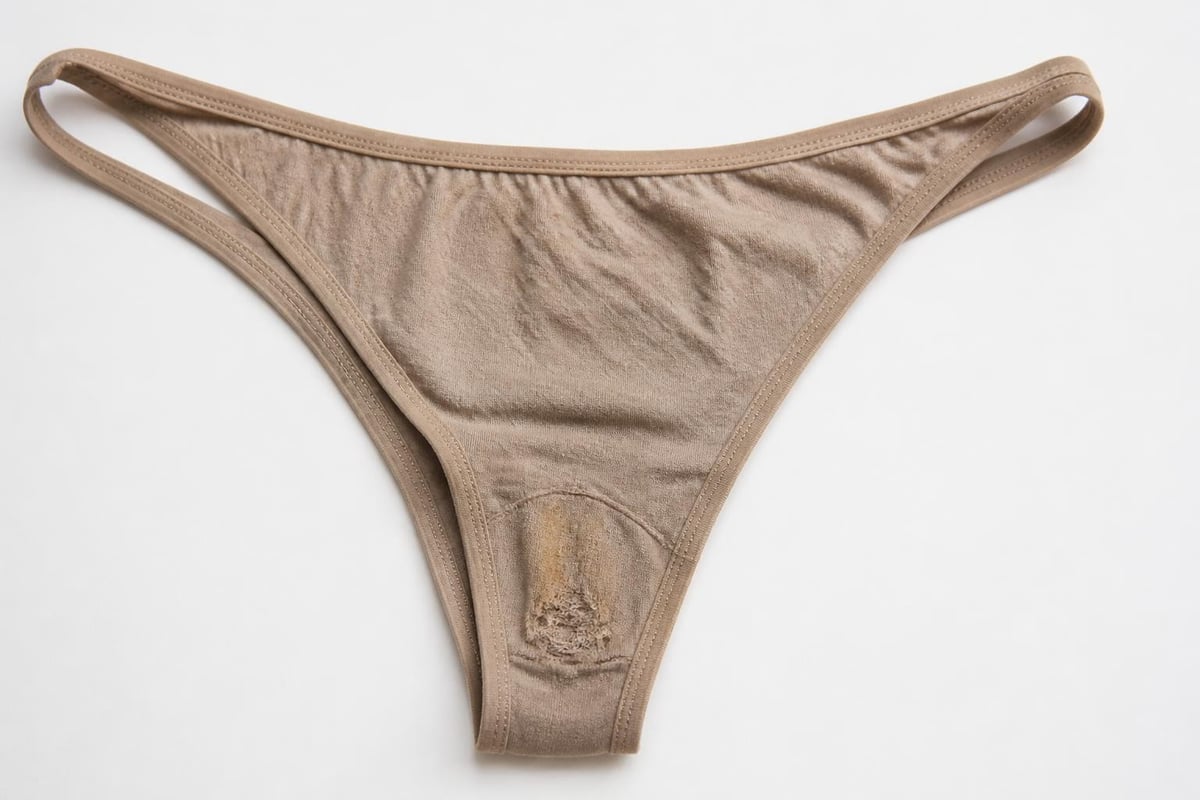
Beyond visible damage, performance degradation matters most. A worn thong may no longer provide adequate coverage, ride up constantly, or fail to stay in place during movement. These functional failures occur even when the garment looks acceptable in the drawer.
Hygiene Considerations for Aging Underwear
Textile researchers have documented how laundry practices and wearing patterns affect microbial communities in fabric fibers. A worn thong accumulates more bacteria over time as fibers degrade and create micro-pockets where organisms can colonize.
- Fabric breakdown creates rougher surfaces that trap dead skin cells
- Elastic deterioration reduces the garment's ability to wick moisture effectively
- Seam separation introduces hiding spots for bacteria resistant to washing
- Chemical degradation from repeated laundering reduces antimicrobial properties in treated fabrics
Even with proper washing, older undergarments pose greater hygiene risks. The skin contact area of a thong makes this particularly relevant for intimate health.
How Long Should a Thong Last?
Lifespan varies dramatically based on fabric quality, construction method, care practices, and wearing frequency.
| Factor | Low-Quality Thong | Mid-Range Thong | Premium Seamless Thong |
|---|---|---|---|
| Expected lifespan | 3-6 months | 6-12 months | 12-24 months |
| Washes before deterioration | 20-30 | 40-60 | 80-100+ |
| Elastic retention | Poor | Moderate | Excellent |
| Fabric resilience | Minimal | Good | Superior |
Construction quality dramatically affects longevity. Seamless designs from specialized manufacturers like Ambar Wear eliminate weak points where traditional thongs fail first. The absence of sewn seams means no thread degradation, no seam splitting, and more even stress distribution across the entire garment.
Calculating Your Replacement Schedule
Most women should rotate through 7-10 thongs in regular circulation. With daily wear and twice-weekly washing, each piece sees approximately 100-150 wear cycles annually.
Weekly wear rotation:
- Assign each thong a specific day or use pattern
- Track purchase dates on garment tags or in a notes app
- Inspect elastic and fabric every 3 months during rotation
- Replace pieces showing any deterioration signs
- Maintain a replacement fund for scheduled updates
This systematic approach prevents the common scenario where your entire collection becomes a worn thong drawer simultaneously. Staggered replacement maintains consistent comfort and appearance.
Proper Care to Extend Thong Lifespan
The gap between a three-month worn thong and a two-year functional garment often comes down to washing and storage practices.
Temperature matters tremendously. Hot water accelerates elastic breakdown and fiber degradation. Washing thongs in cool or lukewarm water (below 86°F) preserves both elasticity and fabric integrity. High-heat drying causes even faster deterioration-air drying extends lifespan by 40-60% compared to machine drying.
Detergent Selection and Quantity
Harsh detergents with bleach, enzymes, or strong fragrances break down delicate fabrics. A worn thong often shows chemical damage before mechanical wear. Use gentle, pH-balanced formulas designed for delicates.
Quantity guidelines:
- Use half the recommended detergent amount for intimate apparel
- Skip fabric softeners entirely (they coat fibers and reduce breathability)
- Consider occasional vinegar rinses to remove detergent buildup
- Wash underwear separately from heavy fabrics that cause abrasion
For those interested in antimicrobial fabrics, research shows that silver-threaded and treated textiles can alter skin microbiome composition. While these specialty materials may resist odor buildup, proper washing remains essential.
Recognizing When Your Worn Thong Needs Replacement
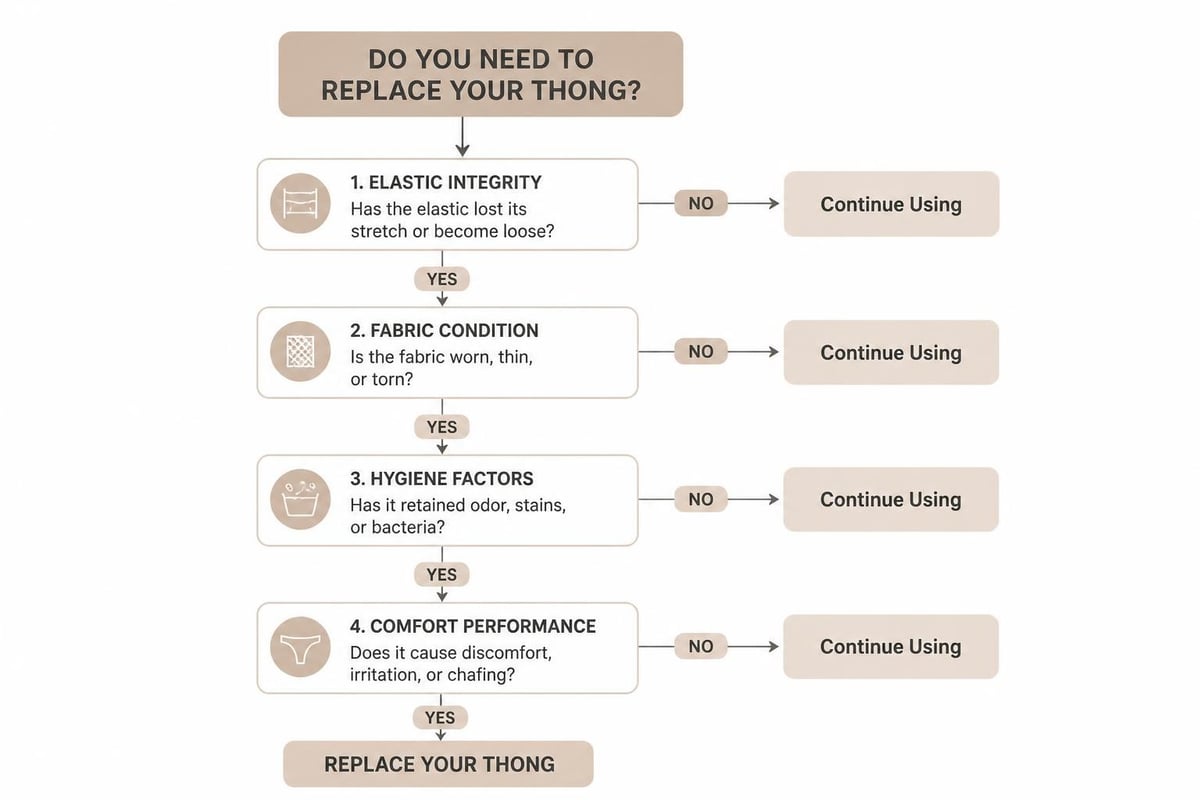
Beyond scheduled rotation, specific indicators demand immediate retirement regardless of garment age.
Immediate replacement triggers:
- Elastic no longer returns to original length when stretched
- Visible holes or extreme thinning in fabric
- Persistent odor after washing (indicates bacterial colonization)
- Riding up or shifting during normal movement
- Skin irritation or chafing that develops with this specific piece
The last point deserves emphasis. Preventing and treating skin irritation requires addressing the root cause. A worn thong with degraded fabric can create friction points that cause blisters, chafing, or contact dermatitis even if other garments cause no issues.
The Hidden Cost of Wearing Damaged Underwear
Continuing to wear a compromised thong creates multiple problems beyond discomfort. Financial impact actually increases when you delay replacement. A worn thong that shifts constantly may damage outer garments through increased friction, cause visible lines where smooth fabric once provided invisibility, and lead to skin treatments for irritation that proper underwear would prevent.
Health considerations include:
- Increased risk of yeast infections from moisture-trapping damaged fabric
- Bacterial growth in degraded fiber structures
- Skin barrier damage from rough, pilled fabric surfaces
- Reduced effectiveness of moisture-wicking properties
The psychological effect of knowing your foundation garments are past their prime shouldn't be dismissed either. Confidence starts with what you wear closest to your skin.
Choosing Durable Thongs That Age Gracefully
Not all thongs deteriorate equally. Material selection and construction methods determine whether you face replacement in months or years.
| Material Type | Durability Rating | Moisture Management | Common Issues When Worn |
|---|---|---|---|
| Cotton | Moderate | Good | Pilling, elastic failure |
| Microfiber | Good | Excellent | Thinning, color loss |
| Nylon blends | Good to Excellent | Very Good | Elastic stretching |
| Seamless technical fabrics | Excellent | Superior | Minimal degradation |
Seamless construction represents the most significant innovation in thong longevity. Traditional sewn thongs develop a worn thong appearance first at seam lines, where thread deteriorates faster than fabric. Seamless designs distribute stress evenly, eliminating this primary failure point.
The camel toe prevention technology integrated into modern seamless thongs serves dual purposes. The anatomical contouring that prevents visible lines also reduces friction and pressure concentration, both of which accelerate fabric wear.
Fabric Technology and Longevity
Modern performance fabrics offer substantial advantages over traditional materials. Moisture-wicking treatments aren't just about comfort during wear. They also reduce the bacterial load that degrades fibers over time. Fabrics that dry quickly between wears experience less microbial colonization.
Ice silk and similar technologies provide:
- Superior shape retention through repeated washing
- Resistance to pilling and surface degradation
- Maintained elasticity over hundreds of cycles
- Smooth surfaces that generate less friction against skin and outer garments
When evaluating new thongs, consider cost per wear rather than initial price. A premium seamless thong lasting 18 months at $28 costs $1.56 per month. A $12 basic thong needing replacement every 4 months costs $3.00 per month-nearly double the actual expense.
Building a Rotation That Minimizes Wear
Strategic wardrobe planning extends the functional life of every piece while ensuring you never face a drawer full of worn thong options simultaneously.
The optimal rotation strategy includes three categories:
- Everyday workhorses (5-7 pieces): Neutral colors, comfortable fits for regular daily wear under all clothing types
- Specialized pieces (3-4 pieces): Specific colors for white clothing, low-rise for low-waist pants, high-rise for dresses
- Reserve pieces (2-3 pieces): New backups waiting to rotate in as older pieces retire
This 10-14 piece rotation means each thong wears approximately once per week, dramatically reducing individual garment stress compared to daily use of the same few pieces.
Matching Thongs to Activities
Different activities create different wear patterns. A worn thong used exclusively for yoga shows different deterioration than one worn during office work.
- High-intensity workouts: Prioritize moisture-wicking seamless designs that handle sweat and movement
- Daily office wear: Any quality thong works well in this low-stress environment
- Special occasions: Reserve newer pieces for fitted dresses and formal wear
- Sleep and lounging: Retired pieces in good hygiene condition but with stretched elastic can serve here
This matching approach prevents premature wear of specialized pieces while maximizing utility from every garment stage.
Storage Practices That Preserve Underwear
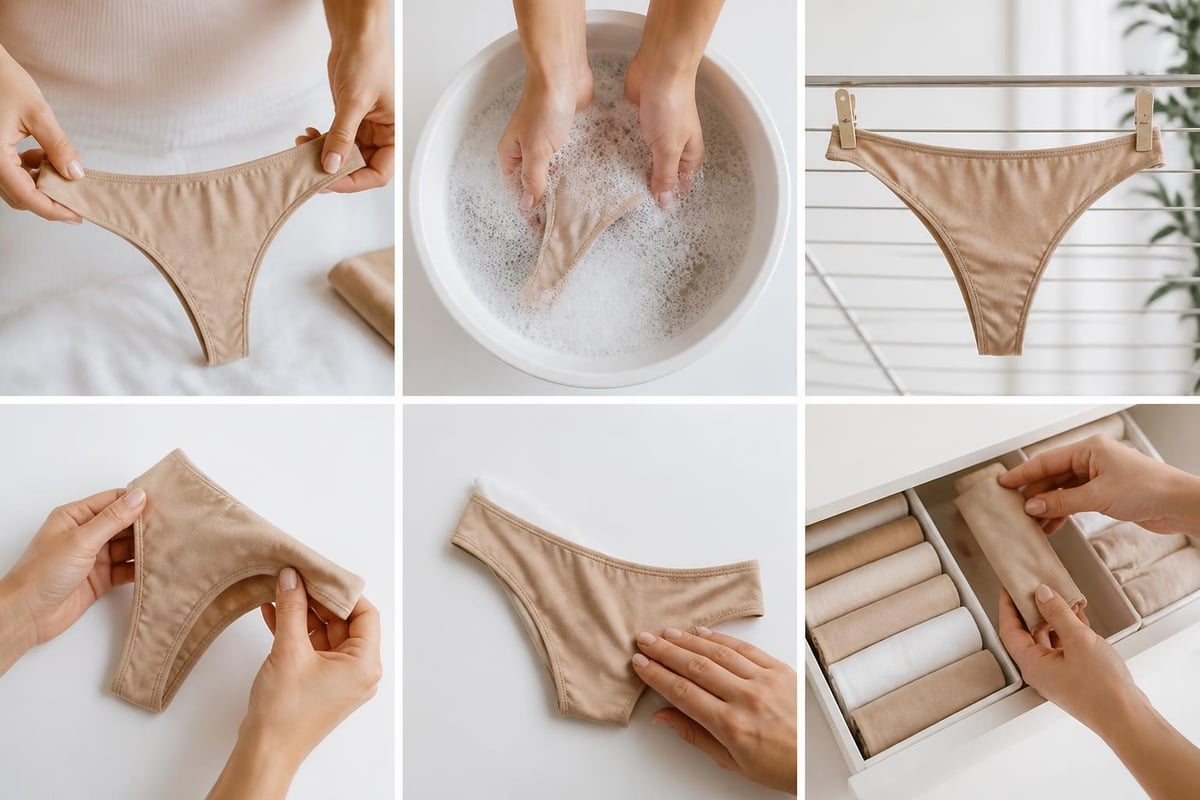
How you store thongs between wears affects longevity almost as much as washing practices.
Folding versus rolling: Rolling thongs creates permanent stress creases in elastic bands. Gentle folding or laying flat in dedicated drawer organizers preserves shape. Some women store thongs unfolded, which works well if drawer space permits.
Environmental factors matter more than many realize:
- High humidity environments accelerate elastic degradation
- Direct sunlight causes color fading and fiber weakening
- Extreme temperature fluctuations stress synthetic fibers
- Poor ventilation can allow moisture accumulation and odor development
Dedicated underwear organizers with individual compartments prevent tangling and the resulting elastic stress. They also make rotation tracking simpler when you can see every piece clearly.
Special Considerations for Sensitive Skin
Women with sensitive skin or prone to irritation must be especially vigilant about worn thong condition. Even minor fabric degradation creates friction that healthy skin tolerates but sensitive skin cannot.
Early replacement indicators for sensitive skin:
- Any increase in end-of-day irritation
- Redness in contact areas after wearing specific pieces
- Development of small bumps or texture changes
- Increased awareness of the garment during wear (good underwear should be invisible to sensation)
The relationship between skin health and fabric choice becomes critical when dealing with sensitive areas. Seamless designs eliminate seam friction, while moisture-wicking fabrics reduce the damp conditions that promote irritation.
For those following sizing guidance correctly, fit-related issues shouldn't cause problems. However, a worn thong that has stretched may now fit incorrectly even if it was perfect when new, creating pressure points and chafing where none existed before.
The Environmental Angle of Underwear Replacement
Balancing hygiene and longevity with environmental consciousness creates a real dilemma. Underwear represents one of the few clothing categories where extended use beyond functional life poses health risks.
Sustainable practices include:
- Choosing quality over quantity to reduce replacement frequency
- Selecting brands using recycled or sustainably sourced materials
- Proper care to maximize each garment's useful life
- Textile recycling programs for worn-out pieces (many municipalities now accept textiles)
A worn thong cannot be donated like other clothing, but textile recycling diverts it from landfills. Some manufacturers offer take-back programs that recycle old underwear into insulation, cleaning cloths, or fiber for new textiles.
Investing in durable, well-constructed thongs reduces overall consumption more effectively than buying cheap pieces that need frequent replacement. The environmental cost of producing five low-quality thongs over two years exceeds the impact of one high-quality piece serving the same period.
Signs Your Entire Collection Needs Refresh
Sometimes the problem isn't one worn thong but a wardrobe full of pieces past their prime. This typically happens when you've neglected rotation and replacement for extended periods.
Collection refresh indicators:
- Most pieces show elastic stretching or fabric thinning
- You avoid wearing certain thongs due to comfort issues
- Persistent hygiene concerns despite proper washing
- Visible lines or bunching under clothing that didn't occur with these pieces when new
- You can't remember when you last purchased new underwear
A complete refresh doesn't mean discarding everything simultaneously. Start by identifying the three worst pieces and replacing them. Next month, replace three more. This staggered approach spreads the cost while immediately improving your daily comfort.
Consider exploring underwear variety packs when refreshing your collection. Multi-piece sets often offer better value while ensuring you have quality backups ready as older pieces retire.
Professional and Active Lifestyle Considerations
Your lifestyle dramatically affects how quickly thongs deteriorate and what constitutes acceptable wear levels.
For active women who exercise daily, a worn thong reaches end-of-life faster due to:
- Increased washing frequency (sometimes twice daily)
- Greater stress from movement and moisture
- Exposure to chlorine (swimming) or salt (ocean activities)
- Higher performance demands that degraded fabric cannot meet
Active lifestyles require larger rotations (12-15 pieces minimum) and more frequent replacement cycles. However, the same activities that wear out thongs faster also make quality construction more important. Seamless activewear designed specifically for movement eliminates the shifting and bunching that plague traditional underwear during workouts.
Professional wardrobes face different challenges. Fitted business attire reveals every line and bulge. A worn thong that creates visible lines under tailored pants or fitted skirts must be retired even if still hygienically acceptable, because it fails its primary function.
Understanding the lifecycle of your intimate apparel helps you maintain both hygiene and confidence while maximizing the value of every purchase. A worn thong signals the need for replacement, but proper care, strategic rotation, and quality construction can extend that timeline significantly. Ambar Wear specializes in seamless, durable designs engineered to resist common wear patterns while providing the invisible comfort and support today's women demand-ensuring every piece delivers exceptional performance throughout its extended lifespan.