

The way women in bra panties experience comfort and confidence has transformed dramatically over the past century. Modern intimate apparel focuses on functionality, health, and style rather than just aesthetics alone. Today's undergarments prioritize seamless construction, breathable fabrics, and designs that eliminate common issues like visible panty lines, uncomfortable seams, and poor support. Understanding how to select the right combination of bras and panties can significantly impact your daily comfort, vaginal health, and overall confidence. This comprehensive guide explores everything from fabric choices to fit considerations, helping you make informed decisions about your intimate wardrobe.
Understanding the Evolution of Intimate Apparel
Women's undergarments have undergone remarkable changes throughout history. According to the comprehensive history of women's underwear, intimate apparel has shifted from restrictive corsets and complicated layering systems to streamlined, functional pieces designed for modern lifestyles.
The 20th century brought revolutionary changes as women entered the workforce and demanded practical clothing. Bras evolved from simple chest binders to engineered support systems with multiple cup sizes and band measurements. Panties transformed from bulky bloomers to sleek, minimal designs that prioritize comfort without sacrificing coverage.
Modern Priorities in Intimate Wear
Today's women in bra panties expect their undergarments to serve multiple purposes:
- All-day comfort without pinching, digging, or adjusting
- Invisible appearance under clothing with seamless construction
- Health-conscious design using breathable, moisture-wicking fabrics
- Body-positive sizing that accommodates diverse shapes and proportions
- Durability that withstands frequent washing and daily wear
This shift reflects broader changes in how women view their bodies and their right to comfort. The intimate apparel industry has responded with innovations in fabric technology, construction techniques, and inclusive sizing approaches.
Choosing the Right Fabrics for Health and Comfort
Fabric selection directly impacts both comfort and vaginal health. The Cleveland Clinic emphasizes that breathable materials prevent moisture buildup, which can lead to yeast infections and bacterial imbalances.
Cotton: The Classic Choice
One hundred percent cotton remains the gold standard for the gusset area of panties. This natural fiber allows air circulation and absorbs moisture effectively. Women in bra panties made primarily from cotton experience fewer irritation issues and better temperature regulation throughout the day.
Benefits of cotton undergarments:
- Natural breathability that reduces heat and moisture
- Hypoallergenic properties suitable for sensitive skin
- Easy care and durability through multiple wash cycles
- Absorbency that keeps skin drier
Modern Fabric Innovations
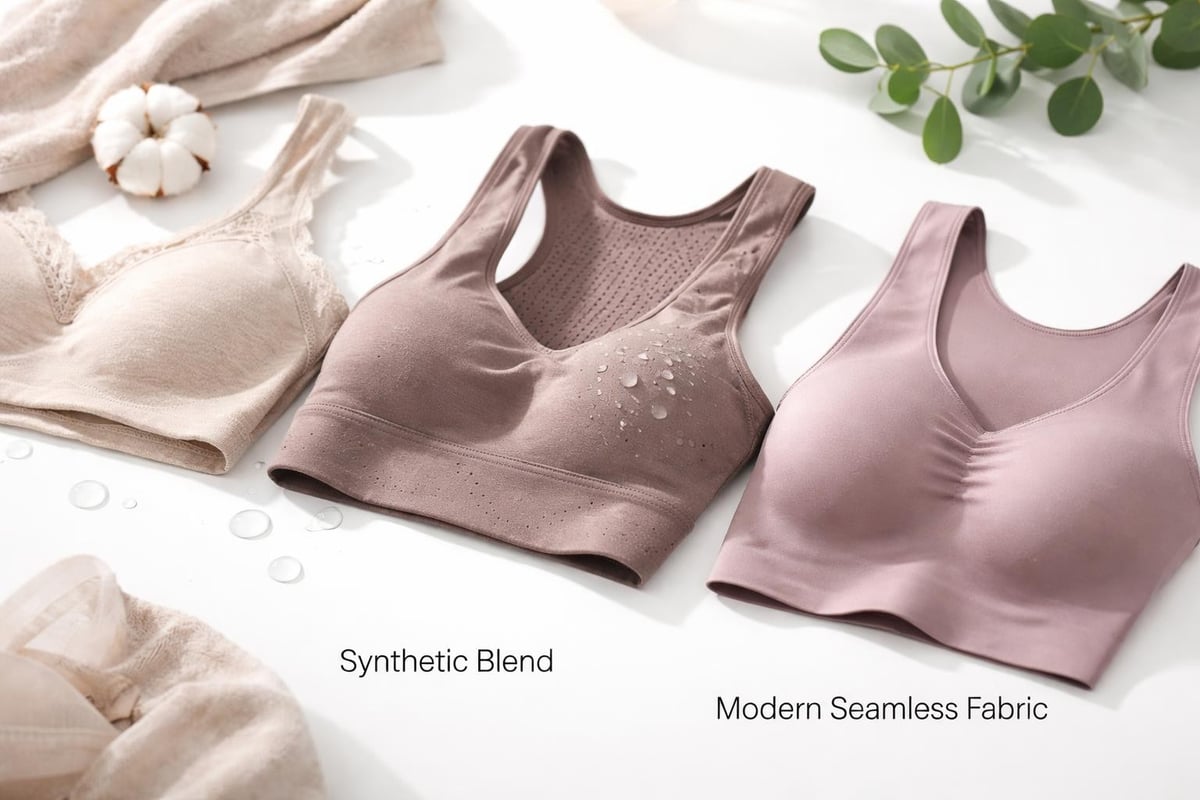
While cotton excels in many areas, contemporary fabrics offer additional benefits. Seamless microfiber blends provide smooth lines under fitted clothing while maintaining adequate breathability. Moisture-wicking synthetics help active women stay dry during workouts.
| Fabric Type | Breathability | Smoothness | Moisture Control | Best For |
|---|---|---|---|---|
| 100% Cotton | Excellent | Good | Good | Daily wear, sensitive skin |
| Cotton Blend | Very Good | Very Good | Good | Versatile everyday use |
| Microfiber | Good | Excellent | Very Good | Fitted clothing, activewear |
| Modal/Bamboo | Excellent | Excellent | Excellent | Comfort-focused wear |
| Ice Silk | Very Good | Excellent | Excellent | Hot climates, activewear |
The seamless camel toe thong demonstrates how modern fabric technology addresses multiple concerns simultaneously, combining smooth appearance with functional design.
Bra Selection for Support and Style
Finding the right bra involves more than knowing your cup size. Women in bra panties deserve proper support that distributes weight evenly across the shoulders and band, preventing back pain and maintaining breast health.
Understanding Bra Construction
Modern bras feature several key components that affect fit and comfort:
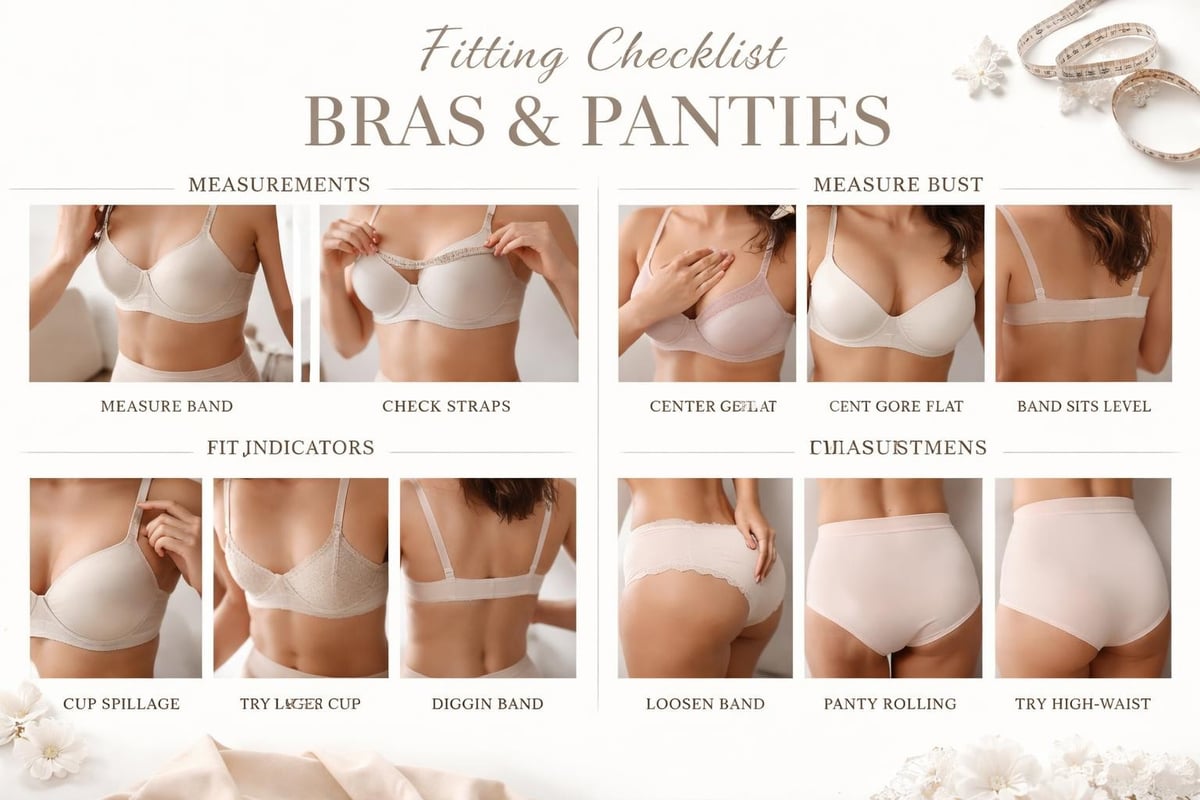
- Band: Should provide 80% of breast support
- Cups: Must fully contain breast tissue without spillage or gaps
- Straps: Distribute remaining weight without digging into shoulders
- Gore (center panel): Should lie flat against the sternum
- Underwire (if present): Follows natural breast crease without poking
A properly fitted bra stays in place without constant adjustment. The band should be level around your torso, not riding up in the back. Cup edges should lie smooth against your skin, and underwires should encompass breast tissue without pressing into it.
Seamless Bra Benefits
Traditional bras with visible seams, lace, and embellishments can show through thin fabrics and create unflattering lines. Seamless construction eliminates these issues while maintaining necessary support. The seamless push-up bra exemplifies how modern engineering can enhance shape without sacrificing invisibility under clothing.
Advantages of seamless bras include:
- Zero visible lines under t-shirts, blouses, and fitted tops
- Reduced irritation from seams and tags
- Lighter weight construction for all-day comfort
- Versatility across multiple outfit types
Panty Styles and Functional Design
The variety of panty styles available today reflects different needs, preferences, and occasions. Women in bra panties can select from options ranging from full coverage to minimal designs, each serving specific purposes.
Coverage Options Explained
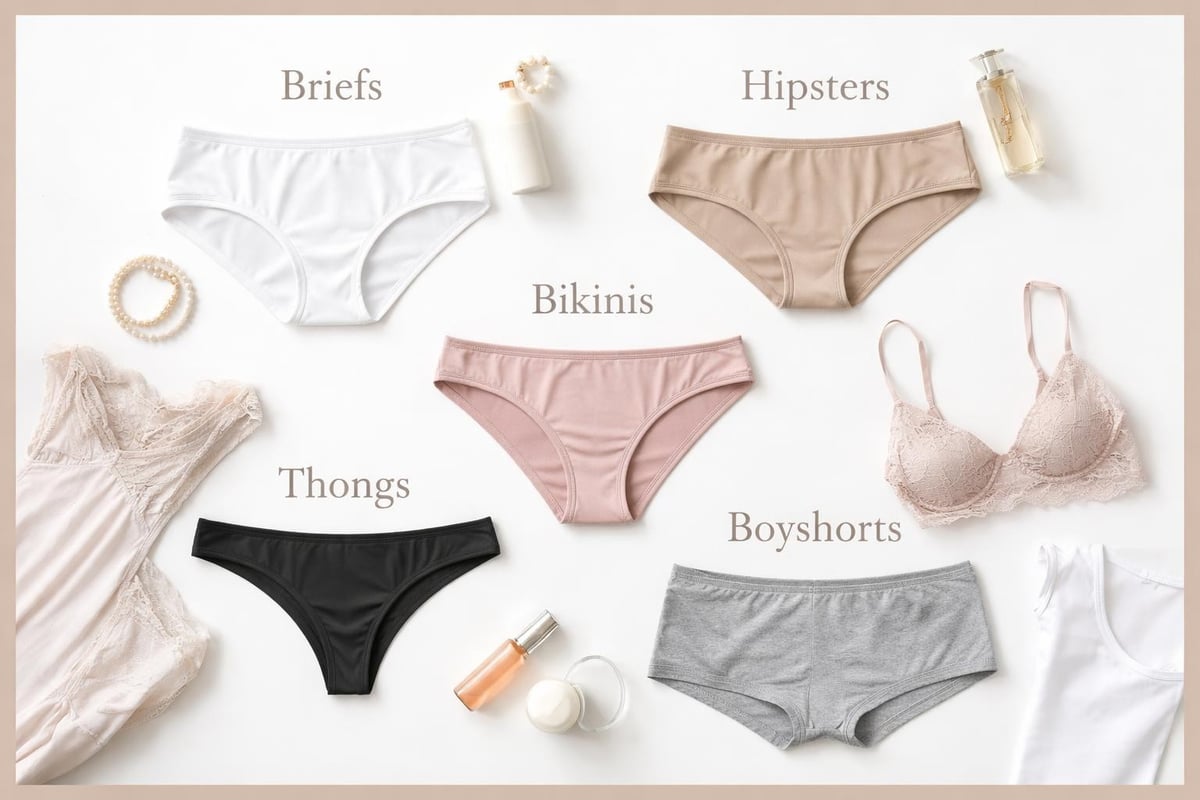
Brief: Classic full coverage with a waistband at or just below the navel. Provides maximum coverage and prevents visible panty lines when properly fitted.
Hipster: Sits on the hips with moderate coverage. Balances coverage with a modern silhouette that doesn't extend above low-rise pants.
Bikini: Lower rise than briefs with less coverage on the sides. Ideal for preventing tan lines and wearing with lower-waisted bottoms.
Thong: Minimal back coverage that eliminates panty lines completely. The invisible camel toe thong shows how this style can address visibility concerns while maintaining comfort.
Boyshort: Provides fuller coverage extending down the upper thigh. Prevents chafing and offers a sporty aesthetic.
Addressing Common Fit Issues
Many women struggle with underwear that creates unflattering lines or uncomfortable bunching. Camel toe, visible panty lines, and rolling waistbands plague even high-quality undergarments when construction doesn't account for body movement and fabric properties.
Proper gusset design prevents camel toe by using strategically placed seams and slightly thicker fabric panels. Seamless construction eliminates side seams that create visible lines. Elastic-free waistbands prevent rolling and digging while maintaining secure fit.
Coordinating Bra and Panty Sets
While matching sets aren't functionally necessary, coordinated women in bra panties often report feeling more put-together and confident. The psychological impact of wearing intentional, coordinated intimate apparel shouldn't be underestimated.
Benefits Beyond Aesthetics
Purchasing bra and panty sets offers practical advantages:
- Consistent fabric care requirements across pieces
- Guaranteed color matching without fading discrepancies
- Unified design philosophy addressing similar comfort concerns
- Simplified morning routines with pre-matched options
The two-pieces set high-rise seamless lifting demonstrates how coordinated sets can deliver both visual cohesion and functional benefits like smoothing and shaping.
Mix-and-Match Strategies
Building a versatile intimate apparel wardrobe involves strategic selection:
- Invest in three to five neutral-colored seamless sets (nude, black, white)
- Add specialty items for specific outfits (strapless, low-back, deep V)
- Include comfortable everyday options in fun colors or patterns
- Maintain separate athletic undergarments for workouts
- Replace items showing wear every 6-12 months
Health Considerations and Hygiene Practices
Proper underwear hygiene extends beyond regular washing. Healthline's underwear hygiene guide emphasizes practices that protect vaginal health while extending garment lifespan.
Daily Wear Guidelines
Change frequency: Women in bra panties should change underwear at least once daily, more often after workouts or in hot, humid conditions. Wearing the same panties for extended periods allows bacteria to multiply.
Washing best practices:
- Separate delicates from heavy items to prevent damage
- Use gentle, fragrance-free detergents to avoid irritation
- Avoid fabric softeners that reduce moisture-wicking properties
- Air dry when possible to extend elastic lifespan
- Replace underwear showing signs of elastic breakdown or fabric thinning
Nighttime Considerations
Some health experts recommend sleeping without underwear to allow complete air circulation. However, if you prefer wearing undergarments to bed, choose loose-fitting cotton options without tight elastic bands.
During menstruation, change underwear more frequently and consider dedicated period panties with enhanced absorbency. Always prioritize comfort and hygiene over aesthetics during this time.
Sizing and Fit for Different Body Types
Proper fit matters more than brand loyalty or price point. Women in bra panties of all shapes and sizes deserve undergarments that celebrate their bodies rather than creating discomfort.
Bra Sizing Fundamentals
Most women wear incorrectly sized bras, often due to outdated measurements or trying to fit into available sizes rather than finding true fits. Proper bra sizing involves two measurements:
Band size: Measure snugly around your ribcage directly under your breasts. Round to the nearest even number. This measurement determines the band size (32, 34, 36, etc.).
Cup size: Measure loosely around the fullest part of your bust. Subtract your band measurement from this number. Each inch of difference represents a cup size (1 inch = A, 2 inches = B, 3 inches = C, etc.).
Panty Sizing Realities
Panty sizing varies significantly between brands, making it essential to try before buying or understand specific brand sizing charts. Most brands use S/M/L sizing or numerical sizes (4-16), but these correspond to different measurements across manufacturers.
| Size | Typical Waist Range | Typical Hip Range | Notes |
|---|---|---|---|
| XS/2-4 | 24-26 inches | 34-36 inches | May run small in some brands |
| S/6-8 | 27-29 inches | 37-39 inches | Most common size variation |
| M/10-12 | 30-32 inches | 40-42 inches | Consider hip measurement primarily |
| L/14-16 | 33-35 inches | 43-45 inches | Check for adequate stretch |
| XL/18-20 | 36-38 inches | 46-48 inches | Seamless styles often fit better |
Body proportions matter more than size labels. Someone with a smaller waist but fuller hips may need to size differently for panties versus bras.
Building a Functional Intimate Apparel Wardrobe
Strategic wardrobe planning ensures you have appropriate undergarments for every situation without overstuffing drawers with rarely worn items. Women in bra panties benefit from curated collections that balance variety with practicality.
Essential Foundation Pieces
Start with these basics:
- Three seamless neutral bras (nude, black, white) for everyday wear
- Seven to ten everyday panties in preferred styles allowing for laundry cycles
- Two to three specialty bras (strapless, sports, low-back) for specific outfits
- Active wear sets designed for workouts and high-movement activities
- Comfortable sleep options if you prefer wearing undergarments to bed
Seasonal Adjustments
Your intimate apparel needs may shift with seasons:
Summer considerations: Lighter fabrics, moisture-wicking properties, and seamless construction prevent visible lines under summer clothing. Consider the high-rise seamless lifting leggings paired with matching tops for cohesive activewear during warmer months.
Winter adaptations: Layer-friendly bras without bulky seams, higher-waisted panties for warmth, and thermal options for outdoor activities.
Special Occasion and Activity-Specific Options
Different activities and outfits require specialized undergarment solutions. Women in bra panties preparing for special events or athletic pursuits need pieces that perform under specific conditions.
Athletic Performance Underwear
Exercise demands undergarments that move with your body, control moisture, and prevent chafing. Sports bras with compression or encapsulation support reduce bounce and discomfort during high-impact activities. Athletic panties should feature:
- Flat seams to prevent chafing during repetitive movements
- Moisture-wicking fabrics that pull sweat away from skin
- Antimicrobial treatments to control odor
- Secure fit that doesn't shift during activity
- Quick-drying properties for back-to-back workouts
Special Event Solutions
Formal wear, evening gowns, and unique outfit styles require specialized undergarment approaches:
- Backless dresses: Low-back or adhesive bras that provide support without visible straps
- Sheer or white clothing: Nude undergarments matching your skin tone, not white
- Bodycon dresses: Seamless, smoothing undergarments that eliminate all visible lines
- Deep V-necks: Plunge bras with low center gores and wide-set straps
- High-slit skirts: Thongs or seamless options that won't peek through openings
The Psychology of Comfortable Intimate Apparel
The connection between what we wear beneath our clothes and how we feel throughout the day runs deeper than physical comfort alone. Women in bra panties that fit properly and feel good against their skin report higher confidence levels and reduced anxiety about their appearance.
Confidence and Body Image
Well-fitting undergarments create a smooth foundation for outer clothing, allowing women to focus on their activities rather than constantly adjusting or worrying about visible lines. This mental freedom contributes to better posture, more confident movement, and reduced self-consciousness in professional and social settings.
Investing in quality intimate apparel signals self-respect and prioritization of personal comfort. This seemingly small choice ripples outward, affecting how women carry themselves and interact with the world.
The Discomfort Tax
Uncomfortable undergarments create a constant low-level distraction. Whether it's a digging underwire, rolling waistband, or shifting strap, these minor annoyances compound throughout the day. They reduce productivity, increase stress, and diminish overall quality of life in ways that often go unrecognized until properly addressed.
Eliminating these friction points through thoughtful undergarment selection pays dividends in energy, focus, and wellbeing. The initial investment in properly fitted, high-quality pieces returns value through improved daily experience.
Sustainability and Longevity in Intimate Apparel
The intimate apparel industry faces increasing scrutiny regarding environmental impact and sustainable practices. Women in bra panties can make choices that extend garment lifespan and reduce waste.
Extending Underwear Lifespan
Proper care significantly extends how long your undergarments remain comfortable and functional:
Washing techniques:
- Hand wash delicates or use lingerie bags in machines
- Wash in cold water to preserve elastic and prevent shrinkage
- Avoid chlorine bleach that breaks down fibers
- Skip the dryer for bras, which heat damages elastic and underwires
Storage methods:
- Store bras with cups nested or laid flat, never folded in half
- Keep underwear in dedicated drawers preventing snags from other items
- Rotate pieces regularly to prevent overuse of favorites
- Address small issues (loose threads, minor tears) before they worsen
Quality Over Quantity
Purchasing fewer, higher-quality pieces costs less over time than repeatedly replacing cheap undergarments. Well-constructed intimate apparel from companies like Ambar Wear uses superior materials and construction techniques that maintain shape, support, and appearance through hundreds of wear cycles.
Indicators of quality construction include:
- Reinforced seams that don't fray easily
- Covered elastic that maintains tension over time
- Multiple hook-and-eye closures on bras for adjustability
- Substantial gusset fabric in panties
- Color-fast dyes that don't bleed or fade quickly
Addressing Common Concerns and Solutions
Even with careful selection, women in bra panties encounter occasional issues. Understanding common problems and their solutions helps maintain comfort and confidence.
Strap Slippage
Bra straps that constantly fall off shoulders indicate either improper adjustment or incorrect sizing. Tighten straps until they comfortably support without digging. If straps remain too long even at tightest setting, you likely need a smaller band size. If straps dig in painfully, try a larger cup size or different bra style with wider-set straps.
Camel Toe Concerns
This common issue occurs when panty fabric gathers in the crotch area, creating an unflattering visible outline. Solutions include:
- Choosing panties with specially designed gussets like the tummy control camel toe proof thong
- Sizing up if current panties are too tight
- Selecting seamless construction that distributes fabric more evenly
- Avoiding very thin, clingy fabrics that highlight every contour
- Considering slightly longer coverage styles that extend lower
Visible Panty Lines
VPL remains a persistent frustration, particularly with fitted pants and skirts. The most effective solution involves seamless panties or thongs that eliminate side seams and back coverage. However, proper sizing also matters-too-tight underwear creates dig-in lines regardless of construction.
Selecting the right intimate apparel transforms your daily comfort, confidence, and health. Women in bra panties deserve undergarments that support their lifestyles without compromise, combining functionality with elegance. Whether you're building a foundation wardrobe or addressing specific fit concerns, prioritizing seamless construction, breathable fabrics, and proper sizing creates positive ripple effects throughout your day. Ambar Wear specializes in seamless, comfortable undergarments designed to eliminate common frustrations like camel toes, visible lines, and poor fit, offering solutions that help women feel confident and comfortable in everything they wear.