

The question of whether wearing underwear in bed benefits or harms your health has sparked considerable debate among sleep experts, gynecologists, and wellness professionals. While personal preference plays a significant role in this nighttime choice, understanding the scientific evidence behind this common habit can help you make an informed decision that supports your comfort, hygiene, and overall well-being. This comprehensive guide examines the advantages and disadvantages of different sleepwear approaches, helping women navigate this intimate aspect of their bedtime routine with confidence.
The Case Against Wearing Underwear in Bed
Multiple health professionals have raised concerns about the potential drawbacks of wearing underwear during sleep. The primary issue centers around moisture retention and temperature regulation in the intimate area.
When you wear underwear overnight, especially styles made from synthetic materials, you create an environment where heat and moisture become trapped against your skin. This enclosed, warm space can become a breeding ground for bacteria and yeast, potentially increasing your risk of infections. Women who are prone to urinary tract infections or yeast infections may find that going commando at night significantly reduces recurrence rates.
Temperature Regulation and Sleep Quality
Your body temperature naturally drops during sleep as part of your circadian rhythm. This cooling process signals your brain that it's time for rest and helps you achieve deeper, more restorative sleep stages.
Wearing underwear in bed can interfere with this natural thermoregulation. The relationship between skin temperature and sleep quality is well-documented, with cooler body temperatures correlating with improved sleep efficiency. When your intimate area remains covered throughout the night, it retains heat that your body is trying to release.
Key benefits of sleeping without underwear include:
- Enhanced air circulation around the vulva and vaginal area
- Reduced nighttime sweating and moisture accumulation
- Lower risk of skin irritation from elastic waistbands
- Improved comfort for women with sensitive skin
The Sleep Foundation notes multiple advantages to allowing your body to breathe during sleep, including better temperature management and potential improvements in metabolic function.

When Wearing Underwear in Bed Makes Sense
Despite the arguments against nighttime underwear, several legitimate situations warrant keeping your undergarments on during sleep.
| Scenario | Recommended Approach | Why It Matters |
|---|---|---|
| Menstrual cycle | Specialized period underwear | Leak protection and confidence |
| Postpartum recovery | Breathable cotton briefs | Support for pads and healing |
| Vaginal discharge concerns | Moisture-wicking fabric | Hygiene without compromising health |
| Cold climate sleeping | Loose, natural fiber underwear | Warmth without restriction |
Women experiencing their menstrual period often feel more secure wearing underwear in bed, even if they use other protection methods. Modern menstrual-specific undergarments are designed with moisture-wicking technology that provides protection without creating the problematic moisture environment associated with traditional underwear.
Choosing the Right Nighttime Underwear
If you decide that wearing underwear in bed works better for your lifestyle, the type of undergarment you select becomes critically important. Not all underwear is created equal when it comes to overnight wear.
Cotton remains the gold standard for nighttime underwear because it's breathable, absorbent, and hypoallergenic. Unlike synthetic fabrics such as polyester or nylon, cotton allows air circulation while wicking moisture away from your skin. This natural fiber helps maintain a healthier pH balance in your intimate area.
Seamless designs eliminate pressure points and irritation that can develop from elastic bands and seams during extended wear. The seamless technology used in modern intimate apparel creates a second-skin feel that minimizes friction while you move during sleep.
The Hygiene Factor: Separating Myths from Facts
Conflicting information about hygiene practices related to wearing underwear in bed has created confusion among women seeking evidence-based guidance.
Some sources suggest that wearing underwear protects your bedding from bodily secretions, while others argue that allowing your body to breathe overnight promotes better intimate health. The truth lies somewhere in the middle and depends on individual circumstances.
Understanding Your Body's Natural Processes
Your vagina is a self-cleaning organ with its own ecosystem of beneficial bacteria. Normal vaginal discharge helps maintain this delicate balance by removing dead cells and bacteria. When you wear tight or non-breathable underwear in bed, you interfere with your body's natural processes.
Medical experts emphasize that allowing air circulation around the vulva supports the natural pH balance and reduces the likelihood of bacterial overgrowth. This doesn't mean going commando is the only hygienic option, but it does suggest that breathable, loose-fitting options are preferable to restrictive styles.
Signs your nighttime underwear might be causing problems:
- Increased vaginal itching or irritation
- Recurring yeast infections or bacterial vaginosis
- Redness or chafing in the intimate area
- Unusual odor or discharge patterns
- Difficulty falling asleep due to discomfort
If you experience any of these symptoms, reconsidering your sleepwear choices might provide relief. Consult with your gynecologist about persistent issues, as they may indicate underlying conditions requiring treatment.

Fabric Technology and Modern Solutions
The underwear industry has evolved significantly in recent years, with innovative fabric technologies addressing many traditional concerns about wearing underwear in bed.
Moisture-wicking fabrics draw perspiration away from your skin, preventing the damp environment where bacteria thrive. These advanced materials maintain comfort throughout the night while reducing infection risk. Unlike traditional cotton that absorbs and holds moisture, modern performance fabrics actively transport moisture to the outer surface where it evaporates.
Seamless Construction Benefits
Traditional underwear construction includes multiple seams, elastic bands, and sometimes decorative elements that can cause discomfort during extended wear. Seamless undergarments eliminate these potential irritation points while providing adequate support and coverage.
The benefits extend beyond nighttime wear. Many women who discover the comfort of seamless designs for sleeping find they prefer this construction for daytime activities as well. The smooth edges prevent visible panty lines under clothing, making these pieces versatile for both sleeping and active wear.
Personal Comfort Versus Health Recommendations
While health professionals can provide general guidelines, the decision about wearing underwear in bed ultimately comes down to personal comfort and individual health considerations.
Some women feel psychologically more comfortable sleeping with underwear, viewing it as an essential part of their bedtime routine. Others find liberation and enhanced comfort in sleeping without constraints. Neither approach is inherently wrong, provided you're mindful of potential health implications.
Factors to consider when making your choice:
- Your personal infection history and susceptibility
- Climate and bedroom temperature
- Sleep position preferences
- Partner considerations and intimacy factors
- Skin sensitivity and allergy concerns
- Lifestyle factors like workout schedules
If you've never experienced intimate health issues and feel comfortable wearing underwear in bed, there may be no compelling reason to change your routine. However, women who struggle with recurring infections should consider how their sleepwear choices might contribute to these problems.
Special Considerations for Active Women
Women who maintain regular exercise routines face unique considerations regarding nighttime underwear choices. After intense workouts, your body continues thermoregulation processes during sleep, making breathability even more critical.
High-performance activewear and undergarments designed for exercise often incorporate technologies beneficial for sleep as well. These pieces wick moisture, provide support without restriction, and move with your body during rest.
Post-Workout Recovery and Sleep
Athletes and fitness enthusiasts recognize that recovery happens primarily during sleep. Proper sleepwear choices support this recovery process by maintaining optimal body temperature and preventing disruptions to deep sleep stages.
| Activity Level | Sleepwear Recommendation | Rationale |
|---|---|---|
| Sedentary lifestyle | Personal preference | Lower moisture concerns |
| Moderate exercise | Breathable natural fibers | Balance of comfort and hygiene |
| Intense daily training | Going commando or moisture-wicking | Maximum airflow for recovery |
After evening workouts, showering and either going without underwear or choosing fresh, breathable pieces helps your body complete its natural cooling and recovery processes. Wearing the same underwear from your workout to bed creates exactly the warm, moist environment that promotes bacterial growth.
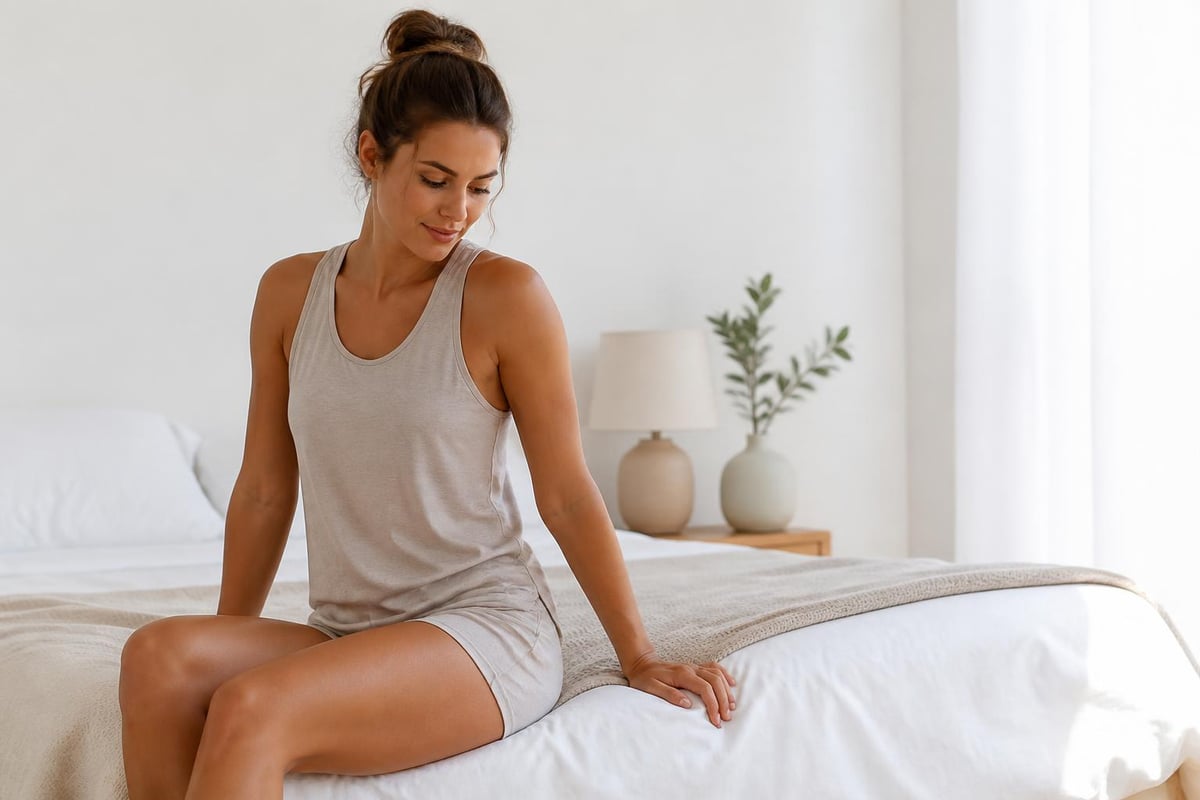
Building Your Ideal Sleep Environment
Creating optimal sleep conditions involves more than just deciding about underwear. Your entire sleep environment, including bedding materials, room temperature, and sleepwear choices, works together to support quality rest.
The ideal bedroom temperature for sleep ranges between 60-67°F (15-19°C). Within this range, your body can effectively regulate its core temperature without fighting against environmental heat or cold. If you prefer wearing underwear in bed, keeping your room cooler helps compensate for the additional layer.
Bedding Material Interactions
Natural fiber bedding like cotton, bamboo, or linen sheets complement breathable sleepwear choices. These materials allow air circulation and moisture evaporation, supporting your body's natural processes. Synthetic sheets can trap heat and moisture, potentially creating problems regardless of your underwear decision.
Creating a sleep-friendly environment includes:
- Maintaining consistent bedroom temperatures
- Choosing breathable, natural fiber bedding
- Selecting loose-fitting sleepwear when worn
- Washing sheets and sleepwear regularly in hot water
- Allowing adequate air circulation in the bedroom
Regular laundering of anything that comes in contact with your intimate area becomes especially important if you choose to wear underwear in bed. Bacteria can accumulate on fabric, so using hot water and appropriate detergents helps maintain hygiene standards.
The Psychology of Nighttime Routine
Beyond physical health considerations, the psychological aspects of wearing or not wearing underwear in bed deserve attention. Your bedtime routine significantly impacts sleep quality through psychological conditioning and comfort associations.
Some women report feeling vulnerable or exposed when sleeping without underwear, especially if they're unaccustomed to it. The benefits of sleeping naked extend to psychological well-being for those who embrace it, potentially including improved body confidence and self-esteem. However, forcing yourself into discomfort for supposed health benefits can backfire if it increases bedtime anxiety or disrupts your ability to relax.
Transitioning Your Sleep Habits
If you're considering changing your approach to wearing underwear in bed, gradual transitions often work better than sudden changes. Start by trying the new routine on nights when you're not worried about other stressors, allowing yourself to adjust comfortably.
Experimenting with different approaches during various seasons can help you identify what works best for your body. You might discover that going without underwear feels comfortable in summer but not during winter, or vice versa. Flexibility in your approach, rather than rigid adherence to a single method, often produces the best results.
Making the Decision That's Right for You
After examining the evidence and considerations surrounding wearing underwear in bed, you can make an informed choice aligned with your health needs, comfort preferences, and lifestyle requirements.
Understanding the potential health risks doesn't mean you must abandon underwear entirely if it doesn't work for your situation. The key lies in choosing appropriate materials, ensuring proper fit, maintaining good hygiene, and paying attention to how your body responds.
Decision-making checklist:
- Have you experienced recurring intimate health issues?
- Does your current underwear cause nighttime discomfort?
- Are you using breathable, natural fiber underwear?
- Do you maintain proper hygiene with your sleepwear?
- Does your choice support your sleep quality?
If you answered yes to questions one or two, or no to questions three through five, reconsidering your approach to wearing underwear in bed might benefit your health and comfort. Consulting with healthcare providers about persistent concerns ensures you receive personalized guidance based on your medical history.
The expert perspectives from medical professionals emphasize that there's no universal right answer. Your individual anatomy, health status, and personal preferences all factor into the optimal choice for your situation. What works perfectly for one woman might not suit another, and that's completely normal.
Whether you choose to sleep without underwear or prefer wearing comfortable undergarments to bed, prioritizing breathability, hygiene, and personal comfort will serve your health well. If you're seeking seamless, moisture-wicking options designed specifically for women's bodies, Ambar Wear offers thoughtfully engineered pieces that provide comfort without compromising on support or style. Their collection addresses common concerns while ensuring you feel confident and comfortable, whether you're sleeping, exercising, or going about your daily routine.