
Every woman makes countless decisions about what to wear each day, but one of the most important choices often happens before selecting outerwear. The decision to wear underwear and which type to choose affects comfort, health, hygiene, and confidence throughout your entire day. Understanding the science behind proper undergarment selection can transform your daily experience, eliminating frustration and discomfort while supporting your body's natural needs.
Why Women Choose to Wear Underwear
The choice to wear underwear serves multiple practical purposes beyond simple modesty. Undergarments create a protective barrier between your skin and outer clothing, absorbing moisture and reducing friction that can lead to irritation or chafing during movement.
From a health perspective, the right underwear helps maintain proper intimate hygiene by wicking away moisture and preventing bacterial growth. Research on feminine intimate hygiene habits has demonstrated that fabric choice and garment fit significantly influence vaginal health outcomes, making the decision about what type of underwear to wear particularly important for women.
Key benefits of choosing to wear underwear include:
- Protection of outer garments from natural bodily secretions
- Reduced friction between skin and rougher fabrics like denim
- Temperature regulation through moisture management
- Enhanced comfort during physical activity
- Additional support for intimate areas
Many women also wear underwear for psychological reasons. The right undergarments can boost confidence, provide a sense of security, and help you feel put together even when no one else sees what you're wearing beneath your clothes.
Fabric Selection: What You Wear Matters
Not all underwear fabrics offer the same benefits. The material you choose directly impacts breathability, moisture control, and overall comfort when you wear underwear throughout the day.
Natural Fibers vs. Synthetic Materials
Cotton has long been recommended as the gold standard for everyday underwear because it breathes well and absorbs moisture effectively. The NHS recommends wearing cotton underwear particularly during pregnancy or when experiencing vaginal symptoms.
However, modern fabric technology has introduced sustainable alternatives that perform even better than traditional cotton. According to industry data from the Textile Exchange, cellulosic fibers like lyocell and modal are gaining market share in intimate apparel due to their superior moisture-wicking properties and environmental benefits.
| Fabric Type | Breathability | Moisture Control | Sustainability | Best For |
|---|---|---|---|---|
| Cotton | High | Good | Moderate | Daily wear, sensitive skin |
| Modal | Very High | Excellent | High | Active days, warm climates |
| Lyocell | Very High | Excellent | Very High | All-day comfort, eco-conscious |
| Microfiber | Moderate | Very Good | Low | Seamless looks, athletic wear |
| Nylon blend | Low | Poor | Low | Special occasions only |
Understanding Advanced Fabric Technologies
Modern underwear incorporates innovative materials that go beyond basic cotton. Fabrics like TENCEL™ lyocell, detailed in Lenzing's technical reports, offer exceptional softness while being produced through environmentally responsible closed-loop processes.
When you wear underwear made from these advanced fibers, you benefit from improved temperature regulation. These materials actively move moisture away from your skin, keeping you drier and more comfortable even during extended wear or physical activity.
Fit and Construction: Preventing Common Problems
The way underwear fits your body matters just as much as the fabric from which it's made. Poor fit leads to the most common complaints women have about their undergarments: visible panty lines, uncomfortable bunching, and camel toe.
The Seamless Revolution
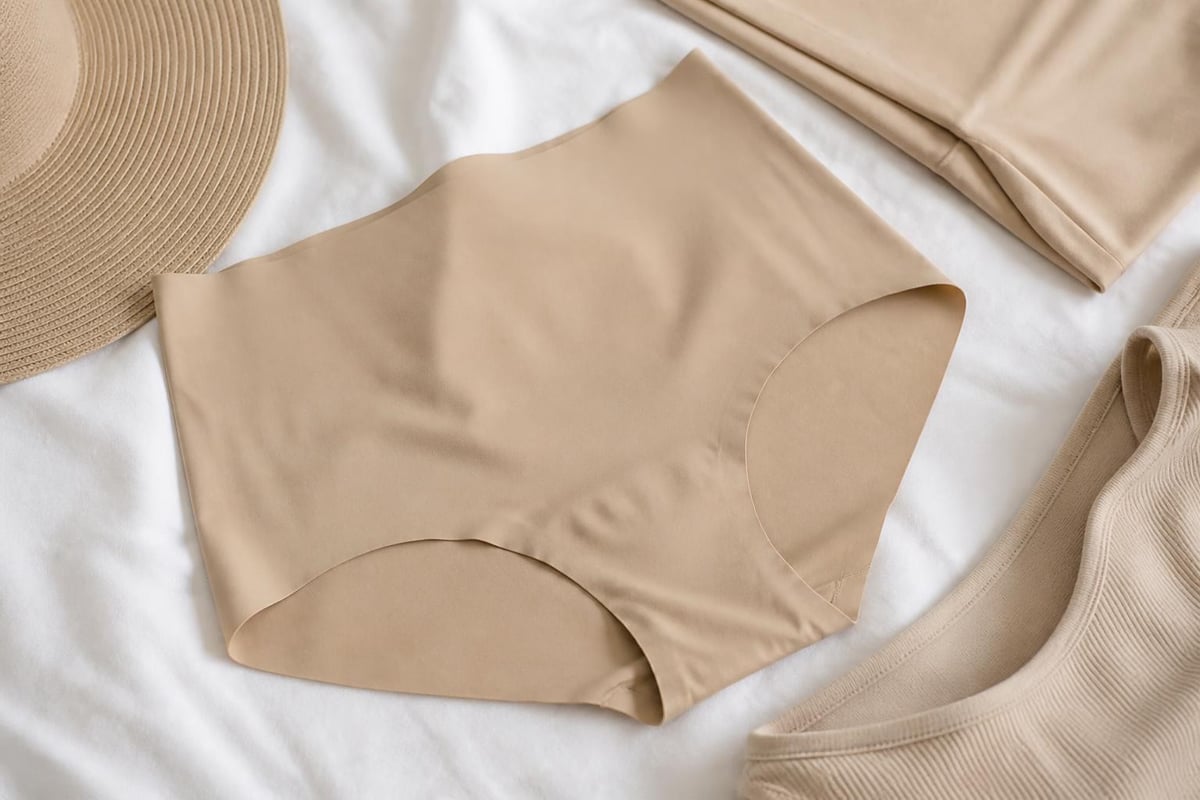
Seamless construction has transformed what it means to wear underwear comfortably under fitted clothing. Traditional underwear with stitched seams creates pressure points and visible lines that show through leggings, pencil skirts, and bodycon dresses.
Seamless underwear offers several advantages:
- Eliminates visible panty lines under any outfit
- Reduces pressure points that cause irritation
- Moves with your body without shifting or bunching
- Creates a smooth silhouette under tight clothing
- Provides even support without elastic bands
The Ambar Wear collection demonstrates how seamless construction can be combined with strategic design to address multiple concerns simultaneously. When you wear underwear specifically engineered to prevent camel toe while remaining invisible under clothing, you eliminate two major frustration points at once.
Understanding Camel Toe Prevention
Camel toe occurs when tight clothing or improperly designed underwear creates visible division in the intimate area. This common issue affects women of all body types and can cause significant embarrassment and discomfort.
The solution lies in specialized design features:
- Reinforced gusset construction that lies flat against the body
- Strategic fabric thickness in the center panel
- Anatomically designed cuts that follow natural body contours
- Proper rise placement that distributes tension evenly
Women who wear underwear with these thoughtful design elements report dramatically improved confidence when wearing activewear, swimsuits, or form-fitting pants.
Style Options for Different Occasions
The type of underwear you choose to wear should match your outfit, activity level, and personal comfort preferences. Having multiple styles in your drawer ensures you're prepared for any situation.
Thongs for Invisible Coverage
Thongs eliminate back coverage entirely, making them the obvious choice when you wear underwear under tight pants or skirts where even seamless full-coverage options might show lines. Modern thongs have evolved far beyond the uncomfortable string styles of the past.
Today's well-designed thongs feature wider waistbands for comfort and stay-put security without digging into skin. The invisible camel toe thong represents how contemporary design addresses both invisibility and the camel toe concern many women experience with traditional thong styles.
Full Coverage for Everyday Comfort
When you wear underwear for daily activities that don't require fitted clothing, full-coverage styles offer maximum comfort and security. These classic cuts provide:
- Complete protection and hygiene coverage
- No riding up or shifting during movement
- Comfortable waistbands that stay in place
- Options for varying levels of support
Mid-Rise vs. High-Rise Options
The rise of your underwear affects both comfort and where it sits on your body under different pant styles.
Mid-rise underwear works best when you:
- Wear mid or low-rise jeans and pants
- Prefer less fabric around your waist
- Want to avoid visible waistbands under crop tops
High-rise underwear excels when you:
- Wear high-waisted pants or skirts
- Want tummy control and smoothing
- Need coverage during bending or stretching
The tummy control camel toe proof thong combines the invisibility of a thong with the smoothing benefits of high-rise coverage, offering versatile performance across different styling needs.
Health Considerations When You Wear Underwear
Your underwear choice directly impacts your intimate health. Understanding the connection between what you wear and your body's needs helps you make better decisions.
Moisture and pH Balance
The intimate area maintains a delicate pH balance that can be disrupted by trapped moisture. When you wear underwear made from non-breathable synthetic materials, sweat and natural secretions cannot evaporate properly, creating an environment where harmful bacteria thrive.
Choosing moisture-wicking fabrics helps maintain the natural balance by keeping the area dry. This becomes especially important during:
- Menstruation
- Pregnancy
- Intense physical activity
- Hot weather
- Extended periods of sitting
Temperature Regulation Concerns
Excessive heat in the pelvic region can cause discomfort and potentially affect overall health. While much of the research on garment fit and thermoregulation has focused on male reproductive health, the principles of avoiding excessively tight or non-breathable underwear apply to women's comfort as well.
When you wear underwear that fits properly without constriction and allows air circulation, you maintain more comfortable temperatures throughout the day.
Special Considerations for Active Lifestyles
Physical activity demands more from your underwear than sedentary work. Women who regularly exercise or maintain active lifestyles need to wear underwear that performs under challenging conditions.
Exercise and Athletic Performance
During workouts, you need underwear that:
- Stays in place during high-impact movements
- Wicks moisture away from skin quickly
- Prevents chafing during repetitive motions
- Remains invisible under athletic wear
- Dries quickly between uses
Many women choose to wear underwear specifically designed for athletic purposes when working out, then switch to different styles for everyday wear. However, advanced seamless designs now bridge this gap, performing well enough for both gym sessions and office days.
Activewear Integration
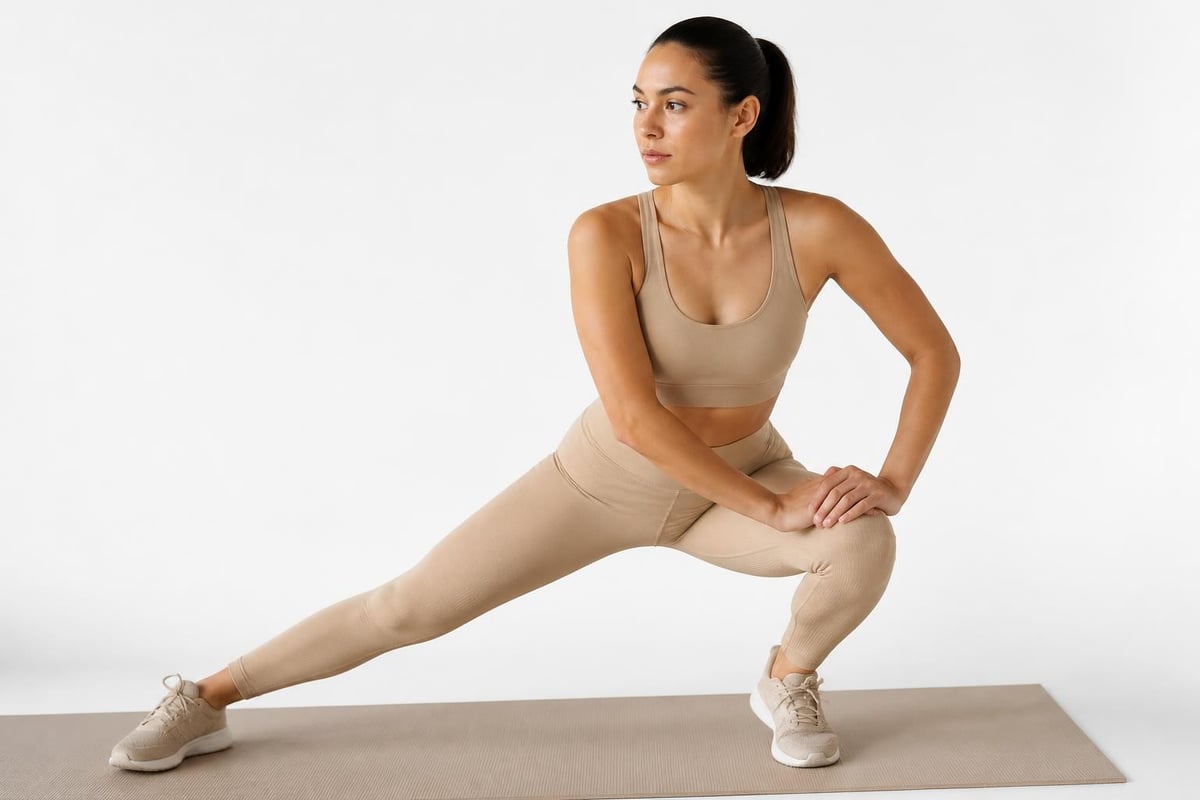
The line between underwear and activewear continues to blur. Seamless leggings with built-in underwear offer one approach, while high-performance undergarments designed to wear underneath regular activewear provide another solution.
The Ambar Wear activewear collection demonstrates how integrated design thinking can address moisture management, support, and invisibility simultaneously. When you wear underwear engineered to work seamlessly with leggings and athletic tops, you eliminate the frustration of garments that shift, bunch, or show through during movement.
Sustainability and Conscious Consumption
As awareness of fashion's environmental impact grows, more women consider sustainability when deciding what underwear to wear. The intimate apparel industry has significant room for improvement in this area.
Choosing Eco-Friendly Materials
Sustainable underwear starts with responsible fiber selection. Organic cotton eliminates pesticide use, while closed-loop cellulosic fibers like lyocell minimize water consumption and chemical waste during production.
Sustainable fabric options include:
- Organic cotton (GOTS certified)
- Lyocell/TENCEL™ from responsibly managed forests
- Modal from renewable beechwood sources
- Recycled synthetic fibers from post-consumer waste
When you wear underwear made from these materials, you support more responsible manufacturing while often getting superior performance compared to conventional alternatives.
Longevity and Quality Investment
Sustainability also means choosing underwear that lasts. Fast fashion underpants that lose elasticity, develop holes, or fade after a few washes contribute to textile waste. Investing in higher-quality pieces that maintain their shape and function for years reduces your overall environmental footprint.
Look for construction details that indicate durability:
- Reinforced stitching in stress areas
- High-quality elastic that retains tension
- Colorfast dyes that resist fading
- Dense fabric weaves that resist pilling
Sizing and Proper Fit Guidelines
Many women wear underwear in the wrong size, either because sizing varies dramatically between brands or because body changes haven't been matched with updated underwear purchases.
Finding Your True Size
Proper underwear fit means the garment:
- Sits comfortably at your natural waistline (or hip line for low-rise styles)
- Doesn't create bulges or indentations in your skin
- Stays in place without constant adjustment
- Covers adequately without excess fabric bunching
Measuring tips for accurate sizing:
- Measure around your natural waist for high-rise styles
- Measure around your hips at the fullest point
- Measure in the morning before bloating occurs
- Use a flexible fabric tape, not a metal one
- Check measurements every 6-12 months as bodies change
Accommodating Body Changes
Your body fluctuates due to hormonal cycles, stress, lifestyle changes, and aging. The underwear you wear should accommodate these natural variations. Having a range of sizes available helps you stay comfortable through different phases without forcing your body into ill-fitting garments.
During pregnancy, postpartum recovery, or other times of significant body changes, prioritize comfort and proper fit over maintaining pre-change sizes. Your underwear should support you, not restrict you.
Building a Versatile Underwear Wardrobe
Strategic underwear selection ensures you always have the right option for any outfit or activity. Think of your underwear drawer like a tool kit, where each piece serves a specific purpose.
Essential Styles Every Woman Needs
A well-rounded collection includes:
| Style | Quantity | Purpose |
|---|---|---|
| Seamless thongs | 5-7 pairs | Fitted pants, dresses, skirts |
| Full coverage | 5-7 pairs | Everyday comfort, relaxed clothing |
| High-rise smoothing | 2-3 pairs | Formal events, body-con outfits |
| Athletic performance | 3-5 pairs | Exercise, active days |
| Special occasion | 2-3 pairs | Dates, confidence boosters |
Color Coordination Strategy
When you wear underwear in colors that match your outerwear, you minimize visibility under sheer or light fabrics. Build your collection around these core colors:
- Nude/beige matching your skin tone (for white and light clothing)
- Black (for dark and patterned clothing)
- White (for crisp white outfits)
- Gray (versatile neutral)
- Colors matching your wardrobe palette (optional)
Care and Maintenance for Longevity
How you care for your underwear dramatically affects its lifespan and performance. Proper maintenance preserves the fabrics, elasticity, and construction that make quality undergarments worth their investment.
Washing Best Practices
To maintain the underwear you wear:
- Wash in cold water to preserve elasticity and prevent shrinkage
- Use gentle detergent without harsh chemicals or bleach
- Separate by color to prevent dye transfer
- Skip fabric softener which can coat moisture-wicking fibers
- Use mesh laundry bags to protect delicate construction
Drying and Storage
Heat is the enemy of elastic fibers. When you wear underwear with damaged elastic, it won't stay in place or provide proper support. Always air-dry your underwear by laying flat or hanging to preserve the materials and construction.
Store underwear folded or rolled in organized drawer dividers. This prevents stretching and makes it easy to see all your options when getting dressed.
Making the Switch to Better Underwear
If you've been tolerating discomfort, visible lines, or other issues with your current underwear, transitioning to better options improves your daily quality of life. You don't need to replace everything at once.
Gradual Replacement Strategy
Start by addressing your biggest pain point. If camel toe frustrates you most, begin with one or two pairs of specialized seamless thongs. If panty lines show through your work pants, invest in a few pairs of truly seamless full-coverage options.
As you wear underwear that solves your specific concerns, you'll naturally want to expand your collection. Replace worn-out pairs with upgraded versions rather than identical replacements of what you had before.
Trying New Styles
Many women stick with familiar underwear styles out of habit, even when those styles don't serve them well. Be willing to try different cuts, rises, and constructions. What works perfectly for one woman might not suit another, and what worked for you five years ago might not be optimal today.
Order a variety pack or mix of styles when possible. The seamless camel toe thongs pack approach lets you test a solution without committing to a large quantity before confirming the fit and comfort work for your body.
Period Underwear and Specialized Functions
Modern underwear technology extends beyond daily wear into specialized functions like menstrual protection. When you wear underwear designed specifically for periods, you gain an alternative or supplement to traditional disposable products.
How Period Underwear Works
Menstrual underwear incorporates multiple absorbent layers that:
- Trap and hold menstrual fluid
- Prevent leaks through waterproof barriers
- Control odor through antimicrobial treatments
- Feel dry against skin despite absorption
These garments can be worn alone on light days or as backup protection with tampons or cups on heavier days. The menstrual panties category has evolved to include styles that look and feel like regular underwear while providing reliable period protection.
Environmental and Economic Benefits
Reusable period underwear reduces waste from disposable products and saves money over time. A quality pair lasts years with proper care, eliminating monthly purchases of single-use items.
Choosing to wear underwear that fits properly, uses breathable fabrics, and addresses common concerns transforms your daily comfort and confidence. The right undergarments work invisibly to support your body, protect your health, and ensure you feel secure in any outfit. Ambar Wear specializes in seamless, comfortable undergarments engineered to eliminate camel toe, panty lines, and sweat patches, offering solutions that combine advanced fabric technology with thoughtful design for women of all body types. Explore the collection to discover how the right underwear choices can elevate your everyday experience.