

Understanding underwear wear goes far beyond simply choosing what to put on each morning. The relationship between your undergarments and overall comfort, health, and confidence affects every moment of your day. In 2026, women have access to innovative fabrics and design technologies that solve age-old problems like visible panty lines, moisture management, and poor fit. This comprehensive guide explores the science, history, and practical aspects of underwear wear to help you make informed decisions that enhance your daily life.
The Evolution of Modern Underwear Wear
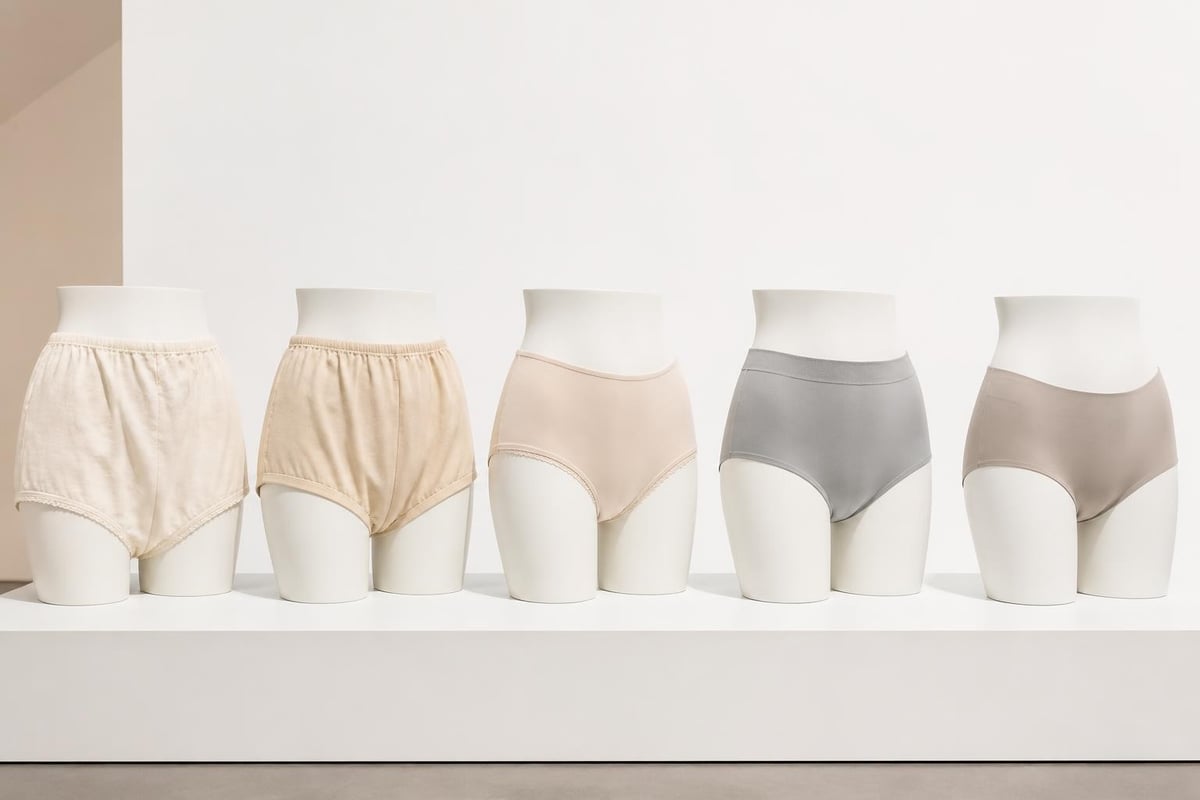
Women's relationship with underwear has transformed dramatically over the past three centuries. Museum collections documenting 300 years of underwear history reveal how undergarments evolved from restrictive corsetry to today's breathable, functional designs. This evolution reflects changing social norms, technological advances in textile manufacturing, and a growing understanding of women's health needs.
The shift toward comfort-focused underwear wear accelerated in the late 20th century as women entered diverse workplaces and athletic pursuits. Today's designs prioritize moisture-wicking properties, seamless construction, and body-positive sizing. Modern underwear wear incorporates fabrics engineered at the molecular level to regulate temperature, resist bacterial growth, and maintain elasticity through hundreds of wash cycles.
Cultural and Historical Context
Traditional underwear served primarily as protective layers between outer garments and skin. Historical exhibitions trace how underwear transitioned from simple linen shifts to engineered garments with specific functional purposes. The industrial revolution introduced machine-made elastic and synthetic fibers, fundamentally changing what underwear could accomplish.
By the 1990s, the athleisure movement demanded underwear that could transition seamlessly from yoga class to office meetings. This cultural shift drove innovation in fabric technology and construction methods that define quality underwear wear today.
Fabric Technology in Contemporary Underwear Wear
Material science revolutionizes how we experience underwear wear daily. The fabrics touching your skin determine breathability, moisture management, durability, and overall comfort throughout your activities.
Natural vs Synthetic Fibers
Natural fiber options include:
- Cotton: Breathable, absorbent, and hypoallergenic but retains moisture
- Bamboo: Naturally antimicrobial with excellent softness
- Silk: Luxurious feel with natural temperature regulation
- Modal: Made from beech trees, offering exceptional softness
Synthetic and blended materials offer:
- Polyester blends: Quick-drying and shape-retaining properties
- Nylon-spandex combinations: Four-way stretch for active lifestyles
- Microfiber: Ultra-smooth finish that eliminates visible panty lines
- Moisture-wicking composites: Technical fabrics that pull sweat away from skin
The Global Organic Textile Standard certification provides transparency about sustainable underwear wear production, ensuring organic fibers meet environmental and social responsibility criteria throughout manufacturing.
Performance Features
Modern underwear wear incorporates multiple performance technologies simultaneously. Seamless construction eliminates irritating seams while bonded edges prevent visible lines under form-fitting clothing. Silver-ion antimicrobial treatments reduce odor-causing bacteria without harsh chemicals. Compression zones provide targeted support while maintaining overall comfort.
Temperature regulation represents a critical advancement in underwear wear science. Phase-change materials absorb excess heat during activity and release it when body temperature drops, maintaining optimal skin climate regardless of external conditions.
Solving Common Underwear Wear Challenges
Every woman encounters specific issues with underwear wear at various points. Identifying these problems and understanding their solutions empowers better purchasing decisions.
Fit and Sizing Standards
Proper underwear wear begins with accurate sizing. ASTM International textile standards establish measurement protocols that manufacturers use to create consistent size charts. However, significant variation exists between brands, making it essential to consult specific sizing guides rather than assuming your usual size.
| Size Issue | Common Causes | Solution Approach |
|---|---|---|
| Riding up | Insufficient fabric coverage or wrong cut | Try longer leg openings or different rise height |
| Rolling waistband | Elastic tension mismatch | Choose wide waistbands or seamless designs |
| Gaping | Hip-to-waist ratio not matched | Select brands offering various rise options |
| Too tight | Sizing down for perceived smoothness | Size up and choose compression-free zones |
Women with curvy figures often struggle to find underwear wear that accommodates their proportions. Designs specifically engineered for curvy body types consider the relationship between waist, hip, and thigh measurements to prevent common fit issues.
Camel Toe Prevention
Camel toe remains one of the most frustrating aspects of underwear wear, particularly when wearing fitted pants, leggings, or activewear. This visible outline occurs when fabric gathers in the crotch area due to inadequate gusset design, insufficient fabric tension distribution, or improper sizing.
Effective prevention strategies include:
- Gusset engineering: Specialized patterns that distribute fabric tension across a wider area
- Seamless crotch construction: Eliminates center seams that create division lines
- Strategic paneling: Multiple fabric sections work together to maintain smooth contours
- Proper sizing: Neither too tight (increases pressure) nor too loose (allows bunching)
The invisible camel toe thong exemplifies how targeted design modifications address this specific concern without compromising comfort or aesthetic appeal. Similarly, tummy control designs integrate smoothing panels that extend coverage while maintaining the camel toe prevention features.
Health Considerations in Underwear Wear Choices
Your underwear wear directly impacts intimate health, making informed fabric and fit choices essential for long-term wellbeing.
Moisture Management and Hygiene
Excessive moisture creates environments where harmful bacteria and yeast thrive. Quality underwear wear incorporates moisture-wicking properties that transport perspiration away from skin to outer fabric layers where evaporation occurs. This mechanism maintains optimal pH balance and reduces infection risk.
Clinical guidance on washable absorbent underwear emphasizes proper laundering practices for maintaining hygiene standards. These principles apply to all underwear wear:
- Wash at minimum 60°C (140°F) to eliminate bacteria
- Use enzyme-based detergents that break down organic matter
- Avoid fabric softeners that reduce moisture-wicking effectiveness
- Replace underwear showing signs of elastic degradation or fabric thinning
Temperature Regulation and Fertility
While most research on underwear wear and fertility focuses on male reproductive health, women also benefit from temperature-regulating fabrics. Studies examining garment fit and thermoregulation demonstrate that excessive heat retention can impact comfort and potentially affect vaginal flora balance.
Breathable fabrics allow air circulation that naturally regulates temperature. During intense physical activity or warm weather, this circulation becomes crucial for preventing heat-related discomfort and maintaining healthy bacterial environments.
Specialty Underwear Wear Categories
Different activities and life stages demand specialized underwear wear solutions. Understanding these categories helps you build a versatile collection that serves all your needs.
Activewear-Specific Designs
Athletic activities place unique demands on underwear wear. High-impact exercise requires secure positioning that prevents shifting, while yoga and stretching demand four-way stretch that moves with your body. Seamless construction eliminates friction points that cause chafing during repetitive movements.
The activewear collection demonstrates how performance underwear integrates with leggings and sports bras to create complete systems. Moisture-wicking gussets, compression support zones, and quick-dry fabrics work together to enhance workout comfort.
Period and Absorbent Options
Menstrual underwear represents one of the fastest-growing segments of specialty underwear wear. These designs incorporate multiple absorbent layers that lock moisture away from skin while maintaining breathability. Modern menstrual panties offer leak protection equivalent to 2-3 tampons without the bulk of traditional pads.
Key features include:
- Multi-layer gusset construction with leak-proof barriers
- Antimicrobial treatments that prevent odor development
- Quick-dry top layers that wick moisture immediately
- Machine-washable durability for years of reuse
Building Your Underwear Wear Wardrobe
A well-planned underwear collection balances everyday comfort, special occasion needs, and practical functionality. Quality over quantity ensures each piece serves multiple purposes effectively.
Essential Styles and Quantities
| Style Type | Recommended Quantity | Primary Use Cases |
|---|---|---|
| Seamless thongs | 5-7 pairs | Form-fitting pants, dresses, skirts |
| Full-coverage briefs | 3-5 pairs | Maximum comfort days, sleep |
| Boyshorts/hipsters | 3-5 pairs | Casual wear, athletic activities |
| High-waisted options | 2-3 pairs | Tummy smoothing, vintage styling |
| Specialty (period, seamless) | 3-4 pairs | Specific needs and backup |
The seamless thong collection offers various rise heights and coverage levels, allowing you to select pieces that match specific wardrobe needs. Investing in multipacks often provides better value while ensuring you always have clean options available.
Color and Pattern Selection
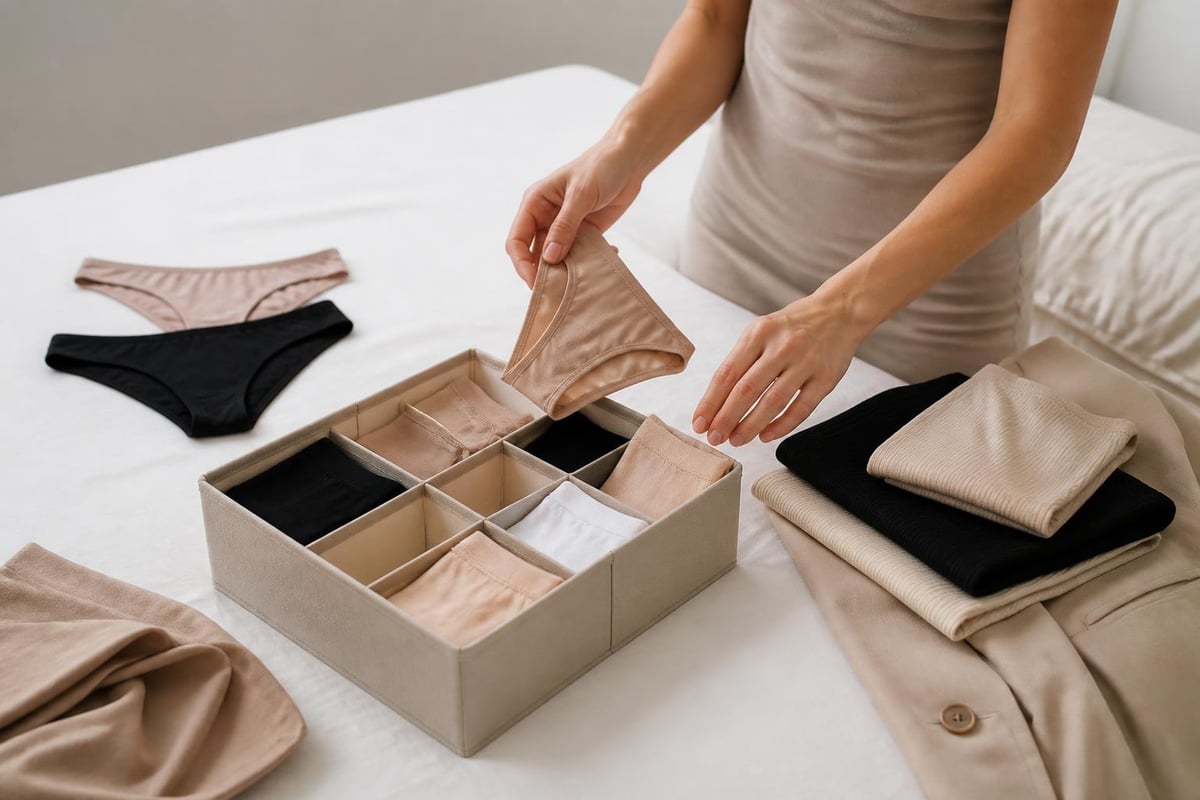
Neutral colors form the foundation of functional underwear wear. Nude tones matching your skin undertone prevent visibility under white or light-colored clothing. Black and deep neutrals work under darker garments. Build this neutral base before adding decorative or patterned options.
Core neutral palette:
- Skin-tone nude (match your actual skin)
- True black (not faded gray-black)
- Deep brown or espresso
- Soft gray for mid-tone garments
Patterns and bright colors add personality but serve primarily aesthetic purposes. Lace details, mesh panels, and decorative elements should never compromise the functional aspects of quality underwear wear.
Care and Maintenance for Longevity
Proper care extends the functional lifespan of underwear wear significantly. Even high-quality pieces deteriorate rapidly under harsh treatment.
Washing Best Practices
NHS infection-control laundering guidance provides evidence-based recommendations for maintaining hygiene while preserving fabric integrity. While developed for healthcare settings, these principles apply to personal underwear wear:
- Separate delicates from regular laundry to prevent snags and stretching
- Use mesh laundry bags for protection during machine washing
- Select appropriate water temperature balancing hygiene (minimum 60°C) with fabric care
- Avoid chlorine bleach which degrades elastic fibers rapidly
- Skip the dryer for items with elastic or delicate fabrics
Hand washing remains the gentlest option for premium underwear wear. Use lukewarm water with mild detergent, gently agitate, rinse thoroughly, and press (don't wring) excess water before air drying.
When to Replace
Even with excellent care, underwear wear requires regular replacement. Elastic loses tension over time, fabrics thin from repeated washing, and antimicrobial treatments diminish in effectiveness.
Replace immediately if you notice:
- Stretched-out waistbands or leg openings
- Visible thinning or holes in fabric
- Loss of shape or sagging
- Persistent odors despite thorough washing
- Staining that won't wash out
- Seams coming apart or unraveling
Most underwear wear should be replaced every 6-12 months with regular use, though quality pieces with proper care often last longer. Rotating through adequate quantities prevents excessive wear on individual items.
Shopping Strategies for Quality Underwear Wear
Making smart purchasing decisions requires understanding quality indicators, trying new options strategically, and recognizing when premium prices deliver genuine value.
Evaluating Quality Before Purchase
Fabric composition tells you much about how underwear wear will perform. Look for detailed content labels listing exact percentages. Natural fibers should predominate in everyday pieces, while synthetic blends suit athletic activities. Examine construction quality by checking seam strength, elastic attachment methods, and gusset integration.
Quality indicators include:
- Flat-lock or bonded seams that lie completely flat
- Wide elastic bands attached with multiple stitch rows
- Cotton or moisture-wicking gussets in synthetic pieces
- Consistent stitching without loose threads or irregular tension
- Fabric with substantial weight that isn't see-through
The seamless push-up bra demonstrates how quality construction in one garment category (bras) reflects the same attention to detail applied across an entire brand's product line, including coordinating underwear wear.
Trial and Return Policies
Understanding return policies before purchasing allows you to try new underwear wear styles risk-free. Many brands offer satisfaction guarantees that let you test fit and comfort for several days. Review policies carefully, as some exclude underwear from returns for hygiene reasons while others accept unworn items in original packaging.
Start with single pairs of new styles before committing to multipacks. This approach prevents costly mistakes when a design doesn't suit your body type or lifestyle needs. Once you identify styles that work perfectly, bulk purchases through multipacks offer significant savings.
Coordinating Underwear Wear with Outerwear
The relationship between underwear and outer garments determines whether your entire outfit succeeds or fails. Strategic coordination eliminates visible lines, prevents show-through, and ensures comfort throughout your day.
Fabric and Fit Matching
For fitted dresses and pants:
- Choose seamless styles with laser-cut edges
- Match underwear tone to garment color (nude under white, black under black)
- Select minimal coverage that won't create visible lines
- Consider thongs or Brazilian cuts for eliminating panty lines entirely
For athletic wear:
- Coordinate moisture-wicking properties between layers
- Ensure underwear stays in place during movement
- Choose compression levels that complement outer garments
- Verify that underwear prevents camel toe under tight leggings
The high-rise seamless lifting leggings paired with purpose-designed underwear creates complete outfits where both layers work together rather than competing. This coordination approach extends to two-piece sets that ensure visual and functional harmony.
Seasonal Considerations
Temperature and humidity influence optimal underwear wear choices throughout the year. Winter months may allow heavier fabrics and fuller coverage, while summer demands maximum breathability and moisture management. Having seasonal rotations ensures you're wearing appropriate underwear for current conditions.
Cold weather benefits from thermal-regulating fabrics that provide light insulation without bulk. Hot weather requires ultra-breathable meshes and moisture-wicking technology that keeps you dry despite perspiration. Transition seasons call for adaptable mid-weight options that handle temperature fluctuations.
Sustainability in Underwear Wear Production
Environmental consciousness increasingly influences purchasing decisions across all product categories, including underwear wear. Understanding sustainability certifications, production methods, and material sourcing helps you make choices aligned with your values.
Certifications and Standards
Third-party certifications verify manufacturer claims about organic content, fair labor practices, and environmental impact. The GOTS certification mentioned earlier establishes comprehensive criteria covering the entire supply chain from fiber harvesting through final product labeling. Other relevant certifications include OEKO-TEX for chemical safety and Fair Trade for labor practices.
Sustainable underwear wear often costs more initially but delivers value through longer lifespan, better performance, and reduced environmental footprint. Natural fibers biodegrade at end-of-life rather than persisting in landfills for centuries like synthetic alternatives.
Material Innovation
Emerging fabric technologies address sustainability while maintaining performance characteristics women expect from modern underwear wear. Recycled polyester made from plastic bottles, Tencel derived from sustainably managed eucalyptus, and organic cotton grown without pesticides represent advancing options that don't compromise comfort or functionality.
Brands committed to sustainability typically provide transparent information about material sourcing, manufacturing locations, and environmental initiatives. This transparency allows informed decisions that balance personal needs with broader ecological concerns.
Quality underwear wear forms the foundation of daily comfort, confidence, and health. By understanding fabric technologies, proper fit principles, and care requirements, you invest in pieces that serve you reliably throughout diverse activities and life stages. Ambar Wear addresses the specific challenges women face with innovative seamless designs that eliminate camel toe, visible panty lines, and moisture concerns while flattering all body types. Explore the complete collection to discover underwear wear that transforms your relationship with this essential wardrobe category.