

The intimate apparel industry has undergone remarkable transformation over the past decade, with undergarment companies leading innovation in fabric technology, sustainable manufacturing, and body-positive design. Today's market is vastly different from even five years ago, as brands navigate consumer demands for comfort, performance, and environmental responsibility. Modern undergarment companies face unique challenges: balancing aesthetics with functionality, meeting strict chemical safety standards, and addressing diverse body types while maintaining competitive pricing. This evolution reflects broader shifts in how women approach their daily wardrobe, prioritizing all-day comfort and seamless integration with activewear and professional attire.
The Modern Landscape of Undergarment Companies
The intimate apparel sector represents a multi-billion dollar global market, with undergarment companies competing across multiple dimensions. Traditional players now share shelf space with direct-to-consumer startups, athleisure brands, and specialty manufacturers focused on solving specific fit challenges.
Market Segmentation and Consumer Preferences
Today's consumers expect more from their intimate apparel than previous generations. Functionality tops the list of priorities, followed closely by comfort and durability. Women increasingly seek undergarments that eliminate common frustrations like visible panty lines, uncomfortable seams, and poor moisture management.
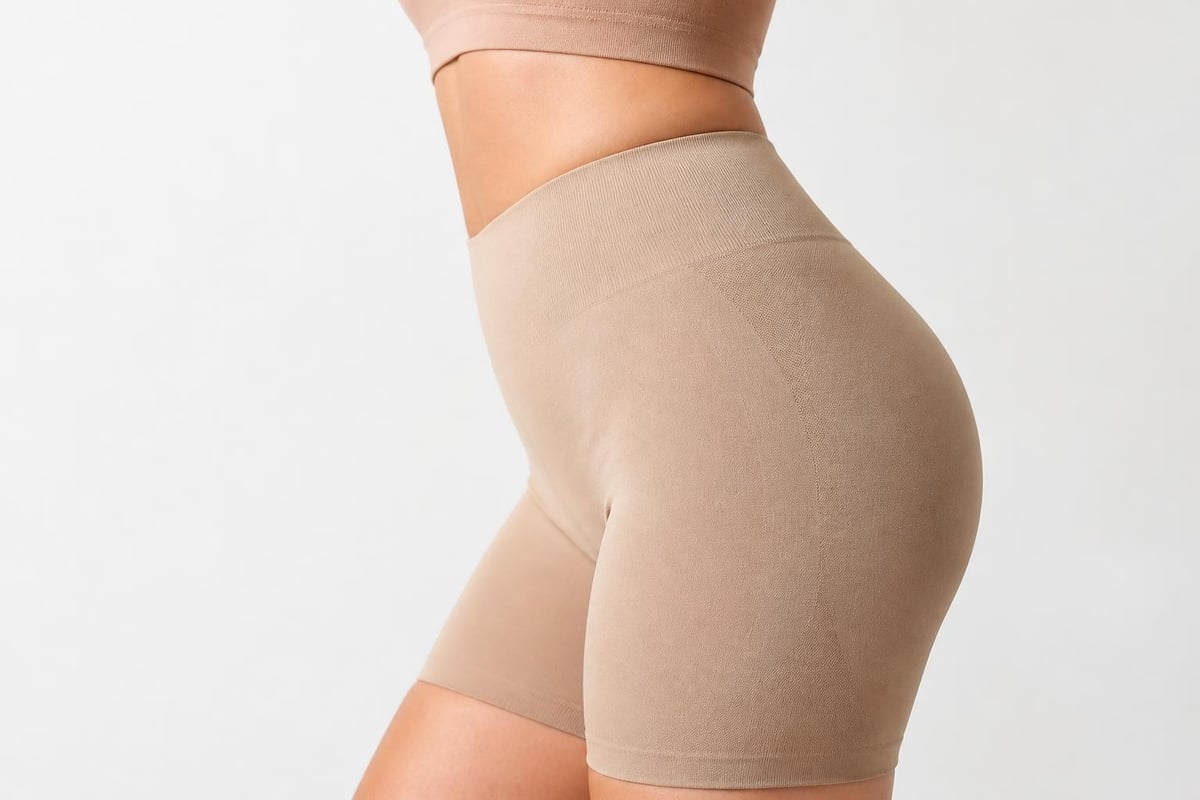
The shift toward seamless construction represents one of the most significant advances in the industry. Leading undergarment companies have invested heavily in circular knitting technology and bonding techniques that eliminate bulky seams. This innovation particularly benefits women who wear form-fitting clothing, as traditional seamed construction creates visible lines and pressure points.
Several key trends define the competitive landscape in 2026:
- Body inclusivity: Extended size ranges and designs that flatter diverse body types
- Moisture-wicking fabrics: Advanced synthetics that manage sweat and odor
- Sustainable materials: Organic cotton, recycled polyester, and biodegradable alternatives
- Anti-microbial treatments: Chemical-free approaches to freshness and hygiene
- Multi-functional design: Pieces that transition from workout to everyday wear
Chemical Safety and Textile Standards
Responsible undergarment companies prioritize fabric safety, recognizing that intimate apparel maintains prolonged skin contact. The OEKO-TEX STANDARD 100 certification has become a baseline requirement for many brands, testing textiles for harmful substances including formaldehyde, heavy metals, and regulated dyes.
European regulations set particularly stringent requirements. The REACH regulation governs chemical use in textile production, requiring manufacturers to document and restrict potentially harmful substances. Undergarment companies serving the European market must maintain detailed compliance records and reformulate products when substances are added to the SVHC (Substance of Very High Concern) list.
| Certification | Focus Area | Key Benefits |
|---|---|---|
| OEKO-TEX Standard 100 | Harmful substance testing | Consumer confidence, skin safety |
| REACH Compliance | Chemical registration & restriction | EU market access, supply chain transparency |
| GOTS (Global Organic Textile Standard) | Organic fiber processing | Environmental claims, ethical production |
| Bluesign | Chemical management system | Water safety, worker protection |
Recent attention on PFAS (per- and polyfluoroalkyl substances) in textiles has created additional challenges. These "forever chemicals" are sometimes used in moisture-resistant finishes, but mounting evidence of environmental persistence has prompted forward-thinking undergarment companies to eliminate PFAS from their supply chains entirely.
Design Innovation and Technical Fabrics
The best undergarment companies differentiate themselves through proprietary fabric development and innovative construction techniques. Unlike traditional cotton briefs, modern intimate apparel incorporates performance materials originally developed for athletic applications.
Solving Common Fit Challenges
Women have long struggled with specific underwear problems that impact confidence and comfort. Progressive brands now engineer solutions directly into their product design:
Camel toe prevention ranks among the most requested features. Smart undergarment companies address this through strategic gusset placement, double-layer construction in critical areas, and specialized seaming that distributes fabric tension. The underwear designed specifically for this concern uses a combination of these techniques to create a smooth, confident silhouette under any clothing.
Sweat management requires thoughtful material selection. Moisture-wicking polyester blends pull perspiration away from skin, while mesh panels in high-heat zones promote airflow. Some undergarment companies incorporate silver ions or bamboo charcoal into fabrics for natural anti-microbial properties without harsh chemical treatments.
Tummy control has evolved beyond traditional shapewear. Modern designs use graduated compression-tighter at the waist, gentler at the hips-to smooth without restricting movement or breathing. The most successful tummy control solutions balance support with all-day wearability.
Fabric Technology Comparison
Different materials serve different needs, and educated undergarment companies match fabric properties to intended use:
- Microfiber nylon/spandex blends: Ultra-smooth finish, excellent stretch recovery, minimal show-through
- Modal and bamboo rayon: Natural softness, moisture absorption, biodegradable
- Merino wool: Temperature regulation, odor resistance, athletic performance
- Recycled polyester: Sustainability credentials, performance characteristics, reduced environmental impact
- Ice silk (nylon-spandex blend): Cooling sensation, lightweight feel, quick-dry properties
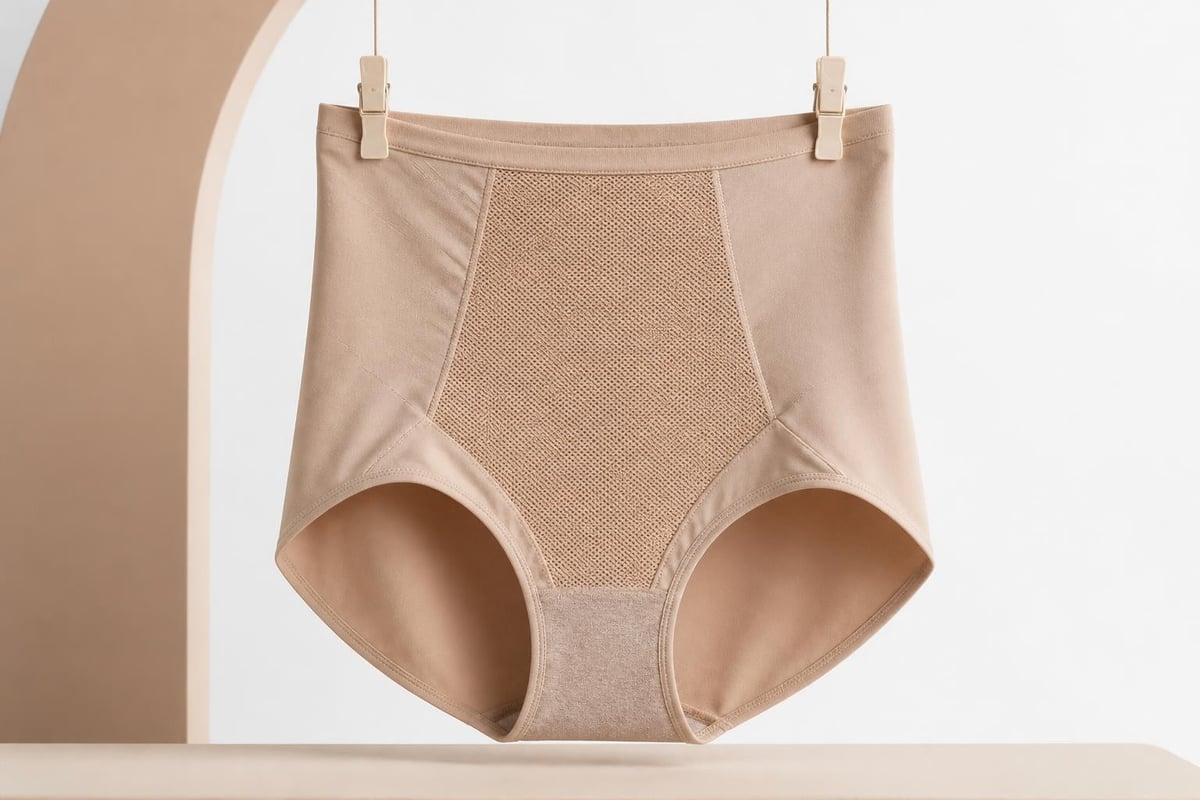
The most sophisticated undergarment companies don't rely on single-fabric construction. Instead, they engineer garments with different materials in different zones-breathable mesh at the sides, supportive compression at the waist, moisture-wicking gussets-creating optimized performance across the entire piece.
Sustainability and Ethical Manufacturing
Environmental consciousness increasingly influences purchasing decisions, pushing undergarment companies to reevaluate their entire supply chain. The intimate apparel industry faces unique sustainability challenges due to the small amount of fabric per garment, complex multi-material construction, and hygiene considerations that often prevent returns from being resold.
Measuring and Improving Environmental Impact
Leading brands utilize standardized assessment tools to quantify their environmental footprint. Cascale's Higg Index provides a common framework for measuring sustainability across apparel supply chains, evaluating everything from raw material sourcing to manufacturing energy use and end-of-life disposal.
Progressive undergarment companies publish transparency reports detailing:
- Water consumption per garment produced
- Carbon emissions from manufacturing and shipping
- Percentage of recycled or organic materials
- Waste reduction initiatives
- Worker wage and safety standards
Material choices represent the most impactful sustainability lever. Organic cotton cultivation uses significantly less water and eliminates synthetic pesticides compared to conventional cotton. Recycled polyester diverts plastic bottles from landfills while requiring less energy than virgin polymer production. Some innovative undergarment companies experiment with newer materials like Tencel (lyocell), which uses closed-loop processing that recycles 99% of solvents.
Circular Economy Approaches
Forward-thinking brands design for circularity from the start:
- Single-material construction for easier recycling
- Take-back programs that recycle worn-out garments
- Packaging made from recycled and recyclable materials
- Modular designs where elastic bands can be replaced rather than discarding entire garments
- Partnerships with textile recyclers to close the loop
The technical challenge lies in maintaining performance while improving sustainability. Undergarment companies must balance consumer expectations for stretch, durability, and comfort with environmental goals. Pure organic cotton lacks the stretch recovery of synthetic blends, while some bio-based elastics don't yet match conventional spandex for longevity.
Direct-to-Consumer Revolution
The rise of e-commerce has fundamentally changed how undergarment companies reach customers. Traditional brands relied on department store placement and intimate apparel boutiques, but digital-native startups have bypassed these gatekeepers entirely.
Advantages of the DTC Model
Selling directly to consumers offers several strategic benefits:
Cost efficiency: Eliminating wholesale margins and retail markups allows brands to offer premium quality at mid-tier prices. Many successful undergarment companies pass these savings to customers while maintaining healthier profit margins than traditional wholesale models.
Customer relationships: Direct communication through email, social media, and website interactions provides valuable feedback. Brands learn exactly what features customers value, which problems need solving, and how products perform in real-world conditions.
Agility: Without long lead times for retail buyers and seasonal merchandising schedules, DTC undergarment companies can launch new products quickly, test innovations with small batches, and iterate based on customer response.
Data insights: First-party data from website analytics and purchase history enables sophisticated personalization and targeted marketing that would be impossible through retail partnerships.
| Traditional Retail | Direct-to-Consumer |
|---|---|
| 6-12 month lead times | 4-8 week product cycles |
| 50-60% wholesale margins | 20-30% customer acquisition costs |
| Limited customer data | Complete purchase and behavior data |
| Retailer controls placement | Brand controls entire experience |
Building Trust Online
Selling intimate apparel online presents unique challenges. Without the ability to try before buying, undergarment companies must overcome significant purchase hesitation through:
- Detailed size charts with multiple body measurements
- Customer photos and reviews showing real-world fit
- Generous return policies that reduce purchase risk
- Educational content explaining fabric properties and construction
- Virtual fit tools and chatbots that replicate in-store assistance
Video content has become particularly valuable, with brands creating fitting guides, fabric comparison demonstrations, and styling tutorials. The most successful undergarment companies recognize that education builds confidence, converting browsers into buyers.

Inclusive Design and Body Positivity
The intimate apparel industry has historically catered to a narrow range of body types, leaving many women poorly served. Progressive undergarment companies now embrace inclusive sizing and design for real bodies rather than idealized proportions.
Extended Size Ranges
True inclusivity requires more than simply scaling patterns up or down. Proportions change across size ranges-the ratio of waist to hip, the placement of the natural waistline, the depth of the rise. Thoughtful designs for curvy women account for these variations, adjusting pattern pieces and construction techniques to flatter different body types.
Leading undergarment companies now offer:
- Size ranges from XS to 4X or beyond
- Multiple rise options (low, mid, high) within each style
- Different leg opening cuts for varied thigh proportions
- Adjustable features like convertible straps or hook-and-eye closures
Testing and fit models must represent the actual customer base. Brands committed to inclusivity work with fit models across the full size spectrum, ensuring every size receives the same attention to proportion and comfort rather than treating extended sizes as afterthoughts.
Marketing and Representation
Visual representation matters. Progressive undergarment companies showcase diverse models in their marketing-different sizes, ages, skin tones, and abilities. This isn't just social responsibility; it's smart business. Women want to see how products look on bodies similar to their own.
Authentic representation extends beyond model selection to the actual product photography and styling. Unretouched images, visible stretch marks, and natural body shapes build trust and set realistic expectations. The most successful brands celebrate real women rather than perpetuating unrealistic beauty standards.
Technology Integration and Smart Textiles
While still emerging, technology integration represents the next frontier for innovative undergarment companies. Smart textiles embedded with sensors can monitor biometric data, while advanced manufacturing techniques enable mass customization at scale.
Emerging Innovations
Current and near-future developments include:
Biometric monitoring: Fabrics with conductive fibers track heart rate, breathing patterns, and body temperature. While currently limited to athletic applications, this technology may eventually extend to everyday underwear for health monitoring.
Temperature regulation: Phase-change materials absorb and release heat to maintain optimal body temperature. Some advanced undergarment companies already incorporate these materials in moisture-wicking gussets and waistbands.
Odor control: Beyond traditional anti-microbial treatments, researchers develop fabrics that actively neutralize odor-causing bacteria through copper ions, probiotics, or enzymatic reactions.
Custom fit: 3D body scanning combined with automated manufacturing could enable perfectly fitted garments ordered online and delivered within days. Several undergarment companies are piloting these technologies, though widespread adoption remains years away.
Manufacturing Advances
Production technology continues to evolve, enabling features previously impossible or economically unfeasible:
- Seamless knitting machines create entire garments in a single piece, eliminating all seams
- Ultrasonic bonding joins fabrics without stitching, creating completely flat seams
- Laser cutting enables precise pattern pieces with sealed edges that won't fray
- Digital printing allows small-batch custom designs without expensive screen setup
These advances particularly benefit smaller undergarment companies and niche players. Lower minimum order quantities and faster production cycles enable experimentation and rapid response to market trends.
Health and Wellness Considerations
Responsible undergarment companies recognize that intimate apparel directly impacts physical health and comfort. Poor design choices can contribute to infections, skin irritation, and hygiene issues, while thoughtful construction promotes health.
Design for Health
Several design elements support women's health:
Breathable gussets: Cotton or moisture-wicking fabric in the crotch area maintains healthy pH levels and reduces infection risk. Synthetic fabrics throughout the entire garment can trap moisture and heat, creating conditions for bacterial or yeast overgrowth.
Appropriate compression levels: While some support is flattering and comfortable, excessive compression restricts circulation and can cause nerve compression. Quality undergarment companies carefully engineer compression garments to provide shaping without health risks.
Hypoallergenic materials: Certain dyes, finishes, and elastics trigger allergic reactions in sensitive individuals. Brands serving this market select materials carefully, often pursuing certifications that verify the absence of common allergens.
Proper rise and coverage: Too-low rise can create pressure points and chafing during movement. Well-designed undergarments stay in place during activity without riding up or cutting into skin.
The historical examination of intimate apparel evolution reveals how health considerations have always influenced undergarment design, from corsets that restricted breathing to modern ergonomic construction that supports natural movement.
Special-Purpose Designs
Certain life stages and activities require specialized undergarment features:
- Maternity: Extra stretch, higher rise, and adjustable fits accommodate changing bodies
- Postpartum: Gentle compression supports recovery without restricting movement
- Athletic performance: Moisture management, chafe prevention, and secure fit during high-impact activity
- Medical conditions: Seamless construction for sensitive skin, anti-microbial properties for immunocompromised individuals
Leading undergarment companies develop these specialized lines with input from medical professionals, ensuring designs support rather than compromise health.
Building a Successful Undergarment Brand
Launching and growing an undergarment company in 2026 requires more than quality products. The market is crowded, customer acquisition costs continue rising, and consumer expectations span product quality, company values, and brand experience.
Key Success Factors
Several elements separate thriving brands from struggling ones:
- Clear differentiation: Solving a specific problem or serving an underserved niche
- Quality consistency: Meeting customer expectations reliably, order after order
- Customer service: Responsive support that builds loyalty and generates positive word-of-mouth
- Community building: Creating connection among customers who share values or experiences
- Transparent communication: Honesty about materials, manufacturing, and business practices
Product development must balance innovation with reliability. While customers appreciate novel features, core performance cannot be sacrificed for gimmicks. The most successful undergarment companies perfect basics before expanding into experimental designs.
Pricing strategy requires careful calibration. Premium positioning demands exceptional quality and brand experience to justify higher prices. Value positioning risks margin compression and difficulty funding growth. Many brands find success in the middle-better quality than mass-market options at accessible price points.
Marketing and Customer Acquisition
Intimate apparel marketing faces unique constraints. Many advertising platforms restrict undergarment imagery, limiting creative options. Word-of-mouth and organic discovery become especially valuable when paid advertising faces restrictions.
Effective strategies include:
- Educational content that establishes expertise and builds trust
- Influencer partnerships with authentic advocates who genuinely use products
- Customer referral programs that incentivize sharing
- Social proof through reviews, testimonials, and user-generated content
- Retargeting campaigns that re-engage website visitors who didn't purchase
The complete product collection showcases how successful brands organize offerings, making it easy for customers to explore options and find the right fit for their needs.
The intimate apparel industry continues evolving rapidly as undergarment companies respond to changing consumer values, technological capabilities, and market dynamics. Success in this competitive landscape requires balancing innovation with reliability, sustainability with performance, and inclusive design with commercial viability. When you're ready to experience the difference that thoughtful design makes, explore how Ambar Wear addresses common fit challenges through seamless construction, moisture-wicking fabrics, and designs engineered to eliminate camel toe, visible panty lines, and sweat patches while providing all-day comfort for every body type.