

Finding the right underwear for leggings can transform your entire outfit from awkward to amazing. While many women struggle with visible panty lines, bunching, or uncomfortable seams, thongs under leggings offer a sleek solution that combines invisibility with all-day comfort. The key is understanding which thong styles work best with different legging fabrics, how to choose the right fit, and what features matter most for your lifestyle. Whether you're heading to yoga class, running errands, or working from home, the right thong can make leggings your most confident wardrobe choice.
Why Thongs Work Best Under Leggings
The fundamental advantage of wearing thongs under leggings comes down to physics and design. Traditional underwear creates lines where the fabric edges sit against your body, and these lines become visible through tight-fitting pants. Thongs eliminate this problem by minimizing fabric coverage.
The science behind invisible underwear involves three factors:
- Reduced surface area means fewer contact points where fabric can create visible lines
- Strategic placement keeps seams away from the areas most visible in leggings
- Minimal bulk prevents bunching or rolling during movement
When selecting invisible underwear for leggings, you're not just choosing comfort but making a practical decision about how your clothes perform throughout the day. Modern seamless thongs have evolved far beyond the uncomfortable designs of decades past.
Material Matters More Than You Think
The fabric composition of your thong determines how it feels and performs under leggings. Cotton offers breathability but can create visible lines if not cut properly. Microfiber and modal blends provide smoothness that disappears under even the thinnest leggings. Nylon-spandex combinations offer stretch and recovery that move with your body.
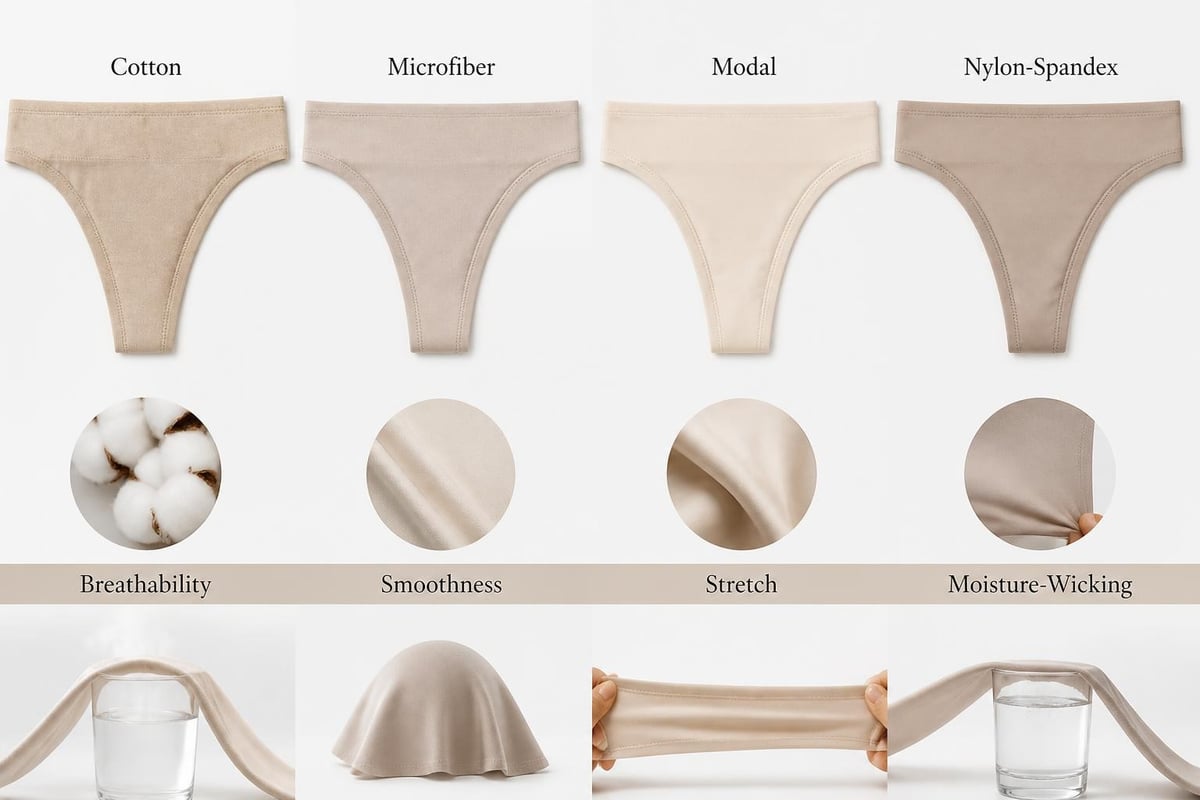
According to Glamour magazine's testing of comfortable thongs, moisture-wicking fabrics perform best during workouts while softer blends excel for everyday wear. Ice silk technology has emerged as a premium option that combines temperature regulation with seamless construction.
Seamless vs. Traditional Thong Construction
Not all thongs provide the same level of invisibility under leggings. The construction method fundamentally changes how the garment performs. Traditional thongs use stitched seams that can telegraph through fabric, while seamless options use bonded edges or laser-cut techniques.
| Construction Type | Visibility Level | Comfort Rating | Best For |
|---|---|---|---|
| Traditional Stitched | Medium to High | Medium | Loose pants |
| Bonded Seams | Low | High | Most leggings |
| Laser-Cut | Very Low | Very High | Tight activewear |
| Flat-Lock Seams | Low to Medium | Medium-High | Everyday wear |
Seamless construction doesn't just mean no visible lines. It also eliminates the irritation points where seams can dig into skin during movement. Who What Wear's guide to seamless underwear emphasizes that truly invisible underwear requires both seamless edges and appropriate fabric thickness.
The Rise Height Decision
Thongs come in low-rise, mid-rise, and high-rise options, and your choice dramatically affects how they pair with leggings. Low-rise thongs work with low-waisted leggings but can create gaps with high-rise styles. Mid-rise offers versatility across different legging heights. High-rise thongs align perfectly with high-waisted leggings, preventing any exposure when you bend or stretch.
Consider these factors when choosing rise height:
- Your legging style - Match thong rise to legging waistband position
- Your torso length - Longer torsos may prefer mid-rise for comfort
- Activity level - High-rise stays in place better during intense movement
- Personal comfort - Some women find specific rises more comfortable
The combination of thongs under leggings works best when both garments align at the waistband, creating a smooth transition without gaps or bunching.
Preventing Common Problems
Even the best thongs can cause issues if not properly fitted or paired with appropriate leggings. Camel toe, shifting, and riding up represent the most frequent complaints. Understanding why these problems occur helps you prevent them.
Camel toe results from fabric being pulled too tightly across the body's natural contours. While legging design plays a role, your thong choice matters significantly. Thongs with a wider front panel or specially designed gussets help distribute fabric more evenly. Some innovative designs incorporate subtle shaping elements that maintain smoothness without compression.
Size Selection Strategy
Many women wear the wrong thong size, either too small (causing digging and discomfort) or too large (creating bunching and visible lines). Unlike traditional underwear, thongs provide less margin for sizing error.
Follow this sizing approach:
- Measure your hips at the widest point
- Check the brand's specific size chart rather than assuming your usual size
- Consider that different styles from the same brand may fit differently
- Order two sizes if you're between measurements
- Remember that seamless fabrics often run slightly smaller than traditional cuts
Teen Vogue's review of comfortable thongs notes that proper sizing eliminates most comfort complaints, especially when combined with quality construction.
Activity-Specific Thong Selection
Not all activities demand the same features from thongs under leggings. Your workout intensity, duration, and movement patterns should influence your choice. High-impact exercise requires thongs that stay firmly in place without shifting. Low-impact activities allow for lighter, more delicate options.
Workout Intensity Matrix
Different exercise types create different demands on your underwear. Running generates repetitive impact and friction. Yoga involves deep stretches and inversions. Weightlifting requires stability without restriction.
For high-intensity cardio, prioritize moisture-wicking fabrics and secure waistbands. Compression-style thongs offer additional support without adding bulk. Compression Athlete's review of seamless thongs highlights how athletic-specific designs prevent shifting during vigorous movement.
Yoga and Pilates demand flexibility and non-restrictive fits. Choose thongs with four-way stretch that move through your full range of motion. Avoid styles with decorative elements that can dig in during floor work.
Strength training pairs well with mid-rise thongs that provide coverage without interfering with your lifting belt or waistband positioning.
Style Features That Actually Matter
Marketing often emphasizes decorative elements, but functional features determine how well thongs perform under leggings. Focus on aspects that affect comfort, invisibility, and durability rather than visual appeal.
| Feature | Purpose | Priority Level |
|---|---|---|
| Flat seams | Prevents lines | Essential |
| Moisture-wicking | Manages sweat | High |
| Four-way stretch | Movement freedom | High |
| Breathable gusset | Hygiene/comfort | Essential |
| Tag-free design | Eliminates irritation | Medium |
| Quick-dry fabric | Workout recovery | Medium |
The gusset deserves special attention. This panel provides breathability and moisture management in a critical area. Cotton gussets offer natural breathability, while technical fabrics provide better moisture transfer during intense activity.
Color Coordination Strategy
While nude tones typically offer the most versatility, color choice depends on your legging shade and opacity. Black thongs work perfectly under black leggings but can show through light colors. Nude should match your skin tone rather than being a universal beige.
- Dark leggings - Any color works, but matching tones look sleekest
- Light leggings - Skin-tone nude prevents show-through
- Printed leggings - Dark neutrals provide safe coverage
- Sheer leggings - Exact color matching prevents visibility
Some modern seamless thongs feature laser-cut edges that remain invisible regardless of color contrast, though this varies by legging fabric thickness.
Care and Maintenance for Longevity
Quality thongs represent an investment in comfort, and proper care extends their functional lifespan. Elastic degradation, fabric pilling, and shape loss occur faster when thongs aren't properly maintained.
Essential care practices include:
- Hand wash or use mesh laundry bags for machine washing
- Avoid fabric softener, which degrades elastic and moisture-wicking properties
- Air dry rather than using high heat
- Rotate between multiple pairs to reduce wear
- Replace thongs every 6-12 months depending on usage frequency
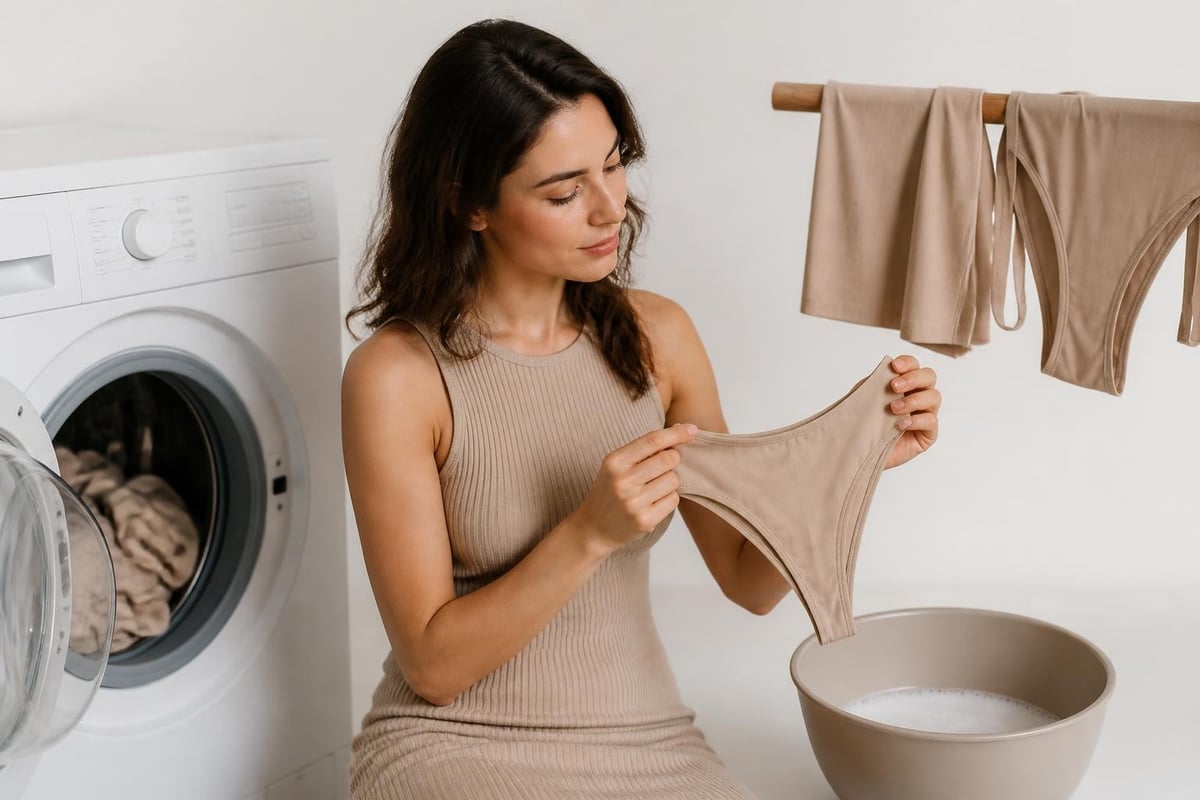
The elastic in waistbands and leg openings breaks down faster than fabric, so inspect these areas regularly. When elastic becomes loose, the thong won't stay in place properly under leggings, defeating its purpose.
Finding Your Perfect Match
Personal preference plays a significant role in determining which thongs work best under your leggings. What works for one woman may not suit another due to body shape, sensitivity levels, and lifestyle factors.
Clovia's guide to panties under leggings emphasizes trying multiple styles before committing to bulk purchases. Consider ordering variety packs that include different rises, fabrics, and constructions.
Testing New Styles Effectively
When trying new thongs under leggings, wear them for full-day tests that include your typical activities. Sit, stand, walk, and if applicable, exercise while wearing the combination. Check mirrors from multiple angles to assess visibility.
Pay attention to specific comfort markers throughout the day. Do you need to adjust frequently? Does the thong shift during movement? Can you see lines when sitting? Does the fabric breathe adequately? These observations guide future purchases.
Advanced Fit Optimization
Beyond basic sizing, several techniques help optimize how thongs under leggings perform. Understanding your body shape and proportions allows for better style selection.
Women with curvier hips often benefit from thongs with slightly wider side straps that don't cut into flesh. Athletic builds may prefer styles with less elastic for a smoother line. Petite frames typically need to size down or seek brands that offer petite-specific cuts.
Body-specific considerations:
- Curvy hips - Wider bands, stretchy materials, mid to high rise
- Athletic build - Minimal elastic, compression fabrics, any rise
- Petite frame - Scaled proportions, adjustable features, proper rise matching
- Tall frame - Extended rise options, longer leg cuts, reinforced elastic
The relationship between underwear styles and legging fits becomes intuitive once you understand how different proportions interact. Some experimentation reveals what works for your unique shape.
Specialized Situations and Solutions
Certain scenarios require specialized approaches to wearing thongs under leggings. Pregnancy, postpartum recovery, and medical considerations all influence underwear selection.
Maternity leggings paired with maternity-specific thongs accommodate changing body shapes without sacrificing comfort or invisibility. Look for styles with extra stretch and adjustable waistbands. Postpartum considerations include sensitive areas and shape fluctuations that demand gentle fabrics and forgiving cuts.
Climate Considerations
Temperature and humidity affect how thongs perform under leggings. Hot, humid conditions require maximum moisture-wicking and breathability. Cold weather allows for slightly heavier fabrics that provide additional warmth.
Summer activities benefit from ice silk or similar cooling fabrics that manage temperature and moisture simultaneously. Winter workouts pair well with thermal-blend thongs that don't add visible bulk. Transitional seasons call for versatile mid-weight options.
The Investment Perspective
Quality thongs cost more upfront but provide better value through superior comfort, invisibility, and durability. Budget options may seem economical but often require more frequent replacement and deliver inferior performance under leggings.
Calculate cost per wear rather than initial price. A premium thong lasting twelve months with twice-weekly wear costs less per use than cheap alternatives replaced every two months. The comfort difference makes higher-quality options even more valuable.
According to American Eagle's thong guide, investing in versatile neutral colors and reliable construction pays dividends in daily confidence and reduced wardrobe stress.
| Price Range | Expected Lifespan | Typical Features | Best For |
|---|---|---|---|
| Budget ($5-10) | 2-4 months | Basic construction | Trying new styles |
| Mid-range ($12-20) | 6-9 months | Seamless, better fabrics | Regular rotation |
| Premium ($22-35) | 12-18 months | Advanced fabrics, perfect seams | Daily wear |
| Luxury ($40+) | 18-24 months | Innovative tech, superior comfort | Investment pieces |
Building a rotation of quality thongs eliminates the daily decision stress of finding invisible options that work with your leggings.
Building Your Thong Collection
A well-curated thong collection for legging wear includes variety in colors, rises, and fabric weights. Start with foundational neutrals that match your skin tone and primary legging colors, then expand based on your specific needs.
Recommended starter collection:
- Three nude/skin-tone seamless thongs (one each: low, mid, high rise)
- Two black seamless thongs (mid and high rise)
- One athletic performance thong for intense workouts
- One lightweight style for everyday comfort
Expand from this foundation based on your legging wardrobe and activity frequency. Women who wear leggings daily need larger rotations than occasional wearers. Active lifestyles require more athletic-specific options.
Choosing the right thongs under leggings transforms your comfort and confidence in activewear and everyday outfits. By focusing on seamless construction, appropriate fabrics, proper sizing, and activity-specific features, you'll eliminate visible lines and uncomfortable adjustments throughout your day. Ambar Wear specializes in seamless, camel-toe-preventing thongs designed specifically to disappear under leggings while providing all-day comfort, helping you feel confident and elegant in any outfit.