

Thong lingerie has transformed from a niche undergarment choice into an essential wardrobe staple for millions of women worldwide. In 2026, the market offers unprecedented variety in styles, fabrics, and functional designs that address specific comfort concerns while maintaining aesthetic appeal. Whether you're seeking invisible lines under fitted clothing, all-day comfort, or specialty features like camel toe prevention, understanding the nuances of thong construction and materials empowers you to make informed choices that enhance both confidence and everyday wearability.
Understanding Thong Lingerie Styles and Rise Options
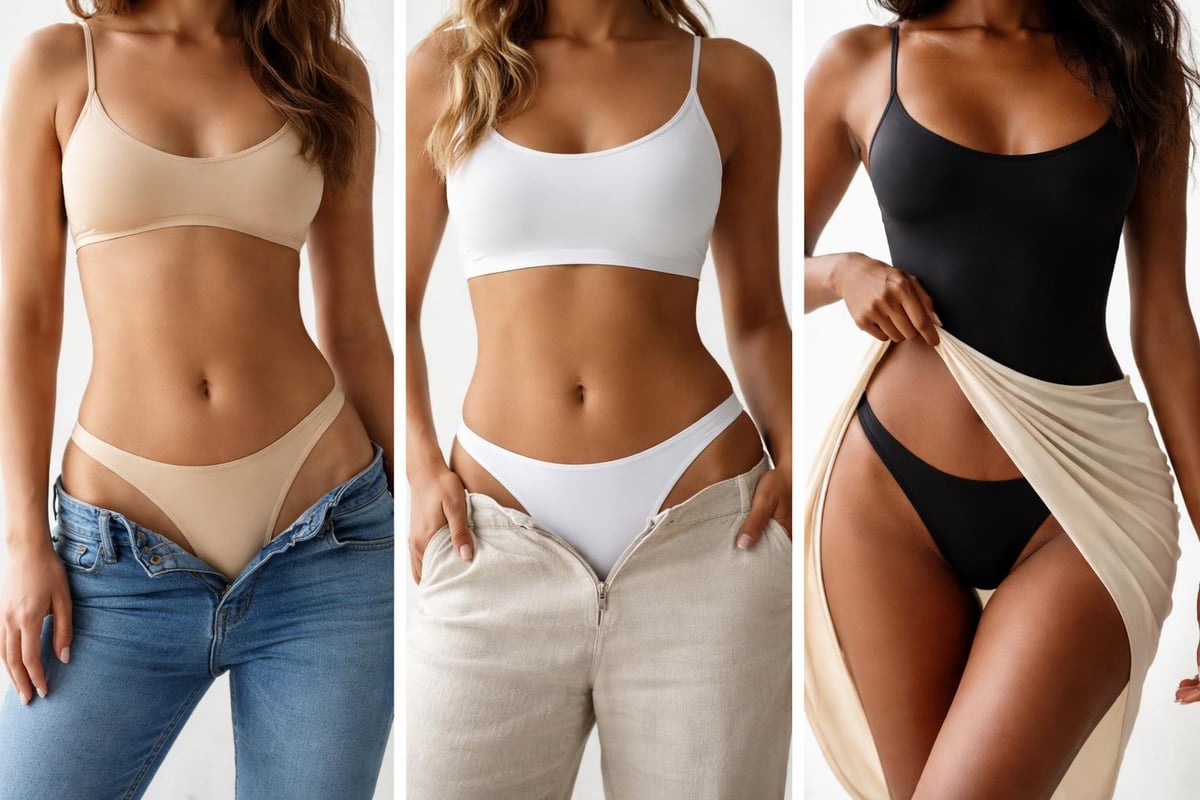
The modern thong landscape extends far beyond the basic G-string popularized in the 1980s. Today's designs span multiple rise categories, each serving distinct purposes and body preferences.
Low-Rise Thongs
Low-rise options sit several inches below the natural waistline, making them ideal for low-cut jeans, hipster pants, and contemporary fashion that emphasizes lower waist positioning. These styles typically feature minimal fabric coverage and work best with body-conscious clothing where higher waistbands might create visible lines or bulges.
Key benefits include:
- Compatibility with low-waisted bottoms
- Reduced fabric bunching at the waist
- Enhanced comfort for shorter torsos
- Seamless appearance under fitted hip-hugging styles
Mid-Rise and High-Rise Designs
Mid-rise thong lingerie positions the waistband at or slightly below the belly button, offering more coverage and support than low-rise alternatives. High-rise versions extend above the navel, providing tummy control benefits and full coverage that many women prefer for daily wear. According to the comprehensive history of lingerie, the evolution toward higher-rise intimate apparel reflects changing body positivity movements and functional fashion demands.
The rise selection significantly impacts how the garment interacts with different body types. Women with longer torsos often find high-rise options prevent rolling and maintain position throughout the day, while those with shorter torsos may experience bunching with excessively high waistbands.
Fabric Technology and Material Innovations
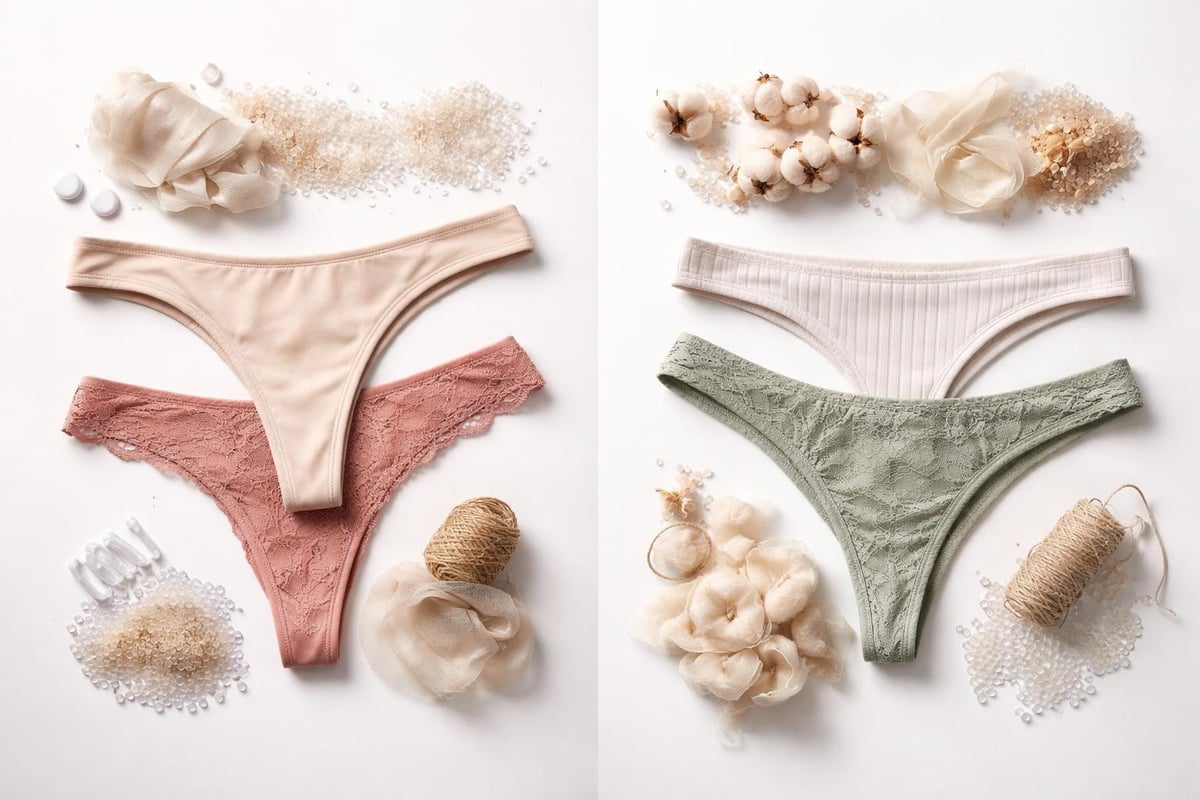
The fabric composition of thong lingerie directly influences comfort, durability, breathability, and invisibility under clothing. Modern textile engineering has revolutionized what's possible in intimate apparel.
| Fabric Type | Key Properties | Best Use Cases |
|---|---|---|
| Microfiber | Ultra-smooth, lightweight, quick-drying | Daily wear, activewear, seamless appearance |
| Cotton Blends | Breathable, natural feel, moisture-wicking | Sensitive skin, extended wear, casual comfort |
| Lace | Decorative, textured, romantic aesthetic | Special occasions, layering, romantic settings |
| Seamless Synthetics | No-stitch construction, invisible edges | Fitted clothing, leggings, professional attire |
| Ice Silk | Cooling sensation, ultra-smooth, lightweight | Hot climates, summer wear, athleisure |
Seamless Construction Methods
Seamless thong lingerie represents one of the most significant advances in undergarment technology. These pieces use specialized knitting techniques that create the entire garment without side seams, reducing friction points and eliminating visible panty lines. The evolution of thong design demonstrates how construction methods have prioritized both aesthetics and functionality.
Bonded edges replace traditional elastic bands in premium seamless designs. This approach uses heat-activated adhesives to create smooth, flat waistbands that don't dig into skin or create ridges visible through clothing. Women with sensory sensitivities particularly appreciate these innovations, as they eliminate the pressure points common in traditionally constructed undergarments.
Addressing Common Fit Challenges
Thong lingerie presents unique fit considerations that differ substantially from full-coverage underwear. Understanding these challenges helps women select designs that solve rather than create comfort issues.
Camel Toe Prevention Technology
One of the most persistent problems with thong lingerie involves the center seam creating unwanted definition. Modern designs incorporate specialized gusset construction that uses strategically placed panels and reinforced stitching to prevent fabric from bunching or shifting into uncomfortable positions. The invisible camel toe thong exemplifies this engineering approach, using multi-layer construction in the gusset area.
Effective prevention features include:
- Double-layer gusset panels with strategic shaping
- Reinforced center seams that maintain position
- Contoured front panels that lay flat against the body
- Wider gusset construction that distributes pressure evenly
Size Selection and Body Type Compatibility
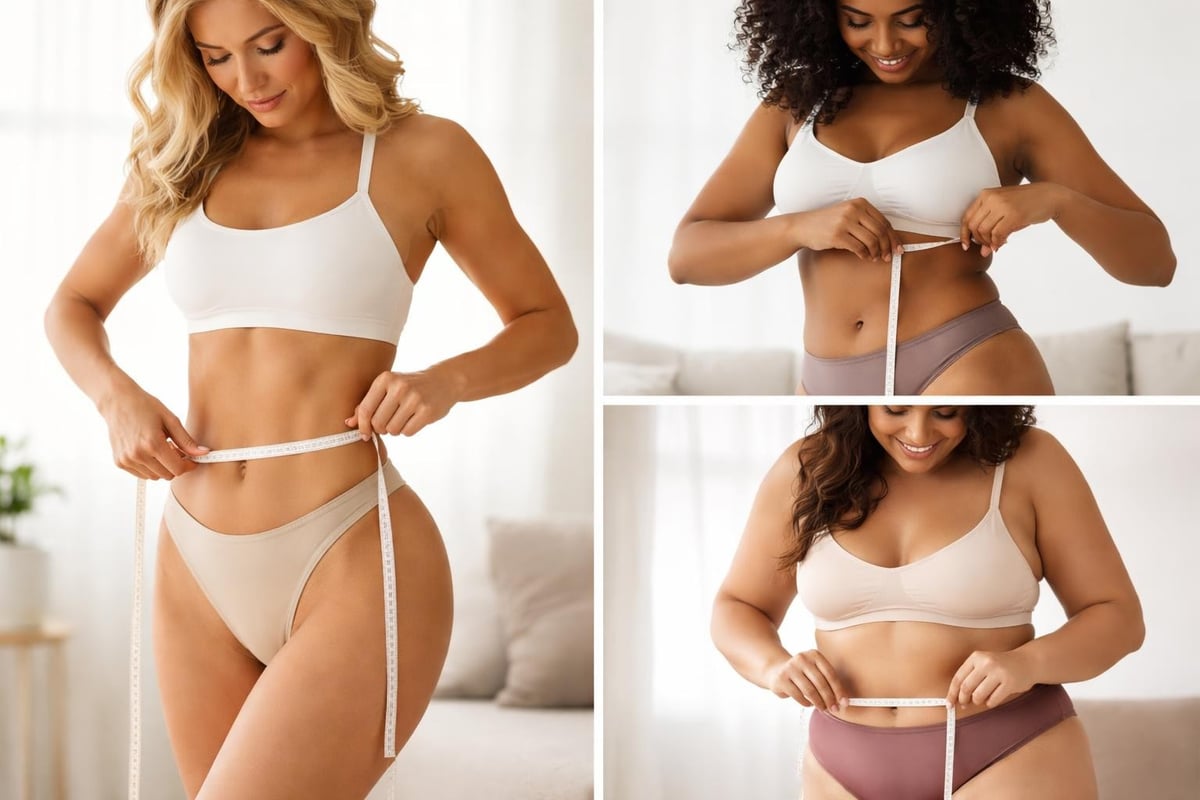
Proper sizing proves critical for thong comfort and functionality. Unlike full-coverage styles that offer more forgiving fit ranges, thong lingerie requires precise sizing to avoid riding up, digging in, or failing to provide adequate coverage where needed.
Most brands size thongs based on hip measurements rather than waist dimensions, since the widest part of the garment sits across the hips. However, rise height introduces additional complexity. High-rise styles require torso length consideration, while low-rise options focus primarily on hip circumference. For comprehensive guidance on selecting underwear for different body shapes, explore underwear options for curvy figures.
Specialty Thong Categories and Their Applications
Beyond basic everyday styles, specialized thong lingerie serves specific functional and aesthetic purposes that warrant consideration.
Athletic and Performance Thongs
Activewear thongs incorporate moisture-wicking fabrics, antimicrobial treatments, and enhanced breathability features designed for high-movement activities. These pieces often use four-way stretch materials that move with the body during exercise while maintaining their shape and position.
The gusset construction in athletic thongs typically features mesh panels or perforated fabric that increases airflow, reducing moisture accumulation during workouts. Many designs also incorporate flat-lock seams that won't chafe during repetitive movements like running or cycling.
Shapewear Integration
High-rise thong lingerie with tummy control features bridges the gap between traditional undergarments and full shapewear. These designs use graduated compression fabrics that smooth the midsection while maintaining the no-panty-line benefits of thong construction. The tummy control camel toe proof thong demonstrates how modern engineering combines multiple functional benefits in a single garment.
Control levels vary from light smoothing to firm compression, allowing women to select appropriate support for different outfits and occasions. Light control works well for everyday smoothing under casual clothing, while medium to firm options suit special events requiring more dramatic shaping.
Maternity and Post-Pregnancy Options
Maternity thong lingerie addresses the unique needs of pregnant and postpartum bodies. These designs feature extra-soft fabrics, adjustable waistbands, and strategic seam placement that accommodates changing body shapes. Low-rise maternity thongs sit below the belly, avoiding pressure on the expanding abdomen, while high-rise options can be worn over the bump for additional support.
Post-pregnancy bodies often benefit from seamless construction and gentle compression that supports healing while providing comfortable everyday wear. Many women transition to seamless camel toe thongs during recovery periods when traditional underwear feels restrictive or uncomfortable.
Care and Maintenance for Longevity
Proper care significantly extends the lifespan of thong lingerie, protecting your investment and maintaining garment performance.
Washing Best Practices
Hand washing remains the gold standard for delicate thong lingerie, particularly lace styles or pieces with special embellishments. However, busy lifestyles often necessitate machine washing. Using mesh lingerie bags protects delicate fabrics from snagging and excessive agitation. Cold water prevents shrinkage and color fading, while mild detergents without harsh chemicals preserve elastic integrity.
Essential washing guidelines:
- Separate lights and darks to prevent color transfer
- Hook closures before washing to prevent snagging
- Use cold water on gentle cycles exclusively
- Avoid fabric softeners that can break down elastic fibers
- Never put thong lingerie in the dryer-air dry only
Storage Techniques
Proper storage prevents unnecessary wear between uses. Folding thongs rather than balling them up maintains elastic shape and prevents creasing in delicate fabrics. Dedicated lingerie organizers with individual compartments keep pieces separated, reducing friction damage and making selection easier.
Avoid storing thong lingerie in humid environments like bathrooms, where moisture can encourage mildew growth and degrade elastic components. Climate-controlled bedroom drawers or closet organizers provide optimal storage conditions.
Historical Context and Cultural Evolution
Understanding how thong lingerie evolved provides perspective on its current ubiquity and continued innovation. The history of the thong traces back thousands of years to various indigenous cultures, though modern iterations emerged in the 1970s and 1980s.
According to the Fashion Institute of Technology's lingerie exhibition, thongs gained mainstream acceptance gradually as fashion embraced closer-fitting silhouettes that demanded invisible undergarment solutions. The 1990s marked a turning point when thong lingerie transitioned from specialized dancewear to everyday essentials found in most women's underwear drawers.
Contemporary Market Trends
The 2026 thong lingerie market reflects broader fashion movements toward inclusivity, sustainability, and functional innovation. Brands increasingly offer extended size ranges that accommodate diverse body types, with many expanding beyond traditional S-M-L sizing to numerical sizing systems providing better precision.
Sustainable fabric choices have gained prominence as consumers demand environmentally responsible options. Recycled microfiber, organic cotton blends, and biodegradable materials appear increasingly in mainstream collections. The best-selling thong options often balance eco-consciousness with performance features that don't compromise comfort or durability.
Color Psychology and Wardrobe Coordination
Strategic color selection in thong lingerie extends beyond personal preference to functional wardrobe coordination and psychological impact.
Nude and Neutral Foundations
Nude thong lingerie serves as the invisible foundation for most wardrobes, disappearing under light-colored and sheer fabrics. However, "nude" spans a spectrum matching diverse skin tones. Progressive brands now offer multiple nude shades, recognizing that a single beige doesn't serve all complexions.
The appropriate nude shade should closely match your natural skin tone rather than your clothing color. When selecting nude thong lingerie, test against your hip or thigh rather than your hand, as skin tone varies across the body. This approach ensures true invisibility under clingy or translucent garments.
Strategic Black and Dark Tones
Black thong lingerie offers versatility for dark clothing while projecting sophistication and confidence. Dark tones also provide practical benefits-they show less discoloration over time compared to lighter shades and often pair well with professional wardrobes dominated by black, navy, and charcoal bottoms.
Deep jewel tones like burgundy, forest green, and midnight blue serve as specialty options for specific outfits while maintaining some of black's practical advantages. These colors work particularly well under similar-hued clothing without creating the stark contrast that lighter shades might produce if visible.
Troubleshooting Common Problems
Even with careful selection, thong lingerie sometimes presents fit or comfort challenges. Identifying root causes enables targeted solutions.
Riding Up Issues
Thongs that constantly ride up typically indicate incorrect size selection or incompatible rise height. If the back triangle migrates upward throughout the day, the garment may be too small in the hip area or too short in the rise. Conversely, thongs that slip down suggest oversizing or excessive rise length for your torso.
Material composition also affects riding behavior. Fabrics lacking adequate stretch or recovery properties lose their shape throughout wear, causing migration. Examining the complete product range allows comparison of different fabric technologies and construction methods.
Discomfort and Chafing
Persistent discomfort often stems from seam placement, rough fabric edges, or materials that don't breathe adequately. Seamless construction eliminates many friction points, while fabrics with moisture-wicking properties prevent the dampness that exacerbates chafing.
The gusset material deserves particular attention, as this area contacts sensitive skin. Cotton or cotton-blend gussets provide superior breathability compared to synthetic alternatives, though modern moisture-wicking synthetics offer comparable performance in many cases.
| Problem | Likely Cause | Solution |
|---|---|---|
| Riding up constantly | Incorrect size or rise | Size up or try different rise height |
| Visible panty lines | Wrong fabric choice | Switch to seamless microfiber styles |
| Excessive moisture | Poor breathability | Choose cotton gusset or moisture-wicking fabrics |
| Waistband digging in | Too small or wrong style | Size up or try bonded-edge designs |
| Center seam discomfort | Poor gusset construction | Select reinforced or double-layer gusset |
Pairing Thong Lingerie with Different Clothing Types
Optimal thong selection varies based on outfit requirements, with specific styles complementing particular clothing categories.
Fitted Activewear and Leggings
High-performance leggings demand thong lingerie that won't create visible lines or bulk under close-fitting fabrics. Seamless construction proves essential, as does rise selection that aligns with legging waistbands. High-rise leggings pair best with high-rise thongs that won't peek out during stretching or bending. Many women appreciate coordinated sets that include matching sports bras for cohesive athletic looks.
Professional and Business Attire
Workplace wardrobes typically benefit from nude and black thong lingerie in seamless constructions that disappear under tailored trousers and pencil skirts. Mid-rise options work well with most professional bottoms, sitting comfortably at the natural waist without excessive coverage that might show through lightweight fabrics.
Evening and Special Occasion Wear
Form-fitting dresses and evening gowns require thong lingerie that provides smoothing without adding bulk. Shapewear thongs combine compression with minimal coverage, creating sleek silhouettes under clingy materials. Lace styles add romance when visibility isn't a concern, while specialty options like adhesive backless thongs accommodate extreme low-back designs.
Building a Versatile Thong Collection
A well-rounded thong lingerie collection addresses diverse wardrobe needs without excessive redundancy. Strategic selection maximizes versatility while controlling costs.
Essential collection components:
- Three to five nude thongs in your correct skin tone for light-colored clothing
- Two to three black thongs for dark wardrobes and professional wear
- One to two specialty colors matching frequent outfit choices
- Athletic thongs for workout activities and activewear
- One shapewear thong for special occasions requiring extra smoothing
Quality over quantity proves particularly important with thong lingerie. Well-constructed pieces from reputable manufacturers outlast cheaper alternatives, providing better value despite higher initial costs. The seamless ice silk thong collection exemplifies premium construction that justifies investment through extended wearability and superior comfort.
Seasonal Considerations
Climate and seasonal changes influence ideal thong lingerie choices. Summer months demand lightweight, breathable fabrics that wick moisture and dry quickly, while winter allows heavier materials that provide additional warmth. Some women maintain separate seasonal rotations, storing off-season pieces to reduce drawer clutter and extend garment life by reducing unnecessary handling.
Selecting the right thong lingerie requires balancing aesthetic preferences with functional needs, fabric technologies, and proper fit considerations that vary across body types and clothing requirements. Modern innovations in seamless construction, moisture-wicking materials, and specialized gusset design have eliminated many traditional comfort concerns, making thong styles accessible and comfortable for virtually every woman. Ambar Wear specializes in addressing these exact challenges through thoughtfully engineered seamless thongs that prevent camel toe, eliminate visible lines, and provide all-day comfort across diverse body types and activities. Explore the collection to discover how strategic design innovations transform thong lingerie from a compromise into a confidence-building essential.