
The material used in thong construction-often called thong cloth-determines everything from comfort and breathability to durability and fit. While thongs have evolved from niche swimwear to everyday essentials, the fabrics used in their production have undergone equally dramatic transformation. Today's thong cloth must balance competing demands: it should be soft enough for all-day wear, stretchy enough to conform without binding, breathable enough to support vaginal health, and durable enough to withstand repeated washing. Understanding the properties of different thong materials empowers women to make informed choices that support both comfort and confidence.
Understanding Thong Cloth Fundamentals
Thong cloth encompasses any textile engineered specifically for minimal-coverage underwear, where every square inch of fabric must perform multiple functions simultaneously. Unlike traditional underwear that can hide minor fabric flaws under larger panels, thong construction exposes every weakness in the material.
The primary fabric families used in thong production include natural fibers (cotton, modal, bamboo), synthetic fibers (nylon, polyester, microfiber), and hybrid blends that combine both. Each category brings distinct advantages and trade-offs. Natural fibers excel at breathability and skin compatibility but often lack the stretch recovery needed for seamless fit. Synthetic materials deliver superior elasticity and moisture-wicking performance but may trap heat or cause sensitivity in some wearers.
Performance Requirements for Thong Materials
Modern thong cloth must meet rigorous performance standards across multiple dimensions:
- Stretch and recovery: minimum 150% elongation with full shape retention
- Moisture management: rapid wicking to keep skin dry
- Breathability: adequate air permeability to prevent bacterial growth
- Edge stability: no rolling or curling along thin seams
- Opacity: sufficient coverage despite minimal fabric
- Softness: smooth hand feel without rough textures or abrasive fibers
Research from Polytechnic University examining physical and moisture-management properties of underwear fabrics demonstrates that nylon/elastane blends consistently outperform pure cotton in stretch recovery and moisture transport, though cotton maintains advantages in breathability for stationary wear.
Natural Fiber Thong Materials
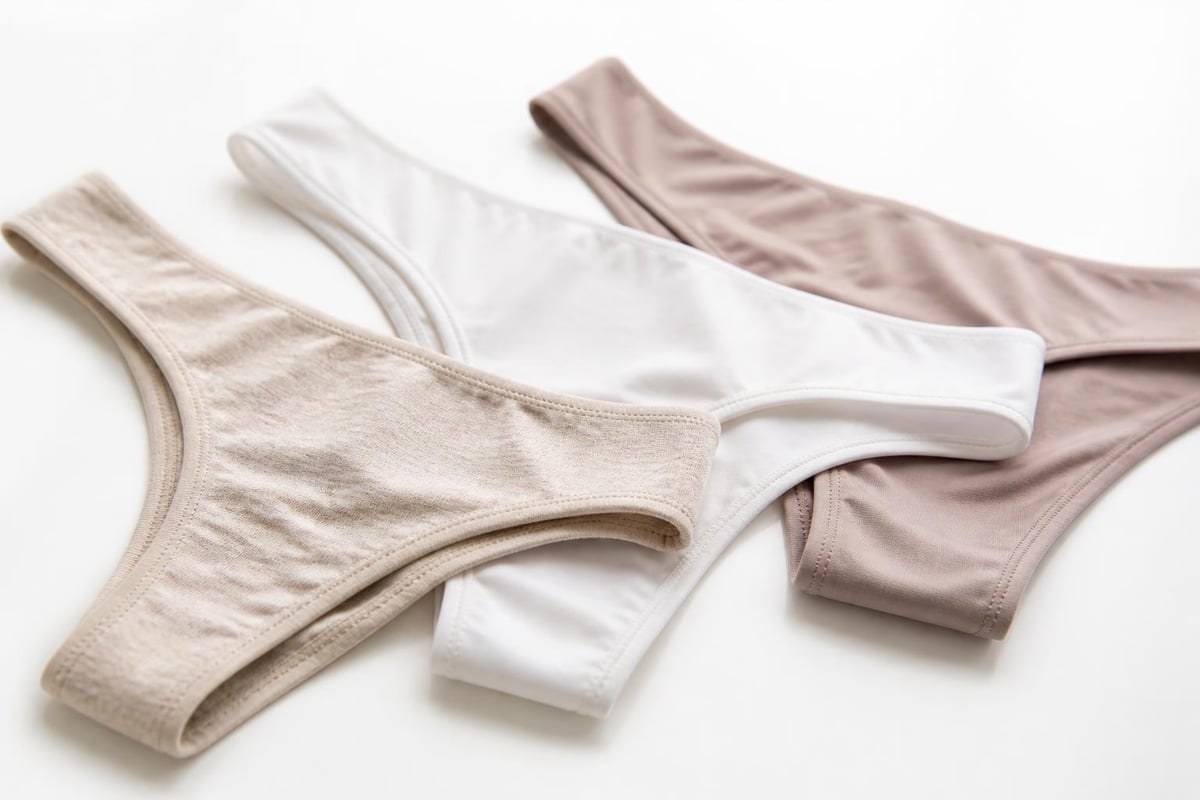
Cotton remains the most recognized natural fiber for intimate apparel, prized for its hypoallergenic properties and cultural association with purity. Combed cotton undergoes additional processing to remove short fibers, resulting in smoother, stronger yarn ideal for thong waistbands and gussets. Pima and Supima cotton varieties feature extra-long staple fibers that produce exceptionally soft, durable fabric.
Modal, a semi-synthetic cellulose fiber derived from beech trees, has gained significant market share in premium thong construction. This material delivers cotton's breathability while offering superior drape and resistance to shrinkage. Modal thong cloth maintains softness even after dozens of wash cycles, addressing a common complaint about cotton's tendency to become stiff or rough over time.
| Natural Fiber | Breathability | Stretch | Durability | Moisture Absorption |
|---|---|---|---|---|
| Cotton | Excellent | Poor | Good | High |
| Modal | Excellent | Moderate | Very Good | Very High |
| Bamboo | Very Good | Moderate | Fair | High |
| Silk | Good | Poor | Fair | Moderate |
Bamboo-derived fabrics market themselves as eco-friendly alternatives, though the chemical processing required to convert bamboo cellulose into wearable fiber complicates sustainability claims. The resulting textile offers natural antimicrobial properties that may benefit vaginal health, though medical evidence remains limited. According to Healthline's guide on underwear and vaginal health, breathable natural fibers help maintain optimal pH balance and reduce infection risk.
Challenges with Pure Natural Fibers
While natural materials excel in breathability, they struggle with the engineering demands of thong construction. Pure cotton lacks the stretch needed for seamless fit and tends to show visible panty lines even in minimal designs. Natural fibers also absorb and retain moisture rather than wicking it away, which can create discomfort during physical activity or in warm climates.
The solution for most manufacturers involves blending natural fibers with 5-15% elastane (spandex) to introduce stretch without compromising breathability. This hybrid approach allows thong cloth to move with the body while maintaining the skin-friendly properties women seek in intimate apparel.
Synthetic and Performance Fabrics
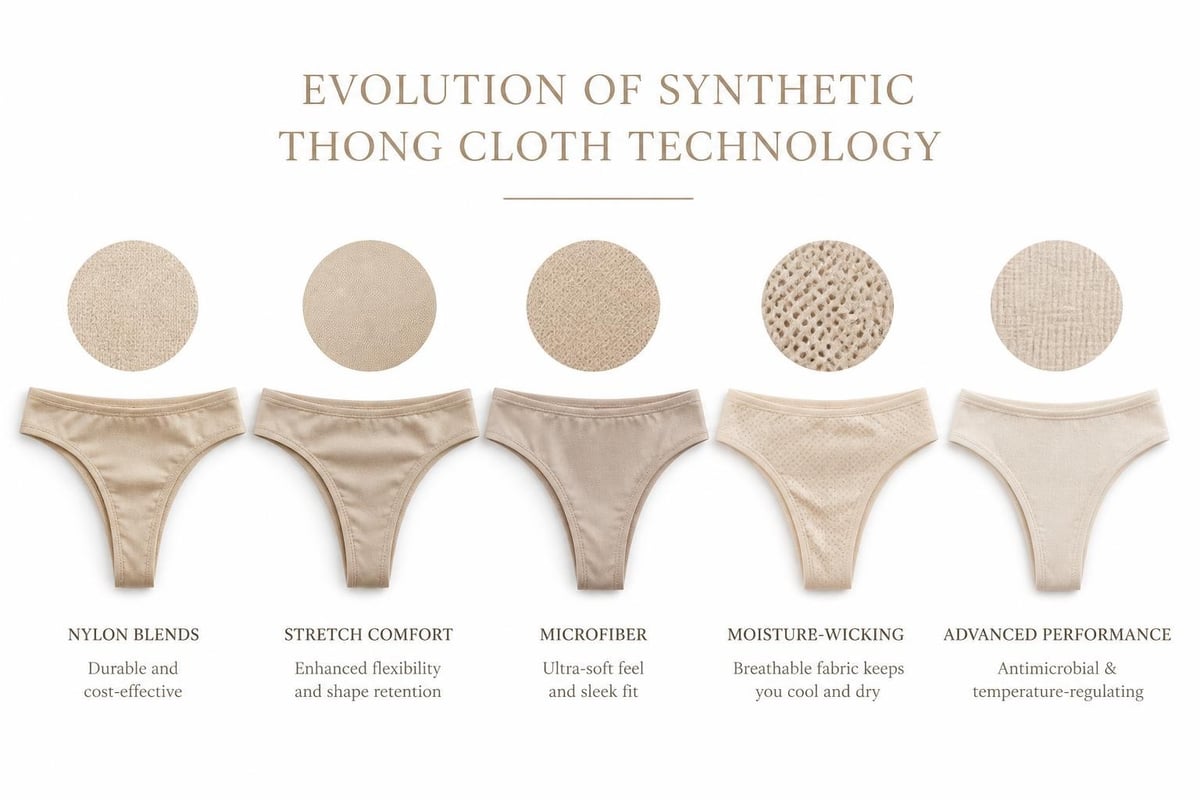
Nylon revolutionized thong construction when it entered intimate apparel markets in the mid-20th century. This synthetic polymer offers exceptional elasticity, durability, and resistance to moisture absorption. Nylon/elastane blends (typically 80-92% nylon with 8-20% elastane) dominate the contemporary thong market, particularly in seamless underwear designed to eliminate visible lines.
Microfiber represents the current pinnacle of synthetic thong cloth technology. These ultra-fine fibers (typically less than 1 denier) create fabric with extraordinary softness despite being purely synthetic. Microfiber thongs deliver a second-skin feel while providing superior moisture-wicking through capillary action between densely packed fibers.
Advanced Synthetic Technologies
Recent innovations in thong cloth include:
- Phase-change materials that regulate temperature by absorbing and releasing heat
- Antimicrobial treatments using silver ions or chemical finishes to inhibit bacterial growth
- Four-way stretch fabrics that expand equally in all directions for optimal movement
- Laser-cut edges that eliminate traditional seams entirely
- Moisture-wicking channels engineered into the fabric structure
Polyester, while less common in direct-contact areas, appears frequently in waistbands and decorative elements. It offers excellent color retention and durability but can feel less breathable than nylon. Many performance thong designs combine polyester's strength in structural areas with softer materials in the gusset and body.
The V&A Museum's exploration of underwear history traces how synthetic materials transformed intimate apparel from purely functional items into fashion statements, with thong cloth evolving to meet both aesthetic and performance demands.
Fabric Blends and Hybrid Materials
The most successful modern thong cloth typically combines multiple fiber types to optimize competing performance factors. A common formula pairs 82% nylon with 18% elastane for exceptional stretch and recovery while maintaining a lightweight feel. Premium designs may incorporate modal-nylon-elastane triblends (50/40/10) that deliver natural fiber benefits with synthetic performance.
Cotton-synthetic blends represent another popular category, particularly for everyday wear. A 90% cotton/10% elastane composition provides breathability familiar to cotton-preference consumers while adding just enough stretch for comfortable fit. These blends work especially well in underwear for curvy women where stretch and shape retention across diverse body types becomes critical.
Gusset Material Considerations
The gusset-the panel in direct contact with the vulva-deserves special material consideration regardless of the outer thong cloth. Medical professionals recommend 100% cotton gussets even in predominantly synthetic thongs to support vaginal health through optimal breathability and moisture management.
Some manufacturers use modal or bamboo gussets as premium alternatives, while performance-focused brands employ specialized moisture-wicking synthetics with antimicrobial properties. The key factor remains breathability and the ability to maintain a dry environment that discourages bacterial overgrowth.
| Blend Type | Primary Benefit | Best Use Case | Potential Drawback |
|---|---|---|---|
| Nylon/Elastane | Invisibility, stretch | Dress pants, fitted clothing | Heat retention |
| Cotton/Elastane | Breathability, stretch | Everyday casual wear | Less durability |
| Modal/Nylon/Elastane | Premium feel, performance | Active and athleisure | Higher cost |
| Microfiber/Elastane | Ultra-smooth, no VPL | Professional settings | Synthetic feel |
Evaluating Thong Cloth Quality
Identifying high-quality thong cloth requires examining both the visible fabric characteristics and less obvious construction details. Thread count matters less in knit fabrics than in wovens, but fabric weight (typically 180-220 GSM for thongs) indicates appropriate substance without excessive bulk.
Check for uniform knit structure by holding the fabric up to light-irregular patterns or loose stitches signal poor manufacturing. Quality thong cloth should return to its original shape within seconds after stretching. If fabric remains distorted or develops thin spots, the elastane content is insufficient or improperly integrated.
Safety and Certification Standards
Reputable thong manufacturers pursue third-party certification to verify their fabrics meet safety standards for intimate apparel. The OEKO-TEX Standard 100 tests for harmful substances including formaldehyde, heavy metals, and certain dyes, ensuring materials safe for direct skin contact.
Beyond chemical safety, quality thong cloth demonstrates colorfastness-it won't bleed or transfer dye during washing or while worn. Test this by dampening a white cloth and rubbing it firmly against the fabric interior. Any color transfer suggests low-quality dyeing that could irritate sensitive skin or ruin other garments during laundering.
Thong Cloth Performance Across Use Cases
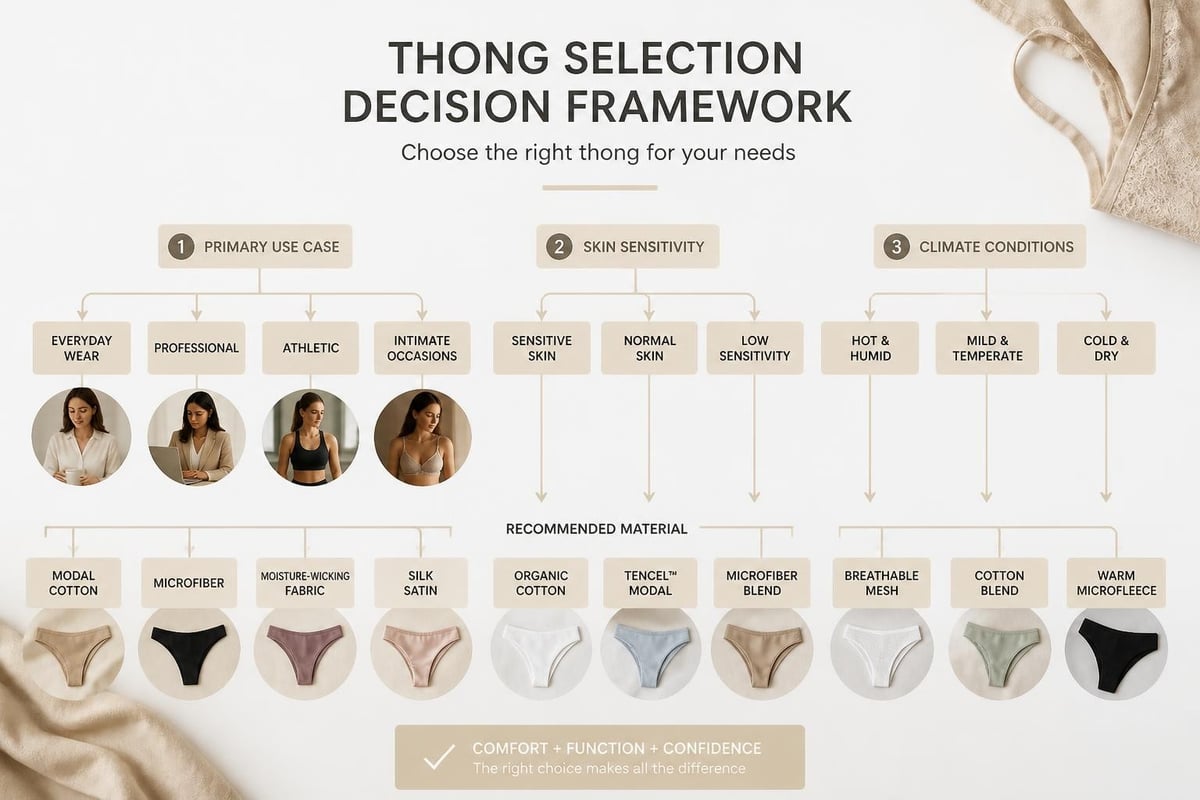
Different activities and wearing conditions demand specific fabric properties from thong cloth. Everyday casual wear prioritizes comfort and breathability, making cotton blends or modal ideal choices. Professional environments under fitted clothing require the thinnest, smoothest fabrics-microfiber or fine nylon blends-to eliminate visible panty lines completely.
Athletic and active wear presents the most demanding scenario for thong cloth. Materials must wick moisture rapidly, dry quickly, resist odor development, and maintain position during dynamic movement. Performance synthetics excel here, particularly engineered fabrics with directional moisture transport that pulls sweat away from skin toward the fabric exterior.
Special Considerations for Sensitive Skin
Women with sensitive skin, allergies, or conditions like eczema require extra attention to thong cloth composition. Dye-free, undyed fabrics eliminate common irritants, while hypoallergenic materials certified for medical-grade applications provide maximum safety.
Some individuals experience reactions to elastane itself, though this remains relatively rare. These women should seek thongs with minimal elastane content (5% or less) or explore alternative stretch mechanisms like inherently elastic fibers (Lycra alternatives) or mechanical stretch achieved through knit structure rather than fiber content.
The seamless construction methods used in modern thong underwear reduce friction points that can trigger irritation, but material selection remains the foundational factor in preventing reactions.
Sustainability and Environmental Impact
The environmental footprint of thong cloth varies dramatically by material type and production method. Organic cotton requires significant water and land resources but biodegrades readily. Conventional cotton production involves heavy pesticide use, raising environmental concerns despite the natural fiber.
Synthetic materials like nylon and polyester derive from petroleum and persist in the environment indefinitely. Recent EU Commission assessments of microplastic releases from synthetic textiles highlight how washing releases microfibers into water systems, with intimate apparel contributing to this pollution stream.
Recycled synthetics offer a middle path-brands now produce thong cloth from recycled nylon (often from fishing nets) or recycled polyester (from plastic bottles). These materials deliver identical performance to virgin synthetics while diverting waste from landfills and reducing petroleum dependency.
Circular Design Considerations
Forward-thinking manufacturers consider end-of-life scenarios when selecting thong cloth. Mono-material construction (using single fiber types without blends) simplifies recycling, though it compromises performance. Biodegradable synthetics like Lyocell (Tencel) and newer bio-based elastanes promise to combine synthetic performance with natural fiber environmental profiles.
The durability factor also affects overall sustainability-a synthetic thong lasting five years creates less total environmental impact than natural fiber alternatives requiring replacement every six months. Quality thong cloth that maintains performance through 50+ wash cycles serves sustainability better than cheaper materials that degrade rapidly.
Care and Maintenance for Longevity
Proper care extends thong cloth lifespan regardless of material composition. Hand washing in cool water preserves elasticity and prevents fiber breakdown, though few modern women have time for this level of attention. For machine washing, use mesh lingerie bags to prevent stretching and tangling with other garments.
Avoid fabric softeners and dryer sheets when laundering thongs-these products coat fibers and reduce moisture-wicking performance in synthetic materials. They can also leave residues that irritate sensitive vaginal tissue. Air drying maintains fabric integrity better than machine drying, which subjects elastane to heat stress that gradually reduces its stretch recovery.
Different thong cloth materials require different washing temperatures:
- Cotton and modal: warm water (30-40°C) acceptable
- Nylon and polyester blends: cold water (below 30°C) recommended
- Microfiber: cold water essential to prevent fiber damage
- Silk or delicate materials: hand wash cold only
Rotation extends longevity-allowing thongs to rest 24 hours between wears lets elastic fibers fully recover. A seven-piece rotation for weekly wear means each thong experiences only 52 wearing cycles per year rather than 365, dramatically extending useful life.
Innovation Trends in Thong Cloth Development
The thong cloth industry continues evolving with emerging technologies and consumer demands. Smart fabrics incorporating conductive fibers could eventually monitor vaginal pH or temperature, though these remain largely conceptual in 2026. Probiotic textiles infused with beneficial bacteria represent another frontier, potentially supporting vaginal microbiome health through the fabric itself.
Customization technology allows brands to offer made-to-measure thong cloth with fiber blends tailored to individual preferences. Some direct-to-consumer companies now let customers specify exact percentages of cotton, modal, nylon, and elastane based on their priorities for breathability versus stretch or natural versus synthetic content.
Adaptive fabrics that change properties in response to body temperature or moisture levels show promise for thongs that remain comfortable across varying activity levels and environmental conditions. These materials might feel breathable and cotton-like during low activity but switch to moisture-wicking performance mode during exercise.
Brands specializing in solutions for common fit problems, like those offering anti-camel toe underwear, continue pushing fabric innovation to address specific wearing concerns through material engineering rather than just construction techniques.
Thong Cloth Selection Framework
Choosing optimal thong cloth begins with honest assessment of your primary use case and personal priorities. Create a weighted ranking of these factors:
- Comfort level importance (1-10 scale)
- Activity level during typical wear (sedentary to highly active)
- Climate and temperature conditions (cool, moderate, warm, variable)
- Skin sensitivity (none, mild, moderate, severe)
- Invisibility requirements (visible lines acceptable vs. must be completely seamless)
- Budget constraints (economy, mid-range, premium)
- Sustainability priorities (low, moderate, high)
This profile guides material selection more effectively than generic recommendations. A woman prioritizing sustainability and breathability for desk work in air-conditioned offices reaches different conclusions than someone seeking invisibility under yoga pants for hot yoga classes.
Test different thong cloth types through small purchases before committing to drawer-filling quantities. Bodies and preferences vary too much for universal recommendations-what feels perfect to one woman causes discomfort to another even in identical sizes and styles.
Understanding thong cloth empowers you to select intimate apparel that supports your comfort, health, and confidence throughout every activity. The right material makes the difference between underwear you forget you're wearing and garments that demand constant adjustment. Ambar Wear specializes in seamless, comfortable undergarments engineered from premium fabrics to eliminate common issues like camel toe, visible panty lines, and moisture discomfort. Explore our collection of thoughtfully designed thongs, leggings, and activewear that deliver both performance and elegance for all body types.