
Camel toe remains one of the most common wardrobe concerns for women who wear fitted clothing, yet it's rarely discussed openly despite affecting millions daily. This visible fabric bunching occurs when tight pants, leggings, or undergarments compress against the body, creating an uncomfortable and often embarrassing outline. Whether you're hitting the gym, running errands, or attending a professional meeting, understanding how to stop camel toe ensures you can wear your favorite outfits with complete confidence. The good news is that with the right combination of fabric choices, proper fit, and specialized undergarments, you can eliminate this issue entirely and focus on what truly matters in your day.
Understanding Why Camel Toe Happens
Before diving into solutions, it's essential to understand the anatomical and clothing-related factors that contribute to this common problem. The issue typically occurs when fabric is too tight, too thin, or cut in a way that creates tension across the front center area of your clothing.
Several key factors influence whether camel toe will occur:
- Fabric thickness and composition
- Garment size and overall fit
- Seam placement and construction
- Body shape and anatomy
- Activity level and movement patterns
According to medical experts who study wardrobe functionality, the combination of tight-fitting garments and natural body contours creates the visible outline that so many women work to avoid. The fabric essentially gets pulled into the space between the labia, creating a wedge effect that becomes more pronounced with certain movements.
Interestingly, this isn't just about vanity or aesthetics. Many women report actual physical discomfort when their clothing bunches in this way, experiencing chafing, irritation, and constant awareness of their garment placement throughout the day. Understanding these root causes helps identify the most effective prevention strategies.
Fabric Selection Makes All the Difference
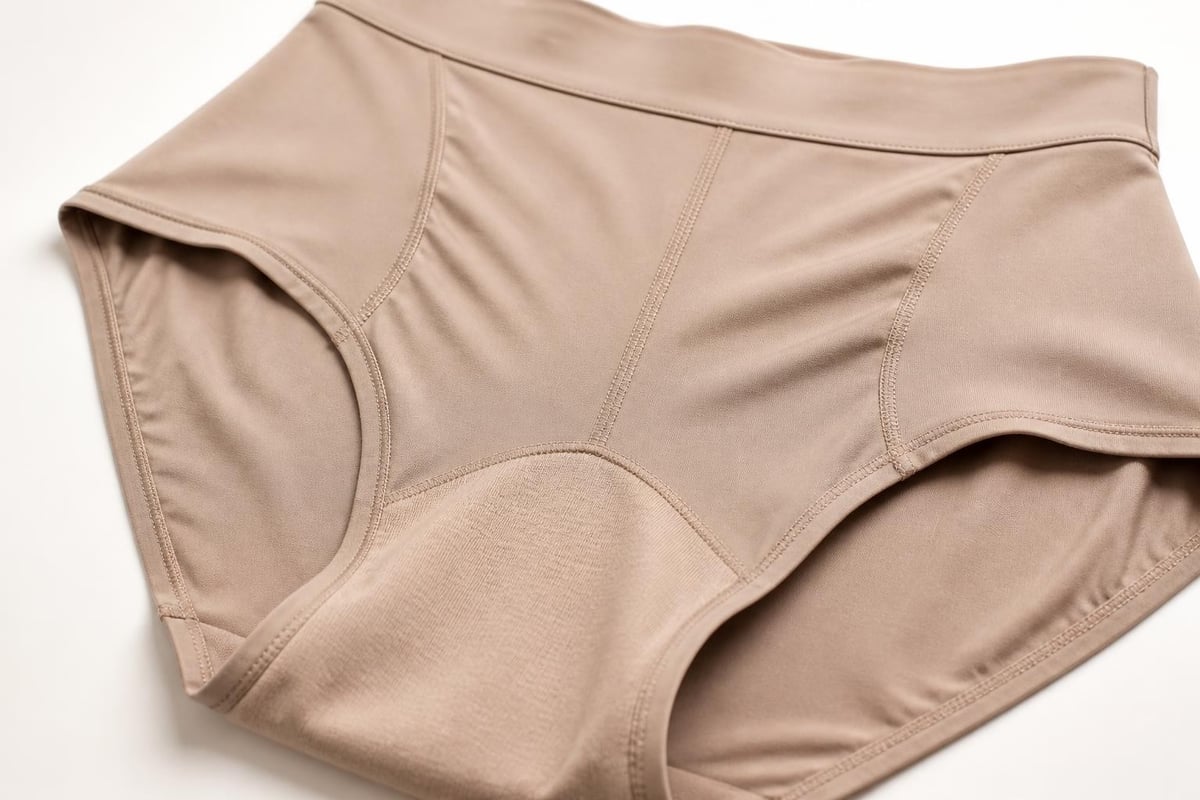
When it comes to preventing camel toe, your fabric choice serves as your first line of defense. Not all materials are created equal, and some actively work against you by being too thin, too compressive, or lacking the structural integrity needed for smooth wear.
Thickness and Opacity Matter
Thicker fabrics naturally resist bunching and provide better coverage overall. Look for materials with substantial weight that don't become transparent when stretched. Double-layered construction in the front panel area offers additional protection without compromising comfort or breathability.
Many athletic brands now incorporate specialized gussets made from thicker, more structured fabric specifically designed to prevent this issue. These reinforced areas distribute tension more evenly across the garment rather than allowing it to concentrate in one visible line.
Compression vs. Comfort
While compression fabrics offer excellent support during workouts, they can also exacerbate camel toe if not properly designed. The key is finding garments that provide targeted compression in areas like the waist and thighs while maintaining a more relaxed fit in the crotch area.
| Fabric Type | Camel Toe Risk | Best Uses | Key Considerations |
|---|---|---|---|
| Cotton blends | Medium | Everyday wear | Breathable but can bunch when wet |
| Spandex/Lycra | High | Activewear | Requires proper construction |
| Nylon/polyester blends | Medium-High | Athletic activities | Thickness is critical |
| Seamless technical fabrics | Low | All-day wear | Engineered for smooth appearance |
The right fabric selection combined with proper construction techniques can virtually eliminate this concern, which is why choosing appropriate materials ranks as one of the most important considerations when shopping for fitted clothing.
The Critical Role of Proper Fit
Sizing might seem obvious, but it's often the most overlooked aspect when trying to stop camel toe. Many women unknowingly purchase garments that are too small, believing that tighter means more flattering. In reality, the opposite is true.
Signs your clothing might be too tight:
- Fabric stretches to the point of transparency
- Visible stress lines radiating from the crotch area
- Constant tugging and adjusting throughout the day
- Discomfort when sitting or bending
- Waistband cutting into your skin
Going up one size in leggings or fitted pants often solves the problem entirely. The extra fabric room prevents excessive tension across sensitive areas while still providing a flattering silhouette. Remember that sizing varies dramatically between brands, so always consult specific size charts rather than assuming your usual size will work.
Rise Height Influences Fit
The rise of your pants or underwear significantly impacts how fabric sits against your body. Higher-rise options tend to distribute fabric more evenly, reducing the likelihood of bunching in the center. Mid-rise and low-rise styles can work well too, but they require more careful attention to construction details.
Specialized designs like the invisible camel toe thong use strategic rise placement combined with seamless construction to eliminate visible lines regardless of what you wear over them.
Seamless Construction Changes Everything
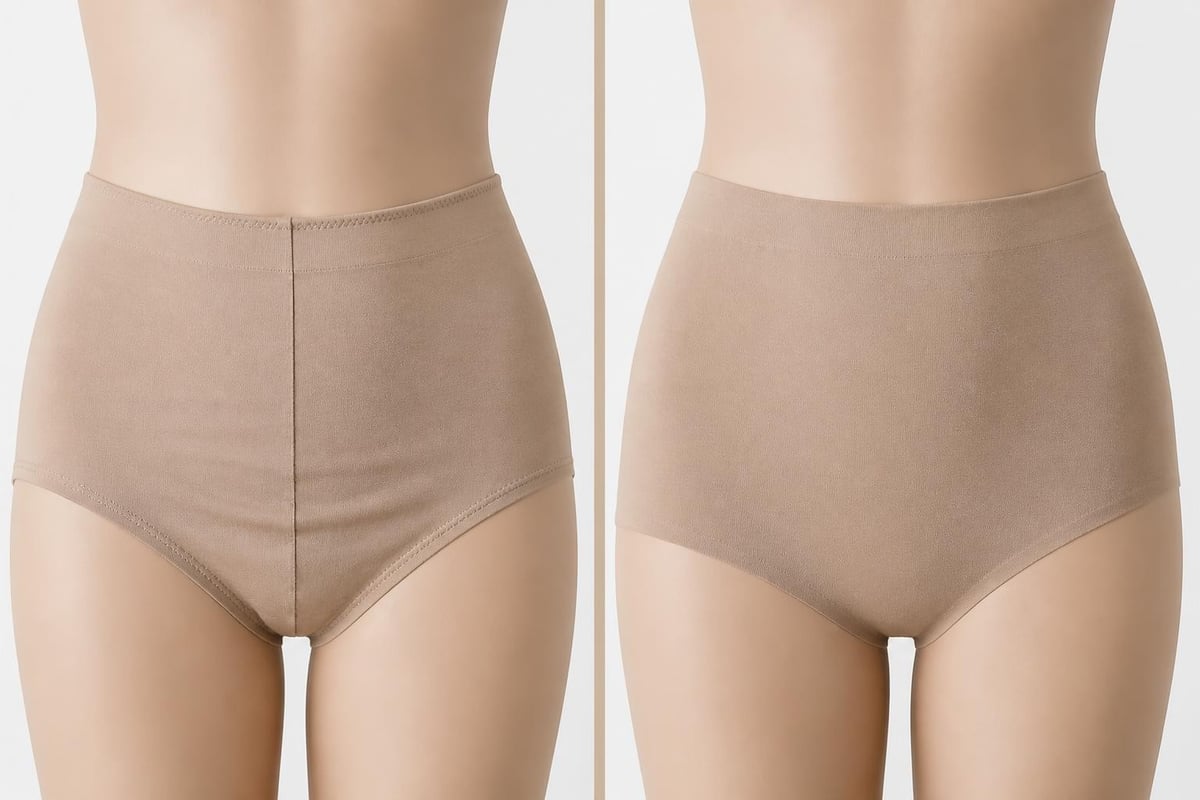
Traditional underwear and activewear feature front center seams that can actually create or worsen camel toe issues. These seams act like guides, directing fabric to bunch exactly where you don't want it. Seamless designs eliminate this problem from the start.
Modern seamless garments use circular knitting technology that creates the entire piece without any front seams. This construction method allows fabric to move naturally with your body rather than creating pressure points or tension lines. The result is a smooth appearance that remains consistent through all types of movement and activity.
Gusset Design Innovation
The gusset refers to the diamond-shaped piece of fabric in the crotch area of underwear and pants. Traditional gussets are often too narrow or positioned incorrectly, leading to bunching. Advanced designs feature wider gussets with curved edges that follow natural body contours.
Strategic gusset placement and width rank among the most effective design solutions for preventing camel toe in both underwear and outerwear. Look for gussets that are at least three inches wide and extend properly from front to back without creating additional seam lines.
Strategic Undergarment Selection
Your choice of underwear directly affects how your outer garments fit and appear. Traditional panties with thick elastic bands, prominent seams, or excess fabric can create bunching that telegraphs through even thick leggings or pants.
Specialized undergarments designed specifically to stop camel toe use several key features:
- Extra-wide front panels that distribute pressure
- Seamless edges that don't create lines
- Moisture-wicking fabrics that prevent bunching when wet
- Strategic padding or reinforcement in key areas
- Smooth, flat elastic that doesn't create ridges
The seamless camel toe thong represents this new generation of problem-solving underwear, combining comfort with functionality to address the root causes rather than just masking symptoms.
Thong vs. Full Coverage
Many women find that thongs actually help prevent camel toe in outer garments by eliminating excess fabric that can bunch. However, not all thongs are created equal. Look for styles with wider front panels and seamless construction rather than traditional string-style thongs that can create their own visibility issues.
Full coverage options work well when they feature the right construction details. The key is ensuring the leg openings and waistband don't create additional pressure points that push fabric into unwanted areas. Reading about anti-camel toe panty options can help you understand the specific features that make certain styles more effective than others.
Color and Pattern Strategies
While construction and fit remain paramount, color selection offers an additional tool in your prevention arsenal. Darker colors naturally camouflage any minor bunching that might occur, making them ideal for high-risk situations like intense workouts or all-day wear.
| Color Choice | Visibility Reduction | Best For | Considerations |
|---|---|---|---|
| Black | Highest | All activities | Shows lint and pet hair |
| Navy/Dark Gray | High | Professional settings | Versatile and sophisticated |
| Dark Prints | High | Casual wear | Patterns add visual distraction |
| Bright Solids | Low | Low-impact activities | Highlights any imperfections |
| Pastels | Lowest | Controlled environments | Most unforgiving option |
Fashion experts recommend darker tones specifically for fitted activewear and leggings where the risk of visible bunching is highest. This doesn't mean abandoning your favorite bright colors entirely, but rather being more selective about when and how you wear them.
Strategic patterns like geometric prints, camouflage designs, or busy florals also help disguise any slight imperfections in fit. The eye naturally focuses on the pattern rather than subtle fabric variations, providing an extra layer of visual security.
Activewear Specific Solutions
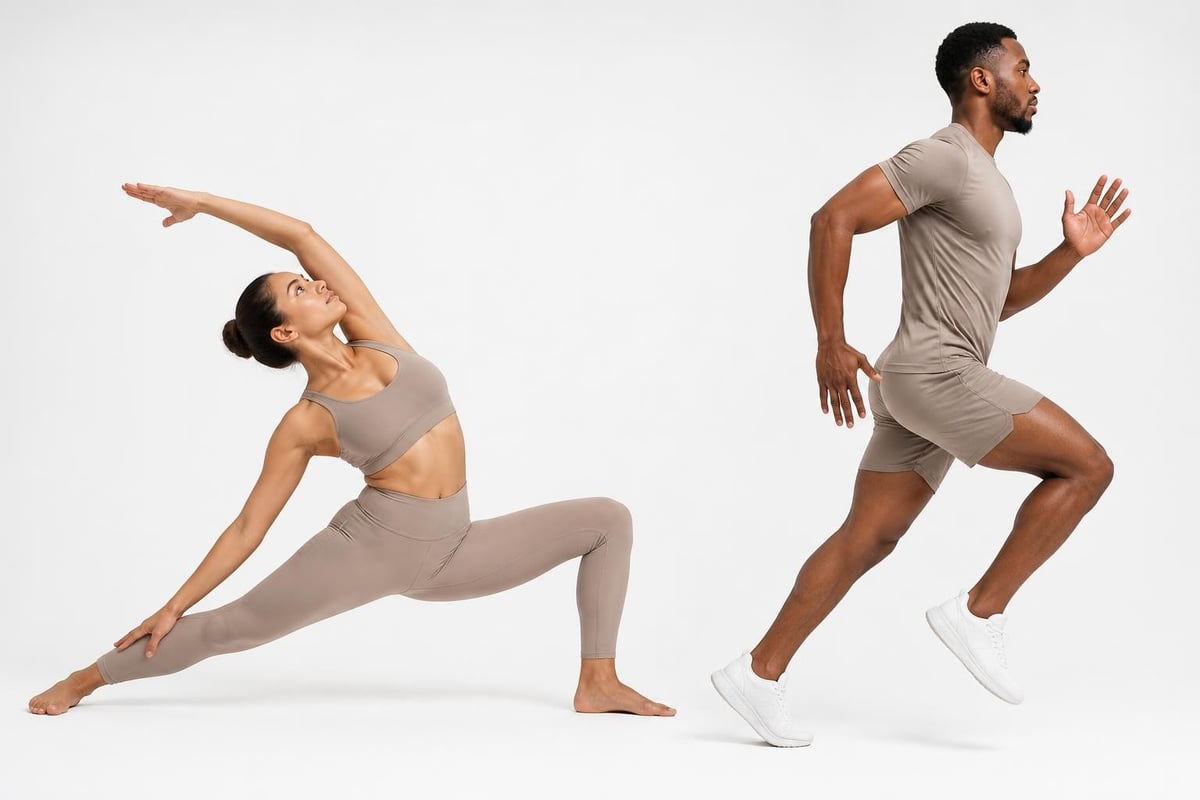
Athletic activities present unique challenges when trying to stop camel toe. Intense movement, sweat, and the need for compression all create conditions where bunching becomes more likely. Purpose-built activewear addresses these concerns through specialized design features.
Key activewear features that prevent camel toe:
- Reinforced front panels with double-layer construction
- Moisture-wicking fabrics that maintain their shape when wet
- Flatlock seaming that lies flat against skin
- Graduated compression that's strategic rather than uniform
- Extended gussets that move with your body
High-quality seamless lifting leggings incorporate these features while providing the support and compression athletes need. The key is finding that perfect balance between performance and appearance.
Yoga and High-Impact Activities
Yoga poses like downward dog, forward folds, and leg lifts can reveal fit issues that aren't apparent when standing normally. Test new activewear by performing a few common poses before wearing them to class. The fabric should stay smooth and in place without constant adjustment.
For high-impact activities like running or jumping, look for leggings with additional reinforcement and strategic seam placement that prevents shifting during movement. Some brands now offer complete two-piece sets designed to work together, ensuring both top and bottom maintain proper positioning during intense workouts.
Practical Accessories and Quick Fixes
When you're wearing a garment that isn't perfectly designed, several accessories and techniques can help minimize visibility issues in the moment. While these solutions don't address the root cause, they're useful for salvaging outfits you already own.
Panty Liners and Inserts
Adhesive panty liners or specialized camel toe prevention inserts add an extra layer of padding that smooths the front area. These accessories work particularly well with thinner leggings or workout pants that you can't replace immediately.
Position the liner slightly lower than you would for menstrual protection, focusing on the area where bunching typically occurs. Some prevention tips recommend using two liners in an overlapping pattern for maximum smoothing effect.
Layering Techniques
Strategic layering can disguise minor issues while you're out and about. Longer tops, tunics, or open cardigans draw the eye upward and provide visual coverage without requiring you to change your entire outfit. This works especially well in professional or casual settings where you have more styling flexibility than at the gym.
Long-Term Wardrobe Investment
Building a wardrobe that consistently prevents camel toe requires thoughtful investment in quality pieces designed with this concern in mind. While specialized garments may cost more upfront, they eliminate the frustration and constant worry that comes with poorly designed alternatives.
When shopping for new pieces, prioritize:
- Brands specializing in problem-solving design
- Technical fabrics engineered for smooth wear
- Seamless construction methods
- Proper size ranges that accommodate different body types
- Transparent return policies that let you test garments
Reading detailed information about no camel toe underwear helps you understand what features actually matter versus marketing claims that don't deliver real results. Focus on brands that explain their construction methods and design philosophy rather than those that simply claim to solve the problem.
Building a Capsule Collection
Consider creating a core collection of perfectly fitting undergarments in neutral colors that work with everything. Having five to seven pairs of anti-camel toe underwear you can rotate through ensures you always have the right foundation regardless of what outer garments you choose.
Pair these with two to three pairs of high-quality leggings or fitted pants in versatile colors. This focused approach costs less than buying numerous cheaper options that don't actually solve the problem.
Special Considerations for Different Body Types
Every body is unique, and what works perfectly for one person might not work for another. Understanding how your specific proportions influence fit helps you make smarter purchasing decisions and identify the most effective solutions for your needs.
Women with curvier figures often need wider gussets and more substantial fabric weight to prevent bunching. Athletic builds might benefit from styles with less compression in the center panel. Petite frames require careful attention to rise height to ensure proper positioning.
| Body Type | Primary Concerns | Recommended Features | Styles to Avoid |
|---|---|---|---|
| Curvy/Plus | Excess fabric tension | Wide gussets, reinforced panels | Ultra-thin fabrics, low-rise |
| Athletic/Muscular | Compression bunching | Graduated compression, seamless | Uniform compression, narrow cuts |
| Petite | Improper rise positioning | Adjustable features, shorter inseams | Standard rise heights |
| Tall | Limited coverage area | Extended gussets, longer rises | Regular length options |
Don't assume that general advice applies equally to everyone. Experiment with different styles and construction types to discover what works best for your unique proportions and lifestyle needs.
Maintenance and Care for Longevity
Even the best-designed garments can lose their effectiveness if not properly cared for. Elastic breaks down, fabrics thin out, and seams stretch when subjected to harsh washing and drying cycles. Extending the life of your camel toe prevention garments protects your investment and maintains their functionality.
Essential care guidelines:
- Wash in cold water on gentle cycles
- Use mild detergent without fabric softener
- Air dry whenever possible
- Store flat or folded, not hanging
- Replace garments when elastic loses firmness
Fabric softener actually coats fibers in a way that reduces their ability to maintain shape and structure. While your clothes might feel softer initially, they'll lose the technical properties that prevent bunching. Similarly, high heat from dryers breaks down elastic fibers, causing waistbands and leg openings to stretch out prematurely.
Inspect your undergarments and activewear regularly for signs of wear. Once you notice thinning fabric, stretched elastic, or loose seams, it's time to replace that piece. Continuing to wear compromised garments defeats the purpose of investing in quality prevention solutions.
Professional and Social Settings
The psychological impact of worrying about camel toe can be just as significant as the physical visibility. Constant checking, adjusting, and self-consciousness detract from your ability to focus on work, enjoy social activities, or fully engage in whatever you're doing.
Professional environments present particular challenges. You want to appear polished and put-together, yet many office-appropriate outfits include fitted pants or pencil skirts that create perfect conditions for bunching. Business casual dress codes often require the very garments that pose the highest risk.
Choosing quality foundational pieces eliminates this mental burden entirely. When you know your undergarments and clothing are designed to stay smooth regardless of movement, you can focus on your presentation, your work, or your social interactions without that nagging worry in the back of your mind.
Confidence Through Prevention
Addressing wardrobe concerns proactively rather than reactively changes your entire relationship with getting dressed. Instead of hoping your outfit won't cause problems, you know it won't because you've invested in solutions that actually work.
This confidence extends beyond just preventing camel toe. When you understand how construction, fabric, and fit work together, you make better purchasing decisions across your entire wardrobe. You become a more informed consumer who can identify quality and avoid marketing gimmicks that promise results they can't deliver.
Preventing camel toe effectively requires understanding the interplay between fabric selection, proper fit, seamless construction, and specialized undergarment design. By focusing on these key elements rather than quick fixes or temporary solutions, you can build a wardrobe foundation that delivers consistent confidence in any situation. Ambar Wear specializes in seamless, comfortable undergarments and activewear engineered specifically to eliminate camel toe, sweat patches, and panty lines, offering women a reliable solution that combines technical innovation with everyday wearability.