

Finding the right panty size can transform your daily comfort and confidence. Many women struggle with ill-fitting undergarments that cause discomfort, visible lines, or unwanted bunching throughout the day. Understanding how panty sizes work and knowing how to measure yourself accurately ensures you choose underwear that feels invisible while providing the support and coverage you need. This comprehensive guide walks you through everything you need to know about sizing, from taking proper measurements to navigating international size charts.
Understanding How Panty Sizes Work
Panty sizes typically range from extra small (XS) to extra large (XL) and beyond, with numerical sizing systems varying by country and manufacturer. The sizing framework relies primarily on two key measurements: your natural waist and hip circumference.
Standard US sizing typically follows this structure:
- Extra Small (XS): 32-34 inch hips
- Small (S): 34-36 inch hips
- Medium (M): 36-38 inch hips
- Large (L): 38-40 inch hips
- Extra Large (XL): 40-42 inch hips
However, these measurements can shift between brands, making it essential to consult specific size charts before purchasing. The international panty size conversion chart helps translate between US, UK, European, and other international sizing systems.
The Relationship Between Body Shape and Size
Your body shape influences how different panty sizes fit beyond just measurements. Two women with identical hip measurements may require different sizes based on their body proportions, height, and where they carry weight.
Understanding this variation explains why trying different sizes within the same brand sometimes yields better results. Some manufacturers design their products with specific body types in mind, offering cuts that accommodate different proportions.
How to Measure for Perfect Panty Sizes
Accurate measurements form the foundation for finding your ideal panty size. Taking measurements incorrectly can lead to choosing sizes that feel too tight, too loose, or create unwanted issues like visible lines or discomfort.
Step-by-Step Measuring Guide
You'll need a flexible measuring tape and a mirror for best results:
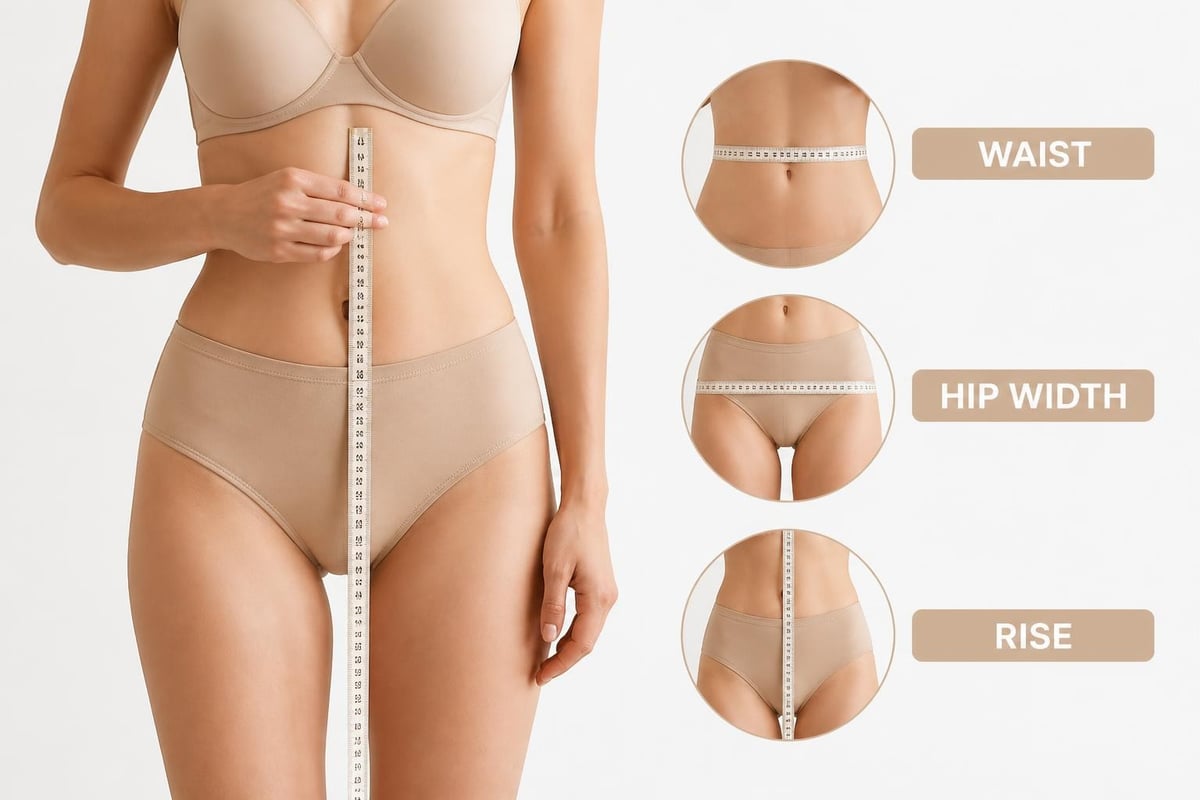
- Measure your natural waist by wrapping the tape around the narrowest part of your torso, typically just above your belly button
- Measure your hips at the fullest part, usually 7-9 inches below your natural waist
- Record both measurements in inches and compare them to size charts
- Take measurements while standing naturally without sucking in or pushing out
- Keep the tape snug but not tight enough to compress your skin
The detailed measuring guide from Hint World provides visual references that clarify exactly where to place your measuring tape for the most accurate results.
| Measurement Type | Where to Measure | Common Mistakes |
|---|---|---|
| Natural Waist | Narrowest torso point | Measuring at belly button |
| Hip Circumference | Fullest hip area | Measuring too high |
| Rise (optional) | Crotch to waistband | Not accounting for preference |
When to Re-Measure
Your body changes over time due to weight fluctuations, pregnancy, aging, and lifestyle shifts. Re-measuring every six months ensures your panty sizes remain accurate, especially if you notice your current underwear feeling different than when you first purchased it.
Decoding Different Sizing Systems
International shopping requires understanding how panty sizes translate across different countries and regions. What's labeled as a medium in the United States might be a size 3 in France or a size 12 in the UK.
Common international size equivalents:
- US Small = UK 10 = EU 38 = FR 2
- US Medium = UK 12 = EU 40 = FR 3
- US Large = UK 14 = EU 42 = FR 4
The comprehensive size chart from Groupon breaks down these conversions in detail, helping you shop confidently from international retailers. This becomes particularly important when ordering from brands that manufacture overseas or shopping while traveling abroad.
Numerical vs. Letter Sizing
Some brands use numerical systems (1-7) while others stick with traditional letter sizes (XS-XL). Understanding both systems prevents confusion when comparing options across different manufacturers.
Numerical sizing often provides more granular options, with half sizes available for those who fall between standard letter sizes. This precision helps women who consistently find small too tight but medium too loose.
Brand-Specific Size Variations
Even with standardized measurements, panty sizes can vary significantly between brands. One company's medium might fit like another's large, creating frustration for shoppers who assume consistency across their wardrobe.
Why Sizes Differ Between Brands
Manufacturing standards, target demographics, and design philosophies all influence how brands interpret sizing. Companies focusing on athletic wear often cut sizes differently than those specializing in everyday comfort or luxury lingerie.
Key factors affecting brand sizing:
- Target market body types and regional preferences
- Fabric stretch and recovery properties
- Design intended for specific activities or occasions
- Manufacturing location and sizing conventions
- Brand philosophy around inclusive sizing
The multi-brand size chart resource compares sizing across popular underwear brands, revealing these discrepancies and helping you make informed choices when trying new companies.
Choosing the Right Size for Different Styles
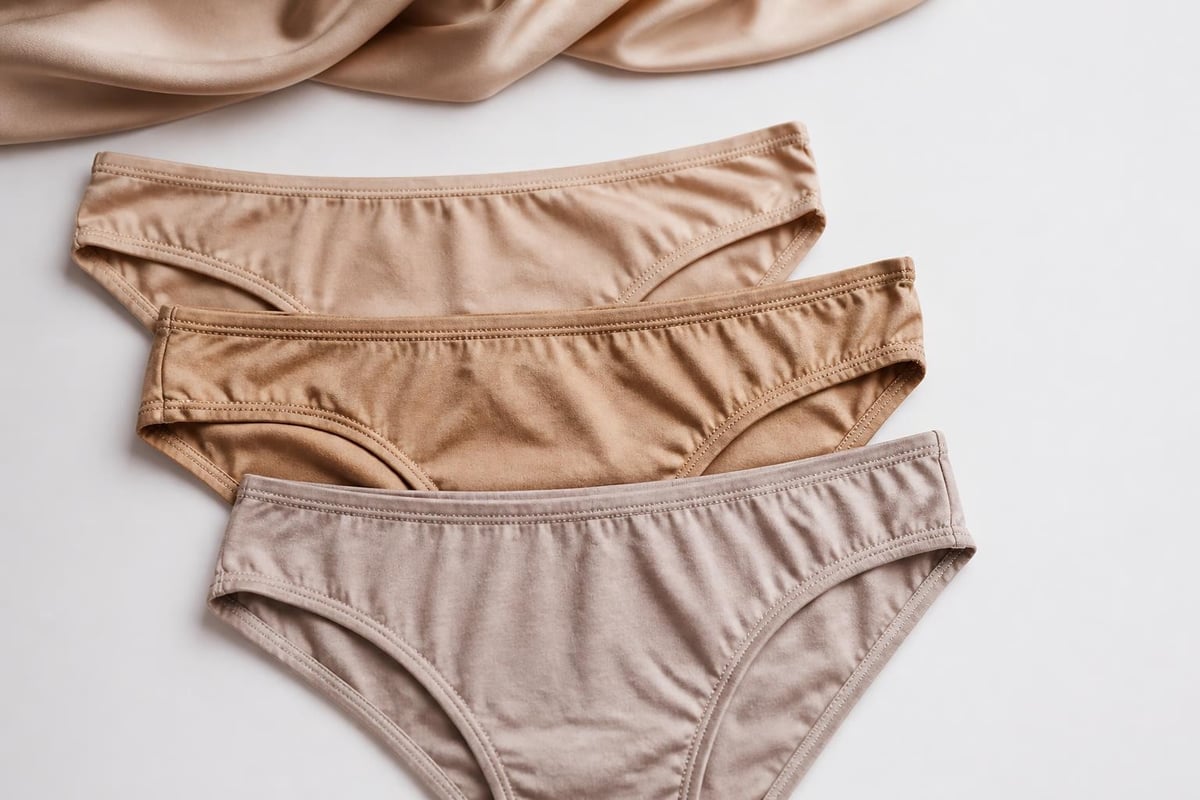
The style of underwear you choose impacts which size works best, even when your measurements stay constant. Thongs, bikinis, briefs, and boyshorts all fit differently due to their coverage and construction.
Thongs and Low-Rise Styles
Thongs typically require careful sizing because they have minimal fabric and rely on precise fit to stay comfortable. Too small creates digging and discomfort, while too large leads to constant adjustment throughout the day.
For products like the seamless camel toe thong or invisible camel toe thong, choosing the correct size ensures the specialized design features work as intended. These styles eliminate common concerns while maintaining comfort during extended wear.
Full Coverage and High-Rise Options
Full-coverage styles offer more forgiveness in sizing, but choosing too large can create bunching under clothing. High-rise options require considering both hip and waist measurements since they sit higher on your torso.
The tummy control camel toe proof thong combines shaping features with specialized design, making proper sizing crucial for achieving both the smoothing effect and the camel toe prevention.
| Style Type | Sizing Consideration | Best For |
|---|---|---|
| Thongs | Size down if between sizes | Minimal visible lines |
| Bikini | True to size | Everyday comfort |
| Brief | Size up for comfort | Full coverage preference |
| Boyshorts | Consider hip measurement primarily | Athletic activities |
| High-rise | Measure waist and hips | Shaping and support |
Common Sizing Mistakes and Solutions
Even with proper measurements, women often make predictable mistakes when selecting panty sizes. Recognizing these errors helps you avoid discomfort and find better-fitting options.
Mistake 1: Sizing Based on Clothing Size
Your dress or pants size doesn't directly correlate to your panty size. A woman who wears size 8 jeans might be a small, medium, or large in underwear depending on the brand and her body proportions.
Always consult the specific panty size guide for each brand rather than assuming your general clothing size translates accurately. This single change eliminates the majority of fit issues.
Mistake 2: Ignoring Fabric Content
Different fabrics behave differently on the body. Cotton offers minimal stretch, while modal and microfiber blends provide more give. Materials with higher elastane content stretch more over time, potentially requiring a smaller initial size.
Fabric considerations for sizing:
- 100% cotton: Order true to size or size up slightly
- Microfiber blends: Usually true to size with good recovery
- Modal fabrics: Soft with moderate stretch, true to size
- High-stretch synthetics: May size down if between sizes
- Seamless construction: Often more forgiving across size range
Mistake 3: Not Accounting for Activity Level
Panty sizes that work for office wear might not suit your workout routine. Active women often prefer different sizing for athletic activities versus casual wear, with many opting for higher compression and more secure fits during exercise.
Products designed for active lifestyles, like the high-rise seamless lifting leggings and matching two-piece sets, coordinate sizing across pieces for optimal performance and comfort during movement.
Size Charts: Reading and Interpreting
Size charts contain valuable information beyond basic measurements, including rise options, style-specific guidance, and fit recommendations. Learning to interpret these charts thoroughly improves your selection accuracy.
Understanding Chart Components
Most comprehensive size charts include waist measurements, hip measurements, and sometimes weight ranges. The La Vie en Rose size chart exemplifies detailed sizing information that accounts for multiple body metrics.
Essential chart elements to review:
- Measurement ranges for each size
- International size conversions
- Fit notes (runs small, true to size, generous)
- Style-specific sizing recommendations
- Between-size guidance
When to Size Up or Down
Between sizes, the general rule suggests sizing up for comfort-focused styles and sizing down for seamless or shaping styles. However, this guideline shifts based on fabric content and personal preference for fit.
Women who prioritize invisible wear under clothing often size down to minimize fabric bulk, while those focused purely on comfort typically size up. Neither approach is wrong, as long as the resulting fit doesn't create health issues like restricted circulation or excessive rubbing.
Special Sizing Considerations
Certain life stages and body characteristics require additional attention when selecting panty sizes. Pregnancy, postpartum recovery, and menstruation all temporarily or permanently affect your sizing needs.
Maternity and Postpartum Sizing
During pregnancy, your body changes rapidly, requiring frequent size reassessments. Most women need to size up at least once during pregnancy, with some requiring multiple adjustments as their body expands.
Postpartum bodies don't immediately return to pre-pregnancy sizes. Many women find they need different sizes or styles than before pregnancy, even after returning to their previous weight. The distribution of weight and changes in body shape influence which panty sizes provide the best fit and comfort.
Period-Specific Sizing
Bloating during menstruation makes some women prefer sizing up in underwear during their cycle. Specialized menstrual panties often run slightly larger to accommodate absorbent materials and provide comfortable coverage during this time.
Having multiple sizes in your drawer for different times of the month isn't excessive, it's practical planning that ensures consistent comfort throughout your cycle.
Maintaining Proper Fit Over Time
Even perfectly sized underwear can begin fitting poorly if not cared for properly. Washing, drying, and storage methods all impact how long your panties maintain their intended size and shape.
Washing Best Practices
High heat damages elastic fibers, causing them to lose their stretch and recovery properties. This degradation makes properly sized underwear feel looser and less supportive over time.
Extend the life of your correctly sized underwear:
- Wash in cold or lukewarm water
- Use gentle detergents without fabric softeners
- Air dry or use low heat settings
- Separate delicates from heavy items
- Replace underwear showing visible elastic wear
When to Replace and Re-Evaluate
Most underwear should be replaced every 6-12 months, depending on wear frequency and care quality. Signs that your panty sizes need reassessment include constant adjustment throughout the day, visible elastic deterioration, or changes in how they feel compared to when new.
Seasonal shopping provides natural opportunities to reassess your sizing needs, measure yourself fresh, and replace worn items with properly fitting alternatives.
Finding Your Perfect Fit in 2026
The underwear industry has evolved significantly, with more brands offering extended size ranges and styles designed for diverse body types. This expansion makes finding your perfect panty sizes easier than ever, provided you have accurate measurements and understand your preferences.
Technology also plays a growing role, with some brands offering virtual fitting tools and AI-powered size recommendations based on customer data. While these tools provide helpful starting points, they work best when combined with your own measurements and understanding of how different styles fit your unique body.
Building a Well-Sized Wardrobe
Rather than purchasing many pairs in one size, consider buying 2-3 sizes initially to test fit at home. This strategy works particularly well when trying new brands or styles you haven't worn before.
Keep detailed notes about which sizes work in which brands and styles. This personal database becomes invaluable as you expand your underwear wardrobe, saving time and reducing returns when shopping online.
The comprehensive size chart guide offers additional resources for building this knowledge base, including printable measurement guides and brand comparison tools.
Understanding panty sizes empowers you to choose underwear that enhances rather than hinders your daily comfort and confidence. By measuring accurately, consulting detailed size charts, and recognizing how different styles and brands interpret sizing, you can build a wardrobe of perfectly fitting undergarments. Ambar Wear specializes in seamless, comfortable designs that address common fit concerns while providing flattering options for all body types, ensuring you feel confident and comfortable in your everyday wear. Their thoughtfully designed collection eliminates issues like camel toe and visible lines while maintaining the perfect fit you deserve.