

Finding the right fit in underwear transforms your daily comfort and confidence. Understanding panties sizes for ladies isn't just about picking a small, medium, or large-it involves knowing your measurements, understanding different sizing systems, and recognizing how various styles fit differently. Whether you're shopping for everyday comfort, athletic performance, or seamless solutions that prevent common issues like panty lines and camel toes, getting your size right makes all the difference. This comprehensive guide walks you through everything you need to know about women's underwear sizing in 2026, from taking accurate measurements to navigating international size charts.
Understanding Panty Sizing Systems
Women's underwear sizing varies significantly across brands, countries, and even style types. The most common sizing system in the United States uses numerical sizes (4-10) or letter sizes (XS-XXL), but many women find themselves confused when these systems don't align with their dress sizes or when shopping from international brands.
Numerical Versus Letter Sizing
The numerical sizing system typically ranges from 4 to 10, with some brands extending to 12 or 14. These numbers generally correspond to dress sizes, though not always perfectly. A size 6 panty usually fits someone who wears a size 6 dress, but body proportions matter significantly.
Letter sizing offers broader categories:
- XS (Extra Small): Typically fits sizes 0-2
- S (Small): Typically fits sizes 4-6
- M (Medium): Typically fits sizes 8-10
- L (Large): Typically fits sizes 12-14
- XL (Extra Large): Typically fits sizes 16-18
- XXL: Typically fits sizes 20-22
The comprehensive US panty size chart provides detailed measurements that help bridge these sizing systems with actual body measurements.
International Size Conversions
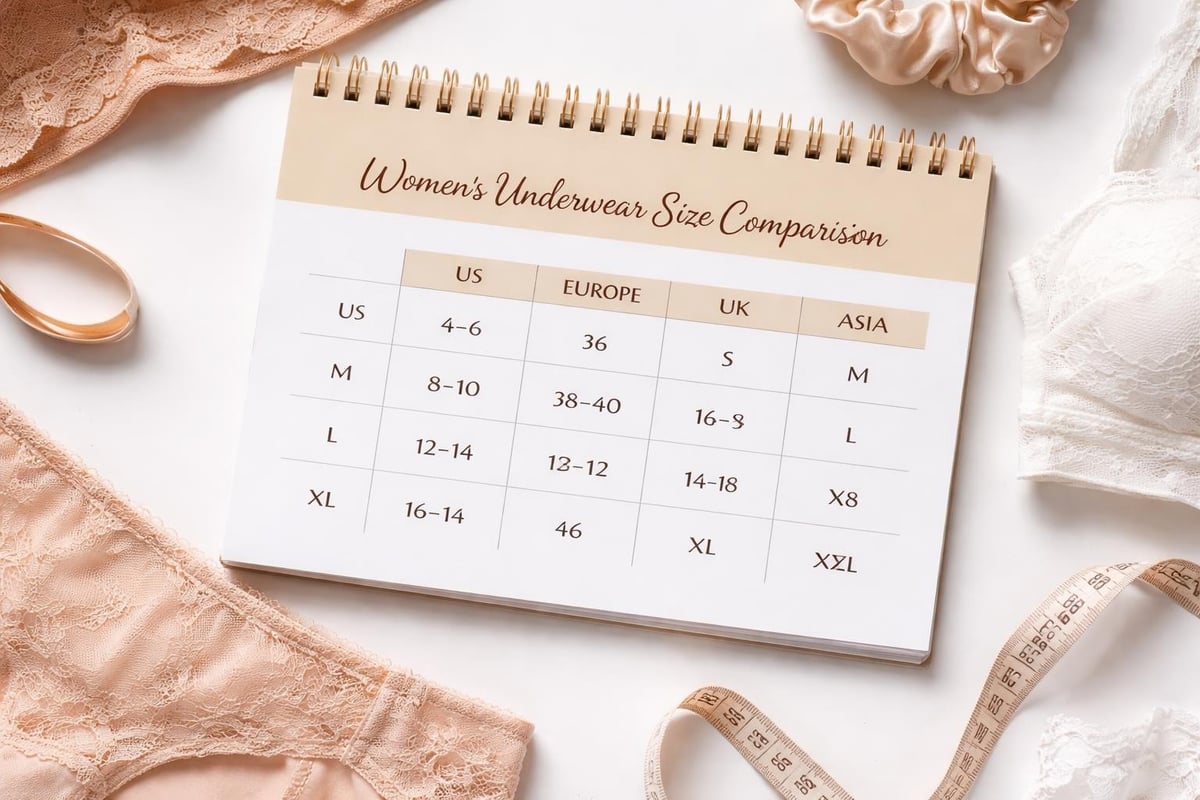
Shopping from international brands requires understanding different sizing conventions. European sizes run differently than US sizes, and Asian sizing tends to run smaller overall. An international panty size conversion chart becomes essential when ordering from brands based in different countries.
| US Size | UK Size | EU Size | AU Size | FR Size |
|---|---|---|---|---|
| 4 | 8 | 36 | 8 | 38 |
| 6 | 10 | 38 | 10 | 40 |
| 8 | 12 | 40 | 12 | 42 |
| 10 | 14 | 42 | 14 | 44 |
| 12 | 16 | 44 | 16 | 46 |
Taking Accurate Measurements
Proper sizing for panties sizes for ladies starts with accurate body measurements. Two primary measurements determine your underwear size: waist and hips. Taking these measurements correctly ensures you select the right size every time.
How to Measure Your Waist
Your natural waist sits at the narrowest part of your torso, typically above your belly button and below your ribcage. Use a soft measuring tape and follow these steps:
- Stand straight with your feet together
- Wrap the tape around your natural waist
- Keep the tape parallel to the floor
- Don't pull tight-the tape should rest comfortably
- Take the measurement after exhaling normally
Record this measurement in inches for US sizing purposes. Most women find their natural waist measures 2-4 inches smaller than their hip measurement.
Measuring Your Hips
Hip measurement determines how panties sizes for ladies fit across the fullest part of your lower body. This measurement often matters more than waist for underwear fit since most styles sit at or below the hip bones.
The panty size guide from La Vie en Rose includes helpful visual guides for taking hip measurements accurately. Measure around the fullest part of your hips and buttocks, keeping the tape parallel to the ground.
Pro tip: Take measurements while wearing thin clothing or underwear you already own that fits well. Thick fabrics can add inches and throw off your sizing.
Size Charts and Fit Guidelines
Once you have your measurements, comparing them to size charts helps you select the correct size. However, understanding that different underwear styles fit differently matters just as much as the numbers.
Standard Size Chart Reference
| Size | Waist (inches) | Hips (inches) | Dress Size |
|---|---|---|---|
| XS/4 | 24-25 | 34-35 | 0-2 |
| S/6 | 26-27 | 36-37 | 4-6 |
| M/8 | 28-29 | 38-39 | 8-10 |
| L/10 | 30-31 | 40-41 | 12-14 |
| XL/12 | 32-33 | 42-43 | 16-18 |
This chart represents typical sizing, but always check individual brand charts. The Vanity Fair Lingerie size guide offers brand-specific measurements that may vary slightly from these standards.
How Different Styles Fit
Not all underwear styles fit the same way, even in the same size. Understanding these differences helps when selecting panties sizes for ladies across various styles:
Bikini and Hipster Styles: Sit lower on the hips, typically 2-3 inches below the natural waist. These styles work best when fitted snugly at the hips without digging in. When choosing seamless underwear in these styles, proper hip measurement becomes critical for preventing visible lines.
High-Waist and Full Brief: Sit at or above the natural waist. These require accurate waist measurements and often benefit from sizing up if you're between sizes, as they cover more area and need comfort room.
Thong Styles: Minimal coverage means fit precision matters enormously. Thong underwear should fit snugly at the waist without rolling and sit comfortably at the hips without cutting into skin. Many women find thongs run small and prefer sizing up.
Sizing for Specific Body Concerns
Modern underwear design addresses specific fit challenges that affect comfort and appearance. Understanding panties sizes for ladies means considering not just measurements but also how underwear performs during wear.
Preventing Common Fit Issues
Several fit problems plague women regardless of whether they choose the "right" size according to charts. The cut, fabric, and construction matter as much as dimensions.
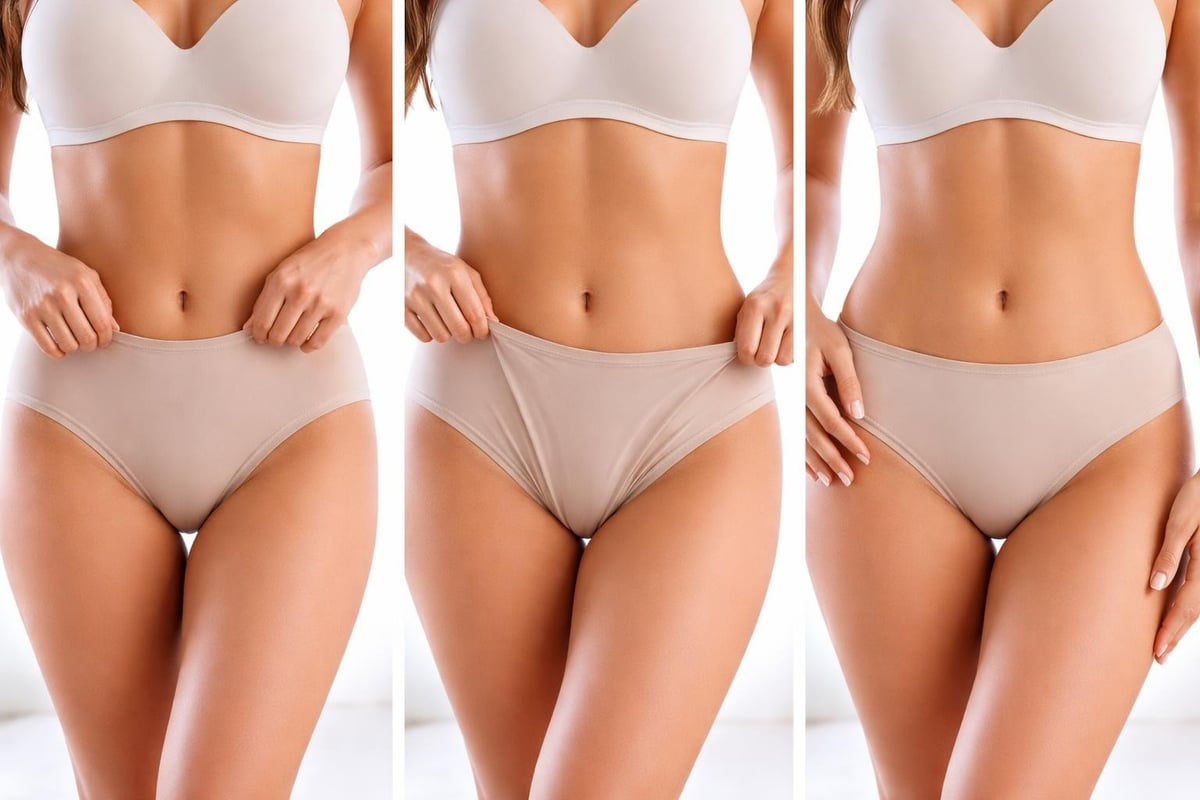
Camel toe concerns often relate more to underwear construction than sizing alone. Anti-camel toe underwear incorporates specialized design features like reinforced gussets and strategic seaming that work across multiple sizes. Similarly, camel toe proof underwear uses fabric technology and paneling rather than just sizing adjustments.
Athletic and Active Wear Sizing
Active women need underwear that moves with them without shifting, bunching, or causing discomfort. Sizing for athletic underwear often differs slightly from everyday wear sizing.
- Compression considerations: Athletic underwear may run smaller to provide support
- Moisture-wicking needs: Proper fit ensures fabric contacts skin for sweat management
- Movement accommodation: Styles should fit snugly without restricting motion
The Bhumi Organic size guide includes specific recommendations for active wear that account for these performance needs.
When to Size Up or Down
Size charts provide guidelines, but individual preferences and specific circumstances sometimes call for adjusting from your measured size. Knowing when to deviate from standard sizing improves comfort significantly.
Reasons to Consider Sizing Up
Some situations benefit from choosing the next size larger than measurements indicate:
- Between sizes: Always size up when your measurements fall between two sizes
- High-waist styles: Extra coverage often feels more comfortable with additional room
- Sensitive skin: Larger sizes reduce pressure points and elastic contact
- Bloating concerns: Hormonal fluctuations cause temporary size changes
- Post-pregnancy: Bodies need time to adjust after childbirth
Brands specializing in comfort-first design, like those offering seamless undergarments, often accommodate size flexibility better than traditional constructed underwear.
When Smaller Works Better
Sizing down makes sense in specific scenarios:
- Thongs and minimal styles: Less fabric means fit precision matters more
- Under fitted clothing: Yoga pants and leggings demand underwear that doesn't bunch
- Shapewear-hybrid styles: Compression features require snug fit to function
- Low-rise styles: Smaller sizes prevent gapping at the waist
The women's underwear size guide from Shinesty emphasizes the importance of trying different sizes in various styles to understand your personal preferences.
Sizing Across Life Changes
Women's bodies change throughout life due to age, fitness, pregnancy, and health factors. Understanding how to adjust panties sizes for ladies during these transitions prevents discomfort and maintains confidence.
Pregnancy and Postpartum Sizing
Pregnancy dramatically changes body proportions, often in unexpected ways. Hip measurements increase more than waist measurements in many women, shifting their size category entirely.
During pregnancy:
- First trimester: Many women maintain regular sizes
- Second trimester: Most need to size up 1-2 sizes
- Third trimester: Comfort often requires 2-3 sizes larger than pre-pregnancy
Postpartum period:
- First six weeks: Body gradually returns to smaller sizes
- Six weeks to six months: Hormone changes affect sizing
- Beyond six months: New "normal" size may differ from pre-pregnancy
Weight Fluctuations
Weight changes of 10 pounds or more typically require re-measuring and potentially adjusting underwear sizes. Regular measurement checks every 3-6 months help maintain proper fit as body composition changes.
| Weight Change | Typical Size Impact |
|---|---|
| 5-10 lbs | May need adjustment in fitted styles |
| 10-15 lbs | Usually requires one size change |
| 15-25 lbs | Typically shifts 1-2 sizes |
| 25+ lbs | Often changes 2-3+ sizes |
Brand-Specific Sizing Variations
Different manufacturers interpret sizing differently, creating frustration when a size 8 in one brand fits perfectly while a size 8 elsewhere doesn't work at all. Understanding these variations helps when exploring panties sizes for ladies across multiple brands.
Luxury Versus Budget Brands
Higher-end underwear brands often use European sizing or proprietary sizing systems. These brands also tend to offer more size options, including half sizes or more granular XS/S/M/L divisions.
Budget-friendly brands typically use broader size categories with less precision in measurements. This doesn't mean lower quality necessarily, but it does mean more variation between the smallest and largest measurements that fit into each size category.
Specialty Brands and Sizing
Brands focusing on specific solutions often approach sizing uniquely. Companies specializing in camel toe prevention engineer their sizing to optimize the protective features of their designs, sometimes recommending different sizes than your typical underwear size.
The ExOfficio women's underwear size guide demonstrates how travel and performance-focused brands prioritize fit elements that differ from fashion underwear priorities.
Fabric and Stretch Considerations
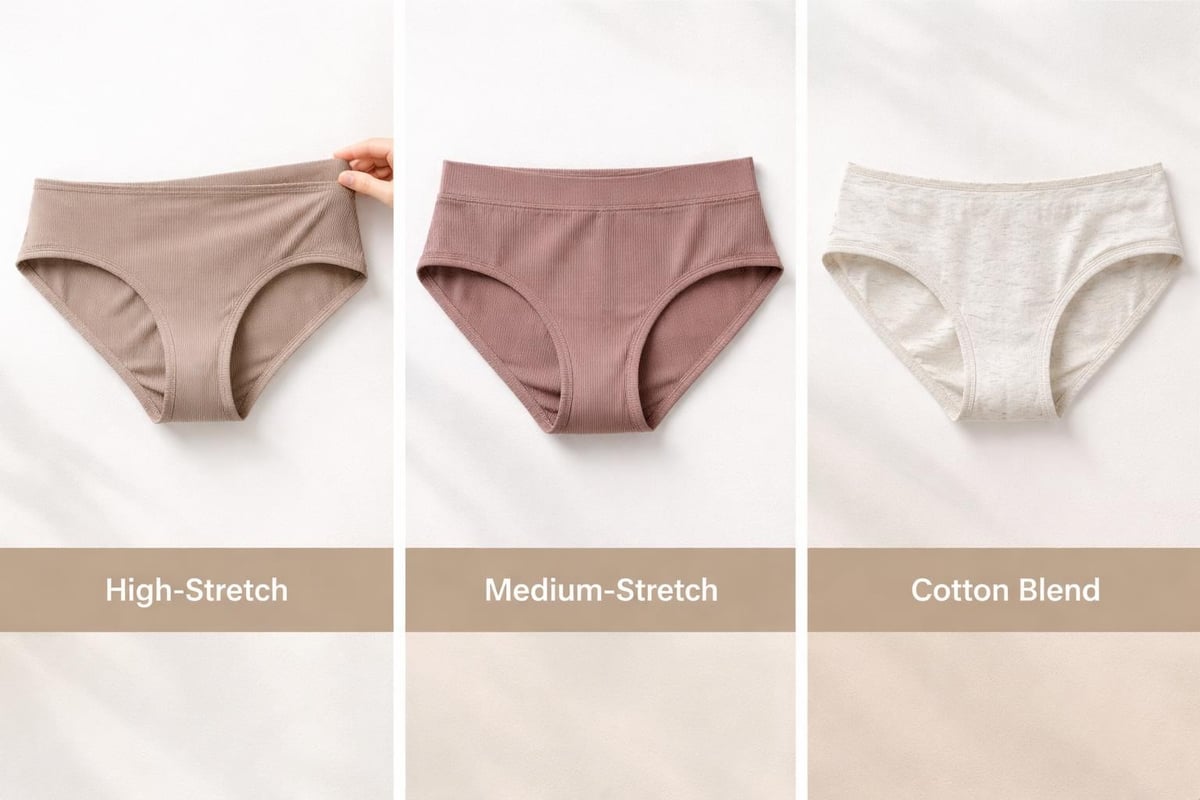
Material composition significantly impacts how panties sizes for ladies actually fit on the body. Two identical size 8 panties made from different fabrics can fit completely differently.
Understanding Fabric Stretch
High-stretch fabrics (spandex blends, elastane):
- Accommodate broader size ranges per labeled size
- Mold to body contours
- May feel tighter initially but stretch with wear
- Often allow sizing down for sleeker fit
Low-stretch fabrics (cotton, modal):
- Require more precise sizing
- Provide structure and support
- Maintain shape better over time
- Best fitted true to measurements or sized up
No-stretch fabrics (silk, satin):
- Demand exact sizing
- Offer luxury feel but less forgiveness
- Often run smaller than stretch equivalents
- Typically require trying before buying
Seamless Technology
Modern seamless construction changes the sizing game entirely. Seamless underwear designs use bonded edges instead of sewn seams, creating underwear that disappears under clothing. This technology often allows one size to fit a broader range of measurements comfortably.
Shopping Tips for Online Purchases
Buying underwear online eliminates the ability to try before purchasing, making understanding panties sizes for ladies even more critical. Smart shopping strategies reduce returns and increase satisfaction with online underwear purchases.
Reading Size Reviews
Customer reviews provide real-world sizing information that charts can't capture. Look for reviews from people with similar measurements to yours and note comments about:
- Whether items run large or small
- How sizes compare to other brands
- Fit differences between styles
- Post-wash sizing changes
Understanding Return Policies
Even with perfect measurements, sometimes sizing doesn't work. Before purchasing, verify:
- Return window duration (30, 60, 90 days)
- Whether original packaging must be intact
- Hygiene seal requirements
- Return shipping cost responsibility
- Refund versus store credit policies
Many specialty underwear stores offer generous return policies because they understand the sizing complexity in women's intimate apparel.
Multi-Pack and Set Considerations
Buying underwear in multi-packs or coordinated sets with bras requires additional sizing awareness since different pieces may fit differently even when labeled the same size.
Coordinated Set Sizing
When purchasing bra and panty sets, remember that bra sizing follows completely different measurement systems. Your panty size provides no indication of your bra size. A woman who wears size medium panties might wear anywhere from a 32A to a 40DD bra.
Set purchasing tips:
- Verify each piece's individual size chart
- Consider buying separates if measurements fall in different size categories
- Look for brands offering mix-and-match sizing options
- Read reviews specifically about set fit consistency
Value Pack Sizing
Multi-packs typically come in single sizes, so accuracy matters more than when buying individual pairs. The value of buying 5-10 pairs at once disappears if they don't fit properly.
Maintaining Proper Fit Over Time
Underwear doesn't maintain its original fit forever. Elastic degrades, fabrics stretch, and proper care extends the life and fit of your undergarments.
Care Instructions Impact
Following care guidelines helps panties sizes for ladies maintain their intended fit:
Washing recommendations:
- Cold water preserves elastic better than hot
- Gentle cycles reduce fabric stress
- Hand washing extends garment life significantly
- Separating delicates prevents snags and pulls
Drying considerations:
- Air drying maintains size and shape best
- Low heat tumble drying acceptable for cotton blends
- High heat destroys elastic and shrinks fabrics
- Flat drying prevents stretching from hanging weight
When to Replace Underwear
Even well-cared-for underwear eventually needs replacement. Signs that sizing and fit have degraded include:
- Elastic waistbands that no longer snap back
- Fabric that's become thin or transparent
- Stretched-out leg openings
- Bands that roll or fold during wear
- Loss of shape after washing
Most underwear maintains proper fit for 6-12 months with regular wear and proper care.
Building a Versatile Size-Appropriate Wardrobe
Smart underwear wardrobes include different sizes for different purposes. Many women benefit from having sizes that serve different needs rather than assuming one size works for everything.
The Core Collection Strategy
Everyday comfort (main size based on measurements):
- 5-7 pairs in your standard size
- Styles that work under most clothing
- Comfortable enough for all-day wear
- Replace every 6-8 months
Special occasion (possibly sized differently):
- 2-3 pairs for fitted clothing
- May size down for smoothness
- No panty line options
- Reserved for specific outfits
Athletic and active (performance-based sizing):
- 3-5 pairs for workouts
- May differ from everyday size
- Moisture-wicking priorities
- Higher replacement frequency due to intense use
Comfort and relaxation (often sized up):
- 3-4 pairs for lounging
- Prioritize softness over fit precision
- Period-friendly options
- Longer wear life due to gentler use
Getting panties sizes for ladies right transforms daily comfort and confidence while preventing common fit issues that plague poorly-sized underwear. By taking accurate measurements, understanding different sizing systems, and recognizing how various styles and fabrics affect fit, you can select underwear that performs beautifully across all your activities. When you're ready to experience underwear designed specifically to eliminate camel toes, visible lines, and discomfort while providing a flattering fit for your body, explore the thoughtfully engineered collection at Ambar Wear, where seamless comfort meets sophisticated design for modern women.