
The no underwear no bra movement has gained significant traction in recent years, representing more than just a fashion statement. For many women, going braless and forgoing traditional underwear reflects a desire for bodily autonomy, enhanced comfort, and freedom from restrictive garments. Yet this lifestyle choice also raises practical questions about hygiene, support, workplace appropriateness, and skin health. As we navigate 2026, the conversation has evolved beyond simple rebellion against conventional lingerie toward finding intelligent solutions that honor both comfort and function.
Understanding the No Underwear No Bra Lifestyle
The decision to go without traditional undergarments stems from multiple motivations. Some women cite physical discomfort from underwires, tight elastic bands, and restrictive fabrics. Others point to the psychological relief of shedding garments they perceive as unnecessary or socially imposed. The movement gained momentum through social media platforms where influencers and everyday users shared their experiences of ditching bras and underwear.
Common reasons women choose this lifestyle include:
- Relief from skin irritation and contact dermatitis caused by fabric friction
- Elimination of visible panty lines and bra straps
- Increased breathability and reduced moisture buildup
- Personal comfort during rest and relaxation
- Challenge to societal expectations about women's bodies
The braless trend specifically has roots in feminist movements dating back decades, but today's iteration focuses equally on personal wellness and comfort. Women report feeling liberated from the daily ritual of adjusting straps, managing underwires, and conforming to conventional standards of modesty.
Physical Comfort Considerations
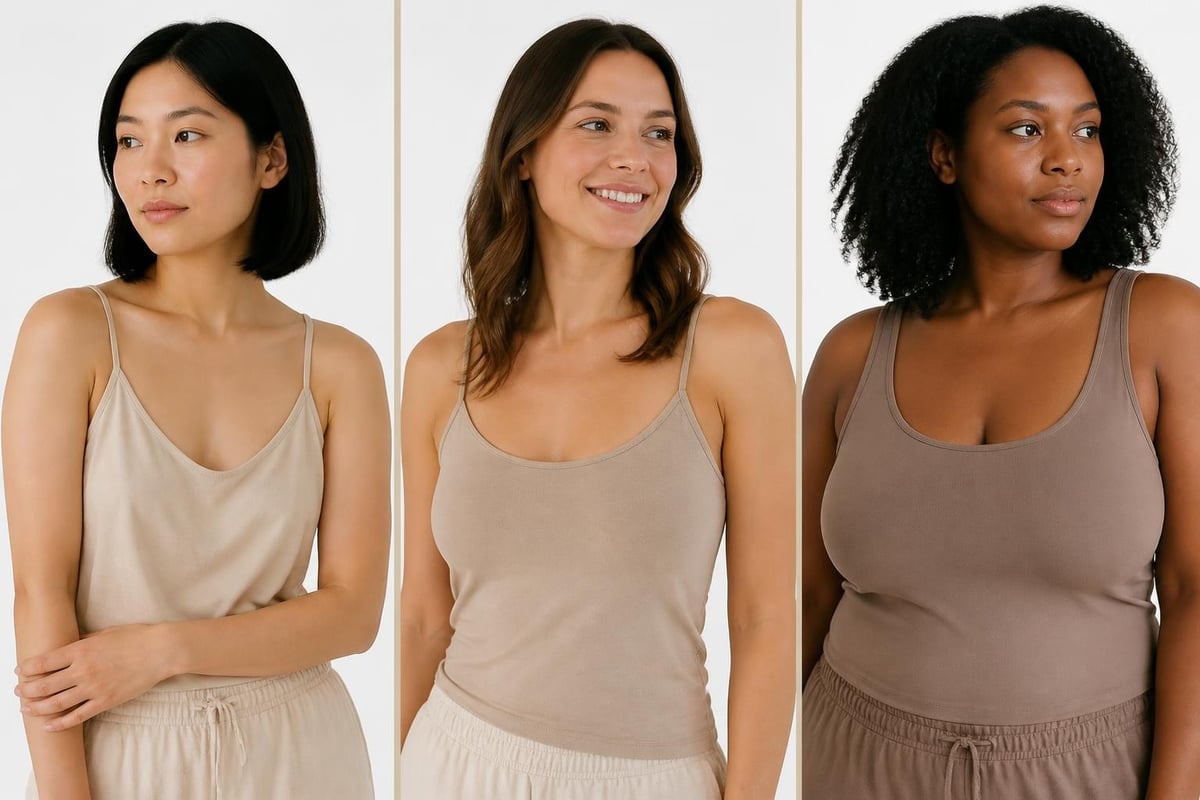
Going without underwear or bras can reduce pressure points and eliminate the chafing many women experience from elastic bands and seams. The skin breathes more freely, which can be particularly beneficial in warm climates or during physical activity. However, the lack of support and protection also introduces new challenges that deserve careful consideration.
Health and Hygiene Implications
The medical community offers nuanced perspectives on the no underwear no bra lifestyle. Research on sports bras and exercise performance demonstrates that breast support matters significantly during physical activity, particularly for women with larger cup sizes. Without proper support, repetitive breast motion can lead to discomfort and potentially strain Cooper's ligaments over time.
| Aspect | Going Without | Wearing Traditional | Modern Seamless Solutions |
|---|---|---|---|
| Breathability | Excellent | Poor to moderate | Excellent |
| Support | Minimal | High | Moderate to high |
| Hygiene barrier | None | Full | Full |
| Visible lines | None | Often visible | Invisible |
| Skin irritation | Low (no friction) | High (seams/elastic) | Minimal (seamless design) |
Underwear and Feminine Hygiene
Traditional wisdom suggests that underwear provides a hygienic barrier between outer clothing and sensitive areas. Cotton underwear in particular helps absorb moisture and prevents direct contact between skin and potentially irritating fabrics. However, going without underwear isn't inherently unhygienic if proper clothing choices are made.
Key hygiene considerations include:
- Frequent washing of pants, skirts, and dresses
- Choosing breathable fabrics like cotton or moisture-wicking materials
- Being mindful of discharge and menstrual cycles
- Selecting properly designed activewear with built-in protection
The American Academy of Dermatology notes that some women actually experience fewer yeast infections and skin irritations when they forgo tight, synthetic underwear that traps moisture. The decision ultimately depends on individual body chemistry, activity level, and personal hygiene practices.
Breast Health and Support Needs
One persistent myth suggests that wearing bras increases breast cancer risk. Science-Based Medicine has thoroughly debunked this claim, confirming that no credible research supports a connection between bra-wearing and cancer development. The choice to go braless should be based on comfort and personal preference, not unfounded health fears.
For lactating individuals, the no bra approach can be complicated. NHS guidance on mastitis recommends supportive but not restrictive bras to manage breast engorgement and reduce infection risk. Nursing bras specifically address these medical needs while maintaining comfort.
Social and Professional Contexts
The workplace presents unique challenges for those embracing the no underwear no bra lifestyle. Legal analysis of gender and dress codes reveals complex intersections between personal choice, employer policies, and discrimination law. While outright bans on braless employees may constitute gender discrimination, many workplaces maintain dress codes requiring "professional appearance" or prohibiting "distracting" attire.
Navigating Professional Environments
Corporate culture in 2026 remains varied in its acceptance of visible nipples or obvious braless silhouettes. Some progressive companies have eliminated gendered dress code requirements entirely, while traditional industries maintain conservative standards.
Strategies for professional settings:
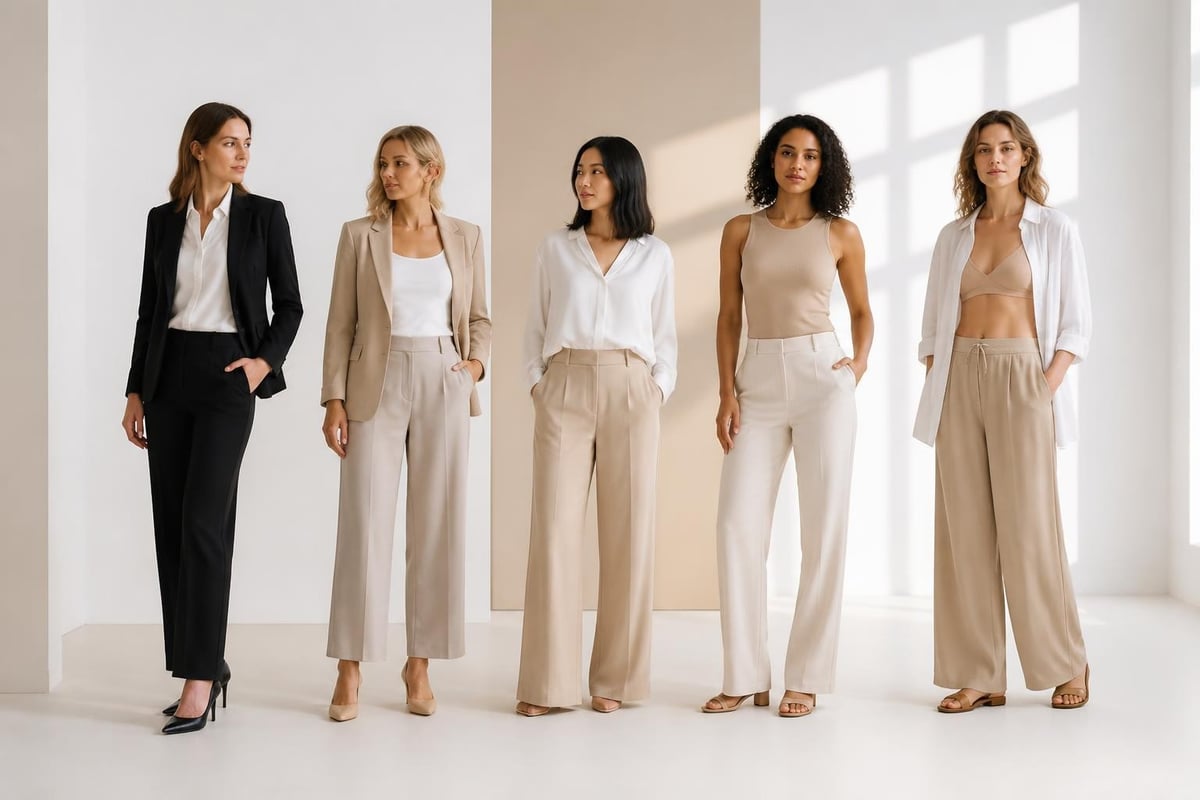
- Layer with blazers, cardigans, or structured tops
- Choose thicker fabrics that minimize visible texture
- Opt for seamless solutions that provide minimal support without obvious hardware
- Understand your workplace culture before making dramatic changes
- Know your legal rights regarding dress code enforcement
Women in client-facing roles or conservative industries often report feeling pressured to maintain traditional undergarment conventions, while those in creative fields or remote work enjoy greater freedom. The key lies in balancing personal comfort with professional requirements.
Athletic Performance and Active Lifestyles
Physical activity introduces specific considerations for the no underwear no bra approach. Recent research on suitable bra characteristics for tactical athletes demonstrates that proper support significantly impacts performance, comfort, and long-term tissue health during demanding activities.
Exercise Without Traditional Support
Running, jumping, and high-impact activities create substantial breast movement that can be uncomfortable or painful without support. Women with A or B cups often find braless exercise perfectly comfortable, while those with larger breasts typically require some level of support to prevent discomfort and potential tissue damage.
The same principle applies to lower-body activities and underwear choices. Traditional underwear with seams and thick elastic can cause chafing during running or cycling, leading many athletes to seek alternatives rather than simply going without.
Performance considerations by activity type:
- Low-impact yoga and Pilates - Often comfortable without traditional support
- Running and HIIT - Most women benefit from breast support and moisture-wicking coverage
- Swimming - Specialized swimwear provides necessary coverage and support
- Strength training - Support needs vary based on individual comfort and movement patterns
- Cycling - Seamless, padded options prevent chafing better than traditional underwear
Modern athletic wear increasingly incorporates seamless technology that eliminates common fit problems while providing functional support. These innovations allow women to enjoy the freedom of minimal undergarments without sacrificing performance or comfort.
The Middle Ground: Seamless Solutions
The evolution of intimate apparel technology has created options that address the core complaints driving the no underwear no bra movement while maintaining the practical benefits of undergarments. Seamless construction, laser-cut edges, and strategic fabric placement eliminate visible lines and pressure points that historically made traditional lingerie uncomfortable.
Modern Underwear Innovation
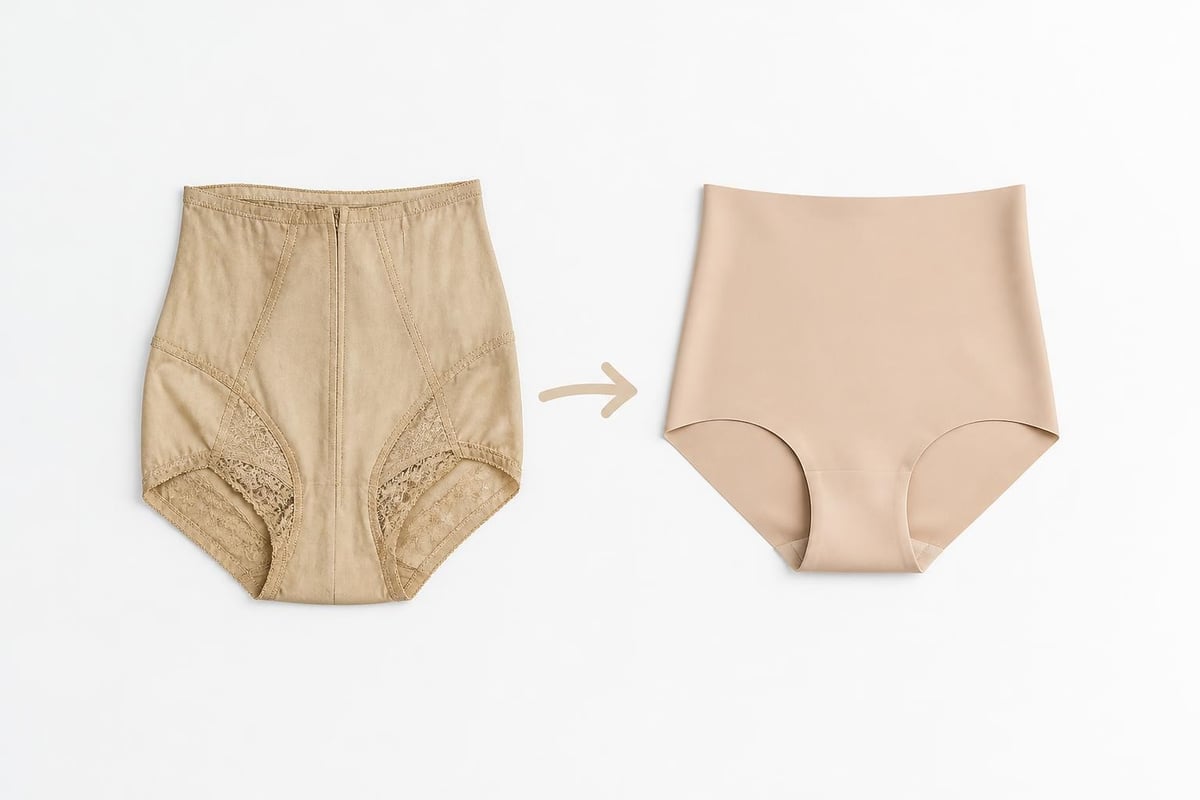
Contemporary seamless thongs and underwear solve multiple problems simultaneously. By eliminating traditional elastic bands, thick seams, and center-front construction issues, these designs prevent camel toe, panty lines, and skin irritation while maintaining the hygienic benefits of wearing underwear.
| Feature | Traditional Underwear | Seamless Design |
|---|---|---|
| Visible panty lines | Common | Eliminated |
| Elastic pressure | Significant | Minimal |
| Camel toe risk | High | Engineered out |
| Breathability | Varies | Optimized |
| Moisture management | Basic | Advanced |
Women who previously avoided underwear entirely often find that properly designed seamless options feel like wearing nothing while providing protection and confidence. The key lies in construction that respects body contours rather than constraining them.
Braless Comfort with Minimal Support
Similarly, bra technology has advanced beyond the underwire-and-padding model. Seamless bralettes, wire-free designs with strategic compression, and push-up options without hardware offer varying levels of support while maintaining the natural shape and comfort that braless advocates prefer.
These solutions particularly benefit women who need light support but find traditional bras restrictive or uncomfortable. The fabrics move with the body rather than constraining it, and the absence of hooks, clasps, and underwires eliminates common pain points.
Personal Choice and Body Autonomy
Ultimately, the decision to embrace the no underwear no bra lifestyle, stick with traditional undergarments, or adopt modern seamless solutions remains deeply personal. Body autonomy means respecting individual choices about comfort, presentation, and daily function without judgment.
Finding Your Balance
Some women adopt a flexible approach, going without undergarments at home while wearing them in professional or social settings. Others commit fully to one approach based on their comfort level and lifestyle demands. The growing variety of invisible, comfortable undergarment options means these decisions no longer involve the stark trade-offs they once did.
Questions to guide your personal choice:
- What specific discomforts drive your interest in going without?
- Does your work environment create practical limitations?
- Do you need support during physical activities?
- Are there specific garments or situations where you prefer coverage?
- Have you explored modern seamless alternatives that might address your concerns?
The conversation has shifted from "bra or no bra" to understanding the spectrum of support, coverage, and comfort options available in 2026. Women increasingly refuse to accept that comfort must be sacrificed for function or that freedom requires abandoning practical benefits entirely.
Listening to Your Body
Your body provides the most reliable guidance about what works for you. Some women experience genuine relief from ditching traditional undergarments, while others discover they prefer the security and support of well-designed lingerie. Neither choice is inherently superior; both deserve respect and accommodation.
Pay attention to signals like skin irritation, physical discomfort, self-consciousness, or practical inconveniences. These indicators help refine your approach and identify whether you need different solutions for different contexts. Taking time to understand your preferences can lead to choices that genuinely enhance daily comfort.
Making Informed Decisions in 2026
As the no underwear no bra movement continues evolving, so do the options available to women seeking comfort and autonomy in their undergarment choices. The landscape in 2026 offers unprecedented variety, from complete freedom from traditional lingerie to innovative seamless designs that preserve benefits while eliminating historic pain points.
Understanding the health implications, social contexts, and practical considerations empowers women to make choices aligned with their values, comfort needs, and lifestyle demands. Whether you embrace going without entirely, prefer traditional support, or discover that modern seamless solutions offer the best of both worlds, the expanding options ensure you can prioritize your wellbeing and confidence.
The key lies not in following trends but in honest assessment of your individual needs. Experiment with different approaches across various contexts, gathering information about what genuinely serves your comfort and function. The right choice is the one that makes you feel confident, comfortable, and authentically yourself throughout your daily life.
The journey toward comfortable, confident undergarment choices requires understanding your unique needs and exploring the full range of available solutions. Whether you're drawn to the freedom of going without or simply seeking alternatives to uncomfortable traditional lingerie, modern innovations have created options that honor both comfort and function. Ambar Wear specializes in seamless, thoughtfully designed undergarments that eliminate common issues like camel toe, visible lines, and restrictive pressure points, offering women the freedom they crave with the practical benefits they need. Discover how the right undergarments can transform your daily comfort and confidence.