

Choosing the right materials for underwear can transform your daily comfort, confidence, and overall well-being. With countless fabric options available in 2026, understanding the properties, benefits, and drawbacks of each material helps you make informed decisions about what touches your skin every day. Whether you're seeking breathability for athletic activities, smoothness for seamless wear under leggings, or hypoallergenic properties for sensitive skin, the fabric composition matters more than most people realize.
Natural Fabric Materials for Maximum Breathability
Natural fibers have dominated the underwear industry for decades, and for good reason. These materials for underwear offer exceptional breathability and comfort that synthetic alternatives often struggle to match.
Cotton: The Classic Choice
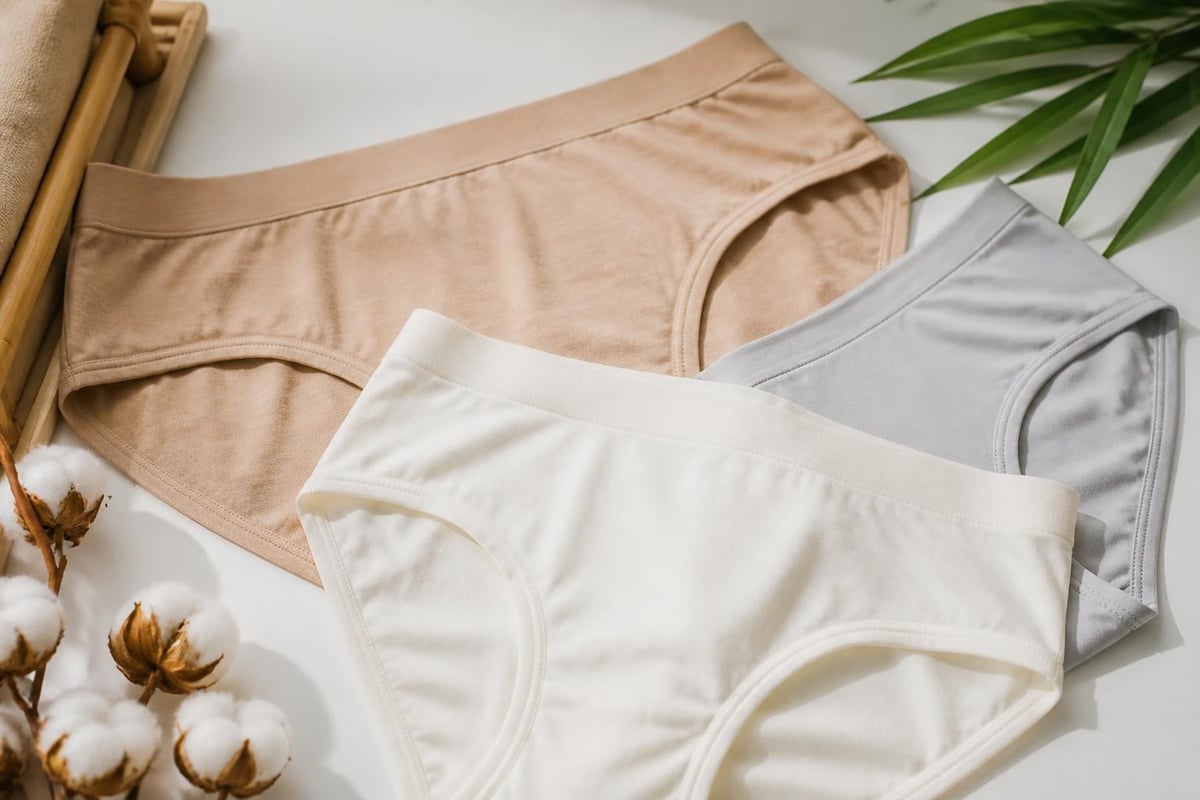
Cotton remains the most popular natural fiber for underwear production worldwide. This time-tested material absorbs moisture effectively, allows air circulation, and feels soft against skin. Cotton underwear works exceptionally well for everyday wear, particularly in moderate climates where temperature regulation matters.
However, cotton presents some limitations:
- Retains moisture when wet, leading to discomfort during intense workouts
- Takes longer to dry compared to synthetic alternatives
- Can lose shape after repeated washing
- May show visible panty lines under fitted clothing
Organic cotton has gained significant traction among environmentally conscious consumers. This variation uses no pesticides or harmful chemicals during cultivation, making it gentler on both skin and the planet.
Bamboo and Modal: Sustainable Softness
Bamboo-derived fabrics and modal (made from beech trees) represent the next generation of natural materials for underwear. These semi-synthetic fabrics combine natural origins with enhanced performance characteristics.
| Material | Softness | Moisture Management | Durability | Eco-Friendliness |
|---|---|---|---|---|
| Bamboo | Exceptional | Very Good | Good | Excellent |
| Modal | Superior | Excellent | Very Good | Good |
| Cotton | Good | Fair | Excellent | Good (organic) |
Modal fabric stands out for its silky texture and resistance to shrinkage. The material drapes beautifully, making it ideal for seamless designs that eliminate visible lines. Bamboo fabric naturally resists odors and bacteria, offering hygienic benefits that active women appreciate.
Synthetic Fabrics Engineered for Performance
Modern synthetic materials for underwear have evolved dramatically, offering performance benefits that natural fibers cannot match. These engineered fabrics address specific challenges women face throughout their day.
Nylon and Polyester Blends
Nylon revolutionized the underwear industry by introducing unprecedented stretch, durability, and quick-drying properties. When blended with spandex or elastane, nylon creates form-fitting garments that maintain their shape wash after wash.
Polyester shares many advantages with nylon while typically costing less. Both materials excel at:
- Wicking moisture away from skin rapidly
- Drying quickly after washing or sweating
- Maintaining elasticity over time
- Creating smooth, seamless finishes
The primary concern with 100% synthetic underwear involves breathability. Pure synthetic fabrics can trap heat and moisture against the skin, potentially causing irritation or discomfort during extended wear.
Microfiber: The Invisible Solution
Microfiber technology represents one of the most significant advances in materials for underwear over the past decade. These ultra-fine synthetic fibers create incredibly smooth fabrics that feel almost weightless.
Microfiber underwear solves the visible panty line problem that plagues women wearing fitted pants, leggings, or dresses. The material's thinness and flexibility allow it to conform to body contours without creating ridges or bumps. Women seeking invisible underwear for leggings often find microfiber provides the perfect solution.
Key microfiber benefits include:
- Seamless appearance under any clothing
- Moisture-wicking properties for active lifestyles
- Lightweight feel that you barely notice
- Durability despite the delicate appearance
- Quick-drying capability for travel convenience
Specialized Materials Addressing Specific Needs
As the underwear industry matures, manufacturers now create materials for underwear targeting particular concerns that women face. These specialized fabrics solve problems that traditional materials cannot adequately address.
Anti-Camel Toe Construction Materials
Camel toe prevention requires specific fabric engineering beyond simple material selection. The most effective solutions combine strategic fabric choices with innovative construction techniques.
Thick, textured materials with compression properties work best for preventing unwanted definition. These fabrics typically feature:
- Double-layer gusset construction using reinforced panels
- Compression weaves that smooth rather than cling
- Strategic seam placement that redirects fabric tension
- Contoured cuts that work with body anatomy
The underwear collection from specialized brands often incorporates these design elements alongside carefully selected materials. Fabrics with moderate compression prevent fabric from settling into creases while maintaining comfort.
Moisture-Wicking Athletic Materials
Women leading active lifestyles need materials for underwear that manage sweat effectively. Athletic underwear fabrics must balance multiple requirements simultaneously: breathability, moisture management, odor resistance, and durability.
Modern performance fabrics often combine several materials:
| Fabric Component | Percentage | Purpose |
|---|---|---|
| Polyester | 60-70% | Moisture wicking, durability |
| Nylon | 20-30% | Stretch, shape retention |
| Spandex | 10-15% | Flexibility, comfort |
| Antimicrobial treatment | Variable | Odor control |
Mesh panels integrated into athletic underwear provide additional ventilation in high-heat zones. These strategic inserts use ultra-breathable materials while maintaining opacity and coverage. For women who prioritize performance, athletic panties engineered with these advanced materials deliver noticeable comfort improvements.
Blended Fabrics: Combining the Best Properties
The most sophisticated materials for underwear in 2026 rarely consist of single fibers. Blending different materials allows manufacturers to optimize multiple performance characteristics simultaneously.
Common Beneficial Blends
Cotton-spandex blends represent the most traditional combination, adding stretch and recovery to cotton's natural comfort. Typical ratios range from 95% cotton with 5% spandex to 90/10 blends for garments requiring more elasticity.
Modal-nylon-spandex combinations create premium underwear with exceptional softness, moisture management, and shape retention. These three-way blends often perform better than any single component alone.
Seamless underwear frequently uses proprietary blends optimized for:
- Minimal friction against skin
- Invisible edges under clothing
- Four-way stretch for freedom of movement
- Color retention through countless washes
Understanding Fabric Weight and Density
Beyond material composition, the weight and density of fabrics significantly impact underwear performance. Lightweight materials (typically under 150 gsm) work best for seamless, invisible designs, while heavier fabrics (200+ gsm) provide more coverage and shaping.
The knitting or weaving technique affects how materials for underwear perform. Circular knitting creates seamless tubes perfect for thongs and briefs without side seams. Flat knitting with strategically placed seams allows for more complex shaping and compression zones.
Caring for Different Underwear Materials
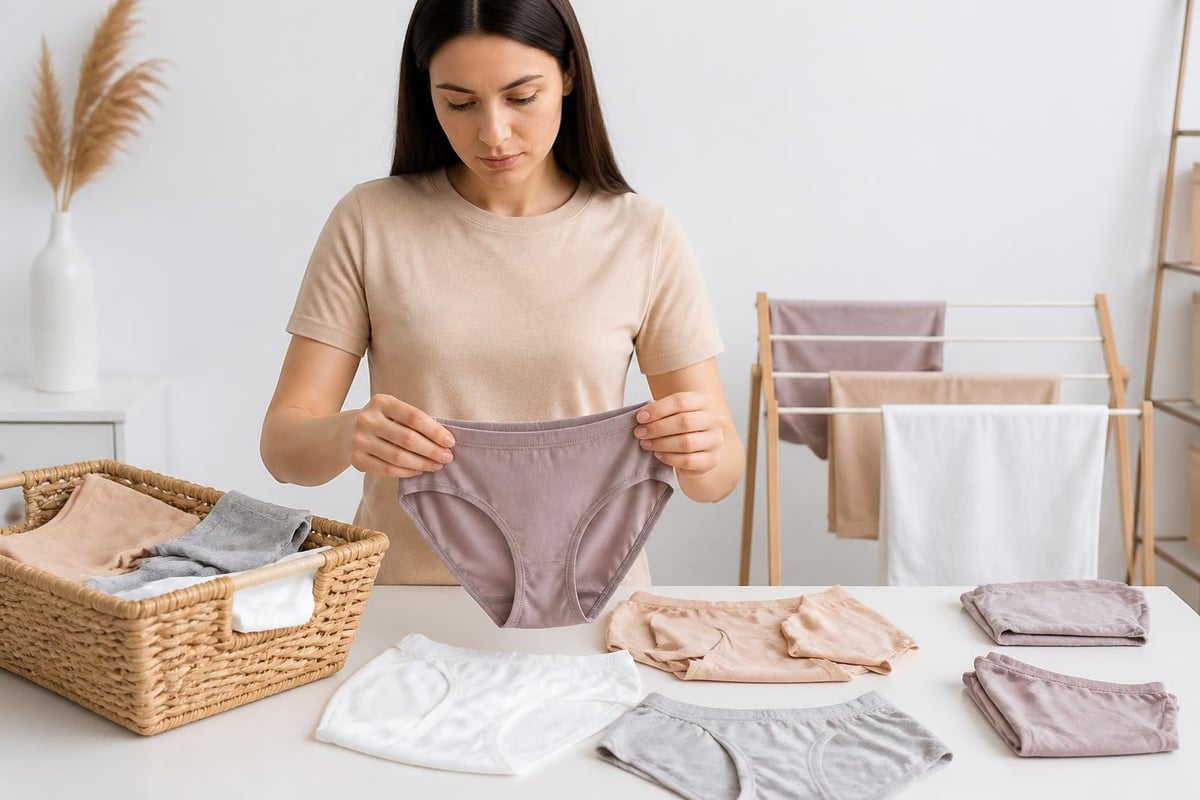
Understanding material composition helps extend the life of your undergarments. Each fabric type requires specific care approaches to maintain its properties and appearance.
Washing and Drying Guidelines
Natural fibers tolerate higher washing temperatures but may shrink if exposed to high heat during drying. Cotton and bamboo underwear last longest when washed in warm water and air-dried or tumbled on low heat.
Synthetic and blended materials require gentler treatment:
- Wash in cool or warm water (never hot)
- Use mild detergent without fabric softener
- Air dry when possible
- If machine drying, use lowest heat setting
- Avoid bleach, which degrades elastic fibers
Fabric softeners coat synthetic fibers, reducing their moisture-wicking capabilities. Skip the softener to maintain performance properties in athletic and moisture-managing underwear.
Replacing Worn Materials
Even the highest-quality materials for underwear eventually degrade. Knowing when to replace undergarments ensures continued comfort and performance.
Replace underwear when you notice:
- Elastic waistbands losing tension
- Fabric thinning or becoming transparent
- Permanent staining despite proper washing
- Loss of moisture-wicking properties
- Uncomfortable seams or loose stitching
Most underwear should be replaced every 6-12 months depending on wear frequency and care practices. Athletic underwear used frequently may need replacement sooner due to the stress of workouts and repeated washing.
Selecting Materials Based on Your Lifestyle
Your daily activities, climate, and personal preferences should guide your choice of materials for underwear. No single fabric suits every situation, so building a diverse underwear wardrobe makes sense.
For Office and Everyday Wear
Professional environments typically require underwear that remains comfortable during 8-10 hour days while creating smooth lines under business attire. Modal blends and microfiber excel in these situations, offering all-day comfort without visible panty lines.
Look for materials with:
- Moderate compression for smoothing
- Breathable construction for temperature regulation
- Seamless edges that won't show through pants or skirts
- Moisture-wicking properties for climate-controlled offices
The activewear collection often includes designs suitable for office wear, particularly pieces engineered to eliminate common fit issues.
For Athletic Activities and Workouts
High-intensity activities demand materials for underwear with superior moisture management and odor control. Synthetic blends with antimicrobial treatments perform best during workouts, yoga sessions, or sports activities.
Prioritize fabrics offering:
- Maximum moisture-wicking capability
- Quick-drying properties for multi-activity days
- Four-way stretch for unrestricted movement
- Flatlock seams preventing chafing
For Sleep and Lounging
Comfort takes priority during sleep and relaxation. Soft natural fibers like cotton, modal, or bamboo allow skin to breathe throughout the night while feeling gentle against skin.
Sleeping underwear should feature:
- Loose or moderate fit (avoid compression)
- Breathable, natural or semi-natural fibers
- Soft, non-irritating waistbands
- Simple construction without unnecessary seams
Special Considerations for Sensitive Skin
Women with sensitive skin or allergies must pay particular attention to materials for underwear selection. Certain fabrics and treatments can trigger reactions ranging from mild irritation to severe allergic responses.
Hypoallergenic Material Choices
100% organic cotton represents the safest choice for sensitive skin, as it contains no pesticide residues or chemical treatments. Bamboo fabric also suits sensitive skin well due to its naturally smooth fibers and antimicrobial properties.
Avoid materials treated with:
- Formaldehyde-based wrinkle resistance
- Synthetic dyes (choose undyed or naturally dyed options)
- Chemical antimicrobial treatments
- Fabric softeners or finishing agents
Tagless designs with printed care instructions prevent neck and waistband irritation from scratchy labels. Seamless construction eliminates potential friction points that can cause chafing on sensitive skin.
Testing New Materials
When trying materials for underwear you haven't worn before, start with a single pair rather than purchasing multiple items. Wear the new underwear for a full day during low-stress activities to assess comfort, fit, and any potential skin reactions.
Monitor for:
- Redness or irritation at contact points
- Itching or discomfort throughout the day
- Increased sweating or heat retention
- Allergic reactions like hives or rashes
If reactions occur, discontinue use immediately and return to materials you know work for your skin type.
Future Innovations in Underwear Materials
The textile industry continues developing new materials for underwear that promise even better performance, sustainability, and comfort. Several emerging technologies show particular promise for the near future.
Sustainable and Biodegradable Options
Plant-based synthetics derived from corn, sugarcane, and other renewable resources offer performance similar to petroleum-based synthetics while reducing environmental impact. These materials biodegrade much faster than traditional polyester or nylon.
Recycled synthetic fabrics created from post-consumer plastic bottles or discarded fishing nets bring circular economy principles to underwear manufacturing. Quality recycled fabrics perform identically to virgin materials while diverting waste from landfills and oceans.
Smart Fabrics and Wearable Technology
Temperature-regulating materials incorporating phase-change technology adjust to body temperature, keeping you cool when hot and warm when cold. These advanced fabrics use microscopic capsules that absorb and release heat based on environmental conditions.
Moisture-indicating fabrics that change color when wet could revolutionize athletic underwear, while compression materials with varying support zones target specific muscle groups. Some experimental materials even incorporate copper or silver ions for enhanced antimicrobial properties without chemical treatments.
Making Informed Purchasing Decisions
Understanding materials for underwear empowers you to select products matching your specific needs, budget, and values. Read product labels carefully, paying attention to fabric composition percentages and care requirements.
Quality indicators include:
- Detailed material composition listing
- Clear care instructions
- Information about construction methods
- Certifications (OEKO-TEX, GOTS for organics)
- Transparent manufacturing practices
Price often correlates with material quality, but expensive doesn't always mean better for your needs. A moderately priced cotton blend might serve you better than premium silk if you prioritize durability and easy care.
When shopping for specialized solutions like anti-camel toe underwear, look for brands that clearly explain their construction methods and material choices. Understanding how specific fabrics and designs address particular concerns helps you make confident purchases.
Selecting the right materials for underwear significantly impacts your daily comfort, confidence, and overall satisfaction with your wardrobe. By understanding the properties of different fabrics-from natural cotton and modal to high-performance synthetics and innovative blends-you can build an underwear collection that serves your diverse needs throughout the week. Ambar Wear specializes in seamless, comfortable undergarments crafted from carefully selected materials engineered to eliminate common fit issues like camel toes, sweat patches, and visible panty lines, ensuring you feel confident and comfortable no matter what your day brings.