

Selecting the right lingerie cloth makes the difference between undergarments you forget you're wearing and ones that irritate, bunch, or fail after a few washes. The fabrics used in intimate apparel must balance softness against skin, moisture management, stretch recovery, and durability while remaining invisible under clothing. For women seeking solutions to common fit issues like visible panty lines, camel toe, or sweat patches, understanding how different textile properties work together becomes essential to making informed purchasing decisions.
Understanding Lingerie Cloth Composition
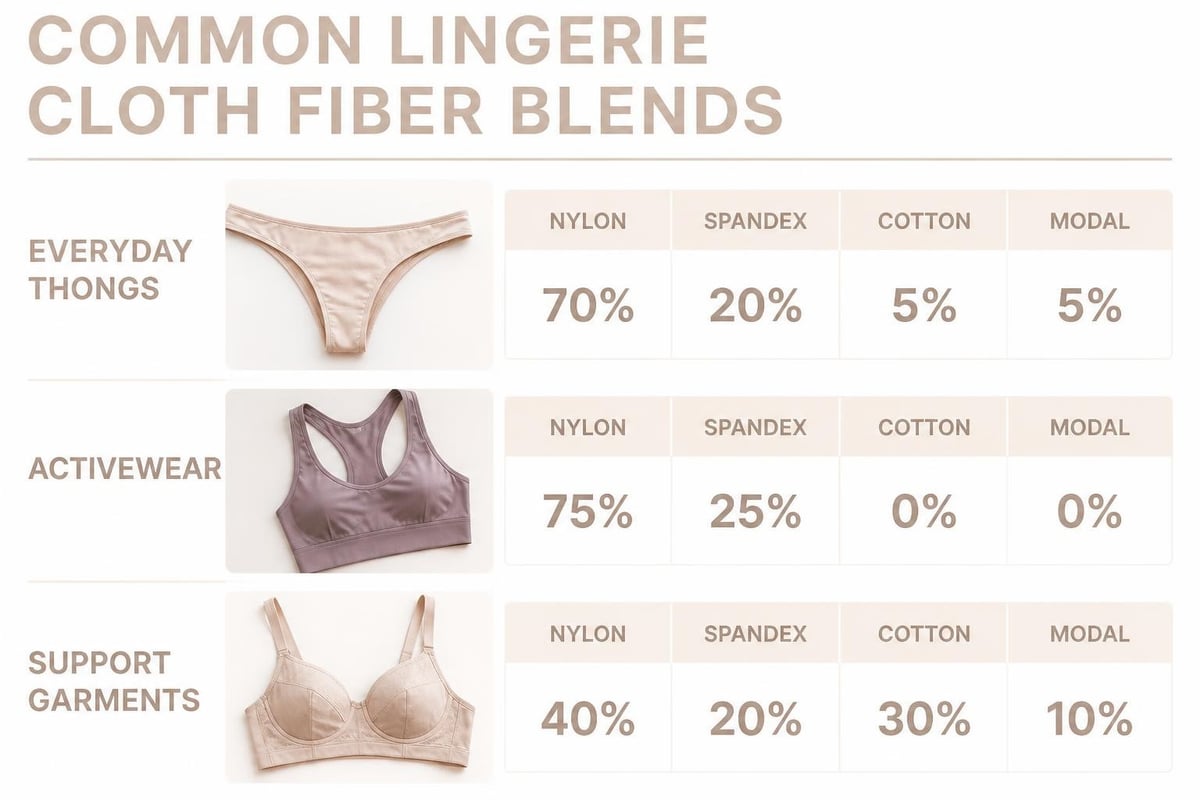
Modern intimate apparel relies on sophisticated fabric blends engineered to deliver specific performance characteristics. The most common lingerie cloth types combine natural and synthetic fibers to achieve properties no single material can provide alone.
Cotton and cotton blends offer breathability and softness, making them a traditional choice for everyday underwear. According to medically reviewed guidance on underwear hygiene, cotton's moisture-wicking properties help maintain a healthy environment for intimate areas. However, pure cotton lacks the stretch and recovery needed for seamless, body-hugging designs.
Synthetic Performance Fabrics
Nylon and polyamide dominate premium lingerie cloth formulations because they deliver:
- Exceptional strength-to-weight ratio
- Superior stretch and shape retention
- Smooth, friction-free surface texture
- Quick-drying moisture transport
- Resistance to pilling and abrasion
Spandex (elastane) typically comprises 10-20% of lingerie cloth blends, providing the elastic recovery that allows garments to move with the body and return to their original shape. Modern seamless thongs use precisely calibrated elastane percentages to maintain compression without creating uncomfortable pressure points.
Modal and micro-modal, derived from beech tree cellulose, represent a newer category of semi-synthetic fibers. These materials combine the breathability of natural fibers with enhanced smoothness and durability, making them popular choices for women with sensitive skin.
Performance Characteristics That Matter
Not all lingerie cloth performs equally across the metrics that affect daily comfort and garment longevity. Understanding these technical properties helps explain why some pieces feel better and last longer than others.
| Property | Measurement | Impact on Wear |
|---|---|---|
| Stretch (elongation) | 200-400% | Comfortable fit across body sizes |
| Elastic recovery | >90% return | Shape retention after washing |
| Moisture transport | Wickability coefficient | Dryness against skin |
| Air permeability | CFM rating | Breathability and ventilation |
| Abrasion resistance | Cycles to failure | Fabric lifespan |
Stretch and recovery determine whether lingerie cloth maintains its intended fit. Premium fabrics demonstrate both high elongation (the ability to stretch significantly) and excellent elastic recovery (returning to original dimensions). Testing protocols outlined by textile quality standards establish performance thresholds that separate quality lingerie cloth from inferior alternatives.
Moisture Management Systems
Women's intimate apparel faces unique moisture challenges throughout the day. Quality lingerie cloth manages perspiration through multiple mechanisms working simultaneously.
Wicking pulls moisture away from skin through capillary action within the fiber structure. Synthetic fibers excel at this, rapidly transporting moisture to the fabric's outer surface where evaporation occurs. This property proves especially important in activewear designs where sweat management prevents visible patches and discomfort.
Breathability allows air circulation through the fabric itself, regulated by the weave density and fiber spacing. Technical analysis from knit fabric engineering guides demonstrates how different knit structures affect air permeability while maintaining the opacity needed for intimate garments.
Research published in studies examining intimate hygiene and textile choices confirms that fabric breathability directly impacts vulvar health by reducing moisture accumulation that can disrupt the natural microbiome.
Construction Methods and Fabric Types
The way lingerie cloth is knitted or woven fundamentally changes how the finished garment fits and feels. Modern intimate apparel primarily uses three construction approaches, each suited to different style categories and performance goals.
Warp knit fabrics create the foundation for most contemporary lingerie cloth. These materials form through vertical yarn loops that produce stable, run-resistant textiles with controlled stretch properties. Tricot and raschel knits within this category offer the smooth surface texture and directional stretch that prevent visible lines under fitted clothing.
Circular knit construction produces seamless tubular fabrics that eliminate side seams entirely. This method allows manufacturers to create garments like invisible camel toe thongs with minimal seaming that could create pressure points or visible ridges.
Seamless Technology Advantages
Seamless lingerie cloth represents a technical evolution in intimate apparel manufacturing:
- Programmable compression zones - Different tension areas within a single garment
- Integrated shaping - Built-in support without additional layers
- Bonded edges - Laser-cut or ultrasonic-sealed hems that remain invisible
- Reduced friction points - Fewer seams mean less potential for irritation
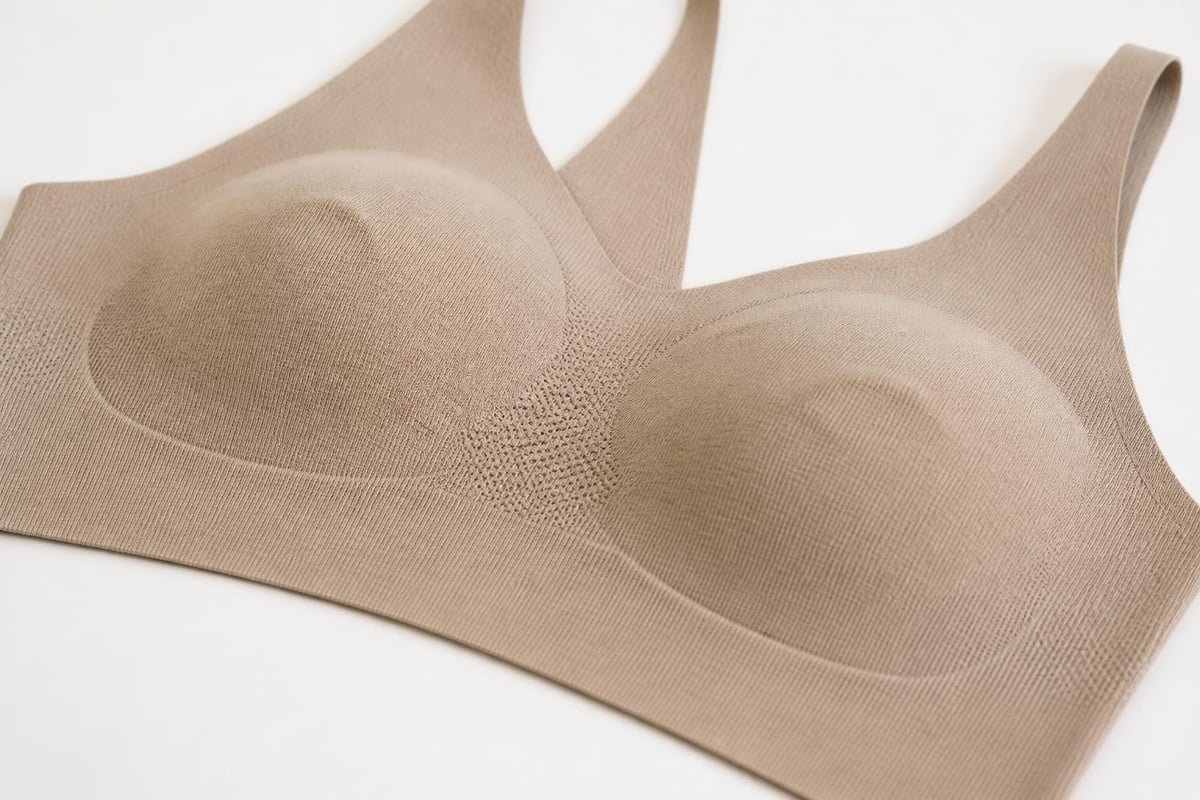
The production of quality seamless pieces requires specialized circular knitting machines capable of varying stitch density and incorporating different yarn types within a single pass. This technology enables features like the tummy control panels found in specialized anti-camel toe designs.
Evaluating Fabric Quality and Durability
Identifying superior lingerie cloth requires understanding both the testing methods used by manufacturers and the visual cues visible before purchase. Professional quality control follows standardized protocols detailed in resources like the textile testing services catalog from specialized laboratories.
Pilling resistance measures how quickly fabric surfaces develop those annoying fiber balls. Quality lingerie cloth should withstand at least 3-4 hours of standardized abrasion testing before showing Grade 3 pilling or better. This translates to months of wear and washing without visible degradation.
Color fastness becomes critical when light-colored lingerie cloth contacts skin or other garments. Premium dyes should achieve ratings of 4-5 on the gray scale for both washing and crape perspiration to prevent color transfer or fading.
Testing You Can Perform
Before purchasing, examine lingerie cloth samples with these quick assessments:
- Stretch test: Pull fabric 2-3 times its width; it should recover immediately without permanent distortion
- Light test: Hold fabric to light source; consistent opacity without thin spots indicates quality construction
- Surface feel: Run fingers across both sides; premium materials feel equally smooth on face and reverse
- Recovery test: Bunch fabric tightly for 10 seconds; quality cloth releases wrinkles within moments
When shopping online for pieces like seamless bras or thongs, detailed fabric composition information becomes your primary quality indicator since physical inspection isn't possible.
Sustainable and Innovative Materials
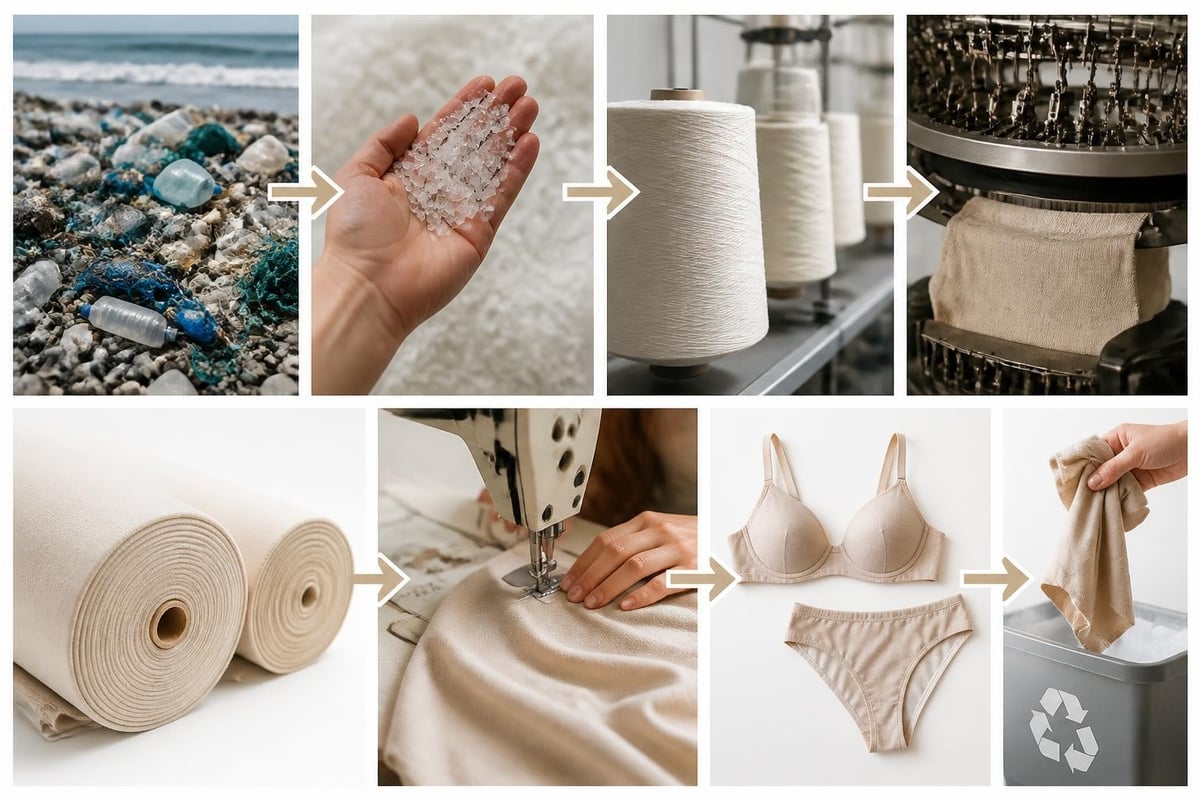
The lingerie industry increasingly incorporates eco-conscious materials without compromising the performance characteristics women expect. According to the Materials Market Report 2024, recycled nylon and polyamide now represent viable alternatives to virgin synthetics in lingerie cloth applications.
Recycled polyamide sourced from pre-consumer waste and recovered fishing nets delivers identical performance to virgin nylon while reducing environmental impact. Leading brands specify recycled content percentages to meet sustainability goals without sacrificing the stretch, durability, or smoothness their customers expect.
| Material Innovation | Benefit | Application in Intimates |
|---|---|---|
| Recycled polyamide | 50% less CO₂ emissions | Base fabric for thongs, bras |
| Tencel/Lyocell | Biodegradable, soft | Gusset linings, sensitive skin options |
| Merino wool blends | Odor resistance, temperature regulation | Athletic underwear, layering pieces |
| Antimicrobial treatments | Extended freshness | Activewear, multi-day wear pieces |
Bio-based elastane represents an emerging alternative to petroleum-derived spandex, though current production volumes remain limited. These materials use renewable feedstocks while maintaining the same chemical structure and performance characteristics as conventional elastane.
Innovation in Moisture Management
Beyond fiber selection, advanced finishing treatments enhance lingerie cloth performance. Hydrophilic coatings improve wicking in synthetic fabrics, while antimicrobial finishes using silver ions or natural extracts help control odor-causing bacteria without harsh chemicals.
Women choosing underwear designed to prevent camel toe benefit from innovations in fabric engineering that address specific fit challenges through material selection and construction techniques rather than bulky seaming or padding.
Care and Maintenance for Longevity
Even premium lingerie cloth requires proper care to maintain its performance characteristics over time. Washing, drying, and storage methods significantly impact how long intimate apparel retains its fit, feel, and appearance.
Temperature sensitivity affects most lingerie cloth types. Hot water and high-heat drying cause elastane degradation, permanently reducing stretch and recovery. Cold or lukewarm water (below 86°F/30°C) preserves elastic fibers while effectively cleaning with appropriate detergents.
Federal regulations covered under textile care labeling requirements mandate that manufacturers provide care instructions that won't harm the product when followed. These labels offer reliable guidance specific to each garment's fabric composition.
Washing Best Practices
Follow these protocols to extend lingerie cloth lifespan:
- Pre-treat stains with cold water and gentle soap before machine washing
- Use mesh bags to prevent tangling and reduce friction damage during wash cycles
- Select delicate cycle with minimal agitation and spin speed
- Choose mild detergent without optical brighteners or harsh enzymes
- Air dry flat or hanging to prevent heat damage to elastic components
The underwear hygiene recommendations from health professionals suggest replacing intimate garments every 6-12 months, but quality lingerie cloth properly maintained can often exceed this timeframe while maintaining hygiene and performance standards.
Storage considerations matter more than many realize. Folding lingerie cloth items loosely rather than compressing them under stacks of clothing helps elastic fibers maintain their recovery properties. Avoid storage in humid environments where moisture encourages mildew growth even in synthetic fabrics.
Matching Fabric to Function
Different activities and garment styles require specific lingerie cloth characteristics. Understanding these relationships helps women build wardrobes that deliver comfort and confidence across all situations.
Everyday wear prioritizes all-day comfort and invisibility under clothing. Moderate stretch (250-300% elongation), good recovery, and smooth surfaces define ideal fabrics for daily pieces like seamless camel toe thongs. These garments balance support with breathability for extended wear during routine activities.
Activewear applications demand maximum moisture transport, higher compression levels, and enhanced durability. Lingerie cloth for workout pieces incorporates increased polyamide content (70-80%) with specialized knit structures that maintain shape under repetitive stress. The high-rise seamless leggings category exemplifies these requirements.
Special Occasion Considerations
Special event intimates balance aesthetics with the comfort needed for extended wear. These pieces often incorporate:
- Luxe fibers like silk or modal blends for exceptional softness
- Strategic compression that smooths without constricting breathing or movement
- Decorative elements using embroidery or appliqué that won't irritate skin
- Extended size ranges in fabrics with superior stretch to accommodate various body types
Reference materials like textile fiber property guides provide technical details about how different materials behave under stress, informing design decisions for pieces meant for dancing, formal wear, or other demanding situations.
Addressing Common Fit Issues Through Fabric Selection
Certain wardrobe challenges that women face daily stem directly from improper lingerie cloth selection or construction. Understanding the material science behind common problems enables better purchase decisions.
Camel toe occurs when fabric lacks sufficient structure or uses overly thin materials that conform too closely to body contours. Solutions incorporate lingerie cloth with strategic compression zones and gusset panels constructed from double-layer materials. The engineering behind anti-camel toe underwear demonstrates how fabric weight, stretch direction, and panel placement work together to prevent this issue.
Visible panty lines result from fabric edges that create ridges under fitted clothing. Laser-cut hems and bonded edge treatments in lingerie cloth eliminate these lines by creating virtually undetectable transitions. Thickness also matters: fabrics between 180-220 GSM (grams per square meter) provide adequate coverage without bulk.
Moisture and Temperature Regulation
Sweat patches embarrass women wearing activewear or during warm weather. Lingerie cloth that manages moisture effectively uses:
- Hydrophobic synthetic fibers on skin-facing surfaces to push moisture away
- Hydrophilic outer layers that spread and evaporate perspiration
- Strategic ventilation zones using more open knit structures in high-heat areas
- Quick-dry properties that prevent prolonged dampness
Body temperature regulation involves similar principles. Some lingerie cloth incorporates phase-change materials or mineral additives that absorb excess body heat when temperatures rise and release it when cooling occurs, though these remain premium features not yet widely available.
Making Informed Purchase Decisions
Armed with knowledge about lingerie cloth properties, women can evaluate intimate apparel beyond brand names and price points. Several factors deserve consideration when selecting new pieces.
Fabric composition labels provide the starting point. Look for specific percentages rather than vague "blend" descriptions. Quality brands transparently list exact fiber contents, such as "86% polyamide, 14% elastane" rather than simply "nylon-spandex blend."
Construction details visible in product photos or descriptions indicate quality:
- Flatlock or bonded seams rather than bulky overlocked edges
- Reinforced elastic bands that won't roll or twist
- Gusset materials appropriate for intended use (cotton for everyday, technical fabrics for sports)
- Consistent stitch density without skipped stitches or puckering
Performance claims should align with fabric properties. If a garment promises moisture-wicking but lists 100% cotton composition, the claim lacks technical foundation since cotton absorbs rather than transports moisture.
Reviews from other customers offer real-world insights into how lingerie cloth performs after washing and extended wear. Comments about shape retention, comfort over time, and durability provide valuable data points that specifications alone can't communicate.
For women exploring solutions to specific challenges, specialized collections like camel toe prevention underwear offer designs engineered specifically to address those concerns through strategic fabric selection and construction methods.
Understanding lingerie cloth transforms intimate apparel shopping from guesswork into informed decision-making, ensuring every piece delivers the comfort, fit, and durability you deserve. When you're ready to experience the difference that thoughtfully engineered fabrics make, explore the seamless, solution-focused designs at Ambar Wear, where every garment is crafted to eliminate common fit frustrations while providing all-day confidence and comfort.