

Finding the perfect balance between leggings and underwear has become one of the most discussed topics in modern activewear and everyday fashion. As leggings continue to dominate wardrobes worldwide, understanding how to pair them with the right undergarments makes all the difference between feeling confident and constantly adjusting your outfit. Women face unique challenges when selecting underwear for leggings, from visible panty lines to fabric bunching, and making informed choices about this pairing affects comfort throughout your entire day.
Understanding the Leggings and Underwear Dilemma
The question of whether to wear underwear with leggings sparks considerable debate. Some women prefer going commando, while others wouldn't dream of skipping this essential layer.
The answer depends on several key factors:
- Fabric composition and breathability of your leggings
- Activity level and duration of wear
- Personal hygiene preferences
- Body type and coverage needs
- Climate and temperature conditions
Research shows that leggings performance varies significantly based on design, with consumer surveys highlighting comfort and fit as top priorities. The fabric weight, stretch capacity, and compression level of your leggings all influence whether you need underwear and which style works best.
Hygiene Considerations for the Leggings and Underwear Combination
Health professionals emphasize that underwear serves important protective functions. The extra layer creates a barrier between your skin and outer garments, absorbing moisture and preventing bacterial buildup.
Cotton and moisture-wicking fabrics excel at keeping you dry during workouts. When you wear leggings for extended periods, especially during physical activity, underwear helps maintain freshness and prevents chafing in sensitive areas.
However, not all leggings require additional coverage. High-quality athletic leggings often include built-in gussets and antimicrobial fabrics designed for direct skin contact. Understanding whether leggings are designed to show underwear helps you make smarter pairing decisions.
Choosing the Right Underwear Styles for Leggings
Selecting appropriate undergarments transforms your legging-wearing experience. Different styles offer distinct advantages depending on your priorities and body type.
Seamless Thongs: The Invisible Solution
Seamless thongs represent the gold standard for pairing with leggings. Their minimal coverage eliminates visible panty lines while providing necessary hygiene protection.
Key benefits include:
- Zero visible lines or bumps under form-fitting fabrics
- Strategic coverage that prevents common fit issues
- Lightweight construction that moves with your body
- Reduced bulk in the hip and rear areas
Modern seamless technology has revolutionized invisible lingerie options, creating underwear so smooth it becomes undetectable under even the tightest leggings. The elimination of seams, tags, and unnecessary stitching ensures a flawless silhouette.
Boyshorts and Hipsters: Full Coverage Options
For women who prefer more coverage, boyshorts and hipster styles provide viable alternatives when paired thoughtfully with leggings.
| Underwear Style | Coverage Level | VPL Risk | Best For |
|---|---|---|---|
| Seamless Thong | Minimal | None | Form-fitting leggings, yoga, athleisure |
| Laser-Cut Brief | Moderate | Low | Everyday wear, relaxed fit leggings |
| Boyshort | Full | Medium | Loose leggings, layered outfits |
| High-Waist Brief | Full | Low | High-rise leggings, tummy control needs |
Choosing laser-cut edges instead of traditional elastic bands dramatically reduces visible lines. The smooth transition from underwear to skin creates an uninterrupted appearance beneath your leggings.
The No-Underwear Approach: When It Works
Going commando with leggings works best under specific circumstances. This approach suits women who invest in premium leggings with proper gusset construction and antimicrobial properties.
Consider this option when:
- Your leggings feature a double-layered, cotton-lined gusset
- You're wearing them for short durations
- The fabric provides adequate thickness and opacity
- You maintain strict washing schedules after each wear
Guidance on wearing underwear with leggings varies among experts, but most agree that personal comfort and hygiene should drive your decision.
Solving Common Leggings and Underwear Challenges
Even with careful selection, pairing leggings and underwear presents challenges that frustrate women daily. Understanding these issues helps you choose solutions proactively.
Eliminating Visible Panty Lines
Visible panty lines (VPL) rank among the top complaints when wearing form-fitting leggings. Traditional underwear with thick elastic bands, decorative seams, or textured fabrics creates obvious lines that disrupt your smooth silhouette.
Effective VPL prevention strategies:
- Select seamless construction with laser-cut edges
- Match underwear color to your legging shade
- Choose thin, flexible fabrics that compress smoothly
- Avoid lace, appliqués, or raised designs
- Size appropriately to prevent digging or rolling
The comprehensive guide on preventing VPL offers detailed solutions for achieving invisible underwear lines. Proper sizing proves crucial, as underwear that's too tight creates bulging while too-loose options bunch and shift.
Addressing Camel Toe Concerns
Camel toe represents one of the most uncomfortable and confidence-damaging issues when wearing leggings and underwear together. This problem occurs when fabric gathers in the center front, creating an unwanted definition.
Root causes include:
- Leggings that are too tight or sized incorrectly
- Thin fabrics without adequate structure
- Underwear that rides up or shifts during movement
- Improper gusset design in either garment
- Seam placement that draws fabric inward
Specialized thong underwear designed to prevent camel toe incorporates strategic paneling and fabric distribution that keeps everything in place. The center seam construction and strategic thickness prevent fabric from gathering where you don't want it.
Managing Moisture and Sweat
Active lifestyles demand leggings and underwear combinations that handle moisture effectively. Sweating during workouts or warm weather creates discomfort when your undergarments can't wick moisture away from skin.
Modern performance fabrics address this challenge through:
- Moisture-wicking fibers that pull sweat away from skin
- Quick-dry technology that evaporates moisture rapidly
- Antimicrobial treatments that prevent odor-causing bacteria
- Strategic ventilation zones in high-perspiration areas
- Breathable mesh panels that enhance airflow
Choosing appropriate underwear for different workout types ensures you stay dry and comfortable whether you're running, cycling, or doing yoga.
Fabric Selection for the Perfect Leggings and Underwear Match
Understanding fabric properties helps you create harmonious pairings between your leggings and underwear that work together rather than against each other.
Compression and Stretch Compatibility
Your underwear should complement your leggings' compression level. High-compression leggings require underwear with similar stretch properties to prevent bunching or rolling.
| Legging Compression | Recommended Underwear Fabric | Why It Works |
|---|---|---|
| Light (Everyday) | Cotton blends, modal | Soft, breathable, minimal structure needed |
| Medium (Fitness) | Nylon-spandex blends | Moves with body, moisture control |
| High (Performance) | Technical synthetic blends | Matches compression, stays in place |
| Maximum (Shapewear) | Seamless microfiber | Ultra-smooth, prevents additional bulk |
The interaction between these fabrics determines whether your outfit feels cohesive or constantly shifts and adjusts. Achieving the perfect legging fit starts with understanding how your entire outfit works as a system.
Temperature Regulation Factors
Seasonal considerations influence ideal leggings and underwear pairings. Summer requires lightweight, breathable combinations while winter allows for warmer, more substantial options.
Warm weather priorities:
- Ice silk or cooling fabrics
- Minimal coverage to reduce heat buildup
- Maximum breathability and ventilation
- Quick-dry properties for sweat management
Cold weather priorities:
- Insulating base layers with thermal properties
- Fuller coverage for warmth
- Moisture-wicking to prevent dampness
- Seamless construction to avoid bulk under layers
Body Type Considerations for Leggings and Underwear Selection
Different body shapes benefit from specific underwear styles when wearing leggings. Customizing your choices based on your proportions creates more flattering and comfortable results.
Curves and Athletic Builds
Women with curvier figures often need underwear that provides smoothing without creating additional lines or bulges. High-waist briefs with tummy control work well under high-rise leggings, creating a streamlined appearance.
Athletic builds typically prefer minimal underwear that doesn't add volume. Seamless thongs and barely-there styles maintain clean lines without unnecessary coverage.
Understanding active undergarment options from a health perspective helps you balance support needs with comfort preferences.
Height and Proportions
Taller women can accommodate more underwear styles without visible lines, while petite frames require extra attention to sizing and proportion. The rise of your underwear should align with your legging waistband to prevent gaps or overlapping fabric.
Rise matching guide:
- Low-rise leggings pair with low-rise or mid-rise thongs
- Mid-rise leggings work with any underwear rise
- High-rise leggings need high-rise or mid-rise underwear
- Super high-rise leggings require high-rise underwear or none
Shopping Strategies for Leggings and Underwear
Smart shopping ensures you invest in quality pieces that work well together while avoiding common purchasing mistakes.
Quality Indicators to Look For
Premium leggings and underwear share certain characteristics that signal superior construction and performance.
In leggings:
- Four-way stretch that recovers shape after wearing
- Flatlock seams that lie flat against skin
- Opaque fabric that doesn't become see-through when stretched
- Gusseted crotch with reinforced stitching
- Moisture-wicking interior lining
In underwear:
- Seamless or laser-cut edges
- Tag-free construction
- Breathable gusset material
- Minimal hardware or decorative elements
- Quality elastic that maintains tension
Reading reviews and checking consumer performance evaluations provides real-world insights before purchasing. Many women find that investing in a few high-quality pieces outperforms buying numerous budget options.
Building a Versatile Collection
Creating a strategic leggings and underwear wardrobe eliminates daily decision fatigue while ensuring you're prepared for any situation.
Essential pieces include:
- 3-5 nude seamless thongs matching your skin tone
- 2-3 black seamless thongs for dark leggings
- 1-2 high-waist smoothing briefs for specific outfits
- 1-2 specialty pairs for intense workouts
- Backup options for laundry day
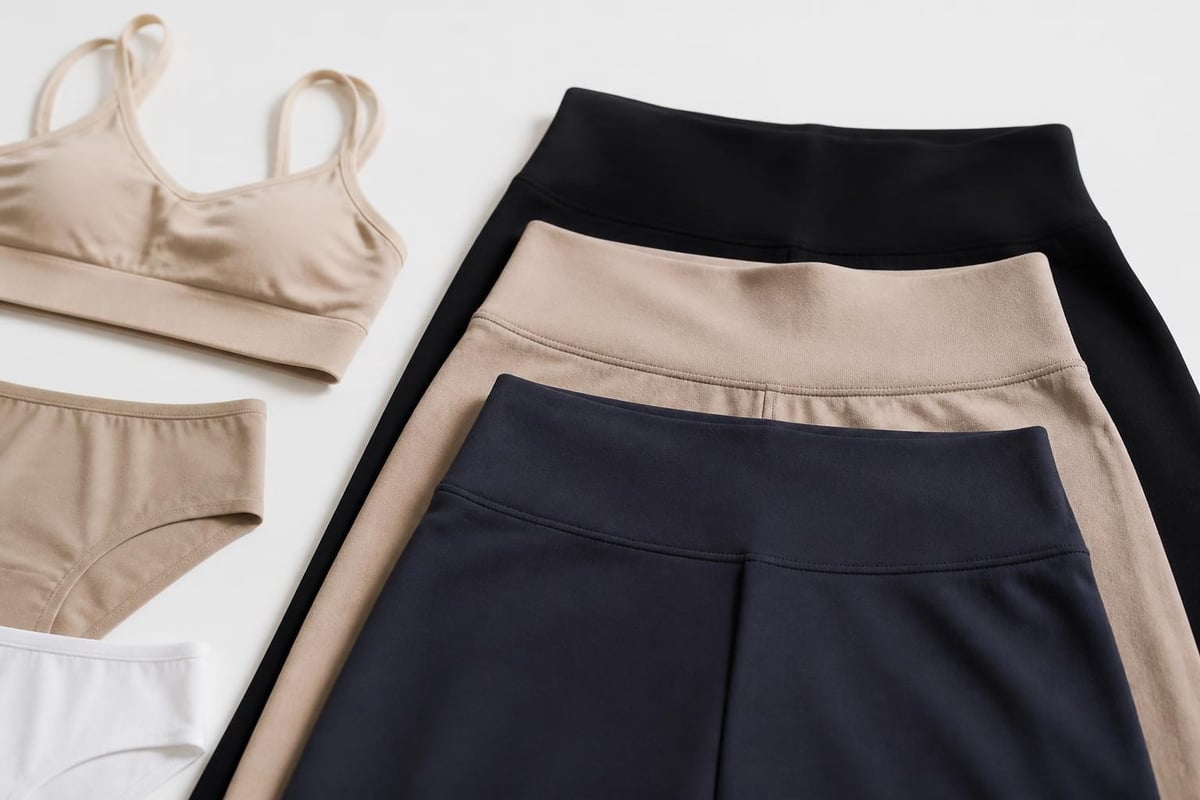
Color coordination simplifies getting dressed. Neutral underwear in nude, black, and white covers most legging colors without creating visible contrast through fabric.
Activity-Specific Leggings and Underwear Recommendations
Different activities place unique demands on your leggings and underwear combination. Optimizing your choices for specific uses enhances performance and comfort.
Yoga and Pilates
These low-impact activities involve extensive stretching and varied positions, requiring underwear that stays in place without readjustment.
Seamless thongs with wide waistbands prevent rolling during forward folds and inversions. The minimal coverage ensures no fabric bunching during floor work or seated poses.
Running and High-Impact Cardio
Running creates friction and generates significant perspiration, making fabric choice critical. Technical synthetic blends with moisture-wicking properties prevent chafing and maintain freshness during longer distances.
Consider moisture management features when selecting underwear for cardio workouts. Some runners prefer compression shorts as an alternative to traditional underwear, providing both coverage and muscle support.
Everyday Wear and Athleisure
Casual legging wear demands all-day comfort without constant awareness of your undergarments. Soft, breathable fabrics with just enough structure prevent shifting while remaining undetectable.
For extended wear periods, rotating between different underwear styles throughout the week prevents fatigue from any single design. Your body appreciates variety in coverage and compression levels.
Strength Training and CrossFit
Heavy lifting and explosive movements require secure underwear that won't shift during squats, deadlifts, or box jumps. Higher-rise options often work better for these activities, staying put during deep ranges of motion.
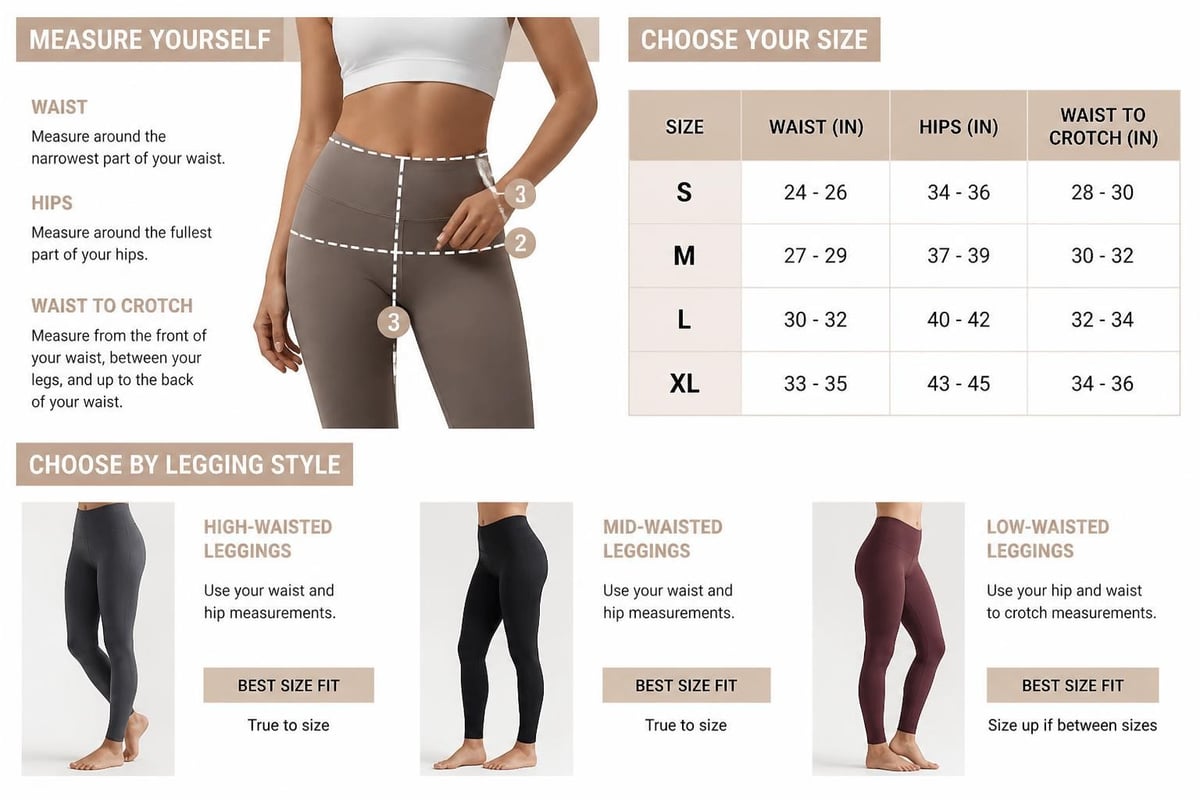
The size chart guidance helps ensure your underwear fits snugly without restricting movement or circulation during intense training sessions.
Care and Maintenance for Longevity
Proper care extends the life of your leggings and underwear while maintaining their performance properties.
Washing Best Practices
Both leggings and underwear benefit from gentle washing methods that preserve elasticity and prevent premature breakdown.
Follow these guidelines:
- Wash in cold water to maintain fabric integrity
- Use mild detergents without harsh chemicals
- Avoid fabric softeners that coat moisture-wicking fibers
- Turn garments inside out before washing
- Separate light and dark colors to prevent dye transfer
Air drying proves superior to machine drying for extending garment life. Heat breaks down elastic fibers and can cause shrinkage or warping in synthetic fabrics.
Storage Solutions
Proper storage prevents damage and maintains shape between wears. Fold leggings vertically in drawers rather than stacking them, allowing easy visibility and selection.
Organize underwear by style and color in drawer dividers, making morning routines more efficient. This system helps you quickly identify the right pair for your outfit and planned activities.
Replacement Timing
Even quality pieces eventually wear out. Replace leggings when they become see-through, lose compression, or develop pilling. Underwear needs replacement when elastic becomes loose, fabric thins, or the gusset shows wear.
Most women find that rotating through 8-10 pairs of everyday underwear and 4-6 pairs of leggings provides sufficient variety while allowing proper care and rest between wears.
Mastering the art of pairing leggings and underwear transforms your daily comfort and confidence, eliminating common frustrations while creating a polished appearance for any activity. Ambar Wear specializes in solving these exact challenges with seamless undergarments and activewear designed to prevent camel toe, visible panty lines, and other fit issues that compromise your look. Explore their thoughtfully engineered collection to discover pieces that work harmoniously with your leggings, providing the invisible support and comfort you deserve.