
When you're spending time at home, whether working remotely, relaxing on the weekend, or managing household tasks, the last thing you need is uncomfortable underwear. Home panties have become an essential category of intimate wear that prioritizes all-day comfort, breathability, and confidence without sacrificing style. As more women embrace hybrid work schedules and prioritize wellness in 2026, the demand for seamless, comfortable undergarments designed specifically for extended home wear has grown significantly. These specialized garments address common concerns like visible panty lines, skin irritation, and moisture retention while providing the support and coverage you need throughout your daily routine.
Understanding the Home Panties Revolution
The concept of home panties has evolved dramatically over the past few years. Unlike traditional underwear designed primarily for aesthetic appeal or special occasions, home panties focus on functionality, health, and sustained comfort during extended wear periods.
Modern home panties incorporate advanced textile technologies and ergonomic design principles that weren't available even five years ago. These garments typically feature seamless construction to eliminate chafing, moisture-wicking fabrics to manage perspiration, and thoughtful cuts that prevent common issues like camel toes and uncomfortable bunching.
Why Traditional Underwear Falls Short at Home
Traditional underwear often creates problems during extended wear:
- Visible seams cause friction and irritation during movement
- Decorative lace and embellishments become uncomfortable after a few hours
- Poor moisture management leads to bacterial growth and odor
- Restrictive elastic bands create pressure points and leave marks
- Standard cuts don't accommodate natural body movement throughout the day
According to Harvard Health's guidance on vulvar health, choosing breathable, well-fitting underwear is essential for maintaining genital skin health and preventing moisture-related infections.
Essential Features of Quality Home Panties
The best home panties share several critical characteristics that distinguish them from ordinary underwear. Understanding these features helps you make informed choices when building your everyday wardrobe.
Seamless Construction Technology
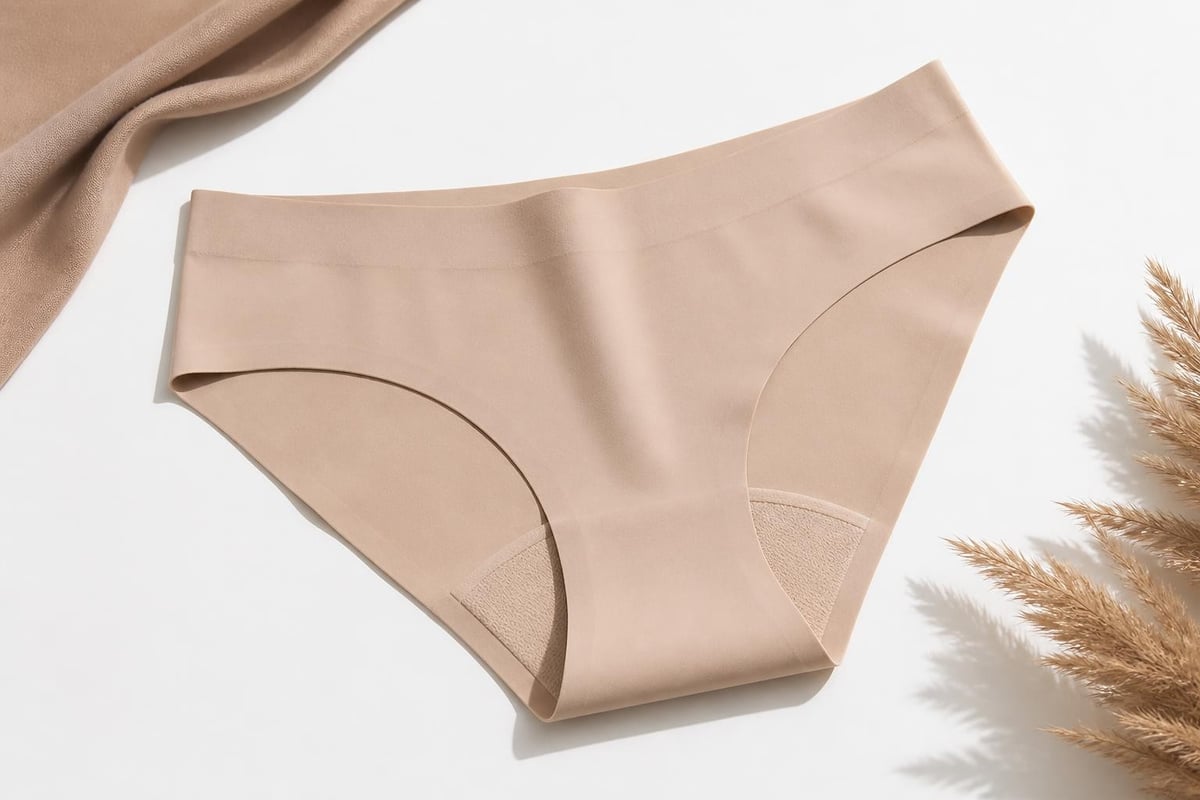
Seamless home panties use circular knitting machines that create garments without side seams. This manufacturing method produces underwear that moves with your body rather than against it. The absence of seams means no rubbing, no irritation, and no visible lines under clothing.
Benefits of seamless design include:
- Zero chafing during extended wear periods
- Invisible under fitted clothing like leggings or yoga pants
- Reduced pressure points around hips and thighs
- Enhanced durability due to continuous fiber construction
- Better moisture distribution across fabric surface
Brands like Ambar Wear have pioneered seamless designs that specifically address camel toe concerns while maintaining exceptional comfort throughout the day.
Fabric Selection and Skin Health
The fabric composition of your home panties directly impacts both comfort and health. In 2026, consumers have become increasingly aware of the importance of certified safe textiles worn against sensitive skin.
| Fabric Type | Moisture Management | Breathability | Durability | Best For |
|---|---|---|---|---|
| Modal | Excellent | High | Good | All-day wear |
| Bamboo | Very Good | Very High | Moderate | Hot climates |
| Microfiber | Good | Moderate | Excellent | Active days |
| Organic Cotton | Fair | High | Good | Sensitive skin |
| Ice Silk | Excellent | Very High | Good | Summer months |
The OEKO-TEX Standard 100 certification provides assurance that fabrics have been tested for harmful substances, which is particularly important for garments worn directly against delicate genital tissue.
Addressing Common Comfort Concerns
Home panties solve several persistent problems that women face with traditional underwear. These solutions integrate thoughtful design elements that respond to real-world needs.
Camel Toe Prevention
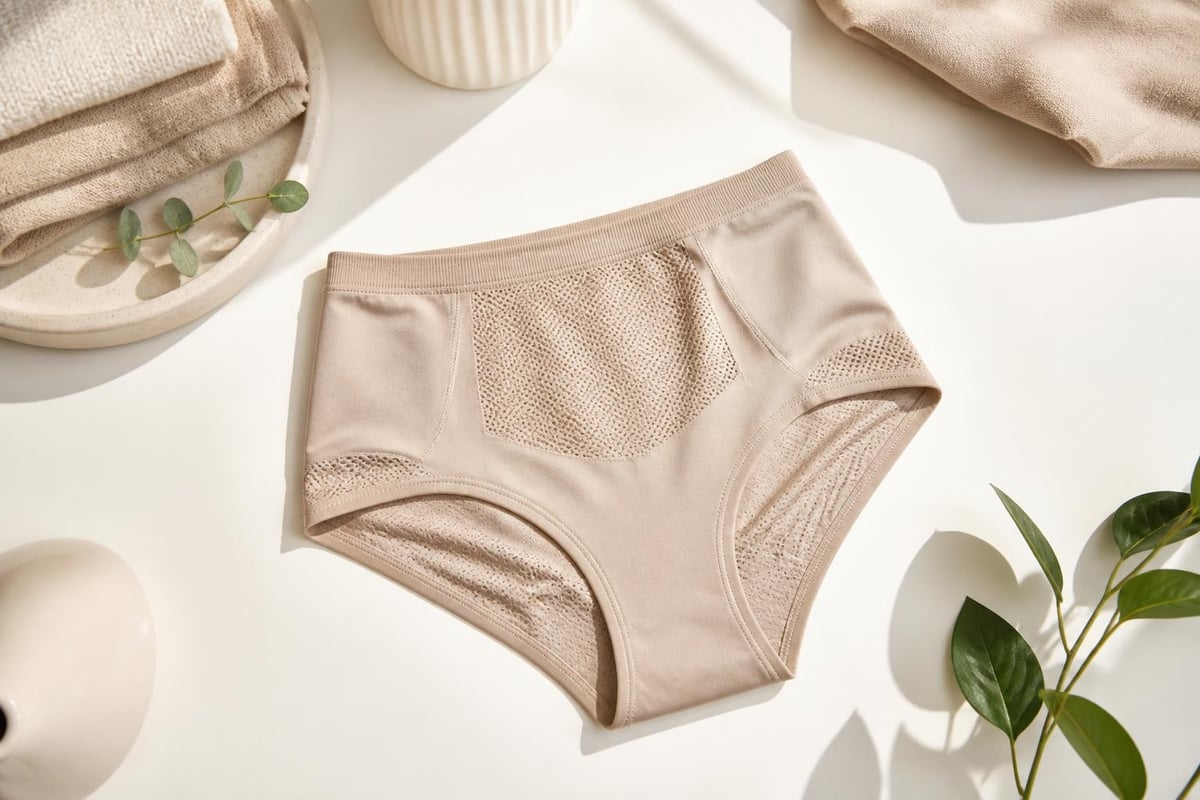
Camel toe remains one of the most common and frustrating issues with standard underwear, especially when wearing fitted bottoms at home. Quality home panties incorporate specialized gusset designs and strategic fabric layering to eliminate this concern.
The solution involves a contoured center panel that creates smooth coverage without creating unwanted definition. This design maintains modesty and confidence whether you're on a video call, answering the door, or simply moving through your day.
Temperature Regulation
Maintaining optimal temperature is crucial for comfort during extended wear. Home panties designed for 2026 incorporate phase-change materials and moisture-wicking technologies that respond to your body's needs.
These advanced fabrics pull moisture away from skin, allow air circulation, and prevent the hot, damp conditions that promote bacterial growth. Guidance from the American Academy of Dermatology emphasizes that proper underwear selection significantly reduces the risk of groin irritation and fungal infections.
Sizing and Fit Considerations
Proper fit transforms home panties from acceptable to exceptional. Unlike fashion underwear where you might tolerate slight discomfort, home panties need to fit perfectly for all-day wear.
Body-Inclusive Design Principles
The best home panties accommodate diverse body types without creating separate "plus size" categories. Modern sizing approaches include:
- Extended size ranges from XS through 4XL
- Multiple rise options (low, mid, high) for different torso lengths
- Adjustable or flexible waistbands that accommodate natural body fluctuations
- Proportional gusset widths that match body size
- Designs specifically created for curvy women that celebrate natural shapes
When selecting home panties, measure your hips at the widest point and consult the manufacturer's size chart rather than relying on your typical clothing size. Underwear sizing varies significantly between brands.
Testing the Fit
Once you receive new home panties, test them during a low-stakes day at home before relying on them for important occasions. Quality home panties should pass these fit tests:
- The squat test: No riding up or down during deep squats
- The sit test: Comfortable waistband without cutting in after an hour of sitting
- The workout test: Stays in place during moderate movement
- The breathability test: No excessive moisture after several hours of wear
- The visibility test: No lines visible under fitted bottoms
Sustainability and Ethical Production
In 2026, conscious consumers increasingly consider the environmental and social impact of their underwear choices. Home panties, as frequently worn items, represent an opportunity to make sustainable purchasing decisions.
Material Sustainability
Sustainable home panties use organically grown or responsibly harvested fibers. The Global Organic Textile Standard (GOTS) certifies that organic fibers meet strict environmental and social criteria throughout the production chain.
Eco-friendly material options include:
- Organic cotton grown without pesticides or synthetic fertilizers
- Bamboo viscose from sustainably managed forests
- Recycled microfiber from post-consumer plastic waste
- Tencel lyocell produced in closed-loop manufacturing systems
Fair Labor Practices
The garment industry has historically struggled with labor exploitation. Responsible brands now prioritize fair wages and safe working conditions throughout their supply chains. The International Labour Organization's Better Work program helps improve factory conditions in major garment-producing countries.
When choosing home panties, look for brands that provide transparency about their manufacturing partners and commit to ethical production standards.
Special Categories of Home Panties
Different lifestyle needs have spawned specialized categories within the home panties market. Understanding these options helps you select the right garments for your specific circumstances.
Period-Friendly Home Panties
Menstrual underwear has revolutionized period management for many women. These specialized home panties incorporate absorbent layers that can replace or supplement traditional period products.
According to Consumer Reports' testing of period underwear, modern menstrual panties offer reliable protection while maintaining comfort and discretion. The World Health Organization recognizes reusable menstrual materials as sustainable alternatives that improve menstrual health outcomes.
Quality period home panties feature multiple absorbent layers, leak-proof barriers, and antimicrobial treatments that prevent odor development during wear. These garments are particularly valuable for light flow days, overnight protection, or as backup during heavy flow.
Tummy Control Options
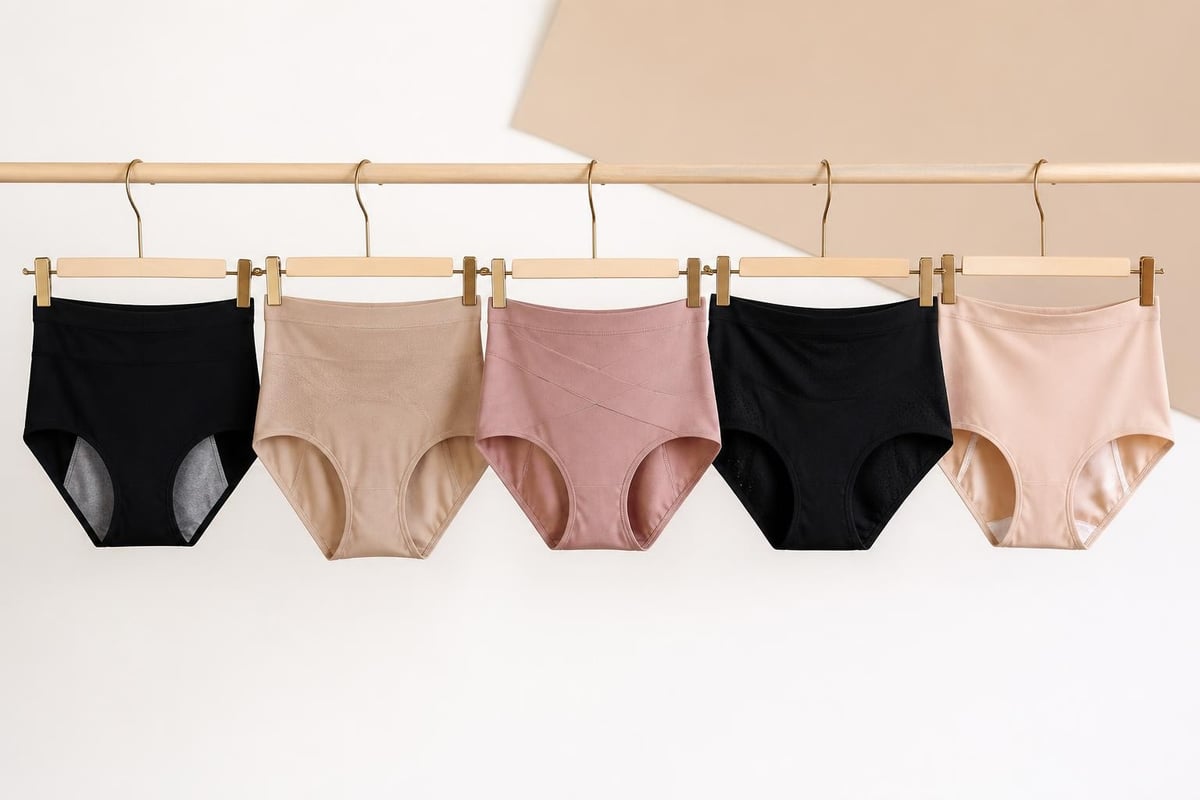
High-rise home panties with gentle compression offer smoothing benefits without the discomfort of traditional shapewear. These garments provide light support that enhances silhouette while remaining comfortable enough for all-day wear.
The key to comfortable tummy control lies in graduated compression that's firmest at the waist and gradually decreases down the hips. This design prevents the "muffin top" effect while allowing natural movement and breathing.
Care and Maintenance for Longevity
Proper care extends the life of your home panties while maintaining their performance characteristics. These garments represent an investment in your daily comfort, so protecting that investment makes financial sense.
Washing Best Practices
Follow these guidelines to preserve your home panties:
- Wash in cool or warm water (never hot) to prevent fiber breakdown
- Use gentle, fragrance-free detergents that won't irritate sensitive skin
- Avoid fabric softeners that coat fibers and reduce moisture-wicking ability
- Turn garments inside out before washing to protect exterior finish
- Use a mesh lingerie bag to prevent snagging and tangling
For period underwear or heavily soiled garments, rinse in cold water before machine washing to prevent stain setting.
Drying and Storage
Air drying preserves the elastic integrity and fabric structure of home panties better than machine drying. Lay flat or hang to dry in a well-ventilated area away from direct sunlight, which can degrade elastic fibers and fade colors.
When storing home panties, fold them flat rather than rolling or wadding them into balls. This preserves the seamless construction and prevents permanent creases in delicate fabrics.
Safety and Chemical Concerns
Recent testing has revealed that some underwear contains concerning levels of synthetic chemicals. In 2026, regulatory attention has focused particularly on PFAS (per- and polyfluoroalkyl substances) used in stain-resistant and moisture-wicking treatments.
The NRDC's testing of textiles for PFAS found concerning levels in some activewear and underwear products. These "forever chemicals" have been linked to health concerns and environmental persistence.
To minimize chemical exposure in home panties:
- Choose products certified by independent testing organizations
- Look for brands that specifically claim "PFAS-free" on packaging
- Avoid underwear with stain-resistant or antimicrobial treatments unless certified safe
- Select natural fiber options when possible
- Wash new garments before first wear to remove manufacturing residues
Building Your Home Panties Wardrobe
A well-planned home panties collection ensures you always have clean, comfortable options regardless of your schedule or activities. Most women find that seven to ten pairs provide adequate rotation for weekly laundry cycles.
Strategic Selection Approach
| Category | Quantity | Purpose | Key Features |
|---|---|---|---|
| Everyday Basics | 4-5 pairs | Daily wear | Seamless, neutral colors, comfortable waistband |
| Active/Workout | 2-3 pairs | Exercise, active days | Extra moisture-wicking, secure fit |
| Period Protection | 2-3 pairs | Menstrual cycle | Absorbent layers, dark colors |
| Special Comfort | 1-2 pairs | Recovery, sensitive days | Ultra-soft, no elastic, medical-grade |
When building your collection, start with versatile options from Ambar Wear's collection that address multiple needs simultaneously. Seamless, camel-toe-proof designs work for both everyday wear and active days.
Color and Pattern Considerations
While home panties prioritize function over fashion, color choices still matter. Practical color selection includes:
- Nude or skin-tone options for wearing under light-colored clothing
- Black or dark colors for period protection and versatility
- One or two fun colors or patterns for mood-boosting variety
- Avoid white for period weeks unless using dedicated menstrual underwear
Cost and Value Analysis
Quality home panties represent a higher upfront investment than basic underwear, but their durability and performance create superior long-term value. In 2026, expect to pay between fifteen and forty dollars per pair for premium home panties.
Price vs. Performance
Lower-priced options (under fifteen dollars) typically use standard materials without advanced features. These might suffice for occasional wear but often fail to deliver the comfort needed for extended home use.
Mid-range home panties (fifteen to twenty-five dollars) generally offer good quality seamless construction, breathable fabrics, and basic camel-toe prevention. These represent the sweet spot for most consumers building a functional wardrobe.
Premium options (twenty-five dollars and above) incorporate advanced technologies like antimicrobial treatments, PFAS-free moisture-wicking, certified organic materials, or specialized design features for specific needs.
Calculating Cost Per Wear
A twenty-dollar pair of home panties worn twice weekly for two years provides approximately 200 wears, equaling ten cents per use. Compare this to eight-dollar basic underwear that becomes uncomfortable after six months (fifty wears), costing sixteen cents per use with inferior performance.
Seasonal Considerations
Your home panties needs may shift with seasons, particularly if you live in climates with significant temperature variations. Planning for these changes ensures year-round comfort.
Summer Home Panties
Hot weather demands maximum breathability and moisture management. Look for lightweight fabrics like ice silk or bamboo that provide cooling effects. Light colors reflect heat better than dark colors, though stain concerns may outweigh this benefit.
Laser-cut edges eliminate even the minimal bulk of traditional seamless hems, creating truly invisible underwear under summer clothing.
Winter Home Panties
Cold weather allows for slightly heavier fabrics that provide gentle insulation without overheating in climate-controlled homes. Modal and microfiber blends offer warmth while maintaining breathability.
Full-coverage styles provide more warmth than minimal cuts, and higher-rise options protect lower back and abdomen from drafts during movement.
Choosing the right home panties transforms your daily comfort and confidence from the foundation up. By prioritizing seamless construction, breathable fabrics, proper fit, and thoughtful features that address common concerns, you create a wardrobe that supports your lifestyle whether you're working from home, exercising, or simply relaxing. Ambar Wear specializes in seamless, comfortable undergarments designed to eliminate camel toes, panty lines, and sweat patches while flattering all body types. Explore their collection to discover home panties that combine innovative design with exceptional everyday comfort.