

Finding good thongs can transform your daily comfort and confidence. In 2026, the underwear market has evolved far beyond basic designs, offering innovations in fabric technology, seamless construction, and anatomical fit that address the most common concerns women face. Whether you're seeking invisible lines under fitted clothing, all-day breathability during workouts, or simply comfortable everyday wear, understanding what separates mediocre thongs from truly exceptional ones makes all the difference. This comprehensive guide explores the essential qualities that define good thongs, from material selection and construction techniques to hygiene considerations and sustainable choices.
What Defines Good Thongs in 2026
The evolution of intimate apparel has brought remarkable improvements to thong design. Good thongs prioritize comfort without compromise, combining technical fabrics with thoughtful construction to eliminate irritation, visible lines, and common fit issues.
Essential Features of Quality Design
Modern good thongs incorporate several key characteristics:
- Seamless construction that prevents chafing and visible panty lines
- Breathable, moisture-wicking fabrics that maintain freshness throughout the day
- Anatomically contoured gussets that prevent bunching and camel toe
- Soft, non-binding waistbands that stay in place without digging
- Tagless designs to eliminate irritation points
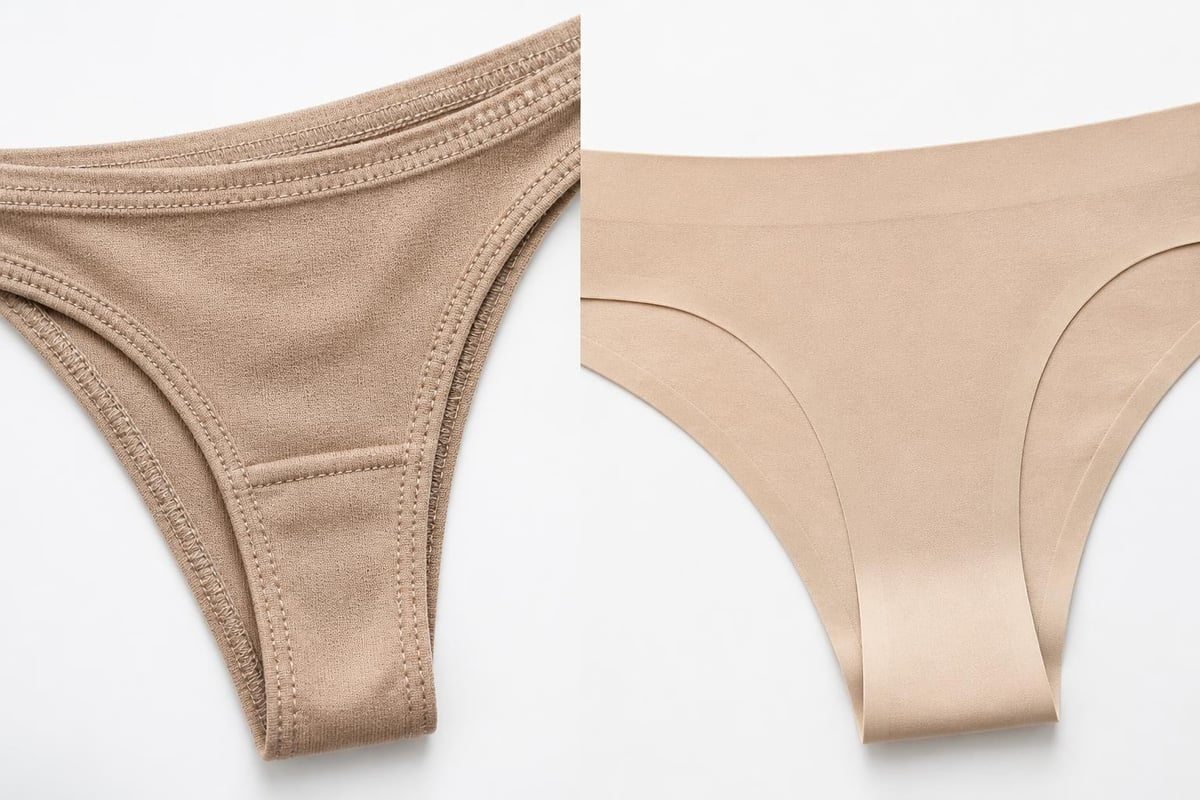
The best manufacturers now use flat-lock stitching and bonded seams rather than traditional thick elastic bands. This approach creates a second-skin feel that moves with your body rather than against it.
Material Science Behind Comfort
Material selection separates truly good thongs from inferior alternatives. Natural fibers like organic cotton offer breathability and reduce irritation risk, while advanced synthetics provide moisture management and durability.
| Material Type | Benefits | Best Use Case |
|---|---|---|
| Organic Cotton | Breathable, hypoallergenic, sustainable | Everyday wear, sensitive skin |
| Modal/Tencel | Soft, moisture-wicking, eco-friendly | Active lifestyles, warm climates |
| Micro-Modal Blend | Ultra-smooth, durable, quick-dry | Athletic activities, travel |
| Ice Silk | Cooling effect, lightweight, seamless | Summer wear, hot weather |
| Nylon-Spandex Blend | Stretch, shape retention, invisible | Form-fitting outfits, special occasions |
Research on textile fibres and sustainability shows that bio-based options like modal offer environmental advantages while maintaining performance characteristics women expect from good thongs.
Health and Hygiene Considerations
The relationship between underwear choice and intimate health deserves careful attention. Good thongs support rather than compromise your wellbeing when designed and worn properly.
Understanding Infection Risk
Scientific evidence provides nuanced insights into thong wear and health outcomes. A comprehensive survey on thong use and infections found no significant association between thong wearing and urinary tract infections or yeast infections when proper hygiene practices are maintained.
Key protective factors include:
- Choosing thongs with 100% cotton gussets or moisture-wicking technical fabrics
- Ensuring proper fit that doesn't create excessive friction
- Changing out of sweaty workout thongs promptly
- Following appropriate laundering practices
- Rotating underwear rather than wearing the same pair multiple times between washes
Studies examining underwear type and vulvovaginal health emphasize that fabric composition matters more than style. Good thongs made from breathable materials with properly designed gussets pose minimal risk compared to poorly constructed alternatives in any style.
Fabric Choice and Vaginal Health
The vaginal microbiome thrives when moisture and temperature remain balanced. Research on intimate hygiene habits and vaginal health confirms that synthetic fabrics can trap moisture and heat, potentially disrupting this delicate ecosystem.
Good thongs address this concern through:
- Cotton-lined gussets even in otherwise synthetic designs
- Moisture-wicking panels in high-sweat areas
- Breathable mesh zones for enhanced air circulation
- Antimicrobial treatments using natural silver ions or bamboo derivatives
Women with unique body considerations particularly benefit from designs that balance support with breathability, ensuring comfort across all sizes and shapes.
Finding the Perfect Fit
Fit determines whether good thongs deliver on their comfort promises. An ill-fitting thong causes constant readjustment, visible lines, and potential health issues regardless of quality materials.
Rise Options and Body Types
Thong rise significantly impacts both comfort and function:
- Low-rise designs sit below the natural waist, ideal for low-cut jeans and avoiding waistband visibility
- Mid-rise styles rest at the natural waist, offering everyday versatility and balanced coverage
- High-rise options extend above the natural waist, providing tummy control and enhanced support
Body proportions guide the best choice. Women with longer torsos often find mid-rise thongs migrate downward, making high-rise alternatives more stable. Conversely, those with shorter torsos may find high-rise designs uncomfortable.
Sizing Beyond the Label
Good thongs require accurate sizing that accounts for individual variation. Standard size charts provide starting points, but several factors influence optimal fit:
| Fit Indicator | Too Small | Correct Fit | Too Large |
|---|---|---|---|
| Waistband | Digs into skin, leaves marks | Lies flat, stays put | Gaps, rolls down |
| Gusset | Pulls tight, causes camel toe | Smooth coverage, no bunching | Excess fabric, shifting |
| Back strap | Uncomfortably tight | Present but unnoticeable | Loose, visible lines |
| Leg openings | Binding, cutting | Smooth transition | Gapping, bunching |
Seamless designs from specialized manufacturers like those offering camel toe prevention technology incorporate anatomical shaping that adapts to individual contours rather than forcing bodies into generic patterns.
Special-Purpose Good Thongs
Different activities and needs call for specialized thong designs. Understanding these variations helps build a functional underwear wardrobe.
Athletic and Active Wear
Workout thongs face unique challenges: increased moisture, higher friction, and greater movement demands. Good thongs for athletic use feature:
- High-performance moisture wicking that pulls sweat away from skin
- Anti-chafe construction with flat seams and bonded edges
- Stay-put waistbands that resist rolling during movement
- Quick-dry fabrics that prevent bacterial growth
- Odor-resistant treatments using natural or safe synthetic technologies
Many active women pair specialized thongs with seamless lifting leggings for a completely invisible foundation under form-fitting workout gear.
Period-Friendly Options
The emergence of period underwear has expanded into thong styles, though these require careful evaluation. Consumer testing of period underwear has raised important questions about absorbent materials and chemical treatments.
Good period thongs balance:
- Adequate absorbency for light-flow days or backup protection
- Breathable layers despite multi-ply construction
- Easy laundering without special detergents or treatments
- Chemical safety avoiding PFAS and questionable waterproofing agents
Specialty Solutions for Common Problems
Innovative designs now address specific concerns that traditional thongs couldn't solve. Tummy control options extend higher on the torso, providing smoothing support while maintaining the backless benefits of thong styling.
Similarly, good thongs designed specifically for camel toe prevention incorporate:
- Contoured gusset panels with strategic padding
- Seamless front construction that distributes pressure evenly
- Anatomically shaped cuts that follow natural body contours
- Moisture-wicking materials that prevent fabric clinging
Care and Longevity
Even the best-constructed good thongs require proper care to maintain their performance and hygiene benefits. Smart laundering practices extend lifespan while protecting both the garments and your health.
Washing Best Practices
Proper thong care follows evidence-based garment maintenance principles. According to professional laundry guidance, intimate apparel benefits from specific handling:
Recommended washing routine:
- Hand wash or use lingerie bags to protect delicate fabrics and seamless construction
- Choose gentle, fragrance-free detergents to avoid irritation and fabric breakdown
- Wash in warm (not hot) water to sanitize without damaging elastic fibers
- Air dry whenever possible as heat degrades spandex and elastic components
- Separate by color and fabric type to prevent dye transfer and damage
Frequency matters as much as method. Good thongs should be washed after each wearing to prevent bacterial accumulation, particularly important for intimate garments.
Storage and Rotation
Building a rotation of quality thongs preserves each pair while ensuring you always have fresh options available. Experts recommend:
- Owning at least 7-10 pairs for weekly rotation
- Storing thongs flat or gently folded rather than tightly rolled
- Keeping specialized athletic thongs separate from everyday wear
- Replacing thongs every 6-12 months depending on wear frequency
- Monitoring for loss of elasticity as a replacement signal
This rotation approach prevents overuse of individual pairs, which causes faster deterioration and hygiene concerns.
Sustainability and Environmental Impact
The textile industry's environmental footprint makes sustainable choices increasingly important. Good thongs can align personal comfort with environmental responsibility through thoughtful material and brand selection.
Eco-Friendly Material Alternatives
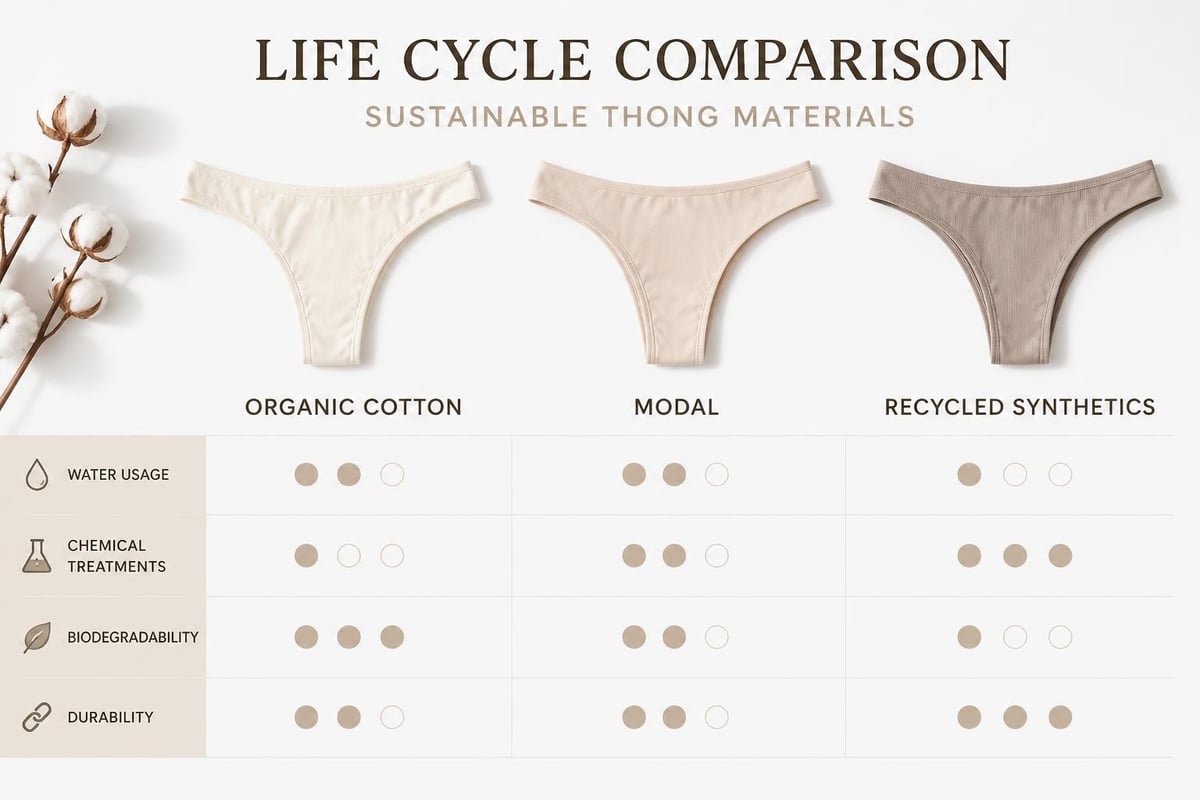
Traditional synthetic underwear contributes to the broader environmental challenges of textiles, including microplastic pollution and resource-intensive production. Sustainable good thongs utilize:
- Organic cotton grown without pesticides or synthetic fertilizers
- TENCEL™/Modal derived from sustainably harvested wood pulp
- Recycled nylon repurposed from fishing nets and industrial waste
- Bamboo blends offering natural antimicrobial properties
- Hemp fibers requiring minimal water and no pesticides
Each material presents different trade-offs between performance, comfort, environmental impact, and cost. Good thongs increasingly offer sustainable options without sacrificing the technical benefits women expect.
Circular Economy Approaches
Beyond material selection, the full lifecycle of good thongs matters for environmental impact. Progressive brands now implement:
- Take-back programs for worn-out underwear recycling
- Minimal packaging using recycled and recyclable materials
- Transparent supply chains ensuring ethical labor practices
- Durability-focused design that extends usable life
- Multi-pack options reducing packaging waste per unit
Consumers can support these initiatives while enjoying high-quality products from manufacturers committed to both performance and planet.
Shopping Smart for Good Thongs
Navigating the crowded underwear market requires strategy. Understanding what to look for and what to avoid helps identify genuinely good thongs amid marketing claims.
Quality Indicators to Prioritize
When evaluating potential purchases, several factors signal superior construction and design:
Construction details:
- Flat or bonded seams rather than traditional stitching
- Reinforced gusset attachment points
- Non-slip waistband materials that grip without binding
- Consistent fabric weight and texture without thin spots
- High-quality elastic that returns to shape after stretching
Material certifications:
- OEKO-TEX Standard 100 for harmful substance testing
- GOTS (Global Organic Textile Standard) for organic fibers
- bluesign® system partnership for environmental responsibility
- Fair Trade certification for ethical production
Understanding Price vs. Value
Good thongs span a wide price range, but cost doesn't always correlate with quality. Premium pricing may reflect:
- Sustainable material sourcing and ethical manufacturing
- Proprietary fabric technologies and design innovations
- Smaller production runs with quality control
- Marketing and brand positioning costs
Conversely, some affordable options deliver excellent performance through efficient production and direct-to-consumer models. The complete collection from specialized manufacturers often provides better value than department store premium brands.
Reading Reviews Effectively
Customer reviews offer real-world insights, but interpreting them requires discernment:
Focus on reviewers who:
- Share similar body types and proportions
- Describe specific use cases matching your needs
- Mention long-term performance after multiple washes
- Discuss comfort during extended wear periods
- Compare to other brands or styles they've tried
Be skeptical of reviews that:
- Only mention appearance without comfort details
- Seem overly promotional or generically positive
- Don't specify size ordered or fit experience
- Come from verified purchases of single units (rather than regular customers)
Addressing Common Thong Concerns
Many women avoid thongs based on misconceptions or past negative experiences with poorly designed options. Good thongs successfully overcome traditional objections when properly selected.
"Thongs Are Uncomfortable"
This common complaint typically stems from inadequate fit or inferior materials rather than thong design itself. Good thongs become virtually unnoticeable during wear when they:
- Match your body proportions and preferred rise
- Use seamless construction that eliminates pressure points
- Incorporate stretch fabrics that move with you
- Feature soft, breathable materials in the gusset
- Avoid decorative elements that cause irritation
Women transitioning from full-coverage styles should start with seamless designs in their normal size, wearing them for short periods initially to allow adjustment.
"They Show Through Clothing"
Visible panty lines defeat the primary purpose of thongs. Good thongs eliminate this problem through:
| Feature | How It Prevents Lines |
|---|---|
| Laser-cut edges | No raised seams to telegraph through fabric |
| Bonded construction | Eliminates bulky stitching at waist and legs |
| Strategic thickness | Thin enough to disappear, thick enough for coverage |
| Color matching | Nude tones blend with skin under light fabrics |
| Minimal back strap | Narrow band reduces visible ridge lines |
Pairing quality thongs with appropriate activewear or shapewear creates a completely smooth silhouette under even the most unforgiving fitted clothing.
"I'm Concerned About Hygiene"
As discussed earlier, properly designed good thongs with breathable materials and cotton gussets pose no inherent hygiene risks. Additional protective measures include:
- Changing into fresh thongs after workouts
- Choosing white or light-colored thongs to monitor discharge
- Avoiding thongs during yeast infection treatment
- Selecting moisture-wicking fabrics for humid climates
- Maintaining consistent laundering routines
Women with recurring infections should consult healthcare providers, but switching to high-quality, breathable good thongs often helps rather than harms.
Building Your Thong Wardrobe
A well-planned collection of good thongs covers various needs while avoiding wasteful overbuying. Strategic selection ensures appropriate options for every situation.
Essential Base Collection
Every woman's thong wardrobe should include:
- 3-4 nude/beige pairs for wearing under light-colored clothing
- 3-4 black pairs for dark outfits and versatile everyday wear
- 2-3 athletic pairs with enhanced moisture-wicking for workouts
- 1-2 high-rise pairs for high-waisted bottoms and tummy control
- 1-2 decorative pairs for special occasions when aesthetics matter
This foundation provides approximately two weeks of rotation with proper laundering, preventing overuse of individual pairs.
Specialized Additions
Beyond basics, consider adding:
- Seamless nude multi-packs for frequent wear (5-unit options offer value)
- Period-friendly backup thongs for light-flow days
- Travel-specific quick-dry pairs for easy laundering on the go
- Different rise options to accommodate various outfit waistlines
- Seasonal variations like cooling ice silk for summer
Quality over quantity remains the guiding principle. Ten pairs of genuinely good thongs outperform thirty ill-fitting, uncomfortable alternatives.
Finding good thongs that deliver comfort, confidence, and performance transforms your daily experience from the foundation up. By prioritizing seamless construction, breathable materials, proper fit, and thoughtful design, you can enjoy invisible support under any outfit while maintaining intimate health and personal comfort. Ambar Wear specializes in exactly these priorities, offering camel toe-proof, seamless thongs engineered for real women's bodies and lives, ensuring you never have to choose between looking great and feeling comfortable.