

Access to clean, comfortable underwear remains a basic necessity that millions of Americans struggle to afford. Free undies programs have emerged across nonprofit organizations, schools, and brands as a practical solution to address dignity, health, and equity gaps in communities nationwide. Whether you're exploring how to participate in underwear donation drives, considering launching a giveaway campaign for your business, or simply learning about the landscape of free underwear initiatives, understanding the models, regulations, and best practices helps ensure these programs create genuine value while maintaining ethical standards.
The Growing Need for Free Underwear Programs
Underwear ranks among the most requested but least donated items at homeless shelters and clothing banks. Unlike outerwear or shoes, most donation centers cannot accept used undergarments for health and hygiene reasons, creating a persistent shortage of this essential item.
Organizations like Undies for Everyone have built national networks specifically to collect and distribute new underwear to children experiencing homelessness or poverty. Their model demonstrates how focused free undies initiatives can scale to meet community needs systematically.
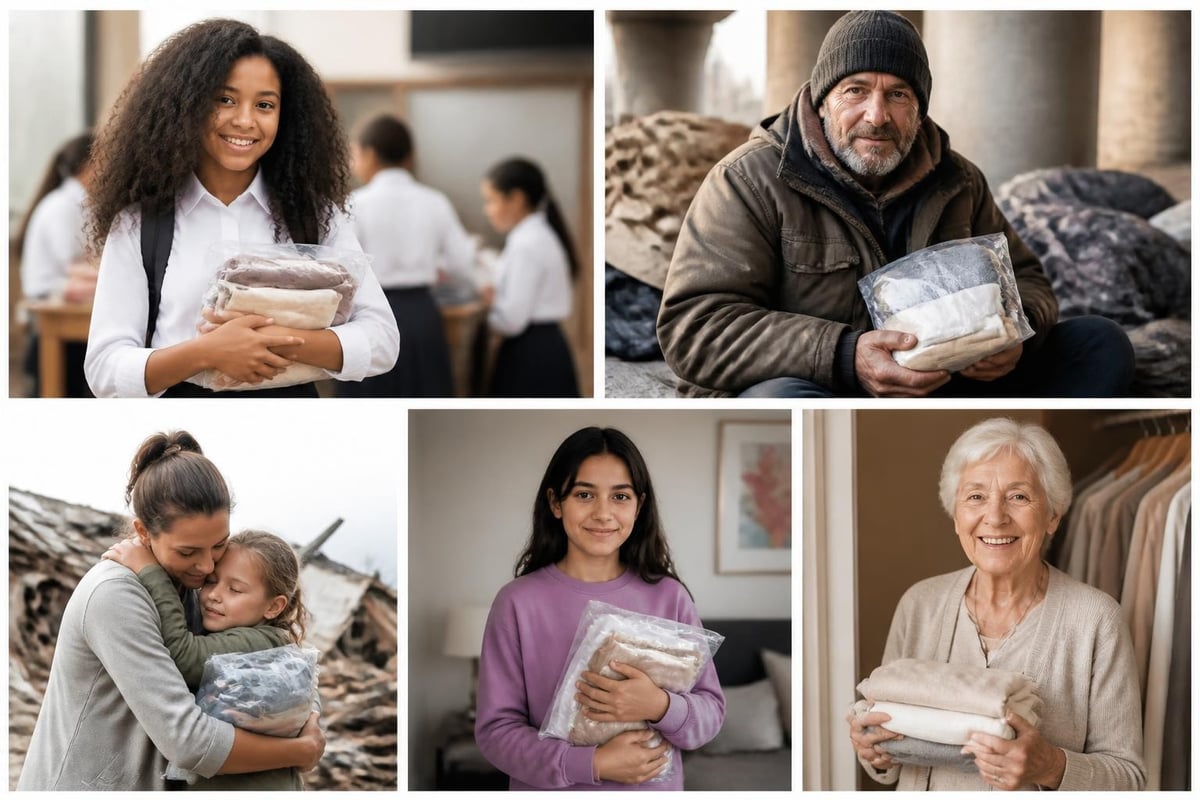
Key populations served by free underwear programs include:
- Students from low-income households
- Individuals experiencing homelessness
- Disaster survivors who lost belongings
- Foster children entering care with minimal possessions
- Seniors on fixed incomes in residential facilities
The connection between underwear access and dignity cannot be overstated. Children without clean underwear face bullying, school absenteeism, and psychological distress. Adults in similar situations often struggle to maintain employment or access social services when basic hygiene needs go unmet.
Period Poverty and Menstrual Underwear Access
The conversation around free undies increasingly intersects with menstrual health equity. Global reports reveal major gaps in menstrual health and hygiene, particularly in schools where students lack access to supplies and supportive facilities.
Research from PERIOD.'s State of the Period publications shows that one in four U.S. students struggle to afford period products. This reality has sparked initiatives providing not just pads and tampons, but also period-proof underwear as a reusable, sustainable option.
| Program Type | Target Audience | Distribution Method | Sustainability Factor |
|---|---|---|---|
| School-based | K-12 students | Nurse offices, counselors | Medium (disposables + reusables) |
| Shelter programs | Homeless individuals | Direct service provision | Low (primarily disposables) |
| Nonprofit donations | Children in need | Partner agencies | Medium (mix of products) |
| Brand giveaways | General consumers | Social media, email | Variable (often sample sizes) |
Period underwear distributed through free undies programs offers a dignified, eco-conscious solution that reduces monthly costs for recipients while minimizing waste compared to disposable products.
Brand-Sponsored Free Undies Campaigns
Companies across the underwear industry have recognized that strategic giveaways serve dual purposes: building brand awareness while addressing genuine community needs. However, the execution determines whether these campaigns deliver authentic value or simply generate short-term marketing buzz.
Types of Brand Giveaway Models
Social media contests represent the most common approach, where followers enter by liking, commenting, or sharing posts. These campaigns build engagement metrics but often reach audiences already following the brand rather than those most in need.
First-order incentives offer free undies with purchase or as part of welcome bundles for new customers. This model rewards trial while introducing consumers to product quality, particularly effective for brands like Ambar Wear's specialized collections that solve specific fit challenges.
Community partnership programs align brand resources with nonprofit distribution networks, ensuring free underwear reaches target populations efficiently. These collaborations typically involve bulk donations rather than individual consumer giveaways.
Referral rewards provide free products when existing customers bring new buyers, creating growth loops while putting product in customers' hands at zero cost.
Each model carries different implications for authenticity, reach, and regulatory compliance. Brands must weigh marketing objectives against genuine community impact when designing free undies initiatives.
Legal Compliance for Giveaway Campaigns
Running promotions that promise free undies requires careful attention to consumer protection laws. The Federal Trade Commission provides clear guidance on sweepstakes and giveaways that distinguish legal promotions from illegal lotteries.
Three elements define an illegal lottery:
- Prize (something of value)
- Chance (random winner selection)
- Consideration (payment or effort required to enter)
Legal sweepstakes eliminate consideration by offering free entry methods. Contests eliminate chance by judging entries on merit. Understanding this framework prevents costly violations.
Additionally, FTC warnings about social media giveaway scams highlight risks consumers face from fraudulent "free undies" offers. Legitimate brands must clearly communicate rules, winner selection processes, and how personal data will be used.
Official rules should specify:
- Eligibility requirements (age, location)
- Entry period dates
- Prize details and approximate retail value
- Winner selection method and notification timeline
- Sponsor contact information
- Privacy policy and data usage
Transparency builds trust and protects both brand and participants.

Environmental Considerations in Free Underwear Distribution
The sustainability implications of free undies programs deserve scrutiny as textile waste continues mounting globally. EPA data on textiles and recycling reveals that Americans generate over 17 million tons of textile waste annually, with underwear and other basics contributing significantly.
Balancing Access and Sustainability
Programs distributing new underwear face a tension: providing dignity and hygiene requires fresh garments, yet manufacturing and eventually discarding these items carries environmental costs.
Sustainable approaches to free undies distribution include:
- Sourcing from manufacturers using recycled fibers or organic materials
- Partnering with brands committed to ethical production standards
- Educating recipients on garment care to extend product lifespan
- Establishing take-back programs for eventual recycling
- Prioritizing durable, high-quality items over cheap fast-fashion options
Brands incorporating sustainability into their free underwear initiatives demonstrate values alignment that resonates with environmentally conscious consumers. For example, companies offering seamless, durable designs that last longer reduce the frequency of replacement needs.
The circular economy model presents promising pathways: designing underwear for recyclability, using materials that biodegrade safely, and creating systems to recover and reprocess garments at end-of-life.
Maximizing Impact: Best Practices for Free Undies Programs
Whether you're a nonprofit coordinating donations, a brand launching promotions, or an individual supporting these initiatives, certain principles enhance effectiveness and reach.
For Nonprofits and Community Organizations
Needs assessment should precede distribution. Surveying target populations about size ranges, style preferences (briefs vs. thongs vs. specialized options for curvy body types), and quantities needed prevents waste and ensures usefulness.
Dignified distribution matters tremendously. Rather than generic handouts, creating choice-based systems where recipients select items preserves autonomy and respect.
Partnership development with corporate sponsors, manufacturers, and retail brands creates sustainable supply chains. Free undies programs function best when backed by committed, long-term supporters rather than one-off donations.
| Best Practice | Why It Matters | Implementation Example |
|---|---|---|
| Size diversity | Bodies vary; one-size items leave many unserved | Stock sizes XS through 4XL minimum |
| Cultural sensitivity | Religious and cultural norms affect underwear preferences | Offer modest coverage options alongside brief styles |
| Quality standards | Low-quality items fail quickly, undermining dignity | Set minimum durability requirements for donations |
| Follow-up access | One-time distribution doesn't solve ongoing needs | Create quarterly or seasonal re-supply opportunities |
For Brands Running Promotions
Authenticity should drive campaign design. Free undies offers that feel exploitative or purely self-promotional generate backlash rather than goodwill.
Start by asking: Does this giveaway genuinely help people, or just harvest email addresses? If social good is a stated goal, partner with verified nonprofits and be transparent about donation amounts.
Clear communication prevents disappointment. Specify exactly what "free" means (is shipping included?), qualification requirements, and timeframes. Ambiguity breeds frustration and damages brand reputation.
Product quality in giveaway items should match regular inventory. Sending inferior "freebie" versions insults recipients and fails to showcase your brand properly. If you're known for solutions that prevent common underwear problems, your free samples should demonstrate those same benefits.
Community-Building Through Free Underwear Initiatives
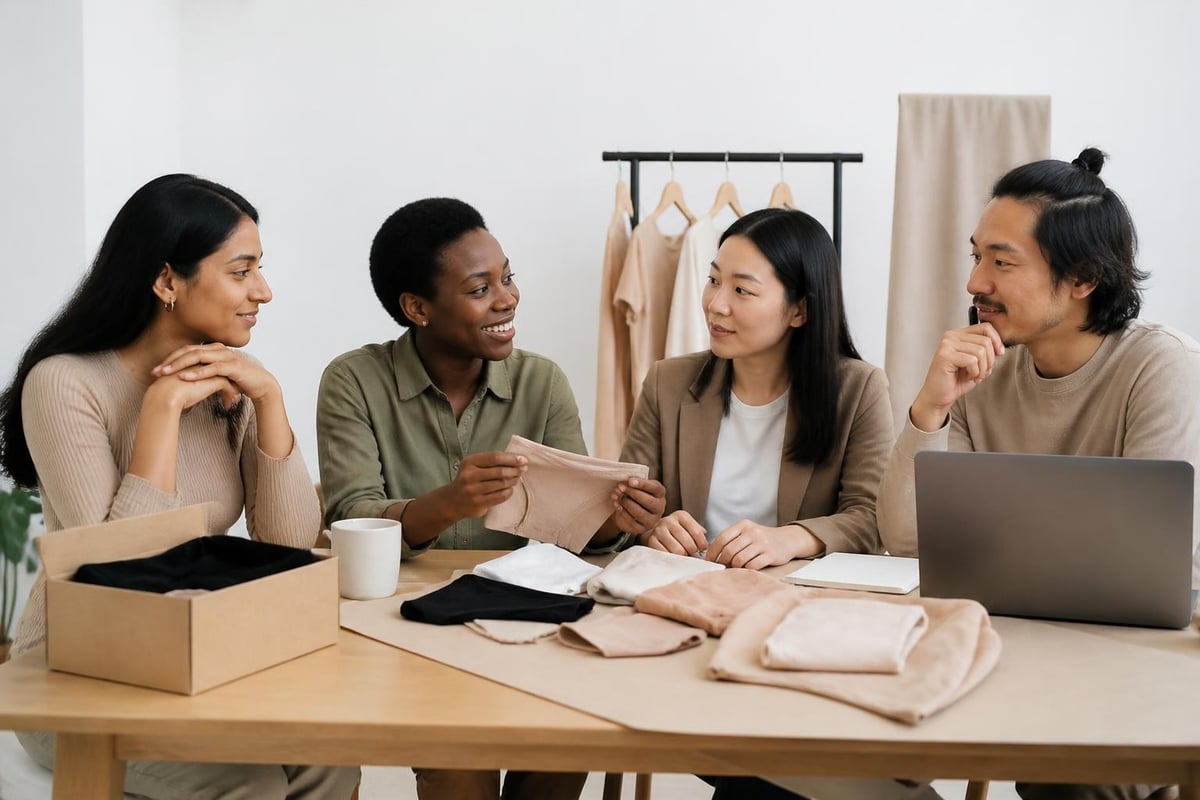
Beyond meeting immediate material needs, free undies programs create opportunities for community connection and mutual support. These initiatives work best when designed with participation and dignity at their core.
Peer-to-Peer Models
Some successful programs empower community members to lead distribution efforts. Students organizing underwear drives for classmates, workplace teams collecting for local shelters, or neighborhood groups hosting swap-and-share events all demonstrate grassroots approaches.
These models reduce stigma by positioning underwear access as a community value everyone supports rather than charity for "those people." When colleagues or neighbors organize free undies collections, participation feels like mutual aid rather than one-way giving.
School-Based Programs
Educational institutions represent ideal settings for underwear access programs. School nurses, counselors, and social workers already identify students facing material hardships and can discreetly provide needed items.
Effective school programs include:
- Stocked supply closets accessible to identified students
- Partnerships with organizations like Undies for Everyone for regular replenishment
- Staff training on trauma-informed distribution practices
- Parent education about available resources
- Integration with broader wellness initiatives addressing period poverty and hygiene needs
By normalizing underwear access within comprehensive student support, schools reduce shame while ensuring no child goes without basics.
Workplace Initiatives
Progressive employers have begun including underwear in benefits and wellness programs. Some companies sponsor free undies for employees facing financial hardship, while others organize collection drives benefiting local communities.
These workplace programs signal that employers recognize the full spectrum of employee needs, from healthcare to the smallest essentials that affect daily dignity and comfort.
Scaling Free Undies Access: Systems and Strategy
Individual acts of generosity matter, but systematic change requires coordinated infrastructure. Scaling underwear access from local programs to regional or national reach demands strategic thinking about supply chains, funding, and distribution networks.
Supply Chain Partnerships
Manufacturers and brands represent the most efficient sources for bulk underwear donations. Rather than purchasing retail items for donation, nonprofits working directly with producers access wholesale pricing and can often negotiate donated inventory.
For brands, these partnerships offer:
- Tax deductions for charitable contributions
- Productive use for overstock or minor cosmetic seconds
- Authentic corporate social responsibility narratives
- Community goodwill and positive brand association
Strategic brands like Ambar Wear might partner with women's shelters or organizations serving populations who particularly benefit from tummy control options or other specialized designs.
Funding Sustainable Programs
Free undies initiatives require ongoing operational funding beyond just product costs. Storage, logistics, personnel, and outreach all demand resources.
Diverse revenue streams strengthen program sustainability:
- Individual donor campaigns
- Corporate sponsorships and matching gifts
- Foundation grants focused on basic needs or dignity initiatives
- Government contracts for homeless services or foster care support
- Social enterprise models selling some products to subsidize free distribution
The most resilient programs combine multiple funding sources rather than depending on single supporters.
Technology and Distribution Innovation
Modern free undies programs leverage technology for efficiency and reach. Online platforms match donors with needs, inventory management systems prevent shortages, and data analytics identify underserved populations.
Mobile distribution units bring underwear access directly to homeless encampments or rural communities. Vending-style dispensers in schools or shelters allow 24/7 access without staff involvement. These innovations reduce barriers and increase program accessibility.
Quality Matters: Why Premium Free Undies Make a Difference
The instinct to donate the cheapest available underwear misses an important truth: people experiencing hardship deserve quality just as much as anyone else. Low-quality free undies that fall apart after one wash, chafe uncomfortably, or fit poorly actually undermine the dignity these programs aim to restore.
Durability and Comfort
Well-constructed underwear from quality activewear collections lasts substantially longer than fast-fashion alternatives, providing better value even when donated. Recipients benefit from comfort features like seamless construction, breathable fabrics, and appropriate stretch.
For women managing demanding work schedules, caregiving responsibilities, or unstable housing, underwear that stays in place, wicks moisture, and maintains its shape through repeated washing genuinely improves daily life.
Specialized Solutions
Generic free undies often ignore the specific challenges different bodies face. Programs that include options addressing real problems (like designs preventing camel toe or providing genuine tummy control) show recipients that their specific needs matter.
This attention to detail transforms underwear distribution from basic charity into genuine support that acknowledges each person's right to comfort and confidence in their own body.
Measuring Impact and Program Effectiveness
Like any social program, free undies initiatives benefit from clear metrics and evaluation. Understanding what works, who's reached, and what gaps remain enables continuous improvement.
Key performance indicators might include:
- Number of individuals served (unduplicated count)
- Geographic distribution and demographic data
- Repeat access rates (indicating ongoing need vs. emergency relief)
- Partnership growth (new donor or distribution relationships)
- Recipient feedback and satisfaction scores
- Cost per item distributed
- Volunteer engagement metrics
Qualitative data matters too. Stories from recipients about how access to clean underwear affected their job interviews, school attendance, or mental health provide crucial context that numbers alone cannot capture.
Regular program evaluation identifies barriers to access. Perhaps certain size ranges run out first, indicating need for adjusted procurement. Maybe distribution hours don't align with target population availability. Data-driven adjustments enhance effectiveness.
Free undies programs represent practical responses to genuine needs while creating opportunities for brands, nonprofits, and communities to collaborate meaningfully. Whether through donation drives, ethical giveaways, or systematic distribution partnerships, increasing access to quality underwear supports dignity and health for millions. When you're ready to invest in undergarments designed for real comfort and confidence, Ambar Wear offers seamless solutions that eliminate common fit issues so every woman can feel her best every day.