

The intimate apparel market has witnessed numerous innovations over the decades, with designers constantly responding to evolving consumer preferences and comfort standards. Among the more unusual product categories that have emerged is fake camel toe underwear, designed intentionally to create the visible fabric contour that most women actively try to avoid. Understanding this niche product category requires examining both its intended purpose and the broader conversation around intimate apparel design, construction techniques, and body confidence.
Understanding the Fake Camel Toe Underwear Concept
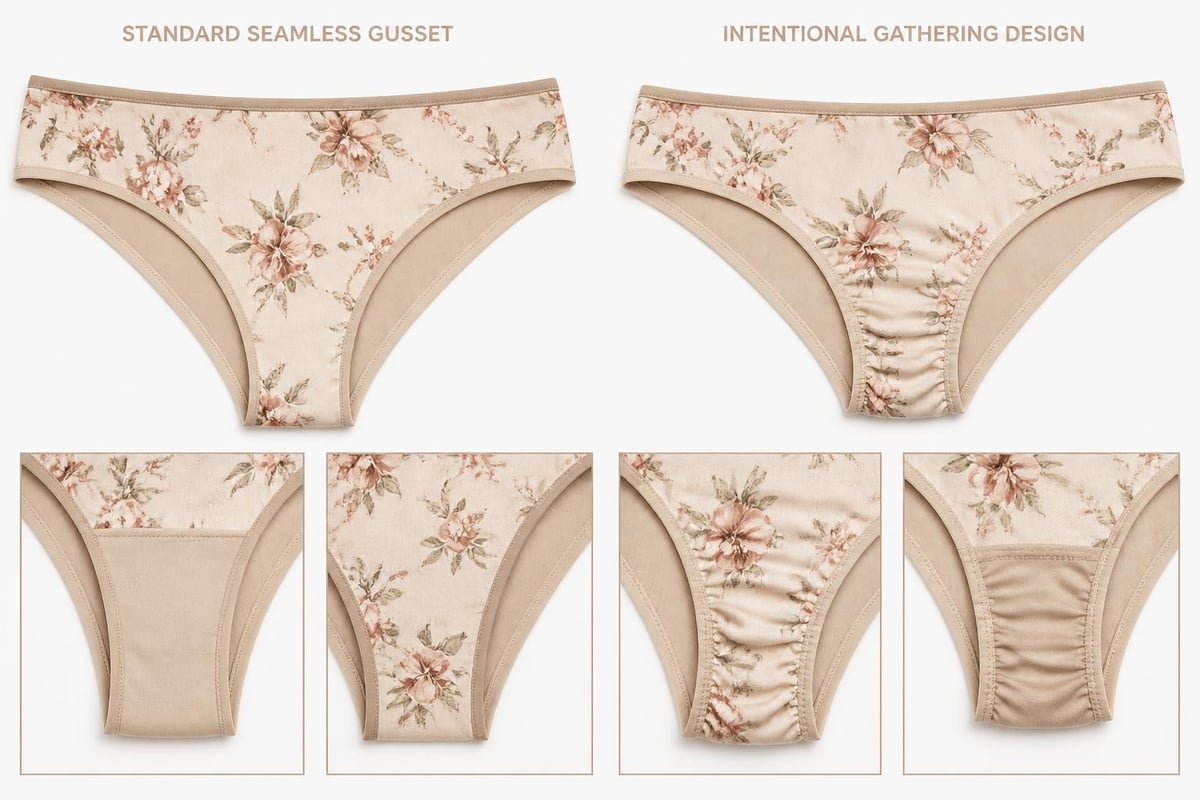
Fake camel toe underwear represents a specialized category within intimate apparel, typically featuring design elements that deliberately emphasize fabric gathering in the frontal crotch area. These garments often incorporate strategic seaming, textured gussets, or specialized padding to create a visible contour through outer clothing.
The market for these products remains relatively small compared to mainstream underwear categories. Proponents argue these garments help wearers achieve a specific aesthetic for performance, cosplay, or personal preference. Unlike conventional underwear design that prioritizes smooth lines and invisibility beneath clothing, fake camel toe underwear takes the opposite approach.
Design Construction and Engineering
The engineering behind fake camel toe underwear involves several technical considerations. Manufacturers typically employ:
- Reinforced center seams that create pronounced vertical lines
- Multi-layer gusset construction adding bulk to the frontal area
- Specialized padding inserts positioned strategically for contouring
- Textured fabric selections that naturally gather or bunch
- Elastic placement designed to pull fabric inward rather than distribute evenly
According to technical research on gusset construction, the geometry, layers, and pattern placement significantly influence how fabric sits against the body. While standard underwear design uses these principles to eliminate visible lines, fake camel toe underwear deliberately inverts these engineering goals.
Health and Comfort Considerations
When evaluating any intimate apparel, health considerations should take priority. Fake camel toe underwear often creates increased pressure and friction in sensitive areas, potentially leading to discomfort or skin irritation.
Medical resources emphasize the importance of proper underwear fit. The U.S. National Library of Medicine's guidance on skin chafing notes that poorly fitting garments contribute to friction-related skin problems. Garments designed to create intentional gathering naturally increase fabric-to-skin contact in delicate areas.
Potential Health Risks
| Risk Factor | Description | Prevention |
|---|---|---|
| Chafing | Increased friction from bunched fabric | Choose smooth, flat seams |
| Moisture retention | Extra layers trap heat and sweat | Select breathable, moisture-wicking materials |
| Pressure points | Concentrated elastic or seams | Opt for distributed support |
| Infection risk | Warm, moist environment promotes bacteria | Wear breathable, natural fibers |
Research published in peer-reviewed dermatology journals demonstrates that garment choice, including fit, seam placement, and moisture management, directly affects skin health in intimate areas. Women with sensitive skin or predisposition to conditions like hidradenitis suppurativa should be particularly cautious about garments that increase friction or moisture retention.
The 2024 UK national guideline on vulval conditions specifically discusses irritation risks from tight or synthetic underwear and excessive friction, reinforcing the importance of thoughtful garment selection.
The Anti-Camel Toe Movement
While fake camel toe underwear serves a niche market, the overwhelming majority of women seek the opposite: underwear to prevent camel toe that ensures smooth, invisible lines beneath clothing. This preference has driven significant innovation in intimate apparel design.
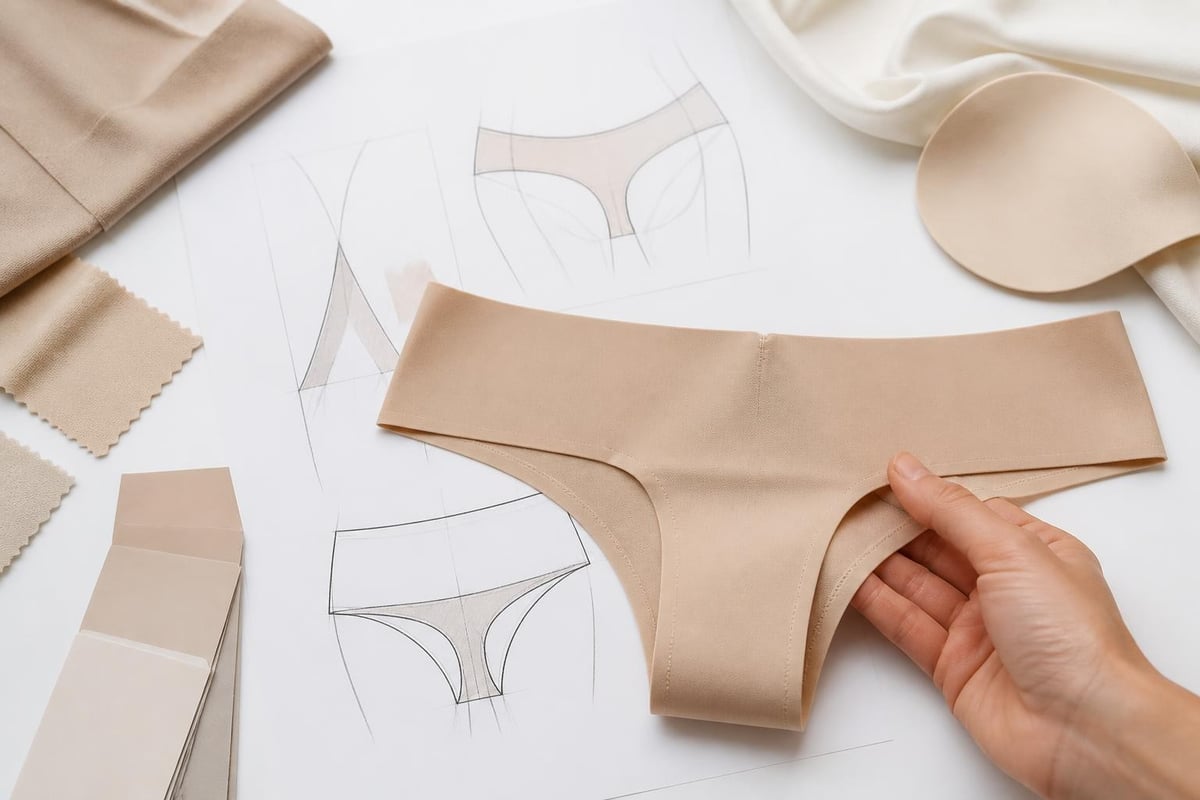
Modern anti-camel toe underwear employs sophisticated engineering to eliminate visible contouring:
- Seamless construction eliminates ridges that can create lines
- Strategic gusset design distributes fabric evenly across the frontal area
- Bonded edges replace traditional stitching that can dig into skin
- Four-way stretch fabrics move with the body without bunching
- Anatomical patterning follows natural body contours
A U.S. patent for gusset reinforcement systems explicitly addresses preventing frontal rise, demonstrating the technical innovation invested in solving this common problem. The patent details specific construction approaches using reinforcement layers and geometric shaping to maintain smooth fabric distribution.
Material Science and Fabric Selection
The fabrics used in intimate apparel significantly impact both comfort and appearance. Fake camel toe underwear typically uses materials that hold shape and resist smoothing out naturally, while prevention-focused designs prioritize different properties.
Fabric Comparison
Prevention-focused fabrics:
- Nylon-spandex blends (85/15 ratio) for recovery and smoothness
- Microfiber constructions that glide against skin
- Moisture-wicking technical fabrics
- Four-way stretch knits that conform without bunching
Gathering-promoting fabrics:
- Cotton blends with limited stretch
- Ribbed or textured knits
- Heavier-weight materials that hold folds
- Lower spandex content reducing recovery
The European Commission's textile labeling regulations require accurate composition disclosure for multi-component products including gussets. This transparency helps consumers make informed choices about materials touching sensitive skin.
Consumer Preferences and Market Trends
Market research consistently shows that most women prioritize invisibility and comfort in everyday underwear. The popularity of seamless underwear and no-show styles reflects this preference.
Survey data from intimate apparel brands reveals:
- 87% of women consider "no visible lines" a top priority
- 92% value comfort over aesthetic contouring
- 78% specifically seek camel toe prevention features
- 65% are willing to pay premium prices for superior construction
These statistics explain why mainstream brands invest heavily in camel toe proof underwear rather than products that emphasize visible contouring.
Activity-Specific Considerations
Different activities demand different underwear characteristics. Athletic pursuits, professional environments, and casual wear each have distinct requirements.
For active lifestyles, comfortable thongs designed with flat seams and moisture management prevent the discomfort that fake camel toe underwear would create during movement. The friction and bunching inherent to gathering designs become exponentially more uncomfortable during exercise or extended wear.
Alternative Approaches to Body Confidence
The existence of fake camel toe underwear raises interesting questions about body image and societal beauty standards. Rather than manipulating appearance through specialized undergarments, many experts advocate for broader body acceptance.
Healthy confidence-building approaches include:
- Choosing well-fitted clothing that flatters your natural shape
- Selecting quality undergarments prioritizing comfort and function
- Understanding that body diversity is normal and beautiful
- Focusing on how clothing makes you feel rather than conform to trends
- Investing in versatile basics that work across multiple contexts
Body-positive movements have challenged the notion that women's bodies need constant modification or enhancement. This philosophy extends to intimate apparel, where the focus shifts from achieving specific visual effects to supporting comfort, health, and authentic self-expression.
Technical Innovation in Modern Underwear Design
The engineering behind contemporary intimate apparel has advanced significantly. Academic research on gusset structures demonstrates how multi-layer construction, geometric design, and material selection combine to achieve specific functional goals.
Modern no camel toe underwear incorporates findings from textile engineering research, biomechanics studies, and consumer feedback to create garments that truly perform. These innovations benefit women across all body types and activity levels.
Construction Techniques Comparison
| Technique | Traditional Design | Modern Seamless Design | Fake Camel Toe Design |
|---|---|---|---|
| Gusset attachment | Sewn seams | Bonded edges | Reinforced seams |
| Fabric panels | 3-5 pieces | Single piece construction | Multiple gathering panels |
| Elastic application | Exposed edges | Encased or bonded | Concentrated placement |
| Seam finishing | Overlocked | Laser-cut or ultrasonic | Visible topstitching |
The contrast between these approaches highlights how intentional design choices create vastly different wearing experiences. While fake camel toe underwear deliberately incorporates features that mainstream design eliminates, understanding these technical differences helps consumers make informed purchasing decisions.
Choosing the Right Underwear for Your Needs
Whether exploring niche products or seeking everyday essentials, informed decision-making requires understanding your priorities and body's unique needs.
Questions to consider:
- What activities will you be wearing these garments for?
- Do you have sensitive skin or allergies to specific materials?
- What clothing will you be wearing over the underwear?
- How important is moisture management in your climate?
- What's your budget for quality intimate apparel?
For most women, the answer points toward well-engineered camel toe free underwear that prioritizes comfort, health, and versatility. These garments serve multiple purposes, work beneath various clothing styles, and support rather than compromise skin health.
The Role of Quality Construction
Regardless of style preference, quality construction separates excellent underwear from mediocre options. Poor construction leads to premature wear, discomfort, and disappointment.
Quality markers include:
- Consistent stitching with no loose threads or skipped stitches
- Secure gusset attachment that withstands washing and wear
- Durable elastic that maintains tension without rolling or digging
- Colorfast dyes that don't bleed or fade quickly
- Appropriate sizing across the entire size range with grading that respects body proportions
Even within the fake camel toe underwear category, construction quality matters. Poorly made garments create discomfort beyond the intentional design features, potentially causing health issues or rapid deterioration.
Sustainability and Ethical Considerations
Modern consumers increasingly consider environmental and social impacts when making purchasing decisions. The intimate apparel industry faces scrutiny regarding sustainable practices, fair labor, and material sourcing.
Sustainable intimate apparel considerations:
- Natural, biodegradable fibers versus synthetic materials
- Ethical manufacturing with fair wages and safe conditions
- Minimal packaging and eco-friendly shipping
- Durability and longevity reducing replacement frequency
- Transparent supply chains with traceability
Whether choosing specialized niche products or mainstream essentials, these factors influence the broader impact of our consumption. Supporting brands that prioritize sustainability and ethics benefits both consumers and the planet.
Size Inclusivity in Intimate Apparel
Historically, intimate apparel brands have failed to serve all body types adequately. True size inclusivity means more than extending size ranges; it requires understanding how different bodies interact with garment construction and adapting designs accordingly.
Inclusive design principles:
- Extended size ranges with consistent fit across all sizes
- Pattern grading that respects proportional differences
- Testing on diverse body types during development
- Clear, accurate size guides with multiple measurement points
- Accommodating various body shapes beyond standard fit models
These principles apply equally to niche products like fake camel toe underwear and mainstream categories. Every woman deserves well-fitting, comfortable undergarments regardless of size, shape, or style preference.
Future Directions in Intimate Apparel
The intimate apparel industry continues evolving, incorporating new technologies, materials, and consumer insights. Future innovations may include:
- Smart fabrics with embedded moisture sensors or temperature regulation
- 3D-knitted garments eliminating seams entirely through advanced manufacturing
- Biodegradable synthetics combining performance with environmental responsibility
- Customization technology allowing personalized fit through body scanning and made-to-order production
- Enhanced antimicrobial treatments supporting intimate health without harsh chemicals
These advances promise improved comfort, performance, and sustainability across all underwear categories. As technology progresses, the gap between niche specialty products and mainstream offerings may narrow, with customization allowing individual preferences without sacrificing quality or comfort.
Understanding fake camel toe underwear within the broader context of intimate apparel design reveals the diverse preferences and priorities women bring to undergarment selection. While this niche category serves specific purposes, most women benefit from investing in well-engineered, comfortable underwear that prevents rather than creates visible contouring. Ambar Wear specializes in seamless, comfortable undergarments designed to eliminate camel toe, sweat patches, and panty lines, offering women confidence and elegance in every situation. Explore their collection of thongs, leggings, bras, and coordinated sets crafted for all body types and active lifestyles.