

The modern designed panty represents a revolutionary shift in intimate apparel engineering, moving far beyond simple fabric coverage to become a sophisticated garment that addresses real-world concerns. Today's women demand underwear that performs flawlessly under activewear, professional attire, and everyday clothing while providing genuine comfort throughout the day. This evolution reflects a broader industry transformation where brands like Ambar Wear prioritize functional design over purely aesthetic considerations, creating undergarments that solve problems rather than create them.
The Science Behind a Well-Designed Panty
A truly designed panty begins with understanding female anatomy and the specific challenges women face with traditional underwear. Engineers and designers now collaborate with textile scientists to create garments that account for body movement, moisture management, and the prevention of visible panty lines.
Fabric Technology and Material Innovation
Modern fabric selection forms the foundation of any quality designed panty. The latest innovations in elastic fiber technology have enabled manufacturers to create materials that stretch in four directions while maintaining their shape throughout the day.
Key fabric characteristics include:
- Moisture-wicking properties that draw sweat away from skin
- Anti-microbial treatments that prevent odor buildup
- Seamless construction techniques that eliminate friction points
- Strategic compression zones for support without restriction
- Breathable mesh panels positioned at heat-concentration areas
The integration of ice silk fabrics has revolutionized comfort expectations. These materials maintain a cooling sensation against skin while providing sufficient coverage to prevent the common issue of camel toe that plagues conventional underwear designs.
Anatomical Mapping and Pattern Engineering
Creating a designed panty requires precise body mapping to ensure the garment conforms to natural curves without creating pressure points or visible lines. Pattern engineers use 3D body scanning data from diverse body types to develop cuts that accommodate different shapes.
| Design Element | Traditional Panty | Designed Panty |
|---|---|---|
| Seam placement | Standard side seams | Strategically positioned to follow body contours |
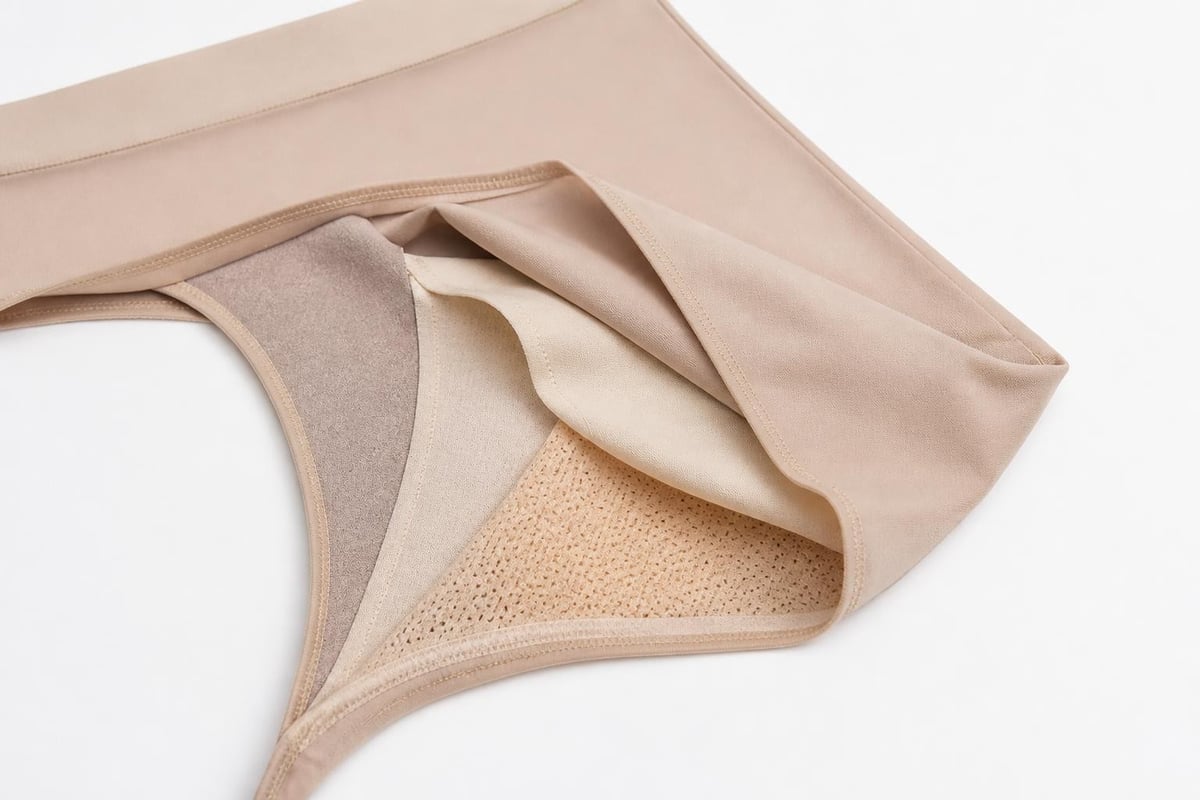
| Gusset construction | Single-layer cotton | Multi-layer breathable panels with camel toe prevention |
| Elastic application | Narrow bands at edges | Wide, bonded edges that distribute pressure |
| Rise options | Limited choices | Multiple rises engineered for specific garments |
The tummy control camel toe proof thong exemplifies this approach, incorporating graduated compression that smooths the midsection while maintaining a design that prevents common fit issues.
Addressing Common Underwear Problems Through Design
Every designed panty should solve at least one specific problem women encounter with traditional undergarments. The most sophisticated designs address multiple concerns simultaneously without compromising on any single feature.
Eliminating Visible Panty Lines
Visible panty lines remain one of the most cited frustrations among women who wear fitted clothing. A properly designed panty uses laser-cut edges rather than traditional elastic bands, creating an edge that disappears beneath even the thinnest fabrics.
Seamless construction techniques eliminate side seams entirely, with the garment knitted in a single piece using circular knitting machines. This approach not only prevents lines but also reduces manufacturing waste and creates a more durable product that withstands repeated washing.
Preventing Camel Toe Through Strategic Design
The prevention of camel toe requires sophisticated engineering in the gusset area. A well-designed panty incorporates several features:
- Reinforced center panel that maintains structure without bulk
- Graduated padding that provides smoothing without creating visible outlines
- Strategic fabric tension that prevents fabric from settling into body creases
- Extended coverage zones that distribute fabric across a wider area
The seamless camel toe thong demonstrates how minimal coverage can still provide maximum protection against this common concern through intelligent gusset engineering.
Managing Moisture and Temperature
A designed panty must regulate temperature and moisture effectively, particularly for women leading active lifestyles. Research published in studies examining underwear design and skin health emphasizes the importance of breathable materials in preventing dermatological issues.
Moisture management features include:
- Perforated zones in high-sweat areas
- Quick-dry fabrics that prevent dampness accumulation
- Anti-bacterial treatments that maintain freshness
- Strategic ventilation channels built into the design
Style Categories and Their Specific Design Considerations
Different panty styles require unique engineering approaches to maximize their functional benefits while maintaining their aesthetic purpose.
Thong Design Innovation
The thong presents unique design challenges due to its minimal coverage. A quality designed panty in thong format must prevent the back strap from creating discomfort while ensuring the front panel provides adequate protection.
Modern thong designs incorporate wider waistbands that distribute pressure across a larger surface area, preventing the garment from rolling or cutting into skin. The invisible camel toe thong showcases how minimal design can still incorporate maximum functionality through precise pattern engineering and fabric selection.
Mid-Rise and High-Rise Engineering
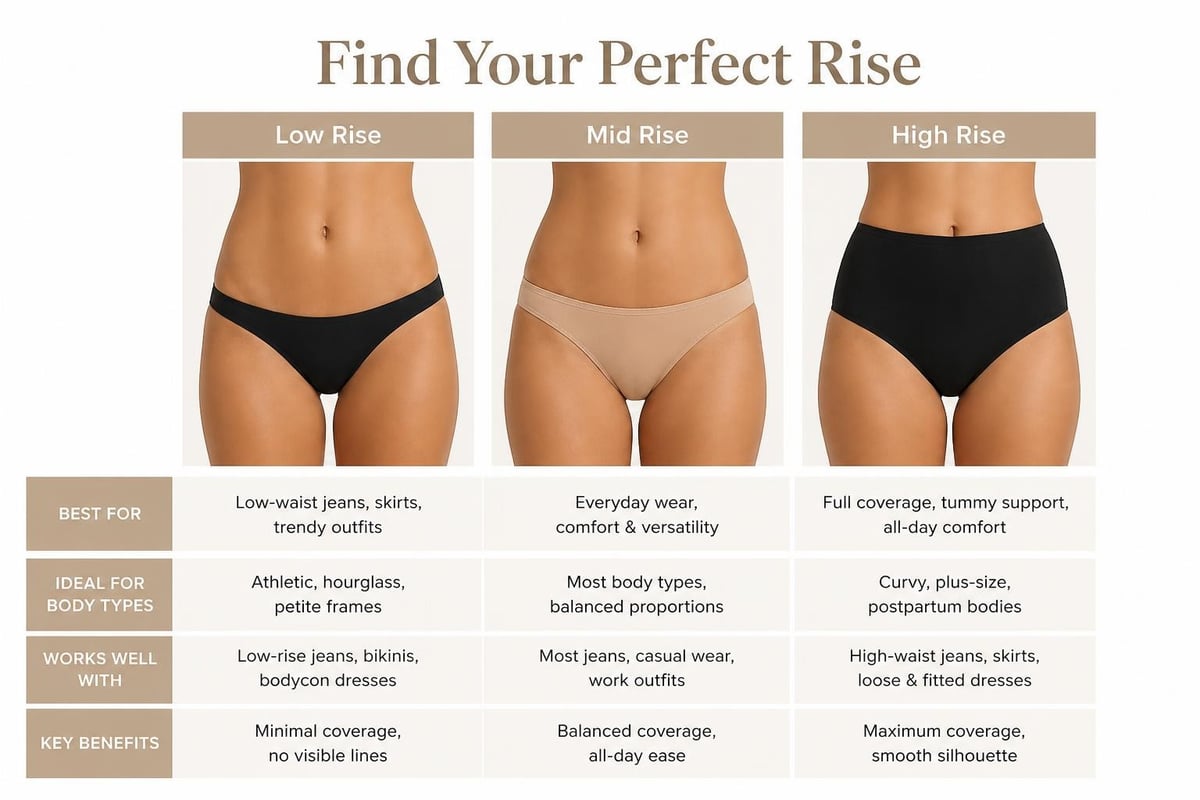
Mid-rise and high-rise designs offer opportunities for additional functional features like tummy control and extended coverage. These styles require careful consideration of waistband construction to prevent rolling while sitting or moving.
A designed panty in these categories often includes:
- Silicone grip strips along the inner waistband
- Graduated compression that increases toward the waist
- Extended front panels for enhanced smoothing
- Strategic seam placement that follows natural body lines
Specialty Function Designs
Certain designed panty options serve highly specific purposes, requiring specialized engineering approaches. Period underwear, for instance, incorporates multiple absorbent layers while maintaining a slim profile that doesn't create bulk under clothing.
| Specialty Type | Primary Design Focus | Key Innovation |
|---|---|---|
| Menstrual | Leak protection + discretion | Multi-layer absorbent gusset with waterproof backing |
| Athletic | Moisture wicking + support | Compression zones with ventilation panels |
| Shapewear hybrid | Smoothing + comfort | Graduated compression with bonded edges |
| Loungewear | Softness + breathability | Modal blends with minimal elastic |
The Design Process: From Concept to Production
Creating a successful designed panty involves multiple stages of development, testing, and refinement before a style reaches consumers.
Initial Concept and Market Research
Design teams begin by identifying specific problems through customer feedback, wear-testing sessions, and market gap analysis. This research phase determines which features will provide the most value to target consumers.
Research methods include:
- Focus groups with diverse body types
- Analysis of competitor product reviews
- Consultation with textile engineers
- Evaluation of emerging fabric technologies
- Assessment of manufacturing capabilities
Prototype Development and Testing
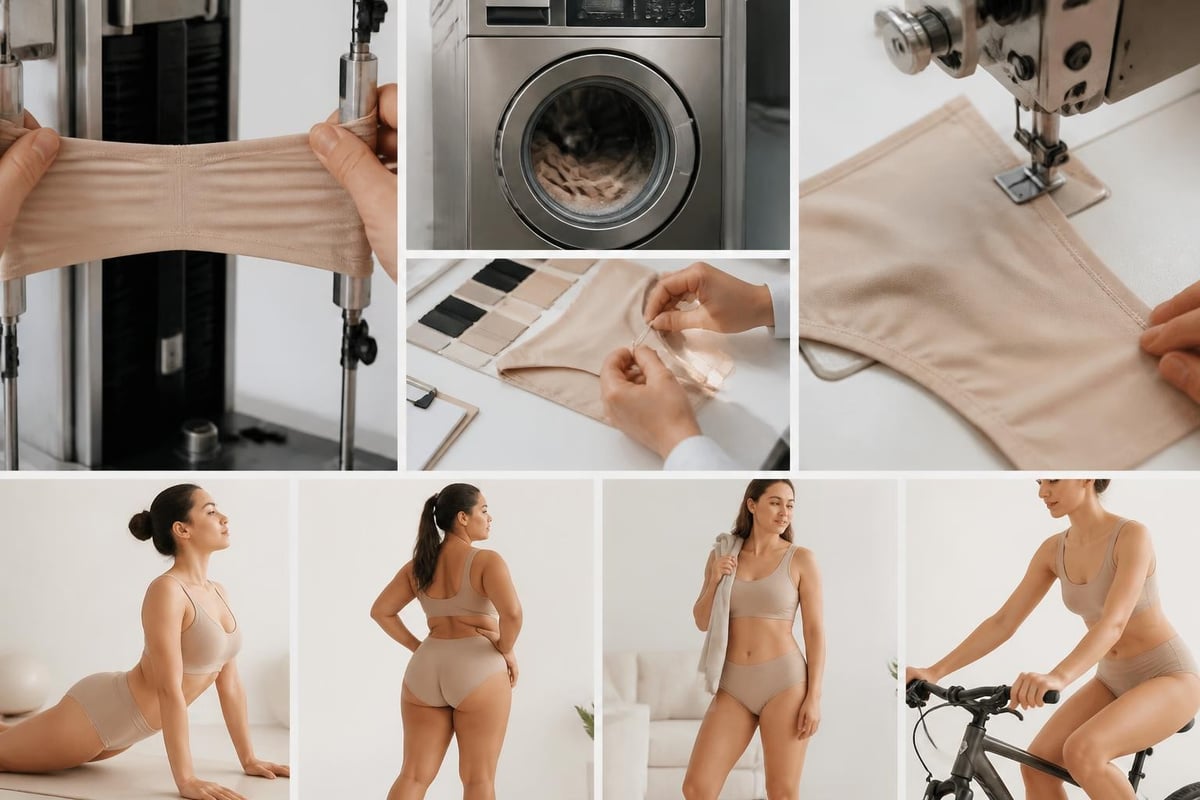
Once initial patterns are created, multiple prototype rounds test different fabric combinations, construction methods, and fit adjustments. Real women wear these prototypes through various activities to identify any design flaws before production begins.
Testing evaluates comfort during extended wear, performance during physical activity, durability through washing cycles, and compatibility with different outer garments. The high-rise seamless lifting leggings underwent similar rigorous testing to ensure the coordinating underwear designs would perform flawlessly underneath.
Production Engineering and Quality Control
Translating a designed panty from prototype to mass production requires specialized manufacturing equipment and strict quality controls. Seamless garments need circular knitting machines, while laser-cut edges require precision cutting equipment that maintains consistency across thousands of units.
Quality checkpoints monitor fabric tension, seam strength, elastic recovery, color consistency, and dimensional accuracy. Each designed panty must meet exact specifications to ensure the promised benefits translate to the finished product consumers receive.
Matching Designed Panties to Your Wardrobe Needs
Selecting the right designed panty requires understanding how different styles perform with various outer garments and activities.
Activewear and Athletic Clothing
For workout clothing and athletic wear, a designed panty must provide security during movement while preventing moisture accumulation. Thong styles typically work best under leggings and fitted athletic pants, eliminating any visible lines while the seamless construction prevents chafing during repetitive movements.
Look for designs with:
- High moisture-wicking capacity
- Anti-microbial treatments for freshness
- Stay-put waistbands that won't roll
- Flat-lock seaming in any stress points
Professional and Fitted Clothing
Business attire demands a designed panty that creates a smooth silhouette without any visible evidence of undergarments. Mid-rise and high-rise options with laser-cut edges work exceptionally well under dress pants, pencil skirts, and fitted dresses.
The key consideration for professional wear involves selecting underwear that provides confidence without requiring adjustment throughout the day. Features like tummy control panels and strategic compression offer subtle shaping that enhances the fit of outer garments.
Casual and Everyday Wear
Daily wear requires maximum comfort combined with versatility across different outfit types. A well-designed panty for everyday use should transition seamlessly from morning yoga to afternoon errands without causing discomfort or requiring changes.
Consider building a rotation that includes:
- Neutral colors that work with any outfit
- Multiple rise options for different pants and skirts
- Varying coverage levels for different comfort preferences
- Specialty options like the seamless ice silk thong for warmer weather
Color, Pattern, and Aesthetic Considerations
While functionality drives designed panty development, aesthetic elements still play an important role in consumer satisfaction and wearing confidence.
The Psychology of Underwear Color
Color selection impacts how women feel in their undergarments, even when no one else will see them. Neutral tones like beige, black, and white remain wardrobe staples due to their versatility, but designed panty collections increasingly include fashion colors that allow personal expression.
Strategic color choices include:
- Nude tones matched to various skin tones for invisibility under light clothing
- Black for elegance and versatility under dark garments
- Seasonal colors that coordinate with outer garment trends
- Multi-packs offering variety without requiring multiple purchases
Minimalist vs. Decorative Design
The designed panty philosophy typically favors minimalist aesthetics that prioritize function, but this doesn't preclude decorative elements when they don't compromise performance. Subtle lace trim along edges, small decorative elements at the waistband, or interesting fabric textures can enhance appeal without creating bulk or visibility issues.
Sustainability and Ethical Production in Designed Panties
Modern consumers increasingly consider environmental and ethical factors when selecting intimate apparel, influencing how designed panty manufacturers approach production.
Sustainable Fabric Choices
Eco-conscious designed panty production incorporates materials like:
- Organic cotton grown without harmful pesticides
- Recycled polyester derived from post-consumer plastic
- Bamboo fabrics offering natural anti-bacterial properties
- Tencel and modal from sustainably managed forests
These materials must still meet the performance standards expected from a designed panty, requiring careful engineering to ensure sustainability doesn't compromise functionality.
Ethical Manufacturing Standards
Responsible brands ensure their designed panty production follows fair labor practices, safe working conditions, and environmental regulations. Transparency about manufacturing locations and processes helps consumers make informed choices aligned with their values.
Quality production also reduces waste by creating durable garments that withstand extended use rather than requiring frequent replacement.
Care and Maintenance for Longevity
Proper care extends the life of a designed panty, ensuring the engineering features continue performing as intended over time.
Washing and Drying Best Practices
Hand washing in cool water preserves elastic integrity and fabric structure better than machine washing, though many designed panty options can withstand gentle machine cycles. Always use mesh laundry bags to prevent snagging and avoid fabric softeners that can coat moisture-wicking fibers.
Care guidelines include:
- Wash in cool or lukewarm water
- Use gentle, fragrance-free detergents
- Air dry rather than machine drying
- Store flat or folded, never hanging by elastic
- Rotate between multiple pairs to reduce wear
Recognizing When Replacement Is Needed
Even the highest-quality designed panty eventually requires replacement. Signs include elastic that no longer recovers its shape, fabric thinning in high-friction areas, or loss of the special features that made the garment functional.
Building a quality collection and rotating pieces appropriately can extend the useful life of each designed panty while ensuring you always have fresh, fully-functional options available.
Investment Value: Cost vs. Quality Analysis
A designed panty typically costs more than basic underwear, but the investment often proves worthwhile when considering comfort, durability, and problem-solving capabilities.
Price Point Considerations
Quality designed panty options range from moderate to premium pricing, reflecting the sophisticated fabrics, engineering, and manufacturing processes involved. When evaluating cost, consider:
| Factor | Basic Underwear | Designed Panty |
|---|---|---|
| Average lifespan | 6-12 months | 18-36 months |
| Comfort level | Variable | Consistently high |
| Problem-solving | Minimal | Addresses specific issues |
| Versatility | Limited | Works with multiple outfits |
| Replacement frequency | High | Low |
Building a Functional Collection
Rather than purchasing numerous inexpensive pairs, investing in a smaller collection of high-quality designed panty options often provides better value and daily satisfaction. Start with neutral colors in your most-worn styles, then expand to specialty options for specific activities or outfits.
Consider packages like the seamless camel toe thongs pack that offer multiple pieces at better per-unit pricing while ensuring you have adequate rotation.
Future Trends in Designed Panty Development
The intimate apparel industry continues evolving, with emerging technologies and changing consumer expectations driving innovation in designed panty development.
Smart Fabric Integration
Future designed panty options may incorporate temperature-regulating fabrics that actively respond to body heat, moisture-sensing materials that provide feedback about hygiene timing, or even fabrics with embedded beneficial compounds that support skin health.
Customization and Personalization
Advances in manufacturing technology may enable mass customization, allowing consumers to specify exactly which features they want in their designed panty. Digital body scanning could provide precise measurements for truly personalized fit, eliminating the compromise inherent in standard sizing.
Inclusive Design Expansion
The industry increasingly recognizes that bodies come in unlimited variations, driving expansion beyond traditional size ranges. Future designed panty development will likely incorporate more diverse body types in the initial design phase rather than treating extended sizes as afterthoughts.
Selecting the right designed panty transforms daily comfort and confidence, eliminating the common frustrations that plague traditional underwear while providing a smooth foundation for any outfit. When you're ready to experience the difference that thoughtful engineering makes, Ambar Wear offers a complete collection of seamless, problem-solving intimate apparel designed specifically to address camel toe, visible lines, and comfort issues. Their range of thongs, high-rise options, and specialty designs ensures every woman finds the perfect designed panty for her unique needs and lifestyle.