

The world of women's intimate apparel has transformed dramatically over the past century, shifting from restrictive foundation garments to designs that celebrate comfort, functionality, and individual expression. Today's women underwear designs reflect a sophisticated understanding of body mechanics, textile science, and the real-world demands of active, multifaceted lifestyles. Whether you're searching for everyday comfort or performance pieces that move with you through demanding workouts, modern underwear engineering offers solutions that would have seemed impossible just a generation ago.
The Evolution of Modern Underwear Construction
The foundation of contemporary women underwear designs lies in understanding how fabric interacts with the human body throughout daily movement. Unlike the rigid, structured undergarments showcased in the V&A Museum's historical underwear exhibitions, today's pieces prioritize invisible support and all-day wearability.
Seamless construction has emerged as the gold standard for eliminating common irritations. Traditional cut-and-sew methods create seams that can dig into skin, create visible lines under clothing, and concentrate pressure at specific points. Modern circular knitting technology produces garments in a continuous tube, distribinating support evenly across the entire surface area. For a closer look at how these construction methods work in practice, see our guide to seamless underwear.
Key Construction Methods in 2026
Circular Knitting Technology
This manufacturing approach creates underwear without side seams, using advanced machinery that knits the entire garment in one continuous process. The result eliminates the bulky overlapped fabric found in traditional designs and reduces potential failure points where seams might separate or roll.
Bonded Edge Finishing
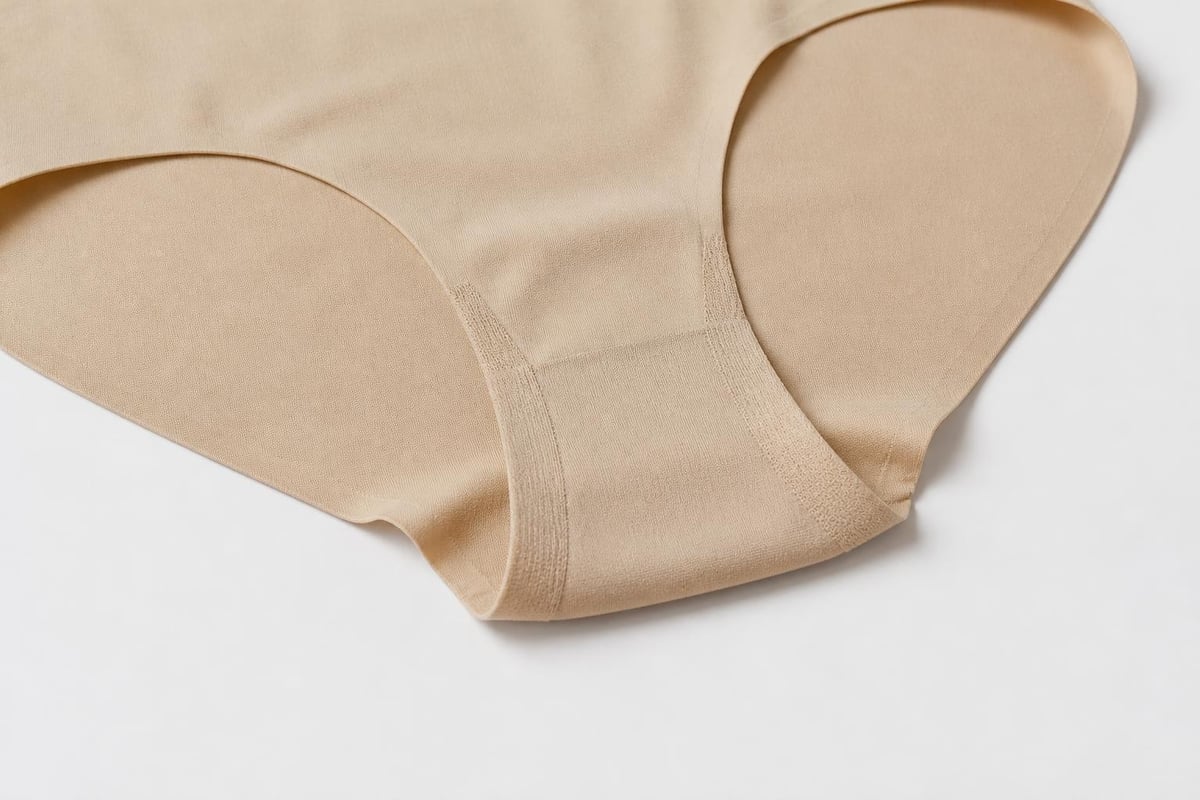
Rather than using traditional elastic bands that can create indentations, leading brands now employ ultrasonic bonding or heat-activated adhesives to finish leg openings and waistbands. This creates a smooth transition from fabric to skin that remains invisible under even the most form-fitting activewear.
Gusset Engineering
The crotch panel receives specialized attention in advanced women underwear designs. Multi-layer construction incorporates moisture-wicking fabrics, breathable cotton linings, and sometimes even antimicrobial treatments. Recent research on moisture management in intimate apparel demonstrates how strategic fabric selection in this critical area impacts both comfort and hygiene.
Fabric Innovation and Performance Materials
The textile revolution has fundamentally reshaped what we expect from everyday undergarments. Modern women underwear designs incorporate materials that would be considered high-performance sportswear fabrics just a decade ago.
Smart Fiber Selection
| Fabric Type | Key Benefits | Best Applications |
|---|---|---|
| Micromodal | Exceptional softness, moisture absorption, breathability | Everyday wear, sensitive skin |
| Nylon-spandex blends | Four-way stretch, shape retention, durability | Active wear, seamless underwear |
| Merino wool | Temperature regulation, odor resistance, natural antimicrobial | Travel, multi-day wear |
| Bamboo viscose | Eco-friendly, soft, moisture-wicking | Sustainable collections |
| Technical mesh | Maximum breathability, quick-dry | High-intensity activities |
The shift toward performance fabrics addresses real functional needs. Women who transition from office environments to evening workouts require underwear that manages moisture without becoming clammy, maintains its shape after hours of wear, and doesn't create visible lines under professional attire.
Certification and Safety Standards
As consumers become more conscious of what touches their skin, certification has become essential in women underwear designs. The OEKO-TEX Standard 100 provides third-party verification that fabrics are free from harmful chemicals and safe for direct skin contact. This matters particularly for intimate apparel worn for extended periods.
Similarly, brands committed to sustainable practices pursue certifications that verify organic cotton sourcing and ethical processing throughout the supply chain. These standards ensure that comfort doesn't come at the expense of environmental or social responsibility.
Solving Common Fit Challenges Through Design
Perhaps the most significant advancement in contemporary women underwear designs involves addressing specific fit issues that have frustrated women for generations. Rather than expecting bodies to conform to garments, modern engineering adapts garments to accommodate diverse body types and activities.
The Camel Toe Solution
This common concern occurs when fabric bunches or pulls tightly at the center seam, creating an unflattering and uncomfortable outline. Advanced designs eliminate this problem through several approaches:
- Center seam removal: Some innovative pieces eliminate the center front seam entirely, using single-piece front panels
- Strategic fabric thickness: Graduated fabric density provides more coverage where needed without adding bulk
- Anatomical contouring: Three-dimensional shaping follows natural body curves rather than flattening them
- Reinforced gussets: Structured lower panels maintain position without shifting during movement
Brands like Ambar Wear specialize in camel toe prevention, using proprietary construction methods that maintain a smooth appearance under leggings, fitted pants, and activewear.
Panty Line Elimination
Visible panty lines (VPL) remain one of the top complaints about traditional underwear. Modern women underwear designs address this through multiple strategies:
Bonded hems replace traditional elastic bands with laser-cut or heat-bonded edges that taper to nearly nothing at the leg opening. These ultra-thin transitions disappear under fabric rather than creating a ridge.
Strategic placement positions seams and construction details away from high-visibility zones. For instance, placing any necessary structural elements along the natural creases of the buttocks rather than across the fullest part.
Thong architecture has evolved significantly from early uncomfortable designs. Contemporary thong underwear uses soft, flexible materials for the back strap and ensures the waistband sits at a natural position that doesn't dig or roll.
Design Diversity for Different Lifestyles
Recognition that no single design serves all purposes has driven specialization within women underwear designs. The same woman might need different solutions for different activities throughout her week.
Everyday Comfort Styles
Bikini cuts provide moderate coverage with a lower rise that sits comfortably below the natural waist. Modern versions use soft, stretchy fabrics that move with the body rather than constraining it.
Hipster designs offer more coverage across the hips and rear, appealing to those who prefer not to feel exposed. These work particularly well under casual clothing like jeans and skirts.
Boy shorts extend coverage to the upper thigh, preventing ride-up and offering a smooth silhouette under dresses and form-fitting pants.
Performance and Athletic Options
Active women require underwear that manages moisture, stays in place during high-impact movement, and dries quickly. Women underwear designs for athletic purposes incorporate:
- Moisture-wicking fabrics that pull sweat away from skin
- Flat-lock seams that won't chafe during repetitive motion
- Compression elements that provide muscular support
- Antimicrobial treatments that prevent odor during extended wear
The activewear collection category has expanded to include pieces that function equally well for yoga, running, cycling, and strength training, eliminating the need for sport-specific options.
Special Occasion and Fashion-Forward Pieces
Not all underwear exists purely for function. Fashion-conscious designs incorporate:
Lace accents that add visual interest without sacrificing comfort when designers use soft, non-scratchy lace applications strategically placed away from high-contact zones.
Color and pattern variety allows personal expression even in garments that remain hidden under clothing. Psychological research suggests that wearing aesthetically pleasing underwear boosts confidence regardless of visibility.
Coordinated sets that pair bras with matching bottoms create a sense of put-together polish that many women appreciate, particularly for special occasions or romantic contexts.
Technical Education and Professional Development
The specialized knowledge required to create effective women underwear designs has led to dedicated educational programs. The Fashion Institute of Technology offers intimate apparel programs that teach students patternmaking for stretch fabrics, construction techniques specific to lingerie, and the unique fitting requirements of garments with direct skin contact.
These programs recognize that designing underwear requires understanding not just fashion but also:
- Textile science: How different fibers and blends perform under stress, moisture, and repeated laundering
- Biomechanics: How bodies move and where pressure points develop during various activities
- Manufacturing technology: Which construction methods work best for different designs and price points
- Regulatory compliance: Safety standards and labeling requirements for intimate apparel
- Sustainability: Lifecycle analysis and end-of-life considerations for intimate products
Sustainability and Circular Design
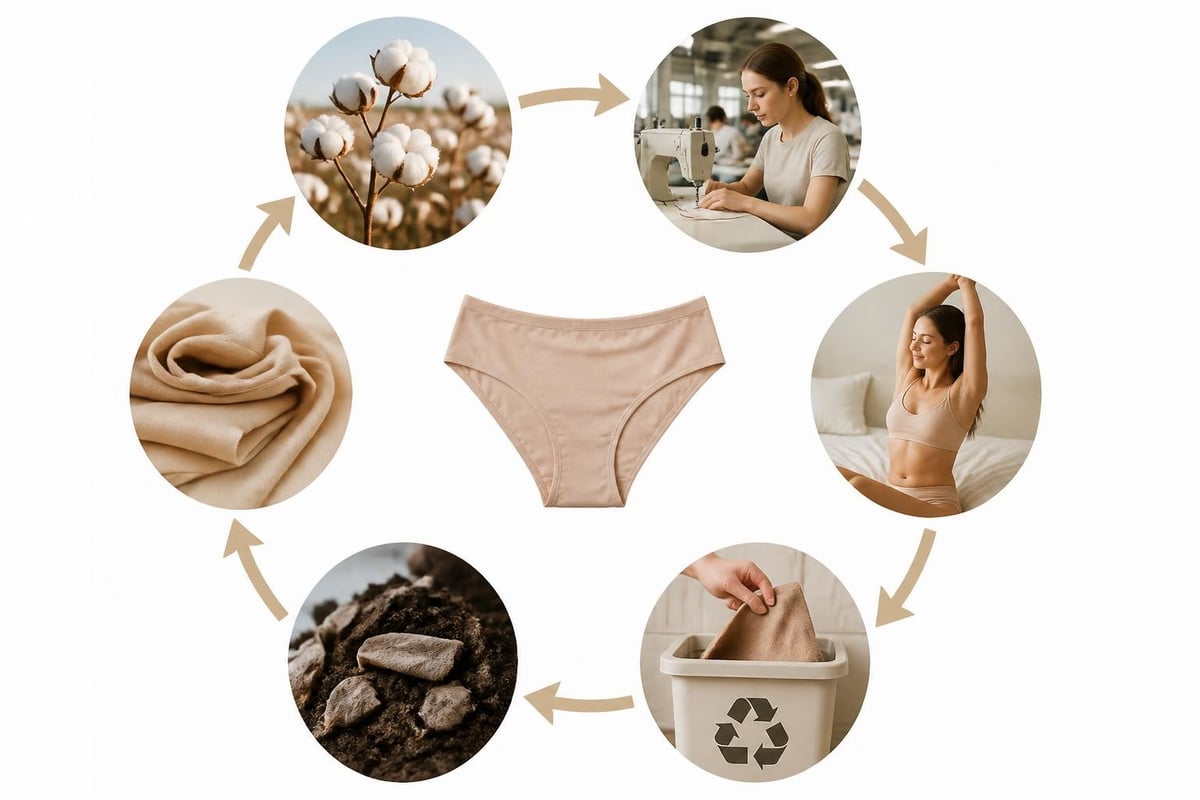
Environmental consciousness has become integral to responsible women underwear designs. The intimate apparel industry faces unique sustainability challenges because hygiene concerns limit options for secondhand markets and recycling.
Material Selection for Sustainability
Organic cotton certified to meet rigorous standards represents one pathway toward reduced environmental impact. However, the water intensity of cotton production has led many designers to explore alternative fibers like Tencel, bamboo viscose, and recycled synthetics.
Recycled nylon derived from fishing nets and industrial waste offers durability and performance characteristics identical to virgin material while diverting waste from oceans and landfills.
Biodegradable fabrics break down naturally at end-of-life, though questions remain about the realistic conditions under which degradation occurs.
End-of-Life Considerations
The Refashion lingerie sector white paper outlines challenges specific to underwear recycling, including mixed-fiber construction, elastic components, and hygiene barriers. Progressive brands are exploring:
- Take-back programs that ensure proper recycling rather than landfill disposal
- Mono-material construction that simplifies recycling streams
- Design for disassembly that allows separation of components
- Extended producer responsibility programs
The Rise of Direct-to-Consumer Brands
Digital commerce has transformed how women discover and purchase underwear. Direct-to-consumer models allow specialized brands to reach customers without the limitations of traditional retail shelf space.
Benefits of Specialized Online Retailers
Focused expertise: Brands that concentrate on solving specific problems can develop deeper technical knowledge than department stores carrying broad assortments. Companies like Ambar Wear invest in research and development around particular fit challenges.
Educational content: Online platforms allow detailed explanation of construction methods, fabric properties, and care instructions that would never fit on retail packaging.
Customer feedback loops: Digital channels enable rapid collection of wearing experiences, fit data, and preference information that informs iterative design improvements.
Size inclusivity: Without physical shelf constraints, online retailers can offer extended size ranges that serve bodies across the full spectrum of human diversity.
Future Directions in Intimate Apparel Design
Looking ahead, several trends are shaping the next generation of women underwear designs:
Smart Textiles Integration
While still emerging, fabrics with embedded sensors could monitor body temperature, detect moisture levels, or even track biomechanical data during athletic activities. The challenge lies in creating washable, durable integration without compromising comfort.
Customization and Personalization
On-demand manufacturing technology may eventually allow truly custom-fitted underwear based on body scans, with designs tailored to individual proportions rather than standardized sizing.
Adaptive Designs
Greater attention to adaptive clothing for people with disabilities or mobility limitations is influencing mainstream design. Features like magnetic closures, easy-grasp waistbands, and sensory-friendly fabrics benefit not just those with specific needs but all users.
Transparency and Traceability
Consumers increasingly demand to know where their clothing comes from and under what conditions it was produced. Blockchain and other tracking technologies may soon allow verification of every step from fiber to finished garment.
Balancing Aesthetics and Function
The most successful women underwear designs recognize that beauty and performance need not be mutually exclusive. Women deserve garments that make them feel confident, comfortable, and attractive simultaneously.
| Design Priority | Traditional Approach | Modern Approach |
|---|---|---|
| Appearance | Decorative lace, visible details | Seamless construction, invisible support |
| Comfort | Secondary to aesthetics | Primary design driver |
| Durability | Planned obsolescence | Investment pieces |
| Fit | Standard sizing only | Extended size ranges, multiple cuts |
| Function | Basic coverage | Moisture management, odor control, support |
This shift reflects broader cultural changes in how women's clothing is conceptualized and marketed. Rather than garments designed primarily for visual appeal to others, contemporary underwear prioritizes the wearer's own experience and needs.
The technical sophistication required to create pieces that excel across multiple dimensions continues to drive innovation throughout the industry. Patents for seamless knitting technologies demonstrate the engineering complexity behind garments that appear simple.
Navigating the Market
With countless options available, choosing appropriate women underwear designs requires understanding your specific needs and priorities. Consider creating a simple assessment:
Activity level: How much movement and physical activity will you be doing while wearing these pieces?
Clothing compatibility: What types of outer garments will you typically wear over this underwear?
Sensitivity factors: Do you have skin sensitivities, allergies to certain fibers, or specific comfort requirements?
Climate considerations: Do you live in a hot, humid environment or experience temperature extremes?
Value priorities: Are you optimizing for lowest price, longest lifespan, ethical production, or specific performance characteristics?
Different answers lead to different optimal choices. Someone training for a marathon has completely different requirements than someone seeking comfortable work-from-home basics or special occasion pieces.
Modern women underwear designs represent the convergence of textile science, ergonomic engineering, and thoughtful attention to real-world wearing experiences. The innovations developed over the past decade have made it possible to find pieces that truly work for your body and lifestyle. Whether you're seeking solutions for camel toe prevention, invisible wear under fitted clothing, or all-day comfort that keeps pace with your active life, purpose-built designs deliver results that generic options simply cannot match. Ambar Wear offers specialized collections engineered to eliminate common fit frustrations, combining seamless construction, performance fabrics, and thoughtful design details that make confidence and comfort the norm rather than the exception.