

Finding the right women underwear bra can transform your daily comfort and confidence. With countless styles, sizes, and materials available in 2026, understanding what makes a bra truly supportive and comfortable has never been more important. Whether you're shopping for everyday essentials or specialized designs that address specific concerns like seamless construction or invisible lines, knowing the fundamentals of proper fit ensures you invest wisely in undergarments that work with your body, not against it.
Understanding Proper Bra Sizing and Measurement
The foundation of any great women underwear bra starts with accurate measurements. Most women wear the wrong bra size, often because they haven't been professionally fitted or haven't updated their size as their bodies change over time.
Start with two essential measurements:
- Band size (measurement around your ribcage, just under your breasts)
- Bust size (measurement around the fullest part of your breasts)
The difference between these two numbers determines your cup size. According to the comprehensive bra fit guide from the National Breast Cancer Foundation, proper measurement techniques can dramatically improve comfort and support. Take measurements wearing a non-padded bra or no bra at all, and measure multiple times to ensure accuracy.
When to Remeasure Your Size
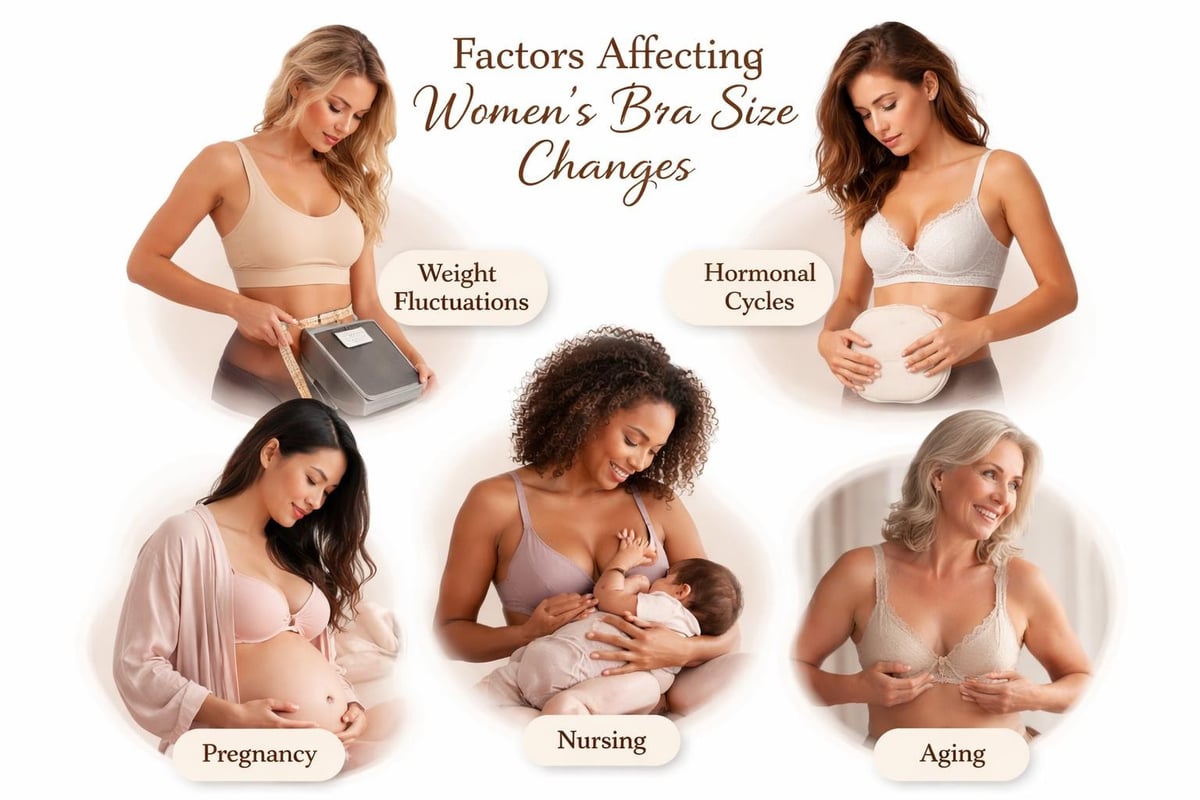
Your bra size isn't static. Several factors can change your measurements throughout life, making regular reassessment crucial for maintaining comfort.
Weight fluctuations of just five pounds can alter your bra size. Hormonal changes during menstrual cycles cause temporary breast tissue changes. Pregnancy and nursing create significant size variations that require different support levels. Even aging naturally affects breast tissue composition and shape, necessitating different styles and sizes over time.
Essential Fit Characteristics for Every Bra
A properly fitting women underwear bra exhibits specific characteristics that indicate it's working correctly. Understanding these signs helps you evaluate whether a bra deserves space in your drawer or should be returned to the store.
The band should sit level around your body, parallel to the ground. This is where 80% of your breast support comes from, not the straps. If you can pull the band more than two inches away from your back, it's too loose. Conversely, if it digs into your skin creating painful red marks, you need a larger band size.
Cup Fit Indicators
Your breast tissue should fill the cup completely without spillage or gaping. The center gore (the piece between the cups) should lie flat against your sternum. If it floats away from your chest, the cups are too small. If it presses uncomfortably into your breastbone, the cups might be too large or the band too tight.
Understanding how a bra should fit involves checking multiple points of contact. The underwire should follow your natural breast crease without poking into breast tissue or sitting on it. Many women don't realize that underwire discomfort usually indicates incorrect sizing rather than the underwire itself being the problem.
| Fit Issue | Likely Cause | Solution |
|---|---|---|
| Band rides up back | Band too loose | Try smaller band size |
| Straps dig into shoulders | Band too loose; relying on straps | Tighten band or size down |
| Cups gape at top | Cups too large or wrong shape | Try smaller cup or different style |
| Breast spillage | Cups too small | Increase cup size |
| Center gore doesn't touch chest | Cups too small | Increase cup size |
Choosing the Right Bra Style for Your Needs
The modern women underwear bra market offers specialized designs for different activities, body types, and wardrobe requirements. Selecting the appropriate style ensures you have the right support for every situation.
T-shirt bras feature smooth, seamless cups that create invisible lines under fitted clothing. These typically include light padding or molded cups that maintain their shape whether you're wearing them or not. Seamless undergarments have become increasingly popular for their ability to disappear under clothing while providing necessary support.
Full-coverage bras offer maximum support and are ideal for larger cup sizes or anyone seeking complete encapsulation. The higher cut and wider straps distribute weight more evenly, reducing shoulder and back strain during long wear periods.
Specialized Designs for Active Lifestyles
Sports bras deserve special consideration in any undergarment collection. Unlike regular bras, they're designed to minimize breast movement during physical activity. High-impact activities like running require compression or encapsulation styles, while low-impact exercises like yoga work well with lighter support options.
Bralettes have surged in popularity for their comfort-first approach. Without underwires or heavy padding, they work beautifully for smaller cup sizes or loungewear situations. However, larger-busted women can now find supportive bralettes with size-specific construction that doesn't sacrifice comfort for support.
When building a complete intimate apparel wardrobe, consider coordinating pieces. Women's underwear and bra sets offer aesthetic cohesion while ensuring your undergarments work together to eliminate common issues like visible panty lines or mismatched silhouettes under clothing.
Material Matters: Fabric Choices and Comfort
The fabric composition of your women underwear bra significantly impacts daily comfort, breathability, and longevity. Different materials serve different purposes, and understanding their properties helps you make informed purchasing decisions.
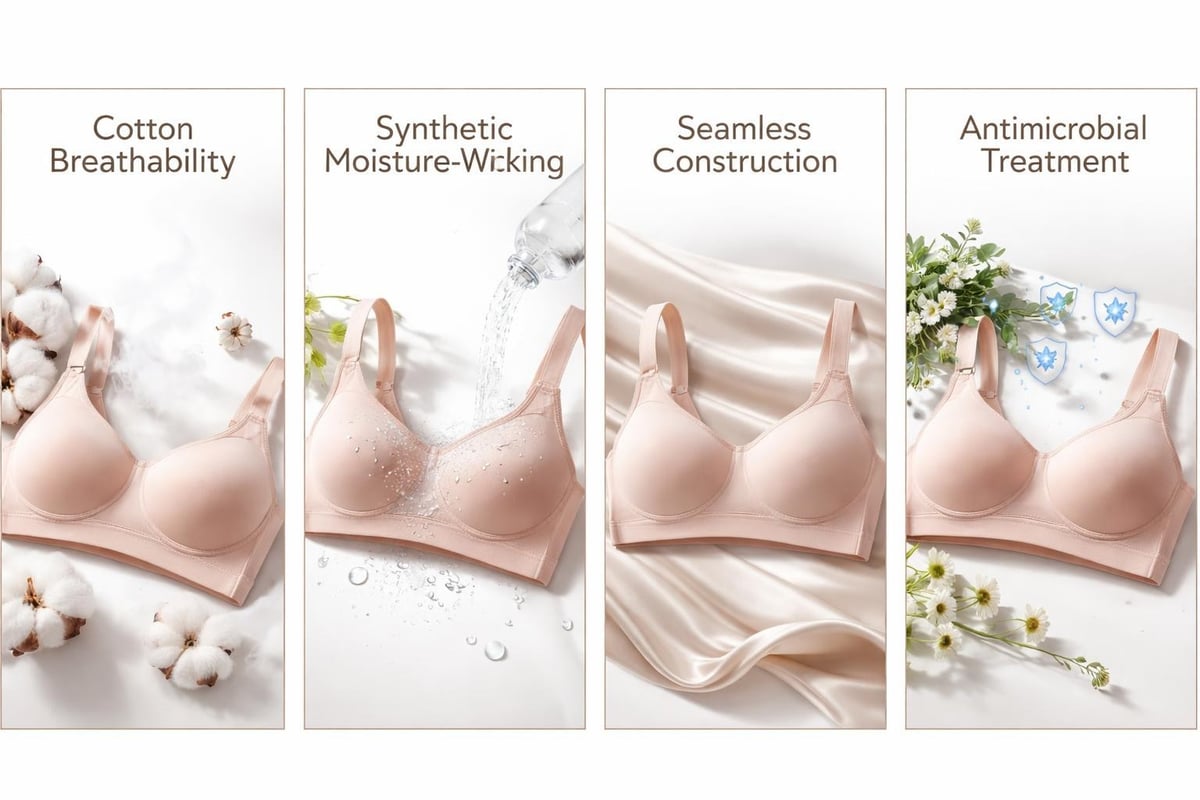
Cotton remains the gold standard for breathability. Natural fibers allow air circulation, making cotton bras ideal for hot weather or all-day wear. However, cotton offers less stretch and shape retention than synthetic alternatives, which is why many manufacturers blend it with small amounts of elastane or spandex.
Moisture-wicking synthetics like nylon, polyester, and microfiber excel in active situations. These materials pull sweat away from skin and dry quickly, preventing the dampness that leads to discomfort and potential skin irritation. Modern activewear bras combine these fabrics with mesh panels for enhanced ventilation.
Specialty Fabric Innovations
The intimate apparel industry has introduced several innovative fabrics addressing specific concerns. Antimicrobial treatments prevent odor-causing bacteria growth, extending freshness between washes. Seamless knitting technologies create entire garments without side seams, eliminating pressure points and visible lines under fitted clothing.
Temperature-regulating fabrics respond to body heat, helping maintain comfortable skin temperature throughout the day. These advanced materials prove especially valuable for women experiencing hormonal fluctuations that affect body temperature regulation.
Common Fit Problems and Solutions
Even with careful sizing, many women experience recurring fit issues with their intimate apparel. Recognizing these problems and understanding their solutions prevents frustration and wasted money on unsuitable garments.
Strap slippage frustrates countless women daily. This usually indicates either a band that's too loose (forcing straps to bear too much weight) or straps adjusted too loosely. Before assuming you need a different bra, try tightening straps first, then check if you need a smaller band size. Some body types with sloped shoulders genuinely benefit from racerback or convertible strap designs that stay in place better.
Quadboob or breast spillage over the top of cups signals cups that are too small. Cup sizes work alphabetically, so don't hesitate to try sizes you haven't worn before. The numbers in bra sizing (34, 36, 38) represent band measurements, while letters represent cup volume relative to that band size. A 34D holds the same breast volume as a 36C but with a smaller band circumference.
Addressing Underwire Discomfort
Underwire poking, pinching, or feeling generally uncomfortable rarely means you should avoid underwires altogether. More often, it indicates sizing issues or a wire shape that doesn't match your breast root (where breast tissue connects to your chest wall).
The BraForMe guide on proper bra fit explains that underwires should trace your natural breast crease, sitting firmly against your ribcage without pressing into breast tissue. If wires poke at the sides, you might need a wider cup. If they press at the center, try a smaller cup or different style.
| Problem | Common Causes | Quick Fixes |
|---|---|---|
| Back fat bulge | Band too tight | Size up in band |
| Straps leave marks | Carrying too much weight | Tighten band, loosen straps |
| Cups wrinkle | Cups too large | Decrease cup size |
| Uncomfortable center gore | Wrong cup size or style | Try different construction |
| Band feels tight but rides up | Band too large | Size down in band |
Shopping Strategies for Finding Your Perfect Fit
Successfully shopping for a women underwear bra requires strategy, especially when purchasing online. Implementing smart shopping techniques increases your chances of finding comfortable, supportive options on the first try.
Try before committing to multiples. Even if you find a style you love, buy just one initially. Wash and wear it several times before investing in multiple colors or backups. This testing period reveals how the bra performs after washing and whether it maintains its shape and support over time.
Shop at different times in your menstrual cycle if you experience significant breast tissue changes. What fits perfectly on day five might feel uncomfortable on day twenty. For best results, shop mid-cycle when your breasts are at their average size.
Understanding Size Variations Across Brands
Bra sizing lacks standardization across manufacturers, making it essential to try different brands and styles. A 34C in one brand might fit completely differently than a 34C in another. The ultimate guide to buying bras from Woman & Home emphasizes this variability and recommends trying sister sizes (one band size up or down with a corresponding cup adjustment).
When exploring seamless underwear options, pay attention to how different brands construct their garments. Some prioritize stretch and flexibility, while others focus on compression and smoothing. Understanding your priorities helps narrow down which brands align with your needs.
Professional fittings provide valuable insights, even if you ultimately shop elsewhere. Department stores and specialty boutiques often offer free fitting services. Take advantage of this expertise, noting which brands and styles the fitter recommends and why.
Maintaining Your Investment: Care and Longevity
Proper care extends the life of your women underwear bra collection significantly. Most women replace their bras far more frequently than necessary simply because they don't follow basic maintenance guidelines.
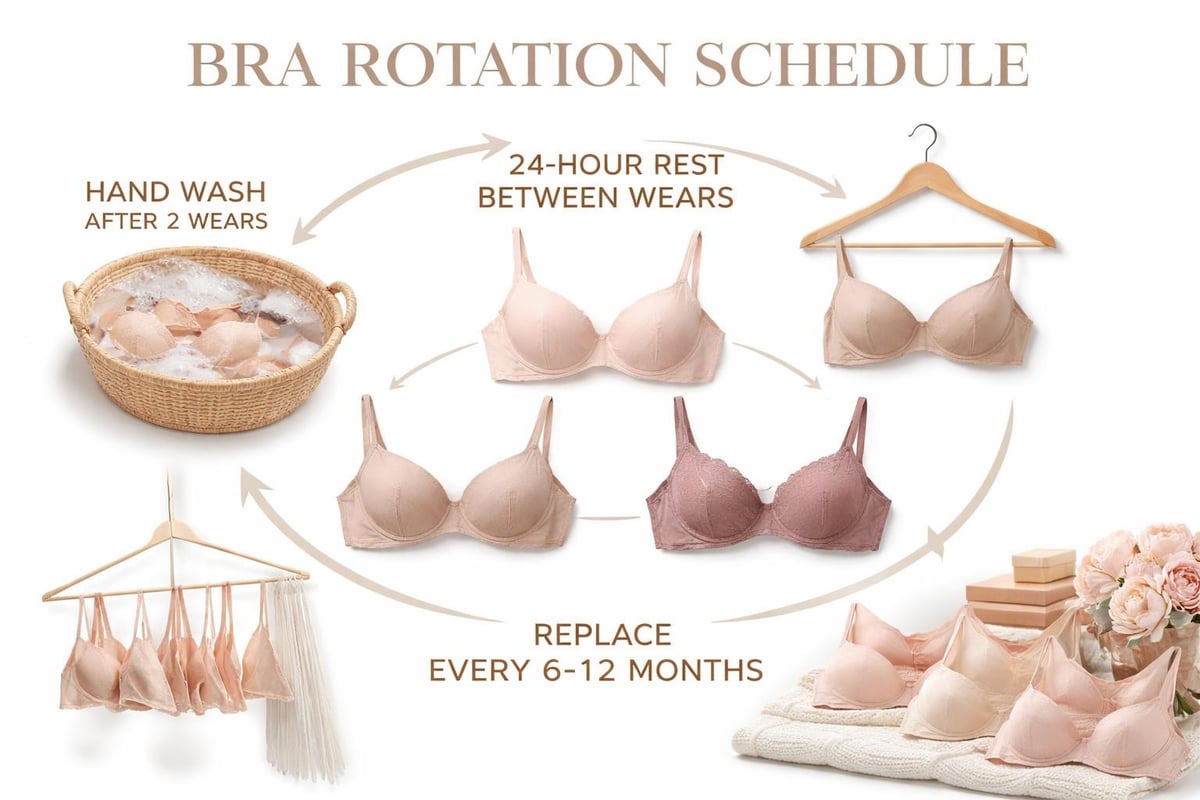
Hand washing remains the gold standard for bra care. Use cool water and gentle detergent specifically formulated for delicates. Submerge the bra, gently agitate, and let soak for 10-15 minutes before rinsing thoroughly. Never wring or twist bras, as this distorts their shape and damages elastic fibers.
If machine washing is unavoidable, use these protective measures:
- Always fasten hooks to prevent snagging
- Place bras in mesh lingerie bags
- Use the delicate cycle with cold water
- Skip the dryer completely
Air drying preserves elastic integrity and prevents heat damage to synthetic fabrics. Lay bras flat or hang them by the center gore, never by the straps, which can stretch them out.
Rotation and Replacement Guidelines
A women underwear bra needs at least 24 hours to rest and recover its shape between wears. Elastic fibers require time to contract back to their original state, so rotating between at least three bras ensures each gets adequate recovery time.
Replace bras every 6-12 months depending on wear frequency and care practices. Signs a bra needs retirement include stretched-out bands that won't stay snug even on the tightest hooks, cups that have lost their shape, broken underwires, or fabric that's become thin or discolored.
Coordinating Undergarments for a Complete Solution
While finding the perfect women underwear bra is crucial, coordinating it with appropriate bottoms creates a complete foundation that eliminates multiple wardrobe challenges simultaneously. Mismatched undergarments can undermine even the best bra's performance.
Seamless construction in both bras and underwear eliminates visible lines under fitted clothing. Thong underwear solves panty line issues but requires finding styles with comfortable waistbands and appropriate coverage for your body type and activity level.
Consider specific outfit requirements when pairing undergarments. Low-back tops and dresses demand either backless bras with adhesive support or convertible styles with removable straps. Sheer or light-colored clothing requires nude or skin-toned undergarments that match your skin tone rather than defaulting to white, which often shows through.
Addressing Multiple Concerns Simultaneously
Modern undergarment design increasingly focuses on solving multiple problems with single pieces. Brands now offer bras with features that extend beyond basic support, incorporating smoothing panels, moisture-wicking properties, and antimicrobial treatments.
The same philosophy applies to underwear selection. Anti-camel toe underwear addresses a common concern while maintaining comfort and invisibility under clothing. These specialized designs use strategic seaming and fabric choices that prevent bunching and visible lines while ensuring proper coverage.
When shopping for coordinated sets, women's panties and bra sets offer aesthetic appeal while ensuring both pieces share construction philosophies like seamless edges, similar fabric blends, and coordinated support levels.
Special Considerations for Different Life Stages
Your women underwear bra needs evolve throughout different life stages, requiring adjustments to both size and style preferences. Understanding these transitions helps you adapt your undergarment wardrobe appropriately.
During pregnancy and nursing, breast tissue undergoes dramatic changes. Specialized maternity and nursing bras accommodate expanding busts while providing enhanced support for increased breast weight. Look for wide, cushioned straps, multiple hook-and-eye closures for size adjustments, and nursing-friendly access if you plan to breastfeed.
Postpartum bodies often settle into different sizes than pre-pregnancy measurements. Give yourself at least six months after delivery or weaning before investing heavily in new bras, as your size may continue changing during this period.
Navigating Hormonal Changes
Perimenopause and menopause bring their own fitting challenges. Hormonal fluctuations can cause temporary or permanent breast size changes. Additionally, weight distribution often shifts during these years, potentially affecting band size even if cup size remains stable.
Many women in these life stages appreciate softer, wireless options that provide support without rigid structure. However, larger-busted women should ensure wireless bras still offer adequate support through wide bands, side support panels, and properly sized cups.
The Skarlett Blue bra style guide explores various designs suited to different needs and preferences, helping women navigate the extensive options available regardless of life stage or body type.
Building a Functional Bra Wardrobe
A well-rounded women underwear bra collection includes multiple styles serving different purposes rather than a drawer full of identical everyday bras. Strategic variety ensures you're always appropriately supported for any activity or outfit.
Essential foundation pieces include:
- Three everyday T-shirt bras in neutral colors (nude, black, white)
- One strapless or convertible-strap bra for special outfits
- Two sports bras appropriate for your activity level
- One or two comfortable wireless bras or bralettes for lounging
- Special occasion bras (plunge, balconette, etc.) as needed
Start with these basics before exploring trend-driven styles or elaborate designs. Having fundamental pieces that work reliably means you're never caught without appropriate support.
Quality matters more than quantity in intimate apparel. Three well-made bras that fit perfectly serve you better than a dozen ill-fitting discount options. The ten bra shopping rules from Woman's Day emphasize investing in proper fit and construction rather than chasing sales on unsuitable styles.
Budget-Friendly Building Strategies
Building a quality bra wardrobe doesn't require breaking the bank if you shop strategically. Watch for end-of-season sales at quality retailers, when previous season's colors get marked down despite identical construction to current offerings.
Many brands offer subscription services or loyalty programs that provide discounts on repeat purchases. Once you identify brands and styles that work for your body, these programs help you restock essentials at reduced prices.
Consider exploring stores for underwear that specialize in solving specific fit challenges rather than general retailers. Specialized brands often provide better construction and more thoughtful design features that justify slightly higher price points through extended wearability.
Choosing the right women underwear bra transforms daily comfort and confidence by providing proper support, eliminating common fit issues, and ensuring your undergarments work seamlessly with your wardrobe and lifestyle. By understanding sizing, recognizing quality construction, and coordinating complete undergarment solutions, you invest in foundations that truly support you. Ambar Wear specializes in seamless, comfortable designs that address real concerns like invisible lines, moisture management, and flattering fits across all body types, offering undergarments and activewear engineered for confidence in every situation.