
Few wardrobe malfunctions are as frustrating as constantly readjusting your underwear throughout the day. The problem of underwear rolling down affects women of all body types, turning comfortable undergarments into a source of distraction and discomfort. Whether you're at work, exercising, or going about daily activities, slipping underwear can ruin your confidence and focus. Understanding why this happens and how to prevent it involves examining fabric science, garment construction, body mechanics, and proper fit. This comprehensive guide explores the root causes of rolling underwear and provides actionable solutions to keep your undergarments securely in place.
The Science Behind Underwear Rolling Down
When underwear rolls down, it's not simply a matter of bad luck. Multiple factors work together to create this common problem. The primary culprit is often the waistband elastic, which loses its recovery power over time due to washing, wearing, and exposure to body heat and moisture.
Elastic Degradation and Recovery Loss
Research on elastic recovery in knitted fabrics shows that repeated stress cycles significantly reduce the ability of elastic materials to return to their original shape. Each time you put on, wear, and remove underwear, the waistband undergoes tension and release. Over dozens of wear cycles, the elastic fibers permanently stretch, reducing grip around your waist or hips.
Manufacturing processes also affect elastic performance. Heat-setting, dyeing, and finishing treatments change the molecular structure of elastic yarns. Lower-quality elastics contain less spandex or use inferior rubber compounds that break down faster. When the waistband can no longer generate sufficient hold force, gravity and body movement cause the garment to migrate downward.
Key factors in elastic failure:
- Repeated washing in hot water
- Exposure to chlorine and harsh detergents
- High-heat drying
- UV exposure from sunlight
- Natural degradation of polymer chains over time
Friction Coefficients and Fabric Slip
The interaction between your skin and fabric determines how well underwear stays in place. Studies examining skin-fabric friction coefficients reveal that construction details like seam placement, topstitching patterns, and fabric texture dramatically affect grip. Smooth, silky fabrics have lower friction coefficients, meaning they slide more easily against skin.
Body lotions, oils, and natural skin moisture further reduce friction. When you apply moisturizer in the morning, you're essentially creating a slippery surface that encourages underwear rolling down throughout the day. Sweat has a similar effect, particularly during exercise or in warm weather.
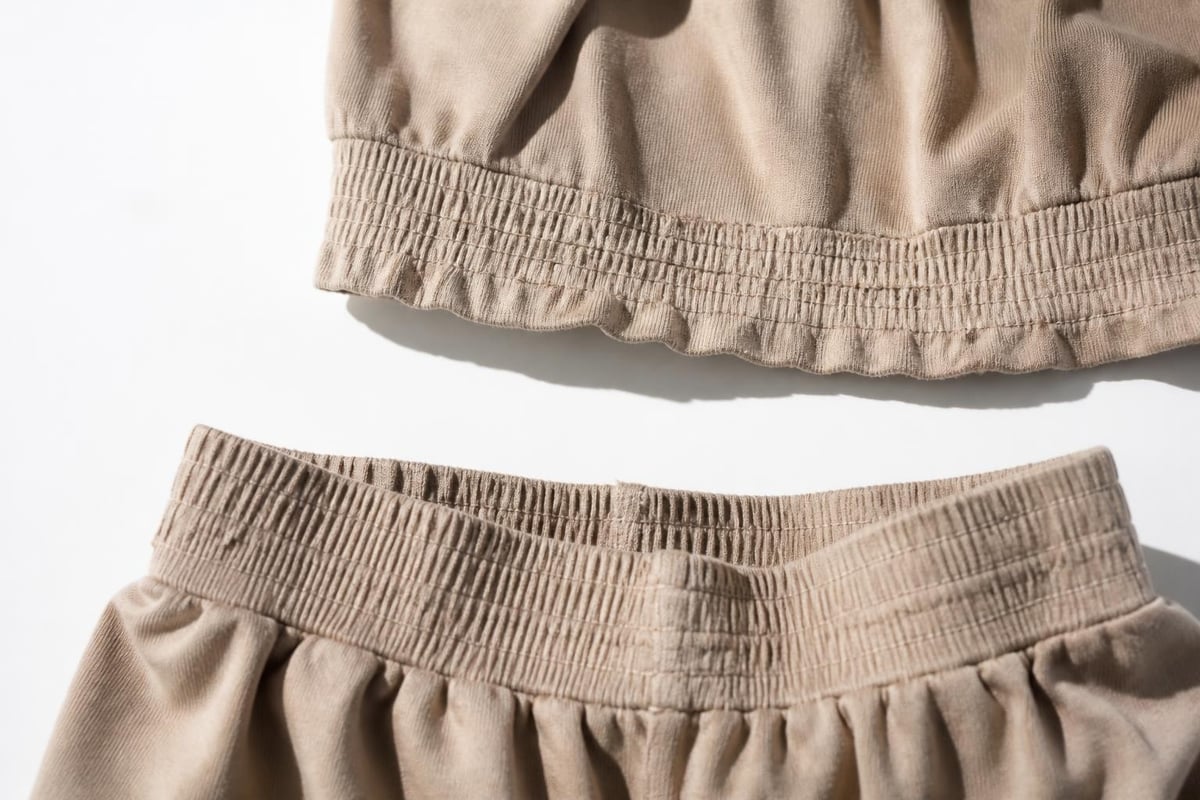
Sizing and Fit Issues That Cause Rolling
Incorrect sizing is one of the most common reasons for underwear rolling down, yet many women continue wearing the wrong size for years. The relationship between garment dimensions and body contours must be precise for underwear to stay put.
The High-Hip Problem
Many underwear styles sit at the hip rather than the natural waist. This placement works well only when the garment precisely matches your hip circumference at that specific height. Bodies have varying proportions between waist, high hip, and low hip measurements. A woman might measure 28 inches at the waist, 36 inches at the high hip, and 40 inches at the fullest part of her hips.
If underwear designed for a 36-inch high hip encounters a body with more dramatic curves below, the elastic must stretch significantly more over the hips during wear. This creates uneven tension distribution. The waistband becomes overstretched in some areas and loose in others, encouraging rolling and slipping.
| Body Measurement Point | Average Difference | Impact on Fit |
|---|---|---|
| Natural waist to high hip | 6-8 inches | Determines rise height |
| High hip to full hip | 4-6 inches | Creates tension variation |
| Hip to thigh | 8-12 inches | Affects leg opening placement |
Size Chart Limitations
Standard sizing charts provide single measurements for complex, three-dimensional bodies. Two women might both measure 38 inches at the hips but have completely different body shapes. One might have a flat stomach with prominent hip bones, while another has a rounded belly with less hip definition. The same underwear fits these bodies differently.
Understanding underwear for curvy women requires acknowledging these variations. Brands that offer multiple rise options, extended size ranges, and adjustable features better accommodate diverse body types.
Construction and Design Factors
Beyond sizing, how underwear is engineered determines its ability to resist rolling down. Garment construction involves dozens of decisions that affect performance.
Waistband Width and Coverage
Narrow waistbands concentrate elastic tension over a small surface area, creating high pressure points. This can feel uncomfortable and actually encourages rolling, as the narrow band acts like a wheel. Wider waistbands distribute tension over more skin surface, reducing pressure per square inch and increasing stability.
Optimal waistband characteristics:
- Width between 0.75 and 1.5 inches for most styles
- Graduated tension that's firmer at center front/back
- Smooth interior finish without irritating edges
- Multiple elastic threads rather than single band
Fabric Weight and Structure
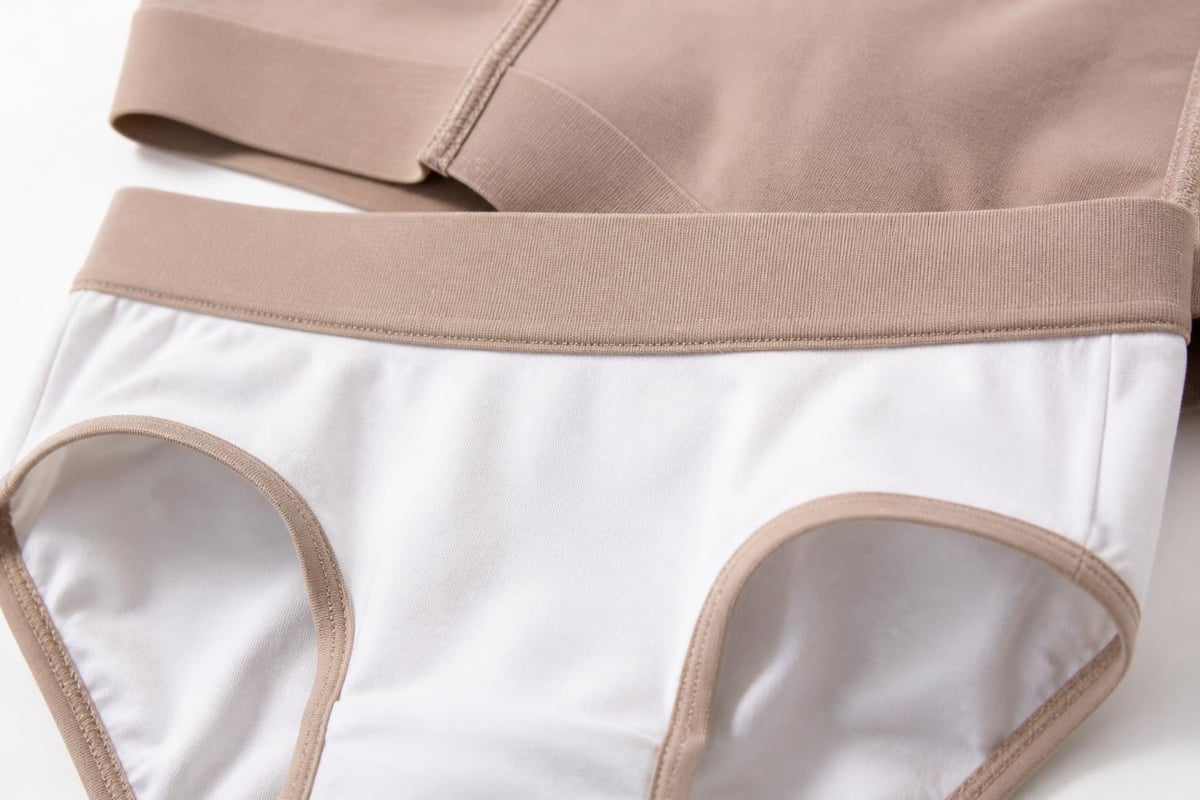
The body fabric of underwear must work in harmony with the waistband. Lightweight, flimsy fabrics provide no structural support, placing all holding responsibility on the elastic. When you move, bend, or sit, these thin fabrics bunch and twist, pulling the waistband out of position.
Quality seamless underwear uses knitted construction with strategic thickness variations. Thicker panels at the waistband area reinforce the elastic, while lighter weight in other zones ensures breathability. This engineered approach prevents the fabric itself from contributing to underwear rolling down.
Body Shape and Movement Patterns
Different body types experience underwear rolling down for different reasons. Recognizing your specific challenge helps target the right solution.
Apple and Pear Body Distributions
Women with apple-shaped bodies (weight concentrated in the midsection) often find that underwear sits below the belly, where the circumference is smaller. As they move throughout the day, the garment naturally migrates to the narrowest point, which is below the stomach curve. This creates constant rolling and requires frequent adjustment.
Pear-shaped women face the opposite challenge. Their hips are significantly larger than their waist, creating dramatic circumference differences. Underwear must stretch substantially to get over the hips, then contracts at the smaller waist. If the elastic isn't strong enough or properly calibrated, it slides down to find equilibrium at the wider hip level.
Activity-Induced Migration
Certain movements accelerate underwear rolling down more than others. Sitting and standing repeatedly, as in an office environment, creates friction against clothing and chair surfaces. Bending, squatting, and reaching stretch the waistband unevenly. Running and jumping generate vertical forces that overcome elastic grip.
Athletes and active women need underwear engineered for dynamic movement. Standard elastic waistbands designed for minimal activity fail during exercise. Moisture management also becomes critical, as sweat dramatically reduces friction between skin and fabric.
Health and Comfort Implications
While underwear rolling down might seem like a minor annoyance, it can lead to legitimate health concerns when left unaddressed.
Skin Irritation and Intertrigo
Constantly sliding underwear creates friction against skin. Repeated rubbing in the same areas causes irritation, redness, and eventually breakdown of the skin barrier. Medical literature on intertrigo and skin-fold dermatitis describes how friction combined with moisture creates an environment for fungal and bacterial overgrowth.
The waistband area is particularly vulnerable. When underwear rolls down, it often settles into a skin fold at the lower abdomen or upper hip. Trapped in this position, the elastic creates a warm, moist environment perfect for rashes. The clinical review of intertrigo pathophysiology explains how occlusion and friction work together to damage skin integrity.
Posture and Movement Compensation
Women dealing with rolling underwear often unconsciously adjust their posture and movement patterns. You might walk with a modified gait to prevent slipping, or frequently tense your abdominal muscles to hold the garment up. These compensatory behaviors create muscle fatigue and can contribute to back pain over time.
The mental distraction is equally problematic. Constantly thinking about whether your underwear has shifted takes attention away from important tasks. This anxiety about wardrobe malfunction affects confidence in professional and social situations.
Material Selection and Care
The fabrics used in underwear construction directly influence how well garments resist rolling down. Modern textile technology offers solutions, but only when properly maintained.
Performance Fabric Technologies
Traditional cotton underwear absorbs moisture and loses shape when wet. As cotton fibers swell with sweat or humidity, the fabric becomes heavy and the elastic loses grip. Synthetic blends using nylon, polyester, and spandex maintain their structure when wet and dry quickly.
High-performance fabric characteristics:
- Moisture-wicking finish that moves sweat away from skin
- Four-way stretch that moves with body contours
- Recovery memory that returns to original shape
- Antimicrobial treatments that prevent odor
- Smooth texture that reduces friction-related irritation
Premium seamless undergarments combine multiple yarn types in strategic zones. The waistband area might use firmer nylon with high spandex content, while the gusset uses soft cotton or modal for comfort. This multi-material approach optimizes each zone for its specific function.
Washing and Storage Best Practices
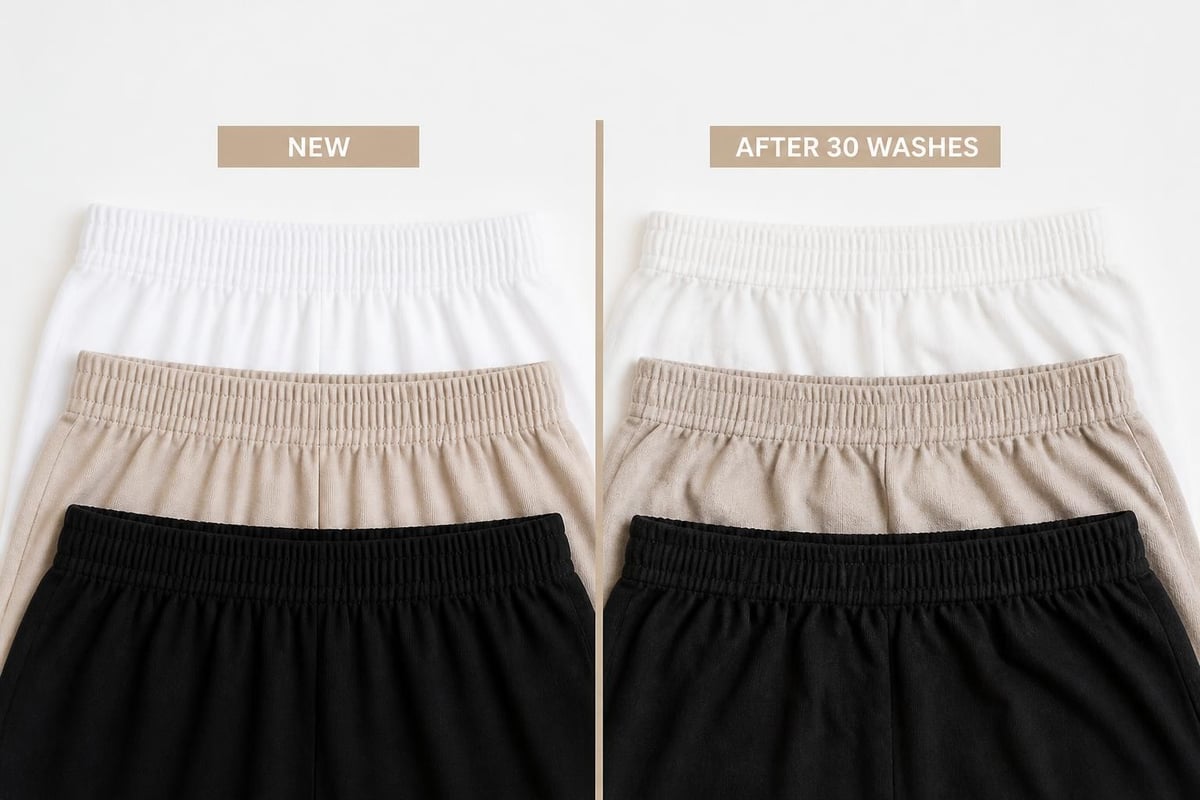
Even the highest-quality elastic eventually degrades, but proper care extends garment life significantly. Hot water, harsh detergents, and high-heat drying accelerate elastic breakdown. Chlorine bleach attacks elastic polymers at the molecular level, causing premature failure.
| Care Method | Impact on Elastic Life | Recommendation |
|---|---|---|
| Cold water wash | Extends life 40-60% | Always use cold |
| Air drying | Extends life 50-70% | Hang or lay flat |
| Gentle detergent | Reduces degradation | Avoid bleach/optical brighteners |
| Delicate cycle | Minimizes stress | Use mesh laundry bags |
Proper storage also matters. Folding underwear tightly or storing it compressed stresses the elastic even when not worn. Store underwear loosely in drawers, allowing the elastic to rest in its relaxed state between wears.
Solutions for Specific Underwear Styles
Different underwear styles face unique challenges with rolling down. Solutions must be tailored to each design.
Thong and G-String Considerations
Thong underwear has minimal coverage, making waistband performance absolutely critical. With no leg elastics to provide secondary support, the entire garment relies on waistband grip. Thongs roll down more frequently than full-coverage styles because there's less fabric to create friction.
The solution involves wider waistbands, premium elastic, and strategic seam placement. Some thongs use a V-shaped waistband that follows the natural curve of the lower back, distributing tension more evenly. Others incorporate silicone gripper strips on the interior waistband, similar to technology used in athletic compression wear.
High-Waist and Control Brief Designs
High-waist underwear theoretically should resist rolling better due to increased coverage area. However, these styles often fail spectacularly when sized incorrectly. The tall rise creates more fabric to bunch and fold, and if the top band sits at an unstable position on the torso, the entire garment rolls down together.
Successful high-waist designs use graduated compression. The waistband is firmest, with compression gradually decreasing toward the bottom hem. This prevents the "sausage casing" effect where everything rolls down together. Tummy control panties incorporate this engineering principle, using power mesh panels that hold firm without creating a single point of failure.
Athletic and Active Wear Requirements
Exercise amplifies every factor that causes underwear rolling down. Sweat, increased movement range, and dynamic forces require specialized engineering.
Moisture Management Systems
During physical activity, sweat accumulation happens quickly. Standard fabric becomes saturated, adding weight that pulls downward while simultaneously reducing friction. Athletic underwear needs rapid moisture transport to keep both skin and fabric dry.
Advanced moisture management uses multiple strategies simultaneously. Hydrophobic yarn coatings repel water at the fiber level. Knit structures create channels that spread moisture across larger surface areas for faster evaporation. Strategic ventilation zones allow airflow to accelerate drying.
The European Academy of Dermatology & Venereology guidance on athletic chafing emphasizes proper fabric selection for active women. While this guidance focuses on sports bras, the principles apply equally to underwear: moisture, friction, and fit interact to create either comfort or dermatological problems.
Compression and Stay-Put Technologies
Athletic underwear often incorporates light compression to enhance muscle support and improve circulation. This compression also helps prevent rolling by creating consistent, even pressure around the waist and hips. The key is balancing enough compression to hold secure without restricting breathing or creating discomfort.
Stay-put technologies borrowed from athletic wear include:
- Silicone gripper dots or strips on waistband interior
- Wide, multi-ply elastic with superior recovery
- Flat-lock seams that reduce bulk and irritation
- Strategic seam placement that follows muscle groups
Finding Your Perfect Fit
With so many factors affecting how underwear performs, finding styles that resist rolling down requires a systematic approach.
Taking Accurate Measurements
Most women wear incorrectly sized underwear because they rely on outdated measurements or guess based on pant size. Take fresh measurements at least annually, as bodies change with age, weight fluctuation, and hormonal shifts.
Essential measurement points:
- Natural waist (narrowest point, usually above belly button)
- High hip (upper hip bones, typically 3-4 inches below waist)
- Full hip (fullest point, usually 7-9 inches below waist)
- Rise (from waist, through crotch, to waist in back)
Compare these measurements to detailed size charts that provide multiple reference points. Brands that offer custom sizing or multiple rise options give you better chances of finding underwear that stays put.
Trial and Feedback Process
Expect to try several styles and sizes before finding your ideal match. What works for your body might not work for someone with similar measurements but different proportions. Keep notes on what you try, including specific size, style name, and how it performs during different activities.
Pay attention to how underwear behaves during the first wear versus after washing. Some garments fit perfectly initially but roll down after laundering, indicating elastic quality issues. Others might feel slightly tight at first but relax to perfect fit after break-in wear.
Professional Standards and Testing
Understanding how underwear is tested and evaluated helps you make informed purchases. While you can't personally conduct laboratory tests, knowing what quality manufacturers examine gives insight into product reliability.
Elastic Performance Specifications
Professional garment testing evaluates elastic performance using standardized protocols. According to U.S. standardization activity for waistband performance, elastic waistbands should maintain at least 85% of their original recovery after 50 stretch cycles. Premium underwear often exceeds this standard, maintaining 90% or better recovery through hundreds of cycles.
Tests also measure load retention (how much force the elastic generates at specific extensions) and growth (permanent elongation after extended wear). High-quality elastic shows minimal growth even after extended use.
Fabric Durability Testing
Beyond elastic performance, the base fabric must maintain its structure through normal use. Pilling resistance, seam strength, and colorfastness all affect whether underwear continues performing well after purchase.
| Test Parameter | Minimum Standard | Premium Target |
|---|---|---|
| Elastic recovery after 50 cycles | 85% retention | 90%+ retention |
| Seam strength | 15 lbs force | 25+ lbs force |
| Pilling resistance | Grade 3 (moderate) | Grade 4-5 (minimal) |
| Colorfastness to washing | Grade 3-4 | Grade 4-5 |
Brands that invest in quality testing produce underwear less likely to experience rolling down over its lifespan. While you can't access test reports for every product, premium pricing often reflects investment in superior materials and testing.
Alternative Solutions and Accessories
When underwear design alone doesn't solve rolling problems, several accessories and alternatives can help.
Specialty Adhesives and Tapes
Fashion tape and skin-safe adhesives provide temporary hold for special occasions. Medical-grade double-sided tape designed for clothing can secure waistbands without damaging fabric or irritating skin. However, these are emergency solutions rather than daily wear options.
Silicone-based adhesives offer better skin compatibility than traditional tape. They wash off easily and don't leave residue, but require reapplication each time you wear the garment.
Layering Strategies
Some women successfully prevent underwear rolling down by layering. Wearing shapewear or compression shorts over underwear provides external support that keeps everything in place. This works particularly well during exercise or under fitted clothing.
However, layering adds bulk, reduces breathability, and increases laundry volume. It's a compromise solution when you can't find single-layer underwear that stays put independently.
Custom and Tailored Options
For women with body proportions significantly outside standard sizing, custom-made underwear might be the only solution that truly prevents rolling down. Several online services now offer made-to-measure undergarments based on your specific measurements.
While more expensive than off-the-rack options, custom underwear eliminates the guesswork. You specify waistband height, leg cut, coverage level, and fabric preferences. The resulting garment fits your unique body perfectly.
Recognizing When to Replace Underwear
Even the best underwear eventually wears out. Knowing when to retire garments prevents the frustration of dealing with rolling down from exhausted elastic.
Signs of Elastic Failure
The most obvious indicator is visible waistband stretching. If you can pull the waistband significantly away from your body without resistance, the elastic has lost recovery. Also watch for:
- Permanent waves or ripples in the waistband
- Visible gaps between elastic and fabric
- Thinning or fraying of elastic threads
- Loss of snap-back when you release stretched elastic
When elastic fails, no amount of sizing adjustment or care can restore performance. Replace the garment rather than struggling with constant rolling down.
Fabric Degradation Signals
Sometimes the elastic remains functional but the base fabric wears out. Thinning fabric, holes (especially at stress points), and permanent stretching in the body all compromise underwear performance. The waistband can't hold effectively when the fabric it's sewn to has lost integrity.
Color fading and loss of fabric finish (the smooth, soft feel of new garments) indicate general wear. While aesthetic issues don't directly cause rolling down, they often accompany structural degradation.
Understanding why underwear rolling down occurs empowers you to choose garments that stay comfortably in place throughout your day. From elastic quality and fabric selection to proper sizing and care, multiple factors determine whether your underwear performs as intended. Ambar Wear addresses these concerns through thoughtfully engineered seamless undergarments that combine superior materials, strategic construction, and inclusive sizing to eliminate common fit problems. Experience the difference that properly designed underwear makes in your daily comfort and confidence.