

The thong undergarment has evolved from a controversial fashion statement to an essential wardrobe staple for millions of women worldwide. Originally designed to eliminate visible panty lines, this minimalist garment has undergone significant transformation in materials, construction, and functionality. In 2026, the modern thong undergarment addresses multiple concerns beyond aesthetics, incorporating advanced fabric technology, ergonomic design, and body-positive sizing to meet the diverse needs of today's active, confident women. Understanding the features, benefits, and proper selection criteria for this intimate apparel empowers you to make informed decisions that enhance both comfort and confidence throughout your daily activities.
The Evolution of Thong Design and Functionality
The history of the thong undergarment extends far beyond recent decades. While many associate this style with contemporary fashion, historical records trace thong-like garments back to ancient civilizations where minimal coverage served both practical and cultural purposes. The modern iteration gained mainstream acceptance in the 1980s and 1990s, when fashion designers recognized consumer demand for invisible underwear lines beneath form-fitting clothing.
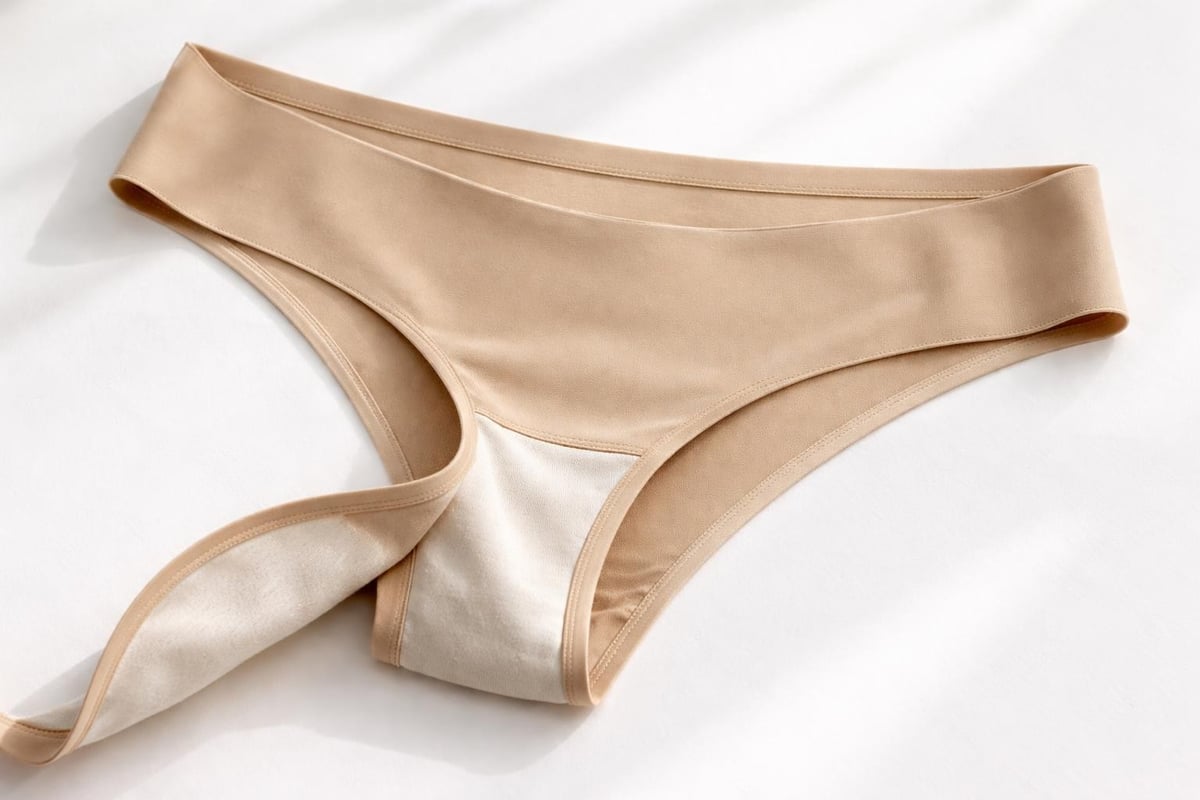
Today's thong undergarment represents a dramatic departure from early versions. Modern manufacturing techniques prioritize comfort and functionality alongside aesthetics. Key innovations include:
- Seamless construction that eliminates chafing and irritation
- Moisture-wicking fabrics that maintain freshness during extended wear
- Anatomically contoured panels that prevent common fitting issues
- Reinforced waistbands that stay in place without rolling or digging
- Anti-microbial treatments that promote hygiene and odor control
Understanding the Social Impact and Cultural Acceptance
The social impact of thong underwear reflects broader shifts in attitudes toward women's clothing choices and body autonomy. What once sparked heated debates about appropriateness has become normalized across demographics and age groups. This acceptance stems from recognition that underwear choices should prioritize the wearer's comfort and confidence rather than external opinions.
Contemporary discussions focus less on whether women should wear thongs and more on how manufacturers can improve functionality. Issues like camel toe prevention have moved from taboo topics to standard design considerations. Progressive brands acknowledge that women deserve undergarments engineered to solve real problems rather than create new ones.
Key Benefits of the Thong Undergarment
Invisible Under Clothing
The primary advantage remains elimination of visible panty lines (VPL). Whether wearing yoga pants, tailored trousers, or fitted dresses, a properly designed thong undergarment creates a smooth silhouette beneath your clothing. This benefit extends beyond aesthetics-it provides psychological confidence knowing your undergarments remain discreet regardless of your outfit choice.
Modern athleisure and activewear trends have increased demand for VPL-free solutions. The activewear collection market has expanded significantly, with consumers expecting undergarments that perform as seamlessly as their outer layers.
Enhanced Comfort for Extended Wear
Contrary to outdated perceptions, a well-constructed thong undergarment offers superior comfort for all-day wear. The minimal coverage reduces fabric bunching and twisted underwear-common complaints with traditional styles. Strategic placement of seams and elastic ensures the garment stays positioned correctly without constant adjustment.
Comfort factors in premium designs:
- Soft, breathable fabrics that move with your body
- Flat-lock stitching that prevents skin irritation
- Tag-free construction with printed care instructions
- Multiple rise options (low, mid, high) for different preferences
- Graduated compression that supports without restricting
Hygiene Advantages
The reduced fabric coverage of a thong undergarment promotes better airflow, which helps maintain optimal temperature and moisture balance. This ventilation proves particularly beneficial during physical activity or in warm climates. Quality materials with moisture-wicking properties transport perspiration away from skin, creating a drier, more hygienic environment.
| Feature | Traditional Underwear | Thong Undergarment |
|---|---|---|
| Fabric Coverage | Full rear coverage | Minimal rear contact |
| Airflow | Limited ventilation | Enhanced breathability |
| Moisture Management | Standard absorption | Active wicking |
| VPL Prevention | Minimal to none | Complete elimination |
| Movement Freedom | Some restriction | Unrestricted mobility |
Choosing the Right Thong Undergarment for Your Body
Material Considerations
Fabric selection dramatically impacts comfort, durability, and performance. The most popular materials for thong undergarments in 2026 include:
Cotton blends offer natural breathability and softness, making them ideal for everyday wear and sensitive skin. While pure cotton provides excellent comfort, strategic blending with synthetic fibers improves shape retention and reduces shrinkage.
Microfiber and modal fabrics create an ultra-smooth surface that remains invisible under the thinnest clothing. These materials offer lightweight comfort with impressive durability through repeated washing cycles.
Performance synthetics incorporate advanced technology for athletic activities. Moisture-wicking polyester, nylon blends, and specialized fabrics regulate temperature while providing four-way stretch that moves with your body during intense workouts.
The underwear collection from specialized brands typically features multiple fabric options, allowing you to select materials appropriate for different occasions and activities.
Rise and Fit Options
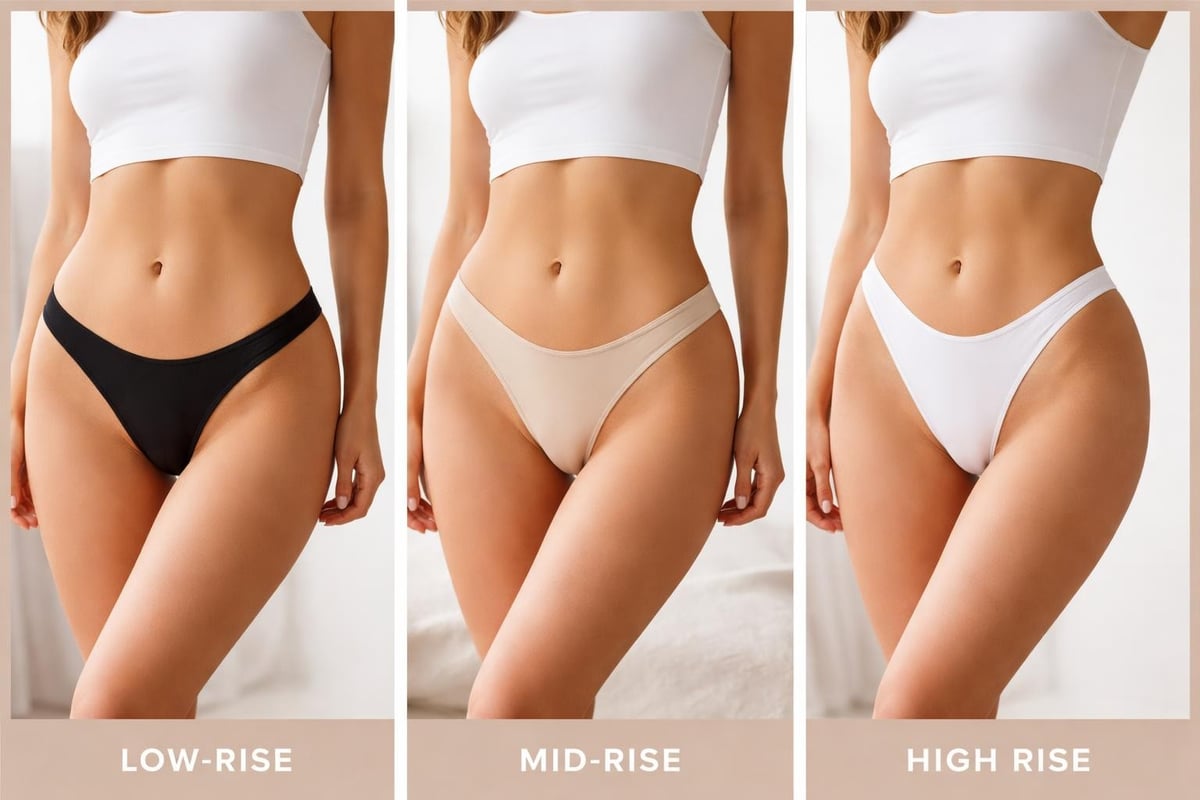
Selecting the appropriate rise ensures both comfort and functionality. Low-rise thongs sit below the natural waistline, making them perfect for low-cut jeans and pants. Mid-rise options provide balanced coverage at the natural waist, offering versatility for most clothing styles. High-rise thong undergarments extend above the waist, providing tummy control and staying secure during vigorous movement.
Consider your body proportions when selecting rise height. Longer torsos often benefit from mid to high-rise styles, while shorter torsos may find low-rise more flattering and comfortable. The key is ensuring the waistband sits flat against your skin without rolling, regardless of rise height.
Addressing Common Fit Issues
Modern thong undergarment design specifically targets problems that plagued earlier versions. Camel toe proof underwear incorporates specialized gusset construction that prevents visible outlines and uncomfortable bunching. These designs feature strategically placed seams, reinforced panels, and anatomically shaped fronts that conform smoothly to your body.
Solutions for common concerns:
- Waistband rolling: Look for wider elastic bands with silicone grips
- Fabric riding up: Choose seamless construction with strategic placement
- Digging straps: Select designs with flatter, softer materials
- Transparency: Opt for double-layer gussets with opaque panels
- Sizing inconsistency: Consult detailed size charts and read customer reviews
For women with curves, specialized underwear options account for different body proportions, offering appropriate stretch and support where needed most.
Style Variations and When to Wear Each
Classic String Thong
The traditional string thong features minimal fabric throughout, with thin strings connecting the front panel to the rear. This ultra-minimalist design works exceptionally well under the tightest clothing but may not provide sufficient coverage or support for all-day comfort. Best suited for special occasions and specific outfits rather than daily wear.
G-String Versus T-Back
While often confused, these styles differ in construction. G-strings feature an even thinner rear strap than traditional thongs, while T-backs incorporate a slightly wider vertical strip that forms a "T" shape at the back. The T-back thong undergarment offers marginally more coverage while maintaining VPL elimination.
Seamless and Laser-Cut Designs
Contemporary innovations include seamless thong undergarments created through advanced manufacturing processes. Laser-cutting technology eliminates traditional sewn seams entirely, creating edges that lie completely flat against skin. These designs represent the pinnacle of invisible underwear, disappearing beneath even the most unforgiving fabrics like white pants or clingy jersey dresses.
Functional Specialty Thongs
Beyond basic styles, specialized thong undergarments address specific needs:
- Shapewear thongs with tummy control panels
- Athletic thongs with enhanced moisture management
- Convertible styles with removable straps for different outfits
- Padded options that enhance natural curves
- Lace and decorative versions for aesthetic appeal
Care and Maintenance for Longevity
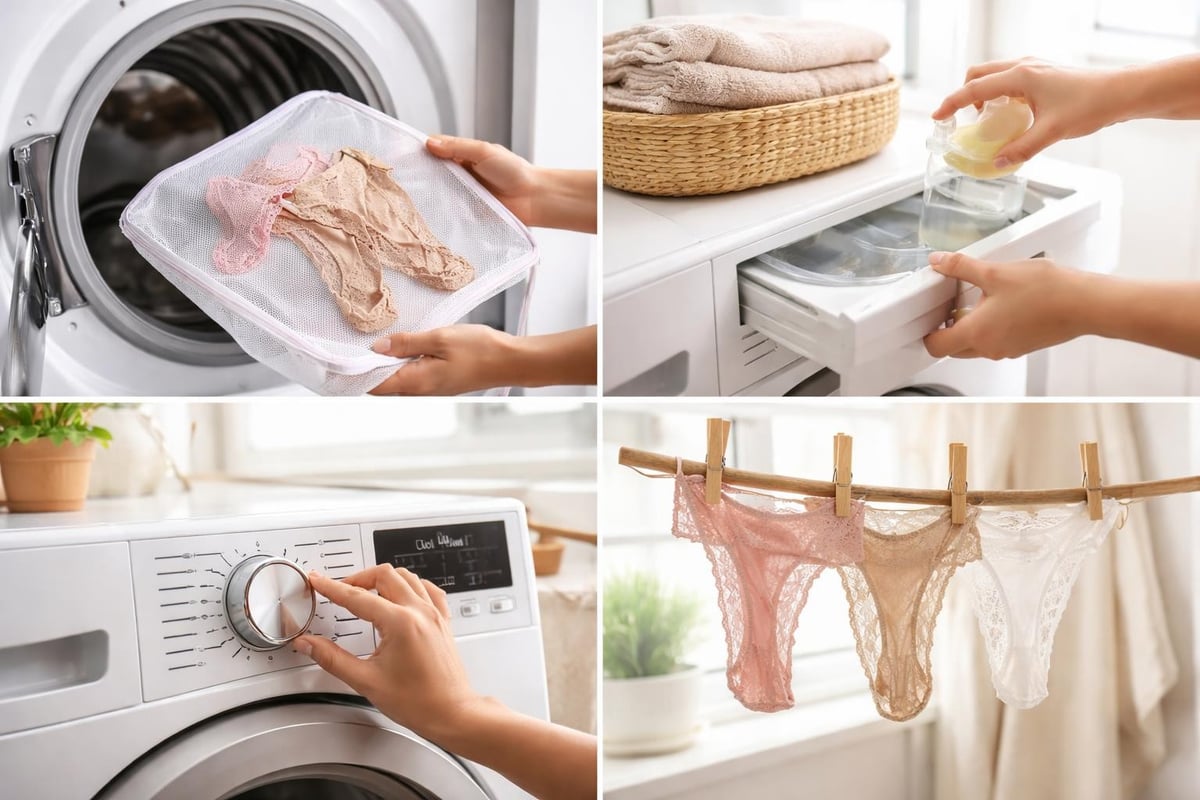
Proper care extends the life of your thong undergarment collection while maintaining hygiene and fabric integrity. Hand washing remains the gold standard, though modern fabrics tolerate machine washing when properly protected.
Washing best practices:
- Use mesh laundry bags to prevent tangling and stretching
- Select cold water and gentle cycles to preserve elastic
- Choose mild detergents without fabric softeners that degrade performance fabrics
- Avoid bleach which weakens fibers and causes discoloration
- Air dry rather than using machine dryers to prevent heat damage
Replace thong undergarments every 6-12 months depending on wear frequency. Signs indicating replacement time include stretched elastic, thinning fabric, permanent stains, or loss of shape. Rotating multiple pieces rather than wearing the same favorites daily distributes wear and extends overall collection lifespan.
| Fabric Type | Washing Temperature | Drying Method | Replacement Timeline |
|---|---|---|---|
| Cotton Blends | Cold to warm | Air dry or low heat | 6-9 months |
| Microfiber | Cold only | Air dry | 9-12 months |
| Performance Synthetic | Cold only | Air dry | 12 months |
| Lace/Delicate | Cold hand wash | Air dry flat | 3-6 months |
Health Considerations and Expert Recommendations
Medical professionals generally support thong undergarment wear when women select appropriate materials and maintain proper hygiene. The purpose of thong underwear extends beyond fashion, offering practical benefits that promote comfort and confidence.
Material Selection for Health
Natural, breathable fabrics minimize moisture retention that could promote bacterial growth. Cotton and cotton-blend gussets provide the healthiest option for the most sensitive area while synthetic outer panels deliver performance benefits. Avoid thong undergarments made entirely from non-breathable materials like polyester or nylon, particularly for extended daily wear.
Fit and Sizing Importance
Ill-fitting thongs create friction and pressure points that cause irritation. The rear strap should sit comfortably without feeling tight or restrictive. The front panel must provide adequate coverage without pulling or creating excess pressure. When in doubt, size up rather than down-thong undergarments should feel barely noticeable during wear.
When to Choose Alternatives
While thong undergarments suit most situations, certain circumstances warrant different styles. During menstruation, some women prefer fuller coverage options. Post-surgical recovery or active infections require doctor-recommended underwear styles. Listen to your body and prioritize comfort and health over aesthetic considerations.
Shopping Tips and Investment Guidelines
Quality thong undergarments represent a worthwhile investment in your comfort and confidence. While budget options exist, premium designs deliver superior performance, durability, and fit that justify higher initial costs through extended wear life.
Price tiers and expectations:
- Budget ($5-10): Basic construction, standard materials, limited size range
- Mid-range ($15-25): Improved fabrics, better construction, wider selection
- Premium ($30-50): Advanced materials, innovative design, specialized features
- Luxury ($50+): Designer brands, exotic materials, limited editions
Start with versatile neutral colors-black, nude, and white-that work beneath most clothing. Expand into colors and patterns once you identify brands and styles that fit your body perfectly. Many women find success purchasing multiple pieces from a single style rather than sampling various designs.
The best sellers collection typically represents customer-tested designs that deliver consistent satisfaction across different body types and preferences. Reading detailed reviews provides insight into actual performance beyond marketing descriptions.
Building Your Thong Undergarment Wardrobe
A well-rounded collection includes pieces for different occasions, outfits, and activities. Consider the following distribution:
Everyday basics (40%): Comfortable, durable thongs in neutral colors for regular wear beneath casual clothing. These workhorses should prioritize comfort and longevity over decorative elements.
Professional wear (25%): Seamless designs that remain invisible under tailored work clothing. Invest in quality construction that maintains shape through frequent wearing and washing.
Athletic options (20%): Performance thong undergarments with moisture-wicking properties for workouts and active pursuits. These should feature secure waistbands that stay positioned during movement.
Special occasion (15%): Decorative or unique styles for specific outfits or events. These pieces may prioritize aesthetics over all-day comfort since wear time typically remains limited.
Proper organization preserves thong undergarments between uses. Fold or roll pieces gently rather than wadding them into drawers. Separate delicate lace options from everyday basics to prevent snagging. Some women find success using drawer dividers or small storage boxes to keep collections organized and easily accessible.
Addressing Body Confidence and Personal Choice
Choosing to wear a thong undergarment represents a personal decision that should reflect your comfort preferences rather than external pressure. The fashion evolution perspective demonstrates how attitudes have shifted toward body positivity and individual choice in intimate apparel.
Women of all body types can find thong undergarments that fit comfortably and flatteringly. Manufacturers increasingly recognize the diversity of shapes and sizes, expanding offerings beyond outdated limited size ranges. Whether you're petite, curvy, tall, or athletic, appropriate options exist that work with your unique proportions.
Some women discover thongs eliminate the constant awareness of underwear that fuller styles create. Others appreciate the confidence boost from knowing their undergarments remain invisible regardless of outfit choice. Still others simply prefer the aesthetic or find thongs more comfortable than traditional styles. All these reasons equally validate the choice to wear this undergarment style.
Sustainable and Ethical Considerations
As environmental awareness grows, sustainable thong undergarment options have expanded significantly. Eco-conscious consumers can now find pieces made from organic cotton, recycled materials, and biodegradable fabrics that minimize environmental impact without sacrificing performance or comfort.
Sustainable features to seek:
- Organic or sustainably sourced cotton
- Recycled polyester and nylon from post-consumer waste
- Low-impact dyes and chemical-free treatments
- Minimal packaging using recycled materials
- Ethical manufacturing with fair labor practices
Extending garment life through proper care represents another sustainable practice. Rather than treating thong undergarments as disposable, investing in quality pieces and maintaining them properly reduces consumption and waste. Some brands offer recycling programs for worn-out underwear, preventing textile waste from reaching landfills.
Pairing Thongs with Different Outfits
Maximizing the versatility of your thong undergarment collection requires understanding which styles work best beneath specific clothing types. This knowledge eliminates morning wardrobe frustrations and ensures comfort throughout your day.
Outfit-specific recommendations:
Yoga pants and leggings: Choose seamless thongs with camel toe prevention features. The camel toe thong designs specifically address visibility concerns with form-fitting activewear.
Fitted dresses and skirts: Opt for laser-cut or seamless options that eliminate any possibility of visible lines. Nude shades that match your skin tone create the most invisible appearance.
Professional trousers: Mid to high-rise thongs prevent waistband peek-through when sitting or bending. Seamless construction ensures no lines show through tailored fabric.
Casual jeans: Low to mid-rise thongs work well with various jean rises. Choose comfortable everyday styles since casual wear typically involves extended wearing time.
Athletic shorts: Performance thongs with moisture-wicking properties and secure waistbands prevent movement and discomfort during exercise.
The thong undergarment has evolved into a sophisticated, functional garment that addresses real comfort and confidence needs for modern women. By understanding the various styles, materials, and fit considerations, you can build a collection that serves your lifestyle while maintaining comfort throughout every activity. Ambar Wear specializes in designing seamless thongs that eliminate common concerns like camel toe, visible panty lines, and uncomfortable fit, offering solutions engineered for real women's bodies. Explore their innovative collection to discover how thoughtfully designed undergarments can transform your daily confidence and comfort.