

Finding thong sizes that actually fit can feel impossible. If you have ever stood in front of a mirror, frustrated by confusing size charts or uncomfortable seams, you are not alone.
This guide is here to clear up the mystery around thong sizes for 2026. We will walk you through how sizing works, how to measure yourself, what makes brands different, and how to solve the most common fit issues.
You will also get expert tips on shopping for your unique body type. Ready to feel confident and comfortable every day? Let us make thong sizes simple and stress-free.
Understanding Thong Sizing in 2026
Finding the right thong sizes is about more than just picking a label. With so many new options and shifts in sizing standards, understanding how sizing works in 2026 is key to comfort and confidence. Let’s break down how thong sizes have evolved, what current charts mean, and what new trends to watch.
The Evolution of Thong Sizing
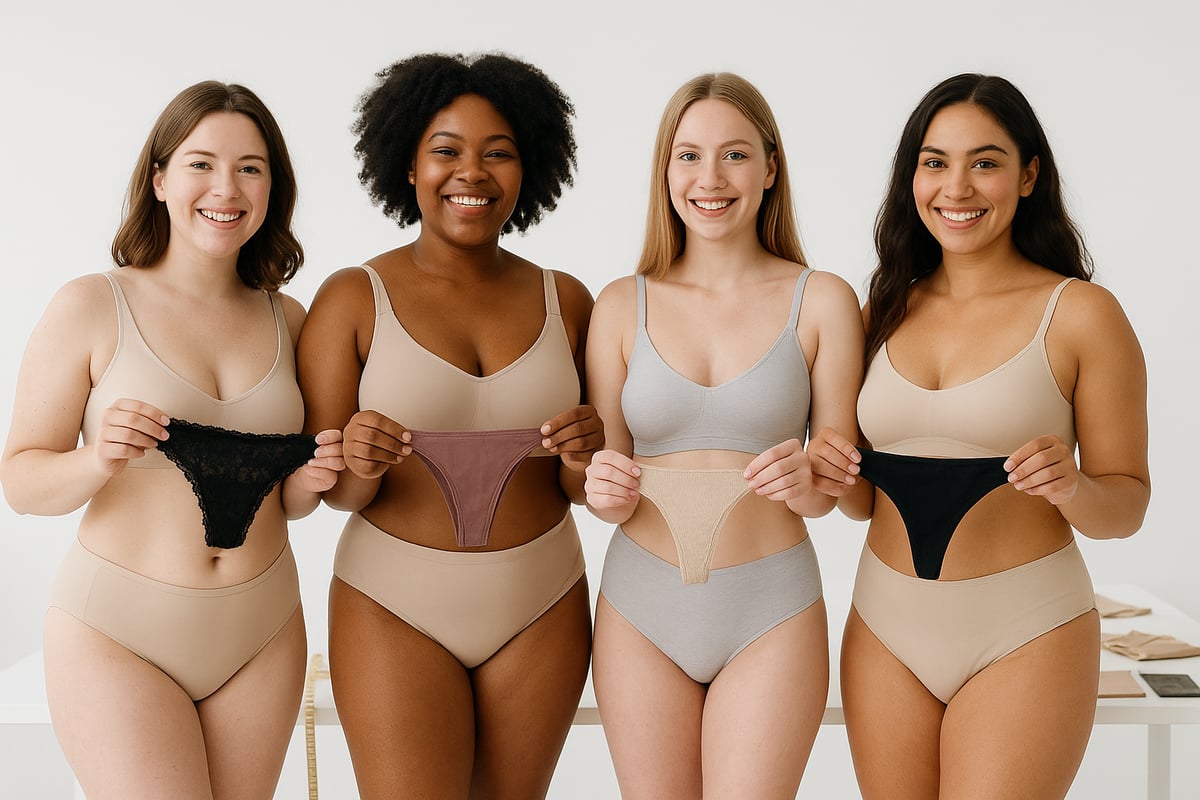
Thong sizes have come a long way. In the past, sizing was limited, with most brands offering only standard small, medium, and large. Over the years, fashion trends and a push for body positivity have driven a demand for more inclusive sizing.
Recent data shows that plus sizes, such as 12 to 32, are now widely available. Brands like Cacique expanded their ranges, now offering up to size 40. Online shopping has also increased transparency, as shoppers expect clear, detailed sizing information before purchasing.
Standard Thong Size Charts Explained
Thong sizes are usually listed as XS to 4X or numerically from 0 to 32. These sizes are based on waist and hip measurements, but the system can vary by region. For example, US, UK, and EU sizes may look similar but differ in actual fit.
| Region | XS | S | M | L | XL | 2X+ |
|---|---|---|---|---|---|---|
| US | 0-2 | 4-6 | 8-10 | 12-14 | 16-18 | 20+ |
| UK | 4-6 | 8-10 | 12-14 | 16-18 | 20-22 | 24+ |
| EU | 32-34 | 36-38 | 40-42 | 44-46 | 48-50 | 52+ |
It’s always best to use a brand-specific chart, as sizing can shift between labels. For more practical tips on matching your measurements, check out Thong Underwear Sizing Tips.
Differences Between Regular, Petite, and Plus Sizes
Thong sizes for regular, petite, and plus bodies are not created equal. Petite options are cut for shorter rises and narrower hips, while plus-size thongs often feature wider waistbands and more fabric in the back for comfort.
Fit issues can differ by body type. Petite wearers might find regular thongs too long in the rise, causing bunching. Plus-size wearers might deal with rolling or digging if the waistband is too narrow. Brands now design specific cuts for each range, making it easier to find thong sizes that truly fit.
Fabric Stretch and Sizing Impact
The fabric you choose plays a huge role in how thong sizes fit. Cotton offers breathability but less stretch, while microfibre and lace provide more flexibility. Seamless thongs, often made from stretchy blends, adapt better to curves and body movement.
If you’re between sizes, fabric choice matters. A lace thong might feel snug, so consider sizing up. For maximum adaptability, seamless options are popular since they accommodate small changes in size and shape.
Sizing Trends and Innovations for 2026
Thong sizes in 2026 are more advanced than ever. AI-powered fit assistants and virtual fitting rooms help shoppers find their perfect match without guessing. Customizable and adjustable thongs are also gaining popularity, giving you more control over fit.
Inclusive sizing is now a key focus for major brands. Many offer extended sizes and adaptive fits, ensuring everyone can find thong sizes that work for their body. These innovations mean better comfort, improved confidence, and a more enjoyable shopping experience.
How to Measure Yourself for the Perfect Thong Fit
Finding the right thong sizes starts with knowing your exact body measurements. Accurate measuring ensures your thong will feel comfortable, look smooth, and support you in all the right places. Let’s walk through the process, step by step, so you can confidently shop for thong sizes that fit your unique shape.
Step-by-Step Measurement Guide
Start by gathering a soft measuring tape and standing in front of a full-length mirror. Measuring on bare skin will give the most accurate results.
First, locate your natural waist. This is the narrowest part of your torso, usually just above your belly button. Wrap the tape around your waist, keeping it level and snug, but not tight. Note the number in inches or centimeters.
Next, measure your hips at the fullest point, typically around your seat and hip bones. Again, keep the tape straight and parallel to the floor. Record this measurement as well. Match your numbers to a sizing chart to find your best fit. For a detailed visual guide, check out this Panties Fit Guide - How To Measure Panties Size, which provides step-by-step instructions tailored to thong sizes.
Common Measurement Mistakes and How to Avoid Them
A few common errors can throw off your thong sizes. Measuring over clothes adds bulk and leads to inaccurate numbers. Always use bare skin for precision.
Make sure the tape stays level around your body and does not twist or sag. Too loose or too tight can both give false readings.
Remember, your body changes throughout the month. Hormonal cycles, bloating, or water retention might affect your measurements. Even a one-inch difference can mean a different size in thong sizes, so take your time and measure carefully.
Using Measurements to Choose the Right Size
Once you have your waist and hip numbers, consult the brand’s thong sizes chart. If you land between sizes, consider the thong style and your comfort preference.
High-rise thongs may require a slightly different fit than low-rise or cheeky cuts. If you prefer a looser feel, sizing up is often best. For a secure, snug fit, you might size down, especially with stretch fabrics.
Always remember that thong sizes can vary by style. Use your measurements as a starting point, and adjust for fabric and design.
When to Re-Measure Yourself
Thong sizes may shift as your body changes. If you gain or lose weight, go through pregnancy, or simply notice your underwear feeling different, it’s time to re-measure.
A good rule is to check your measurements every few months, or whenever you shop for new styles. Seasonal changes, like winter layers or summer heat, can also impact how your thong fits.
By staying up to date with your current measurements, you’ll always get the most accurate thong sizes.
Fit Check: Trying On and Assessing Comfort
Once you try on your new thong, check for key signs of a good fit. There should be no digging, rolling, or slipping. Move around, sit, and bend—your thong should stay put and feel comfortable.
A well-fitted thong boosts confidence and ensures all-day comfort.
Thong Styles and Their Unique Sizing Considerations
Finding the right thong style can make all the difference in comfort and confidence. Thong sizes are not one-size-fits-all, and each style brings its own sizing quirks. Let’s break down the most popular types and what you should know before choosing your perfect fit.
Classic Thong vs. G-String vs. Cheeky Thong
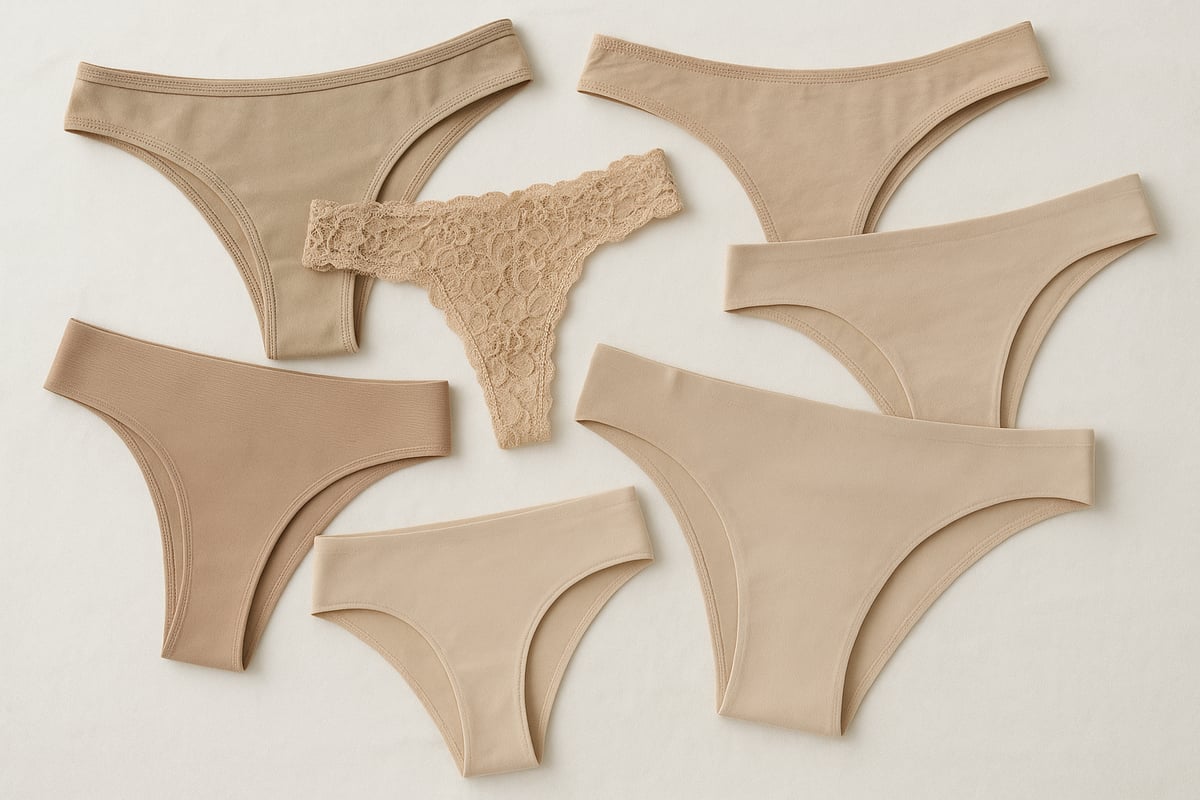
Every style has unique sizing features. Classic thongs offer moderate back coverage and are a go-to for many, while G-strings have the most minimal coverage and often feel less restrictive. Cheeky thongs bridge the gap, providing more back coverage but a flirty, revealing cut.
Here’s a quick comparison:
| Style | Coverage | Sizing Note |
|---|---|---|
| Classic Thong | Moderate | True to standard thong sizes |
| G-String | Minimal | May need to size up for comfort |
| Cheeky Thong | More coverage | Similar to classic, but check brand chart |
G-strings might require a different approach to thong sizes as the minimal fabric can dig in if too snug. For more on how styles affect fit, see Choosing Thongs for Women.
High-Rise, Low-Rise, and Mid-Rise Thongs
Waist placement directly impacts thong sizes. High-rise thongs sit above the natural waist, offering tummy control and a secure fit, while low-rise thongs sit lower on the hips, ideal for low-cut pants. Mid-rise thongs balance coverage and comfort.
If you have a longer torso or prefer extra coverage, high-rise thongs in your usual thong sizes may work best. Those with shorter torsos or who prefer less coverage might favor low-rise cuts. Always check if the sizing chart specifies rise, as some brands adjust thong sizes based on waist placement.
Seamless and Shapewear Thongs
Seamless thongs are popular for their invisible look under clothing. They rely on stretchy fabrics, so thong sizes can be more forgiving. If you’re between sizes, seamless options often provide a comfortable fit.
Shapewear thongs, on the other hand, use compression fabrics to smooth and sculpt. Here, thong sizes should match your widest measurement for comfort. If you want invisible support under leggings or dresses, seamless or shapewear thongs tailored to your thong sizes are a smart pick.
Specialty Thongs: Maternity, Postpartum, and Men’s Thongs
Specialty thongs are designed for unique needs. Maternity thongs feature expandable panels to accommodate a growing belly, while postpartum thongs offer extra support and gentle fabric. Men’s thongs are tailored for anatomy and may have different sizing grids.
For these styles, thong sizes are often based on hip measurements, but always look for detailed brand instructions. Features like added stretch or reinforced seams ensure comfort during life transitions. These specialty designs prove that thong sizes can be inclusive and adaptive.
Fabric-Specific Sizing Tips
Fabric choice plays a huge role in how thong sizes feel on your body. Cotton thongs are breathable and usually stretch a bit after washing. Synthetic blends, like microfibre, offer more elasticity, which can make thong sizes more flexible.
Lace thongs, however, often fit tighter and have less give than cotton. If you prefer lace, consider sizing up in your thong sizes for extra comfort. Always check the fabric content and care instructions, as the right material can transform your thong experience.
Solving Common Thong Fit Issues
Finding the right thong sizes can be tricky, but many fit problems have simple solutions. If you’re struggling with digging, rolling, or other comfort issues, you’re not alone. Let’s break down the most common thong fit challenges and how to fix them for a flawless, comfortable fit.
Digging, Rolling, and Slipping: Causes and Solutions
If your thong is digging into your skin, rolling at the waistband, or slipping out of place, the culprit is often the wrong size or style. Sometimes, thong sizes vary between brands or even between different fabrics. Consider these fixes:
- Digging in: Try sizing up or choosing styles with wider waistbands.
- Rolling down: High-rise thongs or those with reinforced bands can help.
- Slipping: Opt for a snugger fit or styles with more stretch.
Comfort is key, so always prioritize feel over the number on the tag. For more detailed tips on achieving a comfortable fit, check out this Comfortable Thongs Guide. Remember, choosing the right thong sizes is the first step to all-day comfort.
Dealing with Visible Panty Lines and Camel Toe
Visible panty lines (VPL) and camel toe can make even the most stylish thong feel awkward. The design and fit of your thong play a big role in preventing these issues. When shopping for thong sizes, look for seamless or laser-cut edges for invisibility under clothing.
If camel toe is a concern, avoid overly tight thongs and opt for those with a slightly thicker gusset. Sometimes, going up a size can help minimize these problems. Thong sizes that match your unique shape will reduce both VPL and discomfort.
Sizing Up vs. Sizing Down: What to Do When In-Between
Are you between thong sizes on the chart? This is a common issue. Each fabric and cut fits a bit differently, so here’s what you can do:
- Sizing up: Provides more comfort, especially for everyday wear.
- Sizing down: Offers a more secure, body-hugging fit.
- Fabric stretch: Flexible materials like microfibre allow for more leeway.
If you’re unsure, buy a single pair in each size to test before committing. Your ideal thong sizes should feel snug but not restrictive.
Addressing Sensitivity and Allergies
Sensitive skin or allergies can make thong shopping extra challenging. Always check the material composition when comparing thong sizes. Choose hypoallergenic fabrics, like 100% cotton, and avoid thongs with lots of synthetic fibers or tight elastic bands.
If irritation occurs, size up for a looser fit or try seamless designs. Thong sizes are about more than measurements—they’re about comfort, too.
When to Replace Your Thongs
Thong sizes can change over time as fabrics stretch or lose shape. Replace your thongs when you notice:
- Sagging or overstretched bands
- Fraying seams or fading fabric
- Persistent discomfort or loss of fit
Experts recommend checking your thong sizes every 6–12 months, especially if your body changes or you notice a decline in comfort. Fresh, well-fitting thongs will always feel and look better.
Brand Comparisons: Sizing Differences Across Popular Brands
Choosing the right thong sizes can feel overwhelming with so many brands, sizing systems, and fit philosophies on the market. Understanding how different labels approach sizing, inclusivity, and fit is crucial to finding what works for your body. Let's break down what sets major brands apart, explore inclusive options, and share tips to make thong shopping easier in 2026.
How Major Brands Size Their Thongs
Thong sizes can vary significantly between brands, so it's important to know how top names structure their sizing charts. Some brands use traditional S-XL ranges, while others offer more detailed numeric sizing.
| Brand | Size Range | Sizing System | Notable Features |
|---|---|---|---|
| Victoria’s Secret | XS–XL (0–16) | US alpha/numeric | Runs small, trendy cuts |
| Cacique | 10–40 (L–6X) | US numeric | Extended, inclusive sizing |
| Aerie | XXS–XXL (00–20) | US alpha/numeric | Stretchy, youthful styles |
| ThirdLove | XS–3X (0–24) | US alpha/numeric | Focus on comfort, soft seams |
| Skims | XXS–4X (00–32) | US alpha/numeric | Adaptive fits, curve-friendly |
With so many differences, always consult the brand’s specific thong sizes chart before buying.
Inclusive and Plus-Size Thong Options
The demand for inclusive thong sizes has led to more brands expanding their offerings for curvier bodies. Lane Bryant’s Cacique line is a leader, providing sizes up to 40 and prioritizing comfort with wider waistbands and softer fabrics.
Other brands, like Skims and ThirdLove, also cater to a broader range of body types, using adaptive fits and stretchier materials. For additional tips and real-world advice on finding the best fit for curvy figures, check out Sizing for Curvy Thongs.
Inclusive sizing doesn’t just mean more options, but also better fits for all shapes, ensuring thong sizes actually deliver on their promise of comfort.
Petite and Tall Sizing Solutions
Finding thong sizes for petite or tall frames can be tricky, but some brands are stepping up. Petite thongs feature shorter rises and narrower waistbands, while tall options offer longer rises and more generous cuts for comfort.
Brands such as Aerie and ThirdLove sometimes release petite collections, and Skims is known for its flexible fits that work for a variety of heights. Always check for petite or tall tags, and consider adjustable features for the most personalized fit.
If standard thong sizes often dig in or ride up, switching to specialty petite or tall options can make a big difference.
International Sizing: US vs. UK vs. EU
International shopping introduces another layer of complexity to thong sizes. Sizing can shift by several numbers between regions, so knowing your measurements and using conversion charts is vital.
| US Size | UK Size | EU Size |
|---|---|---|
| 6 | 10 | 38 |
| 12 | 16 | 44 |
| 18 | 22 | 50 |
When buying from overseas, double-check the brand’s conversion table and your own waist and hip measurements. This helps ensure thong sizes match expectations and reduces return hassles.
What to Look for in Brand Size Guides
Not all size guides are created equal. The best brands offer clear charts, detailed measurement instructions, and plenty of customer feedback. Look for brands with transparent return policies and user reviews that specifically mention thong sizes and fit accuracy.
Industry trends show that more brands are committing to transparency and inclusivity, as highlighted in the Vogue Business Spring/Summer 2026 size inclusivity report. These efforts make it easier to trust that the thong sizes you order will actually work for your body.
Shopping Tips: Finding Your Ideal Thong in 2026
Shopping for thong sizes in 2026 is easier than ever, but with so many options, knowing where to start can feel overwhelming. Whether you prefer browsing online from your couch or checking out the fit in-store, understanding the latest trends and tools can simplify your search.
Navigating Online vs. In-Store Shopping
When it comes to finding the right thong sizes, both online and in-store shopping have their perks. Shopping online gives you access to the full range of colors, fabrics, and extended sizes, often with virtual fit tools that use your measurements to suggest the best fit. In-store, you can feel the fabrics and try on different thong sizes for immediate feedback.
Read customer reviews and check return policies before you buy. Many brands now offer virtual fitting rooms, letting you preview how thong sizes will look on your body type. Take advantage of free shipping and easy returns to experiment with new styles from home.
Customization and Personalization Options
Personalization is a major trend in 2026, making it easier to find thong sizes that actually fit you. Many brands use AI-powered fit assistants to recommend the perfect size and style based on your body data. Adjustable straps, customizable waistbands, and made-to-measure thongs are becoming mainstream.
According to 6 Lingerie Trends You'll See Everywhere in 2026, Per Style Insiders, exposed and statement thongs are in, so finding your ideal fit is more important than ever. Look for brands that let you tweak sizing details or offer size-inclusive collections designed to flatter every body.
Buying Multipacks vs. Singles
Wondering if you should buy thongs in multipacks or singles? Multipacks are cost-effective and ensure you have plenty of basics on hand, but sizing can be inconsistent if your body fluctuates. Singles allow you to test new styles and fabrics before committing to a larger purchase.
If you’re new to a brand or unsure about thong sizes, start with a single pair. Once you know your fit, stock up on multipacks for savings. Always check the size chart for each style, as fit may vary even within the same brand.
Caring for Your Thongs to Maintain Fit
Proper care helps thong sizes stay true over time. Always follow the washing instructions on the tag. Use a gentle detergent and wash your thongs in cold water, preferably in a mesh laundry bag to prevent stretching or snagging. Avoid high heat when drying, as it can shrink fabrics and alter fit.
Air drying is best for maintaining elasticity and shape. Rotate your thongs regularly so each pair gets a break, and check them for signs of wear. Well-cared-for thongs will keep their fit and comfort longer.
Sustainable and Ethical Thong Shopping
Sustainability is a growing concern in the world of thong sizes. Many brands now prioritize eco-friendly materials, ethical manufacturing, and inclusive sizing. Look for certifications like OEKO-TEX or Fair Trade when shopping for thongs.
For insight into how inclusive sizing and fabric choices intersect, see Inclusive Sizing in Monokini Swimwear: 2025 Trends & Manufacturing Challenges. Choosing brands that support both the planet and diverse bodies ensures you feel good about your purchase and your fit.