

Understanding the variety of thong shapes available today can transform your approach to selecting the right underwear for any occasion. From classic cuts to innovative designs, the shape of a thong determines not just how it looks but how it feels throughout your day. Whether you're wearing form-fitting activewear, professional attire, or casual outfits, the right thong shape ensures comfort, confidence, and an invisible appearance under clothing. Modern thong designs have evolved significantly beyond their original minimalist construction, now offering features that address common concerns like unwanted lines, discomfort, and poor fit.
Understanding the Foundation of Thong Shapes
The basic architecture of thong shapes centers on three key elements: the front panel, waistband height, and back construction. Each of these components plays a crucial role in determining comfort, coverage, and functionality.
The front panel varies dramatically across different thong shapes. Some designs feature a wider gusset for better coverage and support, while others prioritize minimal fabric to remain completely invisible under tight clothing. The width and construction of this panel directly impacts how the thong addresses issues like camel toe, making it one of the most important considerations when selecting your ideal style.
Waistband Height Variations
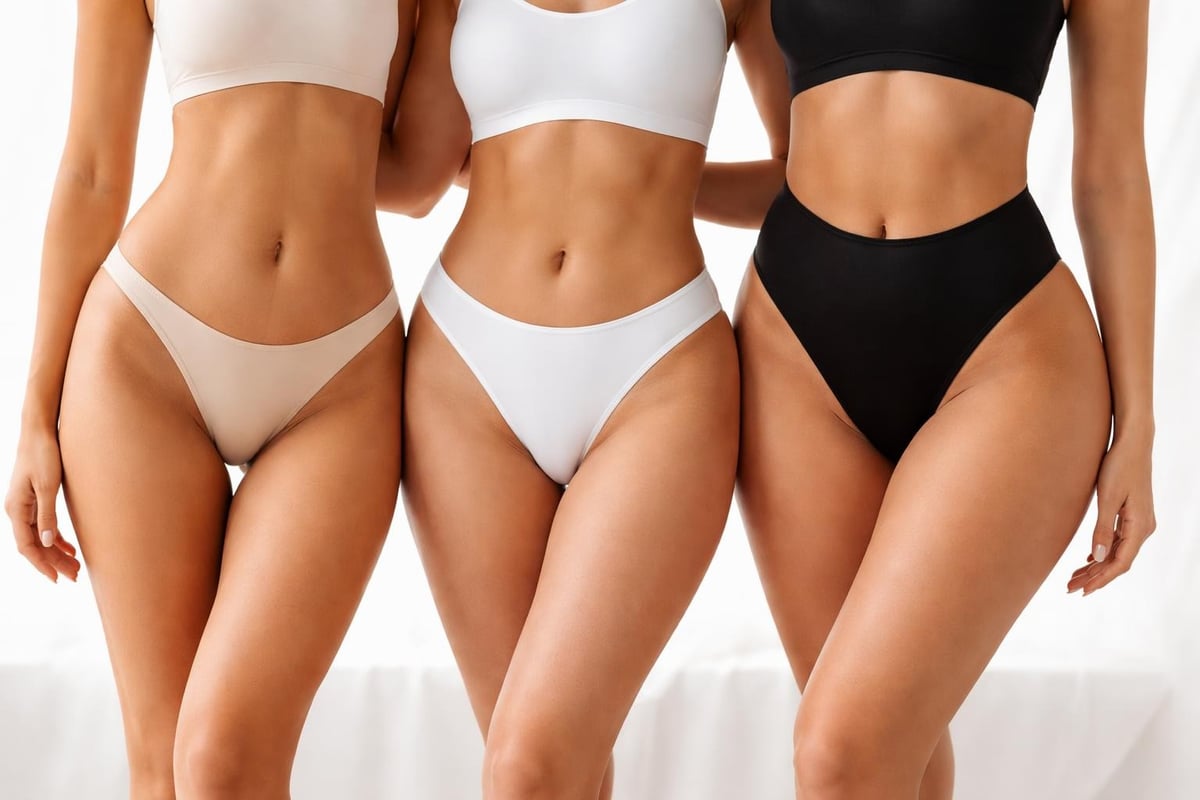
Thong shapes are significantly differentiated by where the waistband sits on your body:
- Low-rise thongs sit below the hips, ideal for low-waisted jeans and pants
- Mid-rise styles rest at the natural hip line, offering versatile everyday wear
- High-rise designs extend above the hips, providing tummy control and coverage
According to Krvvy's comprehensive thong underwear guide, the waistband height you choose should align with both your clothing choices and your comfort preferences. High-rise options have surged in popularity in 2026, particularly among women seeking additional support and smoothing effects.
Classic Thong Shapes and Their Features
The traditional thong remains one of the most popular thong shapes for good reason. This design features a triangular or rectangular front panel, standard waistband, and a narrow back strip that sits between the buttocks. The classic thong offers minimal coverage while eliminating visible panty lines entirely.
Key characteristics include:
- Medium-width front panel providing adequate coverage
- Elastic waistband that stays in place without rolling
- Back strip typically 1/2 to 3/4 inch wide
- Full bottom coverage at the front, minimal at the back
The classic design works exceptionally well under everyday clothing like yoga pants, dress pants, and jeans. However, fabric choice matters tremendously. Seamless construction and moisture-wicking materials enhance comfort significantly, especially for all-day wear. This is why camel toe proof underwear options incorporate specialized fabric technology alongside traditional thong shapes.
G-String and V-String Variations
Among the most minimal thong shapes, G-strings feature an extremely narrow back strip, often just a string or thin elastic. This design offers the least amount of fabric and the most invisible appearance under clothing.
V-string characteristics:
- Triangular front panel narrower than classic thongs
- V-shaped waistband that creates a sleek silhouette
- Ultra-thin back construction
- Best suited for evening wear and fitted dresses
Boux Avenue's guide to thongs notes that while these minimal shapes work beautifully under formal wear, they may not provide sufficient support for active lifestyles. Women who prioritize both invisibility and comfort often prefer hybrid designs that combine the minimal appearance of G-strings with the structural support of classic thongs.
Modern Thong Shapes for Active Lifestyles
The evolution of thong shapes has produced designs specifically engineered for movement and athletic activities. These contemporary styles incorporate performance fabrics, reinforced construction, and anatomical shaping.
| Thong Type | Best For | Key Feature | Coverage Level |
|---|---|---|---|
| Sport Thong | Gym, running, yoga | Moisture-wicking fabric | Moderate |
| Seamless Thong | Tight activewear | No-show construction | Minimal to moderate |
| Control Thong | High-impact activities | Compression panels | Maximum |
| Athletic G-String | Dance, Pilates | Flexibility with minimal fabric | Minimal |
Sport thong shapes typically feature a wider gusset and reinforced seams to withstand intense movement. The front panel often extends slightly higher and wider to prevent shifting during exercises like squats, lunges, and running. For women concerned about visible lines during workouts, seamless camel toe thongs combine athletic functionality with complete invisibility under leggings.
Thong Shapes with Tummy Control Features
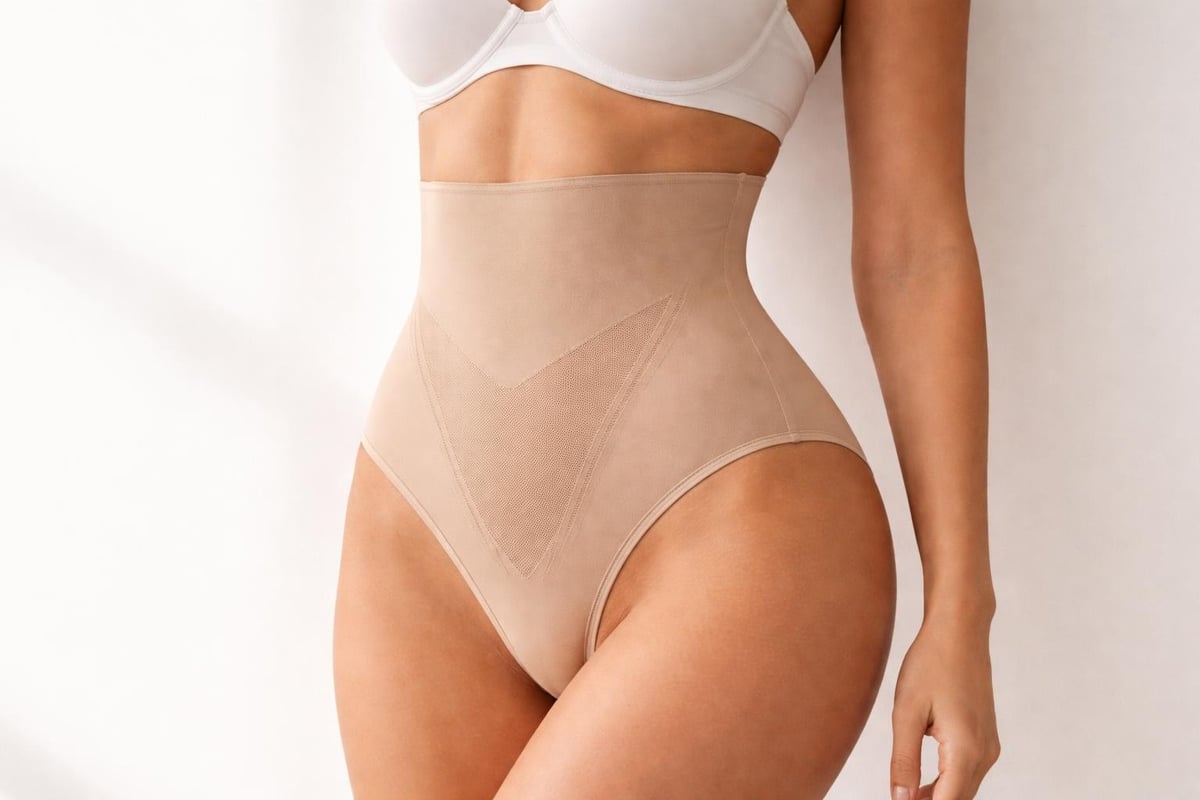
High-rise control thongs represent one of the fastest-growing categories of thong shapes in 2026. These designs extend several inches above the natural waistline, incorporating compression fabric that smooths and shapes the midsection.
The construction typically includes:
- Reinforced front panels with graduated compression
- Wide elastic-free waistbands that distribute pressure evenly
- Bonded seams instead of traditional stitching for complete invisibility
- Strategic paneling that targets specific areas without creating bulges
According to research from True & Co's underwear types guide, control thongs work best when the compression is firm but not restrictive, allowing comfortable all-day wear without sacrifice to breathing or movement.
Specialized Thong Shapes for Specific Needs
Beyond traditional categories, innovative thong shapes now address highly specific concerns that women face with conventional underwear designs. These specialized shapes combine thoughtful engineering with advanced materials.
Camel Toe Prevention Designs
One of the most significant innovations in thong shapes focuses on eliminating camel toe through strategic front panel construction. These designs feature a reinforced center seam or double-layer gusset that prevents fabric from gathering or creating unwanted definition.
Design elements include:
- Wider center panels that distribute fabric evenly
- Smoothing technology that creates a flat appearance
- Strategic stitching placement away from vulnerable areas
- Flexible yet structured front construction
The invisible camel toe thong exemplifies this approach, using seamless construction and anatomical shaping to ensure a smooth appearance under even the tightest activewear. Women who previously avoided thongs due to this common issue now have access to shapes specifically engineered to prevent it.
Thong Shapes for Different Body Types
Understanding how various thong shapes complement different body types ensures optimal fit and comfort. Leonisa's guide to thong types emphasizes that the right shape should enhance your natural figure rather than work against it.
For curvy figures:
- High-rise thongs provide better coverage and support
- Wider side panels prevent digging and rolling
- Structured waistbands maintain position throughout the day
For petite frames:
- Low to mid-rise options prevent excess fabric bunching
- Narrower front panels suit smaller proportions
- Minimal elastic reduces bulk under clothing
For athletic builds:
- Sport-specific shapes accommodate muscular development
- Performance fabrics move with the body
- Reinforced construction withstands intense activity
Women with curvier figures often find that underwear designed specifically for their body type offers superior comfort and confidence compared to standard-sized options.
Fabric Technology and Thong Shapes
The relationship between fabric choice and thong shapes cannot be overstated. Even the most thoughtfully designed shape will underperform if constructed from inappropriate materials. Modern thong shapes leverage cutting-edge textile technology to enhance both comfort and functionality.
Seamless Construction Methods
Seamless thong shapes utilize advanced knitting techniques that create the entire garment without traditional seams. This construction method offers several advantages:
- Complete invisibility under tight clothing
- Elimination of chafing from seam edges
- Improved durability through continuous fabric structure
- Enhanced comfort without pressure points
Laser-cut edges have become increasingly common in premium thong shapes, creating clean lines that lie completely flat against skin. Combined with bonding techniques rather than stitching, these methods produce undergarments that feel like a second skin. The seamless ice silk thong demonstrates how modern materials and construction techniques elevate traditional thong shapes to new performance levels.
Moisture-Wicking and Breathable Fabrics
Climate control represents a crucial consideration in thong shape design. Breathable fabrics with moisture-wicking properties keep you dry and comfortable regardless of activity level or weather conditions.
| Fabric Type | Moisture Management | Breathability | Best Use Case |
|---|---|---|---|
| Ice Silk | Excellent | Superior | Hot weather, active wear |
| Microfiber | Very Good | Good | Everyday comfort |
| Cotton Blend | Good | Excellent | Sensitive skin |
| Performance Synthetic | Excellent | Very Good | Athletic activities |
The gusset area deserves particular attention, as this is where moisture management matters most. Cotton-lined gussets in synthetic thong shapes provide the health benefits of natural fiber where it counts while maintaining the performance advantages of modern materials elsewhere.
Choosing the Right Thong Shapes for Your Wardrobe
Building a versatile thong collection means understanding which shapes work best with different clothing styles. The wrong thong shape under specific outfits can create visible lines, discomfort, or unflattering silhouettes.
For form-fitting activewear:
- Seamless sport thongs with wide gussets
- High-rise styles that won't peek above waistbands
- Moisture-wicking fabrics for sweat management
For professional attire:
- Classic mid-rise thongs in neutral colors
- Smooth, bonded construction to prevent show-through
- Sufficient coverage for confidence in structured pants
For evening wear and dresses:
- G-strings or minimal V-strings for invisible lines
- Low-rise options for low-backed garments
- Skin-tone matching for light-colored fabrics
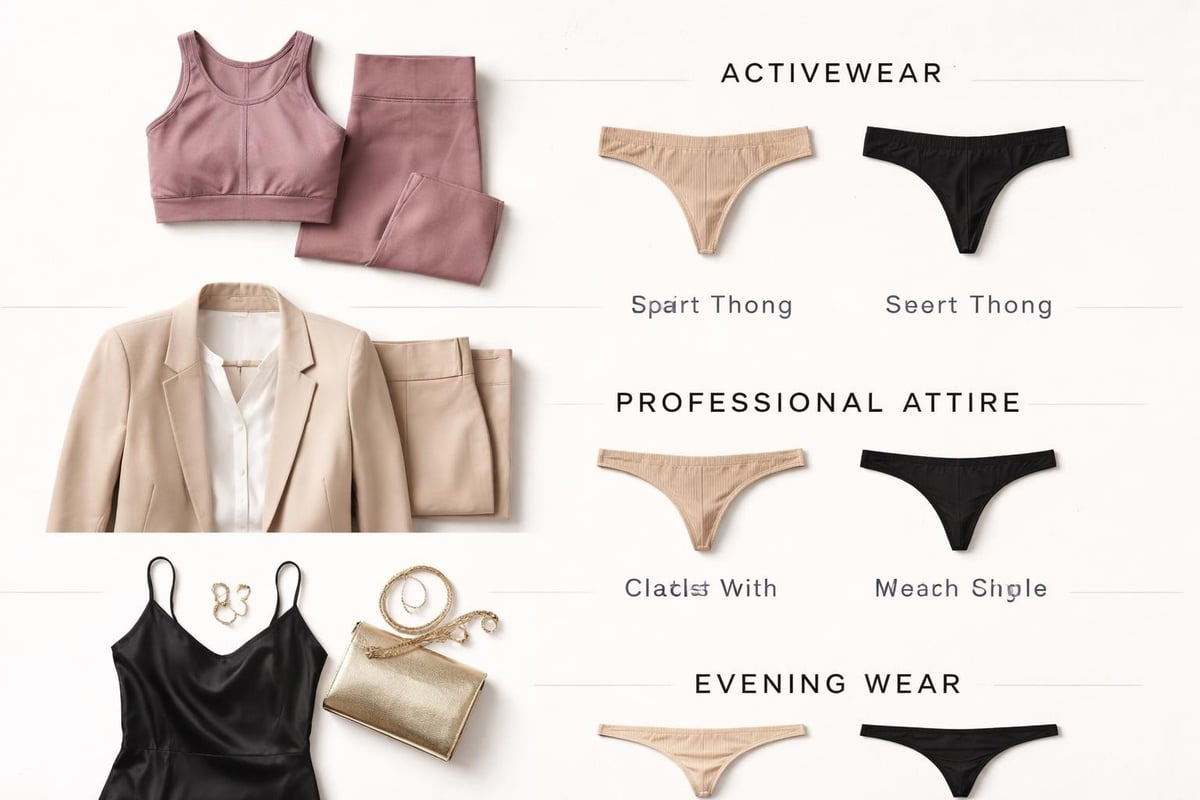
According to Underwear News Briefs' comprehensive thong styles overview, most women benefit from having at least three different thong shapes in their rotation to cover various outfit requirements and activities.
Fit Considerations Across Thong Shapes
Proper fit transforms thong shapes from potentially uncomfortable to genuinely enjoyable. Several key fit indicators determine whether a particular shape works for your body.
Waistband Fit and Positioning
The waistband should rest comfortably without digging into skin or requiring constant adjustment. Too tight causes bulging and discomfort, while too loose leads to shifting and bunching. Quality thong shapes incorporate graduated elastic that grips gently without creating pressure points.
Signs of proper waistband fit:
- No red marks after wearing for several hours
- Band stays in position during normal movement
- No rolling or folding of the elastic
- Comfortable breathing and bending
Gusset and Front Panel Proportions
The front panel should provide adequate coverage without excess fabric that bunches or creates visible texture under clothing. For thong shapes designed to prevent camel toe, the panel width and reinforcement should create a smooth, flat appearance regardless of position or movement.
Testing new thong shapes before committing to multiple purchases helps ensure compatibility with your body. The tummy control camel toe proof thong offers an example of how multiple functional features can integrate into a single shape when properly engineered.
Care and Maintenance for Different Thong Shapes
Extending the life of your thong collection requires understanding how different shapes and materials respond to washing and storage. Proper care maintains the structural integrity that makes specific thong shapes effective.
Hand washing remains ideal for delicate thong shapes, particularly those with specialized features like control panels or seamless construction. When machine washing is necessary:
- Use mesh lingerie bags to protect from agitation
- Choose cold water to preserve elastic and fabric integrity
- Select gentle cycles with minimal spinning
- Avoid fabric softeners that can coat moisture-wicking fibers
Air drying is universally recommended for all thong shapes. Heat from dryers degrades elastic fibers, causing waistbands to lose their grip and shapes to lose their structure. Hanging or laying flat preserves the original fit and performance characteristics.
Storage Solutions
Proper storage prevents thong shapes from becoming misshapen or damaged. Rolling rather than folding maintains elastic tension and prevents permanent creases in seamless constructions. Dedicated drawer dividers keep different shapes organized and easily accessible.
Color Selection and Thong Shapes
While shape determines function, color affects visibility under different clothing colors and fabrics. Building a complete thong collection means selecting appropriate colors for your wardrobe.
Essential color categories:
- Nude tones matching your skin tone for light-colored clothing
- Black for dark clothing and universal versatility
- White for white and very light fabrics
- Fashion colors for personal preference when visibility isn't a concern
The relationship between fabric sheerness and thong visibility means that even perfectly matched nude tones can show through extremely thin materials. In these cases, choosing thong shapes with minimal construction, like G-strings, reduces the chance of visible lines or show-through.
Historical Evolution of Thong Shapes
Understanding how thong shapes have evolved provides context for today's diverse options. Glamour's history of the thong traces the garment from ancient civilizations through its modern reinvention as functional underwear.
Early thong designs prioritized minimal fabric for practical purposes in warm climates. The modern interpretation emerged in the 1970s and 1980s, initially as swimwear before transitioning to everyday underwear. The 1990s saw thong shapes gain mainstream acceptance, though designs remained relatively basic.
The 2000s through 2026 have witnessed explosive innovation in thong shapes, driven by:
- Advanced textile technology enabling new performance features
- Increased focus on body positivity and inclusive sizing
- Growing demand for activewear-compatible underwear
- Recognition that functional design doesn't require sacrificing aesthetics
Today's thong shapes represent the culmination of decades of refinement, addressing concerns that early designs couldn't solve while maintaining the core benefits that made thongs popular initially.
Sizing Accuracy in Thong Shapes
Proper sizing proves even more critical with thong shapes than with traditional underwear styles. The minimal coverage means there's less room for error, and poor fit becomes immediately apparent.
Most manufacturers provide detailed size charts based on hip measurements, but thong shapes can vary significantly between brands. Some brands run small, requiring sizing up for comfort, while others offer generous cuts that may need sizing down for proper fit.
When trying new thong shapes:
- Measure your hips at the widest point
- Compare measurements to the specific brand's size chart
- Consider the rise height and how it affects sizing
- Read reviews from customers with similar body types
- Start with one piece before ordering multiples
Negative Underwear's discussion of different underwear styles emphasizes that comfort should never be sacrificed for size expectations. The right size in thong shapes should feel secure without restriction, invisible without slipping.
Multi-Pack Value in Thong Shapes
Building a functional thong collection becomes more affordable when purchasing multi-packs of essential shapes in versatile colors. Many women find that having five to seven thongs in rotation provides adequate coverage for weekly needs.
Benefits of multi-pack purchases:
- Lower per-unit cost compared to individual purchases
- Consistent sizing and fit across the collection
- Reduced decision fatigue with proven shapes and colors
- Built-in replacement cycle as individual pieces wear out
The seamless camel toe thongs pack exemplifies this approach, offering multiple pieces of the same high-performing shape in complementary colors. This strategy ensures you always have access to comfortable, functional underwear without constant shopping.
Selecting the right thong shapes transforms your daily comfort and confidence, whether you're heading to the gym, office, or evening event. The diversity of designs available in 2026 means every woman can find shapes that address her specific needs, from camel toe prevention to tummy control to athletic performance. Ambar Wear specializes in innovative thong shapes that combine seamless construction with problem-solving features, ensuring you look and feel your best in any outfit. Explore their collection to discover how thoughtfully designed thong shapes can elevate your everyday wear experience.