

The role of a thong designer has evolved dramatically in recent years, shifting from purely aesthetic considerations to a sophisticated balance of fashion, function, and comfort engineering. Today's designers must understand body mechanics, fabric technology, and the specific challenges women face with intimate apparel. As consumers demand more from their undergarments, particularly solutions to issues like camel toe, visible panty lines, and discomfort during extended wear, the expertise required to create exceptional thongs has reached new heights of complexity and innovation.
The Evolution of Thong Design Philosophy
The modern thong designer approaches their craft with a blend of artistic vision and scientific precision. Unlike designers from previous decades who focused primarily on appearance, today's professionals must consider multiple factors simultaneously: fabric behavior under stress, body diversity across different sizes, moisture management properties, and seamless construction techniques that eliminate irritation points.
Key design considerations include:
- Anatomical fit across diverse body types
- Fabric stretch recovery and longevity
- Edge treatments that prevent rolling or digging
- Gusset construction for comfort and hygiene
- Seamless integration with various garment types
The technical knowledge required now extends beyond traditional fashion design. A skilled thong designer must understand textile engineering, biomechanics, and even psychology, as the confidence a woman feels in her underwear directly impacts her entire day. This holistic approach represents a fundamental shift in how intimate apparel is conceived and brought to market.
Material Innovation in Thong Construction
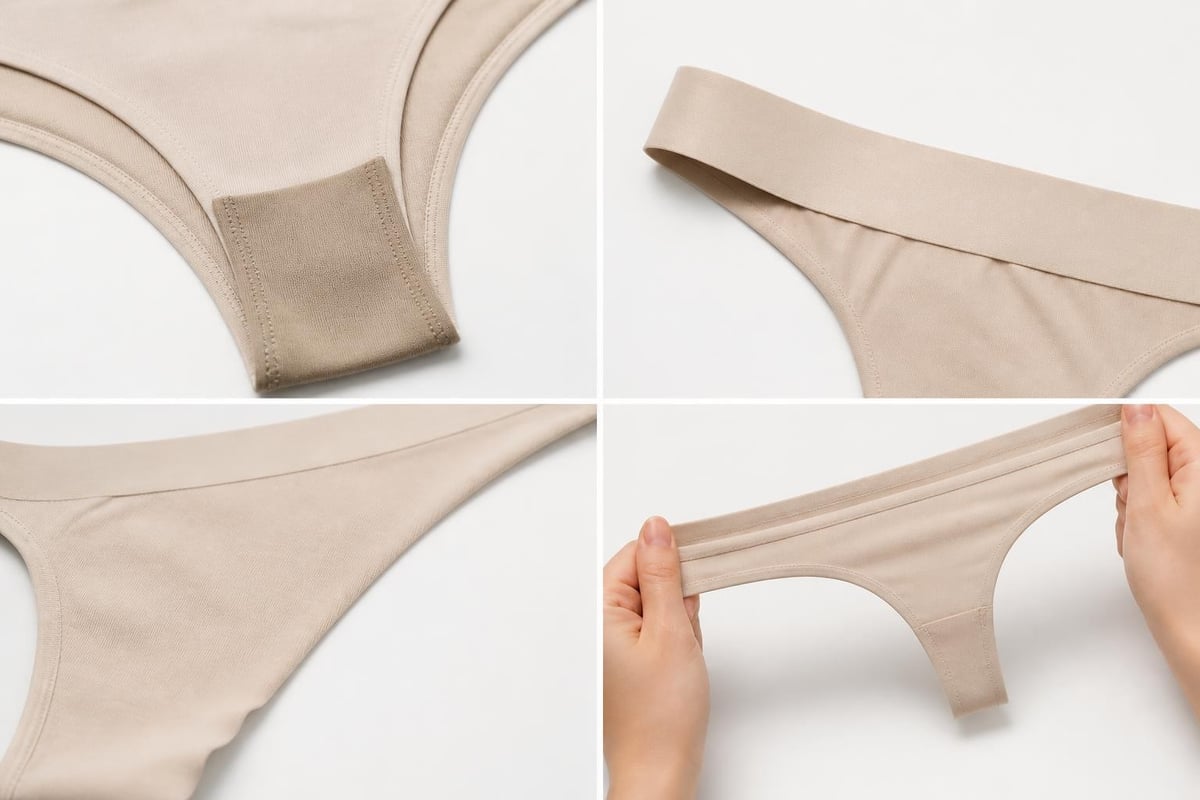
The fabric choices a thong designer makes determine whether a garment succeeds or fails. In 2026, advanced materials have transformed what's possible in intimate apparel design. Ice silk, modal blends, and proprietary seamless knit technologies allow designers to create thongs that feel virtually invisible while providing necessary support and coverage.
| Fabric Type | Key Benefits | Best Applications |
|---|---|---|
| Ice Silk Blend | Cooling properties, moisture-wicking | Activewear, summer styles |
| Modal Cotton | Softness, breathability, sustainability | Everyday wear, sensitive skin |
| Microfiber Nylon | Stretch recovery, durability, seamless finish | Performance underwear |
| Lace-Modal Hybrid | Aesthetic appeal, comfort, flexibility | Fashion-forward designs |
The selection process involves testing how fabrics behave under real-world conditions. A thong designer must anticipate how material will perform during yoga class, office hours, or evening events. The trending minimalist thong styles for 2026 emphasize clean lines that require fabrics capable of maintaining their shape without visible seams or edges.
Solving Common Fit Challenges Through Design
Every thong designer confronts the same fundamental challenges: creating garments that stay in place, don't create lines, and address specific comfort concerns. The most successful designers approach these as engineering problems with creative solutions. For instance, the persistent issue of camel toe requires strategic gusset design, appropriate fabric tension, and sometimes specialized construction techniques that traditional underwear doesn't employ.
Innovative Construction Techniques
Modern thong designers utilize several advanced construction methods:
- Bonded edge technology eliminates traditional seams that can cause irritation
- Multi-panel construction allows for precise fit adjustments across different body zones
- Graduated compression provides support without creating uncomfortable pressure points
- Strategic reinforcement adds durability to high-stress areas without bulk
These techniques represent years of research and development. The invisible camel toe thong exemplifies how thoughtful design can address specific concerns while maintaining aesthetic appeal and comfort. A skilled thong designer knows exactly where to add structure and where to allow maximum flexibility.
The rise of body positivity has influenced design approaches significantly. Rather than designing for a single body type and scaling up or down, contemporary designers create patterns that account for how bodies actually vary. This means considering different hip-to-waist ratios, varying heights, and diverse proportions from the initial concept stage.
Pattern Development and Prototyping
The pattern-making phase separates competent designers from exceptional ones. A thong designer must translate two-dimensional patterns into three-dimensional garments that conform to the body's curves without binding or gapping. This requires deep understanding of how different fabrics drape, stretch, and recover.
The prototyping process typically involves:
- Initial pattern creation based on fit models and body data
- First sample construction and fit testing
- Adjustments to pattern pieces for improved comfort
- Stress testing under various activities (sitting, bending, exercise)
- Refinement of edge treatments and finishing details
- Final approval across multiple size runs
Each iteration provides crucial information. How does the waistband sit after two hours of wear? Does the back triangle maintain position during movement? These practical considerations inform every design decision. The commitment to solving real problems is what distinguishes underwear designed specifically for comfort from generic mass-market options.
Design Trends Shaping the Industry
The thong designer's work exists within broader fashion trends while serving fundamental functional needs. In 2026, several movements are influencing design directions. The mainstream acceptance of thong bikinis reflects growing body confidence that extends to everyday intimate apparel choices. Women increasingly view underwear as both functional necessity and personal expression.
Minimalism continues to dominate, with clean lines and neutral colors forming the foundation of most collections. However, this simplicity masks sophisticated engineering. A truly minimal thong requires perfect pattern development because there's nowhere to hide fit issues. The seamless camel toe thong demonstrates how removing visual complexity actually increases technical demands on the designer.
High-Rise and Mid-Rise Variations
The thong designer must also consider how different rise heights serve different needs and preferences:
| Rise Type | Design Considerations | Target User |
|---|---|---|
| Low-Rise | Minimal waistband, no-show under low pants | Fashion-forward, specific outfit needs |
| Mid-Rise | Balanced coverage and comfort | Everyday wear, versatile styling |
| High-Rise | Tummy control, extended coverage | Active lifestyles, confident support |
Each rise height requires distinct pattern adjustments and construction approaches. The waistband of a high-rise thong must distribute pressure differently than a low-rise style to avoid rolling or digging. These technical details rarely receive public attention but represent the expertise that separates amateur attempts from professional design.
Sustainable and Ethical Design Practices
Modern thong designers increasingly incorporate sustainability into their process. This involves selecting eco-friendly fabrics, minimizing waste during production, and creating durable garments that don't require frequent replacement. The fast fashion model that dominated previous decades is giving way to thoughtful design focused on longevity and quality.
Sustainable design practices include:
- Choosing organic or recycled fiber sources
- Optimizing pattern layouts to reduce fabric waste
- Selecting local or ethical manufacturing partners
- Designing for durability rather than disposability
- Creating versatile pieces that serve multiple purposes
The seamless ice silk thong exemplifies how advanced materials can deliver both performance and reduced environmental impact. A skilled thong designer balances these considerations without compromising on the comfort and confidence that women expect from their intimate apparel.
Integrating Activewear Functionality
The boundary between traditional underwear and activewear has blurred significantly, requiring thong designers to incorporate performance features into everyday styles. Moisture-wicking properties, antimicrobial treatments, and enhanced durability are no longer exclusive to athletic-specific designs. Women expect their underwear to perform during yoga class, work meetings, and evening activities without requiring changes.
This integration demands expanded technical knowledge. A thong designer must understand how fabrics behave under physical stress, how different treatments affect skin sensitivity, and how to maintain comfort across varying activity levels. The design approach for thongs intended for active wear differs significantly from traditional intimate apparel, requiring specialized construction techniques and material selections.
Color Theory and Aesthetic Choices
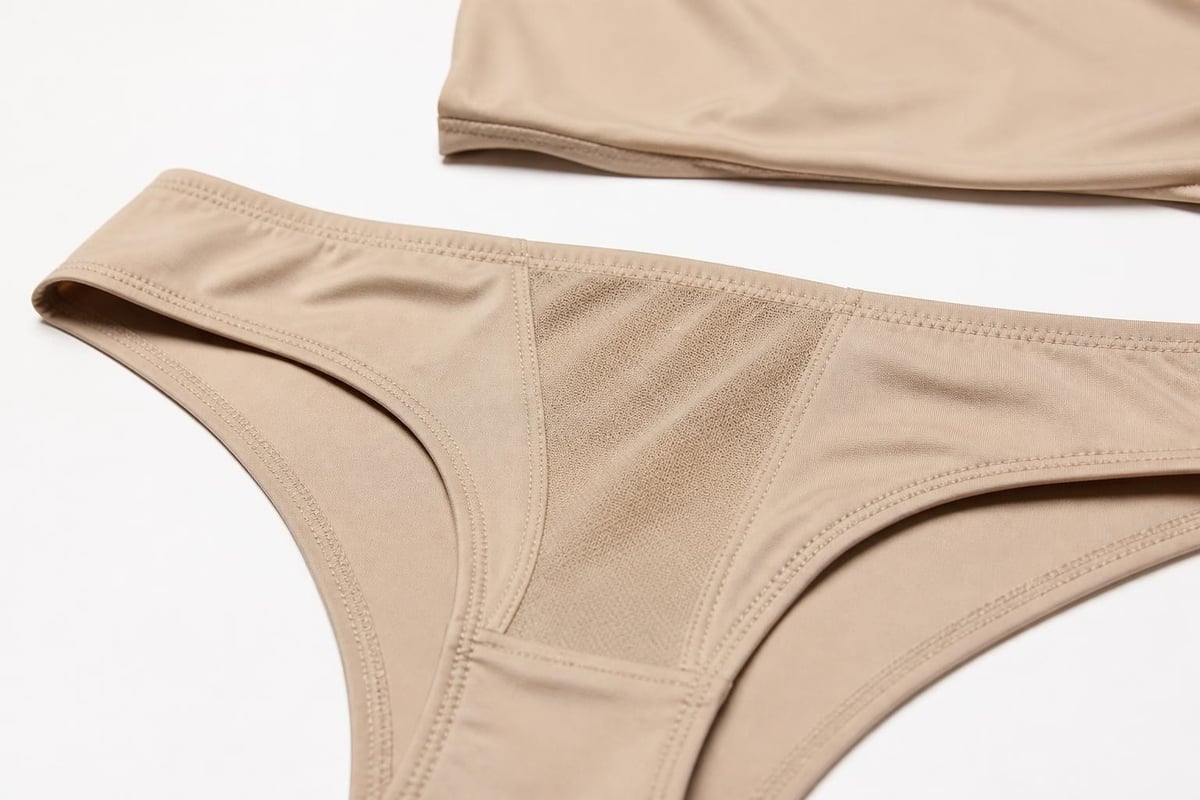
While functionality dominates modern thong design, aesthetic considerations remain important. A skilled thong designer understands color psychology and how different hues affect perceived comfort and confidence. Neutral tones like nude, black, and white form the foundation of most collections because they offer versatility and discretion under various garments.
The color selection process involves more than personal preference:
- Skin tone matching ensures nude shades actually disappear under clothing
- Dye stability prevents color transfer to outer garments
- Fade resistance maintains appearance through multiple wash cycles
- Seasonal variations reflect broader fashion trends while maintaining core functionality
Some designers incorporate bold colors and patterns as confidence-building elements. The choice to wear vibrant underwear, even if unseen by others, can influence how a woman carries herself throughout the day. This psychological dimension adds another layer to the thong designer's responsibilities.
Size Grading and Inclusive Design
Perhaps no aspect of thong design presents greater challenges than creating size ranges that truly serve diverse bodies. Traditional grading methods, which simply scale patterns up or down, fail to account for how bodies actually vary across sizes. An expert thong designer develops distinct patterns for different size categories, adjusting proportions and construction techniques appropriately.
Effective size grading requires:
- Understanding how body proportions change across size ranges
- Adjusting fabric tension and stretch recovery for different sizes
- Modifying reinforcement placement to match body geometry
- Testing fit across representative models in each size category
- Gathering ongoing feedback from actual customers
The tummy control camel toe proof thong demonstrates how specific features can be incorporated across sizes while maintaining the core comfort promise. This level of attention to inclusive design represents significant investment in research and development, but results in products that actually serve their intended audience.
Bridging Fashion and Function
The tension between aesthetic appeal and practical comfort defines much of the thong designer's work. While exposed thong trends occasionally emerge in high fashion, the vast majority of women choose thongs for their ability to eliminate visible panty lines and provide comfortable, discrete coverage. The designer must honor both possibilities, creating pieces that look intentional if glimpsed while serving primarily functional roles.
This balance requires understanding different usage contexts. A thong worn under fitted business attire has different requirements than one intended for evening wear or athletic activities. Many designers develop distinct sub-collections addressing these varied needs rather than attempting one-size-fits-all solutions. The expertise lies in maintaining brand identity and quality standards across these variations while optimizing each design for its intended purpose.
The Business of Thong Design
Beyond creative and technical skills, successful thong designers must understand market dynamics and business realities. This includes analyzing sales data to identify which features resonate with customers, monitoring competitor offerings, and staying ahead of emerging trends. The relationship between growing body confidence and increased thong sales illustrates how cultural shifts directly impact design opportunities and market positioning.
| Business Consideration | Design Impact | Strategic Response |
|---|---|---|
| Price sensitivity | Material selection, construction complexity | Tiered product offerings |
| Competitor analysis | Feature differentiation | Unique problem-solving focus |
| Customer feedback | Pattern refinements, new features | Iterative design improvements |
| Market trends | Style directions, color palettes | Balanced innovation and classics |
The most successful designers maintain close connections with their customer base, using feedback to drive continuous improvement. This customer-centric approach transforms design from artistic expression into genuine problem-solving that improves daily life for real women.
Manufacturing Partnerships and Quality Control
Even the most brilliant thong designer cannot succeed without reliable manufacturing partners. The relationship between designer and manufacturer requires clear communication of technical specifications, quality standards, and construction methods. Many innovative design features fail in production because the manufacturing facility lacks appropriate equipment or expertise.
Quality control represents another critical responsibility. The designer must establish specific standards for acceptable variations in construction, ensure consistency across production runs, and verify that finished products match approved samples. This attention to detail separates premium brands from budget alternatives. When customers invest in specialized thong collections, they expect consistent quality that justifies the price point.
Future Directions in Thong Design
Looking ahead, thong designers face exciting possibilities in smart textiles, customization technology, and advanced body scanning for improved fit. Some experimental designs incorporate temperature-regulating materials, pH-balancing fabrics, or even gentle compression elements for enhanced comfort. These innovations require designers to expand their knowledge base continually, staying current with textile research and manufacturing capabilities.
The personalization trend also influences design approaches. While mass production remains dominant, advances in digital pattern-making and small-batch manufacturing enable more customized solutions. A thong designer might soon create base patterns that adjust automatically to individual measurements provided through body scanning apps, delivering truly personalized fit without traditional bespoke costs.
Emerging technologies include:
- 3D body scanning for precise measurements
- AI-assisted pattern adjustments based on fit feedback
- Smart fabrics with adaptive properties
- Sustainable material innovations
- Direct-to-consumer customization platforms
These developments promise to address fit challenges that have persisted throughout the industry's history. However, they also demand that designers become technologically literate in addition to their existing skills in fashion, engineering, and business.
The expertise required to excel as a thong designer combines artistic vision, technical engineering, and deep empathy for the challenges women face with intimate apparel. From fabric selection to pattern development, sustainable practices to inclusive sizing, every decision impacts whether a garment delivers on its promise of invisible comfort and confidence. Ambar Wear embodies this design philosophy, creating seamless undergarments that eliminate common issues like camel toe and visible lines while providing flattering fit across all body types. Discover how expertly designed thongs can transform your everyday confidence and comfort.