

The evolution of thong design has transformed dramatically over the past decade, shifting from purely aesthetic considerations to a holistic approach that prioritizes comfort, functionality, and body confidence. In 2026, women expect their undergarments to perform flawlessly throughout demanding days, whether they're heading to the gym, attending business meetings, or enjoying evening events. The intersection of innovative materials, thoughtful construction techniques, and anatomical understanding has created a new generation of thongs that eliminate common pain points while delivering the seamless silhouette modern women demand.
The Foundation of Modern Thong Design
Creating exceptional thongs begins with understanding the fundamental design elements that distinguish superior products from mediocre alternatives. The basic structure of a thong includes a front panel, minimal back coverage, and connecting sides, but the devil lives in the details.
Material selection forms the cornerstone of thong design. Contemporary designers work with advanced fabric technologies that were unavailable just five years ago. Ice silk, microfiber blends, and bamboo derivatives offer moisture-wicking properties while maintaining breathability. These materials conform to body contours without creating pressure points or restricting movement.
Pattern Engineering and Construction Methods
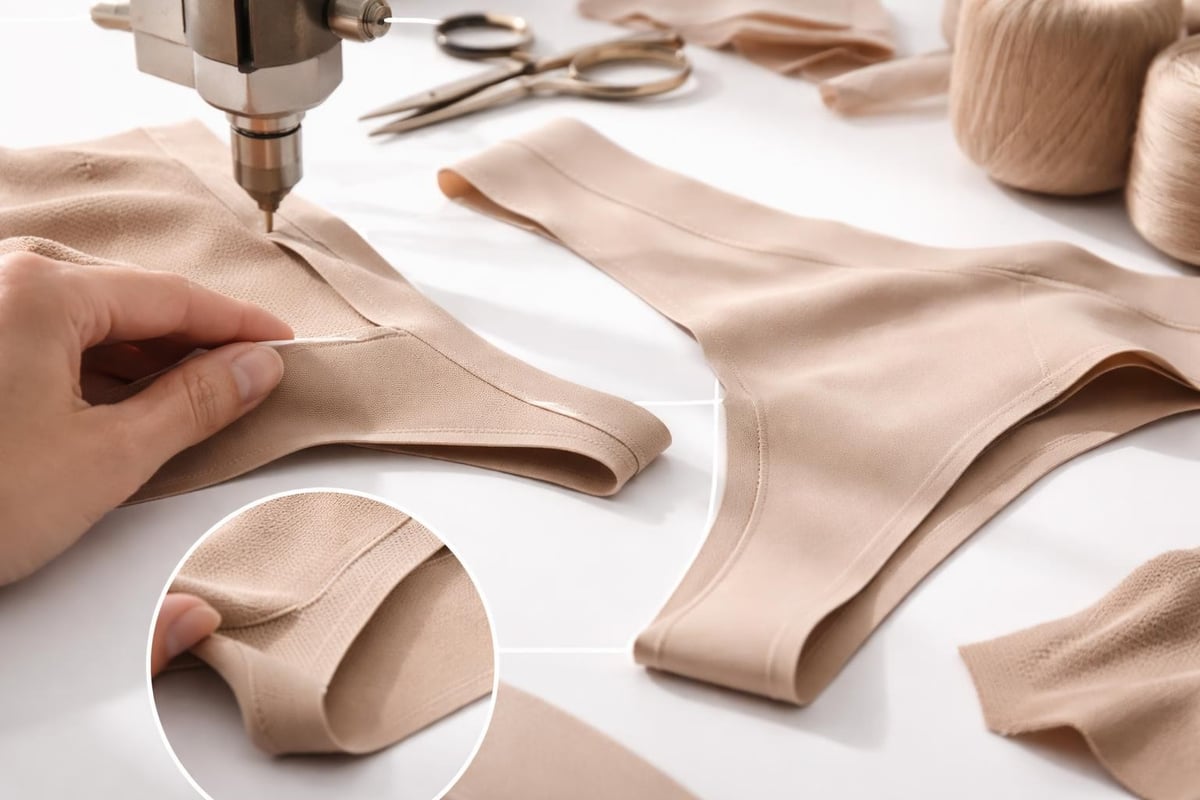
The pattern-making process determines how fabric pieces interact with the body's natural curves. Skilled designers create templates that account for multiple body types, ensuring consistent fit across size ranges. Seamless construction techniques have revolutionized thong design by eliminating rough edges and visible stitching that previously caused discomfort.
- Bonded seams replace traditional stitching for ultra-smooth edges
- Laser-cut fabric eliminates fraying and creates precise shapes
- Stretch mapping ensures fabric gives where needed and supports where required
- Multi-panel construction distributes tension evenly across the garment
The invisible camel toe thong exemplifies how thoughtful pattern engineering addresses specific concerns that women face daily.
Anatomical Considerations in Thong Design
Understanding female anatomy drives every decision in professional thong design. The garment must accommodate natural body movements, hormonal fluctuations that affect body shape, and varying activity levels throughout the day.
Addressing Common Fit Challenges
The front panel represents the most critical design element for comfort and confidence. Traditional thong design often neglected how fabric interacts with delicate anatomy, resulting in uncomfortable bunching or visible lines. Modern designers engineer this section with reinforced gussets, anatomical shaping, and strategic fabric placement.
| Design Element | Traditional Approach | Modern Innovation |
|---|---|---|
| Front Panel | Single-layer flat fabric | Multi-layer anatomical construction |
| Gusset | Cotton insert sewn separately | Integrated seamless moisture-wicking panel |
| Waistband | Elastic with stitching | Bonded stretch material |
| Back Strap | Narrow uniform width | Variable width for distribution |
The different types of thongs serve distinct purposes, from high-rise options that provide tummy control to low-rise versions designed for specific outfit requirements. Each variation demands unique engineering approaches.
Rise height significantly impacts both comfort and functionality. High-rise designs extend above the natural waistline, offering smoothing benefits and secure positioning during movement. Mid-rise options balance coverage with versatility, working with various pant and skirt styles. Low-rise thongs suit specific fashion needs but require particularly careful design to prevent shifting.
Material Science and Fabric Innovation
The textile revolution has provided thong designers with unprecedented options for creating garments that perform under diverse conditions. Smart fabric selection addresses moisture management, temperature regulation, and durability while maintaining the barely-there feel women prefer.
Performance Fabric Technologies
Modern thong design leverages fabrics engineered at the molecular level to deliver specific benefits. Moisture-wicking fibers pull perspiration away from skin, preventing the discomfort and hygiene issues associated with trapped moisture. Antimicrobial treatments inhibit bacterial growth without harsh chemicals that could irritate sensitive skin.
Compression and support fabrics represent another crucial category in thong design. These materials provide gentle shaping without the restrictive feeling of traditional shapewear. The tummy control camel toe proof thong demonstrates how strategic compression zones can smooth the midsection while maintaining comfort in the intimate area.
- Ice silk blends offer cooling properties ideal for warm climates
- Bamboo derivatives provide natural antibacterial benefits
- Microfiber engineering creates fabrics thinner than human hair
- Four-way stretch materials move with the body in all directions
The guide to thong underwear explains how different materials suit various activities and personal preferences, helping consumers make informed choices.
Solving the Camel Toe Challenge Through Design
Perhaps no issue has driven more innovation in thong design than preventing camel toe, a concern that affects women across all body types and creates genuine anxiety about appearance. Addressing this challenge requires sophisticated understanding of how fabric drapes over curved surfaces and how tension distributes across the front panel.
Engineering Solutions for Confidence
The solution lies in multi-faceted design approaches rather than single-trick solutions. Reinforced center panels prevent fabric from conforming too closely to anatomy, while strategic seaming directs tension away from problematic areas. Some designs incorporate subtle padding or graduated thickness that smooths without adding bulk.
Gusset engineering plays a pivotal role in preventing visibility issues. The seamless camel toe thong incorporates specialized panels that maintain their shape throughout wear, eliminating the shifting and bunching that cause problems with conventional designs.
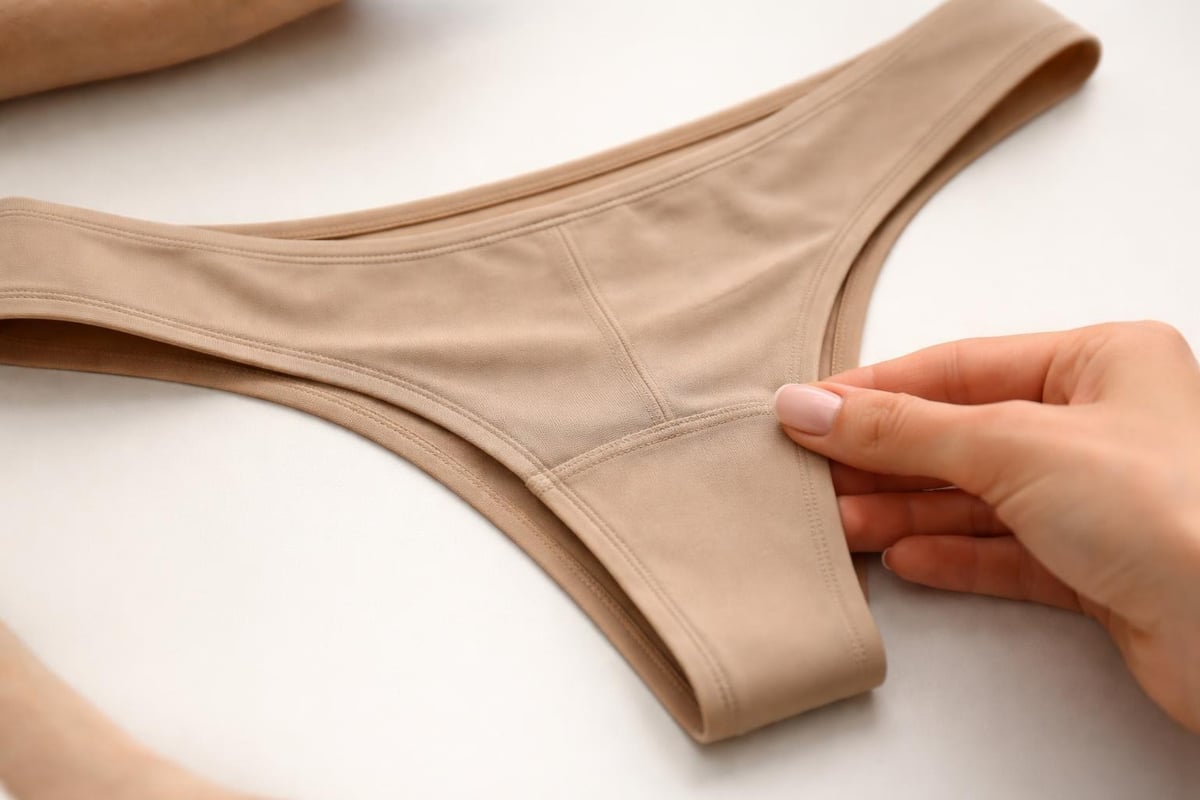
Testing protocols for this aspect of thong design include movement studies, extended wear trials, and evaluation under various clothing types. Designers assess performance during squatting, sitting, walking, and exercising to ensure consistent results across activities.
The Role of Waistband and Side Design
While front panel construction receives significant attention, waistband and side design profoundly impact overall comfort and wearability. These elements determine whether a thong stays in place during movement or requires constant adjustment throughout the day.
Creating Secure Yet Comfortable Bands
The waistband must balance adequate grip with gentle contact against skin. Too tight, and it creates uncomfortable pressure and visible indentations. Too loose, and the garment shifts unpredictably. Modern thong design employs graduated compression, with slightly firmer sections at stress points and softer areas where the band curves around the body.
Side panel width affects both aesthetics and function. Wider sides distribute pressure more evenly, reducing the likelihood of digging or rolling. However, excessive width defeats the purpose of wearing a thong under fitted clothing. The optimal design varies based on rise height and intended use.
| Side Design | Best For | Key Features |
|---|---|---|
| Thin String | Minimal visibility | Requires secure waistband, limited support |
| Medium Band | Everyday wear | Balances comfort and discretion |
| Wide Panel | Active use | Maximum security, higher visibility under tight clothes |
The collection of seamless underwear demonstrates how varying side constructions serve different needs while maintaining the core benefits of thong design.
Design Variations for Specific Activities
Not all thongs serve the same purpose, and contemporary design recognizes that active lifestyles demand specialized solutions. The thong worn during yoga requires different engineering than one designed for office wear or special occasions.
Athletic Performance Thongs
Activewear thongs prioritize moisture management and security during dynamic movement. These designs typically feature wider waistbands with silicone grip strips, reinforced seams, and fabrics with maximum stretch recovery. The construction must prevent riding up during jumping, running, or complex movements while wicking sweat effectively.
Everyday comfort thongs emphasize all-day wearability without adjustment. These designs use ultra-soft materials with minimal seaming and anatomical shaping that works with the body's natural contours. Breathability becomes paramount for garments worn for 12-16 hours straight.
- Occasion-specific designs incorporate decorative elements without sacrificing function
- Sleeping thongs use the softest materials with minimal elastic
- Seamless athletic options eliminate all potential chafe points
- Cooling designs for warm climates maximize airflow
Understanding the differences between thongs, tangas, and G-strings helps consumers select appropriate styles for specific needs, with each variation offering distinct design advantages.
Color, Finish, and Aesthetic Elements
While function drives modern thong design, aesthetic considerations remain important for many consumers. The challenge lies in incorporating visual appeal without compromising the practical benefits that make thongs essential wardrobe items.
Balancing Beauty and Invisibility
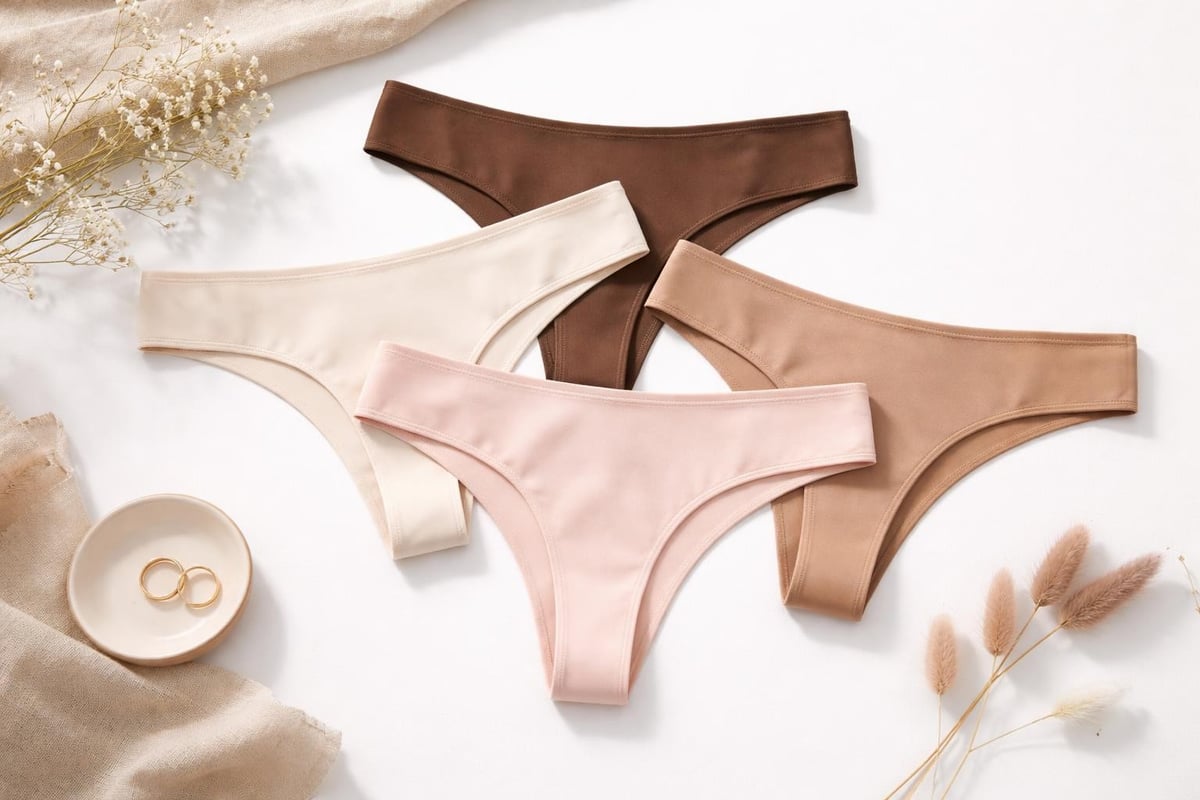
Nude and neutral tones dominate the market because they disappear under clothing, but seasonal colors and patterns allow personal expression. The fabric finish affects both appearance and function, with matte textures often preferred under fitted clothing and subtle shine acceptable for everyday wear.
Decorative elements require careful integration to avoid creating the bulk or texture that thongs are designed to eliminate. Bonded rather than sewn lace, flat prints instead of appliqués, and strategically placed details maintain the seamless silhouette while adding visual interest.
Sizing and Fit Optimization
Perhaps the most challenging aspect of thong design involves creating consistent fit across diverse body types. Unlike other garments where slight size variations cause minimal issues, thongs must fit precisely to function correctly.
The Science of Size Grading
Professional size grading ensures that design elements scale proportionally as garments increase or decrease in size. This process requires sophisticated pattern-making knowledge, as simply enlarging or reducing patterns by percentages rarely produces wearable results across the size range.
The size chart becomes an essential tool for matching individual measurements to appropriate sizes, but the underlying design must accommodate natural body variation within each size category. This means building appropriate ease into patterns while maintaining the close fit that makes thongs effective.
Testing with fit models representing diverse body types reveals how designs perform across the size range. Adjustments to proportions, fabric allocation, and support elements ensure that larger sizes provide adequate coverage and support while smaller sizes avoid excess fabric.
Sustainable and Ethical Thong Design
The 2026 consumer increasingly considers environmental and ethical factors when purchasing intimate apparel. Thong design now incorporates sustainability at every stage, from material sourcing through manufacturing and packaging.
Eco-Conscious Material Selection
Organic cotton, recycled polyester, and biodegradable elastics offer environmentally friendly alternatives to conventional materials. However, sustainable fabrics must still deliver the performance characteristics that make thongs functional. Designers balance ecological responsibility with the technical requirements of moisture-wicking, stretch, and durability.
Manufacturing processes also contribute to environmental impact. Water-free dyeing technologies, solar-powered facilities, and zero-waste pattern cutting reduce the ecological footprint of production. The technical details of thong construction include considerations for resource efficiency and worker welfare.
- Recyclable packaging replaces plastic polybags
- Local production reduces transportation emissions
- Fair labor practices ensure ethical manufacturing
- Durability focus extends garment lifespan, reducing replacement frequency
Quality Control and Testing Protocols
Superior thong design means nothing without rigorous quality control ensuring consistent results. Professional manufacturers implement multi-stage testing protocols that evaluate everything from fabric integrity to final garment performance.
Performance Testing Standards
Fabrics undergo tensile strength testing, colorfastness evaluation, and shrinkage analysis before entering production. During manufacturing, quality checkpoints verify seam strength, proper panel alignment, and dimensional accuracy. Finished garments face wear testing under simulated real-world conditions.
Extended wear trials with diverse body types reveal how designs perform over time. Testers evaluate comfort after four, eight, and twelve hours of wear across various activities. This feedback informs design refinements and identifies potential issues before products reach consumers.
| Test Category | Evaluation Criteria | Target Standards |
|---|---|---|
| Fabric Performance | Stretch recovery, pilling resistance | 95% recovery after 100 cycles |
| Seam Integrity | Breaking strength, abrasion resistance | Withstand 20 lbs tension minimum |
| Color Stability | Washing colorfastness, light exposure | Grade 4-5 after 40 washes |
| Fit Consistency | Size deviation across production batches | Within 3% of specification |
Innovation and Future Directions
Thong design continues evolving as new technologies and consumer insights shape development priorities. Smart fabrics with temperature regulation, antimicrobial treatments that last the garment's lifetime, and construction methods that further reduce seams represent current innovation frontiers.
Emerging Technologies in Intimate Apparel
3D knitting technology promises to create entire thongs as single pieces, eliminating all seams and creating truly customized fit. Body scanning combined with on-demand manufacturing could deliver perfectly fitted garments based on individual measurements rather than standardized sizes.
The design process behind creating exceptional thongs reveals the iterative refinement required to achieve optimal results. Each generation of products incorporates feedback from previous versions, gradually approaching the ideal balance of comfort, function, and aesthetics.
The evolution of thong design demonstrates how this garment category has matured from a specialized item to an essential wardrobe component for millions of women. Current innovations focus on solving remaining pain points while maintaining the benefits that made thongs popular.
Customization and Personalization Trends
As manufacturing technology advances, the possibility of personalized thong design becomes increasingly practical. Beyond simple monogramming, true customization addresses individual fit preferences, activity requirements, and comfort priorities.
Tailoring Design to Individual Needs
Some brands now offer customization options for rise height, coverage level, and support intensity. This approach acknowledges that the perfect thong varies between individuals based on body shape, personal sensitivity, and intended use. The variety of thong styles available demonstrates market recognition of diverse needs.
Modular design concepts allow consumers to mix and match waistband styles, front panels, and back constructions, creating hybrid designs that address multiple concerns simultaneously. This flexibility represents a significant departure from the one-size-fits-all mentality that previously dominated intimate apparel.
The activewear collection shows how specialized designs serve specific activity needs while maintaining core comfort principles.
Successful thong design in 2026 requires balancing numerous competing demands: invisibility under clothing versus adequate coverage, security during movement versus all-day comfort, and durability versus environmental responsibility. The garments that excel combine advanced materials with thoughtful construction and rigorous testing to deliver consistent performance across diverse body types and activities. Ambar Wear specializes in creating seamless, comfortable undergarments that address these challenges through innovative design, offering thongs that eliminate camel toe, prevent visible lines, and provide confidence-building fit for women seeking elegant solutions to everyday underwear concerns.