

Choosing the right underwear goes far beyond aesthetics. The shapes of panties available today reflect decades of evolution in fabric technology, design innovation, and a deeper understanding of women's comfort needs. Whether you're dressing for a workout, a formal event, or everyday activities, understanding the various panty shapes helps you make informed decisions that enhance both comfort and confidence. This comprehensive guide explores the different shapes of panties, their unique characteristics, and how to select the perfect style for your needs.
Understanding the Basic Shapes of Panties
The foundation of any underwear wardrobe begins with understanding the fundamental shapes available. Each design serves specific purposes and offers distinct benefits depending on your body type, clothing choices, and personal preferences.
Briefs remain one of the most traditional and popular shapes of panties. These classic designs provide full coverage from waist to upper thigh, making them ideal for everyday wear. The higher waistline sits at or just below the natural waist, offering excellent support and coverage. Modern briefs have evolved significantly from their historical predecessors, now incorporating innovative fabric technologies that ensure breathability and moisture-wicking properties.
Coverage Levels and Their Impact
Different coverage levels define the various shapes of panties and determine their suitability for different occasions:
- Full coverage: Provides maximum fabric coverage across the back and front
- Moderate coverage: Balances fabric coverage with a more streamlined silhouette
- Minimal coverage: Reduces visible panty lines while maintaining essential coverage
- String coverage: Offers the least fabric presence for completely invisible underwear lines
Bikini panties sit lower on the hips than traditional briefs, typically resting about three inches below the natural waistline. This shape offers moderate coverage while creating a more contemporary, youthful appearance. The leg openings are cut higher than briefs, which can be flattering for many body types and works well under low-rise jeans or skirts.
Specialized Shapes for Specific Needs
Beyond basic styles, specialized shapes of panties address particular wardrobe challenges and lifestyle requirements. These designs incorporate thoughtful engineering to solve common problems women face.
Thongs and G-Strings
Thongs represent a minimal approach to the shapes of panties, featuring a narrow strip of fabric in the back that eliminates visible panty lines entirely. The front panel provides coverage while the back reduces to a single strip, making them perfect for fitted dresses, tailored pants, and athletic wear. Understanding thong variations helps you appreciate the subtle differences between standard thongs, G-strings, and T-backs.
For women seeking solutions to specific concerns, specialized designs like camel toe proof underwear incorporate seamless construction and strategic fabric placement. These innovative shapes prioritize both aesthetics and functionality, ensuring confidence throughout your day.
| Thong Style | Back Coverage | Front Panel | Best For |
|---|---|---|---|
| Classic Thong | Minimal strip | Full coverage | Everyday wear, fitted clothing |
| G-String | String only | Moderate coverage | Formal wear, special occasions |
| T-Back | Wide strip | Full coverage | Athletic activities, active lifestyles |
| Tanga | Partial coverage | Full coverage | Moderate invisibility needs |
Boyshorts and Hipsters
Boyshorts offer one of the most comfortable shapes of panties, resembling men's boxer briefs with their extended leg coverage. These designs provide excellent coverage across the back and front while the legs extend down the thigh several inches. They work exceptionally well for sleeping, lounging, and casual wear, though they may create visible lines under very tight clothing.
Hipsters bridge the gap between bikinis and boyshorts, sitting low on the hips while providing more coverage than bikini styles. The leg openings are cut straight across rather than high on the thigh, creating a modern silhouette that complements contemporary fashion trends. This shape has gained tremendous popularity in recent years due to its versatility and flattering fit.
Performance and Athletic Shapes
The athletic apparel revolution has introduced performance-focused shapes of panties designed specifically for active lifestyles. These specialized designs address the unique challenges of movement, moisture, and comfort during physical activities.
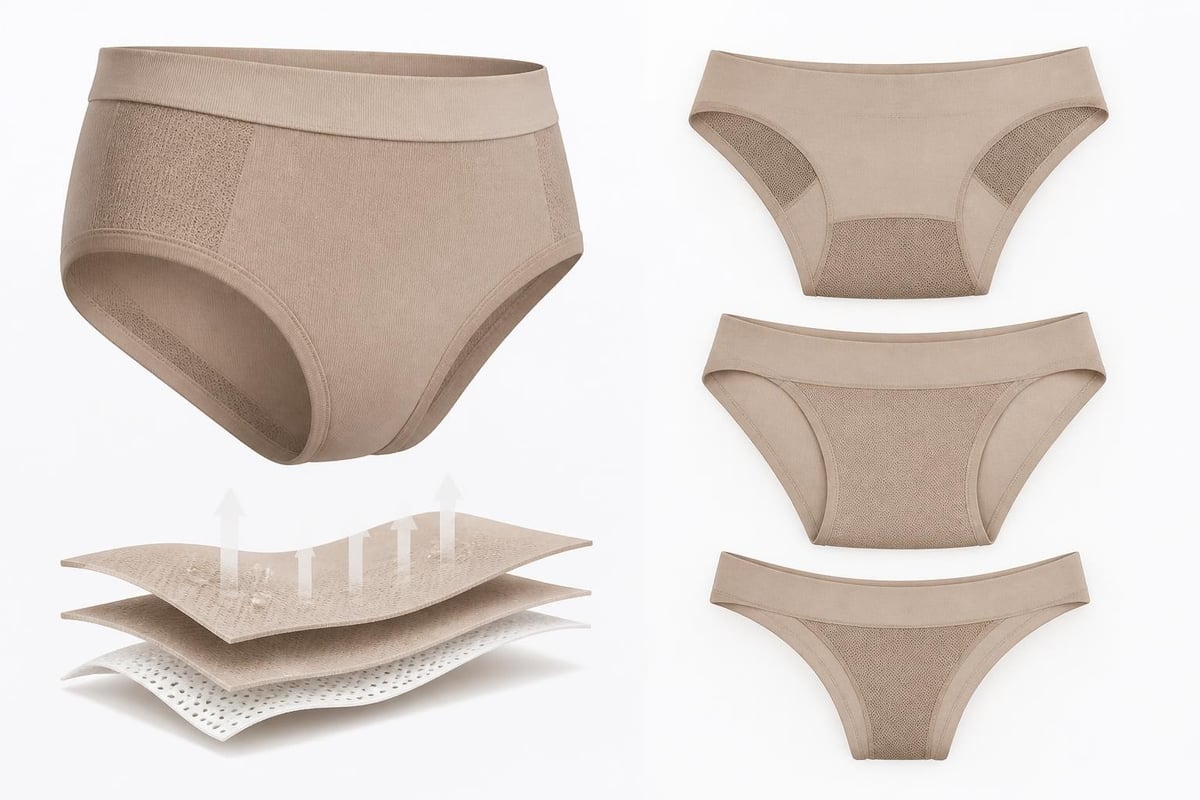
Sport bikinis feature moisture-wicking fabrics and ergonomic construction that moves with your body during exercise. The shapes of panties designed for athletics prioritize breathability, often incorporating mesh panels or perforated fabrics that enhance airflow. Flat seams reduce chafing during repetitive motions, while elastic waistbands stay secure without rolling or bunching.
Technical Features in Modern Designs
Modern underwear incorporates numerous technical innovations:
- Seamless construction eliminates visible lines and reduces irritation
- Four-way stretch fabrics accommodate natural body movement
- Anti-microbial treatments prevent odor and bacterial growth
- Moisture-wicking technology pulls sweat away from skin
- Strategic ventilation zones enhance breathability in high-heat areas
Women exploring seamless underwear options discover how advanced construction techniques eliminate common friction points while maintaining the classic shapes of panties they prefer. These innovations make it possible to enjoy traditional styles with modern performance benefits.
Body Type Considerations
Different shapes of panties flatter various body types differently. Understanding how styles interact with your natural proportions helps you select underwear that enhances your silhouette and boosts confidence.
For pear-shaped bodies, where hips are wider than shoulders, hipsters and boyshorts often provide the most flattering fit. These shapes of panties offer sufficient coverage without cutting into curves, creating smooth lines under clothing. Avoid styles with elastic leg bands that dig into thighs, which can create unwanted bulges.
Apple-shaped bodies benefit from high-waisted briefs that provide tummy control and support. These designs smooth the midsection while offering comfortable coverage. Look for styles with wider waistbands that distribute pressure evenly rather than creating a single compression point.
Optimizing Fit Across Body Types
| Body Type | Recommended Shapes | Features to Seek | Styles to Avoid |
|---|---|---|---|
| Pear | Hipsters, boyshorts | Soft leg bands, full coverage | High-cut legs, tight elastic |
| Apple | High-waisted briefs, control briefs | Wide waistbands, tummy panels | Low-rise styles, thin bands |
| Hourglass | Bikinis, thongs | Balanced coverage | Overly compressive styles |
| Athletic | Sport bikinis, hipsters | Flexible fabrics, secure fit | Loose-fitting designs |
Hourglass figures can wear virtually any of the shapes of panties available, though bikinis and thongs particularly complement balanced proportions. The key is ensuring proper sizing to prevent compression or gapping, which diminishes the natural silhouette.
Athletic or rectangular body types often prefer styles that add visual interest or curves. Bikinis with ruching, lace details, or decorative elements create the illusion of curves while maintaining comfort. Checking size charts ensures you find the perfect fit regardless of body type.
Historical Evolution of Panty Shapes
The shapes of panties have transformed dramatically over centuries, reflecting changing social norms, technological advances, and evolving fashion trends. Women's underwear history reveals fascinating insights into how intimate garments adapted to meet women's needs across different eras.
In ancient times, women wore simple linen cloths draped and tied around the body. The concept of fitted underwear didn't emerge until much later. The Victorian era introduced bloomers and drawers, which were revolutionary for their time but would seem impractical by today's standards.
The 20th century brought rapid innovation in the shapes of panties. The 1920s flapper era introduced more streamlined designs that accommodated the decade's straighter, more athletic fashion silhouettes. By the 1940s, elastic became widely available, transforming underwear construction and enabling more form-fitting shapes.
Modern Innovations in Panty Design
The late 20th and early 21st centuries have seen unprecedented innovation:
- Laser-cut edges that create completely invisible lines
- 3D knitting technology producing seamless, custom-fit garments
- Smart fabrics that regulate temperature and moisture
- Sustainable materials including bamboo, modal, and recycled fibers
- Targeted compression zones that smooth specific areas without overall restriction
Contemporary designers continue pushing boundaries, creating shapes of panties that address specific concerns like camel toe prevention. Learning about underwear designed to prevent camel toe demonstrates how modern engineering solves age-old comfort challenges.
Fabric Selection and Shape Interaction
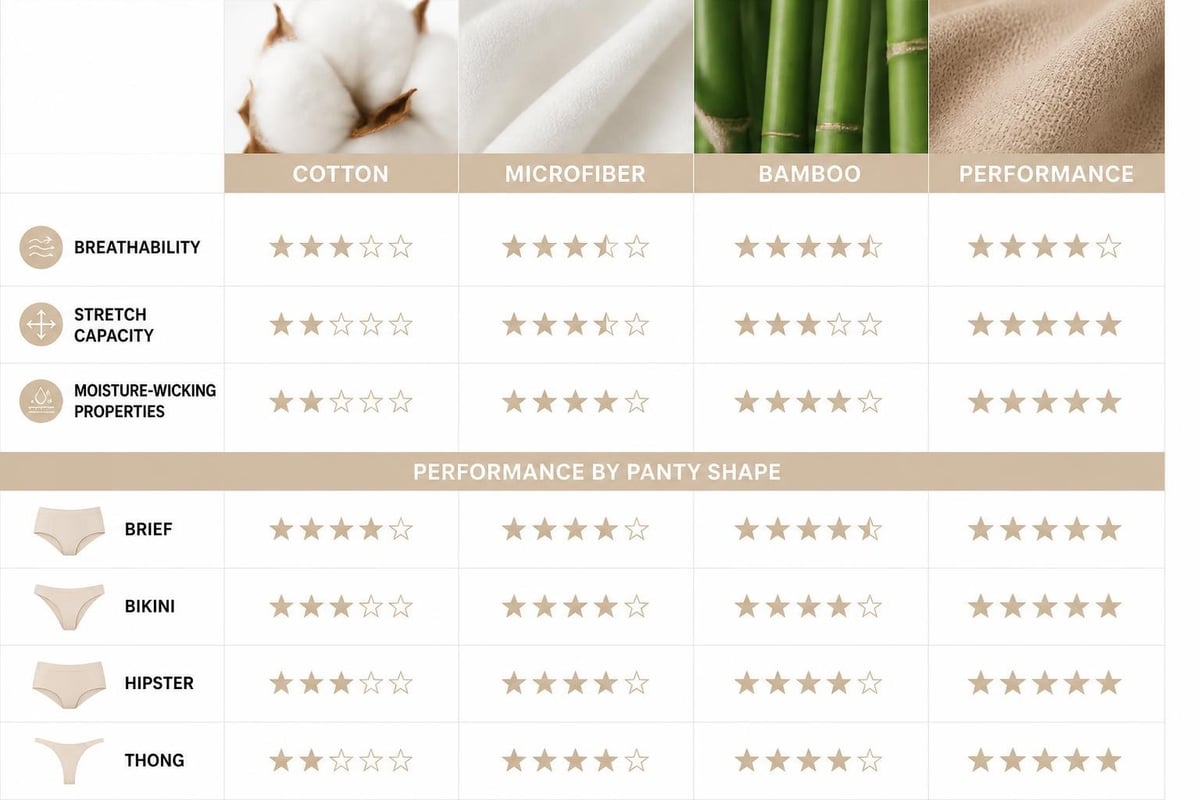
The fabric used in underwear construction significantly impacts how different shapes of panties perform. Material choice affects everything from breathability to durability to how well the garment maintains its shape over time.
Cotton remains the most popular fabric for everyday shapes of panties due to its natural breathability and softness. It absorbs moisture effectively, though it doesn't wick it away from skin as synthetic performance fabrics do. Cotton works excellently for briefs and boyshorts intended for casual, everyday wear.
Microfiber and modal create incredibly smooth surfaces that eliminate visible lines, making them ideal for thongs and bikinis worn under fitted clothing. These synthetic or semi-synthetic materials offer four-way stretch that accommodates natural body movement while maintaining their shape after repeated washing.
Fabric Performance Characteristics
Different materials excel in various applications:
- Nylon blends: Excellent stretch recovery, smooth finish, quick-drying
- Bamboo fabrics: Naturally antimicrobial, eco-friendly, ultra-soft
- Mesh materials: Maximum breathability, ideal for athletic styles
- Lace and decorative fabrics: Aesthetic appeal, special occasion wear
- Performance synthetics: Moisture-wicking, temperature regulation
Seamless construction combined with appropriate fabric selection creates the most versatile shapes of panties. Various women's underwear styles showcase how different fabrics enhance or detract from specific designs.
Matching Panty Shapes to Clothing
Strategic selection of shapes of panties based on your outfit ensures comfort and eliminates visible lines. Different garments demand different underwear solutions for optimal appearance and confidence.
Fitted dresses and skirts require invisible underwear solutions. Thongs and seamless bikinis work best under bodycon dresses, while laser-cut edges prevent any ridge visibility. For lighter-colored or sheer fabrics, select nude shades that match your skin tone rather than white, which can appear more visible.
Athletic wear and leggings demand specific attention. The tight, stretchy nature of yoga pants and leggings makes them unforgiving of poorly chosen shapes of panties. Thong underwear designed specifically for athletic activities eliminates visible lines while providing the support and moisture management active lifestyles require.
Outfit-Specific Recommendations
- Tailored pants: Hipsters or bikinis with flat seams
- Bodycon dresses: Seamless thongs or G-strings
- Casual jeans: Any comfortable style, briefs work well
- Athletic leggings: Sport thongs or performance bikinis
- Formal gowns: Smoothing briefs or specialized shapewear
- Shorts and skirts: Boyshorts or hipsters for additional coverage
Workplace attire often benefits from the coverage and support provided by full briefs or hipsters. These shapes of panties offer all-day comfort during long hours at a desk while maintaining professional appearance under business casual or formal work clothing.
Special Occasion and Fashion Panty Shapes
Beyond everyday functionality, certain shapes of panties serve aesthetic purposes or special occasion needs. These designs prioritize appearance alongside comfort, incorporating decorative elements and luxurious fabrics.
High-waisted vintage styles have experienced a resurgence in popularity, combining retro appeal with modern comfort. These shapes of panties offer excellent tummy coverage and support while creating an hourglass silhouette. They pair beautifully with vintage-inspired clothing or high-waisted bottoms.
Bridal and special occasion underwear often features delicate lace, silk, or satin construction. These premium shapes of panties prioritize aesthetics while still providing appropriate coverage and support. Many brides select special underwear shapes that complement their wedding dress design, whether that means seamless thongs for fitted gowns or elegant bikinis for fuller skirts.
Understanding different types of women's underwear helps you appreciate the nuanced differences between decorative and functional designs. Many contemporary options successfully balance both priorities.
Care and Maintenance by Shape
Different shapes of panties require varying care approaches to maintain their integrity, elasticity, and appearance over time. Proper maintenance extends the lifespan of your underwear investment significantly.
Delicate styles including thongs and lace-trimmed designs benefit from hand washing or mesh laundry bags during machine washing. The minimal fabric construction means these shapes of panties face greater stress during washing, and the delicate materials can snag or tear if not protected.
Performance and athletic shapes can typically withstand regular machine washing, though avoiding fabric softeners preserves their moisture-wicking properties. High heat damages elastic fibers, so air-drying or using low tumble-dry settings protects the structural integrity of these shapes of panties.
Washing and Storage Best Practices
| Panty Shape | Washing Method | Drying Approach | Storage Tips |
|---|---|---|---|
| Delicate thongs | Hand wash or gentle cycle | Air dry flat | Separate compartment |
| Cotton briefs | Regular machine wash | Low heat tumble | Folded in drawer |
| Performance styles | Cold machine wash | Air dry | Laid flat or hung |
| Lace designs | Hand wash only | Air dry on towel | Individual storage |
The shapes of panties you own represent an investment in daily comfort and confidence. Rotating through your collection rather than wearing the same pairs repeatedly allows elastic to recover between wearings, significantly extending garment life. Most experts recommend owning at least 20-25 pairs to enable proper rotation.
Making Informed Purchasing Decisions
Selecting the right shapes of panties involves balancing multiple factors including comfort preferences, wardrobe needs, body type considerations, and budget constraints. Building a versatile underwear wardrobe ensures you have appropriate options for every situation.
Quality over quantity proves especially true with intimate apparel. Investing in well-constructed shapes of panties from reputable manufacturers yields better long-term value than purchasing numerous cheap pairs that quickly lose elasticity or develop holes. Look for double-stitched seams, quality elastic that doesn't roll, and fabrics that maintain their integrity after repeated washing.
Trying before buying remains challenging with underwear due to hygiene considerations, but many brands now offer detailed size guides and generous return policies. Reading reviews from women with similar body types provides valuable insights into how different shapes of panties fit in reality versus their marketing descriptions.
When exploring options, consider visiting specialty retailers or brands like Ambar Wear that focus specifically on solving common underwear challenges. Their expertise in eliminating issues like camel toe, visible lines, and discomfort means their product recommendations come from deep understanding rather than generic fashion trends.
Building Your Essential Collection
A well-rounded underwear wardrobe includes various shapes of panties suited to different needs. Rather than purchasing multiples of a single style, diversifying your collection ensures appropriate options for every outfit and activity.
Everyday essentials should form the foundation, comprising 60-70% of your collection. These comfortable, durable shapes of panties handle regular wear, washing, and daily activities without special care requirements. Cotton or microfiber bikinis and briefs typically fill this role perfectly.
Athletic and performance styles deserve dedicated space in your drawer, especially if you exercise regularly. Having 5-7 pairs of moisture-wicking shapes of panties designed for movement prevents rewearing sweaty underwear and ensures you always have clean options available.
Special occasion and formal wear underwear includes seamless thongs, decorative styles, and any specialty shapes required for specific outfits. While you might only need 3-5 pairs, having these options available prevents last-minute wardrobe crises when dressing for important events.
Learning about innovations like anti-camel toe knickers expands your understanding of specialized solutions available. These targeted designs address specific concerns that generic shapes of panties may not fully resolve, making them valuable additions to any comprehensive collection.
Understanding the various shapes of panties available empowers you to make confident choices that enhance both comfort and style. From traditional briefs to innovative performance designs, each style serves specific purposes within a well-curated underwear wardrobe. If you're ready to experience underwear that truly prioritizes your comfort while eliminating common concerns like camel toe and visible panty lines, explore the thoughtfully designed collection at Ambar Wear, where seamless construction meets everyday elegance for modern women.