

The American women's underwear market has undergone dramatic transformation over the past decade, with consumer preferences shifting toward comfort, functionality, and seamless design. Understanding the panties USA landscape in 2026 reveals not just fashion trends, but fundamental changes in how women approach intimate apparel. From innovative fabrics to problem-solving designs, the modern underwear industry reflects broader cultural movements toward body positivity, sustainability, and practical elegance. Today's consumers demand more than basic coverage-they expect undergarments that enhance confidence while addressing real-world challenges like visible panty lines, discomfort during exercise, and moisture management.
The American Underwear Market Landscape
The United States represents one of the world's largest and most sophisticated markets for women's intimate apparel. According to comprehensive analysis of the U.S. lingerie market, American consumers spent billions on intimate wear in recent years, with steady growth projected through 2030.
Market dynamics for panties USA include:
- Growing demand for seamless, no-show designs compatible with form-fitting activewear
- Increased interest in sustainable and eco-friendly fabric options
- Rising preference for multi-functional underwear that transitions from workout to everyday wear
- Expansion of size-inclusive offerings across all price points
The digital transformation has revolutionized how American women shop for intimate apparel. E-commerce now accounts for a substantial portion of underwear sales, allowing brands like Ambar Wear to reach customers directly without traditional retail intermediaries. This shift has enabled innovative startups to compete with established brands by focusing on specific pain points that mainstream manufacturers often overlook.
Consumer Priorities in 2026
Modern American consumers evaluate panties USA options through multiple criteria beyond basic aesthetics. Comfort remains the paramount concern, but the definition has expanded to include movement freedom, temperature regulation, and invisible wear under clothing.
| Priority Factor | Consumer Expectations | Impact on Purchase Decisions |
|---|---|---|
| Seamless Construction | No visible lines under leggings or fitted clothing | Very High |
| Moisture Management | Quick-dry fabrics and breathable materials | High |
| Body-Positive Fit | Sizes that accommodate diverse body types | Very High |
| Durability | Maintains shape and elasticity after repeated washing | Medium-High |
| Problem-Solving Design | Addresses specific issues like camel toe or bunching | High |
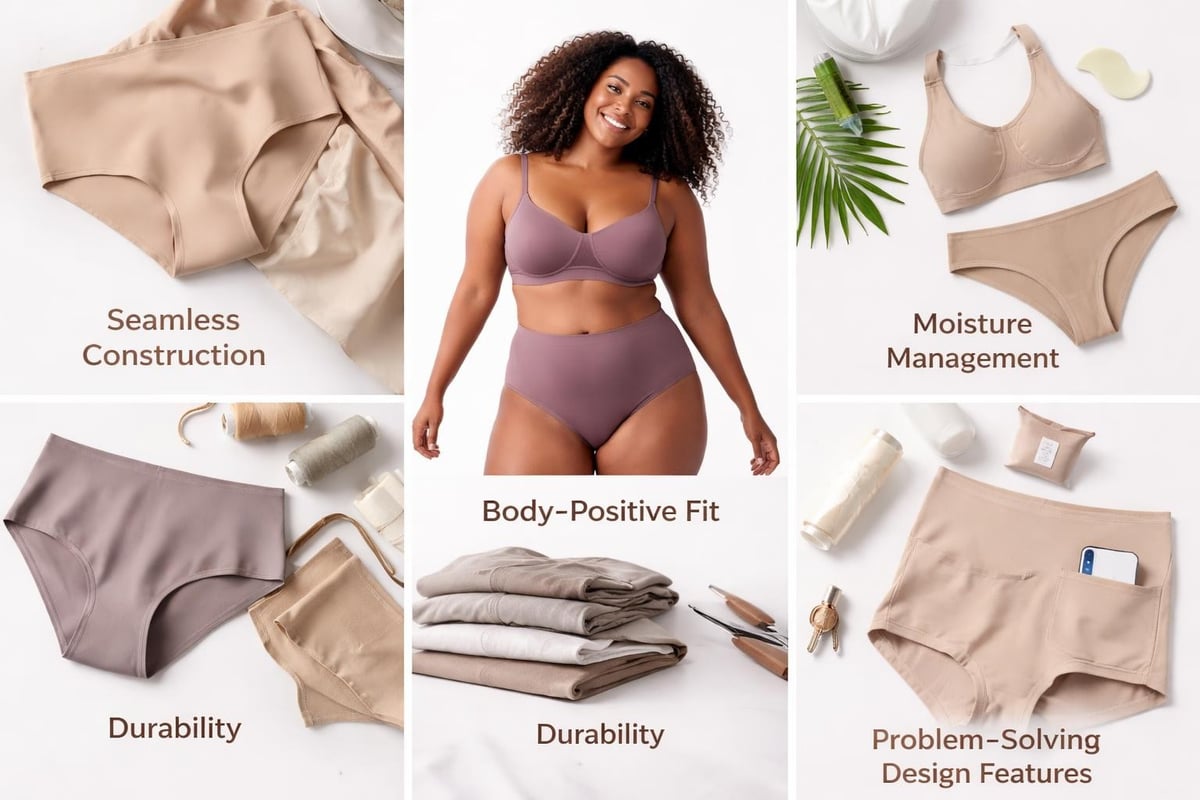
Research indicates that American women now own an average of 20-30 pairs of panties, with regular rotation between styles depending on activity and outfit requirements. This diversification reflects a more sophisticated approach to undergarment wardrobes, where specific designs serve distinct purposes rather than one-style-fits-all thinking.
Innovation Driving the Panties USA Category
Technological advancement in textile manufacturing has revolutionized the underwear industry. Seamless knitting technology, once reserved for premium brands, has become increasingly accessible across price points. This democratization allows more consumers to experience the comfort and invisibility benefits of advanced construction methods.
Fabric Technology Breakthroughs
The materials used in contemporary American underwear bear little resemblance to traditional cotton basics. Modern performance fabrics combine multiple properties:
- Moisture-wicking capabilities that pull perspiration away from skin
- Four-way stretch enabling complete freedom of movement
- Antimicrobial treatments reducing odor-causing bacteria
- Temperature regulation through phase-change materials
- Lightweight construction eliminating bulk under clothing
Brands developing camel toe-proof underwear have pioneered specialized gusset constructions that prevent bunching and uncomfortable riding up. These innovations address one of the most common complaints about traditional panty designs, particularly when worn with form-fitting bottoms like leggings or athletic wear.
The integration of sustainable materials represents another significant trend shaping panties USA offerings. Bamboo-derived fabrics, recycled polyester, and organic cotton alternatives appeal to environmentally conscious consumers without sacrificing performance characteristics. According to market trends analysis, sustainability considerations influence purchasing decisions for approximately 40% of American underwear shoppers in 2026.
Understanding Period Panties Market Growth
The period panties segment has experienced explosive growth within the broader panties USA market. Data from Grand View Research's period panties market report shows double-digit annual growth rates as consumers embrace reusable menstrual products.
Key drivers of period panty adoption include:
- Environmental concerns about disposable product waste
- Long-term cost savings compared to traditional menstrual products
- Improved technology providing better leak protection
- Reduced risk of toxic shock syndrome compared to tampons
- Convenience during travel, sports, and overnight use
The U.S. period panties market outlook projects continued expansion through 2030, with mainstream acceptance growing among all age demographics. What began as a niche category has evolved into standard inventory for most underwear brands serving American consumers.
Period Panty Technology Layers
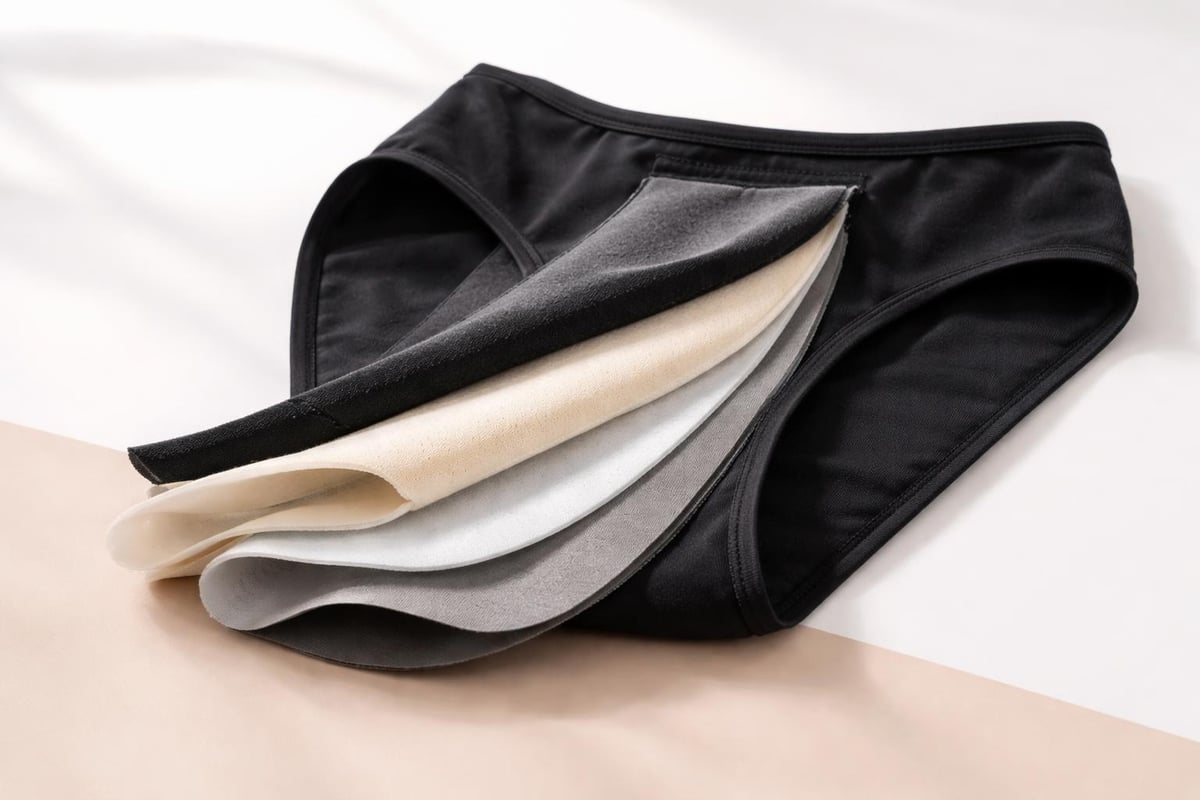
Modern menstrual underwear typically incorporates multiple specialized layers:
| Layer | Function | Material |
|---|---|---|
| Inner (against skin) | Moisture wicking, antibacterial | Bamboo, modal, or performance blend |
| Absorbent Core | Liquid retention | Microfiber or specialized absorbent textiles |
| Leak-Proof Barrier | Waterproof protection | PUL (polyurethane laminate) or TPU |
| Outer Shell | Structure and appearance | Cotton, nylon blend, or seamless knit |
Brands offering menstrual panties have expanded beyond basic protection to include features like odor control, quick-dry properties, and designs suitable for everyday wear beyond menstrual periods. This versatility enhances value proposition and encourages consumers to incorporate them into regular underwear rotation.
Style Diversity Across Panties USA Options
American women's underwear preferences span remarkable diversity, from minimal coverage thongs to full-brief silhouettes. Understanding these style categories helps consumers match underwear to specific wardrobe and activity requirements.
Popular Panty Styles in 2026
Thongs and G-strings remain dominant for invisible wear under fitted clothing. The seamless camel toe thong exemplifies modern engineering that eliminates traditional thong discomfort while preventing visible lines.
Bikini cuts offer moderate coverage with comfortable leg openings that don't create lines under most clothing. These versatile styles work equally well for daily wear and exercise.
Boyshorts and brief styles provide maximum coverage and support, particularly popular for loungewear, sleep, and activities requiring more substantial undergarment coverage.
High-rise options have surged in popularity alongside high-waisted bottoms in mainstream fashion. These designs prevent gapping at the waistband and offer smoothing benefits for the midsection.
The invisible camel toe thong collection demonstrates how specialized design features can be incorporated across multiple rise heights and coverage levels. This allows women to select their preferred style without sacrificing problem-solving functionality.
Color and Pattern Preferences
While black, nude, and white remain staple colors in every American woman's underwear drawer, consumer preferences have expanded dramatically. Market data shows growing demand for:
- Extended nude shade ranges accommodating diverse skin tones
- Bold colors and prints for self-expression
- Coordinating sets matching bras to panties
- Seasonal color rotations aligned with fashion trends
Retailers report that American consumers typically purchase solid basics in multipacks while selecting individual statement pieces in colors or patterns. This split purchasing behavior influences inventory strategies across the panties USA market.
The Activewear Integration Trend
The explosive growth of athleisure has fundamentally altered expectations for underwear performance. Women wearing leggings for everything from yoga class to grocery shopping demand undergarments engineered for movement and invisible under stretchy, form-fitting fabrics.
Activewear-compatible underwear features include:
- Flat seam construction preventing chafing during repetitive motion
- Moisture-wicking fabrics keeping skin dry during workouts
- No-slip waistbands that stay in place without digging in
- Gusset designs preventing camel toe in compression leggings
- Quick-dry properties allowing wash-and-wear convenience
The seamless lifting leggings paired with compatible underwear demonstrates the coordinated approach many brands now take to creating complete bottom-half ensembles. This integration ensures all garment layers work together rather than creating competing tensions or visible disruptions.
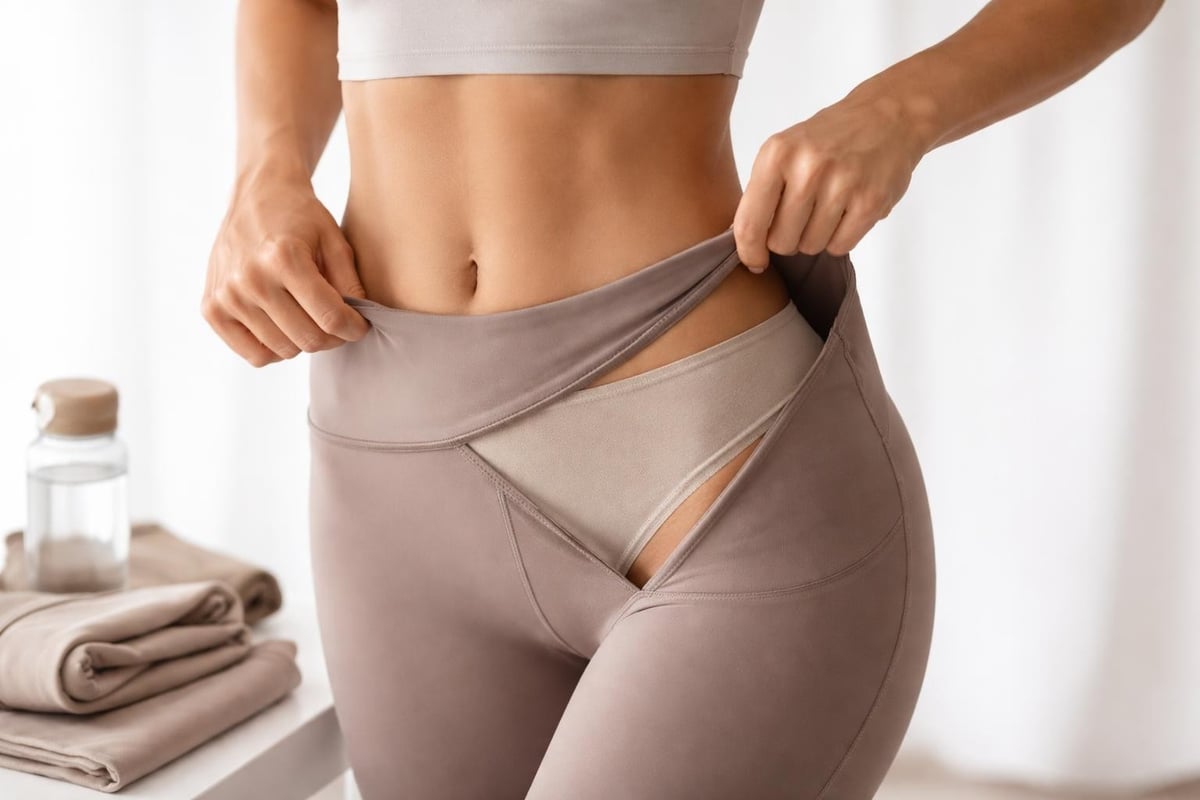
Research from market concentration studies reveals that brands successfully integrating underwear with activewear offerings capture greater customer lifetime value through expanded product categories.
Size Inclusivity and Fit Innovation
The panties USA market has made significant strides toward inclusive sizing, though challenges remain. Progressive brands now offer extended size ranges while engineering designs that flatter diverse body types rather than simply scaling up patterns.
Fit Considerations Across Body Types
For curvy figures, specialized underwear designed for curvy women addresses specific needs like higher back rises to prevent gapping, reinforced elastic that maintains support without cutting in, and proportioned leg openings that don't create unwanted bulges.
For athletic builds, underwear with less elastic tension and streamlined construction prevents excess fabric bunching while providing adequate coverage.
For petite frames, scaled proportions ensure waistbands and leg openings align with smaller dimensions rather than creating excess material.
| Body Type Consideration | Design Solution | Consumer Benefit |
|---|---|---|
| Curvy hips and thighs | Bonded edges vs. elastic | No digging or rolling |
| Long torso | Extended rise options | Proper waistband placement |
| Full bottom | Contoured back panel | Comfortable coverage without bunching |
| Athletic build | Minimal elastic | Streamlined fit without gaps |
The tummy control thong options incorporate shaping panels that smooth the midsection without creating restrictive compression. This approach to functional design appeals to consumers seeking gentle support rather than extreme shapewear effects.
Shopping Behaviors and Purchase Patterns
Understanding how American women shop for underwear reveals important insights about the panties USA market dynamics. Purchase frequency, brand loyalty, and decision factors vary significantly across demographic segments.
Online vs. In-Store Shopping
E-commerce has transformed underwear purchasing, with approximately 60% of American women now buying at least some intimate apparel online. This channel offers:
- Greater privacy for sensitive purchases
- Access to specialized brands not available in local retail
- Detailed size guides and fit information
- Customer reviews providing real-world insights
- Subscription and autoship convenience for basics
However, physical retail maintains advantages for:
- Immediate acquisition without shipping wait
- Tactile fabric evaluation before purchase
- In-person fitting assistance
- Easy returns without shipping hassle
Successful brands maintain presence across both channels, with coherent sizing and product information ensuring consistent experiences regardless of purchase method.
Price Sensitivity and Value Perception
The panties USA market spans remarkable price diversity, from budget multipacks under $10 to premium individual pieces exceeding $30. American consumers demonstrate willingness to pay premium prices for:
- Innovative problem-solving features addressing specific concerns
- Superior fabric quality providing comfort and durability
- Sustainable materials and ethical production practices
- Specialized performance for sports or specific activities
- Extended size ranges offering inclusive options
Historical data on consumer spending patterns suggests that intimate apparel maintains relatively stable demand even during economic uncertainty, as these represent essential rather than discretionary purchases.
Sustainability and Ethical Production
Environmental consciousness increasingly influences purchasing decisions within the panties USA market. Consumers-particularly younger demographics-scrutinize brands' sustainability credentials across multiple dimensions.
Key sustainability considerations include:
- Fabric sourcing and environmental impact of materials
- Manufacturing processes and water/energy consumption
- Labor practices and worker treatment in production facilities
- Packaging materials and waste reduction
- Product longevity and durability reducing replacement frequency
Some manufacturers have begun incorporating sustainable materials like soybean-based fabrics into underwear production, though these remain niche offerings. More common sustainable options include organic cotton, recycled synthetics, and bamboo-derived textiles.
Transparency has become a competitive differentiator, with brands sharing detailed information about their supply chains and environmental footprint. This openness builds trust with consumers who increasingly vote with their wallets for companies aligning with their values.
Care and Maintenance Best Practices
Proper care significantly extends underwear lifespan, maximizing value and reducing environmental impact through less frequent replacement. The delicate construction and specialized fabrics in modern panties USA offerings require thoughtful maintenance approaches.
Washing Guidelines
For seamless and performance underwear:
- Use cold water to preserve elastic and fabric integrity
- Select gentle cycle or hand wash for delicate items
- Avoid fabric softeners that coat fibers and reduce moisture-wicking
- Use mesh laundry bags protecting from snags and excessive agitation
- Air dry or use low heat to prevent elastic degradation
For period panties:
- Rinse in cold water before washing to remove blood
- Pre-soak in cold water with mild detergent
- Wash separately or with similar dark items
- Avoid bleach or harsh chemicals damaging absorbent layers
- Ensure complete drying to prevent bacterial growth
Storage Recommendations
Proper storage prevents damage and maintains shape. Best practices include:
- Fold rather than ball to prevent elastic overstretching
- Organize by type separating everyday, athletic, and special occasion
- Rotate regularly preventing excessive wear on favorite pairs
- Avoid overstuffed drawers that wrinkle and stress seams
- Consider drawer dividers maintaining organization
The two-piece activewear sets with coordinated care requirements benefit from consistent washing and storage routines that maintain fabric performance across all pieces.
Future Outlook for Panties USA Market
Looking ahead to the remainder of 2026 and beyond, several trends appear poised to shape the American women's underwear landscape. Technology integration, customization, and holistic wellness approaches will likely define the next evolution in intimate apparel.
Emerging developments include:
- Smart fabric integration monitoring health metrics
- Made-to-measure options using body scanning technology
- Increased focus on microbiome-friendly fabrics and treatments
- Expansion of rental and subscription models for sustainability
- Greater emphasis on inclusive marketing and diverse representation
The ongoing convergence of fashion, athletics, and wellness creates opportunities for brands that can address multiple consumer needs within single products. Women increasingly resist categorizing their lives into discrete segments, preferring versatile solutions that transition seamlessly across activities.
According to market research, the panties USA category will continue growing at approximately 4-6% annually through 2030, outpacing overall apparel growth rates. This expansion reflects both population growth and increased per-capita spending as consumers trade up to higher-quality, specialized options.
Innovation Frontiers
Research and development efforts currently focus on:
| Innovation Area | Expected Benefits | Timeline to Market |
|---|---|---|
| Biodegradable elastics | Environmental impact reduction | 2-3 years |
| Self-cleaning fabrics | Extended wear between washing | 3-5 years |
| Temperature-adaptive materials | Enhanced comfort across conditions | 1-2 years |
| Customized compression zones | Targeted support and shaping | Currently available |
Brands investing in these technologies position themselves advantageously as consumer expectations continue evolving toward higher performance and functionality standards.
Brand Differentiation Strategies
Within the competitive panties USA landscape, successful brands establish clear differentiation beyond generic comfort claims. The most effective positioning strategies focus on specific problem-solving, distinctive design aesthetics, or underserved market segments.
Niche Specialization Approaches
Problem-focused brands like those specializing in anti-camel toe underwear build loyal followings by definitively solving specific pain points that mainstream manufacturers overlook. This targeted approach creates strong word-of-mouth marketing as satisfied customers share solutions with friends facing similar challenges.
Performance-oriented brands emphasize technical specifications, moisture management, and athletic compatibility. These companies often collaborate with fitness influencers and professional athletes to demonstrate product efficacy under demanding conditions.
Luxury-positioned brands focus on premium materials, exceptional construction quality, and elevated design aesthetics. These offerings command higher price points by delivering superior tactile experiences and longevity.
Sustainable specialists center their entire brand identity around environmental responsibility, using exclusively eco-friendly materials and ethical production practices. These companies attract values-aligned consumers willing to pay premiums for products matching their principles.
The key to successful differentiation lies in authentic commitment to the chosen positioning rather than superficial marketing claims. American consumers demonstrate sophisticated ability to detect genuine innovation versus cosmetic rebranding of generic products.
The panties USA market in 2026 reflects broader cultural shifts toward functionality, inclusivity, and thoughtful consumption. American women increasingly demand underwear that solves real problems while aligning with their values and lifestyles. Whether you're seeking seamless designs that disappear under form-fitting clothing, performance fabrics for active lifestyles, or sustainable options reducing environmental impact, the modern underwear market offers unprecedented choice and innovation. Ambar Wear addresses these evolving needs through seamless construction, camel toe-proof designs, and moisture-wicking fabrics engineered for all-day comfort across any activity. Discover how specialized undergarments can transform your daily confidence and comfort.