

Every woman has experienced it, whether during an intense workout session, a stressful day at work, or simply going about daily activities. Panties sweat is a common but rarely discussed issue that affects comfort, confidence, and overall well-being. Understanding why this happens and how to prevent it can transform your daily experience and help you feel fresh throughout the day. The right knowledge about fabrics, fit, and preventive strategies makes all the difference in maintaining comfort and confidence.
Understanding Why Panties Sweat Occurs
The intimate area contains a high concentration of sweat glands, particularly apocrine glands that become active during puberty. These glands respond to various triggers including physical activity, emotional stress, hormonal fluctuations, and environmental temperature changes.
According to research on sweating around the vaginal area, apocrine glands are primarily responsible for moisture in this region. Unlike eccrine glands found elsewhere on the body, apocrine glands produce a thicker secretion that, when combined with bacteria, can lead to odor concerns.
Physical Activity and Exercise
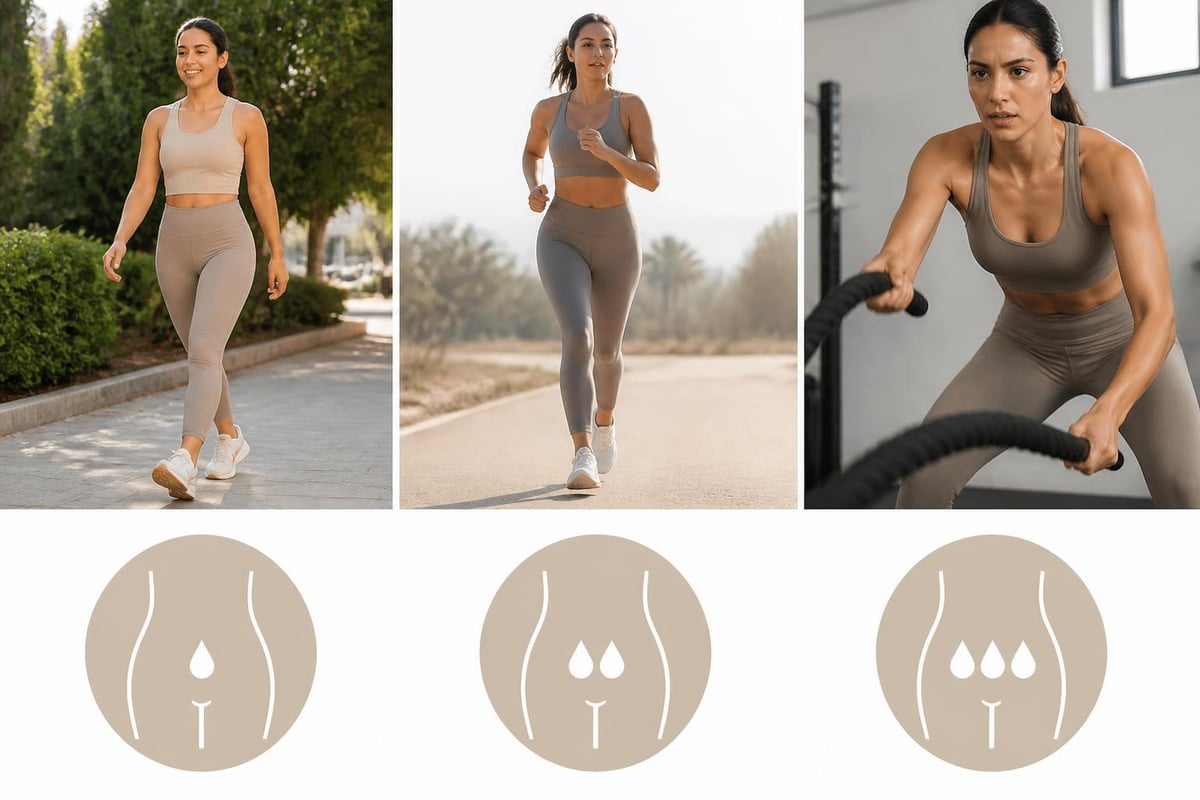
Exercise naturally increases body temperature, prompting the sweat response to cool you down. The groin area, already warm due to being covered by clothing, generates additional moisture during physical activity. Vaginal discomfort during exercise often stems from a combination of sweat and friction against non-breathable fabrics.
High-intensity workouts, running, cycling, and hot yoga sessions create perfect conditions for panties sweat. The combination of movement, increased body heat, and restrictive clothing can make moisture management challenging.
Hormonal Influences Throughout the Month
Women's bodies experience hormonal fluctuations during the menstrual cycle that directly impact sweat production. Estrogen and progesterone levels rise and fall, affecting body temperature regulation and moisture levels.
Many women notice increased panties sweat during:
- Ovulation, when body temperature slightly rises
- The week before menstruation begins
- Pregnancy, due to increased blood flow and hormones
- Perimenopause and menopause, during hot flashes
Environmental and Lifestyle Factors
Temperature, humidity, and clothing choices create the perfect storm for excessive moisture. Sitting for extended periods, wearing tight clothing, and exposure to heat all contribute to the problem.
| Factor | Impact on Sweat | Solution |
|---|---|---|
| High humidity | Prevents evaporation | Choose moisture-wicking fabrics |
| Tight clothing | Traps heat and moisture | Opt for breathable fits |
| Synthetic fabrics | Block airflow | Select natural or technical blends |
| Long sitting periods | Increases local temperature | Take movement breaks |
The Fabric Factor: Why Material Matters
Not all underwear fabrics are created equal when it comes to managing panties sweat. The material directly touching your skin determines how effectively moisture gets wicked away or how much it gets trapped against your body.
Breathable Natural Fibers
Cotton has long been recommended by healthcare professionals for its breathability and moisture absorption. However, while cotton absorbs moisture well, it also retains it, which can keep damp fabric against your skin for extended periods.
Bamboo and modal fabrics offer similar breathability to cotton but with enhanced moisture-wicking properties. These materials pull moisture away from skin more efficiently while remaining soft and comfortable.
Technical Performance Fabrics
Modern fabric technology has created materials specifically designed to combat moisture issues. Seamless, moisture-wicking blends combine the comfort of traditional fabrics with advanced performance characteristics.
The impact of polyester underwear varies depending on the specific blend and construction. Pure polyester can trap heat and moisture, but technical polyester blends engineered for activewear often provide superior moisture management.
Benefits of performance fabric blends:
- Quick-drying properties that reduce moisture contact time
- Antimicrobial treatments that prevent odor-causing bacteria
- Four-way stretch for comfort without compression
- Seamless construction that reduces friction and irritation
What to Avoid
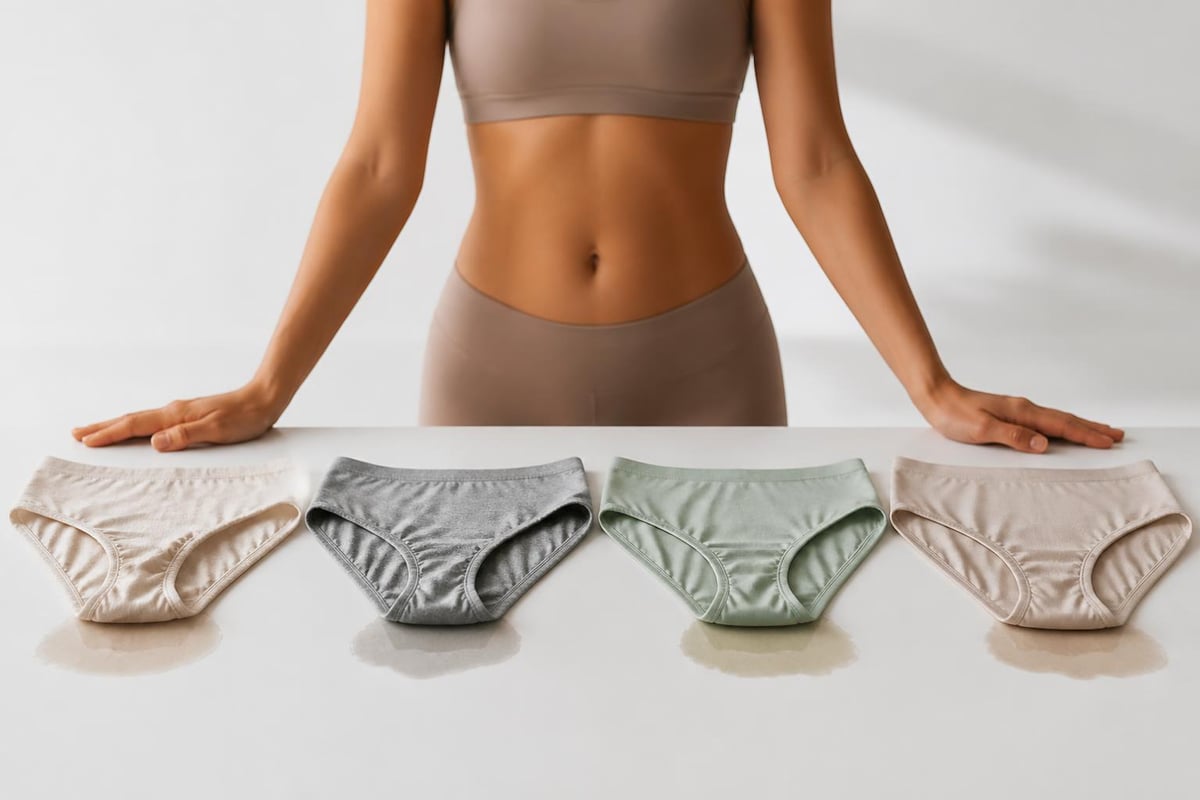
Certain fabric choices exacerbate panties sweat rather than helping manage it. Silk, while luxurious, doesn't absorb moisture well. Satin and other non-breathable synthetics create a barrier that traps heat and sweat.
Lace and decorative details may look appealing but often use materials that don't breathe. These embellishments can also create friction points that irritate skin, especially when moisture is present.
Fit and Style Considerations
The way underwear fits dramatically affects panties sweat and overall comfort. Too tight creates friction and restricts airflow, while too loose can bunch and cause chafing when moisture is present.
Finding Your Proper Size
Many women wear the wrong underwear size without realizing it. A proper fit should feel secure without digging into skin, creating visible lines, or riding up. The size chart should be your starting point for any new underwear purchase.
Signs your underwear doesn't fit properly:
- Red marks or indentations on skin after removal
- Constant adjustment needed throughout the day
- Fabric bunching or rolling at waistband or leg openings
- Visible panty lines through fitted clothing
- Discomfort when sitting or moving
Thong vs. Full Coverage
Both styles have advantages for managing panties sweat, depending on your needs and activities. Thongs made with proper moisture-wicking materials minimize fabric contact, reducing the surface area where sweat can accumulate.
Full coverage styles provide more protection but require carefully chosen fabrics to prevent moisture trapping. The invisible camel toe thong combines minimal coverage with strategic design to prevent common comfort issues while managing moisture effectively.
Seamless Technology
Seams create friction points where moisture, heat, and movement combine to cause irritation. Research shows that certain types of underwear can cause skin irritation due to seam placement and fabric choice.
Seamless construction eliminates these problem areas while providing a smooth silhouette under clothing. This technology has become essential for both everyday wear and athletic activities.
Daily Prevention Strategies
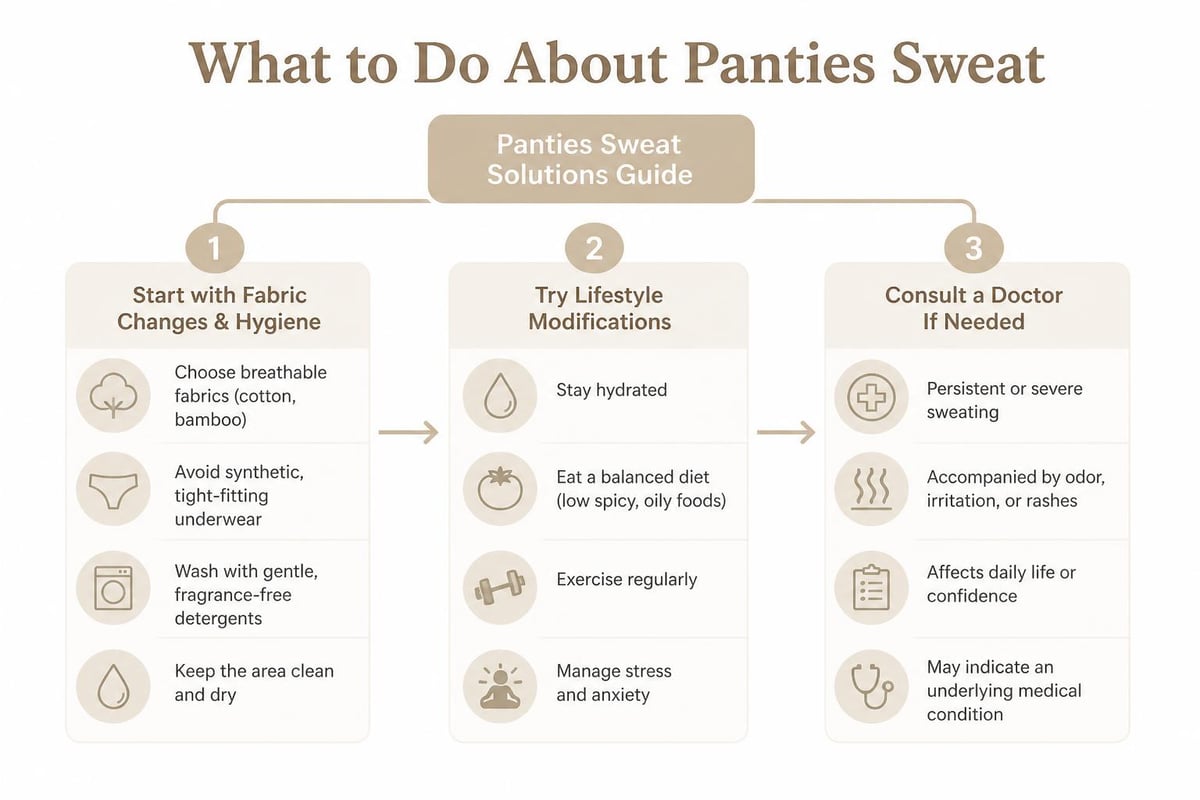
Managing panties sweat requires a multifaceted approach combining smart clothing choices, hygiene practices, and lifestyle adjustments.
Morning Routine Adjustments
Starting your day with the right foundation sets you up for all-day comfort. After showering, ensure the intimate area is completely dry before dressing. Rushing this step traps existing moisture that worsens throughout the day.
Pre-dressing checklist:
- Pat dry thoroughly with a clean towel
- Allow a few minutes for complete air drying
- Apply antiperspirant or absorbent powder if needed
- Choose underwear appropriate for the day's activities
During-the-Day Solutions
For those experiencing excessive panties sweat, carrying a spare pair of underwear can be life-changing. Mid-day changes, especially after workouts or during hot weather, prevent prolonged moisture exposure.
Similar to recommendations for managing butt sweat, strategic use of moisture-absorbing powders and breathable clothing helps maintain dryness. Choose products specifically designed for intimate areas to avoid irritation.
| Time of Day | Action | Benefit |
|---|---|---|
| Morning | Ensure complete dryness | Starts day fresh |
| Mid-morning | Assess moisture levels | Early intervention |
| After lunch | Change if needed | Prevents afternoon discomfort |
| Post-workout | Immediate change | Reduces bacteria growth |
| Evening | Shower and fresh pair | Nighttime comfort |
Activity-Specific Choices
Different activities demand different approaches to managing panties sweat. Your desk job underwear shouldn't be the same as your gym underwear.
For exercise, prioritize moisture-wicking fabrics with antimicrobial properties. The seamless camel toe thong provides athletic performance while preventing common workout underwear problems.
For all-day wear during warm weather or high-stress situations, choose styles with strategic ventilation and quick-drying fabrics. Avoid thick waistbands and excessive coverage that trap heat.
Medical Considerations and When to Seek Help
While panties sweat is typically normal, excessive sweating could indicate an underlying condition requiring medical attention. Hyperhidrosis, a condition causing abnormal sweating, affects approximately 3% of the population and can occur in the groin area.
Recognizing Normal vs. Excessive
Normal perspiration responds to temperature, activity, and stress, varying throughout the day and month. Excessive sweating occurs regardless of these factors, sometimes soaking through clothing even in cool, calm conditions.
According to information about sweating between the legs, certain signs warrant professional evaluation:
- Sweating that disrupts daily activities
- Night sweats unrelated to room temperature
- Sudden changes in sweat patterns
- Accompanying symptoms like itching, burning, or unusual discharge
- Emotional distress related to sweating
Potential Underlying Causes
Several medical conditions can increase panties sweat beyond typical levels. Thyroid disorders, diabetes, and certain medications all affect sweat production. Hormonal imbalances, infections, and neurological conditions may also contribute.
If you notice persistent, excessive moisture accompanied by other symptoms, consult your healthcare provider. They can run tests to rule out medical causes and recommend appropriate treatments.
Treatment Options for Excessive Sweating
When lifestyle changes and fabric choices aren't enough, medical interventions exist. Prescription-strength antiperspirants designed for sensitive areas can reduce sweat production. Oral medications that decrease overall sweating work for some individuals.
For severe cases, procedures like Botox injections or even surgical interventions may be considered. However, these represent last-resort options after trying conservative management strategies.
Smart Shopping for Sweat-Resistant Underwear
Investing in quality underwear designed to combat moisture issues pays dividends in comfort and confidence. Understanding what features to look for helps you make informed purchasing decisions.
Key Features to Prioritize
When shopping for underwear to manage panties sweat, certain characteristics separate effective designs from standard options. Look for products specifically mentioning moisture management, breathability, and antimicrobial properties.
Essential features checklist:
- Moisture-wicking fabric technology
- Seamless or flatlock seam construction
- Antimicrobial treatment to prevent odor
- Four-way stretch for movement
- Reinforced gusset for durability
- Quick-dry materials
Understanding Product Claims
Marketing language can be confusing when shopping for performance underwear. "Breathable" should mean fabric allows air circulation, not just that it's thin. "Moisture-wicking" indicates fabric actively pulls moisture away from skin rather than simply absorbing it.
Look for specific fabric content information rather than vague descriptions. Technical blends often list percentages of each material, helping you understand the underwear's properties.
Investment vs. Budget Options
Quality underwear designed for moisture management typically costs more than basic cotton multipacks. However, the longevity, comfort, and performance justify the higher price point for most women.
Budget-friendly options exist, but pay attention to reviews mentioning durability and actual performance. Sometimes mid-range products offer the best value, balancing quality with affordability.
The tummy control camel toe proof thong represents an investment in all-day comfort, combining multiple problem-solving features in one garment designed for real-world wear.
Building Your Underwear Wardrobe
Strategic planning creates an underwear collection that handles any situation from intense workouts to long workdays. Variety ensures you always have the right option for your needs.
The Essential Collection
A well-rounded underwear drawer includes options for different activities and preferences. Dedicating specific styles to specific purposes extends garment life and ensures optimal performance.
Basic wardrobe framework:
- Daily wear (7-10 pairs): Comfortable, breathable options for regular activities
- Athletic wear (5-7 pairs): High-performance moisture-wicking for workouts
- Special occasions (3-5 pairs): Seamless styles for fitted clothing
- Loungewear (3-4 pairs): Soft, relaxed options for home
- Backup pairs (2-3): Emergency replacements kept in desk, car, or gym bag
Rotation and Care
Proper care extends the life of moisture-wicking underwear and maintains its performance properties. Washing after each wear is essential, but harsh detergents and high heat can damage technical fabrics.
Hand washing or using delicate cycles with mild detergent preserves fabric integrity. Air drying, while slower than machine drying, prevents heat damage that degrades elastic and moisture-wicking properties.
Rotating through your collection prevents excessive wear on favorite pairs. When one style or pair shows signs of stretching, loss of elasticity, or fabric deterioration, replace it promptly.
Seasonal Considerations
Summer heat and winter layers create different challenges for managing panties sweat. Adjusting your underwear choices seasonally optimizes comfort year-round.
Summer demands maximum breathability and quick-drying properties. Winter layering can trap heat despite cold outdoor temperatures, still requiring moisture management. The principles remain consistent, but fabric weights and coverage may vary.
Lifestyle Modifications That Help
Beyond underwear choices, certain lifestyle changes reduce panties sweat and improve overall comfort. These adjustments address root causes rather than just managing symptoms.
Dietary Influences
What you eat and drink affects how much you sweat and how that sweat smells. Spicy foods, caffeine, and alcohol all trigger increased perspiration. While you don't need to eliminate these entirely, awareness helps you plan around important events or long days.
Staying hydrated seems counterintuitive but actually helps regulate body temperature more efficiently. Dehydration causes the body to retain heat, potentially increasing sweat production.
Stress Management
Emotional stress triggers the same sweat glands responsible for panties sweat. Managing stress through exercise, meditation, adequate sleep, and healthy coping mechanisms can reduce stress-related perspiration.
The connection between butt sweat and stress applies equally to the intimate area, as similar gland types are involved. Recognizing stress patterns helps you anticipate and prepare for increased moisture.
Weight and Physical Fitness
Body composition affects sweating patterns and heat retention. Excess weight can increase overall sweating, while improved fitness often leads to more efficient temperature regulation over time.
Regular exercise, despite temporarily increasing sweat during workouts, improves long-term body temperature control. This creates a positive cycle where fitness reduces problematic sweating during daily activities.
Environmental Control
When possible, controlling your environment reduces sweating triggers. Air conditioning, fans, and choosing cooler locations for activities all help. Dressing in layers allows you to adjust to temperature changes throughout the day.
At work, a small desk fan can significantly improve comfort during warm months. At home, sleeping with appropriate bedding and room temperature prevents nighttime sweating that affects your underwear.
The Confidence Connection
The psychological impact of panties sweat extends beyond physical discomfort. Worry about odor, visible moisture, or general discomfort can affect confidence in professional, social, and intimate situations.
Breaking the Silence
Many women suffer in silence, believing they're alone in experiencing this issue. Opening conversations with friends, healthcare providers, or online communities reveals how common panties sweat really is.
Sharing experiences and solutions creates a support network while normalizing a natural bodily function. The more women discuss these concerns openly, the better products and solutions become available.
Reclaiming Your Confidence
Addressing panties sweat effectively through proper underwear choices, hygiene practices, and lifestyle adjustments eliminates a significant source of daily anxiety. Confidence grows when you trust your clothing to perform as needed.
Women who've solved their moisture management issues report feeling more present in activities, less self-conscious in social situations, and more comfortable during physical intimacy. These improvements in quality of life demonstrate why addressing this issue matters.
Moving Forward Comfortably
Understanding that panties sweat is normal, manageable, and not a reflection of poor hygiene empowers women to seek solutions without shame. The combination of education, proper products, and preventive strategies creates lasting comfort.
Exploring options at Ambar Wear provides access to underwear specifically designed to address moisture concerns along with other common fit issues, supporting your journey toward all-day confidence.
Managing panties sweat effectively requires understanding the causes, choosing appropriate fabrics and fits, and implementing smart daily strategies. By combining moisture-wicking underwear with proper hygiene and lifestyle adjustments, you can eliminate discomfort and reclaim confidence throughout your day. Ambar Wear specializes in seamless, moisture-managing undergarments designed to keep you comfortable and confident, addressing sweat concerns alongside other common fit issues. Explore the collection at Ambar Wear to discover underwear engineered for real-world comfort and all-day freshness.