

Choosing the right underwear starts with understanding what goes into making it. The fabric composition of your panties directly impacts comfort, breathability, durability, and how well they perform throughout your day. In 2026, women have more options than ever when it comes to panties materials, from traditional natural fibers to advanced synthetic blends engineered for specific performance characteristics. Whether you're looking for everyday comfort, athletic performance, or seamless invisibility under clothing, the material makes all the difference.
Natural Fibers: The Foundation of Comfort
Cotton: The Classic Choice
Cotton remains one of the most popular panties materials for good reason. This natural fiber offers exceptional breathability, allowing air to circulate and moisture to evaporate naturally. According to ThirdLove's comprehensive guide on underwear materials, cotton's absorbent properties make it ideal for everyday wear, particularly in warmer climates.
Key benefits of cotton include:
- Natural softness against sensitive skin
- Hypoallergenic properties suitable for most skin types
- Machine washable and durable with proper care
- Affordable and widely available
However, cotton has limitations. It absorbs moisture without wicking it away efficiently, which can lead to dampness during physical activity. The fabric also tends to lose shape over time and may create visible panty lines under fitted clothing.
Bamboo and Modal: Sustainable Innovations
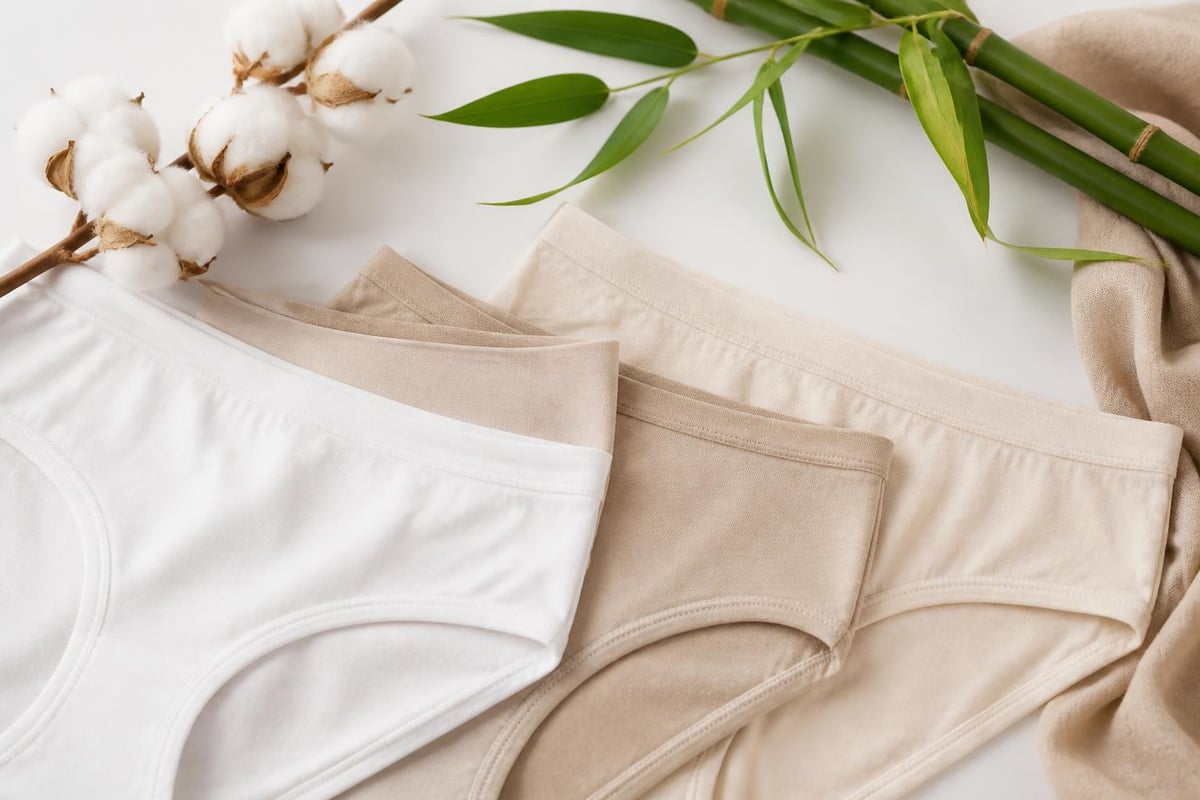
Bamboo-derived fabrics and modal represent the evolution of natural fiber underwear. These materials combine the breathability of cotton with enhanced moisture-wicking capabilities. Modal, made from beech tree pulp, feels silkier than cotton while maintaining similar breathable properties.
| Material | Breathability | Softness | Sustainability | Moisture Management |
|---|---|---|---|---|
| Cotton | Excellent | Good | Moderate | Absorbs but doesn't wick |
| Bamboo | Excellent | Excellent | High | Good wicking |
| Modal | Very Good | Excellent | High | Very good wicking |
Synthetic Materials: Performance and Innovation
Nylon and Polyamide Blends
Nylon has revolutionized panties materials by offering stretch, durability, and a smooth finish that eliminates visible lines. Modern nylon blends provide the foundation for seamless underwear designs that remain invisible under even the tightest activewear or leggings.
The fabric technology behind performance underwear relies heavily on nylon's unique properties. This synthetic fiber:
- Maintains shape through countless wash cycles
- Dries quickly after washing or perspiration
- Creates a smooth surface that prevents chafing
- Allows for seamless construction techniques
At Ambar Wear, nylon blends form the basis of designs that eliminate camel toe issues while providing day-long comfort. The material's flexibility allows for strategic reinforcement in key areas without adding bulk.
Elastane and Spandex: The Stretch Factor
No discussion of modern panties materials would be complete without addressing elastane (also known as spandex or Lycra). This component typically makes up 5-20% of underwear fabric composition, providing the stretch and recovery that allows garments to move with your body.
Elastane contributes:
- Four-way stretch for unrestricted movement
- Shape retention that prevents sagging
- Smooth fit that adapts to body contours
- Durability against repeated stretching
The combination of nylon and elastane creates what many consider the ideal balance for modern underwear. As explained in this analysis of seamless underwear materials, this blend offers both performance and comfort without sacrificing either quality.
Specialty Fabrics for Specific Needs
Microfiber Technology
Microfiber represents one of the most significant advances in panties materials over the past decade. These ultra-fine synthetic fibers create fabric that's incredibly soft, lightweight, and smooth. The tight weave of microfiber produces a surface so fine that it becomes virtually invisible under clothing.
Women seeking solutions for underwear that works with curvy silhouettes often find microfiber blends particularly effective. The fabric hugs curves without cutting in, distributing pressure evenly across the waistband and leg openings.
Ice Silk and Cooling Fabrics
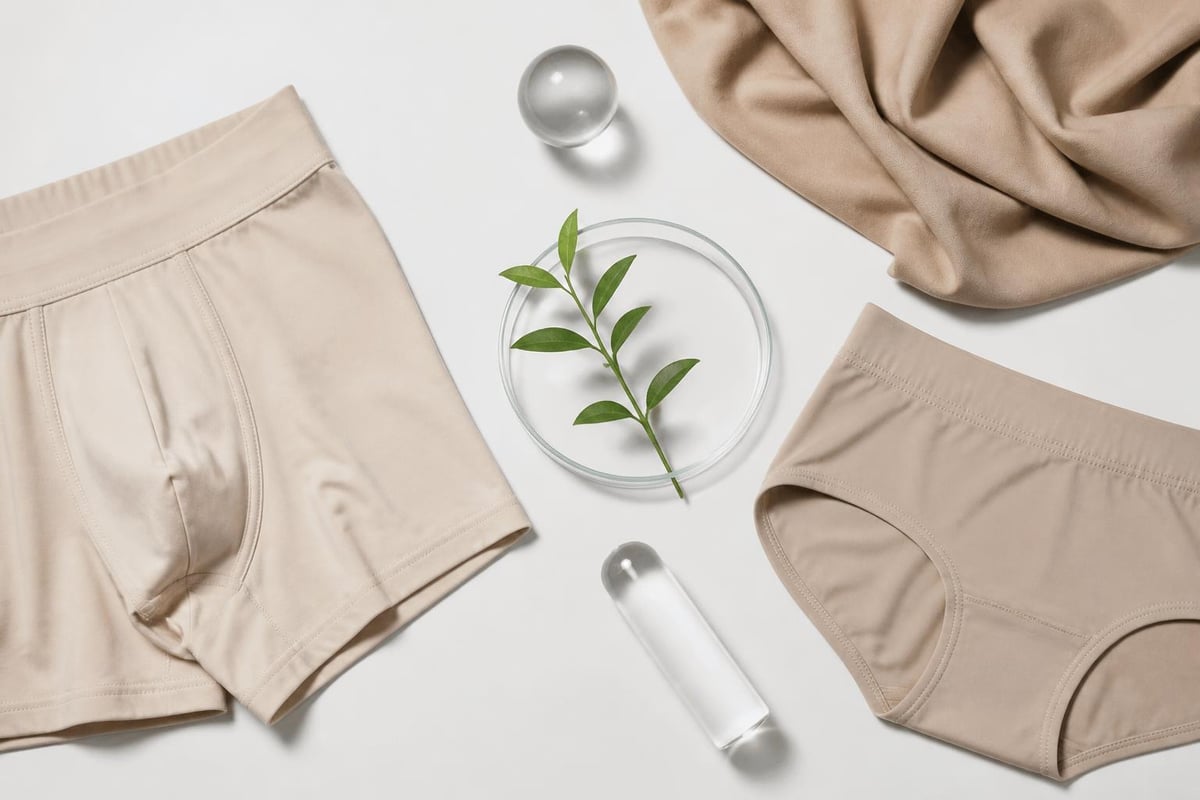
The latest innovation in panties materials comes from cooling technology fabrics, sometimes called "ice silk." These materials incorporate specialized fibers that feel cool to the touch and actively manage heat. The seamless ice silk thong options demonstrate how modern fabric engineering can address comfort challenges in warm weather or high-activity situations.
Lace and Decorative Materials
Beyond Aesthetics
While lace is often associated primarily with appearance, modern lace fabrics serve functional purposes too. Today's lace materials incorporate stretch fibers that maintain the delicate aesthetic while providing necessary support and flexibility.
According to research on lace panty materials, contemporary lace blends typically combine:
- Nylon or polyamide for structure
- Elastane for stretch
- Strategic reinforcement in stress points
- Breathable patterns that enhance airflow
The key consideration with lace panties materials involves balancing decoration with daily wearability. High-quality lace underwear uses soft, flexible lace that won't irritate skin or create uncomfortable texture against clothing.
Health Considerations in Material Selection
Moisture Management and Hygiene
The relationship between panties materials and intimate health cannot be overlooked. Health-focused material analysis emphasizes that the fabric touching your body throughout the day impacts pH balance, moisture levels, and bacterial growth.
Materials ranked by moisture management:
| Ranking | Material | Moisture Wicking | Breathability | Bacterial Resistance |
|---|---|---|---|---|
| 1 | Merino Wool | Excellent | Excellent | Natural antimicrobial |
| 2 | Microfiber Blends | Very Good | Good | Treated options available |
| 3 | Modal | Good | Excellent | Moderate |
| 4 | Cotton | Poor | Excellent | Moderate |
| 5 | Silk | Poor | Good | Low |
For women concerned about hygiene, choosing panties materials with moisture-wicking properties helps maintain a dry, comfortable environment. This becomes particularly important during menstrual cycles, which is why specialized menstrual panties use multi-layer fabric constructions with absorbent cores.
Allergen and Sensitivity Issues
Skin sensitivity to certain panties materials affects more women than commonly acknowledged. Synthetic fabrics can sometimes cause reactions in individuals with chemical sensitivities, while natural fibers might harbor allergens like dust mites.
Common sensitivity triggers include:
- Dyes and fabric treatments
- Elastic compounds in waistbands
- Residual chemicals from manufacturing
- Fabric softeners and detergents
The solution often involves selecting underwear made from hypoallergenic materials with minimal chemical processing. Brands focusing on sensitive skin typically use certified organic cotton or specially treated synthetics that meet stringent safety standards.
Performance Requirements for Active Lifestyles
Athletic Underwear Specifications
Women leading active lifestyles require panties materials that perform under stress. The historical evolution of panties shows how athletic needs have driven material innovation over decades, leading to today's high-performance options.
Athletic underwear demands:
- Quick-dry capabilities - Fabric must release moisture rapidly
- Compression support - Materials should provide gentle support without restriction
- Chafe resistance - Smooth surfaces and flatlock seams prevent friction
- Odor control - Antimicrobial treatments or naturally resistant fibers
The high-rise seamless lifting leggings exemplify how performance fabrics extend beyond underwear to create complete activewear systems. The same material principles apply: moisture management, four-way stretch, and seamless construction.
Seamless Construction Technologies
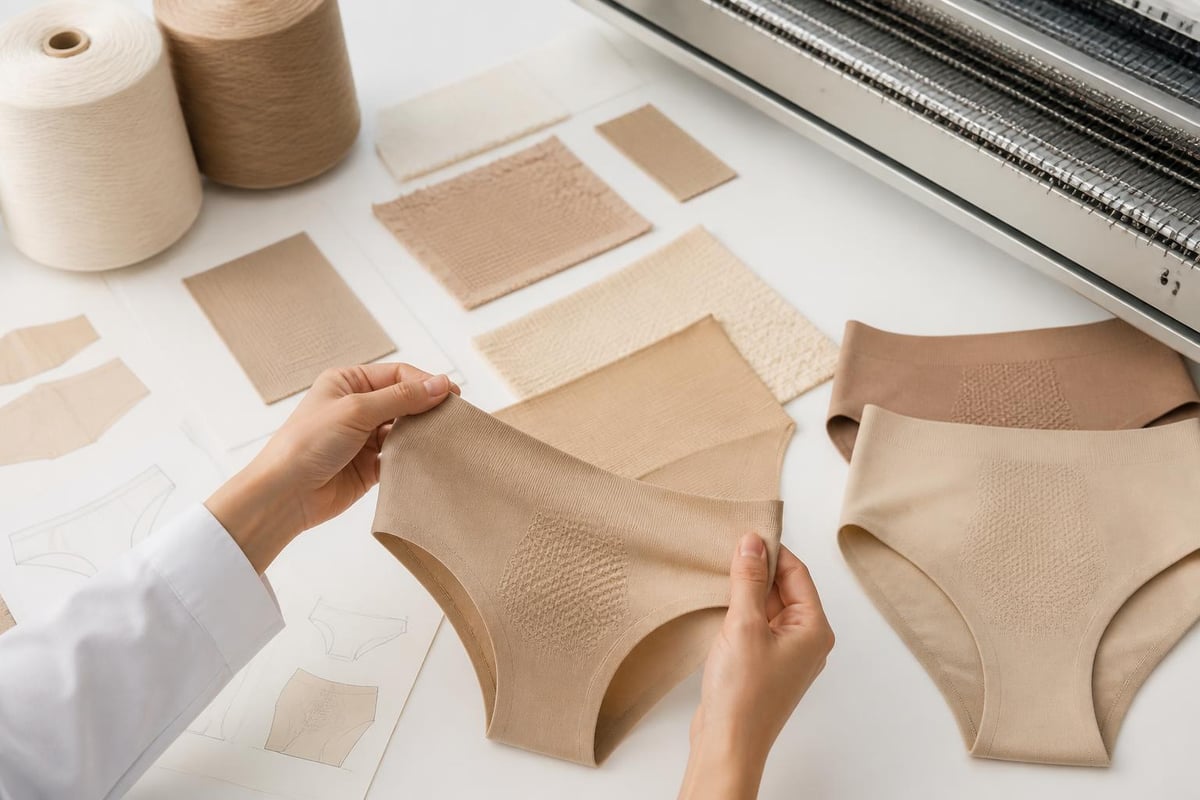
Seamless underwear represents one of the most significant applications of advanced panties materials. This construction method requires fabrics with specific properties:
- Sufficient stretch to be knitted in continuous tubes
- Shape memory to maintain form without seams
- Smooth texture to prevent visible lines
- Durability to withstand stress at transition points
Products like the invisible camel toe thong demonstrate how material selection enables seamless designs that solve specific fit challenges. The fabric must be engineered to provide strategic reinforcement exactly where needed while maintaining overall smoothness.
Durability and Care Considerations
Longevity Factors
The lifespan of your underwear depends heavily on the panties materials used in construction. While initial softness attracts buyers, long-term performance determines value. Synthetic blends generally outlast natural fibers, maintaining shape and elasticity through more wear cycles.
Expected lifespan by material (with proper care):
- Nylon/elastane blends: 1-2 years
- Cotton: 6-12 months
- Microfiber: 1-2 years
- Lace: 6-18 months (varies by construction)
- Modal/bamboo: 1-1.5 years
Understanding care requirements helps maximize the life of your underwear investment. Each material type has specific needs that, when followed, significantly extend wearability. The various fabric types used in modern underwear require different washing approaches.
Maintenance Best Practices
Proper care starts with following manufacturer guidelines, but general principles apply across panties materials:
- Wash in cool water to preserve elastic fibers
- Avoid fabric softeners that coat synthetic fabrics
- Use gentle detergents free from harsh chemicals
- Air dry when possible to prevent heat damage
- Separate delicates from rough fabrics during washing
Many women don't realize that dryer heat is particularly damaging to elastane, the component that gives underwear its stretch. High temperatures break down these fibers, leading to loose waistbands and sagging fit long before the rest of the garment wears out.
Environmental Impact and Sustainability
Eco-Friendly Material Choices
Sustainability concerns increasingly influence panties materials selection. Women in 2026 want underwear that performs well while minimizing environmental harm. This has driven innovation in several areas:
Sustainable options include:
- Organic cotton certified by GOTS standards
- Recycled nylon from post-consumer waste
- Biodegradable modal and bamboo fibers
- Low-impact dyes and finishing processes
The materials and durability of sustainable underwear demonstrate that eco-friendly choices don't require performance compromises. Modern recycled synthetics match or exceed virgin material performance while diverting waste from landfills.
Production Transparency
Conscious consumers want to know not just what panties materials are used, but how they're sourced and processed. Ethical brands provide information about:
- Fiber origin and certification
- Manufacturing facility conditions
- Chemical treatments applied
- Carbon footprint of production
- End-of-life recyclability
This transparency allows informed decisions that align personal values with purchasing choices. As the industry evolves, material traceability becomes increasingly important to environmentally aware consumers.
Matching Materials to Purposes
Building a Versatile Collection
No single material suits every situation, which is why experts recommend maintaining variety in your underwear drawer. Strategic selection of different panties materials creates options for various activities and outfit requirements.
Recommended material mix:
- 40% everyday cotton or modal for regular wear
- 30% seamless synthetics for fitted clothing
- 20% performance blends for athletic activities
- 10% specialty items (lace, period underwear, etc.)
This distribution ensures you have appropriate options whether you're heading to the gym, office, or evening event. The complete collection at Ambar Wear illustrates how different materials serve distinct purposes within a cohesive wardrobe approach.
Seasonal Considerations
Climate and season also influence optimal panties materials selection. Summer heat demands maximum breathability, while winter allows for warmer, moisture-retaining fabrics.
| Season | Recommended Materials | Key Features |
|---|---|---|
| Summer | Cotton, bamboo, ice silk | Maximum breathability, cooling effect |
| Winter | Modal, microfiber blends | Warmth retention, moisture wicking |
| Spring/Fall | Nylon blends, cotton-synthetic mixes | Versatility, temperature regulation |
| Year-round | Seamless synthetics | Adaptable, works under any clothing |
Understanding these patterns helps optimize comfort across changing conditions. Many women maintain separate seasonal rotations, storing off-season underwear to extend its lifespan.
Innovation on the Horizon
Future Material Developments
Research into next-generation panties materials focuses on several promising directions. Scientists and textile engineers are developing fabrics that actively respond to body temperature, adjust compression based on activity level, and incorporate health monitoring capabilities.
Emerging technologies include:
- Phase-change materials that absorb and release heat
- Conductive fibers that enable biometric tracking
- Self-cleaning treatments that break down bacteria
- Enhanced recovery elastics that maintain shape longer
While some innovations remain in development, others are entering the market in 2026. Early adopters can already find underwear incorporating some of these advanced features, though often at premium price points.
Smart Fabric Integration
The intersection of technology and textiles creates "smart" panties materials that do more than passively cover and protect. These fabrics actively contribute to comfort and wellness through embedded functionality that works at the molecular level.
Whether these innovations become mainstream depends on cost reduction and consumer acceptance. However, the trajectory clearly points toward increasingly sophisticated material engineering in even the most basic garment category.
Selecting the right panties materials transforms your daily comfort and confidence. Understanding fabric properties helps you make informed choices that match your lifestyle, body type, and specific needs. Ambar Wear applies this material science to create seamless, comfortable undergarments that eliminate common fit issues like camel toe and panty lines, using carefully selected fabric blends that balance performance, comfort, and durability for women of all body types.