

Finding underwear that offers genuine comfort throughout the day remains one of the most common challenges women face in 2026. A proper panties fit doesn't just prevent visible lines or uncomfortable bunching-it fundamentally changes how confident you feel in your clothing. Whether you're selecting everyday basics or specialty undergarments designed to address specific concerns like camel toe prevention, understanding the elements that contribute to ideal fit ensures you invest in pieces that truly work for your unique body shape. The right fit eliminates constant adjusting, prevents irritation, and provides seamless support that moves with you rather than against you.
Understanding Body Measurements for Perfect Fit
Accurate measurements form the foundation of achieving optimal panties fit. Many women continue wearing incorrect sizes simply because they've never properly measured themselves or rely on outdated measurements from years past.
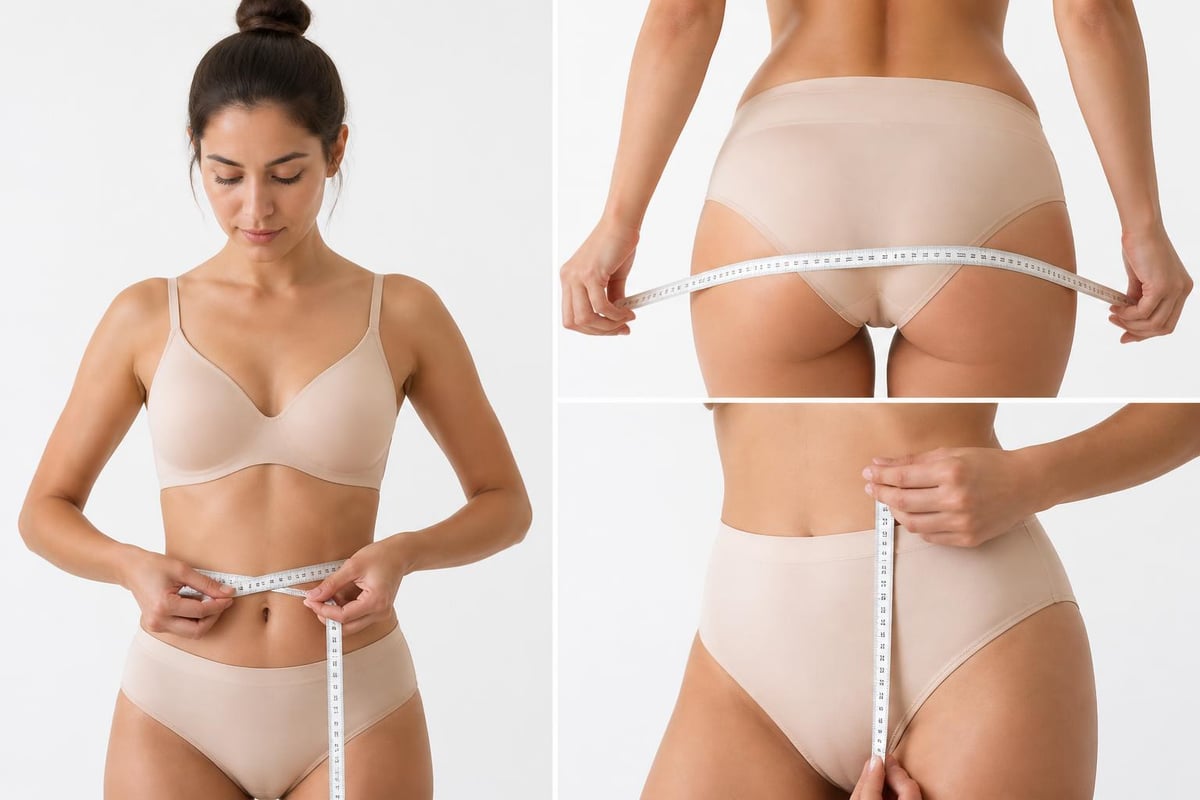
Taking Precise Hip and Waist Measurements
Start by using a flexible measuring tape and standing in front of a mirror to ensure the tape stays level around your body. For hip measurements, wrap the tape around the fullest part of your buttocks, typically about seven to nine inches below your natural waistline. Keep the tape snug but not tight-you should be able to slide one finger underneath comfortably.
Your waist measurement differs from where pants typically sit. Find your natural waist by bending to the side; the crease that forms indicates your true waistline. This measurement matters particularly for high-rise styles that extend above the hip bones.
The comprehensive measurement approach outlined by Dimoda emphasizes measuring both dimensions without clothing to ensure accuracy. Many women discover their measurements have shifted over time due to natural body changes, making regular re-measuring essential for maintaining proper panties fit.
| Measurement Point | How to Measure | Common Mistakes |
|---|---|---|
| Natural Waist | Bend sideways, measure at crease | Measuring at belly button instead |
| Hips | Fullest part of buttocks | Measuring too high near hip bones |
| Rise Preference | Pubic bone to waistband | Not accounting for body proportions |
Converting Measurements to Sizes
Once you have accurate measurements, consult size charts specific to each brand since sizing varies considerably across manufacturers. The detailed size chart from La Vie en Rose demonstrates how even half-inch differences can shift you between sizes.
If your measurements fall between two sizes, consider these factors:
- Fabric stretch: High-stretch materials accommodate size variations better
- Style cut: Thongs and bikinis typically run smaller than boyshorts
- Personal preference: Some prefer snugger fits while others want more ease
- Body shape: Weight distribution affects how sizes translate to actual fit
The Ambar Wear size chart provides brand-specific guidance that accounts for the unique construction of seamless, anti-camel toe designs.
How Different Styles Impact Fit
Panty styles aren't just about aesthetics-each design fundamentally changes how fabric sits against your body and affects overall panties fit throughout the day.
Rise Height and Body Proportions
Rise refers to the distance between the crotch seam and the waistband. This single measurement dramatically influences comfort, coverage, and how well underwear stays in place during movement.
Low-rise styles sit several inches below the natural waist, making them ideal for low-cut pants and skirts. However, they require precise sizing since there's minimal fabric to anchor them in place. Women with longer torsos often find low-rise options don't provide adequate coverage, while those with shorter torsos may discover they create unwanted pressure points.
Mid-rise designs typically land just below the belly button, offering versatility for most outfit types. This rise height works well for average body proportions and provides better stay-put security than low-rise without the full coverage of high-rise options.
High-rise panties extend to or above the natural waist, providing maximum coverage and support. These styles particularly benefit women seeking tummy control or those who prefer not to feel exposed. The comprehensive panties guide from Journelle explores how rise affects both fit and function across body types.
Coverage Levels and Comfort Zones
Different coverage amounts serve distinct purposes and comfort preferences:
- Thong styles minimize visible lines but require proper sizing to avoid digging
- Bikini cuts balance moderate coverage with a flattering leg line
- Boyshorts provide full coverage and work well for athletic activities
- Brief styles offer maximum coverage and often include tummy control features
The underwear collection at Ambar Wear showcases how specialized construction techniques create comfortable fits across these various coverage levels while addressing common concerns.
Fabric Selection and Stretch Considerations
Material composition affects panties fit just as significantly as size selection. The wrong fabric can transform perfectly sized underwear into uncomfortable, poorly fitting garments.
Natural Versus Synthetic Fibers
Cotton remains popular for its breathability and hypoallergenic properties, but it offers minimal stretch compared to modern synthetic blends. Pure cotton panties require more precise sizing since they won't conform to your body as readily as stretch fabrics.
Microfiber blends combine softness with excellent stretch recovery, meaning they return to their original shape after wearing and washing. These materials create that second-skin feel many women prefer while maintaining proper panties fit through multiple wears.
Modal and bamboo fabrics provide eco-friendly alternatives with natural stretch properties and moisture-wicking capabilities. They drape smoothly against skin without clinging or bunching.
Seamless Construction Advantages
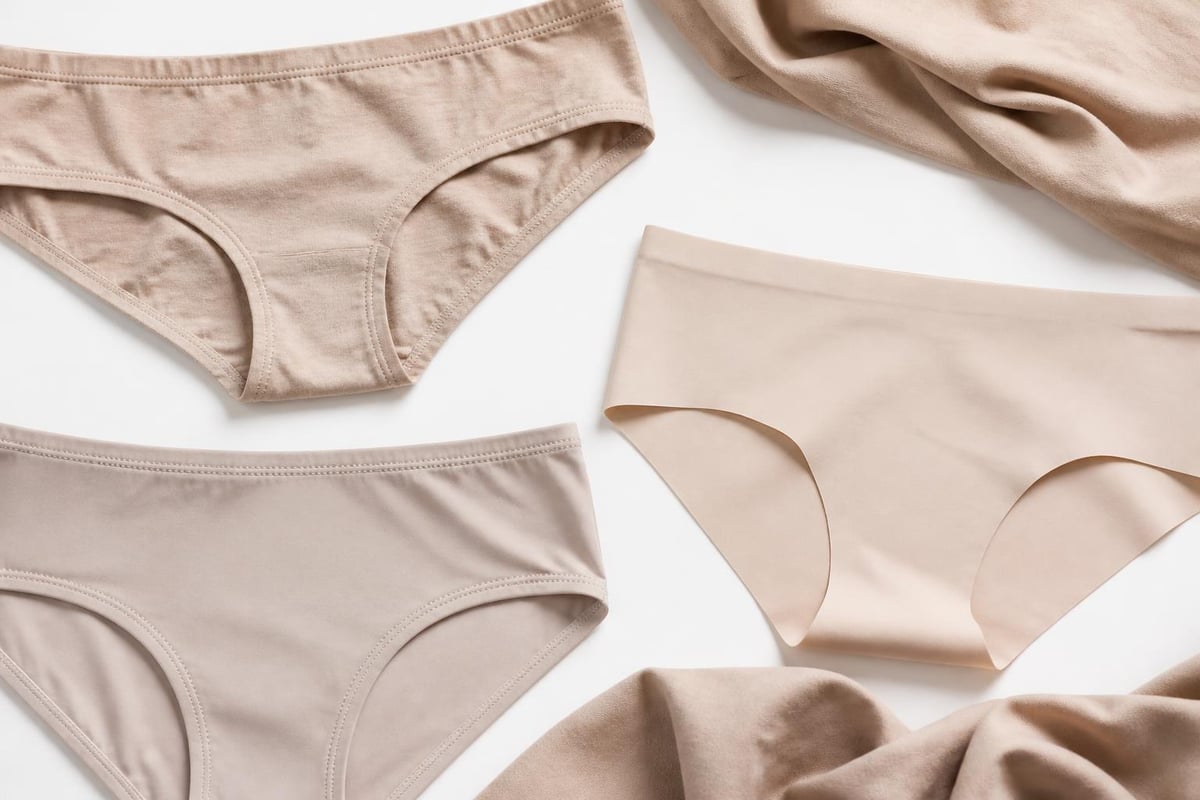
Seamless underwear eliminates the ridges and edges that create visible lines through clothing. Beyond aesthetics, seamless construction improves panties fit by:
- Reducing pressure points that cause discomfort
- Distributing tension evenly across the entire garment
- Preventing fabric migration and rolling
- Creating smoother transitions at leg openings and waistbands
The specialized seamless designs from Ambar Wear demonstrate how advanced construction techniques solve traditional fit problems while maintaining comfort.
Common Fit Problems and Solutions
Even with proper measurements and size selection, certain fit issues persist across many women's experiences with underwear. Understanding the root causes helps you select styles that naturally avoid these problems.
Addressing Riding Up and Rolling Down
Panties that constantly ride up typically indicate one of several issues. The leg openings may be cut too high for your body proportions, the elastic has lost its integrity, or the overall size runs too small. Conversely, waistbands that roll down suggest the opposite-either the size runs too large or the rise height doesn't match your torso length.
Quick fixes include:
- Choosing styles with wider elastic bands that distribute pressure more evenly
- Selecting fabrics with better shape retention properties
- Ensuring proper size selection based on current measurements
- Trying different rise heights to match your body proportions
Preventing Visible Lines and Bunching
Visible panty lines (VPL) occur when underwear edges create ridges visible through outer clothing. Bunching happens when excess fabric gathers in areas where it shouldn't, creating bulges and discomfort.
| Problem | Cause | Solution |
|---|---|---|
| VPL | Thick seams, wrong size | Seamless styles, proper sizing |
| Bunching | Too much fabric, poor cut | Better fit, different style |
| Digging elastic | Too tight, worn out | Size up, replace regularly |
| Gapping waistband | Wrong rise, too large | Different rise, size down |
The video tutorial on proper panty sizing provides visual demonstrations that help identify these common issues and their corrections.
Eliminating Camel Toe Concerns
Camel toe occurs when underwear fabric gets pulled into the natural contours of the body, creating an unflattering and uncomfortable visible outline. This issue relates directly to panties fit-both sizing and design elements contribute to whether this problem occurs.
Design features that prevent camel toe include:
- Reinforced center panels that maintain fabric position
- Strategic seam placement that avoids center gathering
- Appropriate fabric thickness that doesn't compress excessively
- Proper rise height that doesn't create downward tension
The anti-camel toe underwear guide explains how specialized construction techniques address this common concern without sacrificing comfort or style.
Special Considerations for Different Body Types
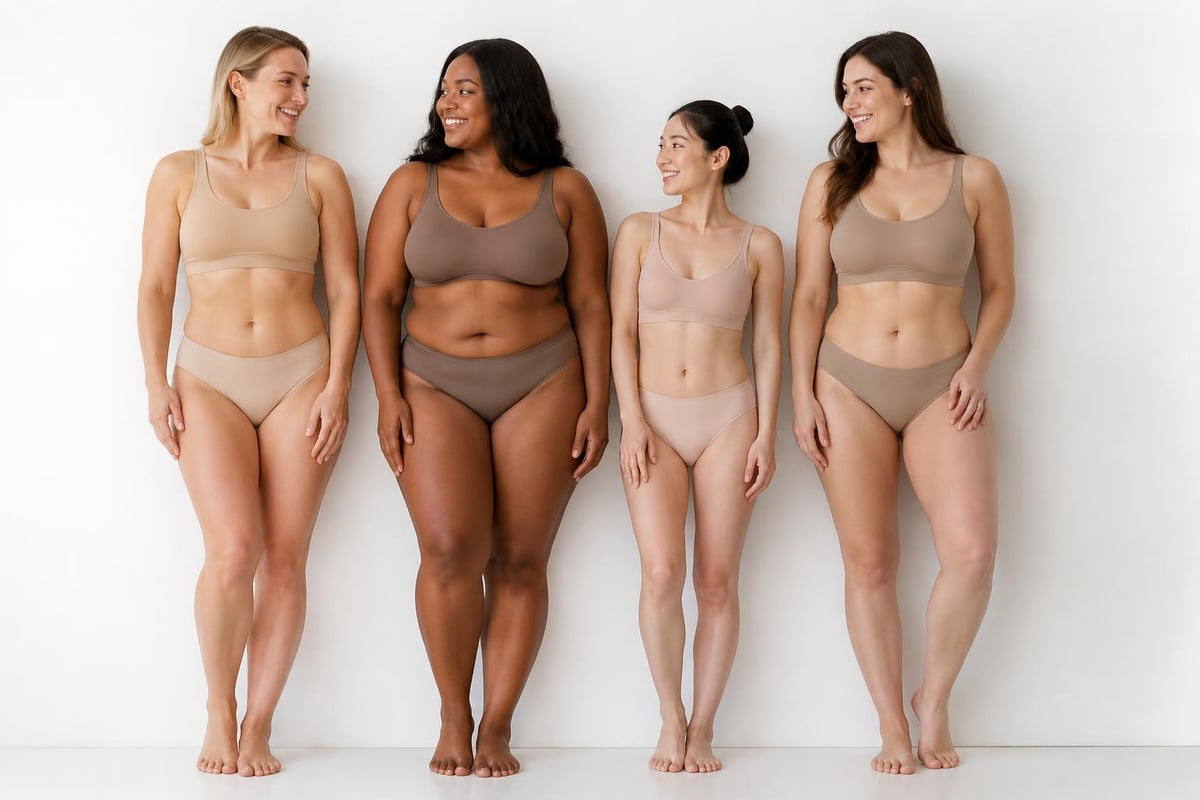
Body diversity means universal panties fit doesn't exist-what works perfectly for one woman may fail completely for another with different proportions, even at the same general size.
Curvy and Plus-Size Fit Requirements
Women with curvier figures often need additional considerations beyond standard sizing. Fuller hips require cuts that accommodate curves without creating pressure lines, while thigh circumference affects leg opening comfort.
The Smart and Sexy fit guide offers specific guidance for measuring and selecting styles that work with fuller figures rather than against them. Key considerations include:
- Higher cotton content for breathability in areas where skin touches skin
- Wider side panels that don't dig into hip areas
- Reinforced construction that maintains shape under stress
- Strategic design elements that smooth rather than compress
The underwear guide for curvy women from Ambar Wear addresses these specific needs with designs that celebrate curves while providing genuine comfort.
Athletic and Petite Body Considerations
Athletic builds with less hip-to-waist differential face different challenges. Standard cuts often gap at the waist while fitting correctly at the hips, or vice versa. Petite frames require proportionally adjusted rise heights since standard measurements create excessive fabric bulk.
Solutions for athletic builds:
- Seek styles with minimal waist elastic that won't gap
- Choose boy short cuts that work with straighter hip lines
- Consider size selection based on hip measurement primarily
- Look for adjustable or flexible waistband designs
Solutions for petite frames:
- Specifically seek petite-sized lines when available
- Choose low or mid-rise to avoid excess rise length
- Avoid styles with excessive leg coverage that overwhelms smaller frames
- Focus on brands known for running smaller or offering petite options
Maintaining Proper Fit Over Time
Even perfectly fitted underwear loses its ideal panties fit eventually. Understanding garment care and replacement timing ensures consistent comfort.
Washing and Care for Longevity
Elastic fibers degrade with heat exposure, making dryer usage the primary enemy of long-lasting fit. Air-drying extends elastic life significantly-underwear that maintains proper tension for six months with dryer use might last eighteen months or longer when air-dried.
Best practices include:
- Washing in cool or warm water rather than hot
- Using gentle cycles or hand-washing delicate pieces
- Avoiding fabric softeners that coat fibers and reduce stretch
- Storing flat or loosely folded rather than tightly compressed
Recognizing Replacement Signs
Even with excellent care, all underwear eventually needs replacement. Signs that panties fit has deteriorated include:
- Waistband elastic that no longer snaps back when stretched
- Visible thinning of fabric, especially in friction areas
- Loss of original shape even after washing
- Persistent rolling, riding, or shifting during normal activities
Most women should plan on replacing everyday underwear every six to twelve months depending on rotation size and care practices. Having a larger rotation means each piece experiences less frequent wearing and washing, extending overall lifespan.
Seasonal and Activity-Based Fit Adjustments
Your ideal panties fit might vary depending on activities and environmental conditions, making it valuable to maintain different options for different situations.
Hot Weather and Moisture Management
Summer heat and humidity create unique fit challenges. Moisture from perspiration can cause fabric to cling uncomfortably or shift position. Breathable materials become essential, and seamless construction prevents irritation when skin becomes more sensitive from heat exposure.
The activewear collection demonstrates how performance fabrics address moisture management while maintaining proper fit during high-heat conditions or intense physical activity.
Exercise and Movement Requirements
Athletic activities demand underwear that maintains position through dynamic movement. Running, yoga, cycling, and other exercises each create different fit requirements:
| Activity | Fit Priority | Recommended Features |
|---|---|---|
| Running | No shifting | High compression, secure waistband |
| Yoga | Flexibility | Stretch fabric, seamless construction |
| Cycling | No bunching | Flat seams, anatomical cut |
| Weight Training | Support | Reinforced construction, stay-put design |
Proper panties fit during exercise prevents chafing, eliminates distractions from constant adjusting, and supports confident movement through full range of motion.
Professional Fitting Services and Resources
While self-measurement works well for many women, professional fitting services provide valuable expertise, particularly when navigating size changes or trying new brands.
When to Seek Professional Assistance
Consider professional fitting help when you experience persistent fit problems despite trying multiple sizes, when your body has undergone significant changes, or when investing in higher-end intimate apparel where proper fit maximizes your investment.
Many specialty retailers offer complimentary fitting services, and the expertise gained from a single professional fitting often translates to better self-selection going forward. These specialists understand how different brands size their products and can quickly identify which styles work best for your specific proportions.
Online Resources and Virtual Tools
Technology has created new fitting resources beyond traditional in-person services. Virtual fitting tools use algorithms to suggest sizes based on inputted measurements, while online communities provide peer reviews about how specific styles fit various body types.
The guidance from Triumph combines measurement instructions with fit advice applicable across multiple garment categories, helping women understand how proper fit principles apply universally.
Achieving perfect panties fit requires understanding your measurements, body proportions, fabric behaviors, and style variations that affect how underwear performs throughout the day. When you invest time in proper sizing and selection, the payoff appears in consistent comfort, confidence, and garments that enhance rather than detract from your daily experience. Ambar Wear specializes in seamless, innovative designs that address the specific fit challenges women face most frequently, from camel toe prevention to invisible lines, ensuring you find undergarments engineered for your actual needs rather than generic sizing standards.