

Are you team panties or team thongs? The debate over panties and thongs is more lively than ever in 2026. Whether you’re searching for all-day comfort, a seamless look, or a bold fashion statement, choosing the right underwear can feel overwhelming.
This guide compares panties and thongs with expert insights on style, comfort, and health. You’ll discover clear definitions, pros and cons, cutting-edge trends, the science of comfort, health essentials, and tips for finding your perfect fit.
Get ready to explore everything you need to know about panties and thongs so you can make confident, comfortable choices every day.
Panties vs. Thongs: Definitions and Key Differences
Choosing between panties and thongs can feel like a personal style statement as much as a comfort decision. Understanding what sets these options apart is the first step to finding your perfect match. Let’s break down the essentials of panties and thongs, compare their core features, and explore when each shines.
What Are Panties?
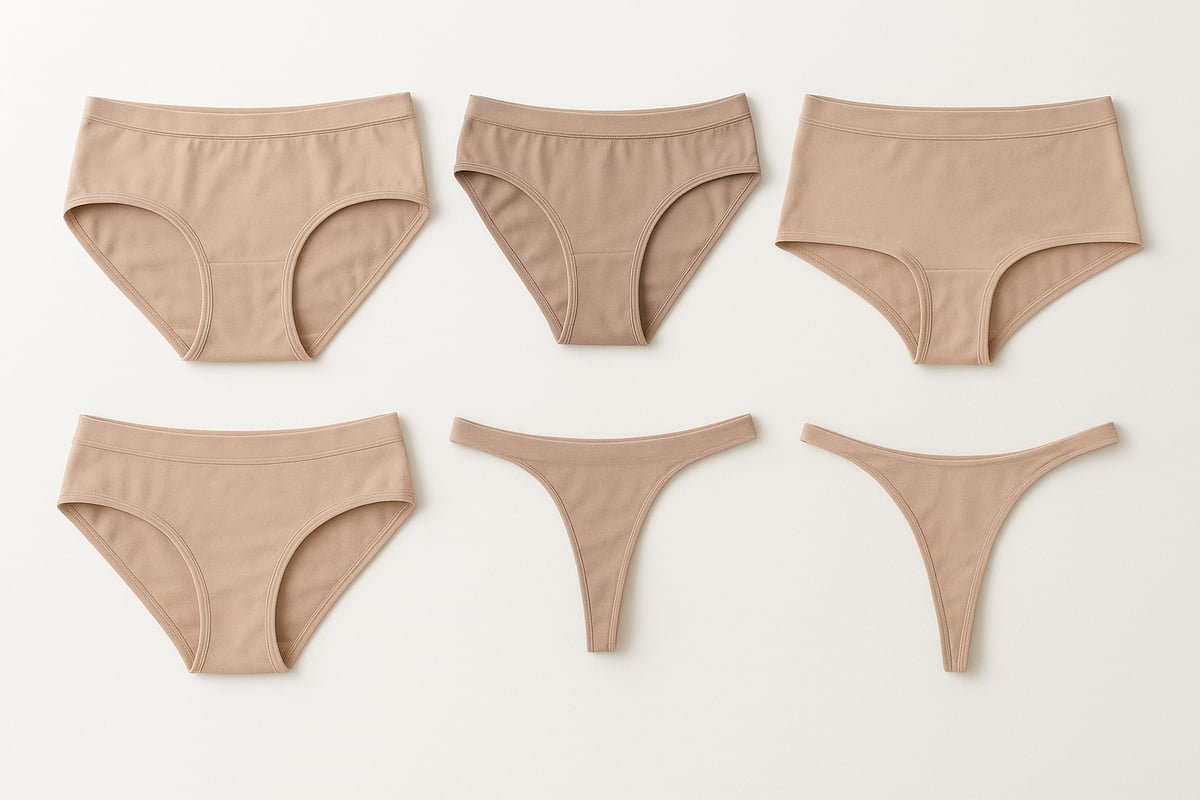
Panties are the umbrella term for women’s underwear, designed for moderate to full coverage. They come in a variety of cuts, such as briefs, bikinis, and boyshorts, offering options for every preference and body type. Materials range from classic cotton to soft microfiber and delicate lace, each with unique benefits for comfort and breathability.
Most panties cover the hips and backside, making them a staple for daily wear. They are often chosen for their ability to provide modesty and a sense of security. With so many styles and fabrics available, panties and thongs offer endless possibilities for mixing comfort with personal expression.
What Are Thongs?
Thongs are a distinct subset of panties, known for their minimal rear coverage and sleek design. The defining feature is a narrow strip of fabric at the back, which helps eliminate visible panty lines under fitted clothing. Thongs are popular for wear with leggings, dresses, or any outfit where discretion is key.
There are several types of thongs, including the classic thong, G-string, and V-string, each offering a different level of minimalism. Thongs are often seen as both functional and fashion-forward, appealing to those who want a bold, sexy look. For a deeper dive into styles and fit, see this Thong Underwear for Women guide.
Core Design Differences
The biggest design difference between panties and thongs is in coverage. Panties provide full or moderate coverage, while thongs focus on minimal fabric at the back. Waistbands and side straps also vary, with thongs often featuring thinner sides for a seamless appearance.
| Feature | Panties | Thongs |
|---|---|---|
| Coverage | Full/moderate | Minimal |
| Waistband | Wide/narrow | Usually thin |
| VPL (panty lines) | Possible | Eliminated |
| Fabric Placement | Full around hips/back | Minimal at back |
Panties and thongs both impact outfit choices. Panties work well under looser clothing, while thongs excel under body-hugging styles where invisibility is a priority.
Usage and Occasion Comparison
When it comes to daily use, panties and thongs each have devoted fans. Panties are often chosen for everyday comfort, especially for work, lounging, or casual outings. Thongs, on the other hand, are favored for special occasions, athletic wear, or whenever a seamless look is needed.
Surveys show a near-even split in preference, with many women switching between styles based on their outfit or activity. Some cite psychological comfort and modesty as reasons to stick with panties, while others feel more confident and free in thongs. Social trends and cultural influences also play a role in shaping how panties and thongs fit into modern wardrobes.
Style Guide 2026: Trends, Fabrics, and Aesthetics
Fashion in 2026 is all about individuality, comfort, and technological advances, especially when it comes to panties and thongs. Women are embracing a broader spectrum of styles, fabrics, and fits, with brands responding to the demand for both visual appeal and all-day wearability. Let’s dive into the trends that are shaping the world of panties and thongs this year.
Panties: Evolving Styles and Fabric Innovations
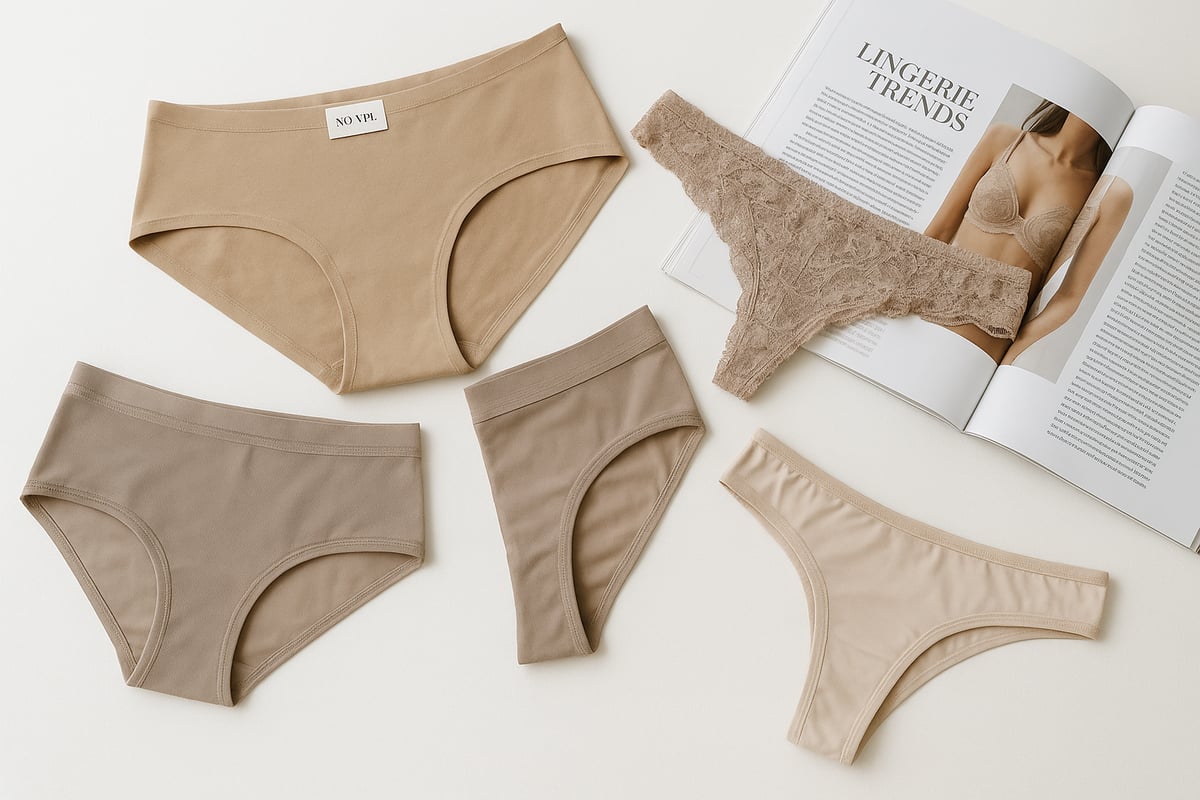
Panties and thongs are at the forefront of intimate fashion, but panties offer the widest range of options in 2026. High-rise cuts are making a comeback, offering both retro charm and practical coverage. Seamless panties are now a staple, delivering invisible lines under clothing and greater comfort for daily wear.
Sustainability is a major theme, with organic cotton and recycled synthetics leading the way. Popular cuts include briefs for support, bikinis for versatility, and boyshorts for maximum comfort. New moisture-wicking materials keep you dry, while body-positive campaigns encourage brands to launch inclusive sizing and bold prints.
Major labels like Victoria’s Secret have responded by releasing collections with enhanced fits, vibrant colors, and innovative lace details. Panties and thongs benefit from these advances, but panties in particular have become a fashion statement, blending function and flair for every preference.
Thongs: Modern Designs and Fashion Statements
Thongs have transformed into a symbol of both fashion and practicality. The latest panties and thongs trends highlight ultra-thin edges and high-leg designs, making thongs a top pick for those seeking minimal lines and maximum style impact. Classic thongs remain popular, but G-strings and V-strings are gaining traction for their barely-there feel.
Materials like ice silk and mesh are trending, offering a cooling sensation and a sleek, barely-there fit. Thongs now come in a rainbow of colors and playful patterns, moving beyond basic neutrals. Influencers and celebrities frequently showcase new thong styles in their social feeds, helping normalize their use for everyday wear.
Major lingerie brands are pushing the boundaries with seamless blends and invisible finishes. For many, panties and thongs are no longer just about function, but about expressing confidence and embracing bold looks.
Style Matching: Outfits and Occasions
Matching panties and thongs to your outfit is easier than ever with the variety available in 2026. Panties work well with relaxed jeans, flowing dresses, or casual skirts, providing comfort and coverage for everyday activities. Thongs are the go-to for leggings, bodycon dresses, or any attire where avoiding underwear lines is key.
Here’s a quick style guide:
| Outfit Type | Best Underwear Style | Tips |
|---|---|---|
| Leggings | Thongs | Opt for seamless, nude colors |
| Jeans | Panties | Choose soft waistbands, avoid bulk |
| Dresses (Tight) | Thongs | Invisible edges prevent lines |
| Skirts (Loose) | Panties | Boyshorts or bikinis for comfort |
Coordinate colors to your clothing for a smooth, discreet look. Textured fabrics work best under thicker materials, while seamless panties and thongs excel under form-fitting pieces. With so many choices, panties and thongs can be tailored to every occasion and wardrobe need.
The Role of Seamless Underwear in 2026
Seamless designs are revolutionizing panties and thongs, offering true invisibility and next-level comfort. Demand for seamless underwear is at an all-time high, with shoppers prioritizing smooth finishes that disappear under clothing. Anti-camel-toe features and no visible panty line technology are now standard in many collections.
Seamless panties and thongs deliver benefits like enhanced mobility, sweat-wicking, and supportive fits. Popular styles include laser-cut edges and ultra-lightweight fabrics. For a deeper dive into how seamless underwear is reshaping the market, check out this Seamless Underwear Guide, which highlights the latest innovations and how they boost confidence in any outfit.
Seamless options are perfect for both active lifestyles and fashion-forward wardrobes. As the line between comfort and style continues to blur, panties and thongs in seamless designs are setting the standard for 2026.
Comfort Showdown: Fit, Feel, and Everyday Experience
Choosing between panties and thongs often comes down to personal comfort and daily needs. Both styles offer unique benefits and challenges for women looking to balance fit, feel, and function.
Panties: Comfort Factors and Common Issues
Panties and thongs serve different comfort needs, but panties remain a go-to for many women seeking support and softness. The best panties are designed with breathability in mind, often using cotton or moisture-wicking fabrics to keep you comfortable all day. Panties usually offer moderate to full coverage, which helps prevent chafing and keeps sensitive areas protected.
A common advantage of panties is their ability to stay in place during movement. This makes them ideal for everyday activities, from running errands to lounging at home. However, some women experience issues such as bunching or rolling, especially if the fit is not quite right for their body shape. Visible panty lines can also be a problem, particularly under tighter outfits.
Material choice plays a key role in comfort. Cotton panties are gentle on the skin and highly breathable, while synthetics may trap heat but offer a sleeker look. Panties and thongs both come in various cuts, but panties provide more options for women with different body types. Competitor reviews often highlight that the right pair of panties can be worn all day without discomfort, as long as the fit is tailored to the individual.
For women who struggle with irritation or lines, seamless or laser-cut panties offer a solution. These styles eliminate bulky seams and reduce friction, making panties and thongs more comfortable for sensitive skin. Ultimately, panties excel in providing a secure, modest feel that many women prefer for daily wear.
Thongs: Comfort Myths and Realities
Thongs are often misunderstood when it comes to comfort. Many assume that panties and thongs are at opposite ends of the comfort spectrum, but modern thong designs have changed this perception. Advances in fabric technology, like seamless construction and ultra-soft blends, have made thongs far more wearable for everyday use.
A big myth is that all thongs cause discomfort or constant wedgies. In reality, a well-fitted thong can feel almost invisible, offering freedom of movement and eliminating bunching under clothing. There is usually a brief adjustment period for those new to thongs, but most women report that the minimal coverage becomes unnoticeable after a few wears.
Complaints about irritation or shifting often stem from poor fit or low-quality materials. Choosing thongs made with breathable, stretchy fabrics can minimize these issues. Many women actually find that thongs provide a smoother silhouette, especially under leggings or dresses, and avoid visible panty lines altogether.
User testimonials and expert advice emphasize that panties and thongs each have their place, and comfort is subjective. For a deeper dive into the advantages of thong underwear, check out the Benefits of Wearing a Thong. With the right fit and material, thongs can be just as comfortable as panties, making them a popular choice for both everyday wear and special occasions.
Seamless Comfort Solutions: Spotlight on Ambar Wear
The quest for ultimate comfort in panties and thongs has led to innovative solutions like those from Ambar Wear. This brand focuses on seamless underwear that tackles common issues such as camel toe, visible lines, and discomfort during movement. Ambar Wear’s designs use sweat-wicking fabrics and supportive fits to keep you feeling fresh throughout the day.
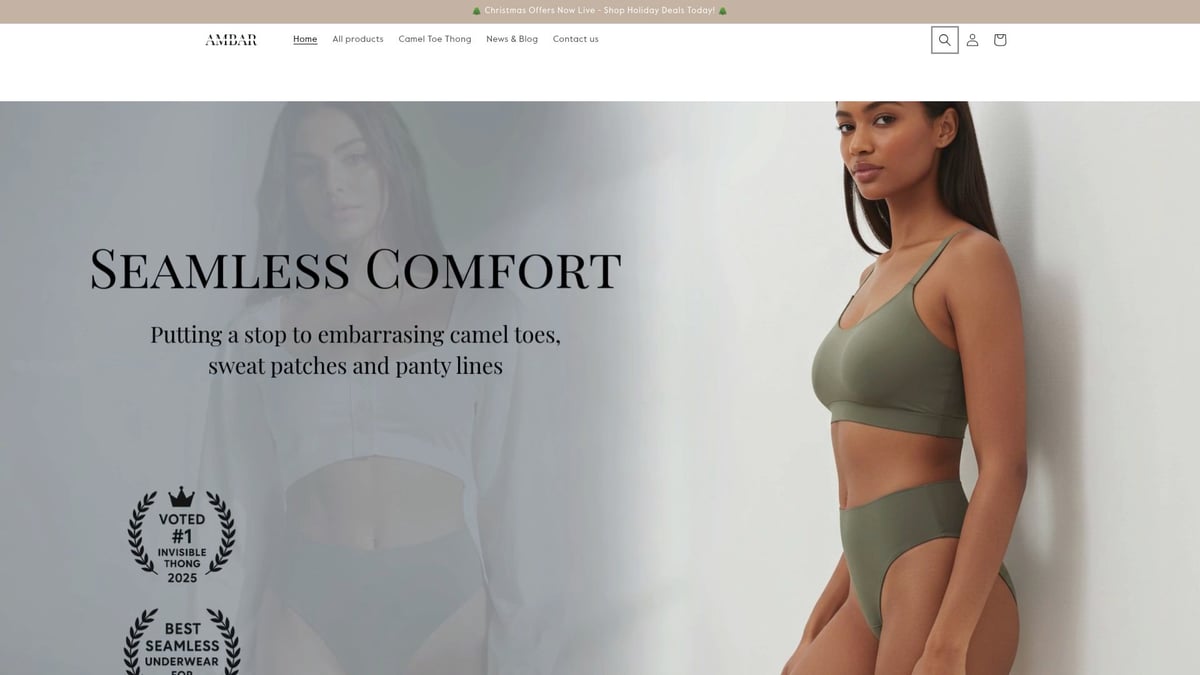
Unique features like anti-camel-toe panels and no-VPL technology set these panties and thongs apart. The Invisible Camel Toe Thong and Seamless Ice Silk Thong are favorites for their barely-there feel and flexibility. Tummy control options offer added support for women looking for a smooth, sculpted silhouette.
Customer feedback consistently highlights the comfort and confidence boost provided by Ambar Wear products. Women who are active, wear tight clothing, or simply want underwear they can forget about during the day find these seamless styles especially appealing. By blending innovation with everyday practicality, Ambar Wear is helping redefine what comfort means in panties and thongs for 2026.
Health and Hygiene: What You Need to Know
Choosing the right panties and thongs is about more than just style or comfort. Health and hygiene are crucial factors every woman should consider. Let’s break down what you need to know to keep your intimate routine safe, fresh, and worry-free.
Health Considerations for Panties
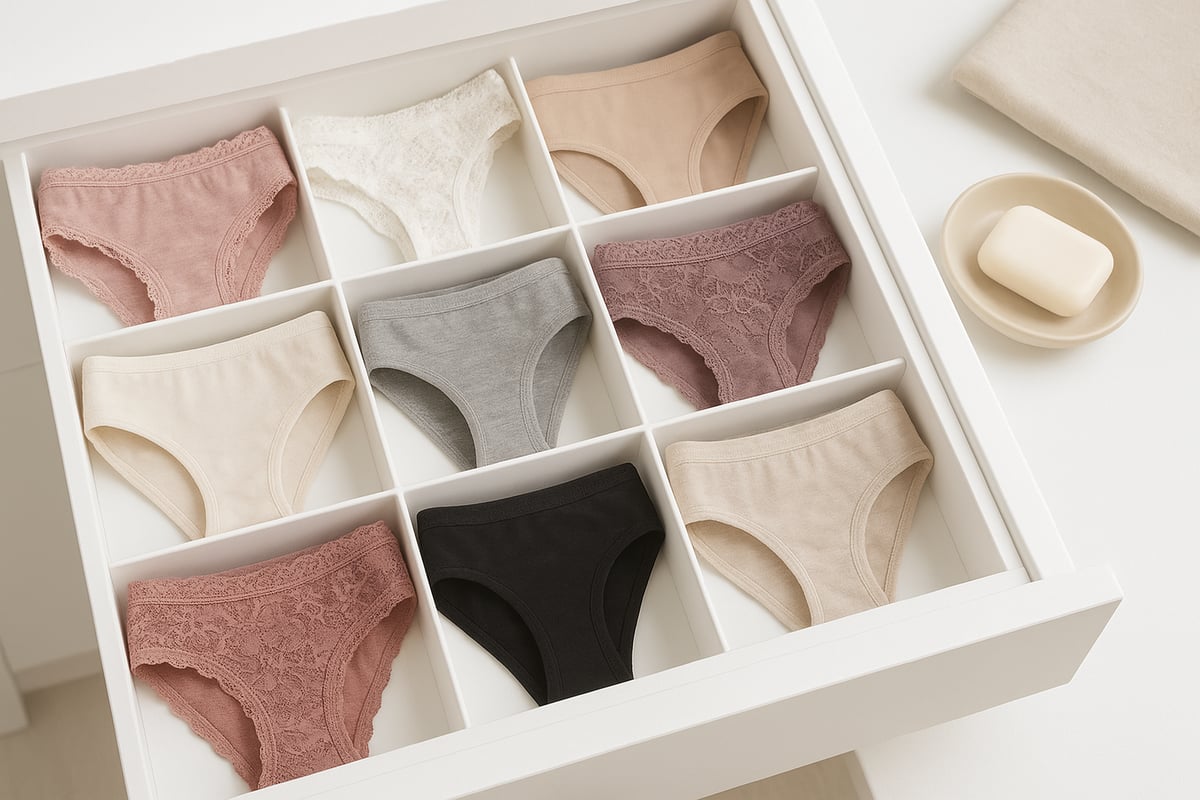
Panties and thongs are not just fashion statements, they can impact your health. For panties, breathability is key. Cotton panties are often recommended because they allow airflow, helping to keep the vaginal area dry and comfortable. This reduces the risk of irritation, yeast infections, and bacterial growth.
Synthetic fabrics may trap moisture, increasing the chance of discomfort. Many women find that panties provide a protective barrier against chafing and external irritants, especially during physical activity. However, tight or poorly fitted panties can cause friction or bunching, leading to redness or even small abrasions.
To minimize issues, choose panties that fit well and are made from natural fibers. For those with sensitive skin, hypoallergenic options or seamless designs can help. Experts advise changing panties daily and after exercise to prevent moisture buildup. For more insights into how underwear material affects vaginal health, check out this Impact of Underwear on Vaginal Health resource from the Cleveland Clinic.
When shopping for panties and thongs, consider your body’s needs first. Prioritize softness, breathability, and a fit that stays in place without digging into your skin.
Health Considerations for Thongs
Panties and thongs each come with unique benefits and concerns. Thongs are popular for their minimal lines, but some worry about irritation or infection risk. The good news is, studies show that wearing thongs does not necessarily increase the likelihood of urogenital infections if you choose the right material and fit.
Irritation or chafing can occur if thongs are too tight or if the fabric is rough. Look for thongs made from soft, breathable materials and avoid wearing them for extended periods if you are prone to irritation. During times of infection or heavy activity, many health professionals suggest switching to panties temporarily.
Proper hygiene is essential. Wash your panties and thongs thoroughly and replace them regularly. If you notice discomfort, try a different style or size. Remember, panties and thongs should never feel restrictive or cause pain. Listen to your body and adjust as needed.
Hygiene Best Practices for All Underwear
No matter your preference, clean panties and thongs are essential for good health. Change your underwear daily and always after workouts or sweating. Choose moisture-wicking and breathable fabrics to help maintain a healthy environment.
Avoid underwear that is too tight, as it can trap heat and moisture. For those with active lifestyles, seamless panties and thongs can reduce friction and stay invisible under clothing. Wash your underwear in gentle detergents to prevent skin irritation and extend their lifespan.
A little care goes a long way in keeping your panties and thongs fresh, comfortable, and safe.
Expert and User Perspectives
Experts agree that the right panties and thongs are those that support your individual needs. Gynecologists recommend breathable fabrics and daily changes. Dermatologists point out that avoiding harsh detergents can help prevent rashes.
Many women share that their choice of panties and thongs depends on comfort, activity, and outfit. Surveys show that most prioritize health and hygiene over trends. Myths about thongs being “unhealthy” are often overstated, provided you follow good hygiene and listen to your body.
Your health comes first, so make choices based on what feels best for you.
Choosing the Right Underwear for Your Lifestyle
Finding your perfect pair of panties and thongs is more than just picking what looks cute in a drawer. Your daily life, comfort preferences, and even your values play a big role in choosing underwear that truly works for you. Let’s break down the key steps to make your selection both smart and stylish.
Assessing Your Needs: Key Questions to Ask
Start by reflecting on your daily routine. Do you spend long hours at work, hit the gym, or lounge at home? Your activities directly impact whether panties and thongs will deliver the most comfort.
Think about your wardrobe. Tight jeans, business skirts, or flowy dresses all interact differently with underwear styles. Some women prefer panties and thongs with seamless edges to avoid visible lines under fitted clothing.
Personal comfort is another top priority. Consider sensitivities to certain fabrics, as well as your body type. The fit of panties and thongs can change based on curves, muscle tone, and even height.
Also, how often do you like to change up your style? Some women stick to one type, while others rotate based on mood or occasion. Budget matters too, especially when investing in quality, long-lasting underwear.
Sustainability is increasingly important. If eco-friendly materials matter to you, look for panties and thongs made from organic cotton or recycled synthetics.
Here’s a quick checklist:
- What are your main daily activities?
- Which clothing styles do you wear most?
- Do you have fabric sensitivities?
- How important is sustainability to you?
- What is your ideal budget for panties and thongs?
Decision Factors: Panties vs. Thongs
When should you reach for panties and thongs? It often comes down to outfit, comfort, and confidence.
Panties offer more coverage, making them great for relaxed days, workouts, or when you want extra support. Thongs, on the other hand, are a go-to for body-hugging outfits and when avoiding panty lines is a must.
Let’s compare:
| Factor | Panties | Thongs |
|---|---|---|
| Coverage | Moderate to full | Minimal |
| Best for | Everyday, lounging, exercise | Tight outfits, special occasions |
| Comfort | High for many | High for some, takes adjustment |
| VPL (Panty Lines) | Possible, depends on style | Rare, best for seamless look |
| Support | More supportive | Less, but lighter feel |
Some women switch between panties and thongs depending on the day’s demands. For example, you might wear panties for yoga and thongs for a night out.
Health considerations matter too. If you’re concerned about hygiene, check out the Thong Use and Urogenital Infections Study, which reviews the risks and benefits of thong wear.
Ultimately, building a versatile underwear drawer with both panties and thongs gives you flexibility and confidence for any occasion.
Fit and Sizing: Avoiding Common Mistakes
The right fit can make all the difference with panties and thongs. Start by measuring yourself accurately, as sizing varies across brands and styles.
Common fit issues include:
- Digging or pinching at the waistband or leg openings
- Rolling or shifting during movement
- Excess fabric bunching in the back or front
To spot poor fit, try this: if your panties and thongs leave deep marks or ride up constantly, it’s time to try a different size or cut.
When shopping online, check sizing charts and customer reviews. Some brands run smaller or larger than others. If your weight fluctuates, consider styles with a bit of stretch to maintain comfort.
For first-timers with thongs, expect a short adjustment period. Start with soft, seamless styles, and wear them for short periods before committing to all-day use.
Remember, panties and thongs should feel like a second skin, not a constant reminder throughout your day.
Fabric and Technology: Innovations to Look For
Fabric choice is a game-changer for panties and thongs. In 2026, seamless construction is huge, offering invisible lines and all-day comfort. Look for moisture-wicking, anti-odor, and cooling materials, especially if you lead an active lifestyle.
Sustainable fabrics like recycled nylon and organic cotton are on the rise. Brands are also integrating anti-camel-toe panels and no-VPL technology. If camel toe is a concern, explore Panties for Camel Toe Prevention for expert tips on fabric and design.
Here are tech features to watch for:
- Seamless edges for invisibility
- Sweat-wicking liners
- Anti-bacterial finishes
- Tummy control panels
- Tagless designs for zero irritation
For the latest on style and innovation, check out the Lingerie Trends Report 2026, which highlights how new tech is shaping the future of panties and thongs.
Personalizing Your Underwear Wardrobe
Mixing panties and thongs in your collection means you’re ready for anything. Rotate styles based on your schedule, outfit, and comfort needs.
Try new cuts, colors, and fabrics until you find your favorites. Remember, your underwear should support both your confidence and your lifestyle. Experiment, have fun, and let panties and thongs be a small daily luxury that fits you perfectly.
Real Women’s Experiences: Testimonials, Tips, and FAQs
Every woman has her own story when it comes to panties and thongs. Real-life experiences offer the kind of wisdom you will not find on a product tag. Let us dive into what women really think, answer the most common questions, and share pro tips for feeling your best.
User Testimonials: What Women Really Think
Women are vocal about their preferences for panties and thongs. Some swear by the classic comfort of briefs or boyshorts, while others feel empowered by the minimalism of a thong. For many, the choice depends on the day or outfit.
"I love how panties make me feel secure during work hours," says Maria, a teacher. In contrast, Jasmine, a fitness enthusiast, shares, "Thongs are my go-to for leggings. No lines, no worries."
Switchers—those who alternate between styles—often say mood and activity play a big role. One user explained, "If I am running errands, I pick panties. For a night out, thongs boost my confidence."
The impact of panties and thongs goes beyond comfort. Many women mention how the right underwear can change their mood or make them feel more put-together. Choices are personal, but the confidence boost is universal.
Frequently Asked Questions
Choosing between panties and thongs can feel overwhelming. These Q&As are here to help:
- Is it healthy to wear thongs every day? Most experts agree that as long as you practice good hygiene and choose breathable materials, daily wear is fine for many women.
- How do I prevent underwear lines in leggings? Opt for seamless panties or thongs for a smooth look.
- What’s the best underwear for sensitive skin? Look for 100% cotton panties and thongs, or seamless options with gentle stitching.
- How long does it take to get used to thongs? Most say a few days to a week. Start with soft, seamless fabrics.
- Are seamless styles worth the investment? Absolutely. The Seamless Underwear Market Growth Analysis highlights rising demand for comfort-focused, invisible options.
For first-time thong wearers, patience and trying different fabrics can make the transition smoother.
Expert Advice and Pro Tips
Lingerie fitters recommend measuring your hips and waist to ensure the right fit for panties and thongs. Health experts suggest changing underwear daily and choosing moisture-wicking fabrics, especially for workouts.
To transition between styles, start with seamless or wider-band thongs for comfort. Stylists recommend matching nude shades to your skin tone for the most invisible look under clothes.
Fashion tip: Rotate your underwear drawer regularly to keep both panties and thongs fresh and in good condition.
Social and Cultural Shifts in 2026
In 2026, the conversation around panties and thongs is more inclusive than ever. Body positivity campaigns have inspired brands to showcase diverse models and create a wider range of sizes and styles.
Social media influencers play a big role in normalizing both panties and thongs as acts of self-care. Lingerie is seen not just as functional, but as a form of self-expression.
Consumers are also more vocal about demanding functional fashion. The surge in seamless and comfort-driven designs reflects a shift toward underwear that supports real bodies and busy lifestyles.
Panties and thongs are now celebrated for both their style and their role in boosting confidence, no matter your shape or preference.