
Every woman has experienced the uncomfortable sensation of underwear shifting and bunching throughout the day. Pantie wedgies represent one of the most common yet frustrating underwear issues that women face, affecting comfort, confidence, and even health. Understanding why this happens and how to prevent it can transform your daily experience with intimate apparel. Whether you're wearing traditional briefs, bikini cuts, or thongs, the right knowledge about fit, fabric, and design can eliminate this persistent problem.
Understanding What Causes Pantie Wedgies
The mechanics behind pantie wedgies involve several interconnected factors that contribute to fabric displacement and discomfort. When underwear shifts upward between the buttocks, it creates tension, irritation, and an urgent need for adjustment at the most inconvenient moments.
Size selection stands as the primary culprit behind most wedgie incidents. When underwear is too small, the fabric lacks sufficient coverage and naturally rides up as you move. Conversely, oversized underwear creates excess fabric that bunches and shifts with body motion. This Goldilocks problem requires finding the precise fit that matches your body contours.
The Role of Fabric and Construction
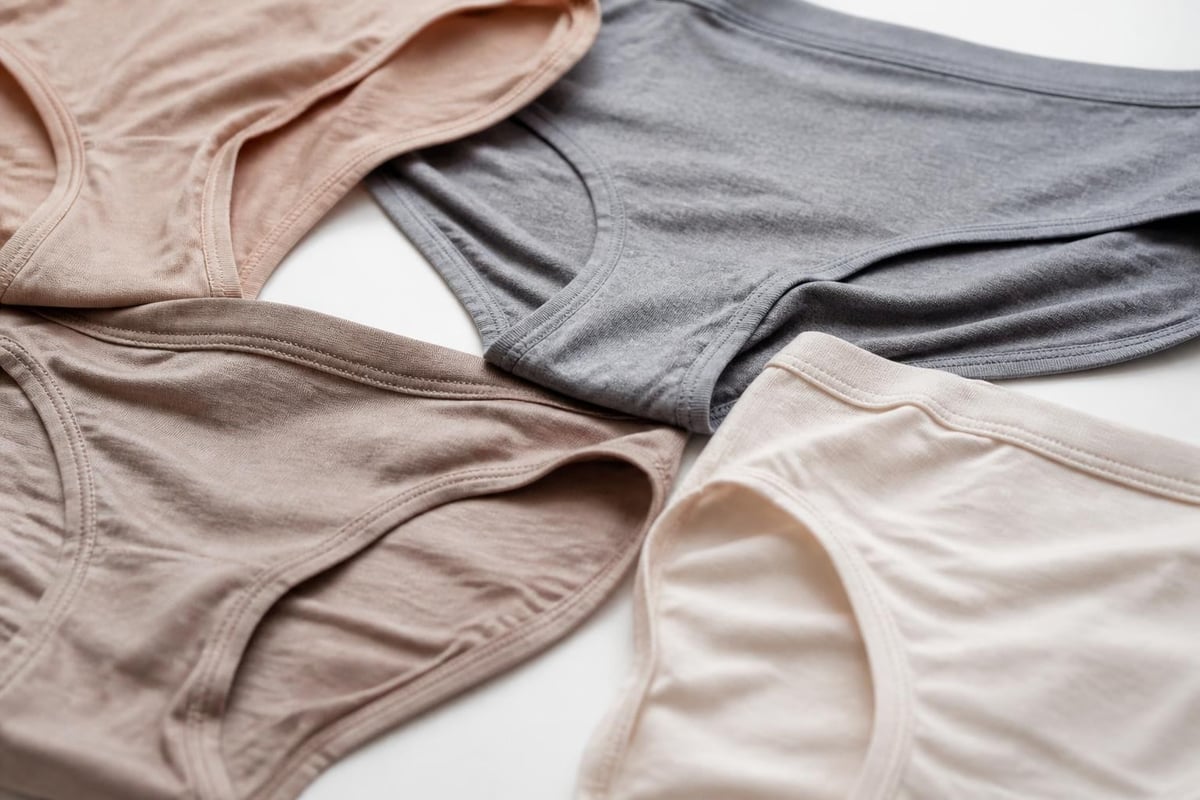
Material composition directly impacts how underwear behaves throughout the day. Cotton, while breathable, often lacks the elasticity needed to maintain position during active movement. Synthetic blends offer stretch but may not provide adequate grip against skin.
- Elastic degradation reduces the garment's ability to stay in place
- Seam placement can create pressure points that force fabric upward
- Fabric weight influences whether underwear maintains its position or shifts
- Moisture absorption affects how material clings to or slides against skin
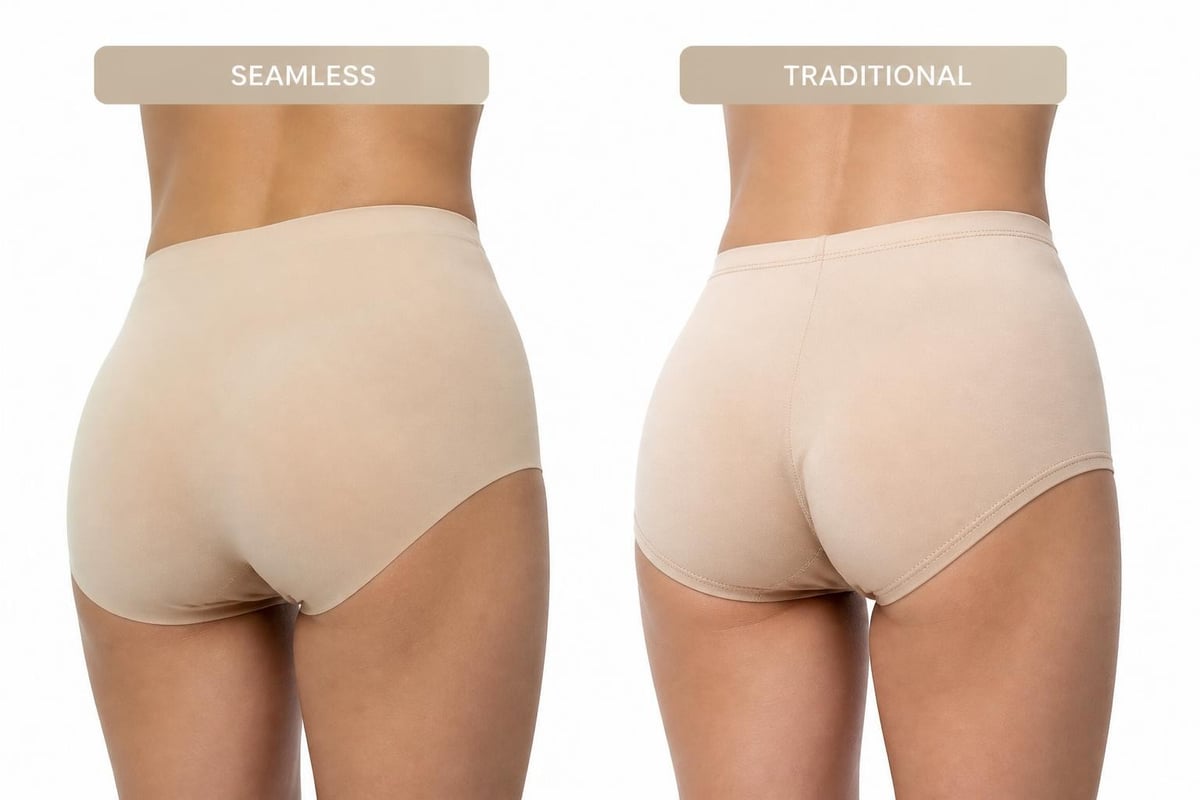
The construction method determines long-term performance. Seamless underwear eliminates bulky seams that can dig into skin and create uncomfortable pressure points that force fabric to migrate. Traditional sewn seams, especially when poorly positioned, act as leverage points that accelerate wedging.
Body Movement and Activity Level
Your daily activities significantly influence underwear performance. Walking, sitting, bending, and exercising all create friction and tension that can displace even well-fitted undergarments. The physical risks associated with wedgies extend beyond mere discomfort when constant adjustment becomes necessary.
| Activity Type | Wedgie Risk Level | Contributing Factors |
|---|---|---|
| Sedentary desk work | Medium | Prolonged sitting, chair friction |
| Walking/standing | Low-Medium | Hip rotation, leg movement |
| Exercise/sports | High | Intense movement, sweating, stretching |
| Climbing stairs | High | Extreme leg extension, fabric tension |
Health Implications of Frequent Pantie Wedgies
Beyond the obvious discomfort, repeated pantie wedgies can create genuine health concerns that deserve attention. The constant friction and pressure affect delicate tissues in ways that may lead to complications.
Skin irritation represents the most immediate consequence. When fabric repeatedly shifts across sensitive skin, it creates micro-abrasions that can become inflamed or infected. This issue intensifies when wearing tight underwear that already places pressure on reproductive areas.
Bacterial Transfer and Infection Risk
The wedging motion can transfer bacteria from the anal region toward the vaginal and urethral openings. This mechanical transfer increases infection risk, particularly when combined with moisture from daily activities. Understanding how thongs affect your body daily reveals similar concerns that apply to any underwear experiencing frequent displacement.
Yeast infections and urinary tract infections become more likely when underwear constantly shifts position. The warm, moist environment created by bunched fabric provides ideal conditions for bacterial and fungal growth.
Circulation and Nerve Compression
Persistent pressure from wedged fabric can temporarily compress nerves and restrict blood flow. While typically not dangerous, this compression contributes to numbness, tingling, or discomfort in the pelvic region. The effects mirror concerns about how tight clothes impact overall health, demonstrating that fit issues extend beyond mere aesthetics.
Choosing the Right Underwear to Prevent Wedgies
Strategic selection of underwear styles, sizes, and materials dramatically reduces wedgie frequency. Understanding your body shape, activity level, and personal preferences guides you toward options that maintain position throughout the day.
Size and Fit Considerations
Accurate measurements form the foundation of wedgie prevention. Waist and hip circumferences should align with manufacturer sizing charts, but remember that sizing varies significantly between brands. What fits perfectly in one brand may run small or large in another.
- Measure your natural waist at its narrowest point
- Measure your hips at the widest part of your buttocks
- Compare measurements to brand-specific sizing charts
- Consider body shape when selecting cuts and styles
- Account for fluctuations in weight or bloating
The leg opening design influences wedgie susceptibility. Styles with wider leg bands distribute pressure more evenly, reducing the upward force that creates wedgies. Thong underwear for women eliminates traditional leg openings entirely, offering a different solution to the same problem.
Material Selection for Optimal Performance
Modern fabric technology offers solutions that natural fibers alone cannot provide. Blended materials combine the breathability of cotton with the stretch and recovery of synthetics like elastane or spandex.
- Nylon-spandex blends provide excellent shape retention
- Microfiber fabrics offer smooth surfaces that reduce friction
- Moisture-wicking materials keep skin dry and reduce slipping
- Four-way stretch accommodates movement without displacement
Elastic quality determines long-term performance. Premium elastics maintain their tension through hundreds of wash cycles, while inferior versions quickly lose grip. This degradation explains why newer underwear stays in place better than worn-out pairs.
Practical Prevention Strategies Beyond Underwear Selection
Even with perfectly fitted underwear, certain habits and adjustments can further minimize pantie wedgies. These strategies complement quality garment selection to create comprehensive comfort throughout your day.
Clothing Compatibility
Your outer garments interact with underwear in ways that either prevent or promote wedging. Tight pants, especially those made from stiff denim or structured fabrics, create friction that pulls underwear upward. Understanding practical steps to avoid thong wedgies reveals principles applicable to all underwear styles.
Smooth outer fabrics like athletic wear or dress pants reduce friction compared to textured materials. The slippery surface allows underwear to move with your body rather than being pulled in opposing directions.
Activity-Specific Choices
Matching underwear style to your planned activities prevents problems before they start. Desk work tolerates different underwear than intense workouts, and adapting your choices accordingly maintains comfort.
| Activity | Recommended Style | Key Features |
|---|---|---|
| Office work | Bikini or brief | Full coverage, soft waistband |
| Gym/exercise | Athletic brief or seamless thong | Moisture-wicking, secure fit |
| Running | Performance seamless | Minimal seams, compression fit |
| Yoga/pilates | Low-rise seamless | Flexibility, non-restrictive |
Proper Care and Replacement
Maintaining underwear elasticity requires appropriate washing and storage practices. Hot water and high heat drying accelerate elastic breakdown, reducing the garment's ability to maintain position.
- Wash underwear in cool or warm water
- Use gentle detergent without harsh chemicals
- Air dry or use low heat settings
- Replace underwear every 6-12 months
- Discard pieces with visible elastic wear
Even the highest-quality underwear eventually loses its effectiveness. Visible signs like stretched waistbands, loose leg openings, or permanent fabric distortion indicate replacement time.
Design Innovations Addressing Pantie Wedgies
The intimate apparel industry has responded to wedgie complaints with innovative designs that fundamentally rethink underwear construction. These advances leverage new materials and engineering approaches to solve age-old problems.
Seamless Construction Technology
Traditional underwear relies on sewn seams that create thickness variations and pressure points. Seamless bonding techniques eliminate these seams entirely, creating smooth edges that won't dig into skin or create leverage for upward movement.
Laser-cut edges and ultrasonic welding produce underwear with no sewn components whatsoever. The entire garment consists of a single layer of fabric with bonded edges that lie completely flat against skin. This technology represents a significant advancement in addressing the side effects of thong underwear and traditional styles alike.
Anatomical Contouring
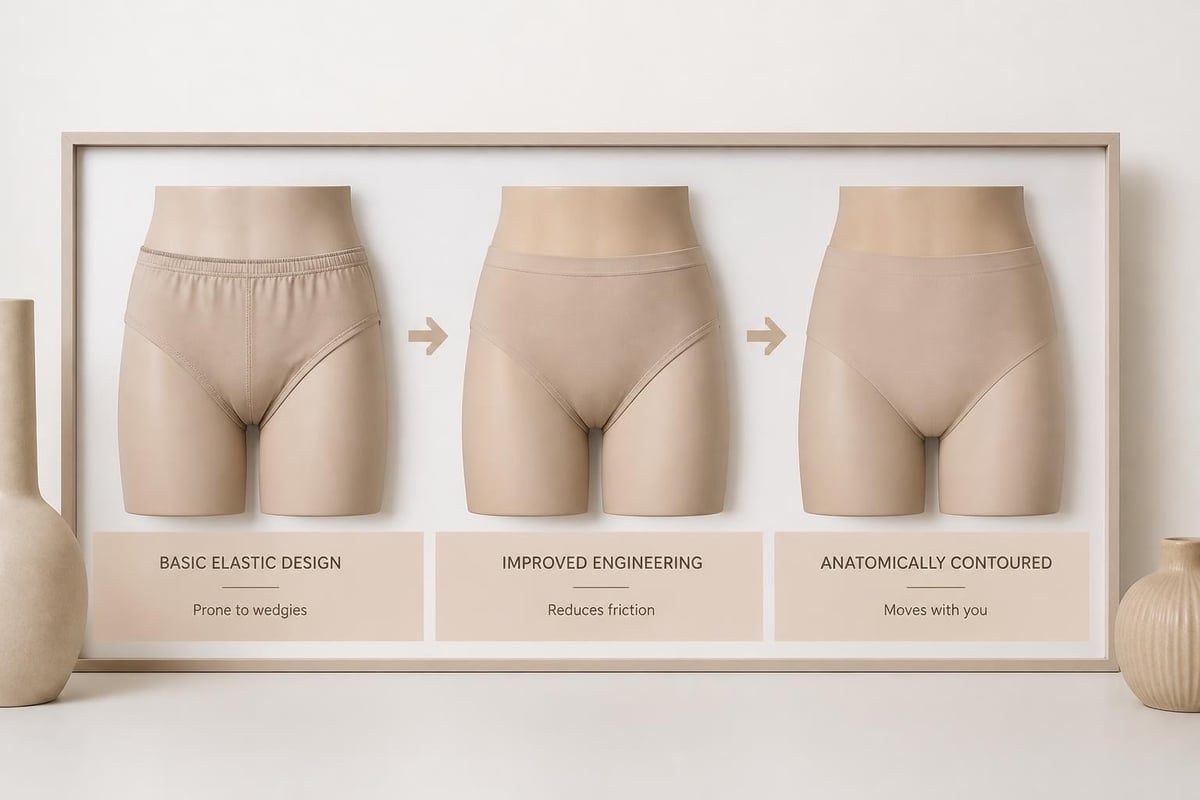
Modern underwear design considers three-dimensional body shape rather than treating the body as a flat surface. Contoured panels follow natural curves, reducing excess fabric that bunches while ensuring adequate coverage where needed.
- Curved waistbands match the natural dip at the lower back
- Shaped leg openings follow buttock contours precisely
- Strategic panel placement accommodates movement without shifting
- Variable stretch zones provide support where needed, flexibility elsewhere
This anatomical approach mirrors advances in athletic apparel, applying sports science to everyday comfort. The result maintains position during movement while eliminating the restriction that characterizes poorly designed underwear.
Silicone Grip Technology
Some premium underwear incorporates thin silicone strips along waistbands and leg openings. These strips create gentle friction against skin without adding bulk or causing irritation. The grip prevents downward sliding that often precedes wedgie formation.
This technology particularly benefits active women who previously struggled to find underwear that stayed in place during exercise. The silicone remains effective even when skin becomes moist from perspiration, maintaining position when traditional elastic fails.
Special Considerations for Different Body Types
Body shape influences which underwear styles resist wedging most effectively. Understanding your proportions helps narrow options to those engineered for your specific contours.
Hip-to-Waist Ratio Impact
Women with significant hip-to-waist differences often experience wedgies because standard sizing assumes proportional measurements. When hips require a larger size than the waist, underwear either fits the hips and gaps at the waist, or fits the waist and cuts into hips.
Solution approaches include:
- Seeking brands offering hip-specific sizing
- Choosing styles with adjustable or flexible waistbands
- Considering high-waist designs that distribute pressure differently
- Exploring underwear for women thong styles that minimize fabric in problem areas
Height and Torso Length
Taller women with longer torsos often find that standard underwear sits lower than intended, while petite women experience the opposite. This misalignment creates wedging as the garment attempts to settle at its natural position.
Brand-specific sizing addresses this variation, with some manufacturers offering petite and tall options in underwear. However, many brands still use one-size-fits-all proportions that work poorly at size extremes.
The Psychology of Underwear Comfort
Mental comfort parallels physical comfort when addressing pantie wedgies. The constant awareness of shifting underwear creates distraction and self-consciousness that affects confidence and focus throughout the day.
Confidence and Professional Impact
Studies show that physical discomfort directly influences mood, productivity, and social interactions. When you're constantly aware of underwear discomfort, mental resources shift from productive tasks to managing the irritation.
Professional settings compound this issue. The inability to discretely adjust wedged underwear during meetings, presentations, or client interactions creates genuine stress. This extends beyond vanity to legitimate workplace comfort and performance concerns.
Breaking the Adjustment Cycle
Frequent public adjustment creates social awkwardness and draws unwanted attention. Understanding why you keep getting wedgies empowers you to address root causes rather than managing symptoms through constant adjustment.
The adjustment cycle becomes self-perpetuating: wedgies cause adjustment, which temporarily relieves discomfort but stretches elastic, which leads to more frequent wedgies. Breaking this cycle requires replacing problematic underwear rather than continually managing poorly performing pieces.
When to Seek Professional Fitting Assistance
While most wedgie issues resolve through better selection and sizing, persistent problems sometimes indicate underlying fit challenges that benefit from professional guidance. Specialty retailers and boutiques offering fitting services can identify issues that aren't obvious to the untrained eye.
Identifying Complex Fit Issues
Professional fitters recognize patterns in how garments fail that indicate specific body proportion challenges. They can recommend brands and styles engineered for your unique measurements, saving time and frustration compared to trial-and-error shopping.
Signs that professional fitting might help include:
- Consistent issues across multiple brands and styles
- Dramatic size variation between brands
- Comfort in some positions but not others
- Persistent problems despite following sizing charts
- Recent body changes from pregnancy, weight fluctuation, or aging
Virtual and In-Person Options
Modern fitting services range from in-person boutique consultations to virtual video appointments and detailed questionnaire-based recommendations. Each approach offers advantages depending on your comfort level and available resources.
Virtual services provide convenience and privacy while accessing expertise that might not exist locally. In-person fittings offer hands-on assessment and immediate try-on opportunities with professional feedback. Both represent valuable resources when standard retail shopping proves frustrating.
Eliminating pantie wedgies requires understanding the interconnected factors of size, fabric, construction, and body shape that contribute to this common frustration. By selecting properly fitted, well-engineered underwear and maintaining it appropriately, you can achieve all-day comfort and confidence. Ambar Wear specializes in seamless, anatomically designed undergarments that address wedging, camel toe, and other common fit issues through innovative construction and premium materials. Discover how purpose-built intimate apparel can transform your daily comfort and eliminate the constant awareness of shifting, bunching underwear.