

The front of thong underwear plays a crucial role in determining overall comfort, confidence, and wearability throughout your day. While many shoppers focus on the back design or waistband height, the front panel construction actually dictates whether you'll experience issues like camel toe, visible panty lines, or uncomfortable bunching. Understanding the engineering and design features that make certain thongs superior can transform your underwear drawer from a collection of uncomfortable necessities into confidence-boosting essentials. In 2026, innovative brands are reimagining how the front of thong styles can deliver both elegance and functionality without compromise.
Understanding Front Panel Construction
The front of thong design involves multiple engineering considerations that work together to create a smooth, comfortable fit. Unlike traditional underwear styles, thongs require strategic fabric placement and shaping to ensure the minimal coverage doesn't create unwanted attention or discomfort.
Key construction elements include:
- Gusset width and positioning
- Fabric thickness and layering
- Seam placement and finishing techniques
- Panel shaping and contouring
- Edge treatments and binding methods
The gusset, which forms the central component of the front of thong area, must be wide enough to provide adequate coverage while remaining narrow enough to maintain the sleek aesthetic women expect from this underwear style. Premium designs incorporate anatomically-shaped gussets that follow natural body contours rather than forcing fabric into unnatural positions.
Material Selection Impact
Fabric choice dramatically affects how the front of thong performs during wear. Seamless construction, particularly when combined with moisture-wicking materials, prevents the fabric bunching and folding that often creates visible lines or uncomfortable pressure points.
| Material Type | Benefits | Considerations |
|---|---|---|
| Modal blend | Ultra-soft, breathable, minimal friction | May stretch over time |
| Microfiber | Smooth finish, quick-drying, durable | Less breathable than natural fibers |
| Cotton blend | Natural feel, absorbent, hypoallergenic | Can show more lines under tight clothing |
| Technical mesh | Maximum breathability, lightweight | May feel less substantial |
Modern thong designs increasingly incorporate mineral-infused or antimicrobial fabrics in the front panel to enhance freshness and reduce irritation during extended wear.
Preventing Camel Toe Through Design
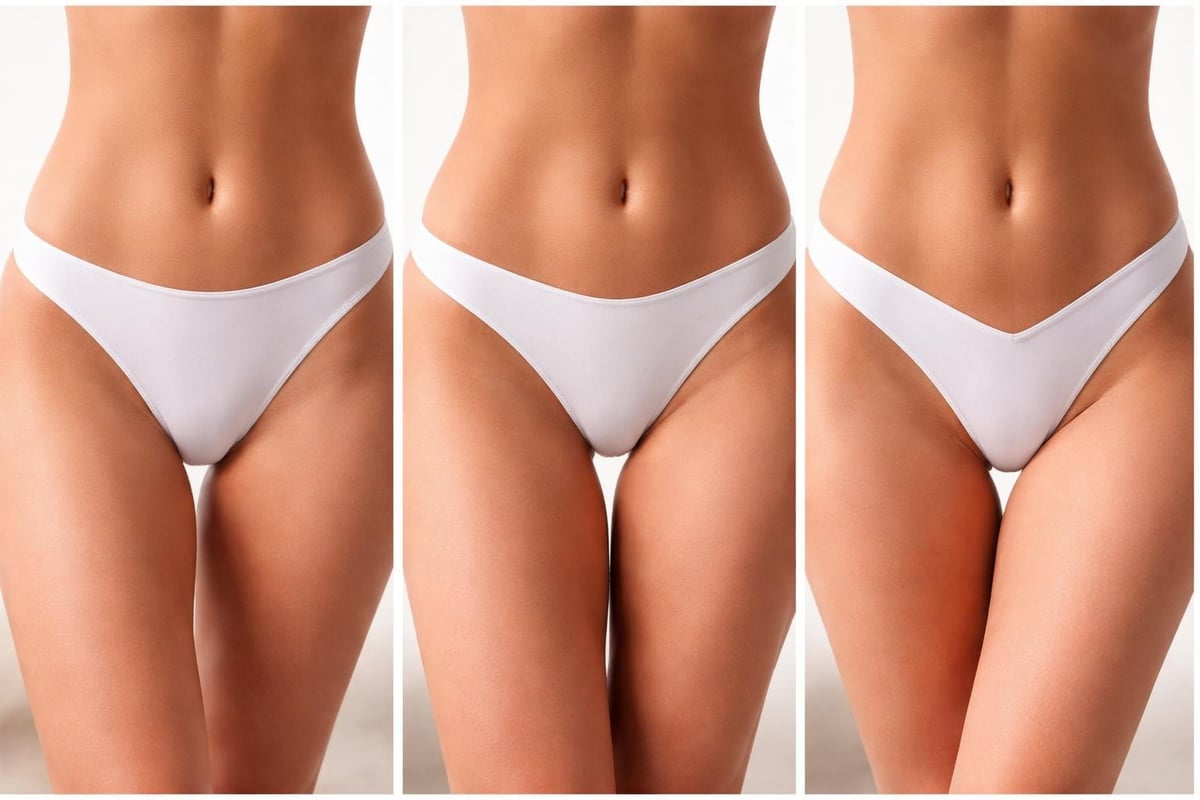
The most common concern with the front of thong underwear centers on camel toe prevention. This issue occurs when fabric settles into body creases, creating an unflattering and often uncomfortable appearance. According to the history and design of thong underwear, modern innovations have specifically targeted this problem through engineering solutions.
Strategic Padding Placement
Lightweight padding integrated into the front of thong construction provides gentle smoothing without adding bulk. The camel toe-proof thong designs use ultra-thin foam inserts strategically positioned to create a smooth silhouette while maintaining breathability.
Effective padding approaches:
- Graduated thickness - Thicker at center, tapering toward edges
- Moisture-permeable foam - Allows airflow while smoothing contours
- Removable inserts - Customizable coverage based on outfit requirements
- Bonded placement - Prevents shifting during movement
The padding thickness must be carefully calibrated. Too thick creates visible bulk under fitted clothing, defeating the purpose of wearing a thong. Too thin provides insufficient smoothing. Premium designs typically use 2-3mm padding that compresses naturally during wear.
Coverage Variations
The front of thong styles now includes expanded coverage options beyond traditional minimal designs. Full-coverage thongs extend the front panel upward and outward, providing more fabric without sacrificing the backless benefit. The Sakura full coverage design demonstrates how mid-rise styling with enhanced frontal coverage delivers confidence without compromise.
Women seeking maximum protection should explore anti-camel toe underwear options that specifically engineer the front of thong construction to eliminate this common concern.
Rise Height and Positioning
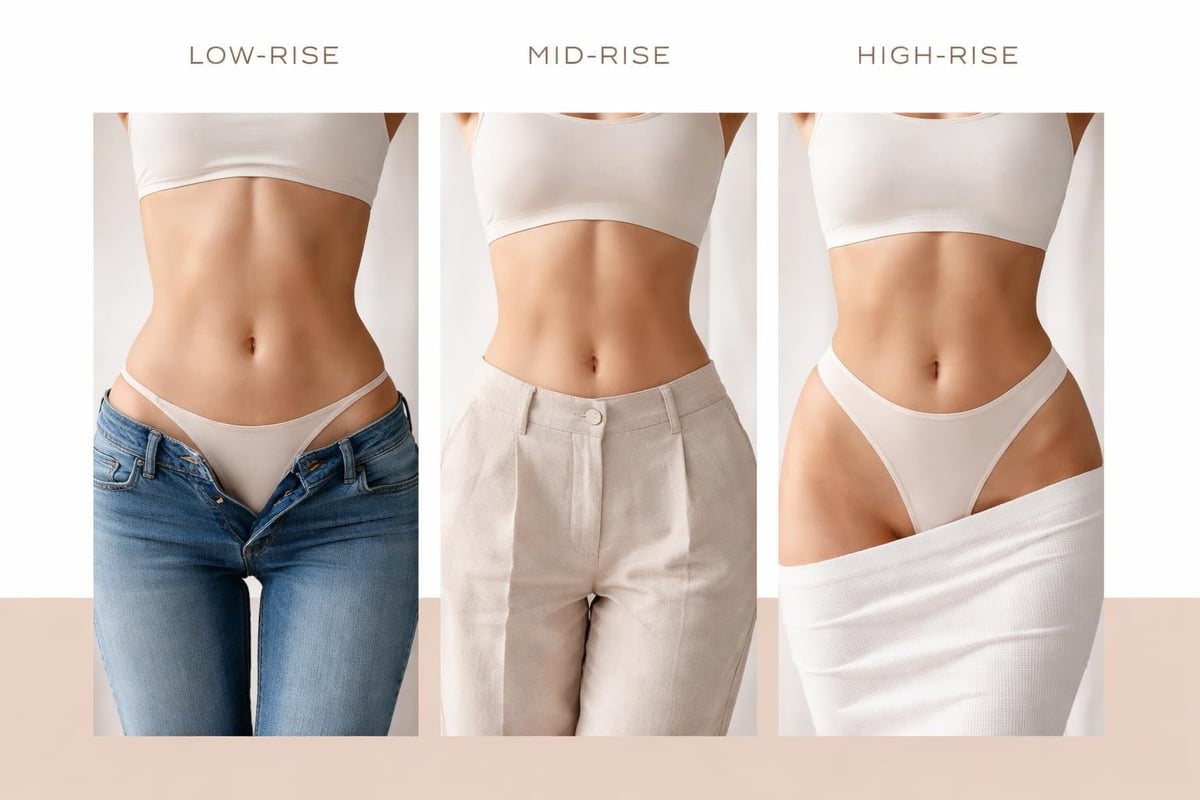
Where the front of thong sits on your body significantly impacts both comfort and functionality. Rise height determines how much coverage you receive and where pressure points occur during sitting, bending, and movement.
Low-Rise Designs
Low-rise thongs position the front panel below the natural waistline, making them ideal for low-cut jeans, skirts, and dresses. However, the front of thong area on low-rise styles must be carefully engineered to prevent rolling or folding when you sit.
Low-rise advantages:
- Invisible under low-waisted bottoms
- Minimal fabric at waistline reduces bulk
- Flattering for shorter torsos
- Ideal for fitted dresses
The seamless underwear technology used in quality low-rise thongs ensures the reduced fabric doesn't compromise security or coverage where it matters most.
Mid-Rise and High-Cut Options
Mid-rise positioning places the front of thong at or just below the belly button, distributing pressure more evenly and reducing the likelihood of the waistband digging in during prolonged wear. High-cut styles feature leg openings that extend upward, creating a lengthening effect while the front panel remains at mid-rise height.
| Rise Type | Best For | Front Panel Position |
|---|---|---|
| Low-rise | Hip-hugger jeans, short torsos | 2-3 inches below navel |
| Mid-rise | Standard fit clothing, all-day wear | At or 1 inch below navel |
| High-rise | High-waisted pants, tummy control | At or above navel |
| High-cut | Leg lengthening, retro styling | Mid-rise with high leg openings |
The front-wedgie proof thong with regular waist showcases how proper rise positioning prevents both front and back discomfort during various activities.
Seamless Construction Benefits
Seamless technology revolutionizes how the front of thong performs under fitted clothing. Traditional sewn seams create visible lines and pressure points that become increasingly noticeable under leggings, bodycon dresses, and athletic wear.
Laser-Cut Edges
Laser-cutting creates perfectly smooth edges on the front of thong panels without any stitching or binding. This technology allows fabric to lay flush against skin, eliminating the ridge that traditional hem treatments create.
Seamless construction features:
- Bonded rather than sewn seams throughout front panel
- Raw-edge finishing that won't fray
- Ultrasonic welding for attachment points
- Flatlock stitching only where structurally necessary
When shopping for thong underwear, examine the front panel edges closely. Quality seamless construction should feel like a second skin rather than a distinct garment layer.
Invisible Under Activewear
For athletic activities, the front of thong must withstand significant movement while remaining invisible under performance fabrics. Moisture-wicking materials combined with seamless construction prevent both visible lines and the chafing that can occur during running, cycling, or gym workouts.
The no camel toe underwear category specifically addresses active women's needs, engineering the front of thong area to stay smooth during high-impact movement.
Color and Pattern Considerations
While functionality drives front of thong design, aesthetics still matter. The color and pattern you choose for the front panel affects both visibility under clothing and your personal confidence level.
Nude and Neutral Tones
Nude-toned thongs blend with various skin tones, making the front of thong virtually invisible under light-colored or sheer clothing. However, "nude" encompasses a wide spectrum, and selecting the correct shade for your skin tone prevents the underwear from appearing darker or lighter than intended.
Nude selection guidelines:
- Match your bare skin tone, not tanned skin
- Test under white fabric before purchasing multiple pairs
- Consider separate shades for different seasons if you tan
- Look for brands offering extended nude shade ranges
Strategic Pattern Placement
The front of thong area typically features solid fabric even when the waistband or back includes patterns or lace. This design choice prevents texture show-through under fitted bottoms while allowing decorative elements where they won't create visible lines.
Delicate patterns work well on the front panel when wearing looser clothing, but solid, matte finishes remain the safest choice for leggings and form-fitting dresses. The best-selling collections often balance aesthetic appeal with functional invisibility.
Sizing and Fit Optimization
Proper sizing transforms the front of thong from potentially problematic to perfectly comfortable. Unlike full-coverage underwear, thongs offer less room for sizing errors since there's minimal fabric to accommodate variations.
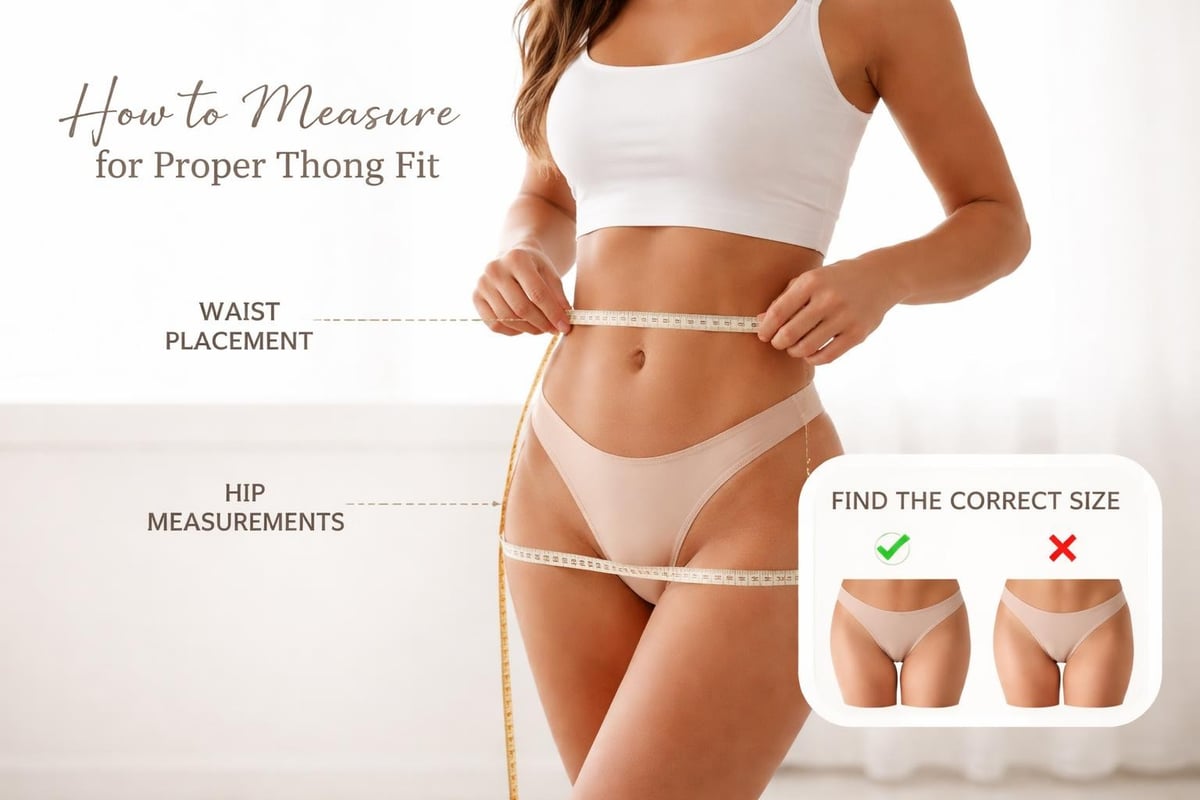
Measuring for Accurate Fit
Accurate measurement process:
- Measure natural waist (where you want front panel to sit)
- Measure widest part of hips
- Note any asymmetry or proportion variations
- Reference brand-specific sizing charts
- Read reviews for fit feedback on specific styles
The front of thong should lie completely flat without any gapping, pulling, or digging in. If you experience any of these issues, reassess your size rather than assuming all thongs are inherently uncomfortable.
Body Type Considerations
Different body proportions require different front of thong designs. Athletic builds with minimal hip curves may prefer slightly wider front panels for security, while curvier figures might opt for more contoured shaping.
| Body Type | Recommended Front Panel | Key Features |
|---|---|---|
| Athletic/Rectangle | Moderate width, minimal contouring | Prevents gapping, stays secure |
| Pear/Triangle | Slightly wider coverage, flexible edges | Accommodates hip curves |
| Hourglass | Contoured shaping, stretch fabric | Follows natural curves |
| Apple/Oval | Mid-rise to high-rise, structured panel | Provides smooth silhouette |
The all products collection offers various front panel designs suitable for different body types and preferences.
Care and Maintenance
Protecting the specialized construction of the front of thong requires appropriate care practices. The padding, bonding, and delicate fabrics used in modern designs can deteriorate rapidly with improper washing.
Washing Guidelines
Proper care steps:
- Hand wash in cool water with gentle detergent
- If machine washing, use lingerie bag and delicate cycle
- Avoid fabric softener, which degrades technical fabrics
- Never wring or twist the front panel area
- Air dry flat or hanging by waistband
The front of thong padding can separate from the base fabric if exposed to high heat or aggressive washing. Quality designs use permanent bonding, but even these benefit from gentle treatment to maximize longevity.
Storage Recommendations
Fold thongs with the front of thong panel facing outward to prevent compression of any padding or shaping elements. Avoid storing them crushed under heavier items, which can create permanent creases in seamless fabrics.
Dedicated underwear organizers with individual compartments help maintain the shape and condition of specialized thong designs, protecting your investment in camel toe proof underwear.
Shopping Smart for Quality
Not all thongs deliver the same front panel engineering. Understanding what distinguishes premium designs from basic options helps you invest in pieces that truly perform.
Red Flags to Avoid
Warning signs of poor construction:
- Visible thick seams across front panel
- Front gusset narrower than 2 inches at widest point
- Scratchy lace or trim along edges
- Thin, see-through fabric without lining
- Loose threads or unfinished edges
The front of thong should feel substantial enough to provide coverage without feeling bulky. Extremely thin fabrics may seem invisible but often fail to prevent the very issues quality thongs should solve.
Investment-Worthy Features
Premium thongs justify higher prices through superior engineering. The front of thong construction in quality pieces incorporates multiple technologies that cheap alternatives skip.
Features worth paying for:
- Anatomically-shaped, multi-layer gussets
- Moisture-wicking, antimicrobial fabrics
- Strategic padding placement
- Laser-cut or bonded edges throughout
- Reinforced leg openings that won't stretch out
The seamless invisible designs demonstrate how proper engineering transforms the front of thong from a potential problem area into a confidence-building feature.
Style Versatility
Modern front of thong designs accommodate various fashion needs, from everyday basics to special occasion pieces. Understanding which style serves which purpose helps you build a functional collection.
Everyday Basics
Neutral-toned, seamless thongs with moderate front coverage serve as wardrobe workhorses. The front of thong area should provide enough substance to smooth under work pants, jeans, and casual dresses without any special consideration.
Basic collection essentials:
- Three nude shades (light, medium, dark)
- Two black pairs for dark clothing
- One white for light-colored bottoms
- Additional colors matching frequently worn items
Quality basics from specialized underwear collections last significantly longer than fast-fashion alternatives, making them more economical over time despite higher initial costs.
Athletic Performance
Active thongs require enhanced engineering at the front of thong area to handle sweat, movement, and friction. Performance fabrics with four-way stretch move with your body during exercise while maintaining their smoothing properties.
The lite front wedgie proof designs specifically target athletic needs, using thinner padding that still prevents camel toe without adding bulk under tight athletic wear.
Special Occasions
Decorative thongs feature lace, mesh, or embellishments while maintaining functional front panels. The front of thong construction in these styles balances aesthetics with the smoothing properties needed under formal or fitted special-occasion clothing.
When selecting decorative pieces, ensure the ornamentation appears primarily on the waistband and back, keeping the front panel relatively simple for versatility under various outfits.
Health and Hygiene Factors
The front of thong sits against sensitive skin, making fabric choice and construction quality important health considerations beyond mere comfort or appearance.
Breathability Requirements
Adequate airflow through the front panel prevents moisture buildup and maintains healthy pH balance. Cotton and modal blends naturally regulate temperature and moisture better than synthetic-only fabrics.
Breathability indicators:
- Visible weave structure (not completely solid)
- Moisture-wicking properties listed
- Antimicrobial treatment mentioned
- Lightweight, quick-drying materials
The front of thong in quality designs incorporates breathable gusset fabric even when outer panels use less permeable materials for smoothing. This dual-layer approach balances function and health.
Irritation Prevention
Sensitive skin requires extra attention to front of thong construction details. Seamless designs eliminate the friction points that cause irritation, while hypoallergenic fabrics reduce reaction risks.
Explore underwear specifically designed for sensitive areas when you experience frequent irritation, as specialized construction addresses these concerns through thoughtful engineering.
Trend Evolution and Future Innovations
The front of thong continues evolving as fabric technology and consumer demands advance. Understanding current trends helps you select designs that will remain relevant and functional beyond single seasons.
Sustainable Materials
Eco-conscious brands now engineer the front of thong using recycled fibers, organic cotton, and biodegradable materials without sacrificing performance. These sustainable options deliver the same smoothing, comfort, and durability as traditional fabrics while reducing environmental impact.
Sustainable innovations:
- Recycled nylon from fishing nets and fabric scraps
- Organic cotton with natural antimicrobial properties
- Bamboo-derived fabrics with inherent moisture-wicking
- Plant-based dyeing processes for color options
Smart Fabric Integration
Emerging technologies incorporate phase-change materials and bio-responsive fibers into the front of thong construction. These fabrics actively regulate temperature, wick moisture more effectively, and even adjust compression based on body heat and movement.
While still premium-priced in 2026, these innovations will likely become mainstream options within the next few years, further enhancing the performance capabilities of well-engineered thong designs.
The front of thong represents far more than a simple fabric panel, functioning as the primary determinant of comfort, confidence, and wearability in this essential underwear style. By understanding construction details, material choices, and fit optimization, you can select thongs that truly perform rather than merely exist in your drawer. Ambar Wear specializes in seamless, comfortable undergarments that eliminate common concerns like camel toe through thoughtful engineering of every design element, particularly the critical front panel that makes all the difference in how you look and feel throughout your day.