

Curious about the rising trend of fake camel toe in fashion and performance wear? You’re not alone. This unique style element has captured attention across social media, runways, and performance spaces.
In this guide, we’ll break down what fake camel toe is, who’s using it, and why it’s making waves in 2025. Expect tips, new product styles, expert styling advice, and practical ideas for everyday and performance use.
Whether you’re exploring new looks, seeking gender expression, or just staying on trend, this guide will help you navigate the world of fake camel toe with confidence.
Understanding Fake Camel Toe: What Is It and Why Use It?
Curious about what fake camel toe really means? At its core, fake camel toe refers to an artificial enhancement or simulation of the natural camel toe appearance—a visible outline or bulge at the crotch. Unlike the accidental look some may notice through tight clothing, fake camel toe is intentionally created using specialized products or garments. For a deeper dive into the basics, check out this Fake Camel Toe Guide, which breaks down the essentials and common uses.
The history of fake camel toe is surprisingly rich. While the effect first gained traction in performance art and drag culture, it soon found a home in cosplay and even mainstream fashion circles. Over the years, societal views have shifted, with what was once considered a fashion faux pas now emerging as a bold statement piece. In recent years, designers and influencers have embraced fake camel toe, making it a trending topic online and at fashion events.
Why do people seek out fake camel toe? There are several reasons. For some, it’s about gender expression or affirming their identity—especially among trans women and crossdressers. Others use it for drag performances, cosplay accuracy, or simply to experiment with fashion aesthetics. The psychological motivations often include boosting confidence, exploring self-expression, or achieving a desired silhouette that feels empowering.
Who uses fake camel toe? The list is diverse. Trans women, crossdressers, and drag performers are frequent users, but so are cosplayers and fashion-forward individuals looking for a unique edge. Popular products range from silicone inserts to special panties, often found on major marketplaces like Amazon and eBay. For example, you’ll find realistic silicone pads and control panties marketed specifically for these communities, reflecting the growing demand for authenticity and comfort.
Interest in fake camel toe has surged in 2024-2025, with search trends and sales figures both climbing. Despite this growth, there are still misconceptions and stigma. Some assume it’s only for shock value or comedic effect, but many users see it as a vital tool for self-expression or body confidence. Common myths include concerns about discomfort or visibility, but modern products are designed for discretion and comfort. As awareness grows, so does acceptance, making fake camel toe a rising trend across fashion and identity spaces.
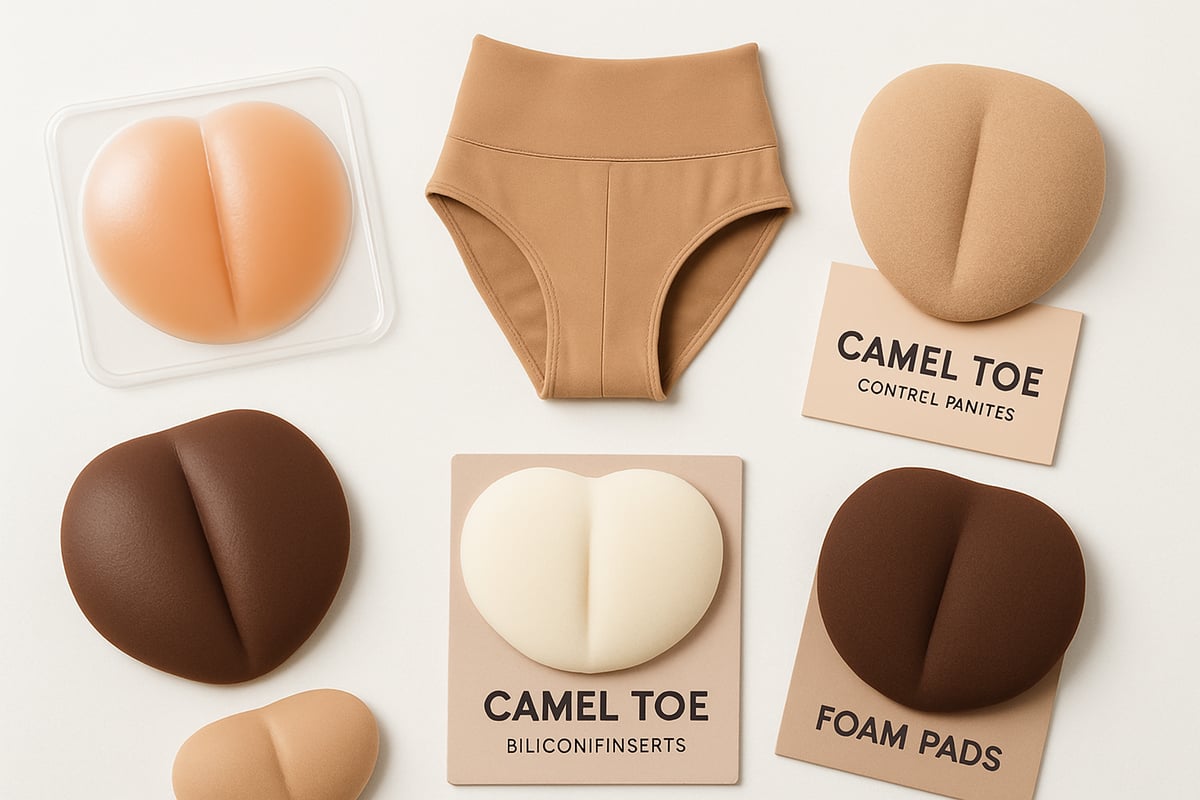
Types and Styles of Fake Camel Toe Products in 2025
Exploring the world of fake camel toe in 2025, you’ll find a diverse range of products, each catering to unique preferences, needs, and lifestyles. From hyper-realistic silicone inserts to budget-friendly DIY solutions, understanding these options is the first step to finding your perfect fit. Let’s break down the most popular types and see how innovation is shaping the future of this niche but growing trend.
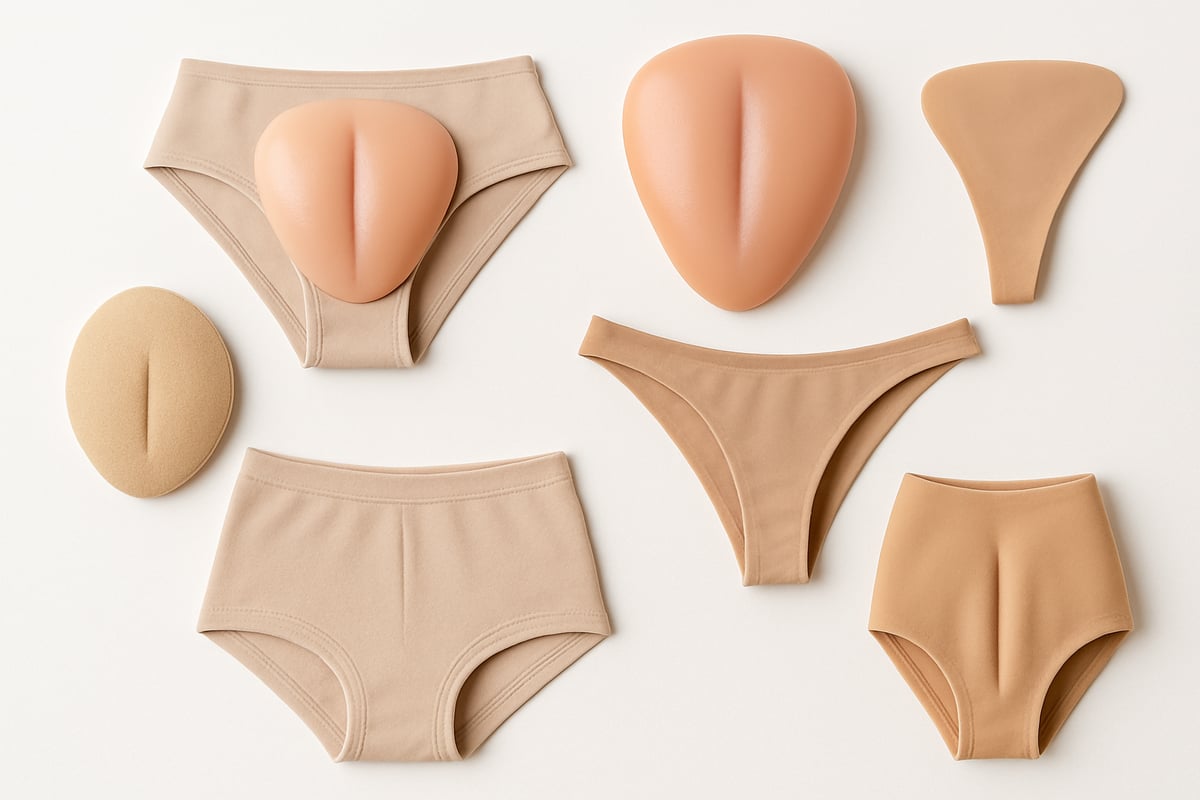
Silicone Inserts and Pads
Silicone inserts and pads are the gold standard for anyone seeking a lifelike fake camel toe. These products are crafted from medical-grade silicone, often featuring an adhesive backing for secure placement. Their popularity surged in 2024 and continues to grow, thanks to their convincing appearance and versatility.
- Pros: Hyper-realistic look, comfortable for extended wear, reusable.
- Cons: Higher cost, require careful cleaning, can retain heat.
- Best for: Crossdressers, drag artists, cosplayers, and anyone prioritizing realism.
Products like eBay’s “Realistic Fake Vagina Camel Toe Silicone Control Panty” exemplify current market leaders. Prices range from $20 to $50, depending on realism and size. Cleaning is simple: use mild soap and water, then air dry. Market data shows a steady climb in silicone-based fake camel toe product sales, reflecting increased demand for authenticity.
When comparing with other materials, silicone stands out for durability and a seamless blend with skin tones. If you’re looking for a fake camel toe that looks and feels incredibly real, this is the top choice.
Foam and Fabric Gaffs
Foam and fabric gaffs offer a lightweight and affordable entry point into the fake camel toe world. These inserts, made from soft foam or padded fabric, slip easily into standard underwear or come pre-shaped for convenience.
- Pros: Budget-friendly, easy to use, cooler than silicone.
- Cons: Less realistic, may shift during movement, shorter lifespan.
- Best for: Costumes, parties, short-term wear, beginners.
One example is Amazon’s “Men’s Crossdressing Transgender Camel Toe Fake Underwear Insert Pad,” which is popular among those experimenting or dressing up for events. Foam and fabric gaffs come in various shapes and sizes, allowing users to choose a subtle or dramatic effect.
Comfort is a highlight, as these products don’t trap heat and are gentler on sensitive skin. However, compared to silicone, the fake camel toe effect is less convincing. Care is straightforward: hand wash and air dry to maintain shape. For many, these gaffs balance comfort and cost, making them a staple in the fake camel toe niche.
Built-in Camel Toe Underwear and Panties
Built-in camel toe underwear and panties are a seamless solution for daily wearers of fake camel toe. These garments integrate the effect directly into the underwear, eliminating worries about inserts shifting or slipping.
- Pros: No shifting, easy daily use, discreet under clothing.
- Cons: Less customizable, may offer less dramatic results than inserts.
- Best for: Everyday fashion, performers, anyone wanting convenience.
Styles include thongs, briefs, high-waisted panties, and g-strings. Many brands now offer inclusive sizing and a variety of skin tones. Compared to pads or gaffs, built-in options prioritize ease of use and a natural look, perfect for those seeking subtlety.
For a deep dive into styles and real user experiences, check out Underwear with Camel Toe Effect. These products are easy to maintain—just wash like regular underwear. If you want a fake camel toe that fits into your daily routine, built-in panties are an excellent pick.
DIY and Custom Solutions
DIY and custom solutions for fake camel toe are gaining popularity among crafty individuals and those on a budget. Many use household items like sponges, foam, or fabric, sewing them into underwear for a personalized fit.
Why choose DIY? It’s often about achieving a specific shape, accommodating unique body types, or simply experimenting before investing in commercial products. Online forums are filled with creative examples and tips.
However, DIY options require attention to hygiene and safety. Materials should be clean and replaced often to prevent irritation. While not as durable or realistic as commercial products, DIY fake camel toe solutions offer flexibility for those who like to customize their look.
Trends in 2025: What’s New?
The fake camel toe market in 2025 is buzzing with innovation. Advancements include hypoallergenic silicone, sweat-wicking fabrics, and more nuanced skin tone options. Customization is at an all-time high, with products tailored for different body types and fashion needs.
Integration with shapewear and activewear is now common, making fake camel toe accessible for workouts or daily life. Social media and celebrity endorsements fuel new product launches and greater diversity in styles. Data from recent reports reveals a sharp rise in both sales and product variety, signaling continued growth for the fake camel toe trend.
How to Choose the Right Fake Camel Toe for Your Needs
Choosing the right fake camel toe can feel overwhelming with so many options available in 2025. Understanding your personal needs and priorities makes the decision much simpler. Let’s break down the key factors to consider, ensuring you find the best fit for your style, body, and comfort.
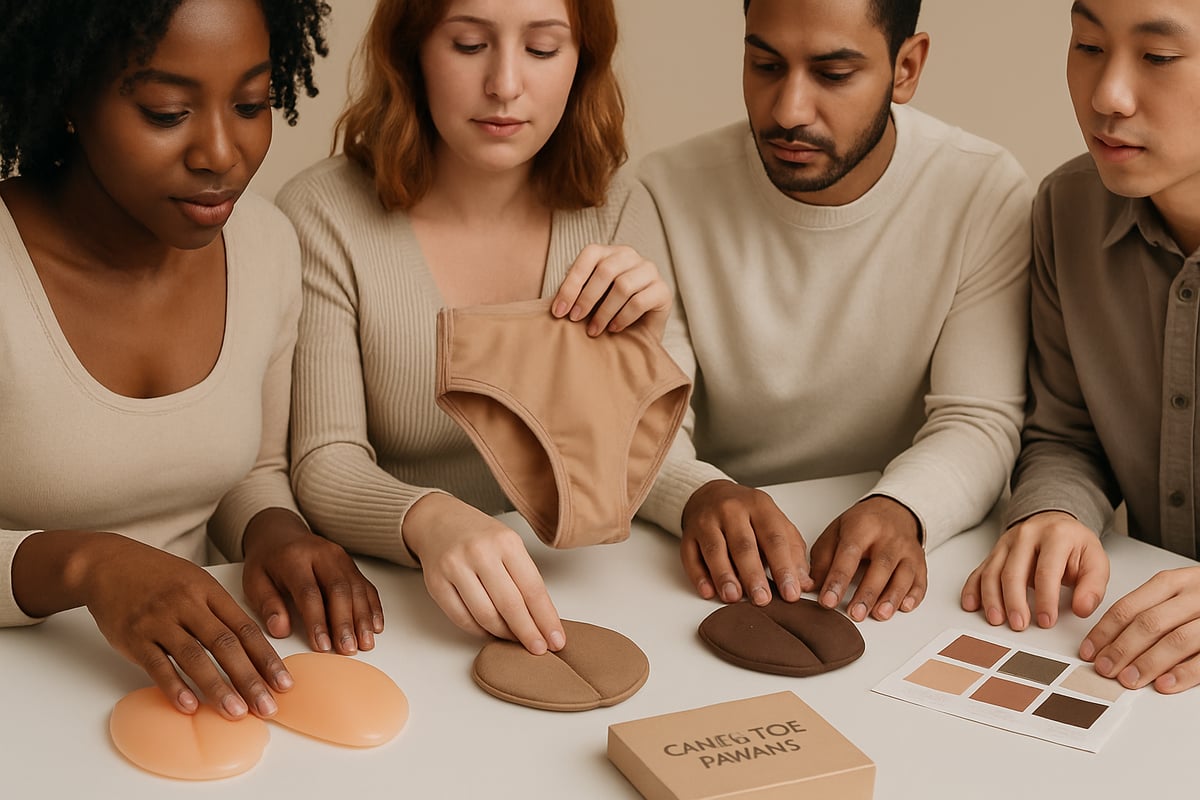
Assessing Your Purpose and Comfort
Start by identifying why you want a fake camel toe. Is it for daily fashion, a performance, cosplay, or gender expression? Clarifying your goal helps guide your choices. For example, someone seeking a realistic effect for stage might need a different product than someone looking for subtle enhancement in everyday wear.
Next, consider your comfort level. Think about how long you’ll be wearing the fake camel toe and in what situations. Sensitive skin or a need for breathability may influence your decision. Try reflecting on scenarios: Will you wear it all day, or just for special events? Your comfort and confidence are just as important as the visual effect, so don’t rush this part of the process. Remember, a well-chosen fake camel toe should boost your self-assurance, not hinder it.
Material and Realism Considerations
When choosing a fake camel toe, material matters. Silicone, foam, and fabric are the most common options. Each offers a different experience:
| Material | Realism | Comfort | Breathability | Maintenance |
|---|---|---|---|---|
| Silicone | High | Moderate | Moderate | Easy |
| Foam | Medium | High | High | Simple |
| Fabric | Low | High | High | Simple |
Silicone is prized for lifelike appearance but can feel warmer. Foam and fabric are lightweight and breathable, perfect for short-term or sensitive use. If you have allergies, always check for hypoallergenic materials. Also, consider how visible or subtle you want your fake camel toe to look. User reviews often highlight silicone for realism, while foam and fabric excel in comfort. Your choice should balance how you want to look and feel.
Sizing, Fit, and Body Compatibility
Proper fit ensures your fake camel toe looks natural and stays comfortable. Start by measuring the area where you’ll place the product—many brands offer guides for this. Look for size-inclusive options, especially if you have unique body needs. Adjustable straps or custom sizing can help achieve a secure fit.
It’s also worth exploring the variety of styles, like those detailed in Camel Toe Panties Options, which cater to different preferences and body shapes. One-size products are convenient, but custom-fit options may deliver better results. Always test for visibility under your favorite outfits—thin or seamless designs are often best for minimizing lines and bulges.
Budget and Value
Budget is a big part of selecting a fake camel toe. Prices range from budget-friendly foam pads at around $3.89 to premium silicone thongs costing nearly $50. Consider durability: Silicone products last longer but cost more upfront, while foam and fabric might need more frequent replacement.
Factor in maintenance costs, such as cleaning supplies or future replacements. Quality often aligns with price, but don’t overlook deals or trustworthy sellers. Always check reviews and look for return policies to avoid scams. By balancing cost with expected use and longevity, you’ll make a smarter investment in the right fake camel toe for you.
Safety, Hygiene, and Maintenance
Prioritizing safety and hygiene is essential. Each fake camel toe material has specific cleaning instructions—silicone pads usually require gentle soap and water, while fabric and foam inserts may need mild detergent. Always dry products thoroughly before storing them in a clean, dry place.
If you have sensitive skin, use a barrier like powder and avoid products that cause irritation. Replace your fake camel toe at the first sign of wear, damage, or persistent odor. Online communities often share helpful tips for safe use and troubleshooting. By following these guidelines, you can enjoy your fake camel toe with confidence and peace of mind.
Step-by-Step Guide: How to Use and Style Fake Camel Toe
Getting the most natural, comfortable, and stylish look with fake camel toe products starts with the right preparation and technique. Whether you’re a performer, cosplayer, or just exploring new fashion trends, following these steps can make all the difference.
Step 1: Preparing Your Skin and Undergarments
Start by ensuring your skin is clean and completely dry. This is essential for both comfort and the secure fit of your fake camel toe, especially if you’re using adhesive pads or inserts.
Choose underwear that works well with your product. Thongs, briefs, or g-strings are popular, but the best choice depends on your desired look and comfort. Some users prefer shaving or trimming the area for a smoother experience, but this step is optional.
- Wash with gentle soap and pat dry before application.
- If you have sensitive skin, apply a light dusting of powder or a thin barrier cream.
- Avoid lotions or oils, as they can prevent adhesives from sticking properly.
Preparing carefully not only helps your fake camel toe look more natural, but also reduces the risk of irritation.
Step 2: Inserting or Wearing the Product
Once you’re ready, it’s time to position your fake camel toe insert or put on built-in underwear. For inserts or pads, align the product with the center of your underwear. Make sure the edges are smooth and the pad sits flat against your body.
If your product uses adhesive, press it gently but firmly to ensure a good bond. For built-in camel toe panties, simply slip them on as you would ordinary underwear, adjusting for comfort and the desired effect.
- Double-check that the product covers the intended area without bulging.
- If using straps or hooks, make sure they’re adjusted to fit snugly but not too tight.
- Move around a bit—sit, stand, and walk to ensure your fake camel toe stays in place.
Troubleshooting early helps prevent issues like shifting or discomfort later.
Step 3: Checking in the Mirror and Adjusting
With your fake camel toe in place, stand in front of a mirror and check for symmetry and realism. Look from different angles and under various lighting conditions to ensure the effect looks natural.
Try on several clothing types, such as leggings, jeans, or costumes, to see how your fake camel toe appears under each. Adjust as needed to eliminate visible lines or unevenness.
- Smooth out any lumps or creases by gently readjusting the insert.
- If something looks off, remove and reposition the product for a better fit.
- Practice sitting and moving to test for comfort and stability.
A quick mirror check boosts your confidence and ensures your look is on point all day or night.
Step 4: Styling with Outfits
Styling your fake camel toe is where you can really express yourself. Pair it with leggings, yoga pants, shorts, or even swimsuits for a bold, fashion-forward statement. For a more subtle effect, layer with longer tops or flowy fabrics.
- Choose seamless or thicker fabrics to avoid revealing lines.
- Experiment with different colors and textures for unique looks.
- For inspiration, check out the latest Camel Toe in Panty Trends, which showcase how the look is evolving in mainstream fashion.
Remember, fake camel toe isn’t just about mimicry—it’s about creativity and personal style. Social media is full of innovative styling ideas if you’re looking for extra tips.
Step 5: Maintenance and Removal
Proper care will extend the life of your fake camel toe and keep things hygienic. When you’re ready to remove the product, do so gently to avoid skin irritation.
- For silicone inserts, wash with mild soap and warm water after each use. Let them air dry completely.
- Store products in a clean, dry area, away from direct sunlight.
- Inspect your fake camel toe regularly for signs of wear, especially if you use adhesives.
If you wear your fake camel toe often, replace it as needed to maintain comfort and appearance. Good hygiene not only protects your skin but also ensures long-lasting, realistic results.
Practical Uses: Who Benefits from Fake Camel Toe and When?
Curious who turns to fake camel toe and why? The answer spans a diverse range of people and situations. From boosting confidence to making a bold style statement, fake camel toe has found its way into many wardrobes and communities.
Gender Expression and Crossdressing
For many exploring gender expression, fake camel toe offers a subtle yet impactful way to enhance a feminine silhouette. Trans women and crossdressers often use these products to achieve a more authentic appearance under tight clothing. The ability to control one's gender presentation with fake camel toe can build confidence and support personal identity. Many users share that this small detail helps them feel more comfortable and “seen” in their everyday lives, making it more than just a fashion accessory.
- Enhances feminine shape in leggings and swimwear
- Supports self-expression in public and private settings
- Offers an approachable solution for those new to gender presentation
Drag, Performance, and Cosplay
Drag performers and cosplayers rely on fake camel toe to complete dramatic or character-driven looks. Whether transforming for a stage show or embodying a favorite anime character, the right silhouette can make or break a performance. Theatrical productions, dance routines, or elaborate costumes often demand attention to detail, and fake camel toe delivers that finishing touch.
- Adds realism for stage and screen roles
- Allows cosplayers to mimic specific characters
- Used in dance, theater, and creative arts
In these circles, fake camel toe is as essential as wigs or makeup, helping artists fully inhabit their roles.
Fashion, Medical, and Event Uses
The world of fashion has seen a surge in playful experimentation with fake camel toe, especially as the crotch cleavage trend gains traction in 2025. Fashion-forward individuals, influencers, and even pranksters use these products to make bold statements or spark conversation. Medical and reconstructive needs are also important: some people use fake camel toe after surgery or to address body dysphoria, supporting their comfort and well-being.
- Featured in influencer and runway looks
- Helps post-surgical recovery or body dysphoria management
- Adds fun to parties, events, or even comedy skits
If you’re curious about how this trend is shaping fashion, the Crotch Cleavage Trend in 2025 Fashion offers fascinating insight into its cultural impact.
Trends, Data, and User Experiences
Demand for fake camel toe has skyrocketed, particularly in cosplay and drag communities. Sales data from leading online platforms shows a marked increase in product listings and reviews throughout 2024 and 2025. User testimonials highlight the boost in confidence and authenticity these products provide. Community forums are filled with tips, encouragement, and stories of positive experiences.
Here’s a quick summary of who benefits and when:
| User Type | Common Use Case | Key Benefit |
|---|---|---|
| Trans women | Daily wear, confidence | Authentic silhouette |
| Drag performers | Stage shows, pageants | Dramatic effect |
| Cosplayers | Costumes, events | Character realism |
| Fashion-forward | Social media, trends | Style experimentation |
| Medical users | Post-surgery, dysphoria | Comfort, support |
| Partygoers | Events, pranks | Fun, novelty |
No matter the reason, fake camel toe continues to gain acceptance and visibility, empowering users to express themselves with confidence and creativity.
Common Challenges and Solutions with Fake Camel Toe
Wearing a fake camel toe can boost confidence and style, but it often comes with unique challenges. Whether you’re new to these products or a seasoned user, knowing the most common issues and how to solve them will help you get the best experience from your fake camel toe.
Discomfort or Chafing
Discomfort is a frequent concern with fake camel toe products, especially during long wear. Chafing can occur if the material is rough or traps moisture.
- Choose breathable, soft materials like medical-grade silicone or moisture-wicking fabrics.
- Use talcum or anti-chafing powder to reduce friction.
- Try wearing a thin cotton liner underneath for extra comfort.
Recent advancements in materials, as noted in Global Camel Toe Insert Market Trends, have made these products more comfortable and skin-friendly.
Slippage or Shifting
Slippage is another common issue with fake camel toe inserts, particularly with active movement or poor fit.
- Select products with secure adhesive backing or adjustable straps.
- Wear snug, supportive underwear to keep the insert in place.
- Avoid lotions or oils before application, as these can impact adhesion.
If slippage continues, consider trying a built-in camel toe underwear style for a seamless and stable fit.
Visibility Under Clothes
Worried about your fake camel toe showing through leggings or tight outfits? Visibility issues can happen if the product is too bulky or lacks a smooth finish.
- Opt for thin, seamless designs that blend with your body.
- Test your outfit in good lighting and different poses before heading out.
- Layer with thicker fabrics or patterned clothing to disguise lines.
A quick mirror check from several angles is always a smart move to ensure a natural look.
Allergic Reactions
Skin irritation or allergic reactions can happen, especially if you have sensitivities. Always check product materials and look for hypoallergenic options.
- Test new fake camel toe products on a small skin patch first.
- Clean inserts thoroughly before and after each use.
- Switch to silicone or medical-grade fabric if you notice redness or itching.
If irritation persists, consult a healthcare professional before continued use.
Product Lifespan
Like any wearable item, fake camel toe products have a lifespan. Over time, adhesives weaken, and materials may lose shape.
- Inspect products regularly for tears or fading.
- Replace items at the first sign of damage or loss of elasticity.
- Store inserts in a cool, dry place to prolong their life.
Following manufacturer care instructions helps extend usability and maintain hygiene.
Social Stigma or Embarrassment
Despite its growing popularity, fake camel toe still faces social stigma and misconceptions. Feeling self-conscious is normal, but attitudes are changing.
- Connect with online communities for support and styling tips.
- Remember, fashion is personal—wear what makes you feel good.
- Read about the Evolution of Camel Toe in Fashion to understand how perceptions have shifted.
Confidence grows with practice, and open conversations help break down barriers.
Sizing Issues
Finding the right size for your fake camel toe can be tricky, especially if you’re new to these products.
- Check sizing charts and user reviews before purchasing.
- Consider adjustable or custom-fit options for better comfort.
- Don’t hesitate to experiment with DIY modifications for a personalized fit.
If you encounter persistent sizing problems, specialty shops and online forums can provide tailored advice.
The Future of Fake Camel Toe: Fashion, Technology, and Social Acceptance
As we look ahead to 2025, the future of fake camel toe is more dynamic and inclusive than ever. This trend is evolving quickly, shaped by fashion, technology, and shifting cultural attitudes. Let's explore where fake camel toe is heading, from the runway to online communities.
Fashion and Cultural Trends
Fake camel toe is moving from niche circles to mainstream fashion. Designers are now experimenting with bold, gender-fluid styles, bringing fake camel toe into the spotlight. Social media has played a huge role, with influencers and celebrities openly discussing and even flaunting this trend.
Gender expression is at the heart of this evolution. More non-binary and gender-fluid individuals are using fake camel toe to reflect their identity. The conversation is shifting, with body positivity and self-expression becoming central themes.
Data from 2024-2025 shows spikes in search volume and product sales, especially during major fashion events and pride celebrations. This increased visibility is reducing stigma and making fake camel toe a more accepted part of everyday style.
Product Innovation and Technology
Advancements in materials are making fake camel toe products more comfortable and realistic. Smart fabrics that wick sweat and regulate temperature are now standard. Silicone technology has reached new heights, offering hyper-realistic textures and a range of skin tones for a seamless look.
Integration with shapewear and activewear is another major leap. Many brands now offer products that blend seamlessly with gym leggings or performance costumes. Eco-friendly and recyclable options are also emerging, responding to consumer demand for sustainability.
Here's a quick comparison of recent innovations:
| Feature | 2023 Standard | 2025 Innovation |
|---|---|---|
| Material | Basic silicone | Hypoallergenic blends |
| Customization | Limited shades | Full skin tone match |
| Comfort | Moderate | Sweat-wicking, cool |
| Eco Options | Rare | Recyclable, green |
For a deeper dive into the broader market and growth projections, check out the Fake Vagina Market Analysis 2025-2031, which highlights trends impacting fake camel toe products.
Social Acceptance and Representation
Fake camel toe is gaining acceptance as attitudes about body modification and gender expression evolve. Representation in TV, film, and on platforms like TikTok is helping to normalize its use. Positive portrayals of drag performers, cosplayers, and trans women are fostering understanding and reducing stigma.
LGBTQ+ and cosplay communities are especially supportive. Many users share their experiences online, offering tips and encouragement. Social media analysis shows a steady rise in positive sentiment around fake camel toe, driven by stories of confidence and self-acceptance.
As these conversations continue, expect to see even more open dialogue and celebration of individuality.
Ethical and Environmental Considerations
Sustainability is becoming a top priority in the fake camel toe market. Brands are moving toward eco-friendly materials and recyclable packaging. Ethical manufacturing—such as fair labor practices and reduced waste—is increasingly important to buyers.
Secondhand marketplaces and recycling programs are emerging, allowing users to trade or repurpose gently used products. Consumers are also asking for transparency about how items are made.
As the industry grows, responsible brands are likely to stand out, setting new standards for both ethics and environmental care.
Resources and Community Support
Finding support and education around fake camel toe is easier than ever in 2025. Users can connect and learn through:
- Online forums and dedicated support groups
- YouTube tutorials and styling guides
- Honest product reviews and unboxings
- Safety and self-care tips from experienced users
- Workshops and expos focused on body expression and fashion
These resources help users navigate everything from first-time use to advanced styling, ensuring that everyone can find their confidence and community with fake camel toe.