

When shopping for underwear, women face dozens of choices that go far beyond simple color preferences. The difference between thongs and panties represents one of the most fundamental decisions in intimate apparel, affecting everything from comfort and confidence to outfit compatibility and daily activities. Understanding these distinctions empowers you to build a versatile underwear wardrobe that supports your lifestyle, body type, and personal preferences while maintaining both style and function throughout your day.
Understanding Basic Construction and Coverage
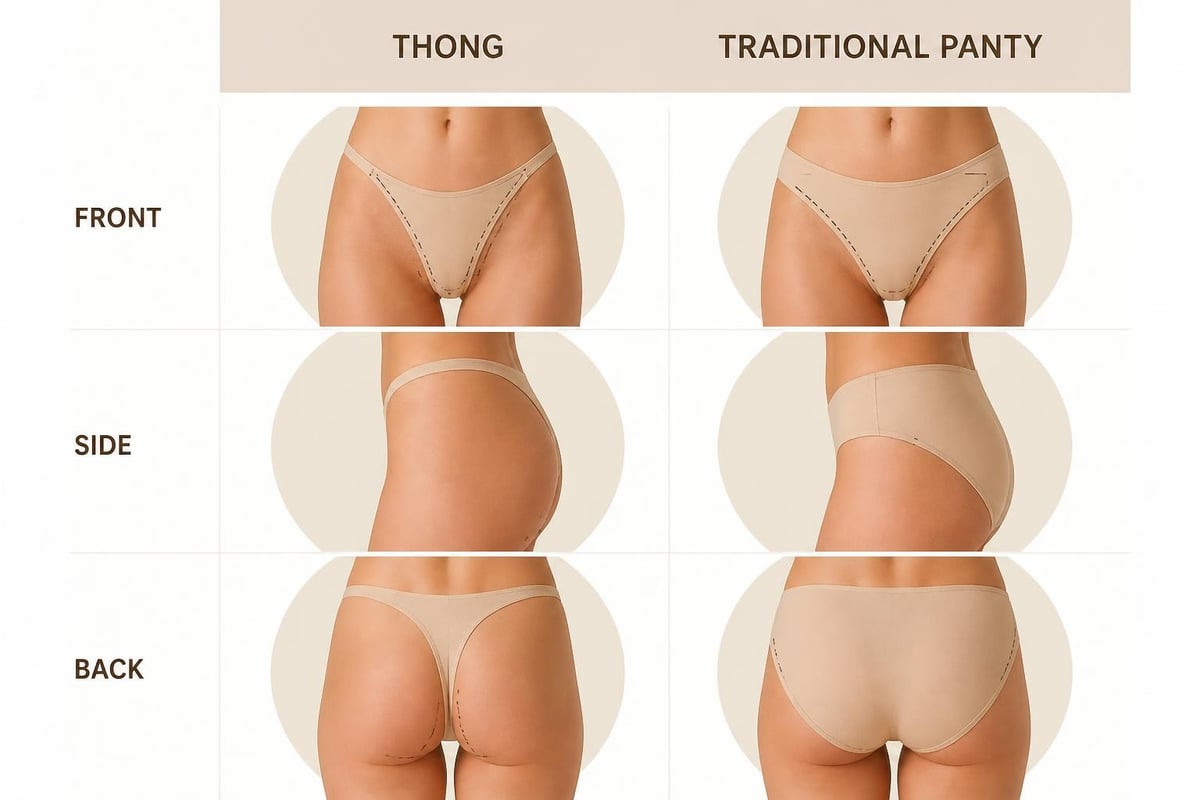
The most visible difference between thongs and panties lies in their back coverage design. Traditional panties feature a full or partial back panel that covers most or all of the buttocks, providing complete coverage and support. This construction uses more fabric and creates a barrier between your body and outer clothing across the entire hip and bottom area.
Thongs take a minimalist approach with a narrow strip of fabric running between the buttocks, typically measuring between one-quarter inch to one inch in width. This distinctive Y-shaped or T-shaped back design eliminates fabric bulk while maintaining front coverage comparable to regular underwear styles.
Coverage Variations Across Styles
Different panty styles offer varying levels of coverage to suit different needs:
- Bikini panties: Sit at or just below the hip bone with moderate back coverage
- Hipster panties: Extend slightly lower on the hips with fuller back panels
- Brief panties: Provide maximum coverage from waist to upper thigh
- Boyshorts: Offer full coverage with leg bands similar to shorts
Thong variations also exist within their category, though all maintain the signature minimal back design. G-strings use the thinnest back strip, while T-back thongs feature slightly wider fabric. V-thongs and tanga styles bridge the gap between full panties and traditional thongs with moderate back coverage.
Comfort Considerations and Fit Differences
Comfort remains highly individual when evaluating the difference between thongs and panties. Many women initially assume thongs feel uncomfortable due to the back strip placement, but modern construction techniques have transformed thong comfort dramatically. Quality thongs made from soft, stretchy materials with flatlock seams often become invisible once worn, eliminating the constant awareness of underwear throughout the day.
Traditional panties distribute fabric weight and tension differently across the body. The full back panel creates more contact points, which some women prefer for security and coverage. However, this additional fabric can also bunch, ride up, or create visible lines under fitted clothing.
Fabric Selection and Skin Sensitivity
Fabric choice significantly impacts comfort regardless of style. Cotton remains the gold standard for breathability and moisture absorption, making it ideal for everyday wear in both thongs and panties. Bamboo fiber offers similar benefits with enhanced softness and natural antibacterial properties.
Synthetic blends incorporating nylon, spandex, or polyester provide stretch and shape retention. Modern seamless construction techniques, like those used in Ambar Wear's underwear collection, combine synthetic performance with breathable gussets to optimize comfort without sacrificing fit or invisibility under clothing.
Material comparison for intimate apparel:
| Fabric Type | Breathability | Moisture Management | Stretch | Best For |
|---|---|---|---|---|
| Cotton | Excellent | High absorption | Moderate | Daily wear, sensitive skin |
| Bamboo | Excellent | High absorption | Good | Eco-conscious, antibacterial needs |
| Microfiber | Good | Quick-drying | Excellent | Activewear, seamless designs |
| Silk | Good | Moderate | Low | Special occasions, luxury |
| Modal | Very Good | Good | Excellent | Soft comfort, drape |
Health and Hygiene Perspectives
The difference between thongs and panties extends into health considerations that deserve attention. Medical professionals have studied how underwear style affects vaginal and vulval health, particularly regarding moisture retention, friction, and bacterial transfer.
Research examining underwear styles and urogenital health has produced nuanced findings. A cross-sectional study published in medical literature found no significant association between thong use and increased urinary tract infections or yeast infections when controlling for other factors. The key variables affecting health outcomes relate more to fabric composition, hygiene practices, and proper fit than style alone.
Preventing Irritation and Infection
Clinical guidelines for managing vulval conditions emphasize fabric breathability and avoiding constant moisture exposure. Professional health organizations recommend choosing underwear that allows air circulation and changing out of damp garments promptly, regardless of whether you prefer thongs or traditional panties.
Best practices for intimate health:
- Select underwear with cotton or moisture-wicking gussets
- Avoid wearing the same underwear for extended periods during exercise
- Choose appropriate sizes that don't create excessive friction or binding
- Wash intimate apparel in gentle, fragrance-free detergents
- Allow adequate drying time between wears
The narrow back strip of thongs means less fabric contact in the perianal area, which some health practitioners view favorably for reducing moisture retention. However, poor-quality thongs with rough seams or improper fit can create friction points that irritate sensitive tissue.
Styling Benefits and Outfit Compatibility
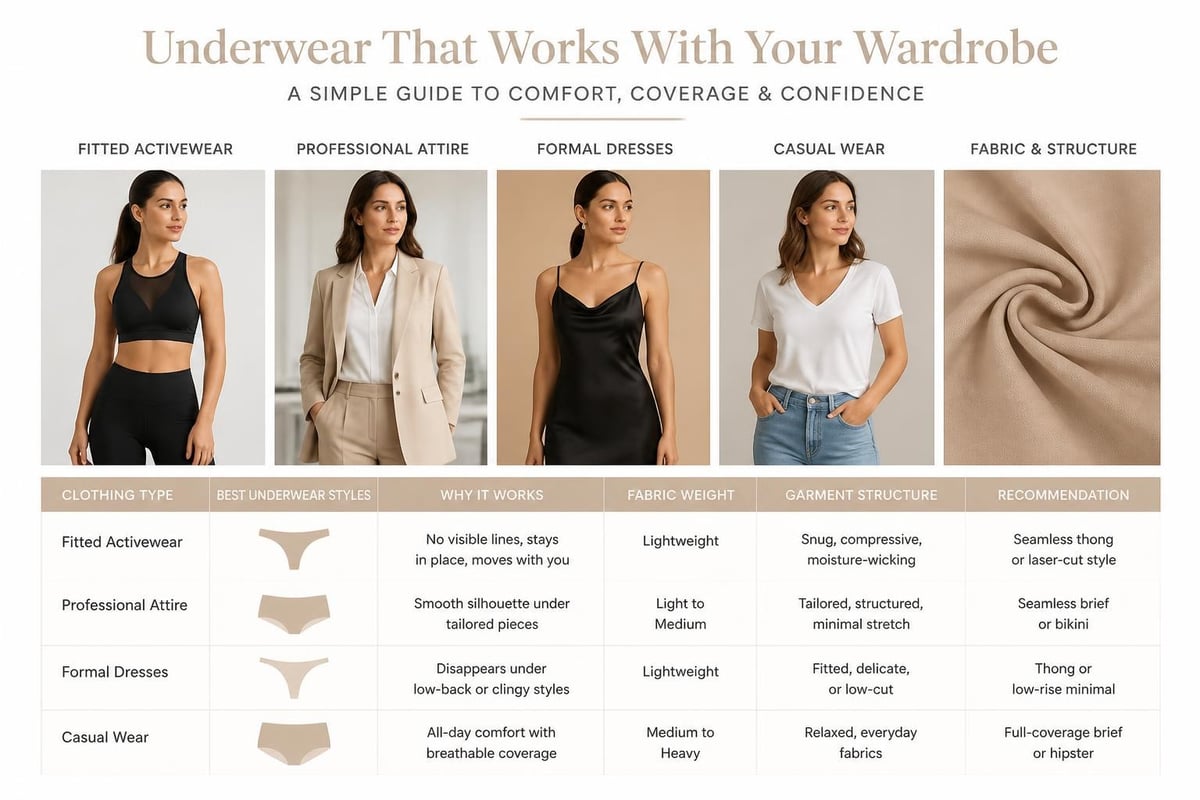
Perhaps the most celebrated difference between thongs and panties appears when choosing underwear for specific outfits. Visible panty lines (VPL) remain a common concern for women wearing fitted pants, skirts, or dresses. The minimal fabric construction of thongs eliminates this issue entirely, creating smooth lines under even the most body-hugging garments.
Traditional panties work beautifully under looser clothing, structured fabrics, or when you simply prefer more coverage. They pair perfectly with jeans, A-line skirts, or professional attire where fitted silhouettes aren't a priority.
Activewear and Athletic Performance
The difference between thongs and panties becomes especially relevant for activewear and athletic activities. During high-intensity workouts, excess fabric can bunch, chafe, or create discomfort as your body moves through different positions and generates heat and moisture.
Sports thongs designed specifically for athletic performance combine minimal coverage with secure waistbands and moisture-wicking fabrics. These pieces stay in place during running, cycling, yoga, or gym sessions without the shifting common to regular underwear styles.
Activity-specific underwear recommendations:
| Activity | Best Style | Key Features |
|---|---|---|
| Yoga/Pilates | Seamless thong or hipster | No-dig waistband, four-way stretch |
| Running | Performance thong | Moisture-wicking, tagless, flat seams |
| Cycling | Padded brief or thong | Chamois or padding, compression fit |
| Gym training | Athletic thong or brief | Breathable panels, squat-proof coverage |
| Dance/Barre | Low-rise thong | Invisible under leotards, flexible |
For activities requiring specific movements like squats or lunges, camel toe prevention becomes crucial. Specialized thong designs with reinforced gussets and anatomical contouring address this common concern without adding bulk.
Psychological Comfort and Confidence Factors
Beyond physical attributes, the difference between thongs and panties includes psychological dimensions that influence how women feel throughout their day. Confidence in your appearance starts with the foundation layers that no one else sees but you constantly feel.
Many women report feeling more put-together and confident wearing thongs under professional or formal attire, knowing their clothing presents smooth, clean lines. The absence of VPL creates peace of mind during presentations, meetings, or social events where appearance matters.
Conversely, some women find full-coverage panties provide a sense of security and comfort that enhances their confidence more than any invisible-line benefit. Personal preference trumps fashion conventions when building a functional underwear wardrobe.
Building a Versatile Underwear Collection
Smart shoppers recognize that the difference between thongs and panties doesn't require choosing one style exclusively. A well-rounded lingerie drawer includes multiple styles to accommodate different outfits, activities, and moods.
Essential underwear wardrobe pieces:
- 5-7 everyday thongs in neutral colors for fitted clothing
- 3-5 full-coverage panties for comfort days and looser outfits
- 2-3 athletic thongs or performance underwear for workouts
- 2-3 special occasion pieces in preferred styles
- 1-2 period-specific options with appropriate absorbency
Quality matters more than quantity. Investing in well-constructed seamless pieces that maintain their shape, elasticity, and comfort through multiple wash cycles proves more economical than frequently replacing cheaply made alternatives.
Sizing and Fit Considerations
Proper sizing represents another critical difference between thongs and panties that affects both comfort and performance. Traditional panties typically size more forgivingly because additional fabric accommodates slight variations in body measurements. The full back panel adjusts somewhat to different hip and bottom proportions.
Thongs require more precise sizing since minimal fabric means less room for adjustment. A too-small thong creates uncomfortable digging and pressure points, while an oversized thong gaps, shifts, or fails to stay in position during movement.
Finding Your Ideal Fit
When determining the difference between thongs and panties in your size, consider these fit indicators:
Signs of proper thong fit:
- Waistband sits comfortably without rolling or digging
- Back strip lies flat without twisting
- Leg openings don't create indentations or bulges
- Front panel provides adequate coverage without gapping
- Underwear stays in place during normal movement
Signs of proper panty fit:
- Elastic waistband distributes pressure evenly
- Back panel covers intended area without riding up
- Leg bands rest smoothly without cutting into thighs
- Fabric lays flat under clothing without bunching
- No constant adjustment needed throughout the day
Technical research on underwear fabric properties reveals how fiber content affects stretch, recovery, and long-term fit retention. High-quality elastane or spandex blends maintain compression and shape better than pure cotton or low-grade synthetics.
Care and Longevity Differences
The difference between thongs and panties extends to garment care and lifespan expectations. Delicate construction in quality thongs requires gentle handling to preserve elasticity and prevent premature wear. The smaller amount of fabric means stress concentrates on specific areas, particularly the seams joining the back strip to the front panel.
Traditional panties with more substantial construction often withstand regular washing and wearing with less specialized care. However, proper maintenance extends the life of all intimate apparel regardless of style.
Washing and Storage Best Practices
Follow these guidelines to maximize underwear longevity:
- Wash in cold water using gentle or delicate cycles
- Use mesh lingerie bags to prevent tangling and snagging
- Avoid fabric softeners that coat fibers and reduce breathability
- Air dry whenever possible to preserve elastic integrity
- Fold rather than roll to prevent permanent creasing or distortion
Research on underwear fabric moisture management and durability demonstrates that heat exposure from dryers significantly degrades elastic fibers, reducing compression and fit quality over time. Line drying or flat drying extends garment life considerably.
Price and Value Comparison
Understanding the difference between thongs and panties includes evaluating cost versus longevity and functionality. Basic thongs typically cost slightly more per piece than comparable traditional panties due to specialized construction techniques required for minimal designs that maintain structural integrity.
However, versatility often makes thongs more cost-effective long-term. A single well-made seamless thong works under dozens of different outfits that would show panty lines with traditional underwear, reducing the need for outfit-specific undergarment purchases.
Value factors to consider:
| Factor | Thongs | Traditional Panties |
|---|---|---|
| Versatility | Excellent (works under most clothing) | Good (best with looser fits) |
| Typical cost per piece | $12-$30 for quality | $8-$25 for quality |
| Replacement frequency | 6-12 months with proper care | 6-12 months with proper care |
| Outfit compatibility | Very high for fitted clothing | High for structured/loose clothing |
| Special occasion need | Low (daily styles work) | Moderate (may need specific cuts) |
Investing in seamless, camel toe-proof thong designs addresses multiple concerns simultaneously, potentially eliminating the need for separate activewear underwear, invisible-line options, and confidence-building foundations.
Special Considerations for Different Body Types
The difference between thongs and panties manifests differently across various body shapes and proportions. Women with fuller hips or bottoms might find traditional panties provide more secure coverage and support, while others appreciate how thongs eliminate fabric bulk in fitted clothing regardless of size.
Petite frames sometimes struggle with thong back strips that don't align properly with body proportions, creating discomfort or visible lines despite minimal fabric. Conversely, plus-size women often discover that properly sized thongs distribute pressure more comfortably than full-coverage styles with multiple elastic bands.
Pregnancy and Postpartum Adaptations
Body changes during and after pregnancy affect underwear preferences significantly. Many women transition from thongs to full-coverage maternity panties for comfort and support during pregnancy. Postpartum recovery often requires specialized underwear that accommodates healing while providing necessary coverage.
Health guidance on vulval and vaginal comfort emphasizes breathable, non-restrictive underwear during postpartum recovery, making fabric choice more important than style preference during this period.
Making the Right Choice for Your Lifestyle
Ultimately, understanding the difference between thongs and panties empowers informed decisions based on your unique needs, preferences, and daily activities. Neither style proves universally superior-each serves specific purposes and preferences that vary by individual and circumstance.
Consider your wardrobe composition, activity level, comfort priorities, and personal style when building your underwear collection. Women who regularly wear yoga pants, fitted skirts, or tailored trousers benefit enormously from quality seamless thong options that eliminate visible lines and maintain confidence throughout the day.
Those prioritizing maximum coverage, traditional comfort, or specific health considerations may prefer traditional panties as their foundation while keeping select thongs for particular outfits or occasions. The most practical approach combines both styles strategically, matching underwear choice to daily needs rather than limiting yourself to one category exclusively.
Choosing between thongs and traditional panties doesn't require an either-or decision when you understand how each style serves different purposes in your wardrobe. The right underwear enhances confidence, comfort, and appearance throughout your daily activities. Ambar Wear specializes in seamless, comfortable undergarments that address common concerns like camel toe, panty lines, and all-day wearability, offering thoughtfully designed thongs and activewear that provide flattering fits for every body type and lifestyle need.