

Women's underwear comes in countless styles, each designed for specific purposes, outfits, and comfort preferences. Understanding the difference between thong and panty styles helps you make informed decisions about your intimate wardrobe. While many people use these terms interchangeably or incorrectly, knowing the technical distinctions between various underwear types ensures you select the right option for any occasion. This comprehensive guide explores coverage levels, design features, comfort factors, and practical considerations for both thongs and traditional panties.
Understanding Basic Underwear Terminology
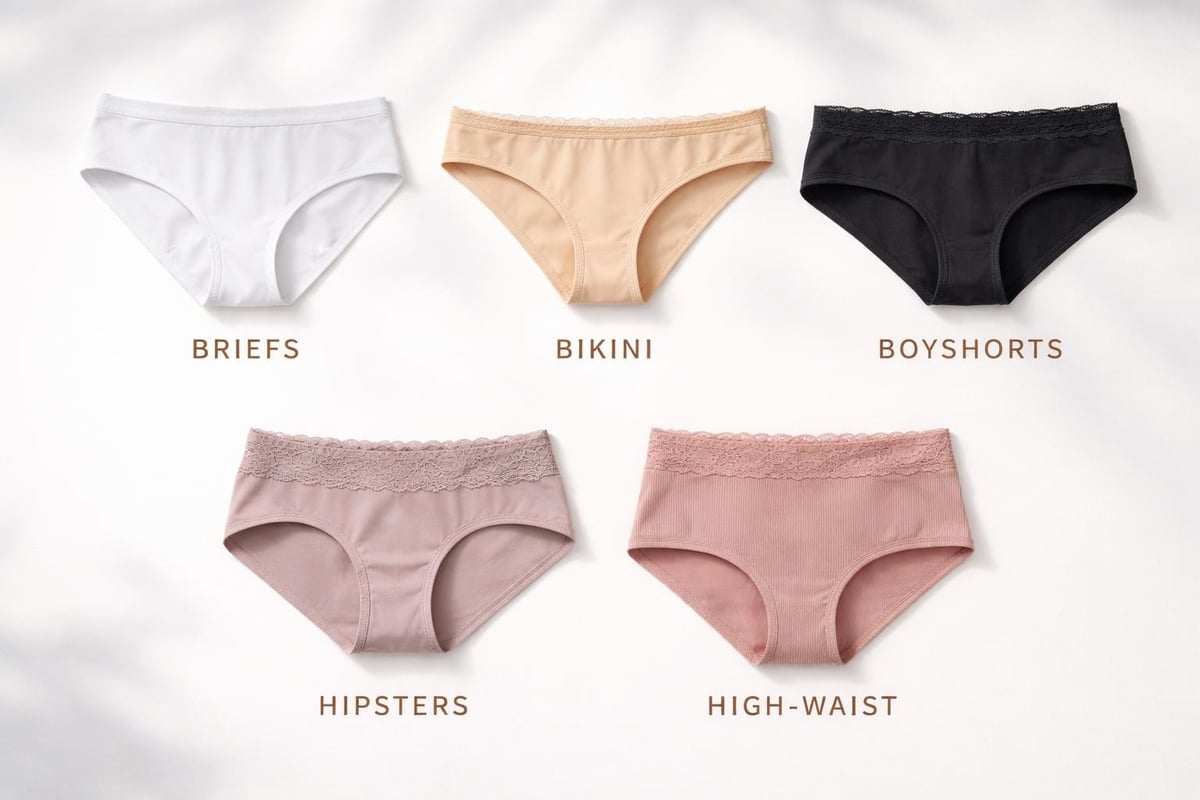
The term "panty" serves as an umbrella category encompassing all women's underwear styles, including briefs, bikinis, boyshorts, hipsters, and yes, even thongs. When discussing different types of women's underwear, it's essential to recognize that panties represent the broad classification while specific styles like thongs fall within this larger category.
Traditional panties typically include:
- Full briefs with complete rear coverage
- Bikini-cut styles with moderate coverage
- Hipsters that sit on the hips
- Boyshorts with leg coverage
- High-waisted styles extending above the natural waist
Thongs, conversely, represent one specific subset within the panty family. The defining characteristic of a thong is its minimal back coverage, featuring a narrow strip of fabric that runs between the buttocks. This design philosophy prioritizes invisibility under clothing while providing front coverage similar to other panty styles.
The Coverage Spectrum
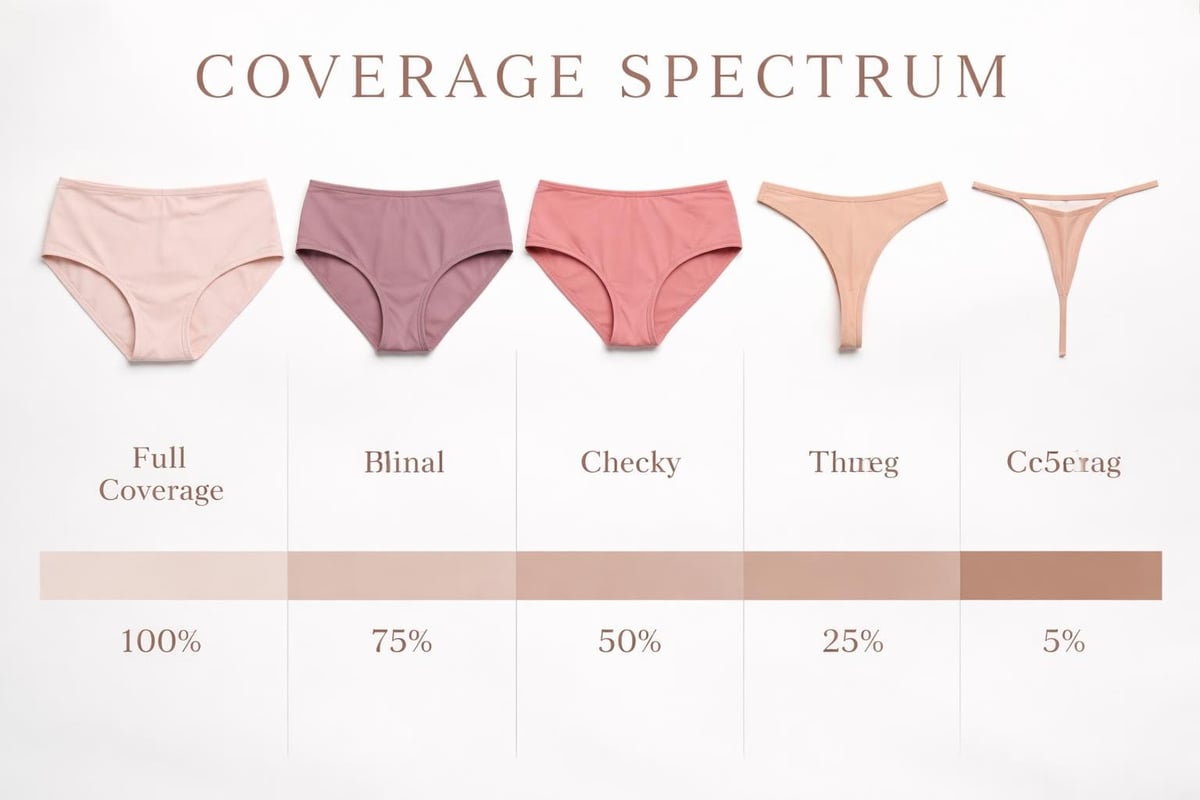
Understanding the difference between thong and panty options requires examining the coverage spectrum. Full-coverage panties provide complete coverage across the buttocks, offering maximum fabric and support. As you move toward minimal styles, coverage decreases progressively through bikini cuts, then string bikinis, cheeky styles, and finally thongs and G-strings.
Design Differences and Construction
The most obvious difference between thong and panty styles lies in back construction. Traditional panties feature a fabric panel covering the entire rear, typically with elastic leg openings and a waistband that encircles the body. This construction provides security, modesty, and support that many women prefer for everyday wear.
Thongs eliminate the back panel entirely, replacing it with a thin strip of fabric ranging from approximately half an inch to one inch in width. This strip connects the front panel to the back waistband, creating the signature T-shape that gives thongs their name. Some variations include:
| Style Type | Back Coverage | Waistband Style | Best For |
|---|---|---|---|
| Classic Thong | Minimal strip | Regular elastic | Everyday wear |
| G-String | Thin string | String or minimal | Special occasions |
| Tanga | Slightly wider back | Wider band | Compromise option |
| V-String | V-shaped back | String sides | No visible lines |
The construction of seamless underwear has revolutionized both thong and traditional panty designs. Modern manufacturing techniques create bonded seams and laser-cut edges that eliminate visible panty lines regardless of style choice.
Fabric and Material Considerations
Both thongs and traditional panties utilize similar fabric options, though material choice significantly impacts comfort and functionality. Cotton remains popular for its breathability and softness, making it ideal for everyday wear in both styles. Microfiber and modal fabrics offer smooth, lightweight alternatives that work exceptionally well for thong underwear because they reduce friction against skin.
Common fabric choices include:
- Cotton: Breathable, absorbent, hypoallergenic
- Microfiber: Smooth, quick-drying, invisible under clothing
- Modal: Soft, sustainable, moisture-wicking
- Lace: Decorative, less coverage, special occasions
- Spandex blends: Stretchy, form-fitting, athletic activities
High-performance fabrics designed for activewear have crossed into everyday underwear construction. These materials wick moisture away from the body, making them excellent choices for both thong and traditional panty styles when you're active or live in warm climates.
Comfort and Fit Considerations
The difference between thong and panty comfort levels varies dramatically based on individual preferences, body type, and quality of construction. Many women initially find traditional panties more comfortable because they're accustomed to the sensation of full coverage. The complete fabric panel feels secure and familiar, providing a sense of modesty and support.
However, properly fitted thongs can be equally comfortable once you adapt to the style. The key lies in finding thongs with adequate front coverage, a comfortable waistband, and a back strip made from soft, non-irritating fabric. Poor-quality thongs with thin strings or rough seams create discomfort that gives the entire category an unfair reputation.
Breaking In and Adaptation
First-time thong wearers often experience an adjustment period. The sensation of fabric between the buttocks feels unusual initially, but quality thongs from brands like Ambar Wear use specialized designs that minimize this sensation. Seamless construction and strategic fabric placement ensure the thong stays in place without constant awareness or adjustment.
Traditional panties offer immediate comfort for most wearers but introduce their own challenges. Full-coverage styles can bunch, ride up, or create visible lines under fitted clothing. The very fabric that provides coverage can also trap heat and moisture, potentially causing discomfort during extended wear or physical activity.
Practical Applications and Wardrobe Planning
Choosing between thong and traditional panty styles often depends on your outfit rather than universal preference. Understanding various types of underwear styles helps you match underwear to clothing for optimal appearance and comfort.
Thongs work best with:
- Fitted pants and leggings
- Bodycon dresses and skirts
- Thin or light-colored fabrics
- Workout wear and athletic clothing
- Formal wear requiring smooth lines
Traditional panties excel with:
- Loose-fitting clothing
- Everyday casual wear
- Loungewear and sleepwear
- Cold weather layering
- Activities requiring maximum coverage
The difference between thong and panty visibility under clothing cannot be overstated. Thongs eliminate visible panty lines (VPL) entirely because minimal fabric means minimal lines. This makes them indispensable for anyone who wears yoga pants, fitted trousers, or body-hugging dresses regularly. Specialized camel toe proof underwear designs address front coverage concerns while maintaining the sleek profile thongs provide.
Health and Hygiene Perspectives
Medical professionals offer varying opinions on the difference between thong and panty health impacts. Both styles can be worn safely with proper hygiene practices and quality materials. The key consideration involves fabric type and fit rather than style alone.
Cotton gussets in both thongs and traditional panties provide breathability that synthetic materials cannot match. This breathable panel reduces moisture accumulation and bacterial growth, supporting vaginal health regardless of underwear style. Many women worry that thongs increase infection risk, but research suggests properly fitted thongs made with breathable fabrics pose no greater risk than other styles.
Daily Hygiene Best Practices
Maintaining intimate health requires consistent practices regardless of your preferred underwear style:
- Change underwear daily, or more frequently if sweating
- Choose breathable fabrics, especially for the gusset area
- Avoid wearing damp underwear for extended periods
- Select properly sized underwear that doesn't bind or chafe
- Alternate between styles to give skin variety
For women concerned about specific issues, exploring anti-camel toe underwear options provides solutions that work with both thong and traditional panty designs. Advanced construction techniques address common concerns without sacrificing style or comfort.
Style Variations Within Each Category
The difference between thong and panty categories extends beyond simple coverage distinctions. Within each classification exists tremendous variety in cut, rise, materials, and decorative elements. Understanding these subcategories helps you find options perfectly suited to your preferences.
Thong Subcategories
Thongs aren't monolithic. The basic concept of minimal back coverage manifests in multiple distinct styles:
| Thong Type | Distinguishing Features | Ideal Usage |
|---|---|---|
| Classic Thong | Standard strip, regular waistband | Daily wear, most versatile |
| G-String | Thin string back and sides | Eliminating all lines, minimal occasions |
| Tanga | Wider back strip, more coverage | Thong beginners, compromise option |
| C-String | No waistband, adhesive | Specific outfits, temporary wear |
| High-Waist Thong | Extended front panel | Tummy smoothing, vintage aesthetic |
Traditional Panty Subcategories
Full-coverage panties encompass even greater variety than thongs. From different women's underwear styles including:
- Full briefs: Complete coverage, highest rise
- Bikini: Moderate coverage, sits at hip
- Hipster: Low rise, fuller coverage than bikini
- Boyshort: Leg coverage resembling shorts
- High-waist: Vintage-inspired, tummy control
- French cut: High-leg opening, moderate coverage
Each style serves specific purposes and pairs optimally with different clothing types. Building a diverse underwear wardrobe means selecting multiple styles rather than committing exclusively to one category.
Making the Right Choice for Your Lifestyle
The difference between thong and panty suitability depends heavily on individual lifestyle factors. Active women who exercise regularly might prefer thongs for workout sessions to prevent visible lines under leggings, while choosing boyshorts for lounging at home. Professional wardrobes featuring tailored trousers benefit from thong options, while casual weekend clothing pairs equally well with any style.
Consider these lifestyle factors:
- Activity level: Athletic pursuits may favor specific styles
- Wardrobe composition: Professional versus casual clothing ratios
- Climate: Hot, humid environments versus cold weather
- Personal sensitivity: Skin sensitivity to different fabrics and constructions
- Laundry frequency: Some styles require more frequent washing
Many women maintain both thong and traditional panty options, selecting based on daily outfit requirements rather than exclusive preference. This flexible approach ensures you always have appropriate underwear regardless of clothing choices or activities.
Building a Versatile Collection
Rather than debating the difference between thong and panty superiority, consider building a comprehensive collection that includes both. Start with neutral colors in each style, then expand to patterns and specialty options as you identify your preferences.
A well-rounded underwear drawer might include:
- 5-7 everyday thongs in neutral colors
- 5-7 traditional panties in preferred cuts
- 2-3 specialty athletic options
- 2-3 decorative or lacy styles for special occasions
- 1-2 seamless nude options for light-colored clothing
Exploring comprehensive collections from specialists like Ambar Wear's best products ensures you access quality construction across all style categories. Premium underwear costs more initially but delivers superior comfort, durability, and performance that budget options cannot match.
Addressing Common Concerns and Misconceptions
Several persistent myths about the difference between thong and panty styles deserve clarification. These misconceptions often prevent women from trying styles that might actually serve their needs perfectly.
Myth: Thongs are inherently uncomfortable. Reality: Quality thongs with proper fit and construction feel comfortable once you adjust to the style. Discomfort typically results from poor quality or incorrect sizing rather than the thong design itself.
Myth: Traditional panties always create visible lines. Reality: Seamless panties, laser-cut edges, and proper sizing eliminate visible lines in full-coverage styles. Modern construction techniques have revolutionized traditional panty invisibility.
Myth: Thongs cause health problems. Reality: No evidence suggests thongs increase infection risk when made with breathable fabrics and changed regularly. Hygiene practices matter more than style selection.
Myth: You can only wear thongs with tight clothing. Reality: While thongs excel with fitted garments, they work equally well under any clothing when you prefer the sensation and lack of coverage.
Understanding these facts helps you make informed decisions based on actual performance rather than outdated assumptions. Whether you're interested in camel toe free underwear or simply seeking comfortable daily options, knowledge empowers better choices.
Sizing and Fit Considerations
Proper sizing represents perhaps the most crucial factor in underwear comfort, regardless of style. The difference between thong and panty sizing conventions varies slightly, but both require accurate measurements for optimal fit.
Traditional panties typically size based on hip measurements, with sizing charts indicating the measurement range for each size. Thongs use similar sizing systems but require particular attention to waistband fit since there's less fabric to distribute pressure. A too-tight thong waistband creates discomfort, while too-loose options shift and bunch.
Measuring for Perfect Fit
To determine your correct underwear size:
- Measure your hips at the fullest point
- Measure your waist at the narrowest point
- Reference the brand's specific sizing chart
- Consider your preference for snug versus relaxed fit
- Order multiple sizes if between measurements
Different brands use varying size standards, so your size in one brand might differ from another. Reading reviews helps identify whether specific styles run large, small, or true to size. Many women find they wear different sizes in thongs versus traditional panties from the same brand due to coverage and construction differences.
Special Considerations for Active Lifestyles
Athletes and active individuals face unique challenges when selecting between thong and traditional panty styles. Moisture management, security during movement, and chafing prevention become paramount concerns during physical activity.
For high-impact activities:
- Moisture-wicking fabrics prevent sweat accumulation
- Secure waistbands prevent shifting during movement
- Seamless construction eliminates chafing points
- Athletic-specific cuts accommodate movement patterns
Some women prefer traditional athletic panties for activities like running or cycling, appreciating the additional coverage and security. Others find that thongs eliminate the bunching and riding up that full-coverage styles experience during intense movement. Experimenting with both options during lower-intensity workouts helps identify your preference before investing in multiple pieces.
Resources like NeceSera's guide to panty types offer additional perspective on matching underwear styles to specific activities and clothing requirements.
Fashion and Aesthetic Considerations
Beyond functional differences, the distinction between thong and panty styles includes aesthetic elements. Traditional panties offer more surface area for decorative elements like lace, embroidery, patterns, and color blocking. Full-coverage styles serve as intimate fashion statements, with luxury lingerie brands creating elaborate designs that prioritize beauty alongside function.
Thongs, with their minimal fabric, take different aesthetic approaches. High-end thong designs focus on waistband detailing, quality materials, and perfect proportions rather than elaborate decoration. The appeal lies in sleekness and sophistication rather than ornamental complexity.
Matching Sets and Coordination
Many underwear buyers prefer coordinated sets that include matching bras and panties. The difference between thong and panty options affects set availability and styling. Traditional panty sets often feature more elaborate matching between tops and bottoms, while thong sets emphasize streamlined elegance.
Collections from specialists offering women's underwear and bra sets provide cohesive options across style categories. Coordinated pieces create polished looks that boost confidence even when the underwear remains hidden beneath clothing.
Price Points and Value Considerations
Understanding the difference between thong and panty pricing helps budget your underwear purchases effectively. Generally, thongs and traditional panties in similar quality tiers cost comparable amounts. Price variations stem from fabric quality, construction complexity, and brand positioning rather than style alone.
Budget options (under $5 per piece) exist in both categories but often sacrifice quality for affordability. Mid-range underwear ($8-20 per piece) typically delivers the best value, offering quality materials and construction without luxury pricing. Premium and designer options ($25+ per piece) feature exceptional fabrics, innovative designs, and superior durability.
| Price Tier | Expected Quality | Lifespan | Best For |
|---|---|---|---|
| Budget ($3-7) | Basic fabrics, simple construction | 6-12 months | Trying new styles |
| Mid-range ($8-20) | Quality materials, good durability | 1-2 years | Daily rotation |
| Premium ($21-40) | Exceptional fabrics, superior construction | 2-3+ years | Investment pieces |
| Luxury ($41+) | Designer, innovative materials | 3+ years | Special occasions |
Investing in quality pieces from Ambar Wear's product collection ensures better value over time despite higher initial costs. Well-constructed underwear maintains shape, elasticity, and comfort through numerous wash cycles, ultimately costing less per wear than frequently replaced budget options.
The difference between thong and panty styles encompasses coverage, construction, comfort, and functionality, with each serving distinct purposes in a well-rounded underwear wardrobe. Rather than viewing these options as competing choices, consider them complementary styles suited to different outfits, activities, and preferences. Whether you need invisible lines under fitted clothing or full coverage for maximum comfort, quality construction and proper fit matter more than style category. Ambar Wear specializes in seamless, comfortable designs across all underwear styles, offering solutions that eliminate common concerns like camel toes and visible panty lines while ensuring confidence and elegance in your everyday wear.