

Ever found yourself unsure about the real difference between panty and underwear? You’re not alone. These terms are often used interchangeably, but do they truly mean the same thing?
Understanding the difference between panty and underwear is important for comfort, health, and personal style. As we move into 2026, knowing the nuances can help you make better choices for your wardrobe and wellbeing.
In this article, we’ll break down definitions, trace historical roots, explore material and design choices, look at cultural perspectives, and reveal how modern trends are shaping the future of women’s undergarments. Ready to find out what works best for your lifestyle? Read on.
Definitions and Historical Origins
Understanding the difference between panty and underwear starts with clear definitions and a look at how each term evolved. While often used interchangeably, the origins and usage of these words reveal unique stories, especially as we enter 2026.
What is a Panty?
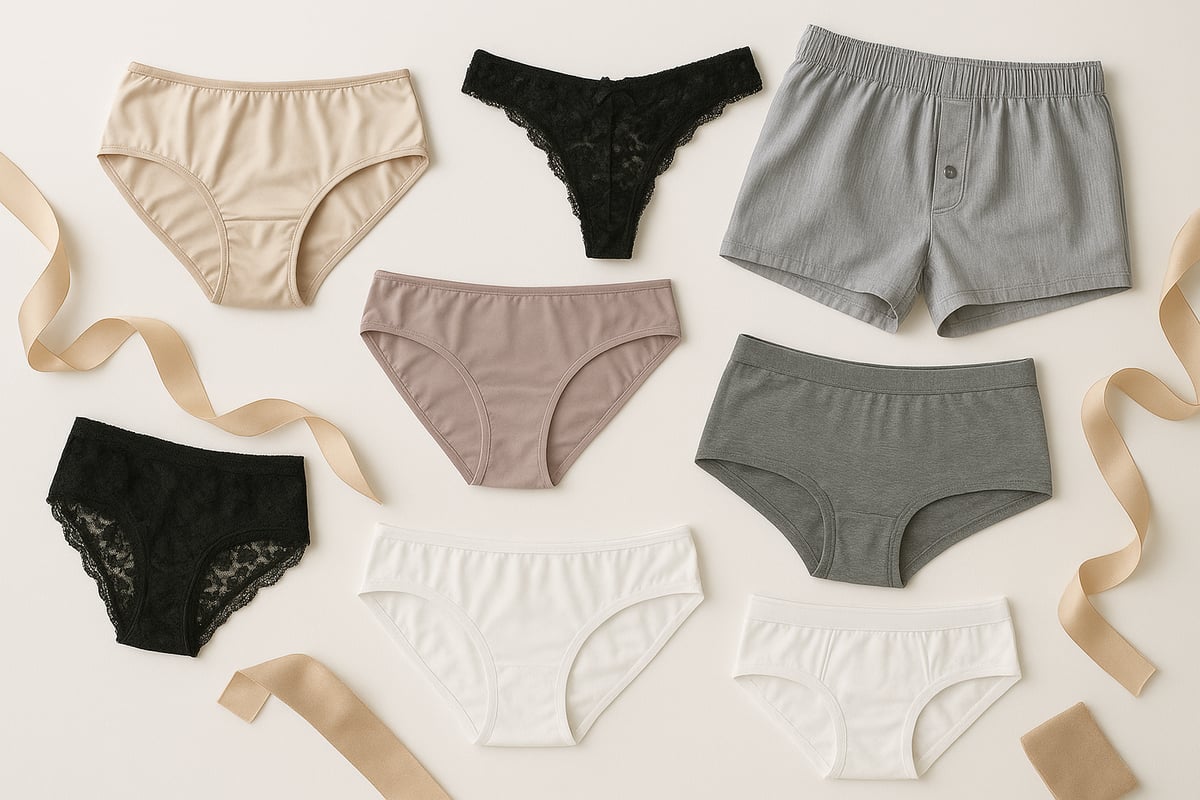
The word "panty" traces its roots to the French “pantalon,” once referring to men’s trousers but now globally recognized as a women’s undergarment. Panties are specifically designed to fit the female anatomy and are typically worn as the main layer beneath clothing. The difference between panty and underwear becomes clearer when you look at how panties evolved.
Historically, women wore bloomers or knickers in the 19th century. These were bulky and often reached the knees. Over time, as fashion changed, these garments became smaller and more form-fitting, giving rise to what we now call panties. By the 20th century, the word "panty" became common in the US, while the UK favored "knickers."
Panties come in a variety of styles, each offering different fits and coverage. Popular examples include briefs, thongs, bikinis, boyshorts, and hipsters. The 1990s saw the thong rise in popularity, thanks to both fashion trends and pop culture. According to a 2023 Statista report, panties account for a significant portion of women's underwear sales globally.
The main takeaway in the difference between panty and underwear is that panties are almost always associated with women’s undergarments. For a deeper dive into specific panty styles and their place in women’s wardrobes, you can refer to this Panties vs. Underwear Guide.
What is Underwear?
Underwear, on the other hand, is a broad and gender-neutral term. It encompasses all garments worn beneath outer clothing, regardless of the wearer’s gender. The difference between panty and underwear is that underwear includes not just panties, but also boxers, briefs, trunks, and more.
Historically, both men and women wore basic linen undergarments. As society and fashion progressed, the terminology shifted, and underwear began to cover a wider range of items. Today, underwear is an umbrella term that covers everything from men’s briefs to women’s panties.
For example, men’s briefs and women’s panties are both considered underwear, but each is tailored differently. Boxers offer a loose fit, while briefs and trunks provide support. Panties, as discussed above, focus on female comfort and fit.
The global underwear market is massive, estimated at over $110 billion in 2022, with continued growth projected. This highlights how the difference between panty and underwear is not just about language, but also about market trends and consumer needs. Ultimately, underwear serves as the all-encompassing category, while panties represent a specific subset within it.
Material and Design Differences
Material and design are at the heart of the difference between panty and underwear. What you wear closest to your skin impacts comfort, confidence, and even health. As we explore the fabrics, technologies, and construction that define these garments, you'll see how small details create big distinctions.
Fabric Choices and Technology
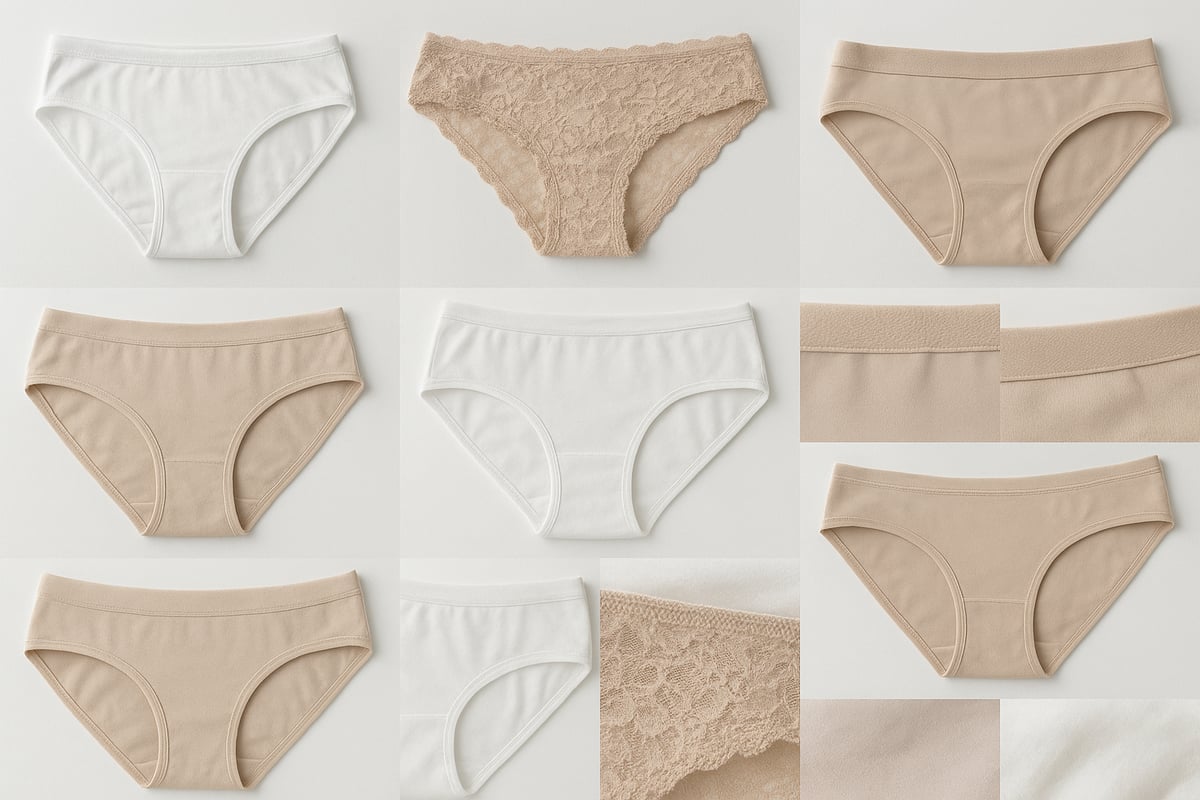
The fabric is often the first thing people notice when considering the difference between panty and underwear. Panties are commonly made from cotton, lace, microfiber, silk, and modal. Cotton remains a favorite for its breathability and softness, particularly for daily wear. Lace and silk are popular for special occasions, offering a luxurious feel and delicate appearance.
In contrast, underwear as a broader category uses similar fabrics, but also includes options like spandex blends and performance synthetics. This is especially true for men's and unisex underwear, where durability and moisture management are key.
Advancements in textile technology have transformed both panties and underwear. Seamless construction, moisture-wicking fibers, and antimicrobial treatments are now widely available. These innovations reduce irritation and enhance comfort, making them a major factor in the difference between panty and underwear.
Eco-friendly materials are also on the rise. Bamboo and organic cotton are gaining traction among consumers seeking sustainable choices. According to a recent survey, 68% of people prefer cotton for everyday underwear, citing its comfort and skin-friendly qualities.
Here's a quick comparison:
| Fabric | Panties | Underwear (General) |
|---|---|---|
| Cotton | Very common, breathable | Common, all genders |
| Lace | Popular for fashion, light | Rare |
| Microfiber | Seamless, smooth finish | Used in seamless styles |
| Bamboo/Organic | Eco-friendly, soft | Growing trend |
| Synthetic Blends | For stretch, shape, sports | Popular for performance |
If you're curious about how seamless technology is changing everyday comfort for both genders, the Seamless Underwear Differences article dives deeper into these advances.
Construction and Fit
Construction is a subtle yet significant part of the difference between panty and underwear. Panties, designed specifically for women, feature details tailored to female anatomy. Waistbands are typically lower and more flexible, while leg openings are shaped for a snug, comfortable fit. The gusset, often made from cotton, is designed for breathability and feminine hygiene.
Underwear as a category includes a broader range of fits and features. Men's underwear, for example, may have higher waistbands, longer leg coverage, and supportive pouches. Unisex underwear often prioritizes simplicity and universal fit.
Let’s compare construction styles:
| Feature | Panty (e.g., Thong) | Underwear (e.g., Boxer Brief) |
|---|---|---|
| Waistband | Thin, sits on hips | Wide, sits at waist |
| Leg Openings | High cut, various shapes | Longer, straight cut |
| Gusset | Cotton-lined, narrow | Wide, sometimes padded |
| Seams | Often minimal or seamless | May have flatlock seams |
Design impacts more than just comfort. The difference between panty and underwear often comes down to how visible they are under clothing. Thongs and seamless panties are ideal for tight outfits, while boxer briefs are better suited for looser garments. Proper fit prevents bunching, rolling, and unwanted lines.
Ultimately, the difference between panty and underwear is shaped by these design choices. Picking the right fabric and construction makes all the difference in your daily comfort and style.
Functional Aspects and Usage
Choosing the right undergarment goes beyond style. When comparing the difference between panty and underwear, it is all about comfort, function, and wellbeing. Let’s break down how these two staples serve different needs in daily life.
Comfort and Support
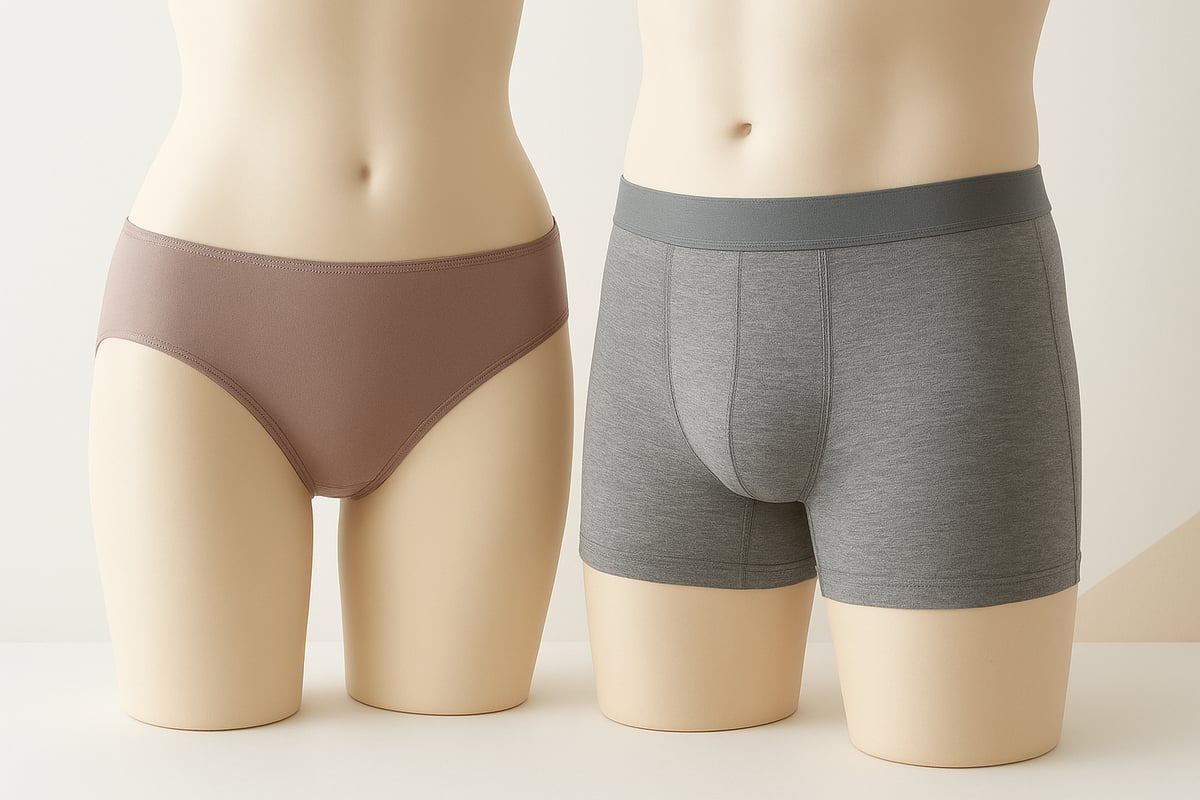
Understanding the difference between panty and underwear begins with comfort. Panties are often designed to suit the female anatomy, offering options like briefs, thongs, bikinis, and boyshorts. Each style provides a unique balance between coverage and freedom of movement.
For many, panties deliver a tailored fit that hugs the body without excess fabric. This makes them ideal for wearing under skirts, dresses, and tight pants. The waistband and leg openings are usually softer and less bulky than those found in broader underwear categories.
On the other hand, underwear as a general term includes boxers, briefs, and trunks for all genders. These styles prioritize different needs. For example, boxer briefs offer more support and coverage, making them a popular choice for physical activity or colder weather. In contrast, panties might be chosen for their minimalism and comfort in warm climates.
A 2024 survey found that 54% of women cite comfort as their top priority when choosing underwear. This statistic highlights why understanding the difference between panty and underwear can help shoppers find the right fit for their lifestyle.
Sports panties and sports underwear also demonstrate this difference. Sports panties are designed for breathability and flexibility, while sports underwear for men or unisex options focus on support and moisture management. Whether you need support for a workout or comfort for all-day wear, the difference between panty and underwear can shape your experience.
In summary, design and construction affect how these garments feel and perform. Choosing the right type can make a noticeable difference in comfort and support.
Health and Hygiene Considerations
Health and hygiene are central to the difference between panty and underwear. Breathable fabrics like cotton are popular for panties, especially since many styles include a cotton gusset for feminine hygiene. This feature helps manage moisture and reduces the risk of irritation or infection.
Underwear for all genders focuses on similar health aspects, such as moisture control and breathability. However, some synthetic fabrics used in both panties and general underwear can trap heat and sweat, leading to discomfort or skin issues.
Many women prefer panties made with natural fibers to support daily hygiene. Features like seamless construction and flat seams can also minimize chafing and irritation. For those concerned about specific design needs, such as avoiding visible lines or discomfort, specialized panties now exist. For example, some brands have created panties that address camel toe concerns, combining style with health-focused design. You can learn more about these innovations in Panties and Camel Toe Explained.
When it comes to the difference between panty and underwear, your choice of fabric and style can play a big role in personal health. Picking the right undergarment helps protect sensitive skin, prevents infections, and ensures daily comfort.
Thoughtful selection based on your activities, preferences, and health needs ensures your undergarments work for you, not against you.
Cultural and Regional Perspectives
When exploring the difference between panty and underwear, it is clear that culture and language play a major role in shaping perceptions and choices. The words we use, and how we use them, vary widely across regions, reflecting deeper societal attitudes and shopping habits.
Language and Terminology Differences
The difference between panty and underwear is often most visible in the words used from one region to another. In the United States, "panties" typically refers to women’s undergarments, while "underwear" is a broader, gender-neutral term. In the United Kingdom, the word "knickers" is preferred over "panties," and "pants" can mean something entirely different. Australians might use "undies," and Asian English often blends these terms or adopts local variants.
Here is a quick comparison table to highlight these regional distinctions:
| Region | Women's Term | General Term | Male Term |
|---|---|---|---|
| USA | Panties | Underwear | Boxers, Briefs |
| UK | Knickers | Underwear, Pants | Pants, Boxers |
| Australia | Undies | Underwear | Jocks, Undies |
| Asia | Panties/Undies | Underwear | Boxers, Briefs |
The difference between panty and underwear is not just about gender. It also influences how people shop and what they expect from products. Marketing in the US often highlights "panties" for women, while UK brands focus on "knickers" or "briefs." This impacts both product labeling and consumer preference, making it essential for brands to understand these nuances.
For anyone shopping internationally, knowing the difference between panty and underwear can help avoid confusion and ensure you get exactly what you want.
Societal Attitudes and Taboos
Beyond language, the difference between panty and underwear is shaped by societal attitudes and taboos. In some cultures, talking about or displaying undergarments is still considered private or even taboo. In others, lingerie and underwear have become mainstream topics, with advertising and social media embracing openness and body positivity.
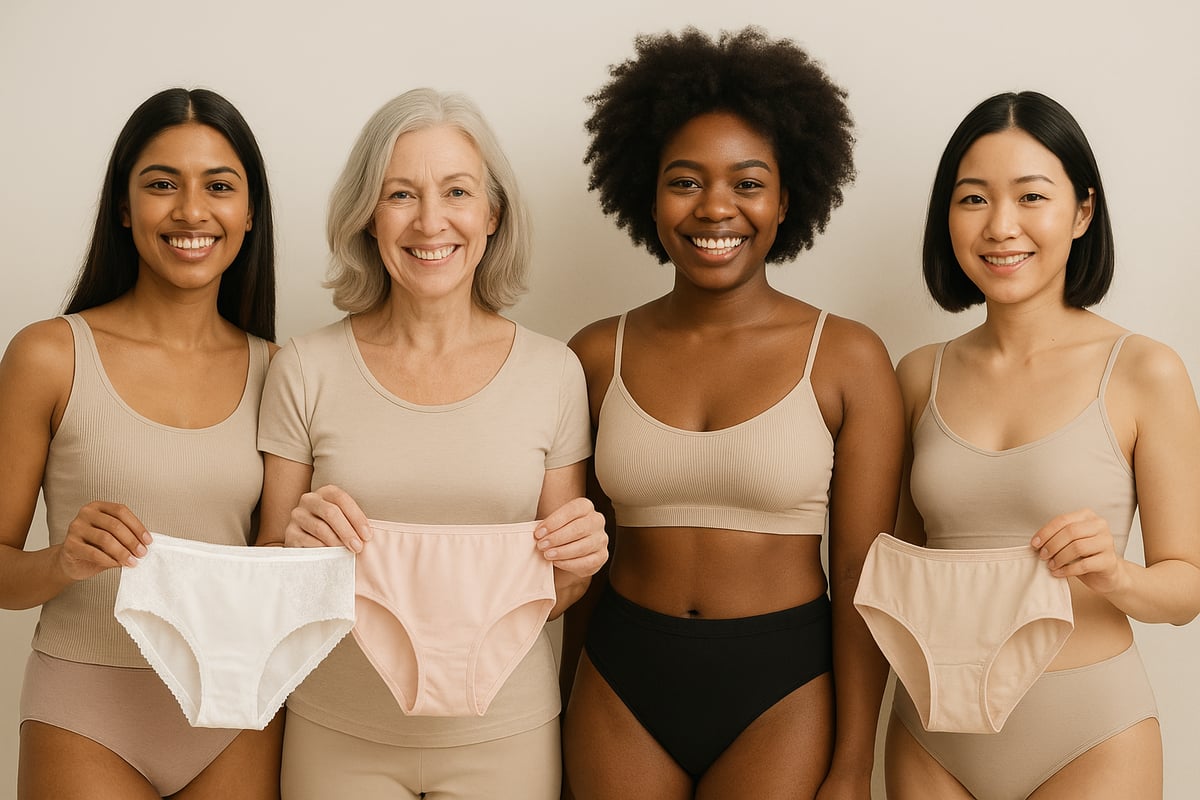
Over the last decade, there has been a shift in how brands present undergarments. Campaigns now often celebrate diversity, comfort, and confidence. Viral social media trends and movements like body positivity have reduced stigma and encouraged more honest conversations about women’s comfort and style.
These evolving perspectives are also reflected in marketing and product design. For example, some regions now demand more inclusive sizing and adaptive features, while others still prioritize modesty or tradition. According to Women's Underwear Market Analysis, regional consumer preferences are driving innovation and variety in the industry.
The difference between panty and underwear is not just a matter of semantics; it is a window into cultural values and changing social norms. As global attitudes shift, these differences continue to shape the future of women’s undergarments.
Trends and Innovations in Women’s Undergarments (2026 Outlook)
Curious how the difference between panty and underwear is evolving as we approach 2026? The world of women’s undergarments is undergoing rapid change, shaped by style, technology, and shifting cultural values. Let’s explore the top trends that are redefining the difference between panty and underwear for the modern woman.
Rise of Seamless and Invisible Designs
One of the most noticeable shifts in the difference between panty and underwear is the surge in seamless and invisible options. Modern consumers crave undergarments that disappear under clothing, offering a smooth silhouette without visible lines. Thanks to innovations like laser-cut edges and bonded seams, seamless panties and underwear are now staples in many wardrobes.
According to Women's Underwear Market Trends, the seamless underwear segment has grown by 39 percent from 2020 to 2025. This remarkable rise highlights how the difference between panty and underwear is influenced by demand for comfort and invisibility. Seamless thongs, for example, have become essential for tight-fitting outfits, while invisible briefs appeal to those seeking both coverage and discretion.
Focus on Functionality: Anti-Chafing, Sweat-Wicking, and More
Functionality is a key driver in the ongoing evolution of the difference between panty and underwear. Today’s undergarments are engineered for more than just aesthetics. Features like moisture-wicking fabrics, odor control, and anti-chafing panels are now expected, especially for women with active lifestyles.
Sports panties and underwear use advanced textiles to keep wearers dry and comfortable, even during intense activity. Sweat-wicking technology and antimicrobial treatments help maintain freshness throughout the day. This functional focus means the difference between panty and underwear is often about performance as much as style.
Sustainability and Ethical Production
As environmental awareness grows, sustainability is shaping the difference between panty and underwear. Today’s consumers want eco-friendly materials like organic cotton, bamboo, and recycled nylon. Ethical manufacturing, fair labor practices, and transparent supply chains are becoming non-negotiable for many buyers.
Brands now highlight sustainable collections and certifications, appealing to those willing to pay more for a greener choice. In fact, 26 percent of shoppers reported a willingness to invest extra for sustainable underwear in a 2024 survey. For many, the difference between panty and underwear includes considering the environmental impact of their purchase.
Body Positivity and Inclusive Sizing
Body positivity is transforming the difference between panty and underwear, making inclusivity a top priority. Brands are expanding their size ranges and offering adaptive designs for all body types and abilities. Marketing campaigns now feature diverse models, celebrating every shape and size.
This shift is backed by market data, as discussed in the Lingerie Market Report, which notes a surge in inclusive branding and consumer demand for representation. As a result, the difference between panty and underwear now means more personalized options, making everyone feel confident and seen.
Ambar Wear: Seamless Solutions for Modern Women
Ambar Wear stands at the forefront of innovation, showing how the difference between panty and underwear is being redefined. Their seamless, camel toe-proof panties and underwear eliminate visible lines, sweat patches, and discomfort. Popular products like the Invisible Camel Toe Thong and Seamless Ice Silk Thong set new standards for comfort and functionality.
Customer testimonials highlight the confidence and satisfaction these designs bring, while high media ratings affirm their quality. Ambar Wear’s focus on invisible, body-positive solutions is a perfect example of what the future holds for women’s undergarments.
In summary, the difference between panty and underwear in 2026 is shaped by seamless technology, advanced functionality, sustainability, inclusivity, and brands like Ambar Wear leading the way. Women now have more choice and comfort than ever before.
How to Choose: Practical Tips for Selecting the Right Undergarment
Choosing the right undergarment can seem overwhelming, especially with the ongoing confusion about the difference between panty and underwear. The right choice affects not just comfort but also confidence and health. Here’s how to find the perfect fit for your lifestyle and wardrobe.
Assessing Your Needs and Preferences
Start by asking what matters most to you. Is it comfort for daily wear, invisibility under tight clothing, or added support for active days? Understanding the difference between panty and underwear is key here, since panties are often tailored for a feminine fit, while underwear covers a broader range of styles for all genders.
Think about your typical outfits. Thongs or seamless panties work best under leggings or bodycon dresses, while cotton briefs are ideal for relaxed days. If you’re curious about specific styles, this What Are Thongs for Women guide can help clarify how thongs fit into the panty category.
For sensitive skin, opt for breathable fabrics like cotton or bamboo. Those with allergies should avoid synthetic blends. Matching your undergarment style to your clothing and skin needs ensures comfort all day.
The difference between panty and underwear also influences which style offers the hygiene, invisibility, or support you need. Taking time to assess your priorities helps narrow the choices effectively.
Sizing, Fit, and Care
Proper sizing is crucial for comfort and health. The difference between panty and underwear extends to sizing—panties often have more tailored sizing for women, while general underwear may come in broader size ranges.
Measure your waist and hips, then consult the brand’s size chart. Look for styles that fit snugly without digging in or leaving marks. If waistbands roll or leg openings pinch, try a different cut or size.
Undergarments last longer when cared for properly. Wash with gentle detergent, avoid high heat drying, and store flat to prevent stretching. Following these steps preserves elasticity and extends the life of your favorite pairs.
The difference between panty and underwear becomes evident in care routines too. Delicate lace panties may require handwashing, while sturdy cotton underwear can handle machine cycles. Paying attention to care keeps both panties and underwear in top condition.
Budget and Value Considerations
Price is an important factor when deciding between types. The difference between panty and underwear can mean a wide range of price points, from affordable multipacks to premium, luxury options.
Consider cost-per-wear rather than just the upfront price. Investing in high-quality pieces may save money over time, as they last longer and provide better comfort. For those on a budget, buying in bulk can be a practical choice, but always balance value with quality.
Ultimately, value is defined by how well the undergarment meets your needs for comfort, fit, and durability. The difference between panty and underwear is not just about style, but about finding lasting satisfaction in your daily essentials.